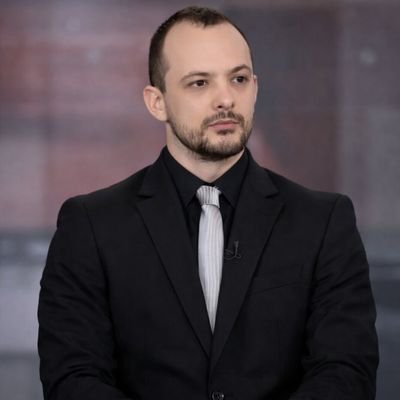
Alexander Itimoudis argued that Greece had entered a period of reorganization of its military machine due to the increased threat from Turkey. He linked the effort to rationalize tax collection with the need to fund the development of the Greek defense industry. According to him, Turkey had a larger military industry and continued to invest in it, even at the expense of its citizens' living standards. He mentioned that the external debt of the two countries was 590 billion and 564 billion respectively, but that Turkey's debt corresponded to a smaller percentage of GDP due to its larger economy. He added that a country must be able to mobilize resources, borrow, and produce military material to respond to a potential conflict. Itimoudis stated that since Greece was still not competing with Turkey in numbers, it was investing in qualitative force multipliers. These included the Air Force and Navy, satellite data, and system interoperability through the "Achilles Shield," digitization in Belhara frigates and F-35s, exercises with Israel and Egypt, as well as cooperation in the field of intelligence with Israel and the acquisition of systems such as Spike NLOS and Spice. He also emphasized that, in his opinion, a country should be able to transfer expertise between the political sector and the military industry. He argued that Greece remained trapped in small businesses that were not innovative and in economic activities such as catering and tourism, which he deemed inadequate for resource mobilization in the event of a conflict. According to Itimoudis, Greece's actions since 2019 aimed to address the growing power disparity with Turkey. He said that rapid structural changes were required but faced intransigence both within and outside the state, and he urged readers to calmly confront what they heard and read, arguing that it did not reflect the actual situation. #Ελλάδα #Τουρκία #ΠολεμικήΒιομηχανία (translated)