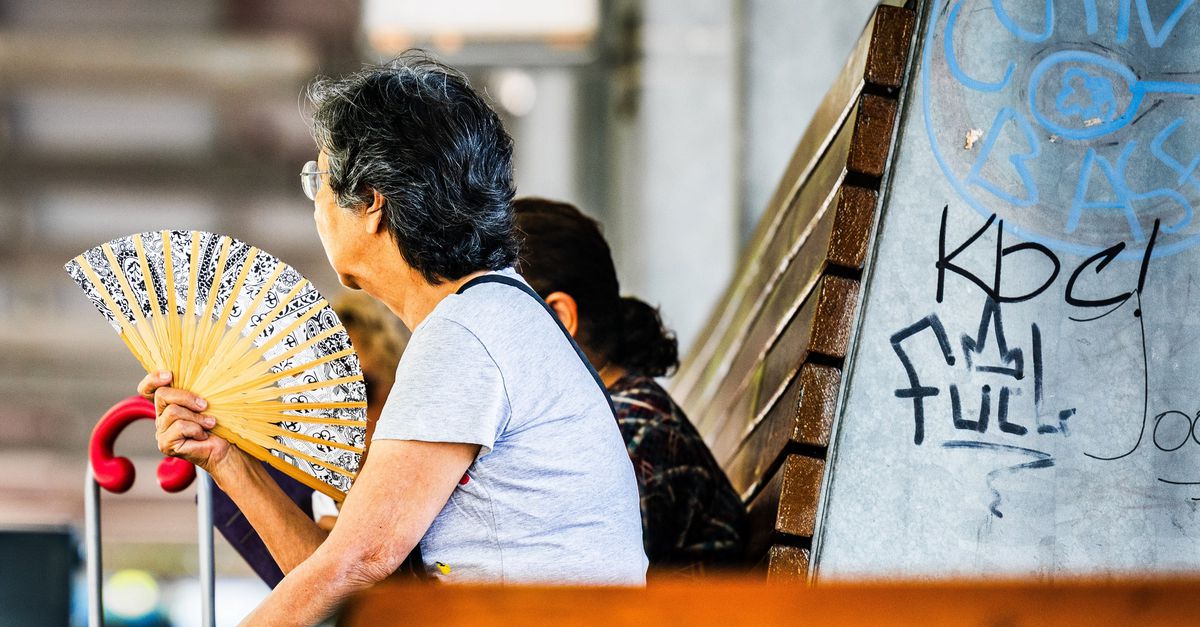
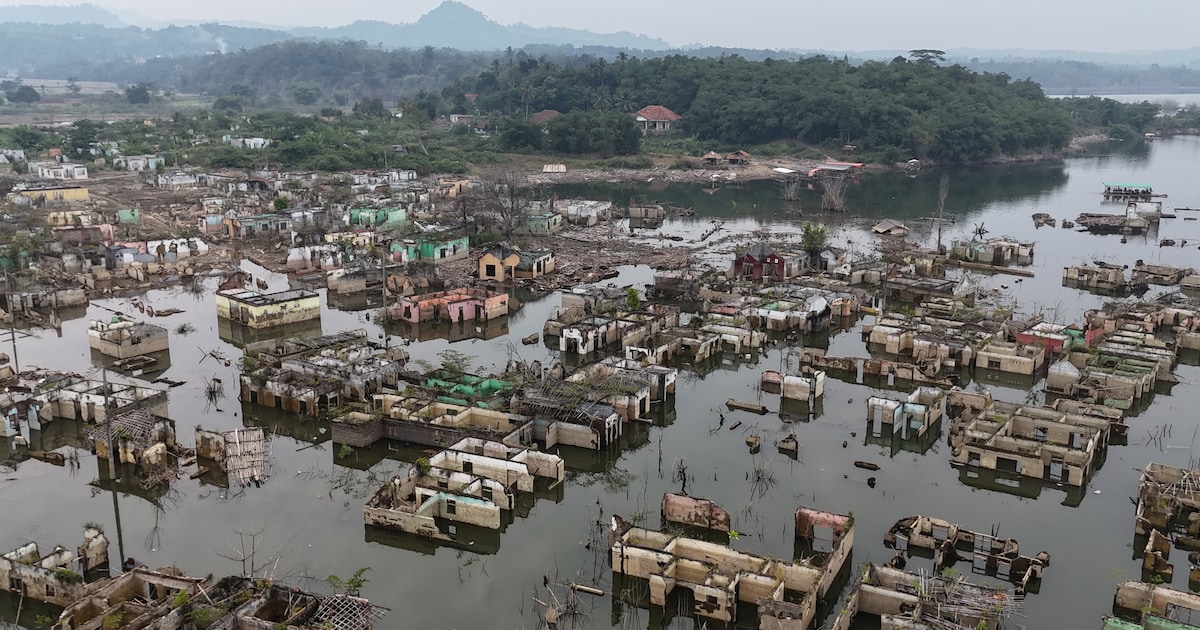
During the extreme heat this summer, more than 2,935 people died in Belgium, with June 27 being the deadliest day, according to figures from the Belgian health institute Sciensano. (translated)

During the extreme heat this summer, more than 2,935 people died in Belgium, with June 27 being the deadliest day, according to figures from the Belgian health institute Sciensano. (translated)

A French NGO has launched a website where 140,000 people share their experiences with heat, drought, and flooding due to climate change, with the aim of forcing the government to provide better protection for citizens. (translated)

Summer 2026 was the warmest ever recorded in the Netherlands, with record temperatures and drought, and although these conditions were considered exceptional, they are quickly becoming the norm due to advancing climate change. (translated)

Europe must stop responding to Russian aggression with warnings and half-measures. After years of war against Ukraine, sabotage, cyberattacks, espionage, disinformation and repeated security incidents across Europe, deterrence must become credible again. My 10 hard hitters https://t.co/PRR8cvTas8 #StopRussianAggression #Deterrence #UkraineWar #EU #RU #UA
De wereld is gek geworden. Compleet gek. Van angst, doemvoorspellingen en waarschuwingen voor zowat alles wat vroeger gewoon… het leven was. Het regent hard? Alarm. Het waait? Waarschuwing. Het wordt warm? Hitteplan. Onweer? Blijf binnen. Stevige wind aan zee? Als werkelijk alles een waarschuwing wordt, is uiteindelijk niets nog een waarschuwing. We kweken zo alleen maar angst. Geen weerbaarheid, maar afhankelijkheid. Geen gezond verstand, maar protocollen. Risico is onderdeel van het leven. Misschien wat minder doemdenken. Wat meer gezond verstand. En af en toe gewoon een paraplu. #gezondverstand #angst #leven
Uppsala kommun har bestämt att socker inte är en krydda. Den nya regeln har aldrig fattats som ett formellt beslut och går inte att överklaga. Kommunens olagliga hittepå tvingar studentnationer och krögare att skriva om sina snapsrecept🧵 https://t.co/szAH9l93WM #Uppsala #Matlagning #Regler
En ondanks de droogte, de hitte en de fantastische zomer... is het na 14 dagen gewoon weer groen in Europa. Gras wint altijd 🌾 https://t.co/MOGh28KNkJ #natuur #groen #Europa
Summer 2026 is officially the warmest recorded summer in the Netherlands since 1901, with an average temperature of 19.3 degrees Celsius, and this was to be expected given the recent extreme heatwaves and drought in Europe. (translated)

In Algeria, twelve people lost their lives due to persistent wildfires in the coastal provinces near Algiers, with 54 others suffering burns, while authorities report that 154 fires have been recorded, of which 36 are still raging in the province of Béjaïa. (translated)

In Greece, 39 wildfires have broken out in just a few hours, with the largest fire raging on the island of Salamis, while the heatwave and ongoing drought increase the risk of such fires in the country. (translated)

In Spain and Germany, significantly more heat-related deaths have been recorded in the past few months, with 4,458 and an estimated 14,000 deaths during a certain period, respectively, with the elderly being the most vulnerable group and the direct link between heat and death often being difficult to determine. (translated)

During the June heatwave with code red, there was a significant increase of 15 percent in the number of contacts with general practitioners' posts, especially among babies, young children, and the elderly, raising concerns about the workload and the impact of climate change on public health. (translated)

According to the KNMI, the North Sea was the warmest ever recorded last weekend, with a temperature of 21.5 degrees at Goeree, which brings higher marine heatwaves and significant consequences for the environment and the weather. (translated)

Ecologist Stef Röell advocates for greening forgotten corners in Dutch cities to create cooler neighborhoods and better cope with extreme weather, as increased hard surfaces lead to heat stress and water nuisance. (translated)

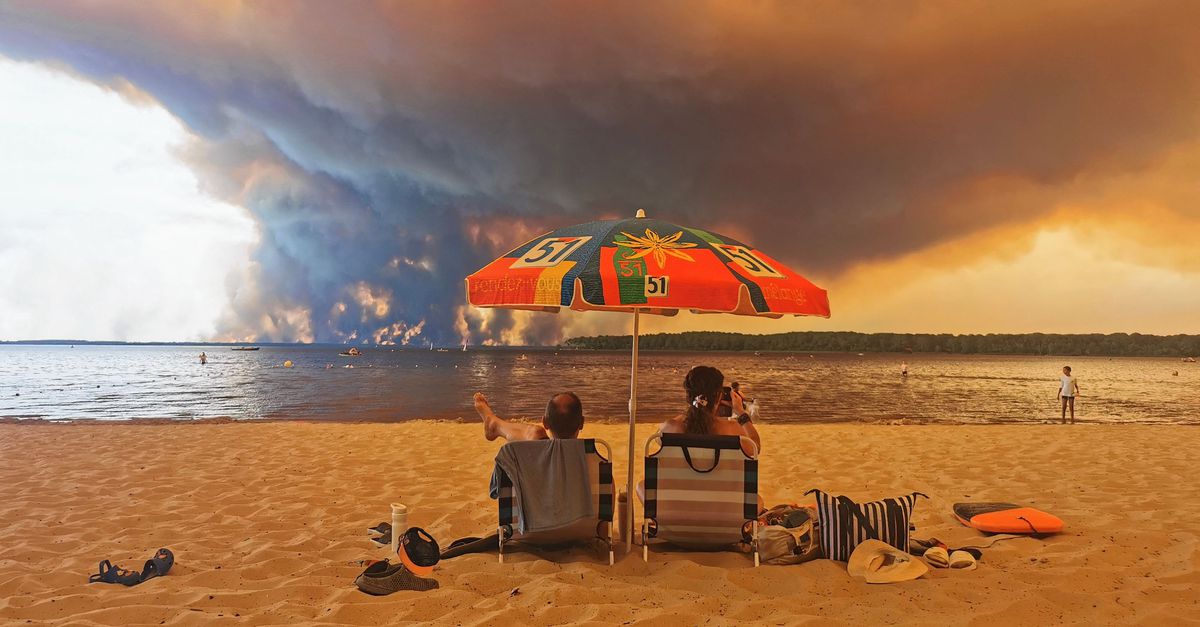
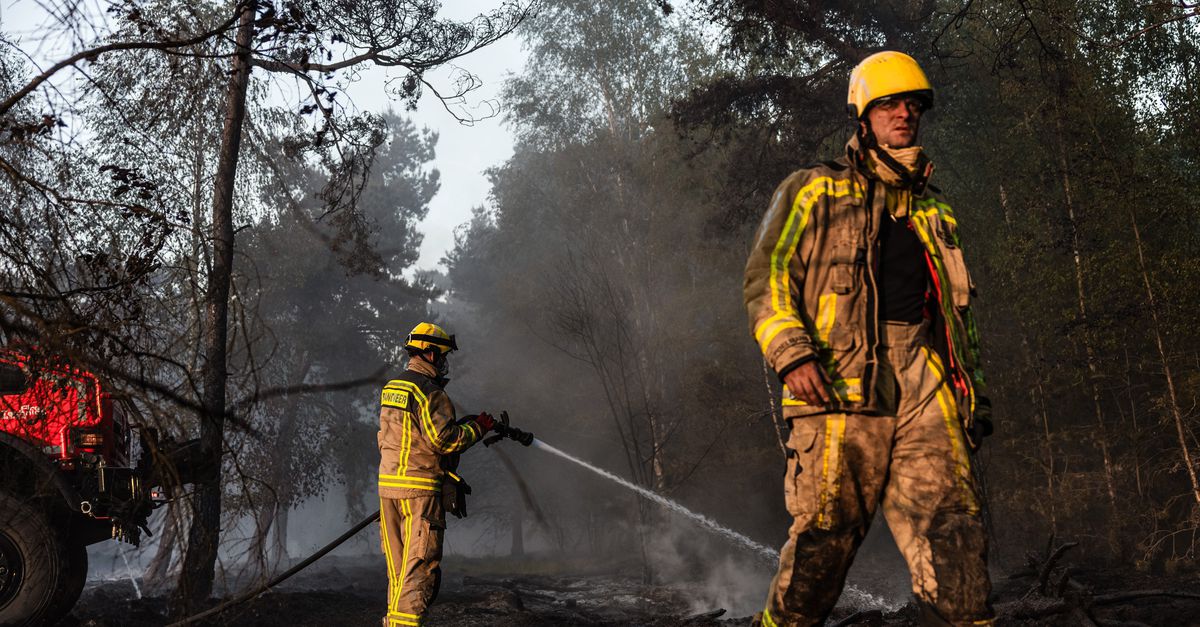
Above the wildfire in the High Fens in Belgium, a rare pyrocumulus cloud has been observed for the first time, caused by the intense heat from the fire. (translated)

Waarom het vertrouwen in klassieke media verder keldert. Volgens de krant De Morgen hekelt “de toonaangevende krant The New York Times” het Belgische hittebeleid en halen ze daarvoor ook nog eens genadeloos uit naar @FranckenTheo. De Morgen zet daar een groot artikel over online. Niet hun analyse, nee hoor: die van dé Times. Dan moet het echt wel wereldnieuws zijn. Heel gek: diezelfde “toonaangevende New York Times” vermelde enkele weken geleden ook al mijn tussenkomsten in het Vlaams Parlement. Toen over Vlaamse regels tegen airco. En ook met eenzelfde laagdunkend toontje over “right-wing politicians” die zogezegd hun prioriteiten niet op orde hebben. Zeer apart toch? De grote toonaangevende krant New York Times die de tweets en tussenkomsten van Belgische politici op de voet volgt. Tot zelfs de debatten in het Vlaams Parlement, waar zelfs de meeste Vlaamse media niet toe komen. Wel, te gek om waar te zijn natuurlijk. Die zogezegde stukken van “de toonaangevende New York Times” zijn van een oer-Vlaamse journaliste. Met redelijk links-ingenomen voorkeuren, in lijn met de ideologische richting van de krant (in Amerika maken ze daar minder geheim van dan bij ons). Zij schrijft die artikels voor een Brusselse hub. Klopt dus helemaal niet dat dit in DE Times verschijnt. Laat staan dat het zo opvallend was dat er in Amerika grote schande gesproken wordt over Belgisch beleid en "right-wing" politici. De journaliste is gewoon een Vlaams en de hub zit in Brussel. Te vergelijken met @pieter_haeck, een Vlaamse onheilsprofeet journalist, die voor Politico Europe schrijft. De Morgen neemt buitenlandartikels van de Times rechtstreeks over, dus is het aanmerkelijk dat ze de journaliste ook gewoon kent. Waarom vermeldt De Morgen dat niet eens? Waarom doet het uitschijnen alsof we in België zo van de wereld zouden zijn, dat zelfs “dé toonaangevende New York Times dat zou hebben opgemerkt?” De vraag stellen, is ze beantwoorden. #Media #Vertrouwen #Politiek
Saibari, een parel binnen en buiten de velden. Van klaarstaan voor nieuwe spelers met taalbarriere tot onvoorwaardelijke liefde voor Nouri en zijn familie. Ook vandaag weer! Als eerste naar Musiala toe gerend, toen hij zag dat hij in elkaar zakte, door de hitte! ❤️ https://t.co/CjKitLBMYR #voetbal #samenhorigheid #support
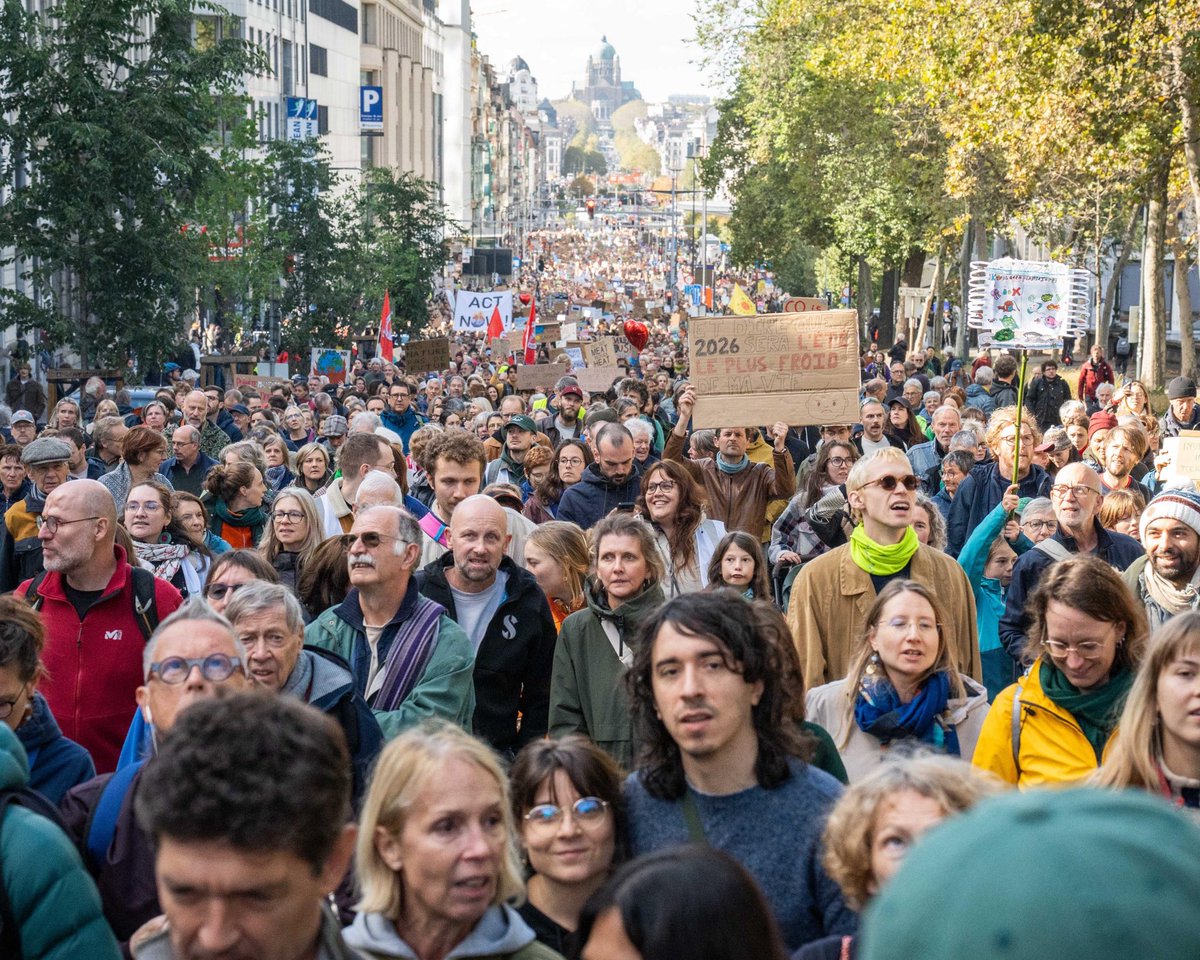
Climate activists from Extinction Rebellion (XR) have once again blocked the A12 in The Hague to draw attention to the climate crisis and the immediate need for the House of Representatives to debate the ongoing drought and heat in the Netherlands. (translated)

A halál – az elfogadhatatlan végesség Talán nincs még egy olyan bizonyosság az emberi életben, amelyet ennyire nehezen tudunk elfogadni. A halál mindig is ott állt mellettünk: a barlangok sötétjében, a piramisok árnyékában, a középkori templomok falain, a csatatereken, a járványok idején és a modern kórházak steril folyosóin. Mégis minden korszak embere úgy érezte, hogy a halál valamiképpen idegen. Mintha nem hozzánk tartozna. Mintha valami rendellenesség volna az élet rendjében. A történelem során az emberek nem egyszerűen meghaltak – értelmet próbáltak adni a halálnak. Az őskori temetkezések azt mutatják, hogy már tízezer évekkel ezelőtt is hittek valamiféle folytatásban. A halott mellé fegyvert, ékszert, ételt, használati tárgyakat helyeztek. Nem azért, mert a földnek szüksége volt rájuk, hanem mert úgy gondolták: a halottnak még szüksége lehet rájuk. A sír nem a vég volt, hanem egy kapu. Az ókori egyiptomiak talán minden népnél komolyabban vették a halál utáni életet. A test megőrzése, a mumifikálás, a sírkamrák díszítése, a Halottak Könyvének szövegei mind arról szóltak, hogy a halál csak egy állomás. Az ember lelke tovább él, de ehhez szüksége van arra, hogy neve fennmaradjon, teste felismerhető maradjon, és átkelhessen az istenek ítéletén. Számukra a feledés volt az igazi halál. A görögök egyszerre féltek és filozofáltak a halálról. Homérosz hősei dicsőséget kerestek, mert tudták, hogy az élet rövid. Platón a lélek halhatatlanságáról elmélkedett, míg a sztoikusok azt tanították: a halál természetes, ezért nem szabad rettegni tőle. Könnyű ezt kimondani. Sokkal nehezebb akkor, amikor egy szeretett ember utolsó lélegzetét halljuk. A középkor embere sokkal közelebb élt a halálhoz, mint mi. A gyermekhalandóság magas volt, a járványok falvakat pusztítottak el, a háborúk mindennaposak voltak. A halál nem kivételes esemény volt, hanem állandó jelenlét. Ezért született meg a memento mori gondolata: emlékezz a halálra. A koponyák, homokórák, csontvázábrázolások nem a borzalmat akarták növelni, hanem emlékeztetni: az élet mulandó, ezért számít, hogyan élünk. A gyász is egészen más volt. Ma gyakran igyekszünk gyorsan túljutni rajta. A társadalom türelmetlen a gyásszal szemben. Néhány hét után azt várja, hogy térjünk vissza a munkába, a hétköznapokba, a mosolyhoz. Régen a gyásznak ideje volt. Hónapokig vagy évekig fekete ruhát viseltek, letakarták a tükröket, megállították az órákat a halál pillanatában. A házban virrasztottak a halott mellett. Nem elrejtették a halált, hanem együtt voltak vele. A 19. században a halál szinte családi esemény volt. A halottat otthon ravatalozták fel, a rokonok megérintették, elbúcsúztak tőle. Különös szokások is kialakultak: hajtincsből készített emlékékszerek, posztumusz fényképek, amelyek az utolsó közös emléket őrizték. Ezek ma talán hátborzongatónak tűnnek, de valójában ugyanarról szóltak, mint minden gyász: ne tűnj el teljesen. És talán ez az emberiség legnagyobb közös története. Nem a háborúk, nem a birodalmak, nem a királyok. Hanem az, hogy minden korszak embere megpróbálta valahogyan legyőzni a végességet. Emlékművekkel, sírokkal, legendákkal, vallásokkal, gyermekekkel, könyvekkel, dalokkal. Minden kultúra feltette ugyanazt a kérdést: valóban ennyi az ember? A halál azért olyan elfogadhatatlan, mert a szeretet nem ismeri a végességet. Amikor elveszítünk valakit, nemcsak egy embert veszítünk el, hanem a közös jövőt is, amelyet elképzeltünk vele. Ezért a gyász valójában nemcsak a múltról szól, hanem az elveszett jövőről is. A történelem azt tanítja, hogy a halált soha senki nem tudta megszelídíteni. De azt is, hogy az emlékezés különös hatalom. Amíg kimondjuk valakinek a nevét, amíg felidézünk egy történetet, egy mozdulatot, egy nevetést, addig valami mégis ellenáll a végességnek. Talán ezért építünk sírokat. Talán ezért gyújtunk gyertyát. És talán ezért mesélünk történeteket azokról, akik már nincsenek közöttünk. Fotó: Open AI