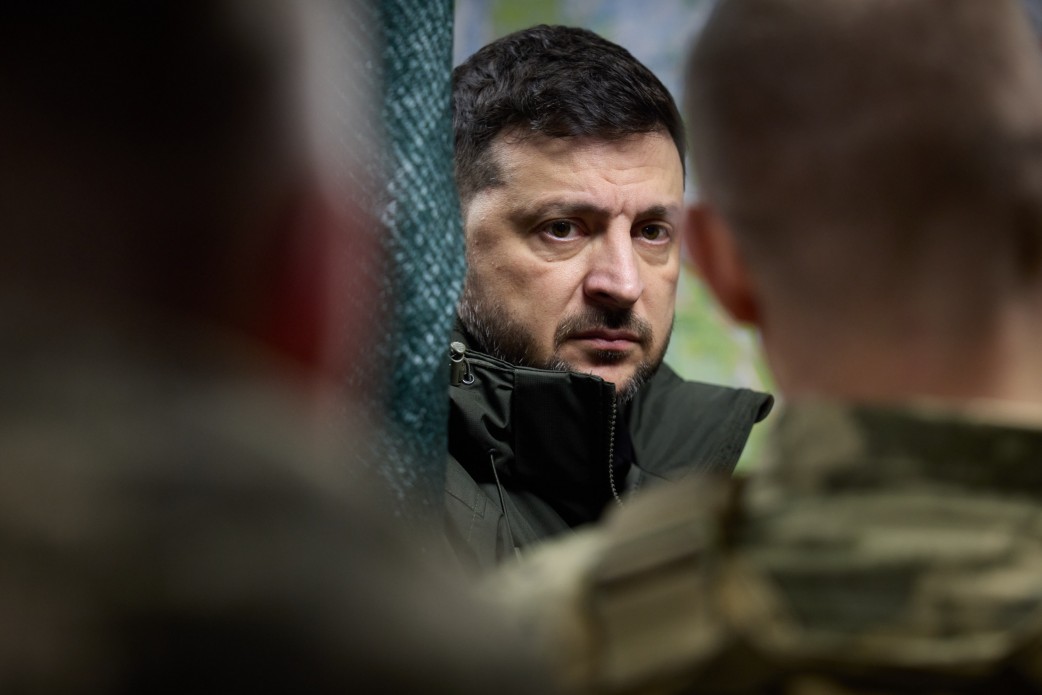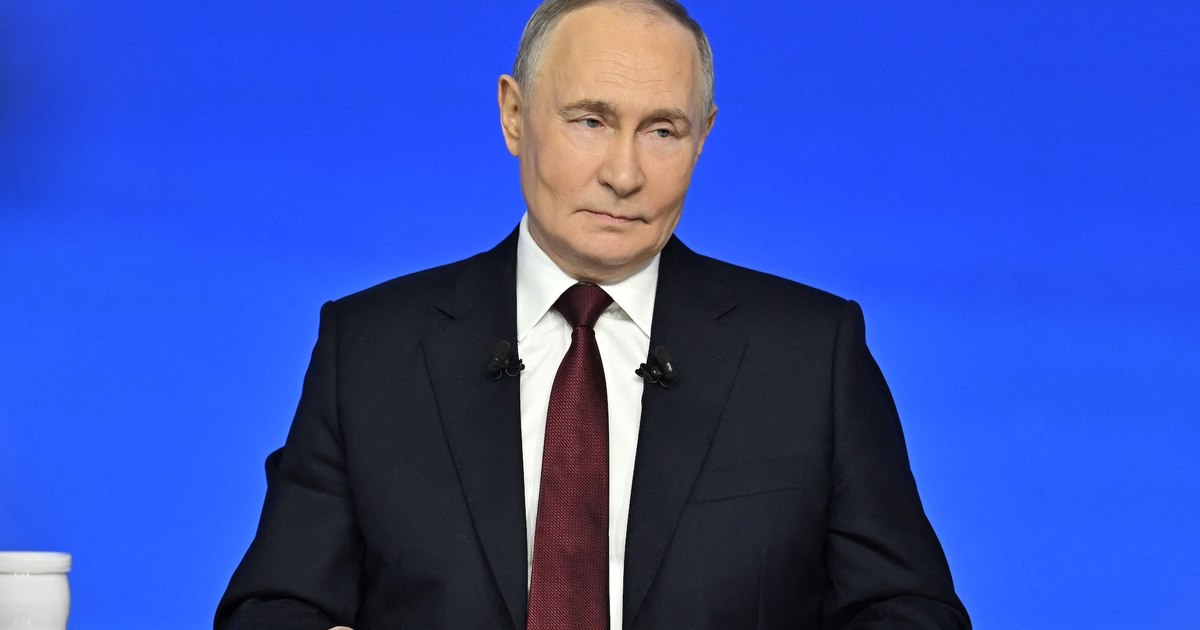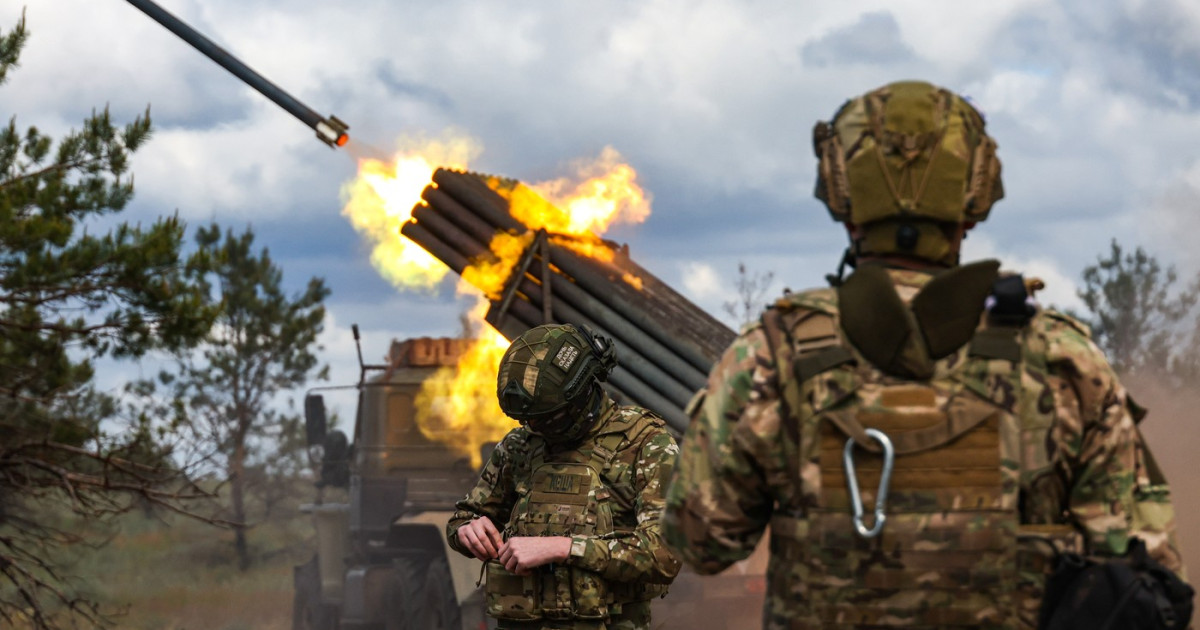
Former CIA director David Petraeus states that Russia will not succeed in achieving its war objectives, emphasizing that Ukraine holds the initiative on the front and that its military innovations are destroying Russian infrastructure. (translated)
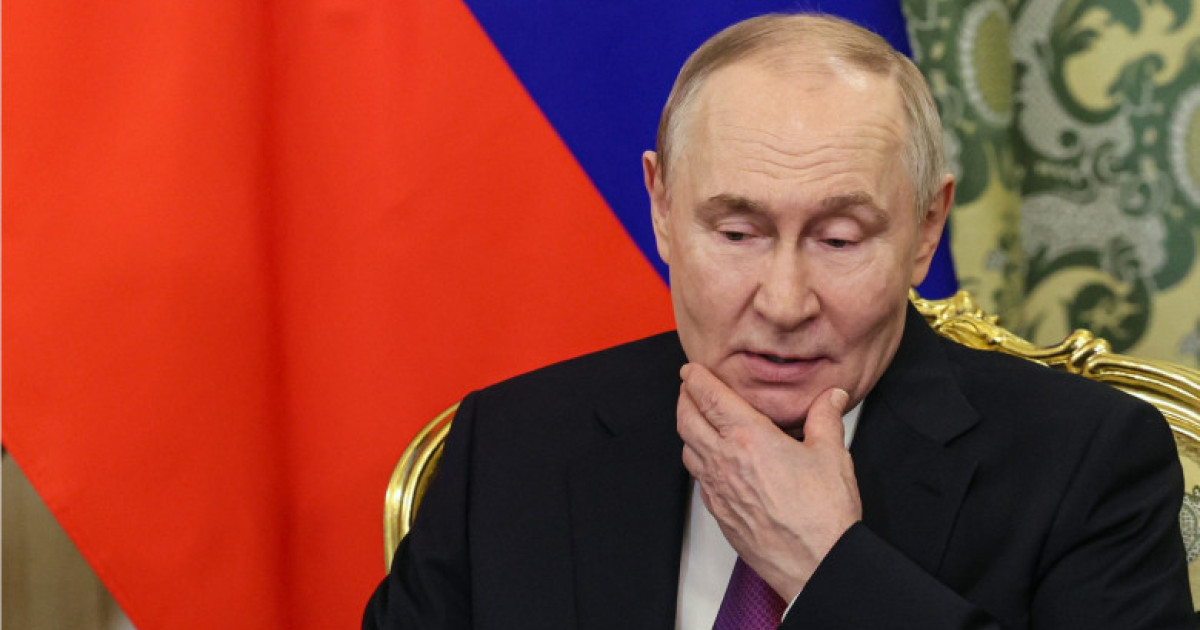
Former CIA director David Petraeus states that Russia will not succeed in achieving its war objectives, emphasizing that Ukraine holds the initiative on the front and that its military innovations are destroying Russian infrastructure. (translated)

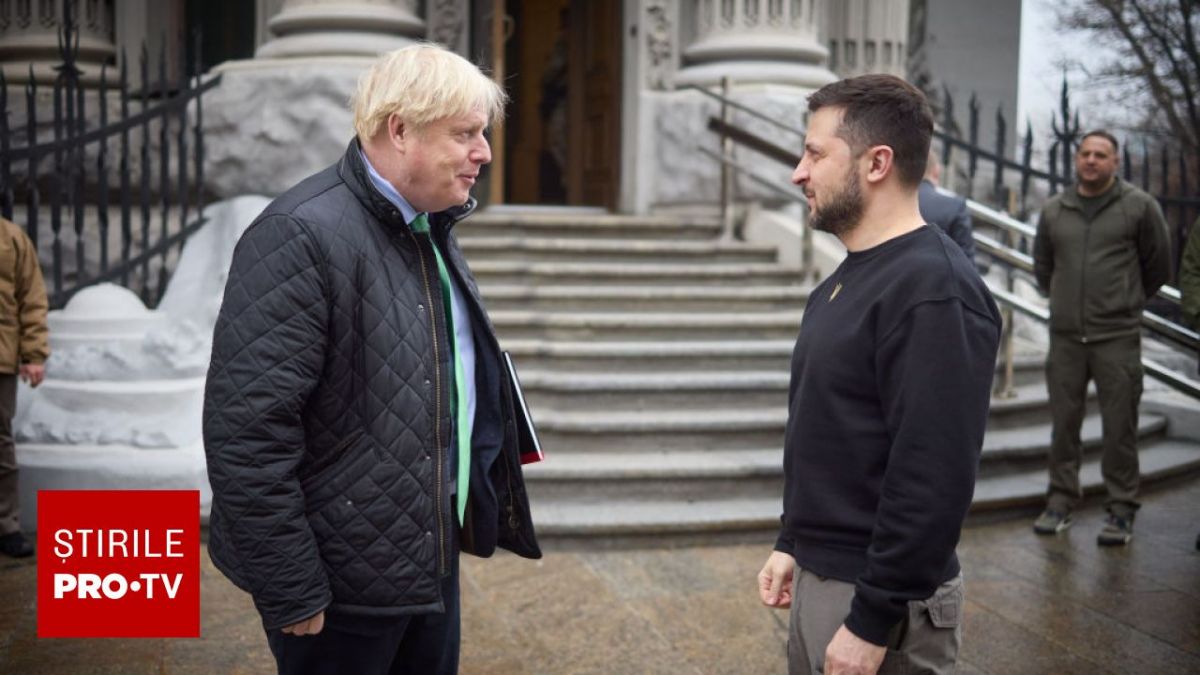
Russia attacked a Ukrainian train shortly after European officials, including Boris Johnson, left the station in Yahodyn, marking an escalation of Russian aggression in Ukraine. (translated)

Ukrainian President Volodymyr Zelensky warned that Ukraine will respond with the same intensity if Russia attacks the country's electrical grid this winter. (translated)
Ukrainian President Volodymyr Zelensky warned that Ukraine will respond in the same manner if Russia attacks its energy infrastructure during the winter, while also calling for an "energy truce" and the unlocking of the food corridor from the Black Sea. (translated)

Russia is intensifying its attacks on Kyiv, targeting civil and economic infrastructure with the aim of keeping the capital under psychological pressure and exhausting Ukraine's defense resources. (translated)

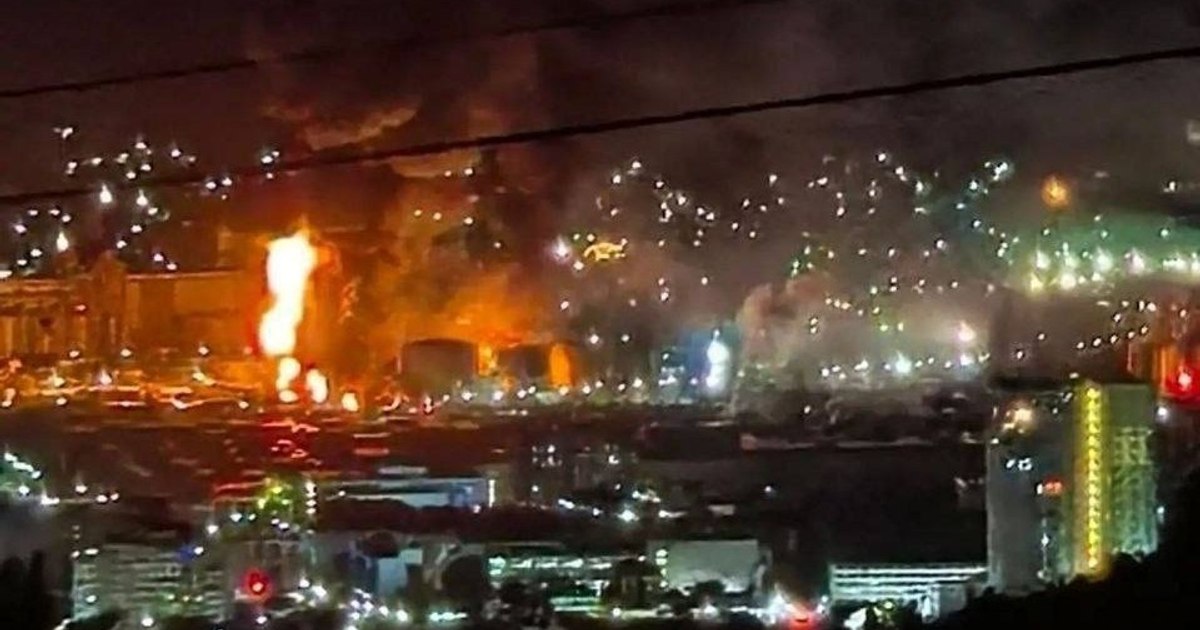
A fuel oil terminal in the port of Novorossiysk, the largest in Russia, was destroyed by a drone attack on the night of September 9, with no casualties reported. (translated)

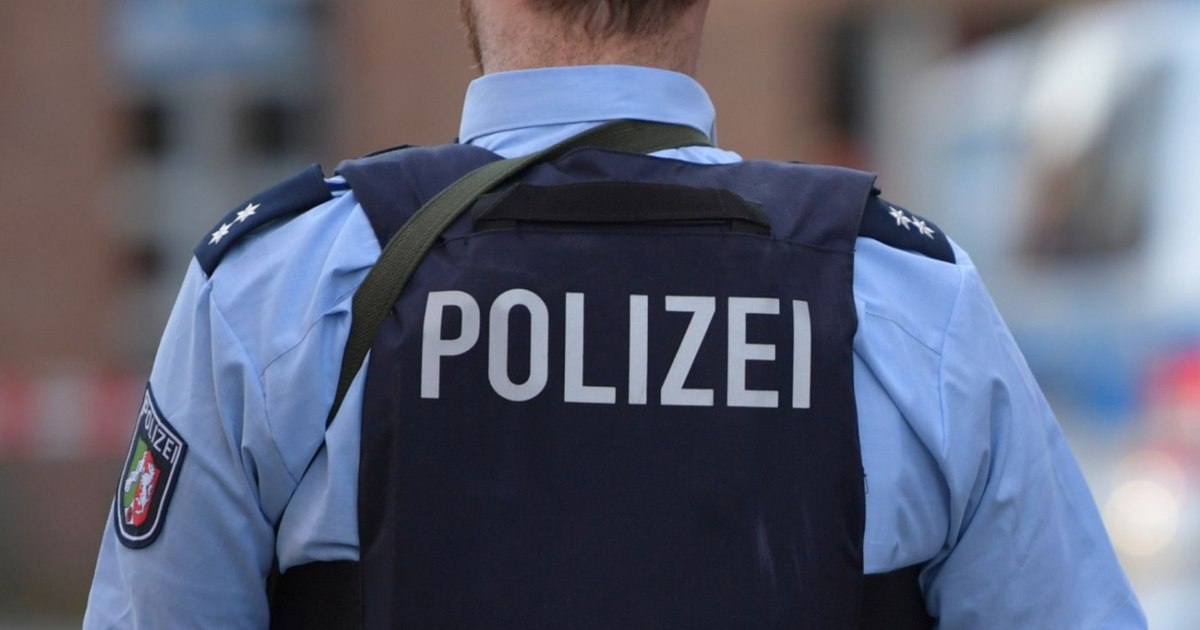
The police in Germany neutralized 21 improvised explosive devices discovered near the electrical grid during an investigation into recent attacks on electrical infrastructure. (translated)

Compania de Utilități Publice Dunărea Brăila S.A. face un pas înainte în modernizarea rețelei de canalizare a municipiului, după ce Direcția Județeană de Mediu a emis decizia etapei de încadrare pentru un nou proiect de infrastructură. https://www.infoest.ro/stiri/administrative/braila-proiect-de-refulare-aviz.htm

SciLight Global South Sustainable Development (GSSD) – Street Art as Participatory Infrastructure and Community Mental Health SOURCE: https://www.linkedin.com/pulse/scilight-global-south-sustainable-development-gssd-sardella-ph-d--ojtlf/ It is with considerable satisfaction that I have the honour of announcing the publication of our scholarly contribution, produced in collaboration with Professor Matteo Mantuano (Unitré, Università degli Studi di Milano), with the generous support of the Stramurales International Street Art Festival, Stornara Life APS, under the direction of Lino Lombardi, and the Banda dei Fischietti of Stornara, Puglia, Italy: "Street Art as Participatory Infrastructure and Community Mental Health: The Case of the Stramurales Festival of Stornara Life APS" Global South & Sustainable Development, 2026, 1(1), 6 🔗 https://www.sciltp.com/journals/gssd/articles/2602003135 Published by Casa Editrice SciLight, with its headquarters at Suite 4002, Level 4, 447 Collins Street, Melbourne, Victoria 3000, Australia. What Does this Research Concern itself with? The present study examines the Stramurales International Street Art Festival of Stornara (Puglia) as an innovative instrument of participatory public health intervention, analysed through the theoretical lenses of environmental psychology, resilience theory, and the emerging framework of "EnvironMental Health." Stornara constitutes a paradigmatic instance of the structural violence that afflicts rural Southern Italy: youthful emigration, infrastructural deterioration, and collective despondency together form a constellation of deeply interconnected public health crises. The Stramurales model—founded by Maestro Lino Lombardi under the auspices of the association Stornara Life APS—addresses these considerable challenges by means of three cardinal democratic mechanisms: the voluntary participation of property owners, the democratic selection of mural content through annual community assemblies, and a system of transparent governance expressly designed to forestall appropriation by local political élites. Principal Findings ISTAT data document a reduction in the annual rate of youth emigration from approximately 175 per 1,000 young adults during the period 2014–2017 to approximately 118 per 1,000 between 2018 and 2022: a diminution of some 33 per cent, notably coincident with the festival's inception. Whilst one must naturally refrain from attributing this variation causally and exclusively to the intervention in question, the quantitative evidence integrates compellingly with a rich body of qualitative testimony: participants who now describe their community no longer as "a place from which one flees", but rather as "a place actively engaged in becoming something". The psychological mechanisms thus documented — affective regulation, social cohesion, narrative reconstruction, and collective self-efficacy — are produced not by the murals as such, but by the democratic process through which they are brought into being. It is participatory governance, one must insist, that constitutes the genuine therapeutic agent. Why Does This Matter at the Global Level? Through comparative analysis with experiences drawn from the Global South—among them Casa Kolacho in Medellín, post-apartheid initiatives in South Africa, and festival projects within the Brazilian favelas—the study demonstrates the transferability of this model to contexts of structural marginalisation of markedly different character and provenance. The implications for public policy are unambiguous: democratic governance of urban space is not a procedural nicety but a fully-fledged therapeutic intervention, at once economically sustainable and eminently replicable. This work forms part of a broader research programme initiated with the publication of Street Art as Public Health Infrastructure in the Harvard Health and Human Rights Journal, and aspires to contribute, both theoretically and empirically, to the consolidation of an integrated discipline at the intersection of cultural policy, urban design, and public health. I remain profoundly grateful to all those in Stornara who possessed the singular courage to paint their own future.
Germany is investigating a possible attempt at sabotage of energy infrastructure following the discovery of 12 homemade explosive devices in Saxony, which were intended to cause short circuits in the electricity transmission network. (translated)
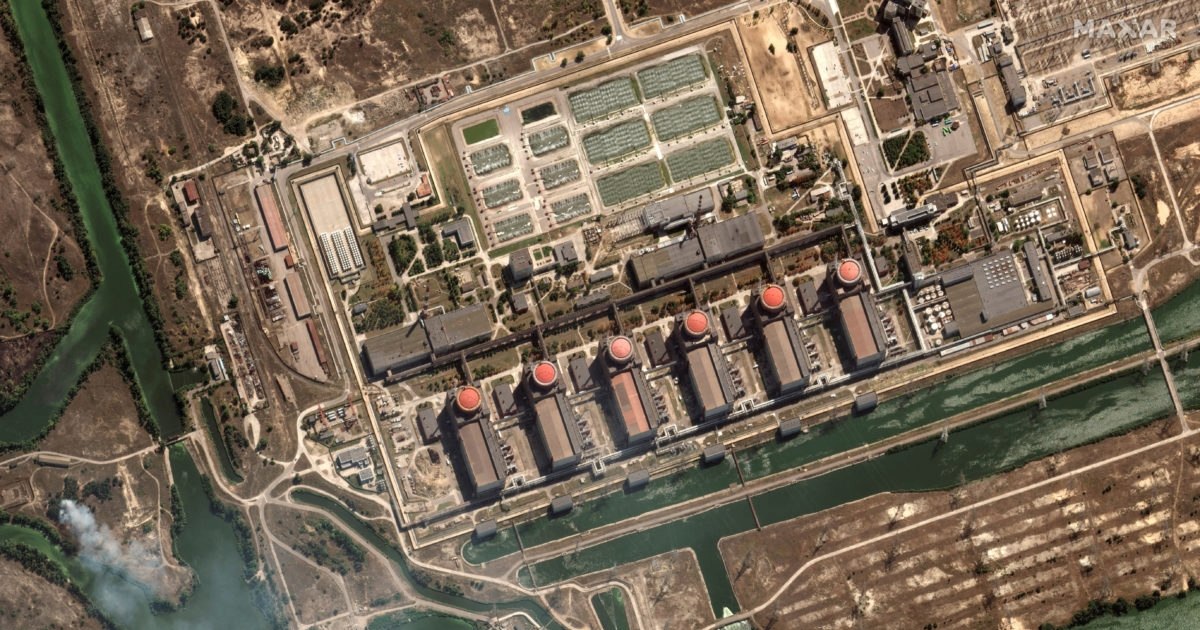
Russia and Ukraine have agreed to a temporary truce in the area of the Zaporozhye nuclear plant to allow repairs to the energy infrastructure, amid an energy supply crisis caused by nearby military activity. (translated)

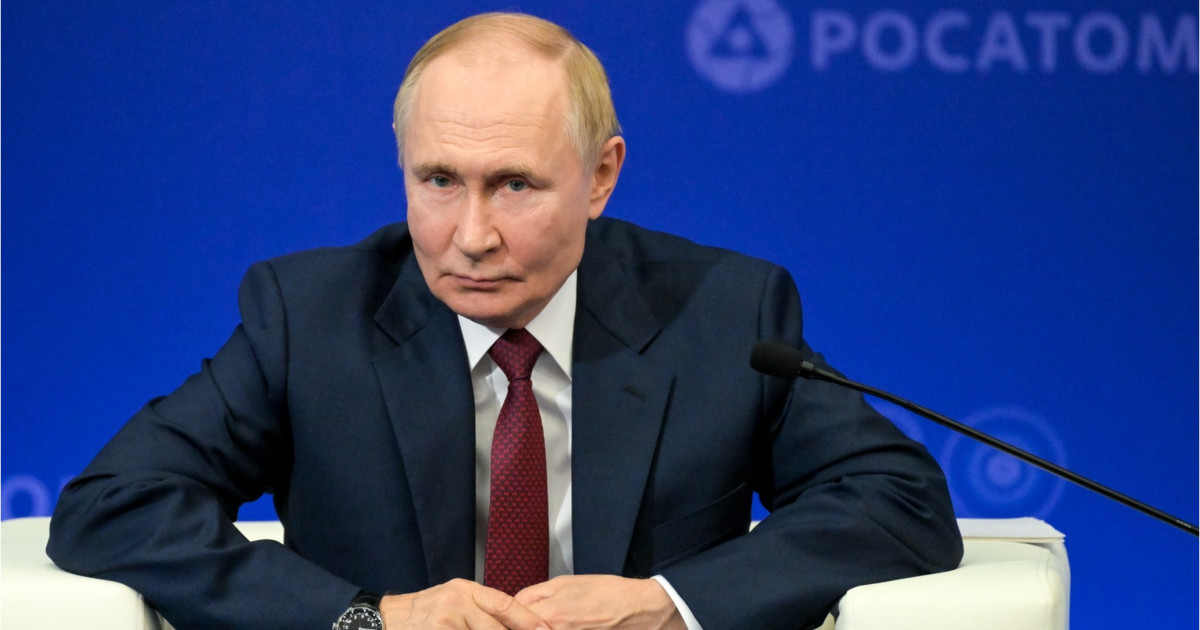
The article analyzes how Russia's expertise in nuclear energy, through the company Rosatom, allows Putin to influence critical infrastructure in other countries, providing a strategic advantage even without the use of nuclear warheads. (translated)

Iran has threatened "critical" cyberattacks on the energy and water infrastructure of the US, after a group of Iranian hackers promised "unexpected events" amid rising tensions between the two countries. (translated)

A Ukrainian official warns that Russia may try to attack the bridges in Kyiv to isolate the left bank of the capital and calls on authorities to be prepared with emergency plans. (translated)

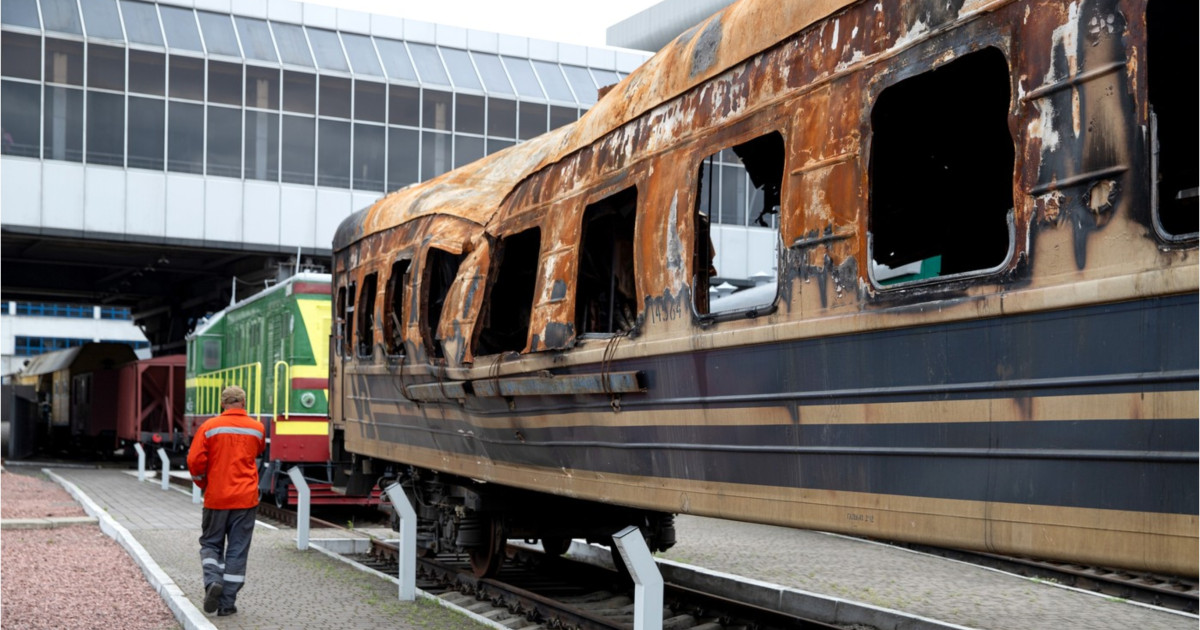
Russia has intensified attacks on Ukraine's railway network, considered the "backbone of the economy," causing the death of six employees and injuring another 12 people, including children, in recent days of bombings in Kyiv. (translated)

An explosive device was discovered near the Jänschwalde power plant in Brandenburg, Germany, prompting a police investigation and causing a brief power outage, without affecting the overall security of the energy supply. (translated)
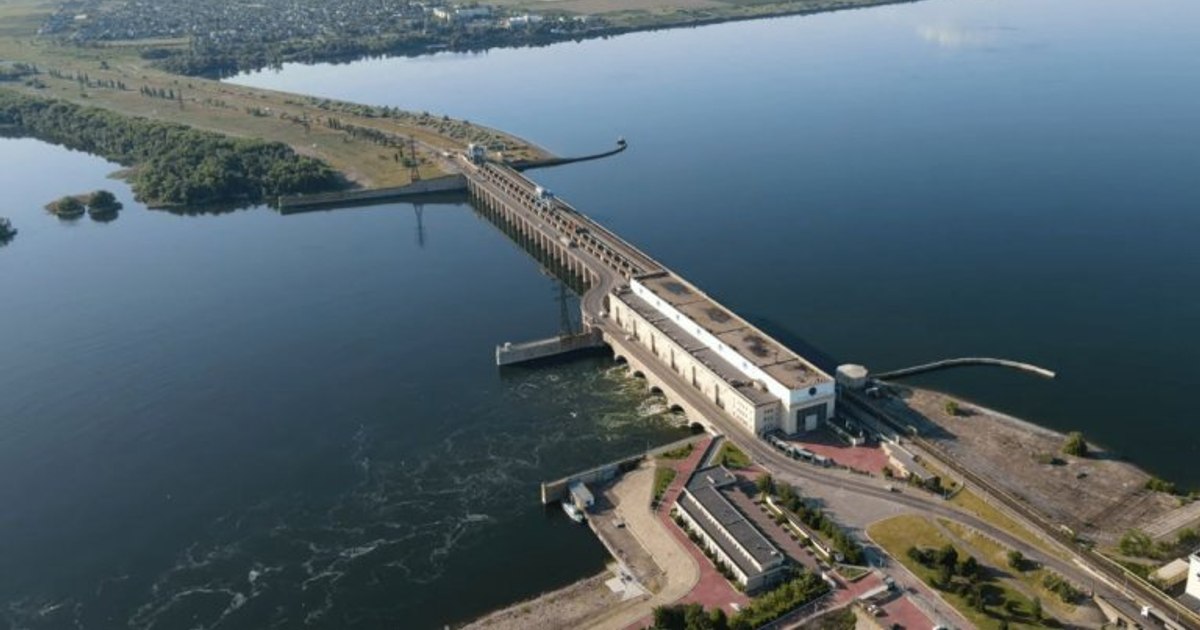
Ukrainian President Volodymyr Zelensky condemned the Russian drone attacks on the border crossing point between Ukraine and Romania, emphasizing that these actions severely affect Ukraine's logistic infrastructure and exports. (translated)

Moscow has warned that it is preparing massive attacks on Ukraine's energy infrastructure, justifying this action by the Ukrainian attacks on civilian and energy targets in Russia. (translated)

Russia has announced that it has begun preparations for "massive attacks" on Ukraine's energy infrastructure in response to Ukrainian attacks on its own energy sector. (translated)

Planeta are vamă la granița Ucrainei?! România trebuie să închidă centrale pe cărbune pentru țintele climatice, în timp ce la câteva sute de kilometri un război arde combustibili, distruge rafinării și infrastructură. Unde mai e logica? #Romania #Ucraina #GreenDeal #Energie #Bolojan #Romania #Ucraina #Energie