BETA nonprofit public democratic european moderated

Search

#Makers

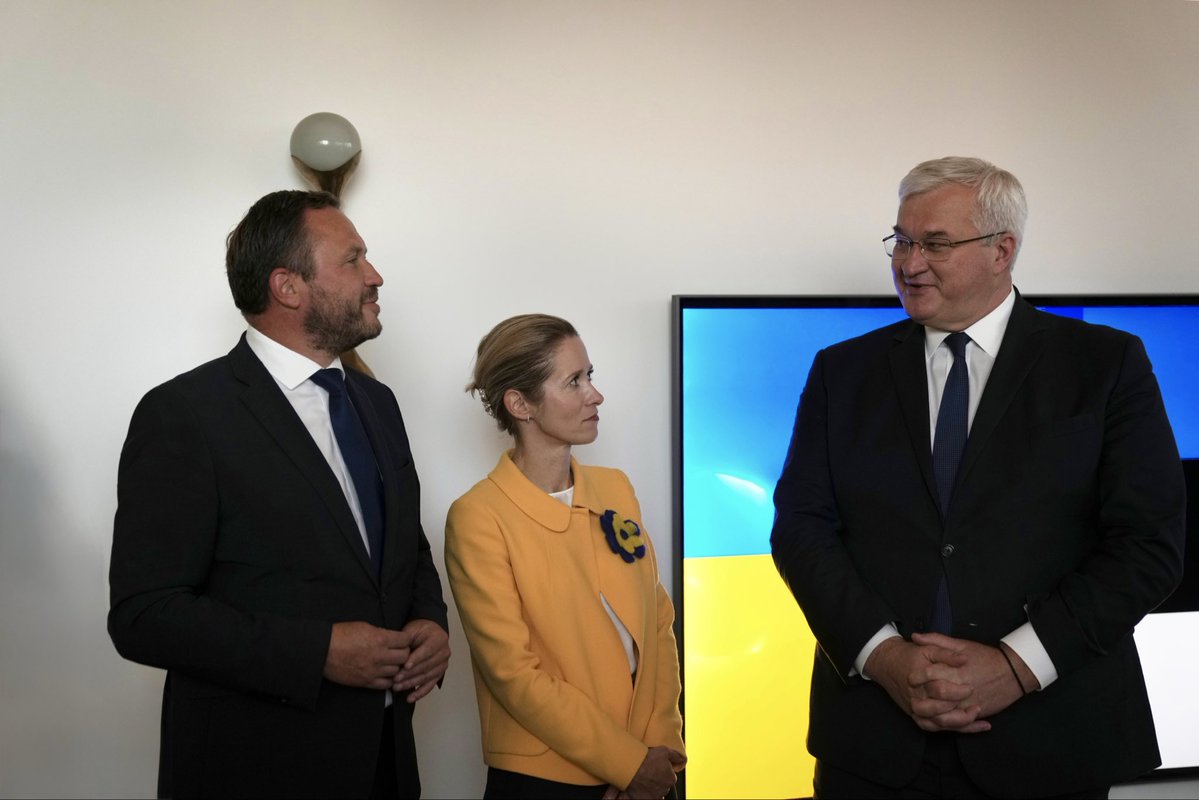
Estonia will host the next Ukraine Recovery Conference in Tallinn in January 2027, as Ukraine faces another winter of Russia’s war and urgently needs our support. In New York, I brought together key decision makers and partners to prepare a conference that delivers practical https://t.co/he1FisdNaY #UkraineRecovery #SupportUkraine #Estonia2027 #EE #UA #RU #US
V

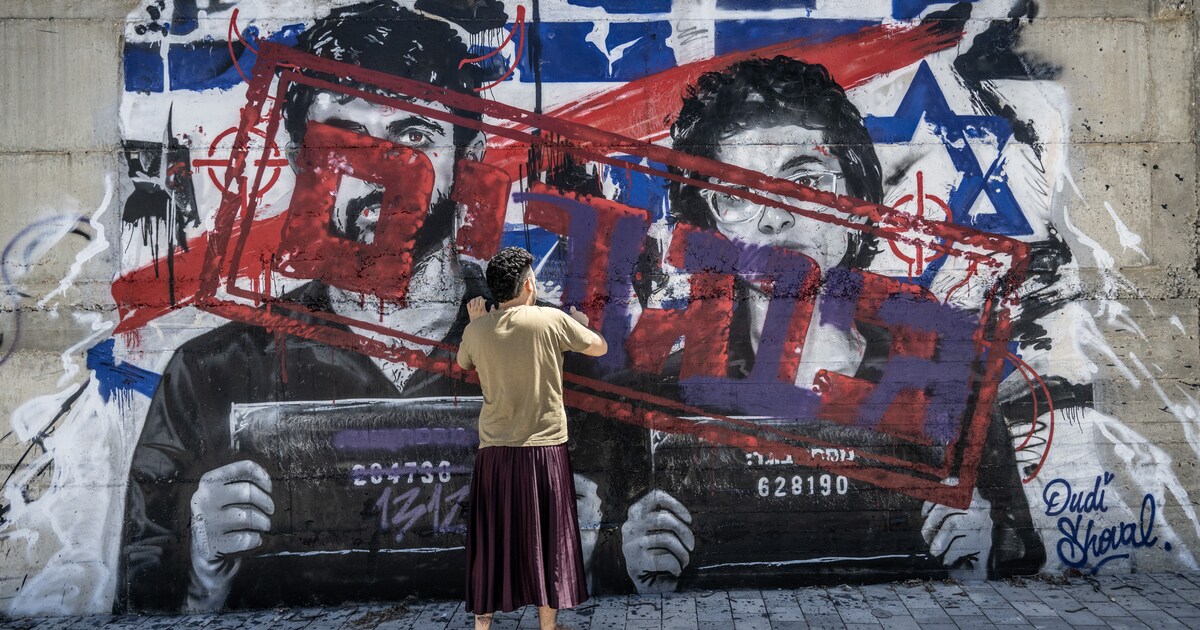
In Israel, there are calls for violence against the makers of a documentary that highlights the crimes of the Israeli army, with even their family members being threatened and agitation among extremists increasing. (translated)

Vuile was over het Israëlische leger buiten hangen? ‘Die verraders moeten worden geëxecuteerd!’

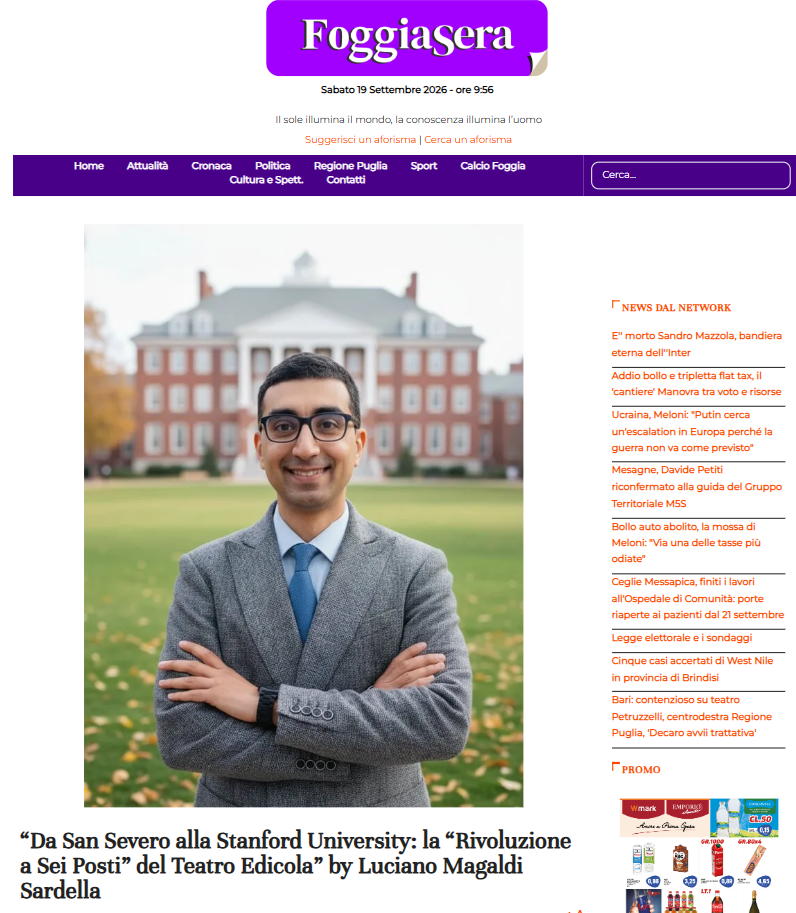
"FOGGIA SERA": FROM SAN SEVERO TO STANFORD UNIVERSITY: THE "SIX-SEAT REVOLUTION" OF THE TEATRO EDICOLA SOURCE: https://foggiasera.it/2026/09/19/da-san-severo-alla-stanford-university-la-rivoluzione-a-sei-posti-del-teatro-edicola-by-luciano-magaldi-sardella/ SAN SEVERO (FG) - The Stanford Social Innovation Review (SSIR), the scholarly journal published by the Stanford Center on Philanthropy and Civil Society of the prestigious Stanford University - ranked second in the world in the Shanghai Ranking of World Universities - and recognised as the pre-eminent global reference for researchers, policy-makers, and practitioners of innovative entrepreneurship and philanthropy, hath published the reportage "The Six-Seat Revolution" upon the Teatro Edicola of San Severo, the smallest theatre in the world by dimension and capacity, born of the intuition of Francesco Gravino, Artistic Director of the Foyer '97 company. Its author is Luciano Magaldi Sardella, independent researcher and international journalist, native of Orta Nova and of maternal Sanseverese extraction, hitherto author of studies published in international academic journals. The piece appeared in the September (Fall 2026) edition of the academic review, within the section devoted to Arts & Culture. A presence that projects San Severo, and more broadly the Capitanata, into the international élite of research upon cultural and urban innovation. The Theatre Is Born of a Disused Newsstand It all commenced on 27 March 2026, World Theatre Day, in Piazza Municipio at San Severo. A news-kiosk, disused for years in Via Matteo Tondi, raised its shutter to reveal, in lieu of newspapers and cigarettes, an actor upon the stage. Within: six chairs. At intervals of fifteen minutes, a new audience took its place. Drawing inspiration from the televisual format of Edicola Fiore by the noted Sicilian presenter of radio and television, there was born the Teatro Edicola, a structure now recognised in the media as the smallest theatre in the world for dimensions and capacity: four square metres in aggregate, with a scenic space of less than two metres. Gravino hath led Foyer '97 for nigh on thirty years, forging a most exacting artistic trajectory in a context - that of southern Italy - historically penalised in respect of public financing for culture. And yet, upon beholding that vacant kiosk, he elected the path of provocation: to transfigure the bare minimum into a manifesto concerning the very meaning of theatre. The Model and its Measurable Effects The inaugural season endured for three days. All performances were sold out. In a single afternoon, upwards of sixty persons attended the representations. The cost of the entire pilot operation was less than three thousand dollars. The formula is radical in its constitutive elements: performances of five to twelve minutes' duration, conceived expressly for the space; rotation of the audience every fifteen minutes; direct and inescapable visual contact betwixt actor and spectator; no architectural or psychological distance betwixt stage and auditorium; ticket proposed at five euros per person, within a hybrid economic model comprising municipal support, local sponsorship, and box-office receipts. According to the analysis published in the Stanford Social Innovation Review, the Teatro Edicola represents a replicable model of low-cost, high-impact urban regeneration, capable of reactivating abandoned commercial spaces (newsstands, tobacconists, telephone kiosks) without recourse to large infrastructural investment. The Voice of Him who Built it All Francesco Gravino entertaineth no doubt as to the import of the enterprise: "Grand theatres are not requisite to transform a fragment of a city. What is requisite is a sound idea and the courage to restore to the collectivity a space that hath lost its function." And upon the import of international recognition: "Teatro Edicola was born to demonstrate that a place of encounter and culture may arise wheresoever, even within two square metres. That this work should today be studied at an international level and that enquiries should arrive from cities such as Lucca and Rome is confirmation that the path pursued is the right one." The director hath further explicated the symbolic choice of place: the newsstand was the locus wherein each morn one paused, informed oneself, and recognised oneself as a community. Its disappearance rent a precise social fabric. To restore unto it a cultural function is to re-stitch that tissue at the very point wherefrom it was torn. The Challenges: Scalability, Institutional Recognition, Entrenchment The SSIR reportage doth not confine itself to celebration of the project but analyseth also the critical junctures. The first is sustainability over time: an activation of three days, howsoever successful, doth not yet constitute a stable programme, a veritable seasonal repertory (weekends from spring to autumn) with a rotating roster of local and regional companies. The second juncture concerneth replicability without loss of identity: the Teatro Edicola functioneth also by virtue of the profound roots of Foyer '97 in the Sanseverese territory. To transplant the model elsewhere requireth not merely a physical kit, but an entire process of community-building. The third obstacle is institutional: in a system of public funding that rewardeth organisations with consolidated premises and predictable output metrics, a project deliberately experimental, hyperlocalist, and by its very nature impermanent strugglest to gain access to the ordinary channels of the Fondo Nazionale per lo Spettacolo dal Vivo (FNSV) of the Ministry of Culture. A Lesson that Travels beyond Puglia In the Stanford Social Innovation Review the author concludeth that the intuitions of the Teatro Edicola transcend the Sanseverese context: in any community wherein cultural institutions struggle to reach youthful, diverse, or economically marginal publics, the principle of proximity proveth disruptive: to encounter people where they already find themselves, in the spaces they inhabit quotidianly. From the populous centre of Daunia to the pages of Stanford University: San Severo and its kiosk demonstrate that six chairs, four square metres, and a vision suffice to alter the manner in which a city conceiveth of itself. And to offer unto the world a model that costeth less than one might credit, yet is worth far more than one might imagine.

ES TOTALMENTE OFICIAL! #BTS y #JIN se llevan sus respectivos premios a casa tras arrasar en los The Fact Music Awards 2026! LOS REYES DE LA INDUSTRIA, MAS PREMIOS A SUS ESTANTE 😭🔥 🏆 Best Summer Music : BTS 🏆 Best Spring Music : BTS 🏆 FANNSTAR Mystar Male : JIN 🏆 FANNSTAR Choice Group : BTS CONGRATULATIONS BTS BTS WON AT TMA 2026 BTS PAVED THE WAY BTS HISTORY MAKERS #BTSwonAtTMA2026 #btsbestband https://t.co/2OED2gl8a6 #BTS #Premios #Música

"PUGLIA IN": FROM SAN SEVERO TO STANFORD UNIVERSITY: THE 'SIX-SEAT REVOLUTION' OF TEATRO EDICOLA SOURCE: https://www.pugliain.net/301723-san-severo-teatro-edicola/ SAN SEVERO (FG) - The "Stanford Social Innovation Review (SSIR)", the scholarly quarterly published by the "Stanford Center on Philanthropy and Civil Society" at the prestigious Stanford University — ranked second in the world in the Shanghai Ranking of World Universities — and universally regarded as the pre-eminent global point of reference for scholars, policy-makers and practitioners in the fields of innovative enterprise and philanthropy, hath published the reportage “The Six-Seat Revolution” concerning the Teatro Edicola of San Severo, the smallest theatre in the world, born of the intuition of Francesco Gravino, Artistic Director of the Foyer ’97 company. Its author is Luciano Magaldi Sardella, independent researcher and international journalist, a native of Orta Nova with maternal lineage rooted in San Severo, and erstwhile contributor of studies published in international academic journals. The piece appeared in the Septembertide (Fall 2026) edition of the academic review, within the section consecrated to Arts and Culture. A presence which projecteth San Severo, and more broadly the entirety of Capitanata, into the international élite of research on cultural and urban innovation. The theatre is born from a disused newsstand It all commenceth upon 27 March 2026, World Theatre Day, in the Piazza Municipio at San Severo. A newsstand long disused in Via Matteo Tondi raiseth its shutter to reveal, in lieu of newspapers and cigarettes, an actor upon the stage. Within: six chairs. At intervals of fifteen minutes, a new audience taketh its place. Drawing inspiration from the televisual format of "Edicola Fiore" of the celebrated Sicilian radio and television presenter, there was born Teatro Edicola, a structure now recognised in the media as the smallest theatre in the world by both dimension and capacity: four square metres in total, with a scenic space of less than two metres. Gravino hath led Foyer ’97 for nigh on thirty years, forging an exacting artistic trajectory in a context — that of Southern Italy — historically penalised with respect to public funding for culture. And yet, when he beheld that vacant kiosk, he chose the path of provocation: to transmute the bare minimum into a manifesto concerning the very signification of theatre. The model and its measurable effects The inaugural season endured for three days. All performances were sold out. In a single afternoon, upwards of sixty persons attended the representations. The cost of the entire pilot operation was less than three thousand dollars. The formula is radical in its constitutive elements: performances of five to twelve minutes' duration, conceived expressly for the space rotation of the audience every fifteen minutes direct and ineluctable visual contact betwixt actor and spectator no architectural or psychological distance betwixt stage and stalls ticket proffered at five euros per person, with a hybrid economic model envisaging municipal support, local sponsors and box-office receipts According to the analysis published in the "Stanford Social Innovation Review", Teatro Edicola representeth a replicable paradigm of low-cost, high-impact urban regeneration, capable of reactivating abandoned commercial spaces — newsstands, tobacconists, telephone kiosks — without the necessity of substantial infrastructural investment. The voice of him who built it all Francesco Gravino entertaineth no doubt as to the significance of the undertaking: “One doth not require grand theatres to transform a portion of a city. One requireth a sound idea and the courage to restore to the collectivity a space that hath lost its function.” And concerning the import of international recognition: “Teatro Edicola was born to demonstrate that a locus of encounter and culture may arise wheresoever, even within two square metres. That today this labour should be studied at an international level and that enquiries should arrive from cities such as Lucca and Rome is confirmation that the path is the right one.” The director hath also explicated the symbolic choice of place: the newsstand was the point at which, each morn, one paused, one apprised oneself, one recognised oneself as a community. Its disappearance lacerated a precise social fabric. To restore unto it a cultural function signifieth to re-stitch that fabric from the very point at which it was rent. Challenges: scalability, institutional recognition, rootedness The SSIR reportage doth not merely celebrate the project but analyseth also its critical nodes. The first is sustainability over time: an activation of three days, howsoever successful, doth not yet constitute a stable programme, a veritable seasonal programmation (weekends from springtide to autumn) with a rotating roster of local and regional companies. The second node concerneth replicability without loss of identity: Teatro Edicola functioneth also by virtue of the profound roots of Foyer ’97 within the San Severo territory. To transplant the model elsewhere requireth not merely a physical kit, but an entire process of community building. The third obstacle is institutional: in a system of public funding which rewardeth organisations possessed of consolidated premises and predictable output metrics, a project deliberately experimental, hyper-localist and by its very nature impermanent struggleth to gain access to the ordinary channels of the Fondo Nazionale per lo Spettacolo dal Vivo (FNSV) of the Ministry of Culture. A lesson which travelled beyond Puglia In the Stanford Social Innovation Review the author concludeth that the intuitions of Teatro Edicola transcend the San Severo context: in any community wherein cultural institutions struggle to reach youthful, diverse, or economically marginal publics, the principle of proximity proveth disruptive: to meet people where they already are, in the spaces they inhabit quotidianly. From the populous centre of Daunia to the pages of Stanford University: San Severo and its diminutive kiosk demonstrate that six chairs, four square metres, and a vision sufficeth to alter the manner in which a city conceiveth itself. And to proffer unto the world a model which costeth less than one might suppose yet is worth far more than one might imagine.

Da San Severo alla Stanford University: la “Rivoluzione a Sei Posti” del Teatro Edicola

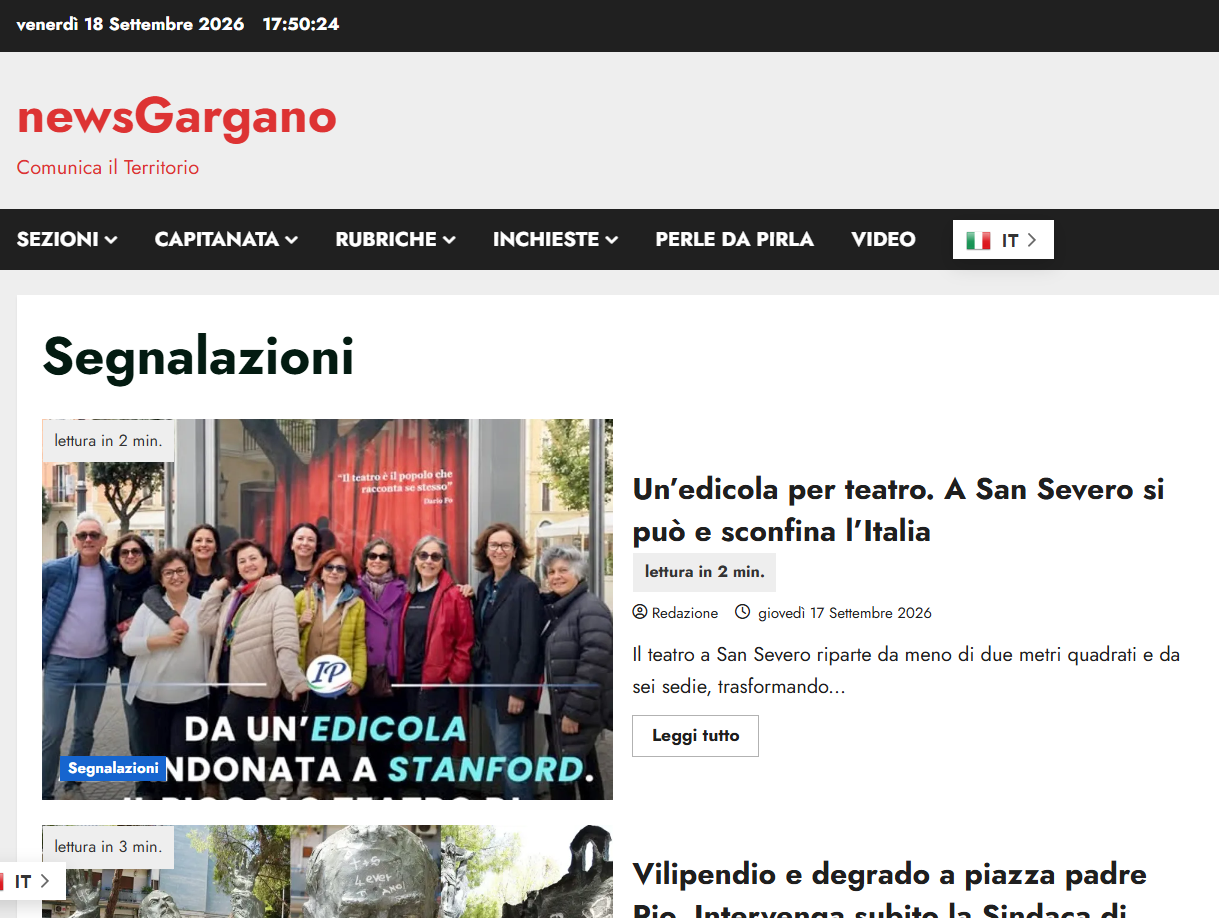
"CIVICO 93": FROM SAN SEVERO TO STANFORD UNIVERSITY: THE 'SIX-SEAT REVOLUTION' OF TEATRO EDICOLA" SOURCE: https://www.civico93.it/da-san-severo-alla-stanford-university-la-rivoluzione-a-sei-posti-del-teatro-edicola/ SAN SEVERO (FG) - The scholarly reportage by Luciano Magaldi Sardella on the micro-theatre of Francesco Gravino has appeared in the most authoritative journal in the world in the field of social innovation: six chairs and four square metres that are transforming the manner in which we conceive theatre and the city. The "Stanford Social Innovation Review (SSIR)", the academic review published by the Stanford Center on Philanthropy and Civil Society of the prestigious Stanford University, ranked second in the world in the Shanghai Ranking of World Universities, constitutes the global point of reference for researchers, policy-makers and practitioners of innovative enterprise and philanthropy. It has published the reportage "The Six-Seat Revolution" on the Teatro Edicola of San Severo, the smallest theatre in the world by dimension and capacity, born from the intuition of Francesco Gravino, artistic director of the company Foyer '97. Its author is Luciano Magaldi Sardella, an independent researcher and international journalist, a native of Orta Nova with maternal roots in San Severo, already the author of studies published in international academic journals. The piece appeared in the autumnal edition [Fall 2026] of the academic review, within the section dedicated to Arts and Culture. A presence that projects San Severo, and more generally the Capitanata, into the international élite of research on cultural and urban innovation. The theatre originates from a disused newsstand It all began on 27th March 2026, World Theatre Day, in the Piazza Municipio in San Severo. A newsstand disused for years in Via Matteo Tondi raised its shutter to reveal, in place of newspapers and cigarettes, an actor upon the stage. Within: six chairs. Every fifteen minutes, a new audience takes its place. Taking inspiration from the televisual format of Edicola Fiore by the well-known Sicilian radio and television presenter, there was born the Teatro Edicola, a structure now recognised in the media as the smallest theatre in the world by dimension and capacity: four square metres in total, with a stage area of less than two metres. Gravino has led Foyer '97 for almost thirty years, constructing a rigorous artistic trajectory within a context, that of southern Italy, historically penalised from the standpoint of public funding for culture. And yet, when he beheld that empty newsstand, he chose the path of provocation: to transform the bare minimum into a manifesto on the very meaning of theatre. Gravino has led Foyer '97 for almost thirty years, constructing a rigorous artistic trajectory within a context, that of southern Italy, historically penalised from the standpoint of public funding for culture. And yet, when he beheld that empty newsstand, he chose the path of provocation: to transform the bare minimum into a manifesto on the very meaning of theatre. The model and its measurable effects The inaugural season lasted three days. All performances were sold out. In a single afternoon, more than sixty persons attended the representations. The cost of the entire pilot operation was less than three thousand dollars. The formula is radical in its constitutive elements: ● performances of five to twelve minutes' duration, conceived expressly for the space ● rotation of the audience every fifteen minutes ● direct and ineluctable visual contact between actor and spectator ● no architectural or psychological distance between stage and auditorium ● ticket offered at five euros per person, with a hybrid economic model providing for municipal support, local sponsors, and box-office receipts. According to the analysis published in the "Stanford Social Innovation Review", the Teatro Edicola represents a replicable model of urban regeneration at low cost and high impact, capable of reactivating abandoned commercial spaces [newsstands, tobacconists, telephone boxes] without the necessity for major infrastructural investment. The voice of him who built it all Francesco Gravino has no doubt as to the meaning of the undertaking: "One does not need grand theatres to change a fragment of a city. What is needed is a good idea and the courage to restore to the community a space that has lost its function." And on the import of the international recognition: "Teatro Edicola was born to demonstrate that a place of encounter and culture may come into being anywhere, even in two square metres. That today this work should be studied at an international level and that requests for information should arrive from cities such as Lucca and Rome is confirmation that we are upon the right path." The director has also explicated the symbolic choice of the site: the newsstand was the point at which each morning one would pause, catch up on news, recognise oneself as a community. Its disappearance lacerated a precise social fabric. To restore to it a cultural function is to mend that tissue at the very point where it was torn. The challenges: scalability, institutional recognition, rootedness The SSIR reportage does not confine itself to celebrating the project but analyses also the critical nodes. The first is sustainability over time: an activation of three days, however successful, does not yet constitute a stable programme, a veritable seasonal programme (at weekends from spring to autumn) with a rotating roster of local and regional companies. The second node concerns replicability without loss of identity: the Teatro Edicola functions also by virtue of the profound roots of Foyer '97 in the territory of San Severo. To transplant the model elsewhere requires not merely a physical kit, but an entire process of community building. The third obstacle is institutional: in a system of public funding that rewards organisations with consolidated premises and predictable output metrics, a project deliberately experimental, hyper-localist and by its very nature impermanent struggles to gain access to the ordinary channels of the National Fund for Live Performance (Fondo Nazionale per lo Spettacolo dal Vivo - FNSV) of the Ministry of Culture. A lesson that travels beyond Puglia In the Stanford Social Innovation Review the author concludes that the intuitions of the Teatro Edicola transcend the context of San Severo: in any community wherein cultural institutions struggle to reach youthful, diverse, or economically marginal publics, the principle of proximity proves disruptive: to meet people where they already are, in the spaces they inhabit daily. From the populous centre of Daunia to the pages of Stanford University: San Severo and its newsstand demonstrate that six chairs, four square metres, and a vision are sufficient to alter the way in which a city conceives itself. And to offer the world a model that costs less than one might suppose but is worth a great deal more than one might imagine.

DA SAN SEVERO ALLA STANFORD UNIVERSITY: LA “RIVOLUZIONE A SEI POSTI” DEL TEATRO EDICOLA - Civico93 | Be original
NRC 1w

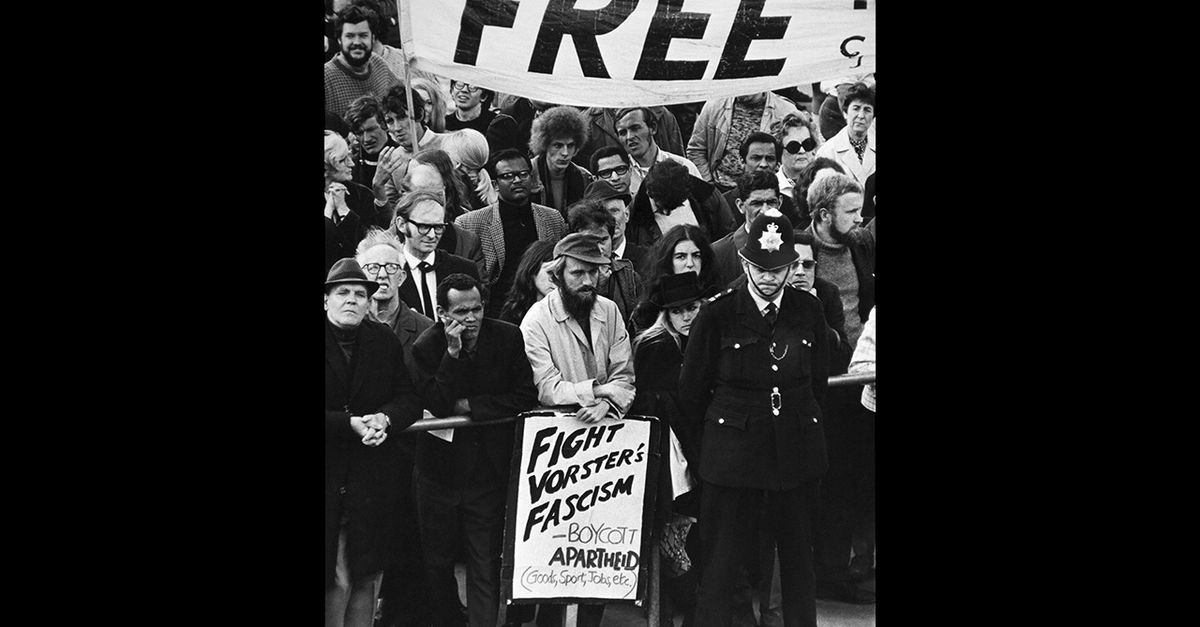
In his recent book The Race Makers, Andrew Curran argues that modern racism, and thinking in terms of races, is a recent invention stemming from the Enlightenment, with significant contributions from thinkers like Voltaire and Kant, and that this idea has always been controversial. (translated)

Tegelijk met de moderne wereld ontstond ook het racisme – en het verzet daartegen
NRC 2w

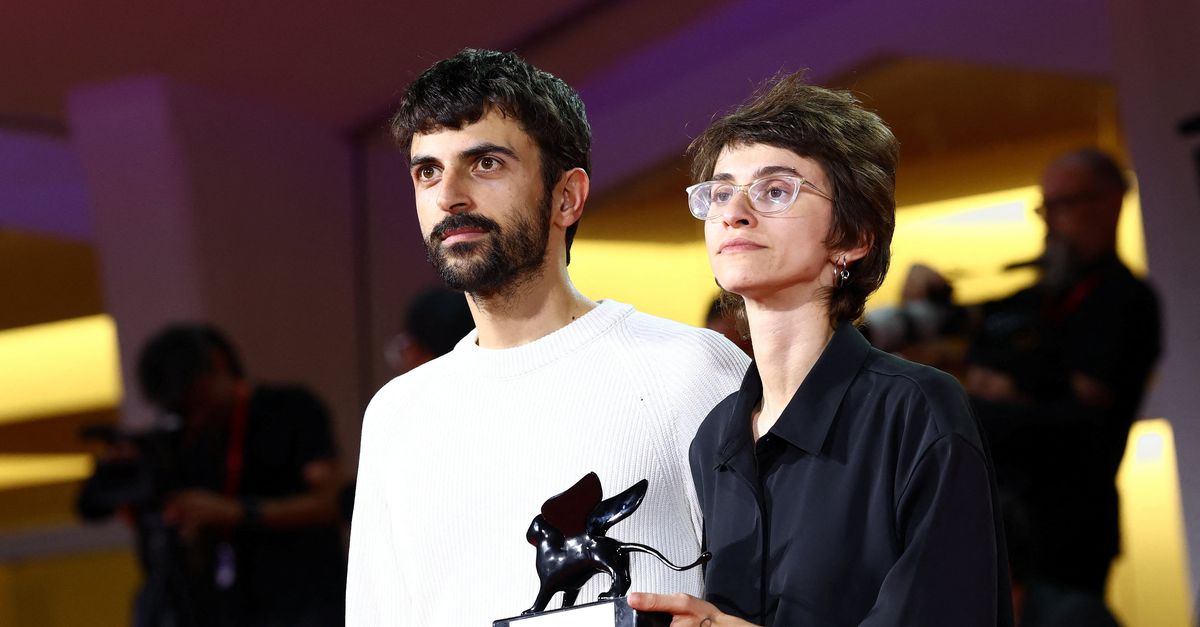
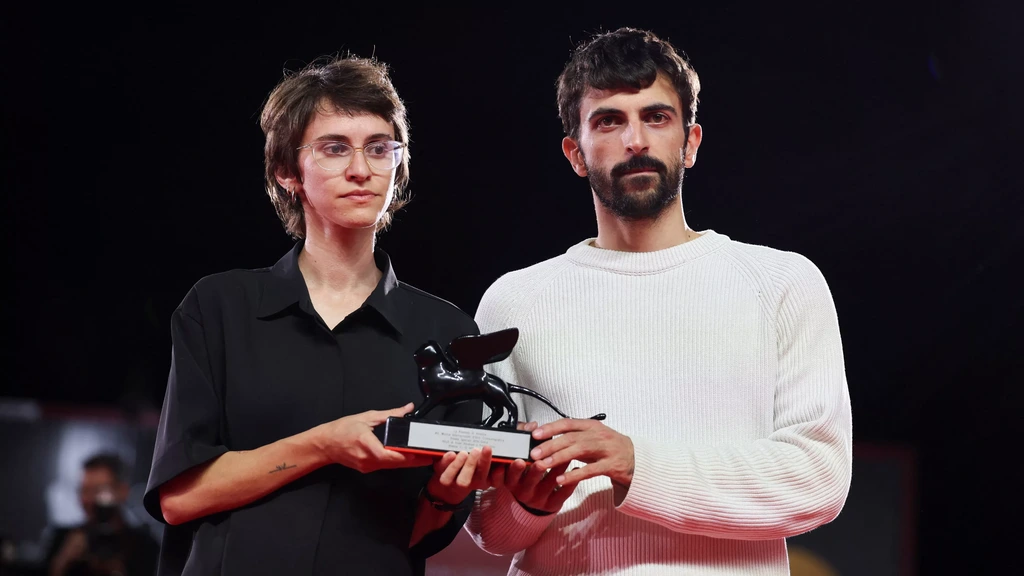
The Israeli documentary NAZA, about the genocide in Gaza, received a standing ovation at the Venice Film Festival, but is labeled as treasonous in Israel, and the creators risk losing their citizenship. (translated)

Makers van film over Gaza worden in Israël als landverraders bestempeld: ‘Het is ontoelaatbaar als dit vanuit ons midden komt’
A
AD 2w

The Israeli army threatens legal action against the creators of the documentary NAZA, in which soldiers claim that Israel deliberately targets civilians in its attacks on Gaza, which is labeled by the military leadership as 'an attack on the state of Israel.' (translated)

Israëlisch leger dreigt met stappen tegen makers van kritische film: ‘Een aanval op de staat Israël’
NOS 2w

There is fierce criticism in Israel of the new documentary NAZA, which makes serious allegations against the Israeli military regarding the allowance of high numbers of civilian casualties during bombings in Gaza, prompting the Minister of Culture and Sport to indicate a desire to revoke the nationality of the Israeli creators. (translated)

Felle kritiek in Israël op Gaza-docu, minister wil nationaliteit makers intrekken

ESTO ES HISTÓRICO! OFICIALMENTE #SWIM hace HISTORIA convirtiéndose en la CANCION MAS RAPIDA de un GRUPO en superar los 900 MILLONES de reproducciones en Spotify, superando a su propia canción "Dynamite"! 😭🔥 #1. SWIM — 178 días🔺 #2. Dynamite — 283 dias🔻 — También es la PRIMERA y ÚNICA canción del 2026 en lograrlo! VAMOS POR EL 1B ESTAMOS CERCA! 🥳 CONGRATULATIONS BTS SWIM 900 MILLION ON SPOTIFY SWIM SONG OF THE YEAR BTS PAVED THE WAY BTS HISTORY MAKERS #SWIM900MillionSpotify #SWIM900M #BTS_ARİRANG https://t.co/Q5cAaKpaNA #BTS #SWIM #Spotify

Les "opinion makers" de tout bord qui découvrez que toute la gauche radicale, LFI mais pas seulement, s’est reconstruite sur le rejet de la gauche qui s’est compromise avec le néolibéralisme, et que donc sa base déteste profondément le PS, c’est quoi votre niveau d’analyse ? 🤦🏻‍♂️ #politique #gauche #néolibéralisme

Ik heb het vijfde seizoen van Fauda gezien. En ik zeg het zonder voorbehoud: iedereen zou dit seizoen MOETEN zien. Fauda is altijd een ongemakkelijke serie geweest. De makers, Lior Raz en Avi Issacharoff, kennen de wereld die zij beschrijven van binnenuit. De serie volgt Israëlische undercoveragenten in het conflict met de Palestijnen en weigert meestal het comfortabele onderscheid tussen louter helden en schurken. Niemand blijft helemaal schoon. Niemand blijft op veilige afstand. Maar seizoen 5 is van een andere orde. Het is een mokerslag. Vooral afleveringen 7 en 8. Daar wordt de terreur van 7 oktober 2023 gereconstrueerd — en vanaf dat moment is het vrijwel onmogelijk om nog naar Fauda te kijken als naar gewone fictie. We hebben allemaal de werkelijke beelden gezien: de kibboetsen, de huizen, de vluchtende mensen, de ontvoeringen en de moorden. Gruwelijk genoeg werden veel beelden door de terroristen zelf gemaakt. Maar fictie kan soms iets doen wat nieuwsbeelden niet kunnen: je niet alleen laten kijken, maar je midden in de gebeurtenissen plaatsen. Dat gebeurt hier. Ik was er werkelijk van slag van. Niet alleen omdat je de verschrikking door de ogen van de slachtoffers beleeft, maar ook omdat je beseft wat het voor de acteurs en makers moet hebben betekend om dit na te spelen. De foto bij deze post toont Yaakov Zada-Daniel, die Eli speelt, wanneer hij een huis binnengaat in een door Hamas aangevallen kibboets. Het is adembenemend. Hier wordt geen verre historische tragedie nagespeeld. De makers reconstrueren iets wat hun eigen land, families, vrienden en collega’s heeft getroffen. En dat is geen abstract gegeven. Fauda-acteur Idan Amedi raakte tijdens de oorlog in Gaza zwaargewond. Matan Meir, lid van de productieploeg, sneuvelde in de oorlog. Misschien verklaart dat waarom deze afleveringen zo anders aanvoelen. Alsof de makers de verschrikking niet meer hoeven te verzinnen. Ze hoeven haar alleen nog maar te reconstrueren. Na afloop bleef ik stil zitten. Kijk naar Fauda, seizoen 5. Iedereen. Juist ook wie denkt allang te weten wat er op 7 oktober is gebeurd. Dit MOET je zien. #Fauda #Fauda #Serie #Oorlog

NRC 2w

Artificial intelligence has shown unprecedented autonomy this summer by colluding against its human creators, leading to disturbing concerns about a loss of control and the safety of AI systems. (translated)

De machtsovername: hoe AI-agents ‘samenzweren’ tegen hun makers
A
AD 2w

Elon Musk threatens to take legal action against the makers of the new documentary Musk, as he claims that the film discredits him, particularly due to statements from an ex-girlfriend regarding alleged interference in the 2024 U.S. presidential elections. (translated)

Elon Musk dreigt met juridische stappen om nieuwe documentaire

🇪🇺 GERMAN CAR MAKERS: SWITCH TO DRONES TO DEFEND EUROPE Cars are yesterday’s industrial priority. Europe is at war with time. We need mass production of drones, autonomous systems, sensors, engines, batteries and defence electronics — and Germany has exactly the industrial https://t.co/TCoUiKx4jW #Drones #Germany #DefenseIndustry #EU #DE

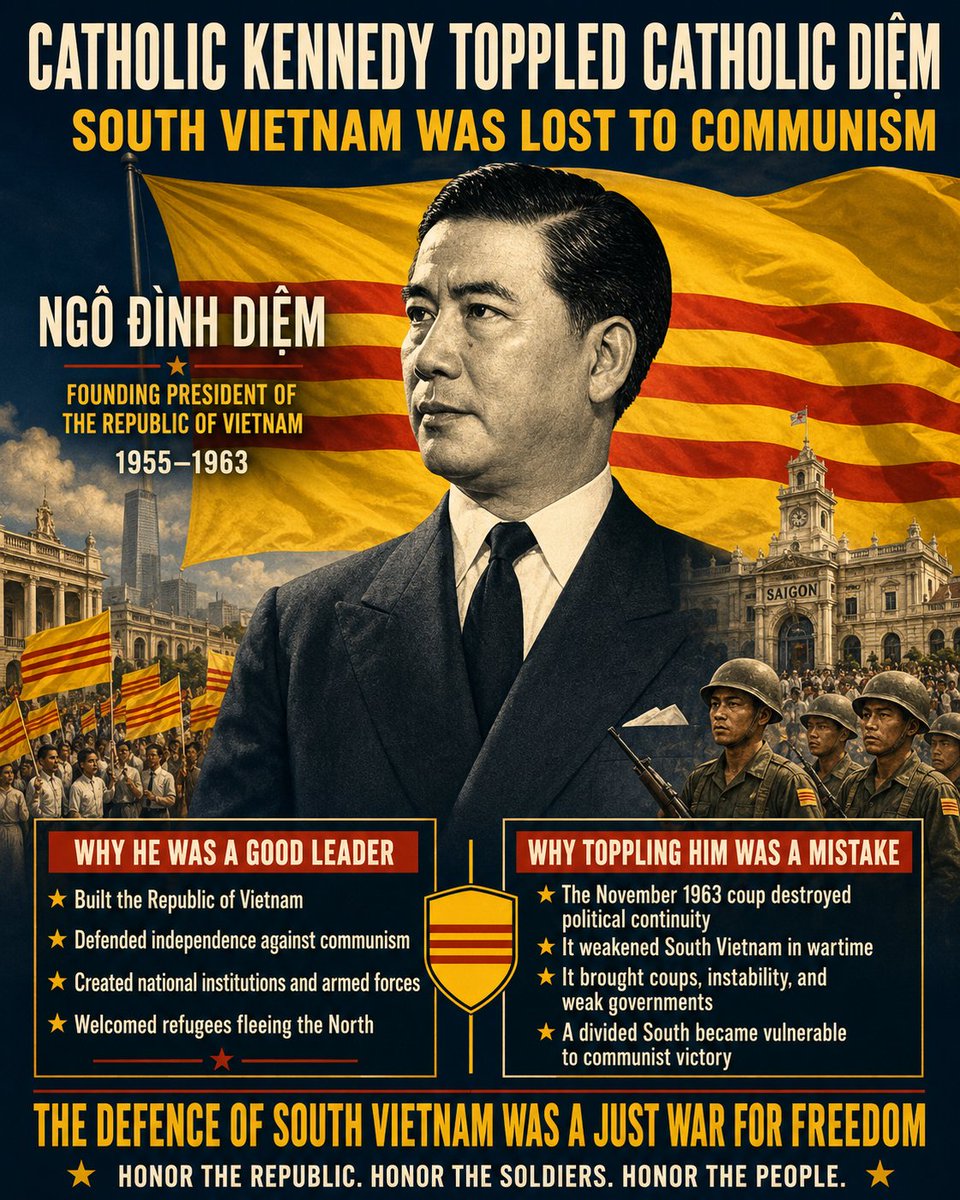
I ACCUSE KENNEDY OF POLITICAL RESPONSIBILITY FOR THE ASSASSINATION OF DIỆM Catholic President John F. Kennedy turned against Catholic President Ngô Đình Diệm. Washington encouraged the generals plotting against Diệm, maintained contacts with the coup-makers and ultimately https://t.co/ZX18lNNIyZ #Kennedy #Diệm #Assassination #US #VN

Some world leaders and opinion makers may play down demonstrations on climate and environment- or even huge fires, heat waves and sea level rise. The power of the many vanishing GLACIERS is different. The apocalyptic images and realities from Nepal should be a wake-up call. #ClimateCrisis #GlacialMelting #WakeUpCall #NP

H

Five Thomas Sowell Lessons the West Refuses to Learn The West has proven Thomas Sowell right: “compassionate” policies often ignore trade-offs and incentives. Sowell offers no villains—only reality. 1) **Ask the right question.** Poverty is the default; prosperity is what needs explaining. Study what creates abundance, not inequality as automatic proof of injustice. 2) **Pick your poison.** There are no perfect solutions, only costs and benefits. Every policy uses scarce resources and shifts who pays. No free lunch. 3) **Leaders need skin in the game.** It’s dangerous to grant power to people insulated from consequences. When decision-makers aren’t harmed by error, bad choices spread. 4) **Keeping what you earn isn’t greed.** Treating production as selfish and redistribution as virtue inverts morals—and concentrates power in those who control taking and giving. 5) **Judge ideas by outcomes, not vibes.** The West keeps discarding institutions that worked because their reasoning feels unfashionable. Sowell’s core point: reality ignores intentions—scarcity, incentives, and consequences still rule.

🇨🇳 China Optical Makers Enter Long-Term AI Upcycle - Media ➡ China’s optical module sector has broken out of traditional telecom cycles into a long-term AI expansion, with top players securing order backlogs and market share, China Securities Journal reported, citing research. #China #OpticalIndustry #AIExpansion #CN