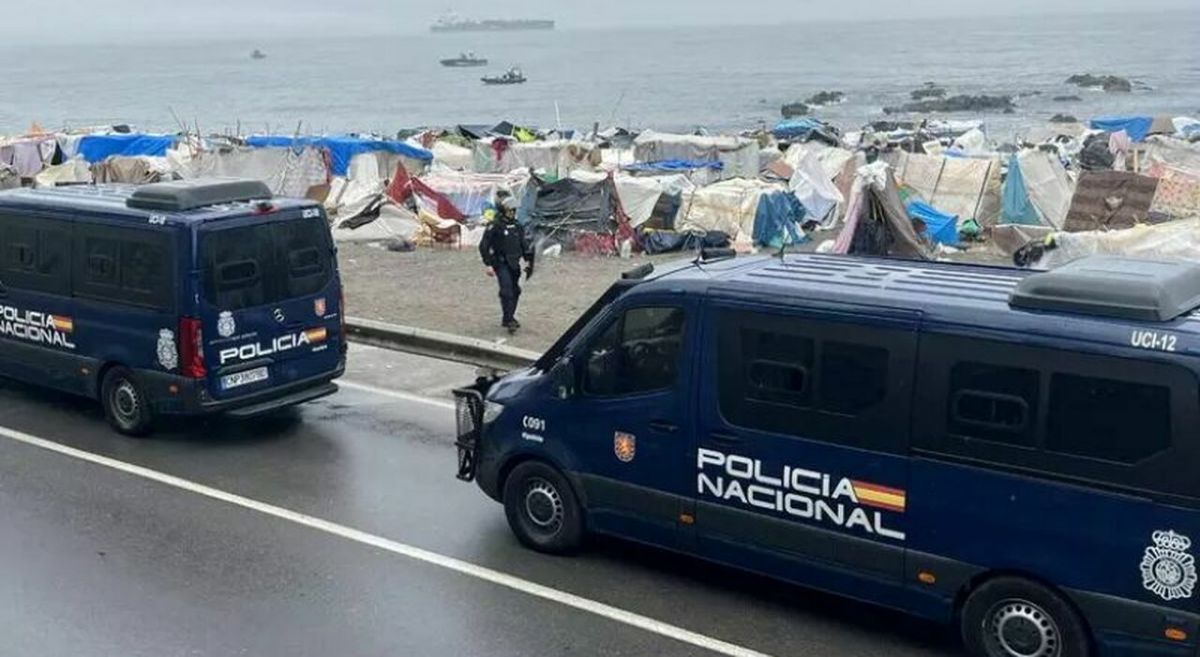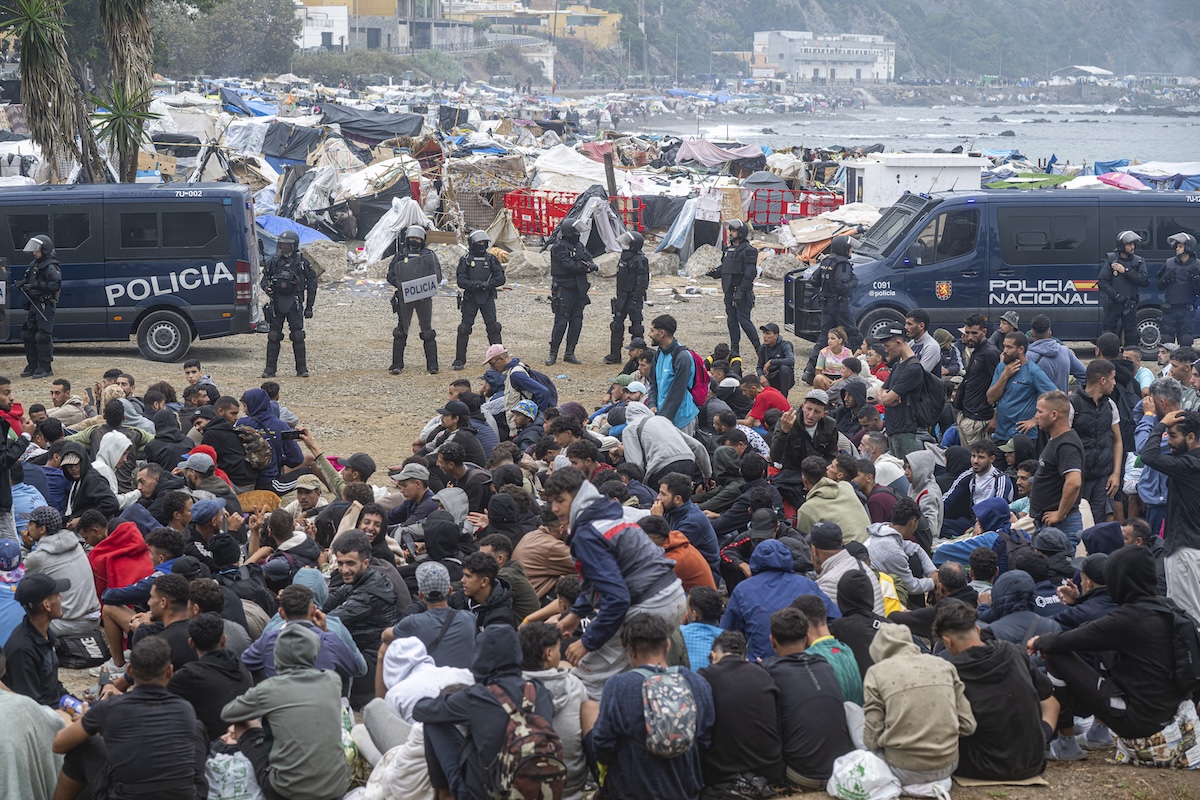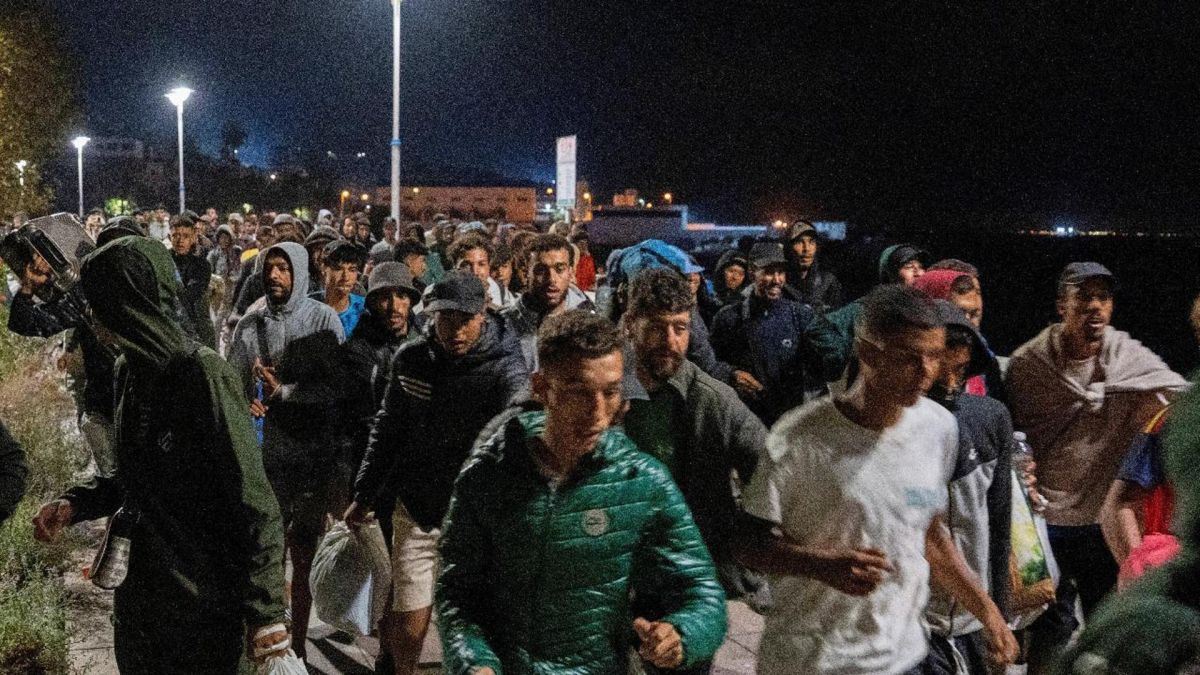
Ceuta is still in total emergency a month after the massive influx of migrants from Morocco, with thousands of people living on the street and a clear lack of adequate reception facilities. (translated)

Ceuta is still in total emergency a month after the massive influx of migrants from Morocco, with thousands of people living on the street and a clear lack of adequate reception facilities. (translated)

A report from the National Police reveals that the migratory wave on July 30 and 31 towards Ceuta may have been planned with the complicity of Moroccan gendarmes, contradicting previous statements from the Spanish government regarding Rabat's responsibility. (translated)

Due giorni fa Pedro Sánchez ha detto in un’intervista che dietro la crisi di Ceuta ci sono Russia e Israele, mentre il Marocco non c’entra nulla. Ora la sua versione viene smentita e ribaltata dall’UE (secondo cui Mosca e Tel Aviv non hanno causato l’invasione, ma al limite sono intervenute dopo che è avvenuta attraverso i social) e dalla Polizia spagnola (che in un’informativa di dice che l’invasione è stata pianificata ed eseguita delle forze armate di Rabat). Domani il premier spagnolo riferirà in Parlamento. Questa crisi rischia di essere la tomba della sua credibilità, come la strage di Atocha dell’11 marzo 2004 lo fu per Aznar e il Pp. #Ceuta #PoliticaSpagnola #CrisiInternazionale
A report from the National Center for Immigration and Borders (CENIF) accuses Morocco of orchestrating the massive entry of migrants into Ceuta to collapse the Spanish border, suggesting a planned and not spontaneous operation. (translated)

Pedro Sánchez has exonerated Morocco by accusing fake news spread by Russian and Israeli networks as the cause of the migration crisis in Ceuta at the end of July, also emphasizing the role of an international far-right group in using migration to attack and divide Europe. (translated)

Spanish Prime Minister Pedro Sánchez accuses Israel, Russia, and the far-right of fueling fake news that may have contributed to the assault of around 70,000 migrants in Ceuta, while excluding direct responsibility of Morocco in the migration crisis. (translated)

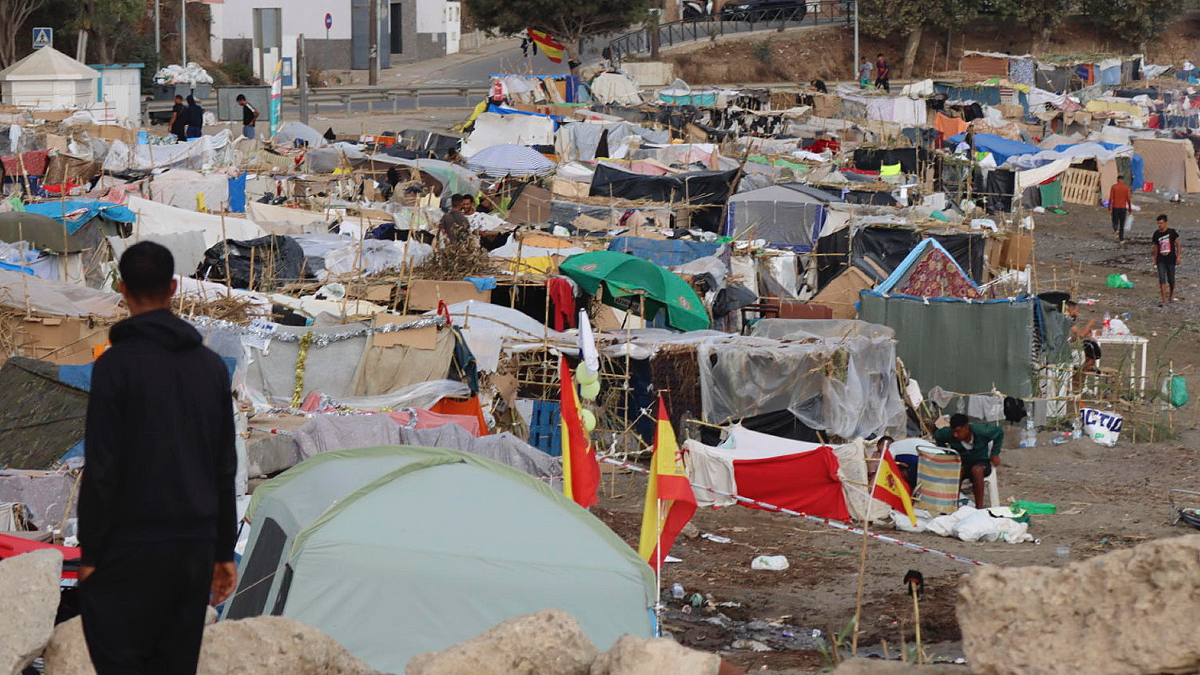
The report by El Pais describes the life of migrants on the beach of El Trampolín in Ceuta, where, after crossing Morocco, they have settled in an improvised village, with daily activities such as a traveling barber and football tournaments, but they also face precarious hygiene conditions and tensions related to access to the asylum system. (translated)

Il presidente di Ceuta, Juan Jesús Vivas, ha accusato il governo di Pedro Sánchez di avere fatto di tutto per nascondere al mondo la reale situazione in cui versava e versa Ceuta a causa dell’invasione di clandestini dal Marocco, parlando di “normalità”, di rimpatri, di poche decine di immigrati rimasti, mentre si tratta di decine di migliaia e la popolazione locale continua a vivere nel terrore di stupri, aggressioni e saccheggi, ostaggio in casa propria, e l’exclave per di più versa in una condizione di emergenza sanitaria per la diffusione di malattie. Vivas ha imposto a Sánchez un ultimatum di 30 giorni per riportare la città autonoma alla normalità, quella vera, non quella delle favolette progressiste, minacciando di adire le vie legali. Intanto Sánchez si gode le vacanze, ascolta la sua playlist, e viene celebrato in Italia quale primo ministro modello da invidiare ad una Spagna in cui il suo consenso è in caduta libera e il popolo non vorrebbe altro che liberarsene. #Ceuta #Immigrazione #EmergenzaSanitaria
Fouzi Lekjaa, current president of the Moroccan Football Federation and delegate minister for the Budget, is a candidate for the upcoming parliamentary elections on September 23 and could become prime minister, thus managing the 2030 World Cup, in a context of economic and social challenges for Morocco. (translated)

L’assalto di ieri a Ceuta è stato impedito dalle autorità marocchine. Ora sarà il Marocco a decidere chi può entrare in territorio europeo? Nel frattempo, Sanchez sta trascorrendo le vacanze nel palazzo di Lanzarote, a spese dei contribuenti spagnoli. https://t.co/nlKBLfL4sk #Ceuta #Marocco #Migrazione
Moroccan forces have dispersed hundreds of migrants attempting to reach Ceuta, using police charges and tear gas, while the situation remained tense but without an organized attempt to breach the border. (translated)

Le forze di sicurezza marocchine hanno bloccato oggi il tentativo di centinaia di migranti, in prevalenza subsahariani, di raggiungere irregolarmente l’exclave spagnola di Ceuta. Lo riferiscono fonti della sicurezza di Rabat, citate dall'agenzia Efe, secondo cui il gruppo si era nascosto in una zona montuosa nei pressi di Fnideq #Migranti #Ceuta #Marocco
The Moroccan security forces thwarted an attempted mass migration by hundreds of Sub-Saharan migrants towards the Spanish enclave of Ceuta, deploying over 1,500 agents in response to concerns about a possible new crossing, aggravated by a recent crisis that led to the deaths of at least 141 people at the border. (translated)

On August 15, 2026, a 21-year-old Moroccan stated that the decision regarding the attempt to cross the border between Morocco and Ceuta belongs to the people, highlighting the increasing flow of migrants trying to enter Spain during the Ferragosto holiday. (translated)

The Moroccan security forces blocked an attempt by hundreds of sub-Saharan migrants to reach the Spanish enclave of Ceuta, while thousands of agents are engaged in preventing new arrivals after the crisis at the end of July that caused many casualties. (translated)

Moroccan security forces have blocked an attempt by hundreds of sub-Saharan migrants to irregularly reach Ceuta, strengthening security measures after a recent migration crisis that resulted in numerous deaths. (translated)

Melilla fears facing a migration crisis similar to that of Ceuta, with a sudden influx of migrants that could overwhelm the already limited reception facilities and put a strain on security forces, in a context of increasing alertness and preparation for possible new attempts to cross the border with Morocco. (translated)

Spain has intensified the presence of agents and military personnel in Ceuta and has installed a new river barrier in preparation for a possible new migration crisis, while Morocco has increased national controls to prevent new departures. (translated)

Morocco has strengthened its security at the Ceuta border, deploying water cannons, barbed wire, and hundreds of police and military agents in response to fears of a new wave of migrants. (translated)

The flow of migrants to Ceuta and Melilla has raised concerns in Spain and Morocco, which have intensified border security in response to social media calls for a new assault, while Frontex data reveals a general decline of 37% in irregular entries into Europe, despite an increase in crossings to Spain. (translated)