BETA nonprofit public democratic european moderated

Search

#Model
Di.se 38m

Ukraina har fått licens att tillverka brittiska haubitsar av modellen L119, vilket kan bana väg för liknande avtal med andra västerländska vapenproducenter, rapporterar The Wall Street Journal. #Ukraina #haubitsar #BAESystems
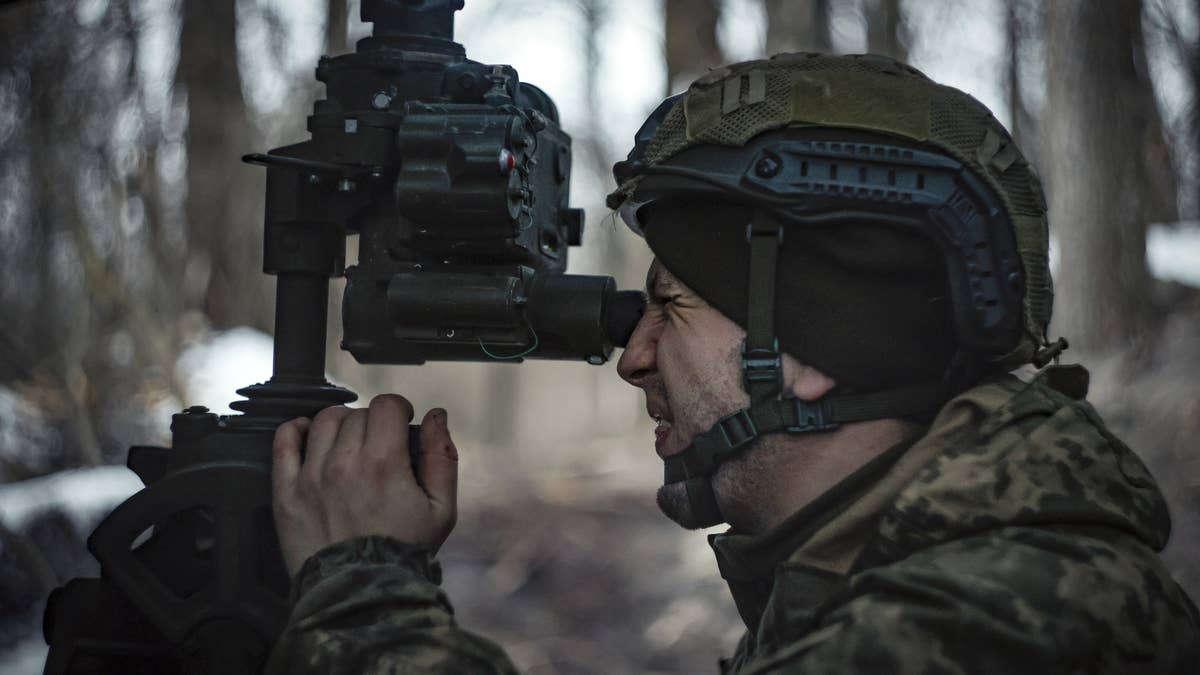
Ukraina får licens för brittiska haubitsar
If Germany does not develop its own strong AI models, we will soon have to choose between American and Chinese dependency. In the research committee, we will discuss the new developments intensively. Significant trips to the US West Coast and China are upcoming. (translated)

L'Obs 2h

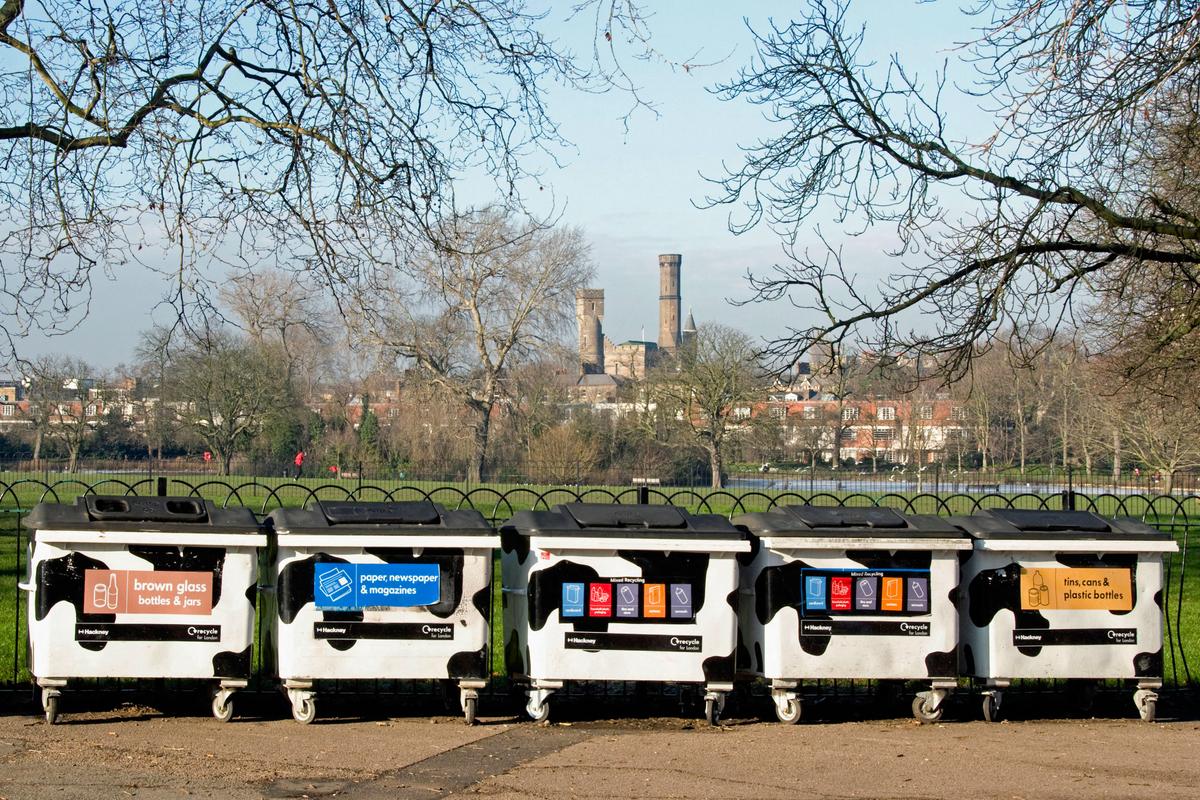
Londres s'engage vers un objectif de « zéro déchet » d'ici 2050, avec des initiatives telles que le tri des déchets à Southwark pour alimenter des logements en électricité et en chauffage, tout en augmentant son taux de recyclage à 67 % grâce à des technologies avancées et en visant l'expansion du modèle à d'autres quartiers. #ZéroDéchet #Recyclage #ÉconomieCirculaire

Londres, la ville qui tend vers le « zéro déchet »

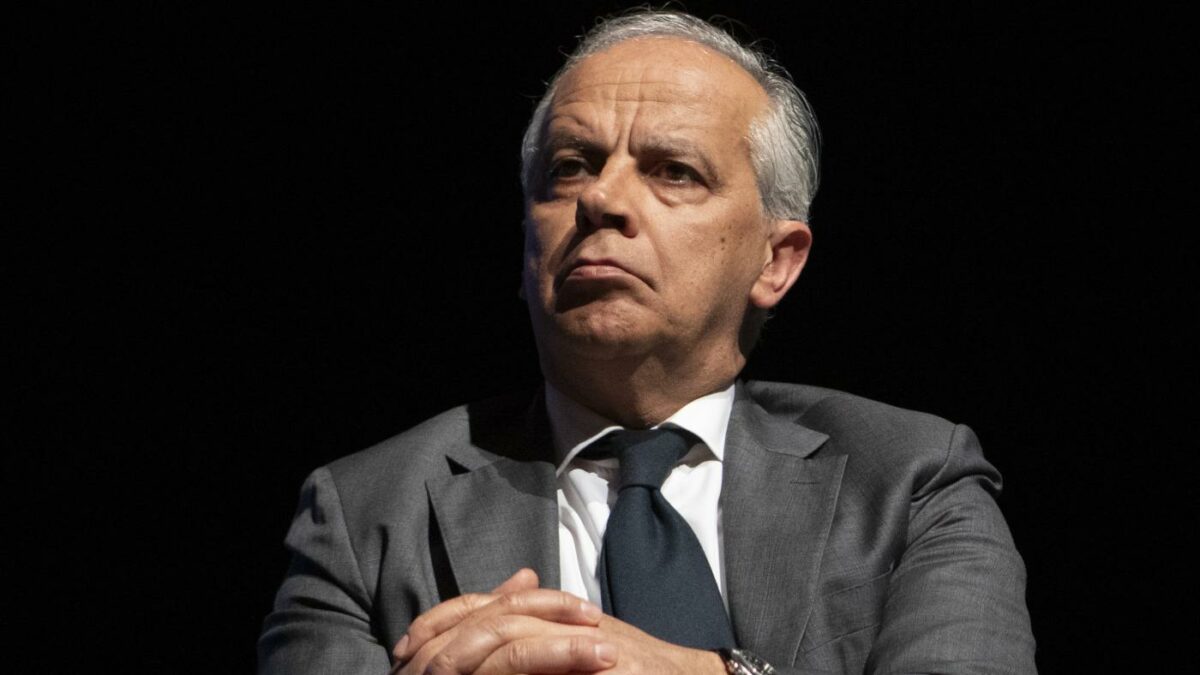
Článek se zabývá smrtí Abderrahima Fakira v Bologni během policejního zásahu, přičemž italský ministr vnitra Piantedosi a ministr spravedlnosti Nordio ujistili, že v Itálii není nikdo nad zákonem a odmítli paralelu s americkým modelem ICE a případem George Floyda, zatímco protesty ve městě přerostly v násilné střety mezi demonstranty a policií. #Giustizia #Polizia #Fakir

Caso Fakir, Piantedosi e Nordio: “Non c’è un modello Ice in Italia, qui nessuno è al di sopra della legge”. E il New York Times paragona la morte del 43enne a quella di George Floyd

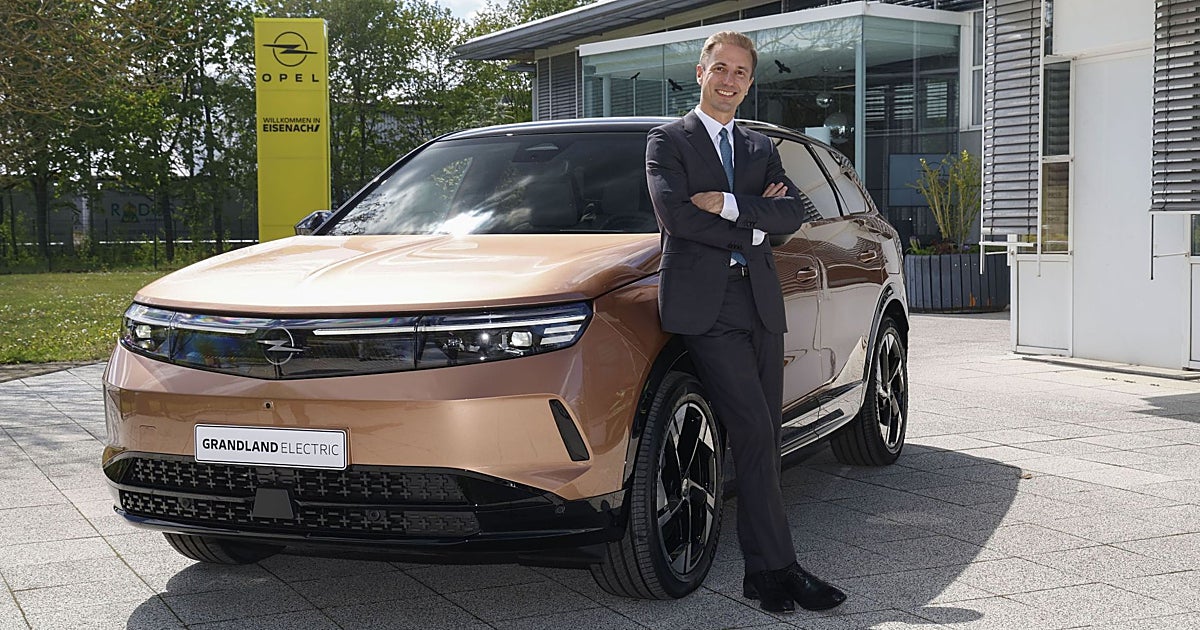
Florian Huettl, CEO de Opel, destaca la llegada de cuatro nuevos modelos eléctricos, incluyendo un Corsa asequible y un SUV fabricado en Zaragoza en colaboración con Leapmotor, como parte de la estrategia de la marca para impulsar las ventas y la movilidad eléctrica en Europa. #Opel #CocheEléctrico #Leapmotor

«Con las nuevas plataformas vamos a dar otro paso significativo hacia el coche eléctrico asequible»

Bild 2h

CEO společnosti Xpeng, He Xiaopeng, oznámil ambiciózní plány na expanzi v Evropě, zdůraznil důležitost umělé inteligence v nových modelech a odhalil, že jejich cílem není jen finanční zisk, ale také zlepšení světa prostřednictvím inovativních technologií. #Xpeng #Elektromobilität #KünstlicheIntelligenz

Xpeng-CEO kündigt Europa-Offensive an - „Wir wollen nicht allein Geld verdienen“

| JULY 2026 | The Guard State How the largest Arab nation became a security contractor at the gates of its own people By Adham Hasanin Egyptian journalist and political writer, based in the Netherlands In June 2025, hundreds of activists from forty countries landed at Cairo airport. Doctors from France, lawyers from Australia, students from the United States, pensioners from the Netherlands. They carried no weapons and no banned slogans; they carried backpacks, walking shoes, and a single intention: to march from Arish to the Rafah crossing — entirely on Egyptian soil — to demand that food be allowed through to a people starving behind the gate. Not one of them reached Rafah. More than two hundred were detained before the march could begin. Around five hundred foreign nationals were deported from airports, hotels, and checkpoints. Passports were confiscated, activists were pulled out of downtown Cairo cafés, and the Global March to Gaza was cancelled on 16 June without taking its first step. And the world watched. This was no secret operation in a dark basement; it happened in the open, documented by the deportees’ own phone cameras, carried by every international news agency. The world watched an Arab state arrest Europeans, Americans, and Africans for wanting to walk towards Palestine. A state guarding the gate of a siege — from the side that was supposed to be the side of rescue. Hold that image, because it is the key to everything that follows. This was not an aberration in Egyptian policy, nor an isolated security decision. It is the function — the complete function around which the Egyptian state has been redefined over the past decade, and which it is time to call by its proper name: the Guard State. I. The Name — What Do We Mean by the Guard State? Political economy has long described states that live off the rent of their location rather than the production of their people. But what has crystallised in Egypt over the past decade goes beyond traditional geographic rent — the Suez Canal, say — into something far graver: the conversion of sovereignty itself into a commodity for hire. The Guard State does not sell its location; it sells its function. It collects its wages not for what it produces, but for what it prevents: it prevents the refugee from reaching Europe, the activist from reaching Gaza, its own people from reaching politics, and the resistance’s weapons from reaching their destination. Four gates, guarded by a single machine, whose wages are paid in loans, deposits, and perpetually renewed rescue packages. This is not a rhetorical metaphor; it is an economic structure with numbers attached. When the Egyptian economy collapsed in 2024, it was rescued not by productive reform but by a single deal whose subject was location: Ras el-Hekma — thirty-five billion dollars for a stretch of coastline. And whenever negotiations with the IMF stall, the tranches are unlocked by explicit European pressure whose subject is migration: nine billion euros from the European Union in the 2024 “Strategic Partnership,” whose own documents place “migration management” at its core. Europe does not pay Egypt to prosper. It pays Egypt to guard. Thus the model is complete: income in exchange for prevention, external legitimacy in exchange for guarding, and international silence about domestic tyranny in exchange for keeping the gates controlled. To see how the model works on the ground, consider the bloodiest gate of all: the gate of Gaza. II. The Gaza Gate — The Guard Who Is Himself Searched The first paradox must be nailed down with facts: Egypt is not a sovereign guard of its own crossing; it is a searched guard. Egyptian relief trucks — ninety-two thousand food parcels in a single convoy this month — are subject to Israeli inspection before entering the Strip: from Egyptian soil, through a crossing that bears an Egyptian name. The state that guards the gate does not hold its key. It owns the threshold, but not the door. Then the October 2025 truce added a new layer to the function. Under the fifteen-point roadmap sponsored by the international envoy together with the “guarantor states” — Egypt foremost among them — Cairo is to train the civilian police force that will replace Hamas in administering the Strip, under the slogan of “one authority, one law, one weapon.” Let us call things by their names: the state that could not — or would not — deliver a loaf of bread without Israeli permission is now qualifying to graduate the security apparatus that will oversee the disarming of the resistance. From guarding the siege to administering what comes after the siege — a promotion within the same project. And meanwhile, what is happening behind the guarded gate? Since the truce, more than one thousand one hundred Palestinians have been killed by Israeli fire — the latest, just two days ago, a ten-year-old boy named Motaz Abu Shaar, carried to his grave in Khan Younis by his mother, Warda. A United Nations commission of inquiry has concluded that Israel is “deliberately targeting children in an ongoing genocide.” This is what the guarantors’ official language calls a “ceasefire.” What meaning is left in the word “guarantor”? A guarantor that the gate stays firmly shut — however high the dead pile up behind it. III. The Mediterranean Gate — The Guard Europe Pays For The second gate faces north. Since 2016, Cairo has boasted — through its officials at every European forum — that “not a single irregular migration boat has departed from Egyptian shores.” This is very nearly true. But the forbidden question is: at what political price has this “efficiency” become an instrument of mutual blackmail? Europe — which condemns Egypt’s human rights record in its parliamentary resolutions — is the same Europe that signed the nine-billion-euro partnership, and the same Europe that stays silent about sixty thousand political prisoners because the alternative, in its calculations, is boats that never stop. And Cairo understands the game and has mastered it: whenever human rights pressure intensifies, the official discourse turns up the volume on “Egypt hosts millions of refugees” and “the last line of defence.” The result is a perfect structure of mutual blackmail: Europe buys its conscience’s silence, the regime sells its location, and the people — Egyptian and refugee alike — are the commodity in the transaction. The democracies that lecture on values are financing the guard who keeps the victims from knocking on their doors. This is not passing hypocrisy; it is a structural partnership in the Guard State model — one that makes Brussels and Berlin shareholders in everything this state produces, from domestic repression to external siege. IV. The Interior Gate — Guarding the People Against Politics But the most dangerous gate is not on any border; it is inside. The Guard State cannot perform its external function unless it first guards an internal gate: the people’s gate to politics. The function requires a people that does not ask: why are we guarding the siege of our brothers? Why are our trucks searched on our own soil? Why are guests deported for coming to walk in peace? To guarantee the question is never asked, the largest silencing machine in the country’s history was built: sixty thousand prisoners of opinion, a press ranked 166th out of 180 worldwide, and a state security case number waiting for anyone who writes. I write these lines from experience, not from reading reports. When I continued writing from my Dutch exile, the machine reached me across continents: accounts shut down by coordinated mass-reporting campaigns, documented threats, a family harassed inside Egypt as leverage — and my name entered into Case 1282 of 2024, not for any act I committed, but for opinions written from free European soil. This is not a personal complaint; it is a job description: the Guard State guards even beyond its borders, because the free word — wherever it is written — threatens the entire contract of guardianship. The logic is perfectly self-consistent: a regime that sells “stability” abroad cannot tolerate a voice revealing that the stability on offer is the stillness of graveyards. This is why the arrest of the foreign activists in June 2025 was inevitable, not incidental: a peaceful march reaching Rafah would have revealed, before the world’s cameras, that the gate opens when it is wanted open — and that the one keeping it shut is a partner, not a mediator. V. What Has Egypt Lost? — The Guard’s Bill An apologist might argue: what is the harm? A state monetising its location as Norway monetises its oil. The answer lies in the essential difference: Norway sells a resource; Egypt leases its will. And the difference between the two is the difference between trade and bondage. Let us tally what Egypt has paid for this model, in bare facts. It lost its water sovereignty: the Renaissance Dam was completed and filled without the state — owner of “the largest defence headquarters in the world” — daring anything beyond statements of concern; for the guard does not make trouble for the international order that employs him. It lost its regional standing: in the Iran–America war halted just weeks ago, Cairo was neither party nor mediator nor even consultant — Pakistan brokered the deal, while Egypt absorbed the economic shrapnel of Hormuz’s closure like a bystander caught in a battle whose parties it does not know. It lost its place in the conscience of its nation: the state that liberated its land in 1973 and led the Arab world for a century has become, in the eyes of the Arab street from the Atlantic to the Gulf, the gatekeeper of the siege. This loss, specifically, no loan or deposit can repay — because it is the only capital that cannot be printed. And it lost — here is the crux — the very national security in whose name the guarding is justified. The model proved its fragility at the moment of testing: when Israel feared an Iranian response last year, it cut off Egypt’s gas by unilateral decision within hours. The guard who believed himself a partner discovered he was merely a hireling whose wages stop the moment danger arrives. VI. The Alternative Is Not a Slogan — It Is the Recovery of the Original Function I will not close with an essay on “the solution lies in Arab unity”; worn-out words kill more surely than silence. The alternative is specific, and it begins with redefining the function. The state is not a guard; the state is the agent of its people’s will. Every foreign policy not derived from that will is — by definition — functional servitude, however it is wrapped in the language of wisdom and moderation. And the Egyptian will is known and needs no referendum: no people in this region accepts that its country serve as warden of the siege of Gaza, or as Europe’s border post. Practically, the recovery begins with three measurable steps. Open the Rafah crossing fully and sovereignly, by purely Egyptian decision — that alone would overturn the equation of the siege. Break the negotiating bondage by linking any cooperation on migration to concrete European positions on Palestine, not statements of concern. And open the interior gate — release the prisoners and lift the hand from the written word — because a state that fears an article will never dare face an occupier. I know the current regime will do none of this; guarding is its founding contract and its financial artery. But this article is not written for the regime. It is written for memory, and for the generation that will inherit the gates — so that it knows that what is presented to it today as “the fate of geography” is no fate at all. It is an employment contract, signed by a regime without a mandate from its people. And contracts, however long they run, end when one of their parties does. And the world — I return to where I began — is a witness that requires no further proof. It watched the deportees at Cairo airport; it watched the searched trucks; it watched Warda Abu Shaar carry her son to his grave behind a firmly guarded gate. The question is no longer: what is happening? The only question left is: who dares to name it? This article is a naming. Adham Hasanin is an Egyptian journalist and political writer based in the Netherlands, covering Arab and European political affairs.

❗️❗️❗️ Marksistu pulciņa “Maiznīca” aktīvists saviem vienaudžiem skaidro, kāpēc padomju sistēma bijusi pārāka par Rietumu modeli, īpaši izceļot “plānveida ekonomiku” un “sociālo taisnīgumu”. 🙈 Šodien pie mums ir kārtējā vēstures lekcija no pagrīdes organizācijas “Maiznīca” aktīvista Oskara jeb, kā viņš pats sevi dēvē, Diānas. 🤷🏻‍♂️ Domāju, ka tieši šādi arī izskatās vēstures nodarbības “Maiznīcā” – 2005. gadā dzimis cilvēks saviem vienaudžiem stāsta par komunisma priekšrocībām un to, cik brīnišķīga valsts bijusi psrs. 📊 Īpaši komiski ir klausīties stāstus par padomju ekonomiku, kas, pēc Oskara/Diānas teiktā, bijusi tik rūpīgi plānota, ka ikvienam bijis garantēts darbs un droša nākotne. 🚀 Starp citu, kā pierādījumu tam, ka sievietes aktīvi piedalījušās politikā, marksists Oskars parāda valentīnas tereškovas fotogrāfiju. 😵‍💫 Psrs laikā viņa vadīja padomju sieviešu komiteju, bet 2020. gadā atbalstīja konstitūcijas grozījumus, kas ļāva kara noziedzniekam putinam faktiski sākt prezidentūras termiņu skaitīšanu no jauna. ⚠️ Interesanti, ka šīs fotogrāfijas autortiesības pieder propagandas aģentūrai sputnik, bet pati fotogrāfija uzņemta Tautu draudzības universitātē. 🤦🏻‍♂️ Acīmredzot tas, ka šajā augstskolā mācījās afrikāņi un citi ārvalstu studenti, Oskaram/Diānai kalpo kā pierādījums komunisma progresivitātei un tam, ka psrs neesot bijis rasisma. 🎯 Patiesībā tieši šajā augstskolā gadiem ilgi tika un joprojām tiek sagatavoti augsta līmeņa kremļa ietekmes aģenti turpmākam darbam dažādās pasaules valstīs. 🤭 Tas nenotiek tāpēc, ka labestīgā padomju savienība vai mūsdienu krievija vienkārši vēlētos nodrošināt visiem pasaulē bezmaksas augstāko izglītību. Tās īsteno savas ģeopolitiskās intereses. 😐 Es ļoti labi zinu, par ko runāju, jo pats šajā universitātē mācījos deviņus gadus, par ko liecina mani trīs diplomi. 👆 Tāpēc, kad lasāt ziņas par to, ka, piemēram, Āfrikas vai Latīņamerikas pārstāvji kādā starptautiskā sporta federācijā aktīvi iestājas par krievijas sportistu atgriešanos sacensībās, atcerieties – ļoti daudzi no viņiem ir Tautu draudzības universitātes absolventi. 🤥 Tālāk 21 gadu vecais marksists izklāsta teoriju, ka Rietumi tirgojuši tikai iespējas, kamēr “labā” psrs cilvēkiem nodrošinājusi garantijas. Jā, piekrītu! Par šī jaunieša ārējo izskatu un dzīvesveidu padomju laikā viņš, visticamāk, būtu nodrošināts vismaz ar kameru cietumā, kur viņam būtu garantētas veselības problēmas uz visu atlikušo mūžu. 🫣 Visvairāk mani šokēja apgalvojums, ka sarkanā armija uzvarēja fašismu, it kā tā to būtu paveikusi viena pati. 🤫 Acīmredzot Oskars/Diāna ir aizmirsis par padomju savienības sadarbību ar nacistisko Vāciju, par Lendlīzes programmu un par to, ar kā palīdzību psrs vispār nonāca uzvarētāju vidū. 🤯 Es nevēlos atkārtot to, ko jau agrāk rakstīju par Stokholmas sindromu, taču patiesi nespēju saprast, kā latviešu tautas pēcteči, kuru ģimenes tik smagi cieta no komunistiskā režīma, var kļūt par padomju savienības pielūdzējiem. 🫪 Kā var apbrīnot tos, kuri īstenoja represijas pret taviem vecvecākiem, atņēma viņiem — un līdz ar to arī tev — īpašumu un deportēja cilvēkus uz sibīriju? ☠️ Un runa nav tikai par konkrēto Oskaru/Diānu. Runa ir par šīm pagrīdes organizācijām kopumā, par to, cik daudz jauniešu no mūsu valsts pamatnācijas tās atbalsta, spiež “patīk” sociālajos tīklos, raksta atbalstošus komentārus un galu galā balso par politisku partiju, kas aizstāv šādu Latvijas 20. gadsimta traģiskās vēstures interpretāciju. 🥲 Mēs taču nenoliegsim acīmredzamo faktu, ka viņiem ir visai ievērojams sabiedrības atbalsts? Piedodiet, bet es to nespēju saprast. ❓ Kā jūs domājat — cik bīstami ir tas, ka jaunieši, kuri dzimuši jau pēc Latvijas neatkarības atjaunošanas, bet daudzi pat 21. gadsimtā, sāk patiesi ticēt, ka padomju režīms bija paradīze zemes virsū? #vēsture #komunisms #sociālaisTaisnīgums

BFMTV 4h

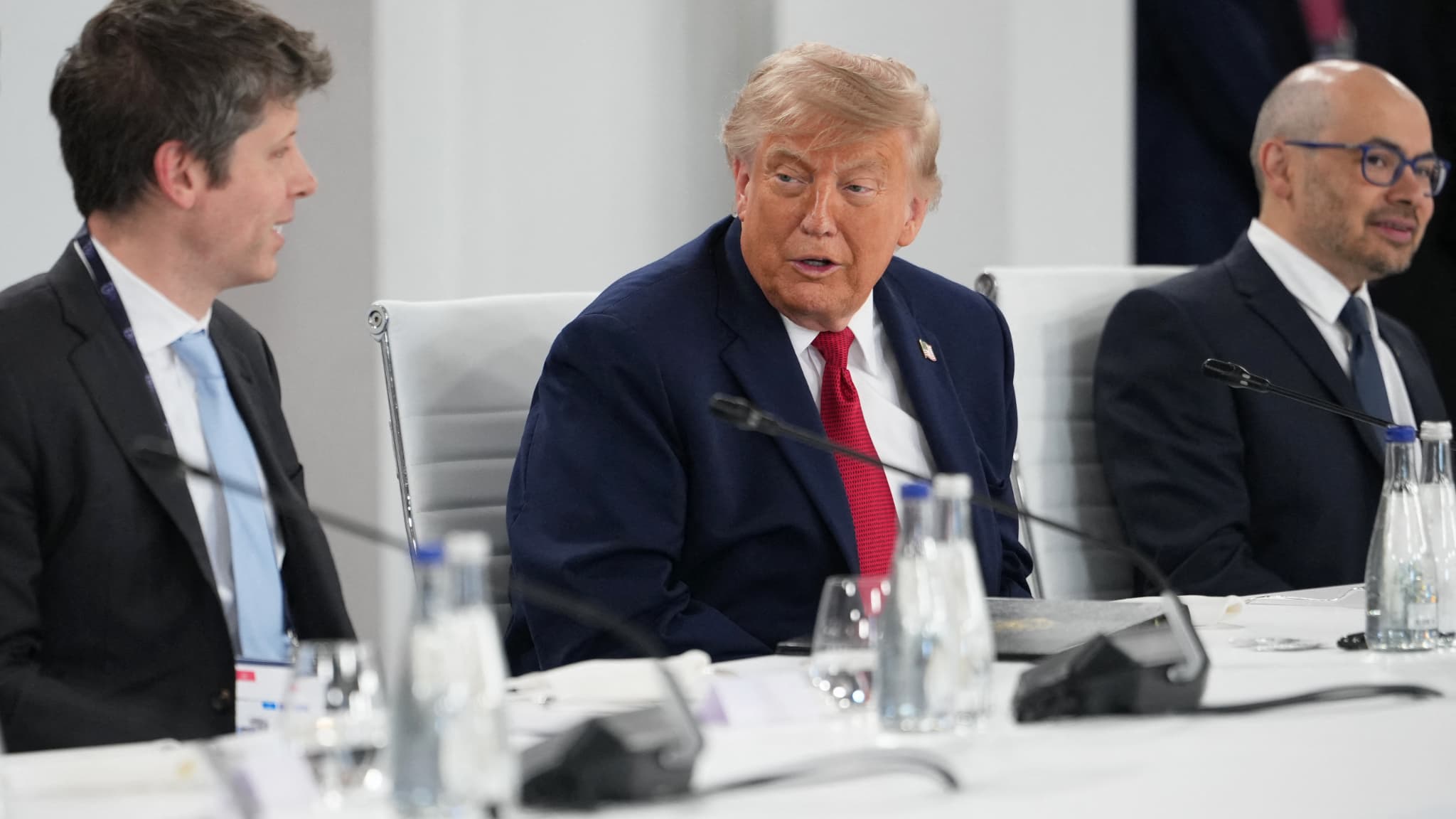
Donald Trump aurait adopté de nouvelles mesures pour renforcer le contrôle sur l'intelligence artificielle aux États-Unis, attribuant au gouvernement le pouvoir de sélectionner les entreprises autorisées à utiliser les modèles de pointe, tandis que la Chine continue d'avancer avec des innovations concurrentielles, notamment le modèle Kimi K3. #IntelligenceArtificielle #DonaldTrump #Technologie

Donald Trump aurait pris de nouvelles mesures pour davantage contrôler les IA américaines de pointe, la Chine annonce, elle, talonner les Etats-Unis avec ses derniers modèles

Komentatorka na Fox News je dejala, da vodenje župana New Yorka Zohrana Mamdanija spominja na kubanski socialistični model. Prebivalci New Yorka začenjajo čutiti posledice socialističnih politik, ter dodala, da se mesto pomika v smeri propadlih socialističnih sistemov. https://t.co/iL2NJlAXsm #NewYork #Socialism #Politics

Denkend aan Holland… Hoe ideologie, groen wensdenken en modellenwerkelijkheid het overgenomen hebben van gezond verstand en praktisch problemen oplossen. #Holland #Ideologie #Duurzaamheid

Η Κίνα, η ΑΙ (ΤΝ) και το ΑΕΠ Γνώσης: Η σύγκλιση που αλλάζει το Οικονομικό παράδειγμα Γράφει ο Δημήτρης Σκουτέρης Το 2026 σηματοδοτεί μια παγκόσμια καμπή στην οικονομική σκέψη. Το παραδοσιακό Ακαθάριστο Εγχώριο Προϊόν (ΑΕΠ), ο κυρίαρχος δείκτης μέτρησης του εθνικού πλούτου από τη Διάσκεψη του Bretton Woods το 1944, αποδεικνύεται πλέον ανεπαρκές. Αδυνατεί να αποτυπώσει την πραγματική αξία της γνώσης, της τεχνητής νοημοσύνης, της έρευνας, των πατεντών και των άυλων περιουσιακών στοιχείων που αποτελούν τους κύριους μοχλούς ανάπτυξης στον 21ο αιώνα. Η θεωρία του Ακαθάριστου Εγχώριου Προϊόντος Γνώσης (GDPK) έρχεται να καλύψει αυτό το κενό. Προτείνει ένα συμπληρωματικό μακροοικονομικό εργαλείο που αποτιμά τη γνώση σε τρεις διακριτές συνιστώσες: • K1 (Άμεση Παραγωγή Γνώσης): Επενδύσεις σε Έρευνα & Ανάπτυξη (R&D), διπλώματα ευρεσιτεχνίας, λογισμικό και αλγόριθμους. • K2 (Προστιθέμενη Αξία Τομέων Γνώσης): Η οικονομική παραγωγή κλάδων έντασης γνώσης, όπως η πληροφορική, η βιοτεχνολογία και το fintech. • K3 (Κοινωνική Γνώση): Η αξία της δωρεάν γνώσης – open-source λογισμικό (Linux, Python), Wikipedia, δωρεάν εκπαιδευτικό υλικό – την οποία το παραδοσιακό ΑΕΠ καταγράφει ως μηδενική. Στο Παγκόσμιο Συνέδριο Τεχνητής Νοημοσύνης (WAIC)-Κίνα του 2026, ο Καθηγητής Wang Xi, Αναπληρωτής Καθηγητής Οικονομικών στο Πανεπιστήμιο του Πεκίνου, διατύπωσε θέσεις που συγκλίνουν εντυπωσιακά με το GDPK (όπως δημοσιεύτηκε στο China.org.cn στις 20 Ιουλίου 2026). Η έρευνά του εστιάζει στην αποτίμηση περιουσιακών στοιχείων, τη μακροοικονομική χρηματοοικονομική και τη μηχανική μάθηση . Πέντε είναι τα κρίσιμα σημεία σύγκλισης: 1. Η Γνώση ως παραγωγικός συντελεστής: Ο Wang Xi τόνισε ότι «η ΤΝ βοηθά τις επιχειρήσεις να βελτιώσουν την παραγωγικότητα βελτιώνοντας την αποδοτικότητα της επεξεργασίας πληροφοριών, της πρόβλεψης, του συντονισμού και της λήψης αποφάσεων». Το GDPK αναγνωρίζει τη γνώση ως τον κύριο παραγωγικό παράγοντα του 21ου αιώνα, αντικαθιστώντας την παραδοσιακή γη, εργασία και φυσικό κεφάλαιο. 2. Η Ανοιχτή Γνώση ως Αξία (K3): Ο Wang Xi υπογράμμισε τη σημασία των «μοντέλων ανοιχτού βάρους» (open weight models) και των «κοινοτήτων ανοιχτού κώδικα», που μειώνουν τα εμπόδια συμμετοχής. Το GDPK, μέσω του K3, αποτιμά ακριβώς αυτή την κοινωνική γνώση – αυτή που δημιουργείται εκτός αγοράς και το παραδοσιακό ΑΕΠ αγνοεί. 3. Η Ανάγκη για μακροπρόθεσμη χρηματοδότηση της Γνώσης (K1 & K2): Ο Wang Xi υποστήριξε ότι «τα χρηματοπιστωτικά συστήματα πρέπει να εξελίσσονται», βελτιώνοντας τους μηχανισμούς μακροπρόθεσμης χρηματοδότησης μέσω αγορών κεφαλαίου, venture capital και κυβερνητικών ταμείων. Το GDPK προτείνει τα «Ομόλογα Γνώσης» και το «Εθνικό Ταμείο Κεφαλαίου Γνώσης». 4. Η Γνώση ως μοχλός μετάβασης από την οικονομία συντελεστών στην οικονομία Καινοτομίας: Ο Wang Xi περιέγραψε τη μετάβαση της Κίνας από την ανάπτυξη που βασίζεται σε συντελεστές παραγωγής στην ανάπτυξη που βασίζεται στην καινοτομία. Το GDPK είναι το εργαλείο μέτρησης αυτής ακριβώς της μετάβασης. 5. Το όραμα μιας «Ανοιχτής, παραγωγικής και ευρέως ωφέλιμης Οικονομίας Γνώσης»: Ο Wang Xi δήλωσε ότι η Κίνα έχει την ευκαιρία να γίνει «ο οικοδόμος μιας ανοιχτής, παραγωγικής και ευρέως ωφέλιμης οικονομίας ΤΝ». Αυτό το όραμα ταυτίζεται απόλυτα με την αποστολή του GDPK. Η Κίνα αποτελεί την πιο χαρακτηριστική περίπτωση εφαρμογής του GDPK. Το 2024, το ΑΕΠ της ανήλθε σε ~$18,95 τρισ., με δημόσιο χρέος 88,3% του ΑΕΠ. Οι δαπάνες R&D έφτασαν το 2,69% του ΑΕΠ (¥3.632,68 δισ.), οι αιτήσεις διπλωμάτων ευρεσιτεχνίας (PCT) ανήλθαν σε 70.160 (πρώτη παγκοσμίως) και το σύνολο των πατεντών έφτασε τα 1,8 εκατομμύρια – σχεδόν το 50% του παγκόσμιου συνόλου. Το εκτιμώμενο GDPK της Κίνας ανέρχεται σε ~20-25% του ΑΕΠ, μειώνοντας τον δείκτη χρέους από 88,3% σε ~73,6% – μια απόλυτη μείωση 14,7 ποσοστιαίων μονάδων. Η Κίνα έχει ήδη προχωρήσει σε θεσμικές αλλαγές που επιβεβαιώνουν το GDPK. Στο ZGC Forum, ο όρος Ciyuan (token) καθιερώθηκε ως η επίσημη μονάδα μέτρησης της παραγωγής και της οικονομικής αξίας των συστημάτων AI. Ο επικεφαλής της Εθνικής Διοίκησης Δεδομένων δήλωσε ότι τα tokens αποτελούν «άγκυρα αξίας» και «μονάδα διακανονισμού». Η κυβέρνηση εφαρμόζει το μοντέλο: Ηλεκτρική Ενέργεια → Υπολογιστική Ισχύς → Παραγωγή Tokens → Οικονομική Αξία. Για την Ελλάδα (μέτρηση 2023), το GDPK προσφέρει μια μοναδική ευκαιρία. Με δημόσιο χρέος 176,7% του ΑΕΠ (~€380 δισ.) και GDP ~€215 δισ., η ενσωμάτωση ενός συντηρητικού GDPK 14% (~€30 δισ.) μειώνει τον δείκτη χρέους στις 155,0% – μια απόλυτη μείωση 21,7 ποσοστιαίων μονάδων, χωρίς λιτότητα. Παράλληλα, αναδεικνύει τον πραγματικό πλούτο της χώρας: το ανθρώπινο κεφάλαιο, την παιδεία, την πολιτισμική κληρονομιά και την καινοτομία. Η σύγκλιση της θεωρίας του GDPK με την πρακτική διάσταση της κινεζικής οικονομικής πολιτικής, όπως αποτυπώνεται στις θέσεις του Καθηγητή Wang Xi, δεν είναι τυχαία. Είναι η απόδειξη ότι η διεθνής οικονομική σκέψη κινείται προς την ίδια κατεύθυνση: η γνώση είναι το νέο νόμισμα, και το GDPK είναι το εργαλείο που το αθροίζει στο κλασσικό ΑΕΠ και το εμπλουτίζει σε ΑΕΠΓνώσης-GDPK Η Ελλάδα, ως η χώρα που γέννησε τη δημοκρατία, τη φιλοσοφία και τον λόγο, έχει τη μοναδική ευκαιρία να ηγηθεί αυτής της παγκόσμιας μεταρρύθμισης. Η «Δήλωση της Αθήνας», όπως προτείνεται στο βιβλίο, θα μπορούσε να αποτελέσει το πρώτο βήμα για μια παγκόσμια πρωτοβουλία υιοθέτησης του GDPK από τους διεθνείς οργανισμούς (ΟΟΣΑ, ΔΝΤ, Ηνωμένα Έθνη)– αποτίοντας φόρο τιμής στη διαχρονική συμβολή της Ελλάδας στην παραγωγή γνώσης. Το GDPK δεν είναι θεωρητική κατασκευή. Είναι η επιστημονική αποτύπωση μιας ήδη εξελισσόμενης πραγματικότητας. Ο Δημήτρης Σκουτέρης είναι συγγραφέας του βιβλίου ΑΕΠΓνώσης ( «Gross Domestic Product of Knowledge (GDPK): Its Impact on Reducing Public Debt and Contributing to Economic Growth» -Δεκέμβριος 2025).

Jeder zweite Vollzeitbeschäftigte im Osten verdient rechnerisch zu wenig für eine Rente oberhalb der Armutsgrenze. Fast 39 Prozent aller Vollzeitbeschäftigten in Deutschland sind ebenfalls betroffen. #Rente #Ostdeutschland #Altersarmut #Deutschland Zahlen: Nach Angaben des Statistischen Bundesamts verdienten im April 2025 bundesweit fast 39 Prozent der Vollzeitbeschäftigten weniger als 3700 Euro brutto. Im Osten lag der Anteil bei 54 Prozent und damit bei mehr als jedem Zweiten. Einordnung: Nach Berechnungen auf Basis von 45 Beitragsjahren wären mindestens 3771 Euro brutto im Monat erforderlich, um rechnerisch über der Armutsgefährdungsgrenze von 1446 Euro zu liegen. Das Bundessozialministerium bezeichnet diese Annahme als abstrakte Modellrechnung. Die Zahlen verdeutlichen die anhaltenden Einkommensunterschiede und das Risiko niedriger gesetzlicher Renten für viele Beschäftigte. Vielen Dank für den wichtigen Hinweis! Quelle: Berliner Zeitung https://t.co/Rki2e2LMJM #Rente #Altersarmut #Deutschland

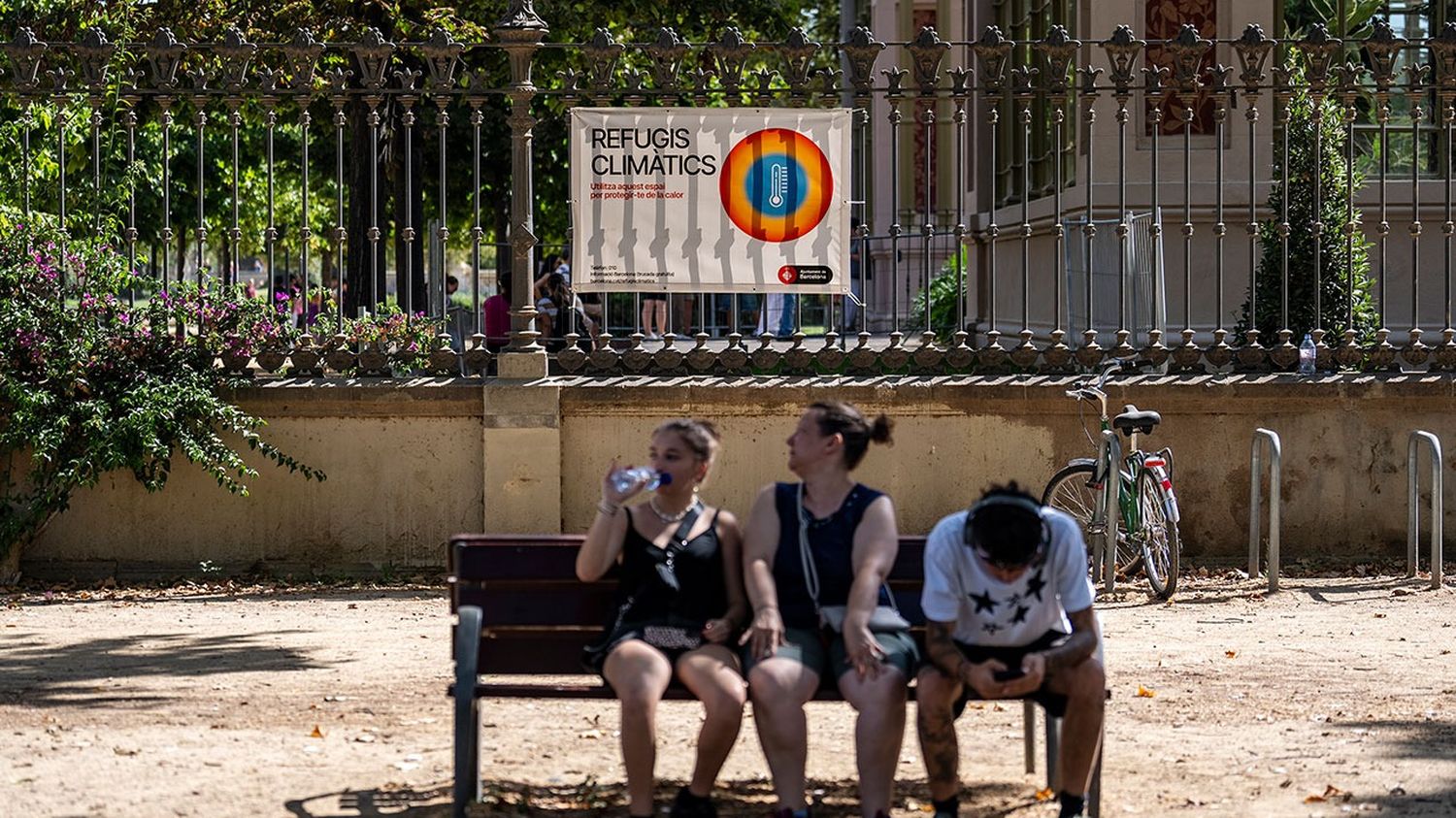
L'article présente les refuges climatiques d'Espagne, notamment à Barcelone, où des lieux publics et privés offrent des espaces climatisés accessibles pour protéger la population des vagues de chaleur, un modèle que la France pourrait envisager d'adopter face à des prévisions de chaleur extrême croissante. #RefugesClimatiques #ChangementClimatique #Canicule

"Un lieu climatisé à moins de 10 minutes de tous les Français" : en quoi consistent les "refuges climatiques" espagnols, dont la France pourrait s'inspirer ?

El CEO de Google DeepMind, Dennis Hassabis, advierte sobre la creciente incertidumbre en el desarrollo de la inteligencia artificial y propone la creación de un organismo especializado en Estados Unidos para evaluar los modelos de IA más avanzados antes de su lanzamiento, destacando la necesidad de implementar medidas de control a pesar del impulso de la innovación. #InteligenciaArtificial #IA #ControlDeRiesgos

"Nadie sabe lo que va a ocurrir a partir de ahora": el CEO de Google DeepMind sobre la IA
24sata 7h

Ella Halikas, američka plus-size model i influencerica, ističe se kao snažan glas za body positivity i samopouzdanje, promovirajući prihvaćanje tijela kroz svoj rad u modnoj industriji, dok je svoju karijeru započela na Instagramu i postala prepoznatljiva nakon što je uspjela ući u Sports Illustrated Swimsuit Issue. #BodyPositivity #PlusSizeModel #SelfConfidence

FOTO 'Da, plus-size sam model i nosim revije! Imam skoro 100 kg. Kome smeta, neka ne gleda'

🚨⚠️ DENÚNCIA EM MASSA 🚨⚠️ ARMY NÃO TOLERA PRECONCEITO E HOMOFOBIA! Como se não bastasse TUDO que Pietra Bertolazzi e Gustavo Tavares postaram ontem e hoje atacando o BTS com comentários homofóbicos e depreciativos, agora fizeram publicações no feed utilizando a IMAGEM deles e de outros artistas. DENUNCIEM AMBOS OS PERFIS NO INSTAGRAM e ENVIEM AS DENÚNCIAS PARA O CANAL DA HYBE utilizando o modelo já pronto (tutorial no tweet baixo)! 🔗https://t.co/HYhPnWPs86 🔗https://t.co/ED0MHRDGSq ⚠️ Lembre-se: ⚠️ - NÃO visualize os stories dessas contas - NÃO comente, nem curta ou engaje - APENAS DENUNCIE! #Denúncia #Respeito #Homofobia

🦅🚨 EZZE SEGUROS QUER VIABILIZAR A RENOVAÇÃO DE MEMPHIS! | A diretoria do Corinthians recebeu uma proposta oficial da Ezze Seguros, patrocinadora do clube, para viabilizar a renovação de Memphis Depay. A seguradora também está em fim de contrato com o Timão e propôs uma renovação de vínculo. Ligada a essa negociação, a empresa costurou um acordo direto com o jogador para que ele se torne sócio de um novo produto da marca, batizado de Ezze Seguro A10. Com essa participação societária e os ganhos comerciais atrelados à empresa, a patrocinadora cobriria a diferença financeira entre a proposta teto oferecida pelo Corinthians e os valores pedidos pelo estafe de Memphis. Para acertar os detalhes contratuais, o CEO da seguradora viajou até Ibiza, na Espanha, que é onde o atacante cumpre o período de férias após a Copa do Mundo. Inclusive, o camisa 10 deu aval para o modelo de negócio, restando apenas a sinalização positiva do clube paulista. No entanto, o cenário é analisado com cautela pelo Timão. A proposta da seguradora não prevê reajuste nos valores que a empresa paga à instituição pelo espaço na camisa, o que gera ponderações internas. 📰 | @luissfabiani 📸 | Davi Bittencourt/Time do Povo #Corinthians #MemphisDepay #EzzeSeguros

O empréstimo DIP no valor de R$ 40 milhões não será utilizado para contratações. No entanto, a assinatura do Memorando de Entendimento (MoU) deve ser anunciada oficialmente nesta semana, possibilitando o Vasco a investir mais em reforços. O modelo de negócio deve seguir o que vem sendo utilizado desde o ano passado: empréstimos com cláusulas de compra. 📰 @pedrocobalea_ 📷 Matheus Lima | Vasco #Vasco #Futebol #Transferências

Depuis l’arrivée de Christine Fréchette: >62 annonces de dépenses >7,8 milliards $ >ÇA SUFFIT! « Le chef conservateur Éric Duhaime accuse Christine Fréchette de se livrer à des « dépenses folles » pour annoncer des projets avant la campagne électorale. Le Journal recensait ce week-end les nombreuses sommes promises par le gouvernement caquiste depuis la fin de la session parlementaire. Les millions$ annoncés par la première ministre et ses collègues concernent autant des projets d’infrastructures que des sommes pour aider l’industrie forestière ou la construction de logements abordables, par exemple. « J’ai l’impression qu’ils vont continuer à vouloir acheter des votes et je dis aux Québécois, ne les croyez pas », a lancé Éric Duhaime lors d’une conférence de presse pour annoncer sa candidate dans Lévis, Karine Laflamme. « Quand quelqu’un prend ton portefeuille et te fait des cadeaux avec l’argent qu’il est allé voler dedans, on n’appelle pas ça des cadeaux », a-t-il ajouté. Les gouvernements caquistes, libéraux et péquistes ont tour à tour « acheté » ainsi les élections, affirme le chef conservateur. « Ce modèle-là doit changer », dit-il. » #PolitiqueQc #Économie #Élections2024