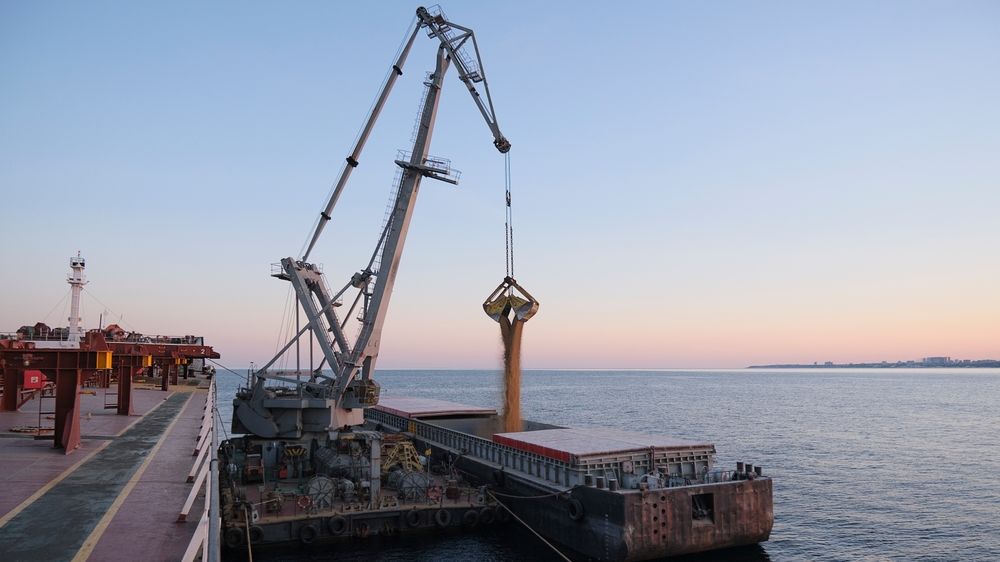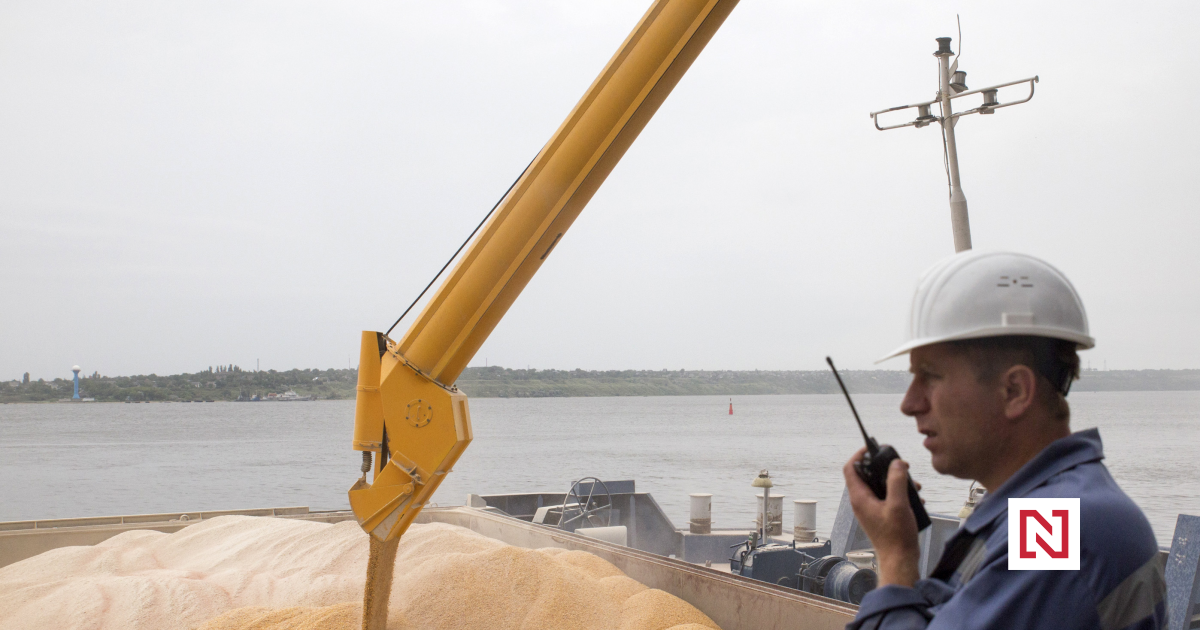
Russian grain exporters are redirecting supplies from the Black Sea to the Baltic Sea due to Ukrainian attacks, which marks the largest disruption to trade in the region since the start of the conflict in Ukraine. (translated)

Russian grain exporters are redirecting supplies from the Black Sea to the Baltic Sea due to Ukrainian attacks, which marks the largest disruption to trade in the region since the start of the conflict in Ukraine. (translated)

More than a year after the American-Israeli attack on Iran, which took place without a real justification and caused numerous civilian casualties and chaos, the Iranian regime remains strong, raising questions about the failure of the attackers' strategic goals. (translated)

Due to the escalation of the conflict between Russia and Ukraine in the Black Sea, global grain buyers are facing shortages, as Russian attacks on Ukrainian ports disrupt key supply routes and increase wheat prices on exchanges. (translated)

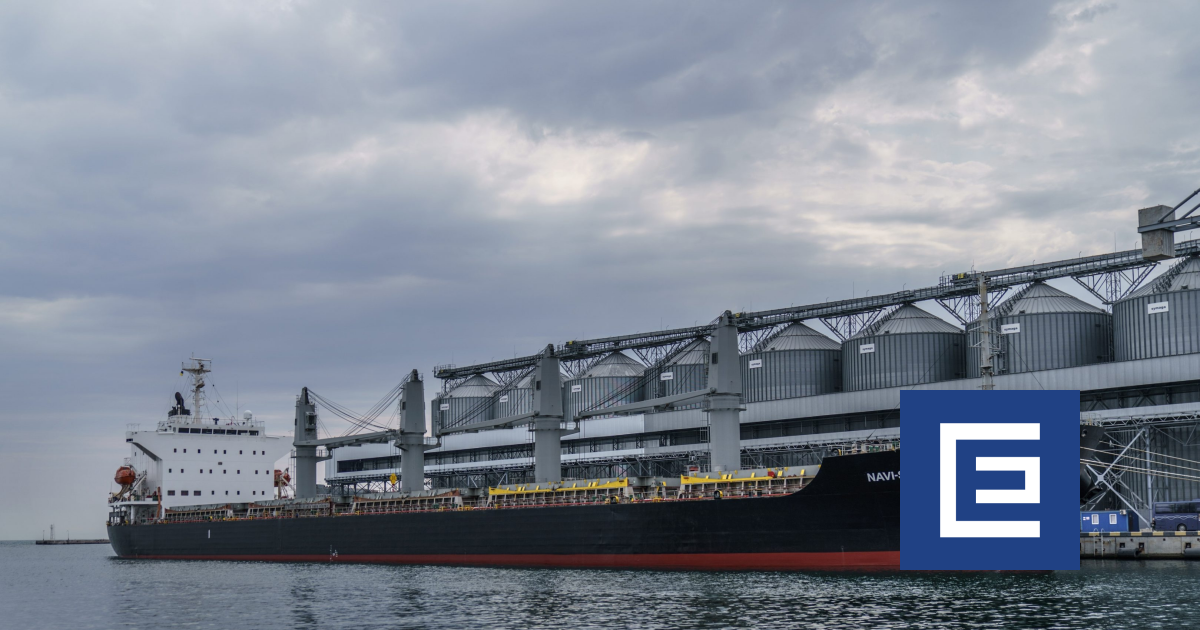
The war at sea significantly restricted the export of grain from Ukraine and Russia, leading to a dramatic decline in exports and high prices for agricultural commodities on world markets, while Russian and Ukrainian ports face attacks and loss of capacity, complicating alternative export routes. (translated)

Due to prolonged drought and high temperatures, the German Farmers' Association (DBV) expects an above-average grain harvest in 2026, which should reach 41.9 million tons, a decrease of seven percent compared to the previous year, with the greatest losses recorded by winter rapeseed growers. (translated)

The Russian blockade of Ukrainian ports and the current extreme drought, which complicates alternative grain exports, are contributing to the accumulation of Ukrainian agricultural production and giving Putin an unexpected ally in his fight against Ukraine. (translated)

Russia on Friday rejected a proposal for a ceasefire with Ukraine in the Black Sea, justifying it by a lack of reasons for "half-measures," while both sides are escalating attacks on merchant vessels, resulting in a rise in grain prices on the world market. (translated)

Ukrainian attacks on Russian infrastructure in Novorossiysk and Orsk led to the suspension of grain exports and a serious restriction on fuel sales in several Russian regions, indicating the possibility of a severe energy and food crisis collapse in Russia for the upcoming winter. (translated)

Prolonged droughts in Germany have led to a significant decline in the harvest of grain and rapeseed, with an estimated loss of three million tons and a decrease in total harvest to 40.6 million tons, while expectations for rising food prices are not yet in place. (translated)

Russia has attacked the Ukrainian port of Izmail, which is a key terminal for the export of grain, but no casualties have been reported, while attacks on agricultural terminals and commercial vessels in the Black Sea region continue to intensify, disrupting global supplies. (translated)

Drought in the Czech Republic significantly reduces yields of grain, rapeseed, and corn, with some regions reporting a decline of over 40 percent, worsening the situation with feed and potentially having long-term impacts on agriculture. (translated)

Dotace a veřejné zakázky Agrofertu Holding Agrofert je nejvýznamnějším tuzemským odběratelem státních a evropských dotací. Za šest let působení Andreje Babiše ve vládě (2014 – 2019) získal v dotacích celkem 10,9 miliardy korun, z toho nenárokových 2,9 miliardy. To je dvakrát více než za sedm let předchozích pravicových vlád, kdy dosáhl na dotace za 4,8 miliardy korun, z toho nenárokové ve výši 1,2 miliardy. Jen v roce 2019 čerpaly firmy Agrofertu na dotacích celkem 1,97 miliardy korun, z toho 1,62 miliardy tvořily nárokové provozní dotace (hlavně na zemědělskou půdu) a 350 milionů korun nenárokové investiční. Skupina Agrofert nejlépe využívá i jiné typy státní podpory ve formě daňových úlev, veřejných zakázek nebo přímého zadání „z ruky“. Podle některých propočtů dostaly Babišovy firmy od roku 2017 na dotacích a veřejných zakázkách za čtyři roky celkem 20,2 miliardy korun. Takový střet zájmů ve vládě byl dříve nepředstavitelný. Potravinářská divize Agrofertu zahrnující 19 společností je spolu s chemickou divizí nejstabilnější součástí holdingu. Zaujímá největší tržní podíl mezi domácími potravinářskými producenty, hlavně v pekárenském oboru se 45 procenty trhu. Obě divize čerpají dotace v řádu stovek milionů korun. Obří veřejné penězovody protékají do Agrofertu i z resortu životního prostředí. Lovochemie dostala evropskou dotaci 337 milionů korun na snížení emisí za ministra životního prostředí Richarda Brabce (ANO), který dříve působil jako její generální ředitel. Rekordní daňové úlevy Babišův holding si polepšil i na daňových úlevách schvalovaných ministerstvem financí. Zatímco v letech 1998 až 2013 přiznal tento resort jeho firmám daňové úlevy v celkové výši 2,15 miliardy korun, jen v roce 2014 získaly 1,5 miliardy korun. Stalo se tak krátce předtím, než byla snížena tato forma státní podpory ze 40 procent na 25 procent hodnoty investice za úřadování ministra financí Andreje Babiše. Premiantem holdingu se tehdy stala opět Lovochemie s daňovou úlevou 591 milionů korun. Neslíbila přitom jediné nové pracovní místo, což bývá podmínkou udělení podpory. Další dceřiná firma Agrofertu CS Cabot dosáhla na daňovou úlevu 579 milionů korun pouhý měsíc předtím, než začala platit nevýhodnější pravidla. Premiérovy firmy vyhrávají miliardové veřejné zakázky, kam patří kontrakty na těžbu dřeva (Uniles), nebo obchodují se Správou státních hmotných rezerv (Navos – uskladnění obilí, Animalco – zásoby mraženého masa). Babiš kontroluje i resort zemědělství, který dotačně zvýhodňuje velké agrokoncerny na úkor malých farem. Premiérovy firmy (Preol, Primagra) dodávají státnímu podniku Čepro daňově zvýhodněnou bionaftu, od roku 2017 bez výběrových řízení za zhruba 5 miliard korun. Ministerstvo financí pod kontrolou šéfa ANO upravuje daňové a dotační podmínky. Proto Andrej Babiš s pomocí svých ministrů tolik brojí proti závěru evropského auditu, který potvrdil jeho střet zájmů. V krajním případě by mohl přijít o veškeré dotace a veřejné zakázky. To by mohlo vést mimo jiné ke zpřísnění úvěrových podmínek u bank a vyvolat tlak na rychlejší zesplatnění půjček v celkovém objemu 40 miliard korun. Zdroj: https://t.co/DF5MKIDGMR @AndrejBabis @KoncernAgrofert #Agrofert #Dotace #StátníPodpora
Turkey has begun to restrict navigation through the Dardanelles for certain ships heading to Novorossiysk, allegedly in response to the rising attacks on commercial vessels in the Black Sea, which could have a global impact on the trade of oil and grain, with authorities so far not providing an official explanation for this situation. (translated)

Russian attacks on Ukrainian Black Sea ports and grain cargo ships are further worsening the grain crisis in the country, with new Minister of Agrarian Policy Taras Wyssozkyj warning of a possible global hunger threat if the next harvest fails. (translated)

Russia has stopped Ukrainian grain exports by sea, with its new missile Banderol playing a key role in attacks on ports like Odessa, which could cause a loss of 2.5 billion dollars in export revenue for Ukraine and return it to a situation from 2022. (translated)

Russians have effectively halted the export of Ukrainian grain by sea, largely due to the use of the new weapon Banderol, which threatens the Ukrainian economy and could lead to a significant loss of export revenue. (translated)

Crop pests in the Black Sea are starting to threaten one of the world's most important export corridors for grain. The Russian Grain Exporters Union warned that Ukrainian attacks on ships and port infrastructure could significantly limit or even halt the export of Russian grain in the near future. (translated)
Russian attacks on Ukrainian ports near Odessa have significantly restricted the export of Ukrainian grain, with shipping companies fearing to sail into dangerous areas, leading to falling prices and a threat to food security. (translated)
Manžel se dívá na zprávy, že bude málo ovoce, v řekách málo vody... - letos je všeho málo. Málo vody, málo píce, málo obilí... 🤔 jenom much a kontrolorů je dostatek. ( Ano, i v době žní, kdy platíme nasmlouvané službaře, i tehdy chodí kontroly...😇) https://t.co/8xg6ohUfqD #klimatickézměny #environmentálníproblémy #zemědělství
Ukrajinské útoky paralyzovaly ruský export pšenice, což může v červenci vést k poklesu objemu vývozu o 30 procent, přičemž miliardy tun obilí zůstávají uvízlé v přístavech na jihu Ruska kvůli výpadkům v Kaspickém průlivu. #экспортпшеницы #Украина #Атакибеспилотников