The World Meteorological Organization warns us to prepare for extreme heat, droughts, and floods due to the upcoming strong El Niño, whose high ocean temperatures are already affecting global weather patterns. (translated)

The World Meteorological Organization warns us to prepare for extreme heat, droughts, and floods due to the upcoming strong El Niño, whose high ocean temperatures are already affecting global weather patterns. (translated)

The global sea surface temperature in August 2026 set a new record, reaching 21.1 degrees Celsius, which represents significant stress for ecosystems and coastal communities. (translated)

(Marine) aerosols decline has accelerated warming of the Northern Hemisphere (oceans) more than of the Southern Hemisphere (oceans). This is the resut. #ClimateChange #MarineAerosols #GlobalWarming #Nospecificcountrycodesarementionedinthetweet.
🌍 @turkiyecop31 is taking shape #Türkiye’s Presidency has set 10 priorities spanning #cleanenergy, resilient cities, food, oceans, health, nature & finance, with a clear focus on turning #climate ambition into implementation. Now let's deliver on them 👇 https://t.co/Ri78VkSOeS #cleanenergy #climate #sustainability #TR
On August 22, the average sea surface temperature reached a new record of 21.1°C, raising alarms about the intensification of global warming and the increased risks of extreme weather events, exacerbated by the ongoing El Niño phenomenon. (translated)

The world's oceans reached a record average surface temperature of 21.1°C on August 22, due to climate change and the El Niño phenomenon, signaling increasing stress on marine ecosystems and raising the risks of extreme weather events. (translated)

The global oceans reached a record daily average temperature of 21.1°C on August 22, slightly exceeding the previous record of 21.09°C set in March 2024, with the Copernicus agency attributing this increase to climate change and the El Niño phenomenon. (translated)

The ocean temperature has reached a new absolute record of 21.1°C, raising concerns about global warming and the impact of the El Niño phenomenon. (translated)

The world's oceans have reached the highest temperatures in recorded history, with an average daily temperature of 21.1 degrees Celsius, representing a record that highlights the increasing pressure on oceanic ecosystems and risks to coastal areas due to climate change. (translated)

On enchaîne. Il est maintenant très probable que nous allons vivre l'El-Nino le plus intense depuis le début de son observation sur Terre (et surement depuis des siècles). Les premiers effets se font sentir avec un décrochage total des températures mondiales. Le mois d'août 2026 pourrait être le mois d'août le plus chaud sur Terre depuis le début des mesures. Nous ne sommes qu'à 0.11°C du record absolu mondial de température et 0.01°C du record absolu de la surface des océans. La méditerranée enchaîne les records absolus de température avec une canicule marine qui dure depuis des semaines avec jusqu'à +3 à +6°C d'anomalie. Les derniers relevés montrent qu'avec une moyenne de 28.5°C, la surface de la mer Méditerranée vient de battre son record absolu de température. En d'autres termes, la mer Méditerranée n'a jamais été aussi chaude tous mois confondus. Ce n'est que le début. Nous sommes partis pour 1 an d'incroyables records à l'échelle planétaire. #ElNino #ChangementClimatique #TempératuresExtrêmes
In July 2026, ocean temperatures reach a record level, warning of an exceptional situation of extreme heat in Western Europe, according to the European Copernicus Observatory. (translated)

Nathalie Pohl, Germany's outstanding extreme swimmer, has not only circumnavigated the islands of Ibiza and Capri but has also successfully swum the "Ocean's Seven" and is now advocating for children's swimming ability with her current challenge from Frankfurt to Cologne. (translated)
The article by Emilie Jehanno highlights that human activities, such as climate change and pollution, are exerting increasing pressure on the oceans, leading to risks for swimming this summer, marked by an increase in red and purple flags on beaches due to the presence of dangerous marine organisms. (translated)

In July 2026, Europe recorded exceptionally high temperatures, notably an average ocean temperature of 20.96 °C, the highest for that month, exacerbated by global warming and the El Niño phenomenon, leading to heatwaves, droughts, and devastating wildfires in Western Europe. (translated)

Western Europe recorded its hottest summer start ever, with record temperatures and extreme weather conditions linked to climate change, while the oceans also reached unprecedented heat levels, exacerbating drought and wildfires in the region. (translated)

In July 2026, the oceans recorded average surface temperatures never seen before for this month, reaching 20.96°C, while exceptional heat also struck Western Europe, reinforcing drought conditions and heatwaves linked to climate change. (translated)

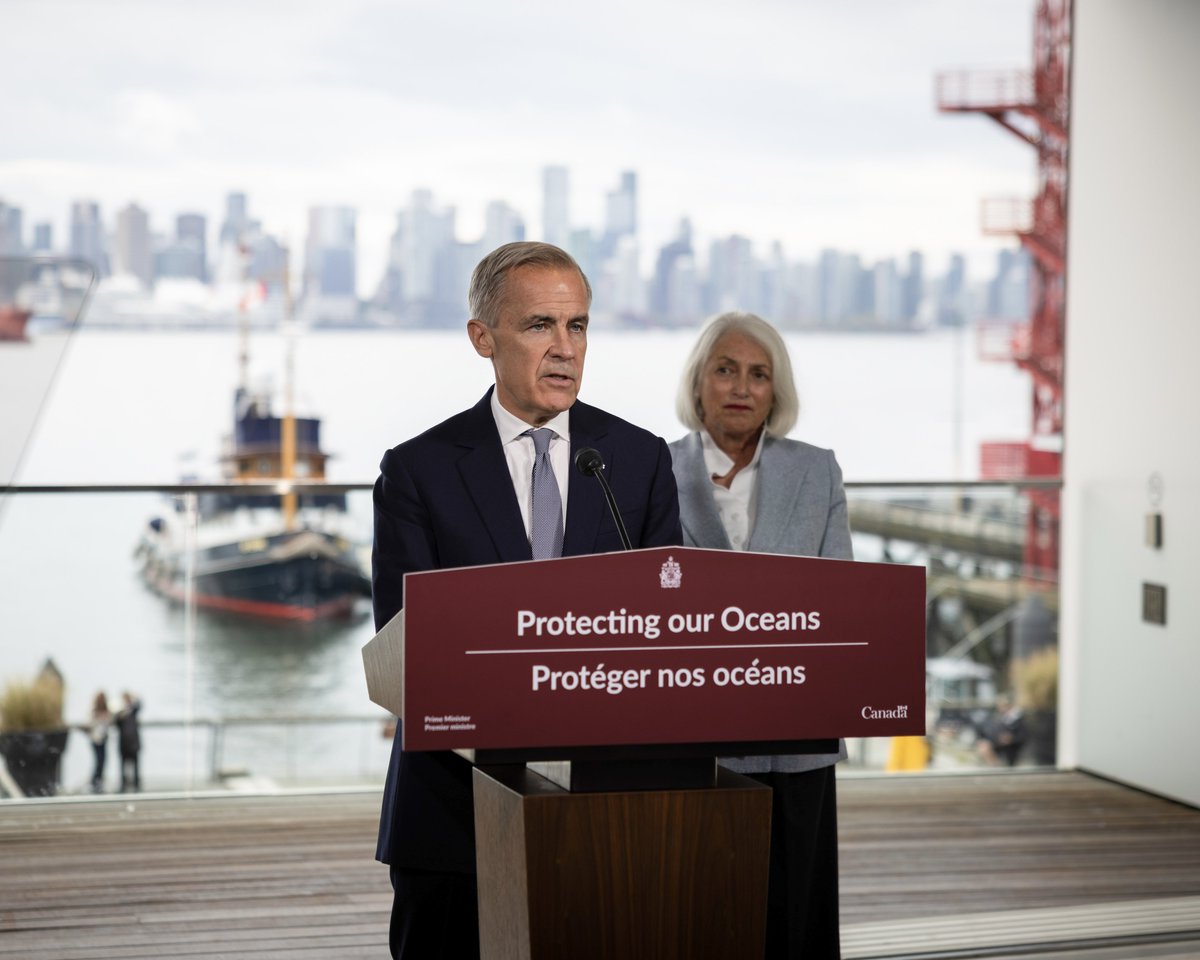
The next chapter of sustainability will be written in blue. Protecting our oceans means protecting our future. Read more: https://t.co/oWu26RJvB5 #BlueTransformation #OceanFuture #BlueTransformation #OceanConservation #SustainableFuture #Nospecificcountriesarementionedinthetweet.
In June, the oceans recorded their highest temperature ever observed, with 82% of their surface in a heatwave, leading to "underwater fires" and threats to marine ecosystems, according to oceanographer Marina Lévy. (translated)

That oceans and biosphere are a sink is a result of the rising CO2 concentration in the atmosphere caused by us; before that they were in balance. Our fossil carbon emissions end up roughly half in the air and a quarter each in ocean and forests. Details: https://t.co/BGiZht5LfL #ClimateChange #CO2Emissions #Biosphere #Nospecificcountriesarementionedinthetweet.