BETA nonprofit public democratic european moderated

Search

#Policing

🇮🇳 EXINDIA? MODI, STOP POLICING FAITH. India is strongest when it is pluralist, constitutional and free. I fully support tough punishment for: forced conversion, threats, coercion, fraud and deception. But I reject laws that use vague concepts such as “allurement” or “undue https://t.co/g2CKgVqkXT #India #Pluralism #ReligiousFreedom #IN

H

Why Psychopaths Rise to Power: What Hitler, Stalin & Mao Had in Common Polish psychiatrist Andrew Lobaczewski argued that in certain conditions, psychologically disordered people can rise through institutions and create “pathocracy,” where pathological personalities gain disproportionate power. He described “negative selection”: upheaval pushes aside those with conscience and competence while manipulative, ruthless figures thrive. At the core are psychopaths, who feel little guilt or empathy and use normal human weaknesses as tools. Around them are schizoids, ideological architects who turn abstractions into systems for managing people. Next are spellbinders, charismatic leaders who frame authoritarian ideas as moral duty. Together they produce “paramoralisms”—moral standards that invert reality: dissent becomes extremism, censorship becomes protection, coercion becomes compassion. Beneath them are true believers and conformists who follow out of conviction or career safety, echoing Milgram’s insight that the key question is who gives the orders. Finally come bystanders, a frightened majority that adapts to avoid trouble until self-policing replaces external coercion. Lobaczewski’s warning: pathological behavior becomes far more dangerous when society mistakes it for morality. The real struggle isn’t left vs. right—it’s whether institutions can preserve truth and resist normalization of destructive behavior.

H

When Culture Collapses, the State Takes Over On June 18, the Combatting Hate Act received royal assent in Ottawa; in July it becomes law. Among its provisions, Canada’s Criminal Code will define hatred as an intense and extreme emotion tied to vilification and detestation. Feeling is moving into criminal law. The state has taken on the job of policing it. Supporters cite a reported 169% rise in hate crimes from 2018 to 2024. But such spikes are not random: they follow predictable outcomes of placing groups with long histories of cultural and political conflict together in large numbers while assuming grievances will vanish. “Diversity is our strength” can’t replace shared culture. Shared culture enables voluntary social interaction; without it, cohesion is not automatic—it must be built, and conflict is often the norm. When rapid, large-scale difference is combined with demands for perpetual tolerance, social order weakens. The law then steps in to do what culture once did. This is how multiculturalism can drift toward authoritarianism: institutions empowered to manage social conflict gain authority by promising to solve problems their policies help create. Enforcement is rarely neutral. The same legal mechanisms that target “offensive” speech can also punish individuals harshly, while authorities can remain slow to confront serious harms—raising the question: who decides whose equality matters?

H

The Tolerance That Censors Institutions preach tolerance, yet disagreement is increasingly punished. As protected classes expand, demands for compliance, surveillance, and reporting grow. A tolerance-saturated society becomes hostile to dissent. Many call it hypocrisy, but the contradiction may be strategy. In 1965, Herbert Marcuse’s *Repressive Tolerance* argued that liberal “equal hearing” can perpetuate oppression. “Liberating tolerance,” he claimed, must discriminate: intolerance toward the Right, tolerance toward the Left. Why? Classical Marxism expected industrial workers to revolt from misery. Instead, comfort increased and revolution stalled. The Frankfurt School offered a remedy: capitalism colonized consciousness, creating “false consciousness.” If factory revolt won’t start, revolution must begin in the formation of minds—culture, education, psychology, entertainment. If so, neutrality becomes the enemy. Free debate spreads the system’s ideas. Elections let prisoners choose their preferred warden. Liberal freedoms act as “steam valves,” releasing pressure to prevent revolt. Tolerance becomes directional: oppressive ideas are suppressed; liberating ideas are amplified. Censorship and punishment are reframed as freedom’s highest expression. Marcuse also recognized liberal resistance to censorship and proposed “emergency” suspensions when oppression is deemed urgent—a logic echoed when speech is treated as harm and coercion as protection. The unsettling possibility is that nothing is malfunctioning: tolerance may function as a weapon. The final stage requires no visible censor—the individual internalizes it, policing their own thoughts.

Novinky 2w

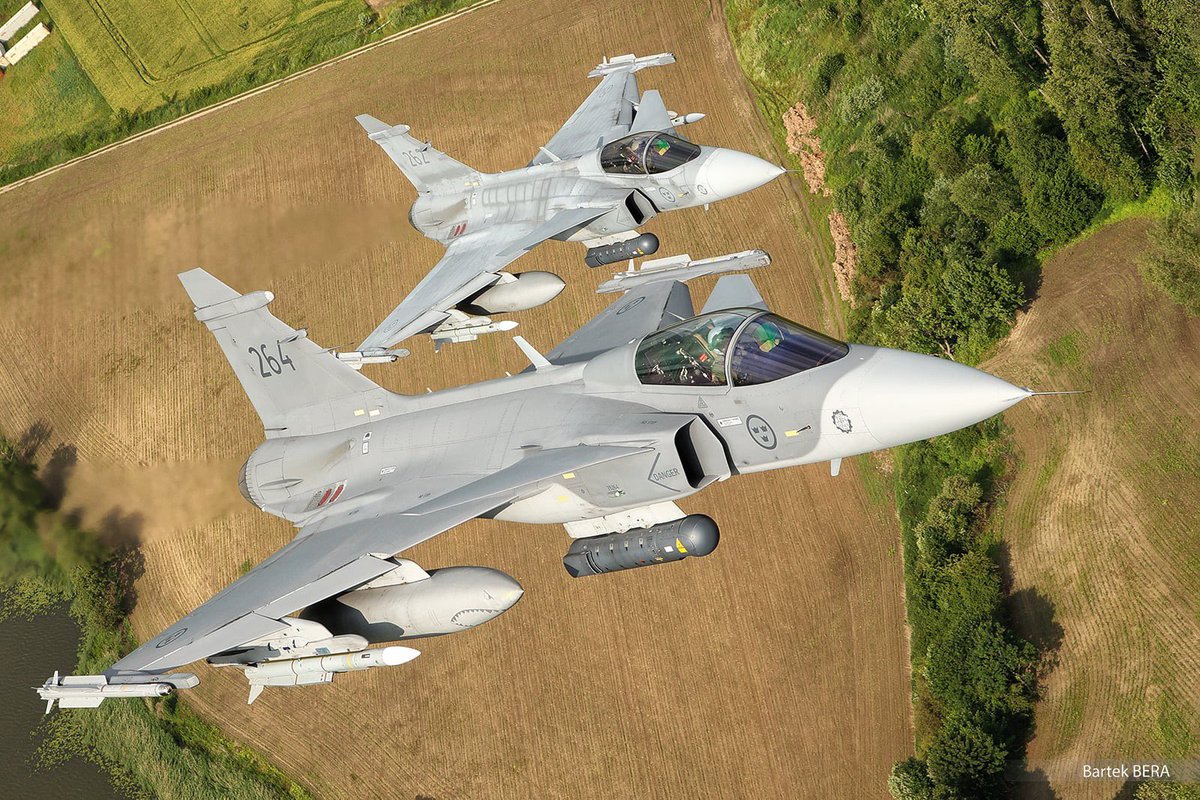
French fighters, as part of the NATO Baltic Air Policing mission, identified a Russian aircraft registered RA-64534, a Tupolev Tu-214PU variant, intended for transporting high-ranking FSB officials, which was surprisingly equipped with the advanced laser defense system LSZ-100, which is unusual for standard transport aircraft. (translated)

Francouzské stíhačky překvapily nad Baltem letoun šéfů ruské tajné služby FSB

Spoke by phone today with my Spanish counterpart @jmalbares, first and foremost to thank Spain for its concrete contribution to 🇷🇴 and Allied security. Last night, a Spanish Air and Space Force F-18 flying NATO Enhanced Air Policing from Mihail Kogălniceanu Air Base, working in #NATO #Security #Spain #RO #ES

Something is happening in New York that should worry everyone who cares about democracy. Mayor Zohran Mamdani refused to condemn “globalize the intifada,” calling that “policing speech.” He then named a judicial panel he called “truly representative” of the city. Not one Jewish https://t.co/Y0gztLeQ7N #NewYork #Democracy #Intifada #US

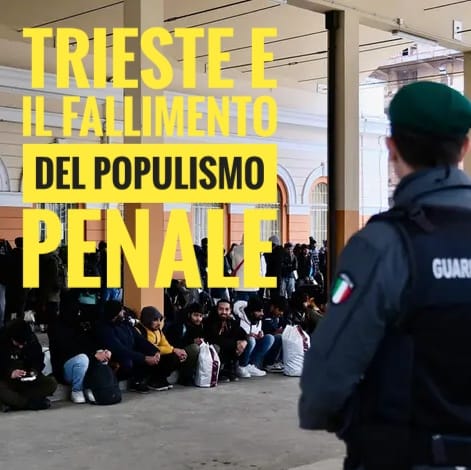
La gestione della sicurezza urbana a Trieste ovvero il fallimento strutturale del populismo penale e la distorsione delle risorse pubbliche... Propongo una riflessione sociologica della situazione a Trieste, città che da storico crocevia multiculturale, si ritrova adesso a fare i conti con fenomeni di insicurezza, intolleranza, chiusura umana, politica e sociale. La trasformazione delle dinamiche di sicurezza nel contesto triestino evidenzia una profonda divergenza tra la percezione politica della minaccia e la reale evoluzione della criminalità urbana. Negli ultimi anni, a partire dall'idea di un muro lungo il confine della regione fino alla recinzione di Piazza Libertà, la gestione dell'ordine pubblico locale ha registrato un costante orientamento delle risorse operative verso il contrasto dei flussi migratori transfrontalieri, affrontati mediante logiche emergenziali anche in assenza di riscontri oggettivi circa una loro pericolosità sociale intrinseca. Tale focalizzazione simbolica non è priva di effetti, anzi, il principale è quello che ha generato il ridimensionamento dei presidi di vigilanza e di controllo all'interno del tessuto cittadino, favorendo l'insorgere di fenomeni di microcriminalità, degrado materiale e devianza diffusa nelle aree centrali e periferiche del territorio urbano. La risposta proposta dalle amministrazioni nazionali, regionali e locali di orientamento conservatore e di destra si è concentrata sulla progressiva marginalizzazione delle politiche di prevenzione sociale, preferendo l'adozione di misure coercitive e l'inasprimento della risposta sanzionatoria. Questa impostazione poggia sul paradigma dell'efficacia della deterrenza penale, un modello teorico ampiamente decostruito dalla ricerca criminologica e giuspenalistica contemporanea. L'evidenza scientifica attesta da tempo che l'aumento della severità delle sanzioni e la repressione meramente reattiva non generano una riduzione della frequenza dei reati, provocando piuttosto lo spostamento della criminalità verso zone meno presidiate e l'incremento dell'insicurezza percepita dalla cittadinanza (Pratt et al., 2006; Tonry, 2018). L'adozione di modelli riconducibili al populismo penale (Wacquant, 2009) risponde all'esigenza di catalizzare il consenso attraverso la costruzione simbolica di una minaccia esterna, incarnata dalla figura del migrante alla frontiera, invece di affrontare la complessità dei problemi sociali urbani. Le analisi empiriche confermano che gli interventi basati esclusivamente sulla militarizzazione e sulla punitività ignorano i fattori causali fondamentali della devianza, quali l'isolamento sociale, la carenza di reti educative territoriali e l'abbandono degli spazi pubblici (Currie, 2007). L'allontanamento delle forze dell'ordine dal controllo capillare del centro urbano triestino in favore del pattugliamento di confine configura, di conseguenza, un fallimento strategico privo di fondamento scientifico. La costruzione di una sicurezza reale ed effettiva richiede l'abbandono della retorica emergenziale, a favore di interventi integrati incentrati sulla prevenzione socio-strutturale, sulla riqualificazione urbana e sulla coesione sociale. Per chi volesse approfondire i temi, leggete: Currie, E. (2007). Against marginality: For a critical criminology of violence. Theoretical Criminology, 11(2), 175-190. Pratt, T. C., Cullen, F. T., Blevins, K. R., Daigle, L. E., & Madensen, T. D. (2006). The empirical status of deterrence theory: A meta-analysis. In F. T. Cullen, J. P. Wright, & K. R. Blevins (A cura di), Taking stock: The status of criminological theory (pp. 367-395). Transaction Publishers. Tonry, M. (2018). An honest and sane approach to policing and crime control. Criminology & Public Policy, 17(4), 781-789. Wacquant, L. (2009). Punishing the poor: The neoliberal government of social insecurity. Duke University Press. #Trieste #sicurezza

Novinky Jul 27

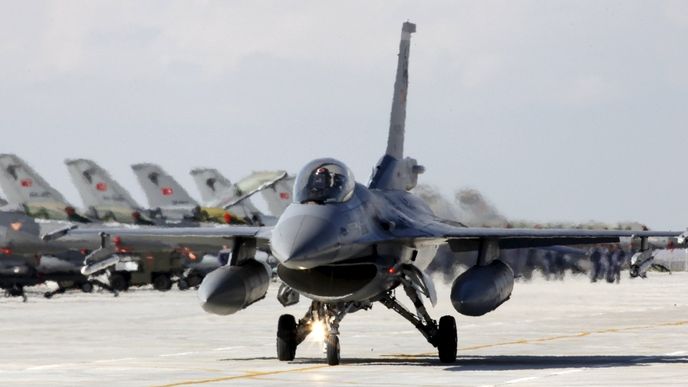
Turecké F-16 budou od srpna do listopadu střežit vzdušný prostor nad Pobaltím jako součást mise Baltic Air Policing, která byla posílena po ruském obsazení Krymu v roce 2014. #Turecko #NATO #BalticAirPolicing

Vzdušný prostor nad Pobaltím budou střežit turecké F-16

Turcja wysyła pięć myśliwców F-16 i 76 żołnierzy do Estonii w ramach misji NATO Baltic Air Policing, mającej na celu utrzymanie całodobowego statusu szybkiego reagowania w regionie Bałtyku od sierpnia do listopada 2026 roku. #NATO #F16 #Turcja

NATO wzmacnia wschodnią flankę. Turcja wysyła myśliwce F-16

Turcja wysyła do Estonii pięć myśliwców F-16 oraz 76 żołnierzy w ramach misji NATO Baltic Air Policing, aby wzmocnić ochronę przestrzeni powietrznej nad krajami bałtyckimi od sierpnia do listopada. #Turcja #NATO #BalticAirPolicing

Turcja wysyła myśliwce blisko Rosji. Wzmocnią NATO
Toiu Oana Jul 25

Thank you, @Antonio_Tajani, for your solidarity and support. Romania’s security means Allied and EU security. Thank you to Italy’s partnership, as we defend together the Eastern Flank in the air policing missions. Our gratitude to the tireless work of Italian pilots, alongside #NATO #EUsecurity #ItalyRomaniaPartnership #RO #IT

The #NATOSummit delivered concrete results for Estonia. NATO is transitioning the Baltic Air Policing mission into an air defence mission, giving the Alliance greater flexibility and faster response to air threats. At the same time, Ämari Air Base will become an official NATO https://t.co/5YBmv4qoJC #NATOSummit #AirDefence #Estonia #EE

Human rights are not negotiable. AI must never strip away dignity or entrench discrimination. And in every high-stakes decision – in justice, in healthcare, in policing – machines can inform, but humans must decide & answer. #HumanRights #Dignity #AIethics #Therearenospecificcountrymentionsinthetweetprovided.Therefore #theresponseis:

Na niedzielę. Zachodni myśliwiec wielozadaniowy (znaczy jastrząb) wykonujący agresywny air policing wobec rosyjskiego bombowca (znaczy pelikana) naruszającego strefę identyfikacji powietrznej gniazda. 😉 Źródło IG https://t.co/YlXYTkYre9 https://t.co/hDlD7kpDyV #military #aviation #defense

Trefný komentář od @SikPavel Bývalý omyl Černínského paláce včera předvedl, proč mu tak říkám. Diplomat je člověk, který dokáže jednat i s lidmi, které nemá rád, a poslouchat argumenty, které mu nevyhovují. Lipavský včera v živém přenosu Událostí, komentářů předvedl přesný opak a ukázal, proč jsem ho vždy nazýval omylem. Miroslav Ševčík zmínil, že mu moderátorka v předchozím pořadu skočila do řeči hned po první vteřině a celkem desetkrát, zatímco jeho oponentce z Pirátů ani jednou. I když pan Ševčík nemusí být šálek kávy pro každého, tak prostor jako poslanec by měl dostat stejný jako každý jiný. Ale než mohl své tvrzení doříct, skočila mu moderátorka do řeči a vzápětí i Lipavský: "Když se chováte strašně, tak se nedivte, že vám moderátor skáče do řeči." Pak přidal: "Začněte se chovat jako slušný člověk. Já vás tady musím celou dobu poslouchat. Chovejte se slušně, buďte příjemný a buďte milý a nikdo vám nebude skákat do řeči. Když se chováte jako obecní… já nechci říkat co." Závěr byl triumfální: „Teď vám skáču do řeči já a ne moderátor, aby nemohli kritizovat Českou televizi, vzal jsem to na sebe.. to je základní vychování .. vy jste dospělej člověk, mě tohleto vytáčí, to je strašný chování .." Takže rekapitulace: Ševčík předložil konkrétní tvrzení - poměr 10:0 ve skákání do řeči. Lipavský na toto tvrzení nereagoval věcně ani slovem. Místo toho Ševčíkovi skočil do řeči, vyčetl mu nezdvořilost, poučil ho o slušném chování a celé to korunoval přiznáním, že to dělá záměrně, aby ochránil Českou televizi před kritikou. A to vše hlasitě, nervózně a s výčitkami, které by obstály tak v hádce přes plot nebo na pavlači. V rétorice a teorii argumentace má toto chování přesný název - útok ad hominem kombinovaný s technikou "tone policing". Ad hominem proto, že místo reakce na argument přichází útok na osobu mluvčího, na jeho chování, jeho slušnost, jeho způsoby. Neřeší se faktické vyvrácení argumentu, ale charakter toho, kdo ho přednesl. Tzv. "tone policing" (manipulační rétorická taktika nejčastěji překládaná jako "policajtské hlídání tónu“) proto, že forma sdělení je povýšena nad jeho obsah. Nezáleží na tom, co říkáš, ale jak to říkáš a pokud tvůj tón není přijatelný, tvůj argument automaticky ztrácí legitimitu. Kombinace obou technik je obzvlášť účinná, protože nevyžaduje žádnou věcnou odpověď a zároveň přesouvá důkazní břemeno - najednou se musí obhajovat Ševčík, ne zmíněná statistika 10:0. K tomu Lipavský přidal třetí vrstvu - přiznání záměru. Explicitně řekl, že skáče do řeči proto, aby Česká televize nemohla být kritizována. To není selhání v debatě. To je popis metody. A právě tato upřímnost je analyticky nejcennější. Ukazuje, že cílem nebylo argumentovat, ale znemožnit argument zaznít a chránit instituci, která je mu nakloněná. Tomu se v teorii komunikace říká "epistemic suppression" neboli potlačení výpovědi nikoli jejím vyvrácením, ale eliminací prostoru, v němž by mohla být vyslovena a posouzena. Pokud tohle měla být jeho obhajoba nezávislých médií, pak fungovala spíše jako důkaz přesného opaku a Lipavský ukázal, že hlavním českým diplomatem nikdy být neměl. Od začátku byl omyl. #politika #debata #media

From schools to social work, from courts to clean streets, from national parks to policing to public transport - public servants make the world go around. On @UN #PublicServiceDay, we honour the contributions of public servants everywhere & reaffirm the public sector’s #PublicService #PublicSector #ThankYouPublicServants #Thetweetdoesnotmentionanyspecificcountries.Therefore #therearenocountrycodestoreturn.

Onet.pl Jun 13

Litewské úřady vyhlásily žlutý nouzový alert poté, co radar zachytil podezřelý objekt, který byl původně vyhodnocen jako dron, ale později se ukázalo, že jde o meteorologický balon přilétající z Běloruska, což vedlo k aktivaci NATO Air Policing a následnému zrušení poplachu po identifikaci hrozby. #Litwa #zagadkowyobiekt #NATO

Balon z Białorusi nad Litwą. NATO poderwało myśliwce

Francuski borbeni avion Rafale oborio je dron iznad Latvije dok je bio uključen u NATO-ovu misiju Baltic Air Policing, što dodatno ilustrira sve veći sigurnosni izazov za zemlje Saveza uslijed masovne uporabe dronova u sukobima koji su se pojavili s ruskom invazijom na Ukrajinu. #Rafale #Latvija #NATO

VIDEO Objavljena snimka, Rafale srušio dron iznad članice NATO-a

Congratulations to Inspector Stephanie Königs of Germany, our @UN Woman Police Officer of the Year. I’m grateful for her contributions to our @UNPeacekeeping mission in South Sudan. Her work is an example of our women officers leading frontline policing even in the most complex https://t.co/plC26r9anp #WomenInPolicing #UNPeacekeeping #Inspiration #DE #SS