BETA nonprofit public democratic european moderated

Search

#Préservation

Chris Avramidis wrote that he had repeatedly asked government spokesman Pavlos Marinakis if US Ambassador Kimberly Guilfoyle had said that the US could provoke political change in any country, including Greece. According to him, Marinakis had responded that there was no issue of threat, but he had not explicitly denied that the specific words were said. Avramidis mentioned that the Wall Street Journal had reported that Marinakis did not answer directly if Guilfoyle had referred to Romania as a precedent. He added that when he pressed with a related question, the government spokesman referred to his previous answers and eventually said he had nothing to add. He wrote that the matter had reached the US Congress: Gregory Meeks, chair of the Democrats on the House Foreign Affairs Committee, had sent a letter to Marco Rubio asking for answers regarding Guilfoyle's behavior. According to the Committee's statement, the allegation was that the ambassador had invoked Romania and said that the US could provoke similar political change in other countries, including Greece. Meeks was calling for her removal if the allegations were found to be accurate. Avramidis added that, according to journalist Thanasis Koukakis, there appeared to have been a process initiated to preserve records, so that any potentially useful evidence for future checks or investigations would not be destroyed. He mentioned possible records like emails, SMS, messages on apps, and meeting calendars, while noting that the relevant publication clarified that the process itself did not constitute prosecution or finding of illegality. Regarding Greece, he wrote that Minister Stavros Papastavrou had spoken in Parliament, where Alexandros Kazamias asked him if the controversial phrase had been said. According to Avramidis, the minister did not answer the question and referred to the performance of his ministry and the relations between Greece and the US. Avramidis also criticized the cost of American natural gas and concluded that it remained unanswered whether the specific words had been said. (translated)

En Allemagne, l’AfD mène une offensive anti-genre. Cette obsession pour la préservation des normes de l’hétéronormativité unit toutes les forces réactionnaires du monde entier, quelles que soient leurs différences. Leur cible : l’égalité et l’émancipation. https://t.co/cjzIwtyOpW #AfD #Egalité #Hétéronormativité #DE

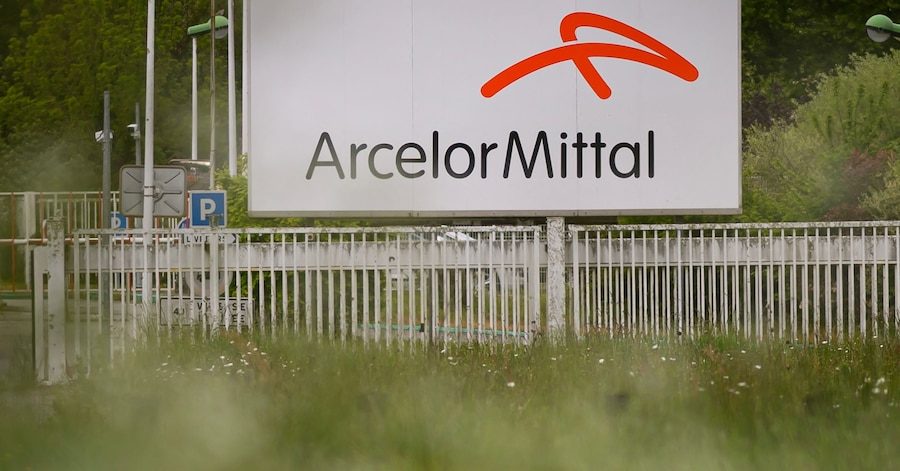
"Nous nous concentrerons sur la préservation des infrastructures""Nous nous concentrerons sur la préservation des infrastructures", a déclaré le dirigeant de la branche ukrainienne du groupe, Mauro Longobardo. #ArcelorMittal #Ukraine #IndustrieSidérurgique

Le géant ArcelorMittal contraint de cesser l'activité de son usine ukrainienne ciblée par "quatre tirs de missiles russes"
www.lalibre.be

ArcelorMittal a annoncé la cessation de l'activité de son usine de Kryvyï Rig en Ukraine après avoir été frappée par quatre tirs de missiles russes, entraînant la mort de cinq personnes et des blessures pour 17 employés, tandis que l'entreprise se concentre sur la préservation des infrastructures en vue d'une possible reprise future. #ArcelorMittal #Ukraine #IndustrieSidérurgique

Le géant ArcelorMittal contraint de cesser l'activité de son usine ukrainienne ciblée par "quatre tirs de missiles russes"

L'UE est aux côtés d'Haïti en ces heures sombres. Échange constructif avec @citoyendidier sur l'urgence de protéger les Haïtiens et Haïtiennes. Essentiel que le principe de proportionnalité et la préservation de l’espace humanitaire soient au coeur de toute opération sécuritaire https://t.co/YtzX29b3oP #Haïti #Sécurité #Humanitaire #HT

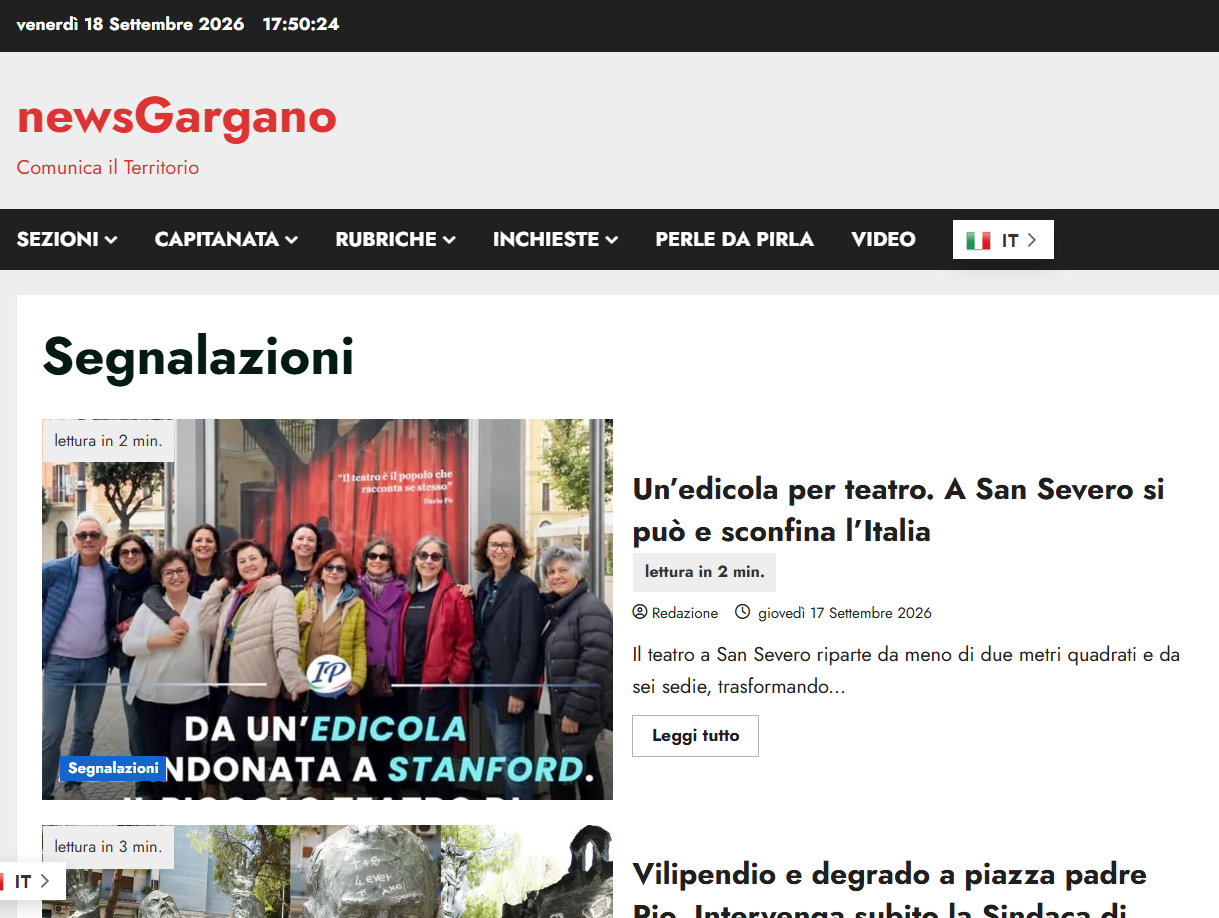
"NEWS GARGANO": A KIOSK FOR A THEATRE: IN SAN SEVERO IT CAN BE DONE, AND ITS ECHO EXTENDS BEYOND ITALY SOURCE: https://www.newsgargano.com/unedicola-per-teatro-a-san-severo-si-puo-e-sconfina-litalia/ SAN SEVERO (FG) - Theatre in San Severo is reborn from less than two square metres and six chairs, transmuting a symbol of urban blight into a small international cause célèbre. The virtuous enterprise has been revived by the company Foyer '97, under the artistic direction of Francesco Gravino, protagonist of a project of cultural regeneration that is now transcending the confines of the Province of Foggia. At the heart of the intervention lies the reclamation of an abandoned newsstand in Via Tondi, for years a disused space and now restored to the city in an unprecedented guise. Where once there was a lowered shutter, theatre is now made: but six spectators at a time, actors at but a few paces from their audience, and performances of brief duration, in a direct and radical commerce between stage and city. The experiment, inaugurated on 27th March, has yielded figures that bespeak a tangible cultural need. More than sixty persons attended the performances in a single afternoon, and the three days of the inaugural season were sold out, demonstrating that proximity and quality may yet generate community even in the most residual of spaces. Yet the story of San Severo has swiftly outgrown its local boundaries. In September 2026, the Stanford Social Innovation Review dedicates to the project the reportage "The Six-Seat Revolution", authored by Luciano Magaldi Sardella, researcher, academic and international journalist from Orta Nova of Sanseverese maternal lineage. The work is described by SSIR as: "A theater director transformed an abandoned newsstand into a radically new theatrical experience that is helping to revive the historic center of a Southern Italian town." The Apulian experience is observed not merely for its theatrical originality, but as a replicable paradigm of low-cost social innovation and urban regeneration, capable of activating cultural capital without recourse to grand structures or lavish investment. "One does not require grand theatres to transform a quarter of a city. What is required is a sound idea and the courage to restore to the collectivity a space that has lost its function," emphasised the artistic director Francesco Gravino. "Teatro Edicola was conceived to demonstrate that a locus of encounter and culture may arise anywhere, even within two square metres. That this endeavour should now be studied at an international level, and that enquiries should arrive from cities such as Lucca and Rome, is confirmation that we are upon the right path." The valorisation and preservation of the urban and cultural fabric must inevitably proceed through the creative reclamation of forsaken places. From a derelict newsstand with scarcely six seats to a project capable of commanding international attention: sometimes, to regenerate a city, one need not build, but re-inhabit.

Un'edicola per teatro. A San Severo si può e sconfina l'Italia

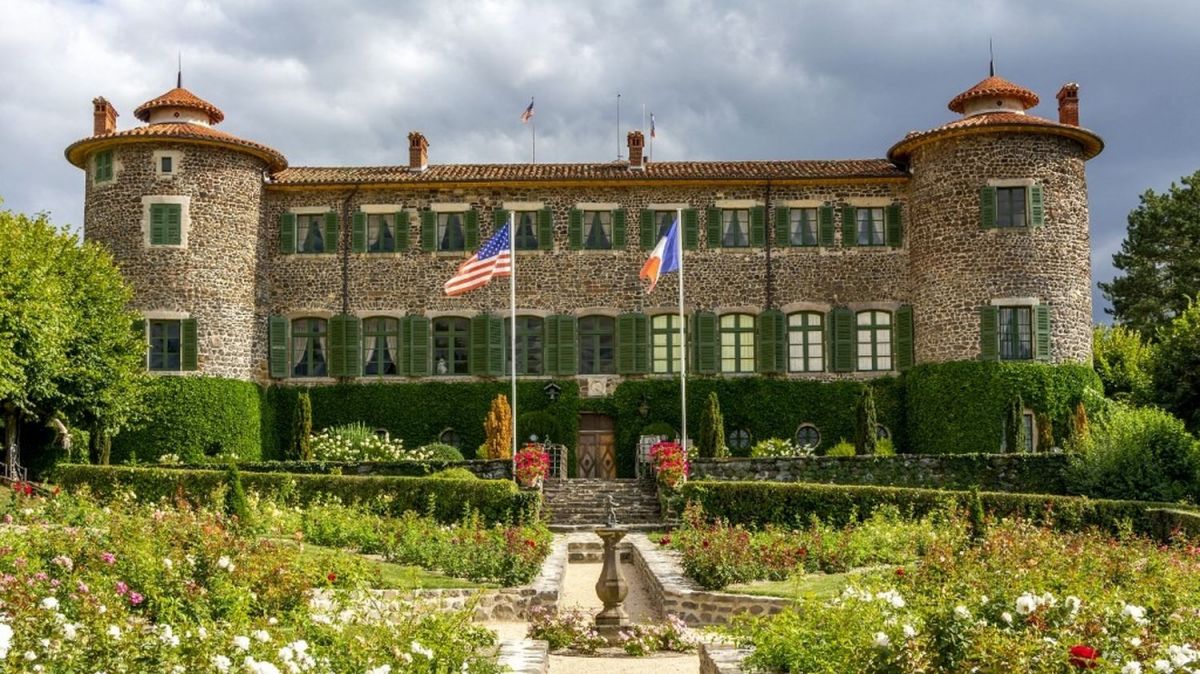
Les États-Unis attribuent pour la première fois une subvention de leur programme Ambassadors Fund for Cultural Preservation pour restaurer le château natal de La Fayette en France, marquant un soutien significatif à la préservation du patrimoine franco-américain. #Patrimoine #LaFayette #Culture

Les Etats-Unis participent au financement de la restauration du château natal de La Fayette

"RadioText-RadioSoftware (1983–1989)": The First (Forgotten) Radio Programme of Computer Science Dissemination in Italy SOURCE: https://www.linkedin.com/pulse/radiotext-radiosoftware-19831989-first-forgotten-sardella-ph-d--eqief/ Radiosoftware represents Italy's absolute pioneer in broadcasting digital literacy education over the airwaves in the Belpaese. Abstract This paper reconstructs the history of Radiosoftware, the first Italian radio programme which anticipated by over a decade the dissemination of microtelematics, computing, and digital technology, as well as modern methods of digital software distribution. Established in 1983 at Radio Popolare and subsequently developed as a national initiative on Rai Radio 3 from 1984 to 1989, Radiosoftware represents the first Italian radio programme to broadcast educational content and transmit executable software for home computers over the airwaves. Through analysis of its technical evolution, educational content, and cultural impact, this article demonstrates how the initiative constituted a significant precedent in national computer literacy, the democratisation of access to software, and the development of amateur programming communities, establishing itself as the progenitor of a media ecosystem dedicated to technological dissemination that has extended into the contemporary era. Keywords: history of Italian computing, technological dissemination, digital broadcasting, computer literacy, Radio Popolare Introduction: The Dawn of Computing Dissemination in Italy In the landscape of Italian digital media history, a fundamental chapter remains little explored in academic literature: that of computing dissemination through radio broadcasting in the 1980s. In an era characterised by the absence of network connectivity and economic and geographical barriers to accessing computer technologies, radio configured itself as a democratic instrument for the diffusion of nascent digital culture. Radiosoftware emerges in this context as an absolutely pioneering initiative in Italy, anticipating not only analogous Italian experiences but also positioning itself amongst the first European experiments in software transmission over the airwaves. Its genesis at Radio Popolare in 1983 and subsequent evolution as a national programme on Rai Radio 3 bear witness to a trajectory of technical and pedagogical innovation that merits in-depth analysis. Contenuto dell’articolo The Original Phase: Radio Popolare (1983) The birth of Radiosoftware at Radio Popolare in 1983 constitutes the foundational moment of radio-based computing dissemination in Italy. In a period when personal computers still represented niche objects, the programme set out to systematically explore programming languages, hardware architectures, and practical applications of home computing, addressing a heterogeneous audience composed of students, teachers, hobbyists, and professionals. This first incarnation established the conceptual paradigms that would characterise the entire subsequent tradition: linguistic accessibility, pedagogical vocation, attention to the social and cultural dimensions of technology, and promotion of active listener participation. Contenuto dell’articolo The National Evolution: From Radiotext to Radiosoftware (1984–1989) The experience gained at Radio Popolare found systematic development in the national initiative coordinated by Rai Radio 3. The pilot phase, denominated Radiotext, commenced on 11 May 1984 as an experimental segment within the current affairs programme Un certo discorso, presented by Pasquale Santoli. Eight 30-minute episodes, broadcast on Fridays at 16:00 with Sunday repeats, tested the technical feasibility and public interest in the transmission of executable software through audio signals. Curated by Luigi Grimaldi and Giovanni Sighele of the Lega Informatica of Florence, in collaboration with Arci Media, the pilot phase demonstrated the viability of the concept. In autumn 1984, the format consolidated with the definitive denomination Radiosoftware, expanding to one-hour episodes and maintaining its placement within Un certo discorso. Contenuto dell’articolo The third season, inaugurated on 7 February 1986, introduced a thematic structuring articulated in three distinctive segments: "Hard & soft news" (updates and reviews), "Studiare con il computer" (educational applications), and "Radio + informatica" (experimental intersections between broadcasting and computing). This phase evidenced a growing pedagogical sophistication and greater attention to formal educational applications. In late 1986, the programme acquired editorial autonomy, transforming into an independent transmission with nocturnal weekend scheduling. 1987 marked a significant technical innovation with the introduction of the 4800 bit/s hardware interface developed by the RAI Research Centre in Turin, which enabled direct connection to the RS-232 serial port, overcoming the limitations of the audio-cassette method. The concluding phase, from February to June 1989, adopted a brief daily format (10 minutes, Monday to Friday at 19:45), concentrating on MS-DOS-compatible software. Despite the announcement of a cycle for 1990, no national transmission is documented beyond June 1989. Contenuto dell’articolo The Audio-Cassette Method (1984–1987) The initial methodology replicated the cassette loading mechanisms typical of 1980s home computers. Programmes were encoded as sequences of audio impulses—electronic noises incomprehensible to the human ear—which listeners recorded onto blank audiocassettes by connecting a tape recorder to the radio's audio output. The recorded cassette was subsequently played through the computer's cassette interface, which decoded the signals, loading the software into memory. This approach, based on modulation techniques similar to frequency-shift keying (FSK), guaranteed compatibility with heterogeneous platforms such as the ZX Spectrum 48K, Commodore 64, Olivetti M10, subsequently extended to the Apple II, MSX, BBC Micro, Olivetti M24 and M28. Each episode transmitted sequentially platform-specific versions for each system. Whilst accessible and revolutionary for mass distribution in pre-Internet Italy, this method presented significant limitations: low transmission speed, susceptibility to errors induced by radio interference or ambient noise, and the necessity for precise volume and timing adjustments. Contenuto dell’articolo The RAI-Radiosoftware Hardware Interface (1987) In 1987, the RAI Research Centre in Turin developed an advanced interface documented in CCIR reports as the RAI-Radiosoftware system. The principal innovation consisted of direct transmission at 4800 bits/s utilising biphase modulation organised in packets, enabling connection to the computer's RS-232 serial port without cassette intermediation. The interface was designed for operating system independence, with management software adaptable for MS-DOS, CP/M, and potential future extensions to Macintosh. For Olivetti M24 and M28 computers, a version with an internal card was available. The Research Centre additionally developed management software, test cassettes, and manuals, considering initial commercialisation at approximately 90,000 lire. This technical evolution represented a significant advancement in terms of speed, reliability, and usability, whilst maintaining the audio-cassette method in parallel to guarantee universal access. Contenuto dell’articolo Types of Software Transmitted The catalogue of software distributed through Radiosoftware reflected a broad range of applications: practical utilities (thematic databases on fashion, music, itineraries, and personalised diets), educational tools (didactic programmes for secondary schools, upper secondary schools, and conservatoires), recreational software (games such as the Olympic pentathlon for the Commodore 64), graphic demonstrations, and creative tools (bases for musical composition and digital comics). Particularly significant was the introduction, from the third season onwards, of educational software developed in collaboration with the Ministry of Public Education, designed specifically for scholastic use across various disciplines, not limited to computing. Contenuto dell’articolo Community Participation: The ORSA Section The Osservatorio Radiofonico del Software Autoprodotto (ORSA) [Radio Observatory of Self-Produced Software], reintroduced in the third season from February 1986, constituted a space dedicated to the transmission of programmes created by listeners. This feature transformed Radiosoftware into a bidirectional platform, anticipating collaborative logics that would characterise, decades later, open-source communities and participatory digital cultures. The "listeners' post" section within "Hard & soft news" additionally facilitated continuous dialogue with the public, integrating feedback, questions, and suggestions into the programming. Questionnaires distributed at the end of cycles and surveys conducted by specialist magazines such as Sperimentare con l'elettronica e il computer provided further mechanisms for evaluation and editorial orientation. Contenuto dell’articolo Institutional Collaborations and School Experiments In 1987, Radiosoftware collaborated with the ITIS Enrico Fermi in Rome to produce a series of transmissions dedicated to the development and application of educational software in scholastic contexts. The initiative involved experimental reception centres in 60 Italian schools, where students and teachers utilised the specialised interfaces developed by the RAI Research Centre to capture and load directly the transmitted software. These experiments positioned Radiosoftware as an operational instrument of pedagogical innovation, extending its impact beyond the hobbyist user base towards formal integration within the national education system. Contenuto dell’articolo Comparison with European Experiences Although Radiosoftware represents the first Italian national initiative, it was not the first European experiment in radio transmission of software. In the Netherlands, the programme Hobbyscoop on the public broadcaster NOS began transmitting computer programmes via radio around 1979–1980, subsequently developing the Basicode standard (from 1982). This standardised format utilised a restricted subset of BASIC commands and platform-specific translation routines, guaranteeing portability across heterogeneous architectures through FSK modulation at 1200 bps. Contenuto dell’articolo In the United Kingdom, The Chip Shop on BBC Radio 4, presented by Barry Norman and launched in 1984, included a "takeaway" service that transmitted Basicode programmes during nocturnal hours on VHF. Contenuto dell’articolo Technical and Cultural Differentiation Unlike approaches based on Basicode, which privileged portability at the interpreted language level, Radiosoftware transmitted platform-specific executable files, often in machine code, encoded as audio tones analogous to cassette loading signals. This choice reflected different priorities: maximising performance and the specific capabilities of each architecture rather than guaranteeing universal compatibility through a standardised language. The subsequent introduction of the 4800 bit/s interface with RS-232 connection represented a further differentiation, bypassing cassette recording entirely. These technical specificities bear witness to an autonomous development pathway, oriented towards the characteristics of the Italian computing market and ecosystem. Contenuto dell’articolo Transition towards Telesoftware Between 1988 and 1989, Radiosoftware was progressively accompanied and superseded by telesoftware transmitted through Televideo, RAI's teletext system. Technically defined by the RAI Research Centre in collaboration with Olivetti, the system became operational in 1989 following scholastic experiments coordinated with the Ministry of Public Education and Seleco in 1988. Telesoftware represented a natural evolution that shifted distribution from radio to television, offering advantages in terms of bandwidth capacity and already widespread reception infrastructure. This transition reflected broader trends in media convergence and the evolution of digital broadcasting technologies. Contenuto dell’articolo Obsolescence and the Rise of the Internet The emergence of the Internet in the 1990s rendered obsolete both radio-based and teletext-based methods of software distribution. Bidirectional digital networks offered incomparable speed, scalability, and interactivity, radically transforming the paradigms of software access and distribution. However, the conceptual legacy of Radiosoftware persists: the idea of mass distribution of executable digital content through broadcasting channels anticipated logics that re-emerge in modern over-the-air distributions of firmware and software updates for mobile devices and IoT. Contenuto dell’articolo The Ecosystem of Italian Radio-Based Computing Dissemination COMPLETE TIMELINE From the birth of computing dissemination on radio to the contemporary digital ecosystem 🟦 1983 — THE ORIGIN Radiosoftware – Radio Popolare (1983) The first Italian programme entirely dedicated to computing, programming languages, and personal computers. The absolute progenitor of the Italian tradition of radio-based technological dissemination. 🟦 THE 1980s — THE FIRST HEIRS 1984–1989 — Bit, Byte & Musica – Radio Popolare Technology, electronics, early networks, hacker culture. Continues the pioneering spirit of Radiosoftware, exploring the countercultural and communal dimensions of nascent computing. 1987–1990 — Decoder / Cyberpunk – Radio Popolare First systematic discussions of BBS, cryptography, alternative telematics, anticipating themes that would become central in the Internet era. 🟩 THE 1990s — THE INTERNET ERA 1993 — Golem – Radio3 Critical reflection on media and digital technologies, situating technological transformation within a broader cultural and philosophical framework. 1994 — Eta Beta – Radio1 Innovation, information society, digital transformation. Technological dissemination for a general audience in the phase of initial digital literacy. 1995 — Internetworkcity – Radio Deejay Presented by Claudio Cecchetto and Marco Camisani Calzolari, represents the first pop-commercial programme dedicated to the Internet, introducing email, websites, chat, and cyber culture to the mass public with accessible language and a massified educational approach. 1996–1999 — Mediamente (radio version) – RAI Dissemination on the Internet, networks, digital culture, with particular attention to the social and cognitive implications of emerging technologies. 1997–2000 — Cybernet / Tecnologie e Libertà – Radio Sherwood Free software, digital rights, civic networks. Continuation of the critical and communal tradition inaugurated by Radio Popolare, with focus on the political and libertarian dimensions of technology. This timeline evidences how Radiosoftware does not represent an isolated phenomenon, but rather the point of origin of a continuous tradition that has traversed over four decades. From the programming languages and over-the-air software transmission of the 1980s, through explorations of BBS and alternative telematics, to mass literacy on the Internet in the 1990s and critical reflections on free software and digital rights, a connecting thread emerges that testifies to the role of radio as a privileged space for the cultural mediation of emerging technologies. Contenuto dell’articolo Contemporary Recognition and Archival Preservation In recent years, Radiosoftware has acquired renewed attention as a pioneering initiative in the history of Italian computing. In 2024, contributions by scholars such as Andrea Fortuna have described the programme as a fascinating chapter in the diffusion of personal computing in Italy, underscoring its innovative approach to the distribution of executable software in the pre-Internet era. RAI has preserved selections from the initial phase of the programme through digital platforms such as RaiPlay Sound, where a dedicated playlist in the "Via Asiago 10" series includes several pilot episodes from 1984, originally broadcast on Rai Radio 3. Preservation efforts by enthusiasts have further contributed to maintaining accessible portions of the programme's legacy, with partial audio recordings and listener interviews available on dedicated websites. Radiosoftware constitutes a significant case study from multiple disciplinary perspectives. From the standpoint of media history, it represents an innovation in the utilisation of radio broadcasting, extending its functionalities beyond the transmission of audio content towards the distribution of executable code. In computing history, it testifies to strategies of democratisation of software access in contexts characterised by scarcity of resources and infrastructure. From a pedagogical standpoint, it anticipates models of distributed and community learning that re-emerge in modern online educational platforms. The participatory dimension embodied by the ORSA section prefigures collaborative dynamics that would characterise open-source cultures. Its position as progenitor of a continuous media ecosystem dedicated to technological dissemination—from Radio Popolare through national public broadcasters to the experiences of the 1990s—underscores the role of radio broadcasting as essential cultural infrastructure in the processes of national digital literacy. In an era when over-the-air distribution of software updates has become ordinary practice for billions of connected devices, Radiosoftware emerges not as an antiquarian curiosity, but as a conceptual antecedent that illuminates often-neglected technological genealogies. Its rediscovery and archival preservation constitute essential operations for a complete understanding of the roots of Italian digital culture.

"RadioText-RadioSoftware (1983–1989)": The First (Forgotten) Radio Programme of Computer Science Dissemination in Italy
L
Le Soir 4w

Des sites naturels à travers le monde, de la France à la Thaïlande, sont en danger en raison du surtourisme, nécessitant une préservation urgente de ces trésors convoités. #surtourisme #protectionenvironnement #sitesnaturels

Ces sites naturels menacés par le surtourisme

Climat des affaires en danger , trafic d’influence : Martin KAZEMBE chasse des investisseurs chinois sur la route de contournement à Likasi au nom du chef de l’État. Sabotant une invitation du ministre national des infrastructures lancée à la province et aux investisseurs chinois de la société CCI en vue de clarifier la situation de gestion des recettes de la route de contournement à LIKASI, le gouverneur intérimaire du Haut-Katanga Martin Kazembe Shula a chassé sans remords les investisseurs chinois ayant pourtant un contrat de 23 ans avec la République . La route en question désignée à l’annexe de l’arrêté ministre des infrastructures du 05 août 2025 au point 112 sous la dénomination BULUO - LWAMBO ( route de contournement ) est classifiée une route nationale D’après l’Avenant N°01 à la convention de délégation des services publics de concession relative à la conception, au financement, à la construction et à l’exploitation d’une route de contournement de 22 kilomètres à Likasi dans la province du Haut-Katanga , entre le Haut-Katanga et la société Congo Corporation international SARL , le contrat de concession estimé à plus de 63 millions de dollars a une durée de 23 ans et permet la préservation des routes de la ville de Likasi jadis détruites par les poids lourds tout en créant la maximisation des recettes dans le trésor public. Alors que le contrat conclu en bonne et due forme court encore et pour justifier son ambition de rafler la gestion de cette route en violation des règles établies , le gouverneur intérimaire brandit un prétendu ordre verbal du chef de l’État au mépris de l’Etat de Droit et du climat des affaires pour lequel Félix TSHISEKEDI s’est battu durant toute sa vie au sein du parti politique UDPS . Force est de constater également que Martin KAZEMBE ignore que son acte touche aux relations diplomatiques entre la Chine et la RDC , met en péril les efforts fournis par le gouvernement de la République depuis plusieurs années en vue de restaurer la confiance des investisseurs dans les institutions nationales et provinciales de la RDC . Comme si cela ne suffisait pas , méprisant l’Arrêté national du ministre des infrastructures classifiant cette infrastructure comme une route d’intérêt national donc géré par l’Etat , Martin KAZEMBE a déployé ses communicateurs dans les réseaux sociaux afin de salir la première ministre et son ministre des infrastructures sous un article intitulé «  le bras de fer autour de la manne de LIKASI , john BANZA  au coeur d’un scandale » Cette communication qui est une bourde de plus est une manière de justifier son forfait et de démontrer sa méconnaissance des règles autour de la concession . Il est temps que le chef de l’Etat qui s’est battu pour assainir le climat des affaires de la République se penche personnellement sur ce dossier . @MartinKazemb @Presidence_RDC #ClimatDesAffaires #RDC #Investissement

L'Obs Sep 1

La Cour suprême des États-Unis a autorisé la poursuite du chantier de la salle de bal de Donald Trump à la Maison-Blanche, sans se prononcer sur la légalité du projet, provoquant la déception du National Trust for Historic Preservation qui conteste l'initiative. #DonaldTrump #CourSuprême #MaisonBlanche

La fête continue pour Donald Trump : la Cour suprême débloque le chantier de sa salle de balle
La Libre.be Sep 1

La Cour suprême des États-Unis a autorisé Donald Trump à poursuivre la construction d'une salle de bal à la Maison Blanche, malgré le recours du National Trust for Historic Preservation, qui conteste la légalité du projet. #CourSuprême #DonaldTrump #MaisonBlanche

La Cour suprême autorise la construction de la salle de bal de Trump à la Maison Blanche
newsORF.at Aug 31

Der US-Oberste Gerichtshof hat den umstrittenen Bau des Ballsaals von Präsident Donald Trump am Weißen Haus vorerst genehmigt, während er die Rechtslage der Klage der Denkmalschutzorganisation National Trust for Historic Preservation prüft. #TrumpBallsaal #SupremeCourt #Denkmalschutz

US-Höchstgericht: Trump darf Ballsaal vorerst weiterbauen

CRIS DU CŒUR D’UN TALIBÉ Je prends la parole avec beaucoup de retenue, mais aussi avec une profonde douleur. Je suis de cette famille. Je suis un talibé. Je revendique pleinement cet héritage et tout ce qu’il représente. Mais justement parce que je suis attaché à cette famille, je refuse de transformer cet attachement en fanatisme. Être talibé ne signifie pas fermer les yeux lorsque quelque chose nous interpelle. Cela signifie aussi avoir le courage de dire ce que l’on pense, avec respect, sincérité et responsabilité. Touba n’est pas une ville comme les autres. Elle est fondée sur une vision, une discipline, une spiritualité et des principes qui ont été transmis de génération en génération. Les interdictions qui y sont établies ne sont pas nées d’un caprice ou d’une volonté personnelle. Elles s’inscrivent dans une conception précise de ce que doit être la ville sainte. Le 18 septembre 1980, des interdictions avaient été formellement établies concernant notamment la vente et la consommation d’alcool, la drogue, les jeux de hasard, les vols, mais également les tam-tams, la musique de danse, les manifestations folkloriques et, plus largement, tout ce qui est contraire aux principes de l’Islam. Ces règles constituent une partie du legs spirituel de Touba. Et c’est précisément pour cette raison que la situation actuelle me pose question. Comment peut-on comprendre qu’une personne qui s’est publiquement retrouvée en opposition avec certaines règles et orientations de la ville puisse être reçue et autorisée à y entrer et à y exercer ses activités comme elle l’entend, alors même que cela semble aller à l’encontre des interdictions qui ont historiquement été posées ? La question n’est pas de savoir qui est la personne. La question est de savoir quelle place nous accordons aux règles de Touba. Si demain chacun peut considérer qu’une interdiction ne le concerne pas, ou qu’une autorisation individuelle suffit à l’effacer, alors que reste-t-il de la force de ces règles ? Je ne cherche ni la polémique, ni l’affrontement, encore moins à manquer de respect à l’autorité religieuse. Mais un talibé a aussi le droit de s’interroger. Et parfois, se taire par peur d’être accusé de fanatisme ou d’irrespect peut être une autre forme de renoncement à la vérité. L’héritage de nos illustres prédécesseurs nous enseigne justement la fermeté sur les principes, la clarté dans les positions et le refus des faux-fuyants. Touba doit rester Touba. Une ville où les règles ont un sens. Une ville où les principes ne doivent pas varier en fonction des personnes, des circonstances ou des rapports de force. Je le dis avec humilité : je ne prétends pas détenir la vérité, et je ne me place au-dessus de personne. Je parle simplement avec le cœur d’un talibé qui aime sa famille, qui aime Touba et qui souhaite voir préservé ce qui fait son identité. Je ne suis contre personne. Je suis pour le respect des principes. Je ne suis pas dans le fanatisme. Je suis dans l’interrogation, dans la fidélité à un héritage et dans la volonté de comprendre. Et surtout, je prie pour que nos actes, nos paroles et nos décisions soient toujours guidés par la recherche de la satisfaction de Dieu et la préservation de l’héritage spirituel qui nous a été confié. Enfin, je voudrais exprimer toute ma reconnaissance à Serigne Mountakha Mbacké, Khalife général des Mourides, pour son exemplarité, sa sagesse, sa retenue et son attachement constant à la préservation de l’héritage de Touba. Qu’Allah lui accorde une longue vie, une santé parfaite et la force de continuer à guider la communauté avec sagesse. Touba appartient à un héritage. Et un héritage ne se protège pas seulement par les paroles : il se protège aussi par la fidélité aux principes. #Touba #Talibé #Islam

Olivier Faure Aug 29

Je suis aussi venu vous parler d'un autre feu, qui avance à la même vitesse, avec la même logique de dévastation, et que nous regardons avec la même sidération impuissante, qui précède trop souvent le moment où il est déjà trop tard. Ce feu-là ne brûle pas les arbres. Il brûle https://t.co/g9BH2p9N9V #Environnement #UrgenceClimatique #Préservation #Therearenospecificcountrymentionsintheprovidedtweet.

H
Sandfeen Aug 28

The 7 Types of People Who Create Evil Societies Andrew Łobaczewski, a psychiatrist who lived under Nazism and Communism in Poland, proposed political ponerology: pathological personalities and social dynamics can generate totalitarian systems. He describes seven recurring types: 1) **Psychopaths**: power seekers who gain control via coercion, intimidation, and violence. 2) **Schizoids**: ideological engineers who craft abstract systems and utopian theories; if reality conflicts, they rationalize more rather than revise. 3) **Spellbinders**: propagandists who convert ideology into slogans, moral stories, and emotional appeals that sort “good/evil” and define the in‑group. 4) **The Spellbound**: true believers who absorb the message and enforce it socially, driven by moral certainty; they often recruit through institutions and peer networks. 5) **Adapted Conformists**: quiet enablers who comply from fear and self‑preservation, often within bureaucracy (“I’m just doing my job”). 6) **Resistors**: a moral minority who refuse cooperation and prioritize conscience, often paying costs like isolation or punishment. 7) **Bystanders**: a passive majority who stay silent through fear, confusion, and disengagement. Together: psychopaths hold power; schizoids supply ideology; spellbinders publicize it; the spellbound enforce it; conformists administer; bystanders tolerate; resistors challenge. Crucially, totalitarianism doesn’t require everyone to be fanatical—enforcers and ideologues can pressure the wider population to comply. It can arise under many systems (communist, fascist, theocratic, etc.), not just left vs right.

BFMTV Aug 28

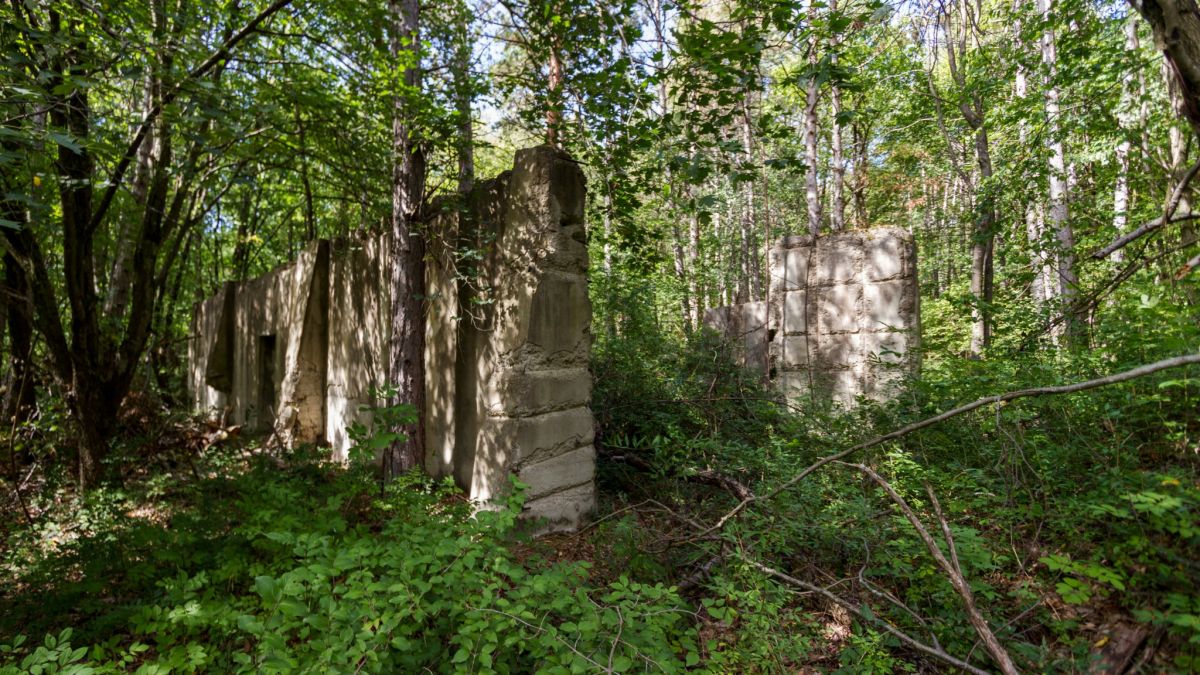
Une vive indignation émerge en Autriche face à la construction d'un Lidl sur le site d'un ancien camp de travail forcé nazi, suscitant des débats sur la mémoire historique et la préservation des vestiges. #Autriche #MémoireHistorique #Lidl

"Du chagrin, de la colère et de la rage": vive indignation en Autriche contre la construction d'un Lidl sur un ancien camp nazi
BFMTV Aug 28

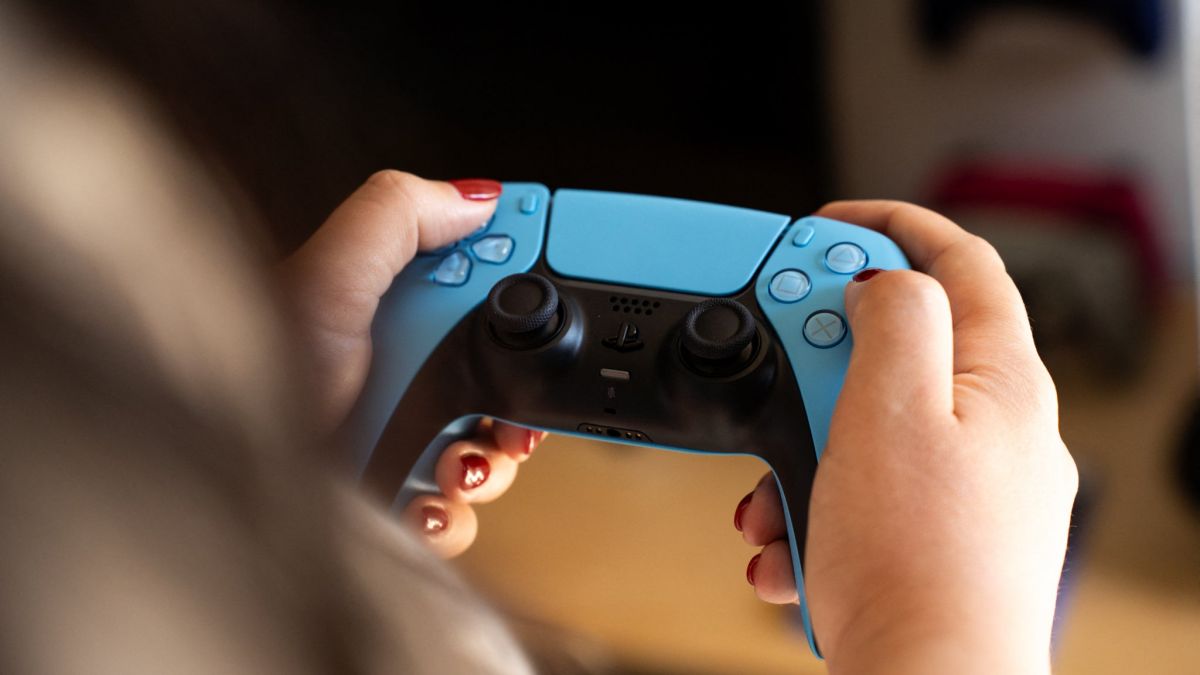
À la Gamescom 2026, les joueurs expriment leur désolation face à la décision de Sony d'arrêter la production de disques en 2028, une étape qui symbolise pour beaucoup la fin d'une ère et soulève des préoccupations sur la propriété et la préservation des jeux vidéo. #Gamescom2026 #Sony #JeuxVidéo

"Un triste précédent pour l'avenir": à la Gamescom, plus grand salon du jeu vidéo européen, les joueurs nostalgiques se désolent de la disparition du physique
Franceinfo Aug 25

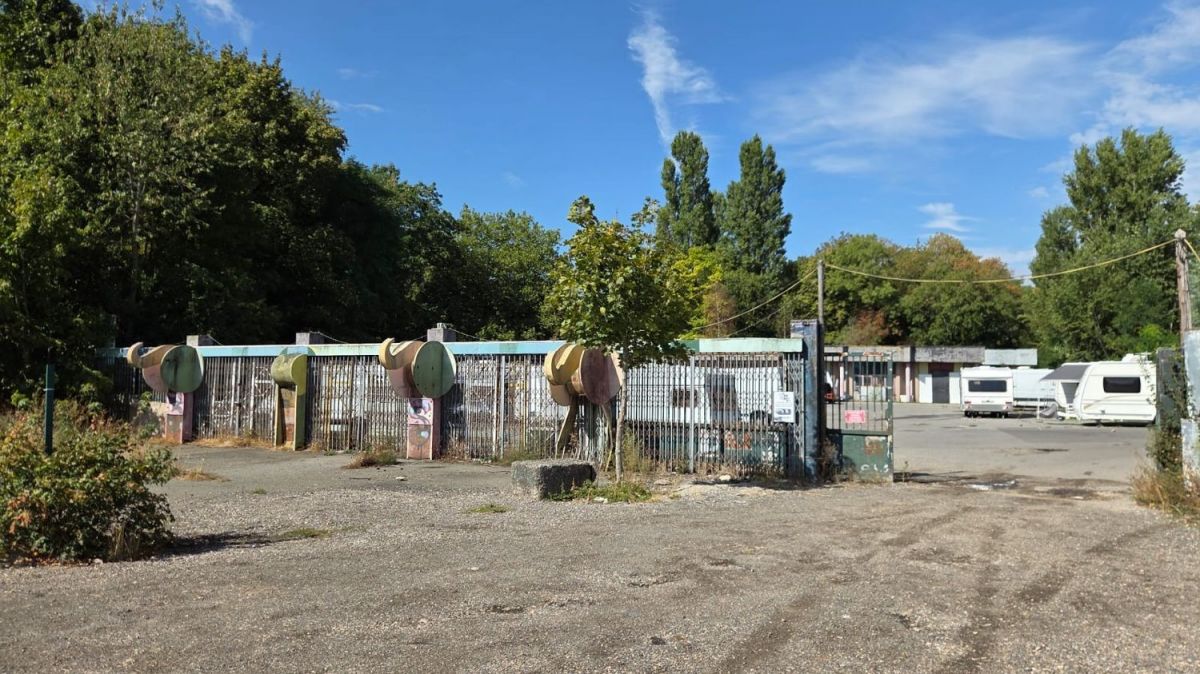
Le projet de construction de trois parcs d'attractions à Cergy-Pontoise, basé sur le site de l'ancien parc Mirapolis, suscite des opinions partagées parmi les riverains, certains voyant une opportunité de développement économique avec des emplois à la clé, tandis que d'autres s'inquiètent de l'impact sur la circulation et la préservation du cadre de vie. #CergyPontoise #parcsdattractions #Mirapolis

"C'est déjà bouché sur les routes" : à Cergy-Pontoise, le projet de trois parcs d'attractions divise les riverains
La Libre.be Aug 25

Les Islandais voteront lors d'un référendum le 29 août sur la possibilité de reprendre les négociations pour adhérer à l'Union européenne, près de dix ans après leur suspension, avec un accent particulier sur la préservation de leurs droits de pêche, source de préoccupations pour de nombreux électeurs. #Islande #UnionEuropéenne #Référendum

Les Islandais se posent à nouveau la question d’une adhésion de leur pays à l’Union européenne