WRLD

Search

#Productivitat
Florin Barbu 1w
Romanian musician

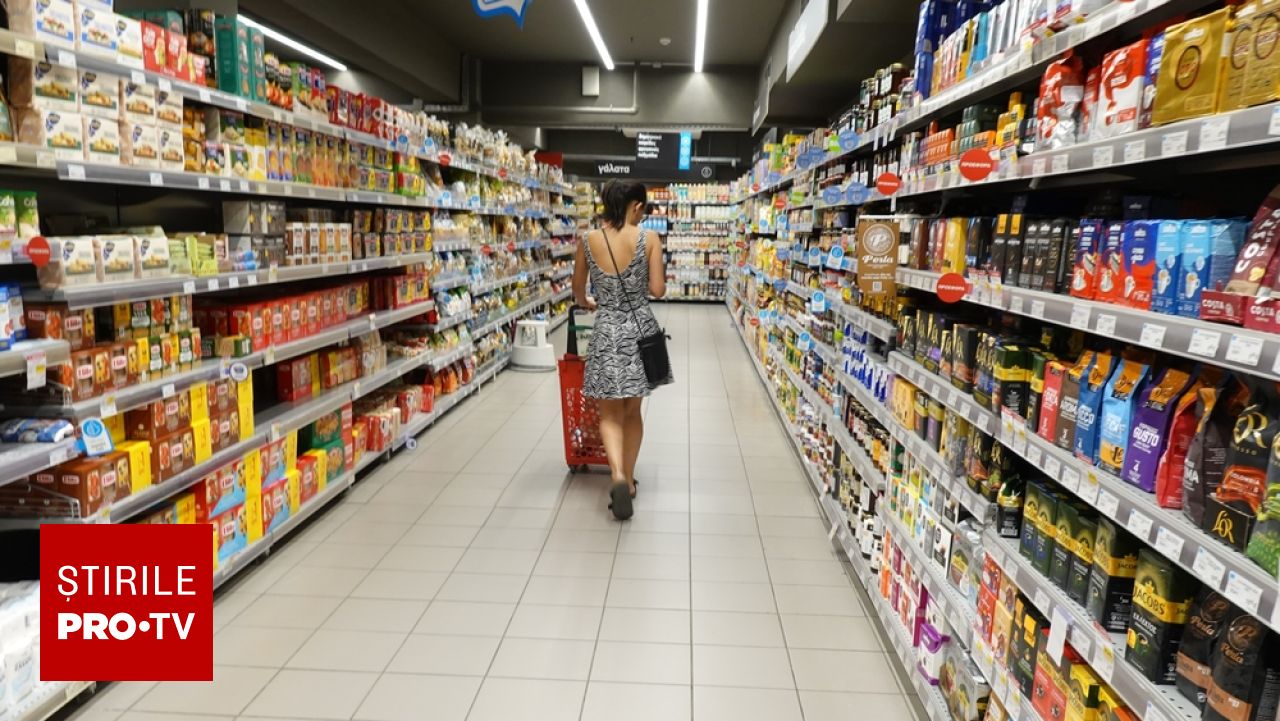
"We need to have an analysis at the government level. We could implement a price cap not only on basic food but on all food items on the shelves of retail stores. We need to look at inflation, we have to break down this inflation into subgroups; we are talking about agri-food products but also other economic sectors. From my point of view, because that's how it is, Romania relies on consumption; we need to increase consumption because we can even destroy the food industry. When there is no consumption, productivity in a processing unit decreases. And when a processing unit has 600 employees and operates 12 out of 24 hours, if consumption has decreased, it will definitely reduce its activity, and of course, what we have seen in recent months is unemployment of over 60,000 people in the industry in Romania," said Florin Barbu in an intervention at Digi24. #Agricultură #Prețuri #IndustriaAlimentară (translated)
2967
Florin Barbu 1w
Romanian musician

"We need to have an analysis at the Government level. We could go for a ceiling not only on basic food but on all foods that are on the shelves in retail stores. We need to look at inflation, we need to break this inflation down into subgroups, we're talking here about agri-food products, but also other economic sectors. In my view, because that's how it is, Romania relies on consumption; we need to increase consumption, as we can even destroy the food industry. When there is no consumption, certainly the productivity in a processing unit decreases. And when a processing unit has 600 employees and operates for 12 out of 24 hours, if consumption has dropped, they will certainly reduce their activity and, of course, what we have seen in recent months, unemployment of over 60,000 people in the industry in Romania," said Florin Barbu, the Minister of Agriculture. #plafonare #alimente #consum (translated)

2968
G
Gelu 3w

Don't change the time! Change the schedule, not the time! The biological rhythm is regulated by the Sun, not the clock. Time is not a work schedule that we can shift at will. Time is the measure by which we organize our lives, and nature has its own rhythm. The Earth does not change its rotation twice a year. The sun does not rise earlier because we decided to move the clock forward. Animals, birds, insects, and plants follow their biological rhythms related to light, darkness, and the natural succession of seasons. Humans are part of this nature. Our bodies have their own biological clock, fundamentally influenced by light. And when we officially move the clocks by one hour, we are not changing the course of nature, but rather asking humans to abruptly adapt to an administrative convention. Why do this every spring and reverse it every autumn? Is it natural to change the time or to adapt our schedules? Let's consider the majority of people: workers, farmers, students, teachers, parents, retirees, people who must adhere to a schedule set by others. They cannot always modify their schedules at will. They need to wake up at a certain hour, get to work, take a child to school, or comply with the public transport timetable. In contrast, there are people and organizations that have the opportunity to adapt their schedules based on the season, natural light, or the needs of their activities. If, for some people, changing their schedule is feasible, why impose the time change on everyone? Let's take a hypothetical example: if 10% of people have the freedom to adapt their schedule, is it fair to change the time for all those who do not have this freedom? Would it not be more logical to change the schedule where needed, rather than change the time by which the entire society organizes itself? Stores can modify their opening hours. Factories can adapt their shifts. Institutions can adjust their schedules, and schools and public transport can analyze timetables according to local conditions and people's needs. We do not all have to operate on the same schedule to live by the same time. Nature does not need our approval to follow its rhythm. In spring, the days lengthen. In autumn, the days shorten. This is the natural rhythm of the Earth, which we can observe without moving even a single clock hand. If we want to start activities earlier in summer, we can start sooner. If winter requires a different schedule, we can adapt it. But why change the official time, get used to a new convention, and then revert to the old one? Would it not be simpler to keep the same time all year round and organize our activities according to the season? I do not claim that all living beings measure time in hours and minutes. I assert something more important: their biological rhythms are linked to the natural cycle of light and darkness, not to the numbers we display on the clock. And humans should take this truth into account when organizing their lives. The economy must serve people, not people be permanently forced to adapt to the economy. One argument presented in favor of changing the time is the more efficient use of natural light or the reduction of energy consumption. But the actual effects depend on the country, season, population habits, and how energy is used. If we want to save energy, let's examine actual consumption. If we want more light during activities, let's adapt the schedules. If we want to improve work organization, let's change the timetables where possible. There is no need to change the time for the whole society to achieve flexibility in certain areas. The schedule is a tool we can adapt. The time should be a stable reference. We cannot stop the seasons. We cannot modify the Earth's rotation. We cannot ask nature to adapt to our clock. But we can organize our lives more wisely. Instead of moving the clock hands twice a year, we can learn to adapt our schedules to the reality around us. Instead of changing the time for everyone, we can allow each field to find the appropriate schedule, within the bounds of the law and with respect for people's rights. Let's keep the time stable and make the schedules flexible! Let's leave time in peace. Twice a year, millions of people are forced to change their clocks, schedules, and biological rhythms to adapt to an administrative decision. It is said that changing the time brings economic or energy benefits. However, in modern society, these advantages are increasingly contested, while the disadvantages are felt by nearly the entire population. People, animals, and plants do not live by the clock on the wall, but by the natural rhythms of the Earth. The human body is regulated by the alternation of light and darkness. When we artificially move the time forward or back, we disturb this balance. Many people sleep worse, feel more tired, and need days or weeks to readjust. Living beings do not change their schedules twice a year. Birds do not migrate by the clock, cows do not produce milk according to the official hour, and dogs do not understand why their owner takes them for a walk an hour earlier. Nature follows the sun, not administrative decisions. There is also a principle issue. For a relatively small percentage of people and activities that would benefit from more light in the evening, the schedule of the entire society is modified. About 90% of people are forced to adapt, even though they did not ask for this and do not gain direct advantages. It would be more logical for the sectors that need a different schedule to adapt it themselves. Stores can open earlier or later. Factories can modify their work shifts. Schools, institutions, and companies can adjust their schedules as needed. It is much easier for certain organizations to change the schedule in a targeted manner than to change the official time for the entire population. Moreover, modern technology has greatly diminished the argument for saving energy. Lighting now represents a smaller proportion of total consumption, while air conditioning, computers, and other equipment operate regardless of time changes. The time should serve people, not people be obliged to serve the time. A modern society can function efficiently without moving the clock hands twice a year. Stability, health, and respect for natural rhythms are stronger arguments than the tradition of a measure introduced in another era. Therefore, the most rational solution is to keep the same time throughout the year and adapt schedules where necessary, rather than changing the lifestyle rhythm of an entire population. Why should we keep the same time all year? Changing the time twice a year represents an artificial intervention in the natural rhythm of society. Although it was introduced with the intention of saving energy, numerous modern studies show that the benefits are minimal, while the social, medical, and economic costs are significant. 1. The biological rhythm is regulated by the Sun, not the clock. The human body operates according to an internal biological clock, synchronized with the natural alternation of day and night. Research in chronobiology shows that artificial changes in time disrupt sleep, concentration, and metabolism. In the days following the switch to summer time: - sleep disorders increase; - more traffic accidents occur; - productivity at work decreases; - there is an increase in the risk of heart attacks and other cardiovascular problems. In practice, millions of people are forced to suffer a slight "jet lag" without having traveled anywhere. 2. Nature does not change the time. Animals and plants regulate their activity according to light. Birds, insects, domesticated and wild animals do not change their schedules just because the government decides to move the clock forward by one hour. Farmers often observe that cows continue to adhere to their biological schedule regardless of the change in official time. The same happens with many other living beings. In reality, we are changing the clock display, not the position of the Sun in the sky. 3. Economic benefits are diminishing. Changing the time was introduced in an era when lighting consumed a significant proportion of the energy used by the population. Today: - lighting is much more energy-efficient; - the main consumption comes from air conditioning, heating, servers, computers, and appliances; - estimated savings are very low or even nonexistent in many states. In contrast, the economic costs are real: - employee productivity decreases after the time change; - absenteeism increases; - additional costs associated with accidents and medical problems arise; - computer and logistics systems need to be periodically adjusted. 4. It is unfair to change the schedule of all for the needs of a minority. If certain economic sectors find it useful to start activities earlier in summer, they can adapt their schedules. For example: - stores can operate from 07:00 to 21:00 instead of 08:00 to 22:00; - factories can alter shifts; - public institutions can temporarily adjust working hours; - schools and companies can decide locally what schedule is optimal. It is much simpler for 10% of organizations to change their schedule than for 100% of the population to change their biological clock. 5. Stability means efficiency. Transport, information systems, international economic activities, and public services function more smoothly when the official time remains constant. One hour throughout the year: - reduces scheduling errors; - simplifies transport and communications; - eliminates confusion regarding timetables; - provides predictability for citizens and companies. Conclusion The sun does not change its time. The Earth does not change its time. Nature does not change its time. Only humans move the clock hands and then endure the consequences of this decision. Instead of modifying the schedule of an entire society twice a year, it is more logical to keep the same time constantly and allow those fields that need a different schedule to adapt their programs individually. This way, natural biological rhythms are respected, economic costs are reduced, and the comfort of the majority of the population is increased. A modern society needs flexibility in scheduling, not the constant change of the clock. (translated)

926
adevarul.ro Aug 10

O vară extrem de călduroasă în 2026 ar putea cauza pierderi economice de până la 180 de miliarde de euro pentru Uniunea Europeană, echivalentul a aproximativ 1% din PIB, din cauza scăderii productivității muncii și a impactului negativ asupra agriculturii, avertizează analiza realizată de Triodos Bank. #canicula #economiaEU #schimbariclimatice

adevarul.ro
Canicula topește economia Europei: Statele UE ar putea pierde 180 de miliarde de euro din cauza temperaturilor extreme
12471
Mediafax.ro Aug 10

Valul de căldură din Europa ar putea provoca pierderi economice de aproximativ 180 de miliarde de euro în 2026, afectând semnificativ creșterea PIB-ului Uniunii Europene, în special prin scăderea productivității muncii și impactul asupra agriculturii și infrastructurii. #ValulDeCăldură #EconomieEuropeană #Caniculă

www.mediafax.ro
Valul de căldură din Europa ar putea șterge aproape toată creșterea economică din 2026. Pierderile estimate la 180 de miliarde de euro
12472
Stirile ProTV Jul 25

Un studiu Eurofound relevă că, deși România înregistrează una dintre cele mai rapide creșteri ale salariului minim din Uniunea Europeană, rămâne printre ultimele țări în clasament, cu un salariu minim brut de aproximativ 825 de euro, ceea ce subliniază necesitatea de a îmbunătăți productivitatea pentru a menține progresul economic. #salariulMinim #România #UE

stirileprotv.ro
Studiu Eurofound: România urcă în topul creșterilor salariului minim din UE, dar rămâne printre ultimele state din clasament
16075
HotNews.ro Jul 23

Într-o opinie publicată de Badea Leonardo, prim-viceguvernatorul BNR, se discută despre impactul profund, dar întârziat și inegal al inteligenței artificiale asupra economiei, comparând actualele temeri privind o posibilă bulă economică cu experiențele din anii '90 legate de internet, subliniind că riscurile de supraestimare a tehnologiei sunt prezente, dar circumstanțele de acum sunt diferite și implică companii deja profitabile care utilizează AI în mod eficient. #InteligențăArtificiale #Productivitate #Bănci Centrale

hotnews.ro
„Scepticii AI” au dreptate într-o privință, dar nu văd întreaga poveste. De ce o istorie din anii `90 e relevantă astăzi
16080
adevarul.ro Jul 17

După 20 de ani de la aderarea României la Uniunea Europeană, țara a înregistrat progrese semnificative în ceea ce privește nivelul de trai și productivitatea, însă se confruntă cu provocări majore precum deteriorarea situației fiscale și problemele din educație, care ar putea afecta dezvoltarea viitoare. #Romania #UniuneaEuropeana #EconomiaRomaniei

adevarul.ro
Cum s-a schimbat viața românilor după 20 de ani în UE: avem mai mulți bani, dar și probleme care ne pot costa viitorul
17882
Santiago Niño Jul 16
Spanish economist

1/3. "L’economia catalana manté la seva tendència positiva (però) l’estancament de la productivitat, les dificultats per accedir a un habitatge i la persistència de les desigualtats “condicionen el potencial de desenvolupament del país”". "Si bé el producte interior #EconomiaCatalana #Desigualtats #Productivitat #ES

adevarul.ro Jul 13

Inteligența artificială, deși promite creșterea productivității, generează o nouă formă de burnout numită „oboseala recalificării”, caracterizată prin stresul și anxietatea cauzate de necesitatea continuării învățării de noi competențe, ceea ce amenință stabilitatea profesională a angajaților, în special a celor cu experiență. #inteligențăartificială #obosealarecalificării #burnout

adevarul.ro
Inteligența artificială aduce o nouă formă de burnout. Ce este „oboseala recalificării”
11331
Digi24 Jul 8

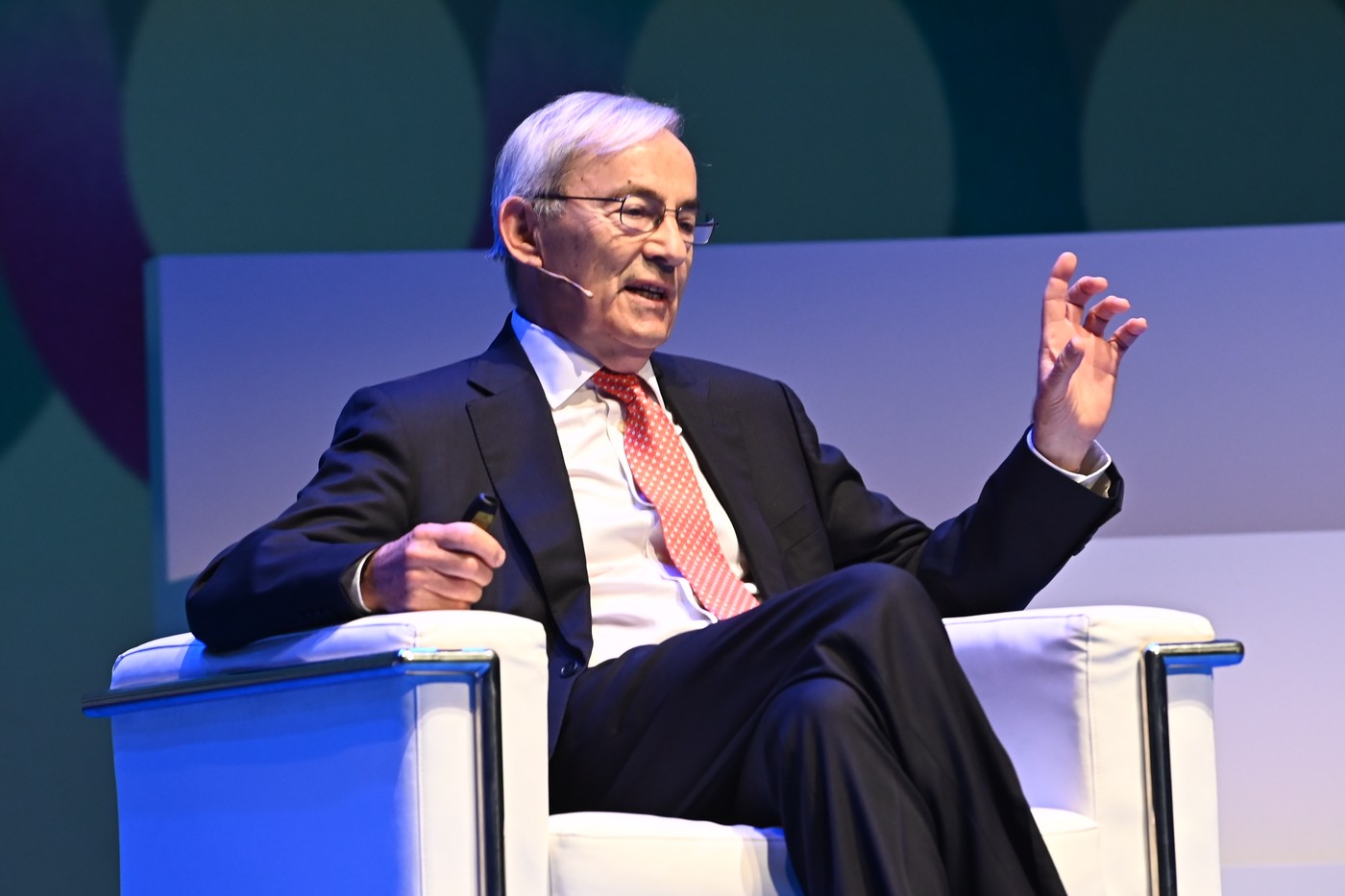
Un laureat Nobel pentru Economie, Christopher Pissarides, susține că inteligența artificială nu va aduce o nouă eră de creștere rapidă a productivității în economiile occidentale, estimând că aproape 40% din locurile de muncă nu vor beneficia de pe urma acesteia și concluzionând că „zilele creșterii rapide au apus”. #premiulNobel #productivitate #inteligențaartificială

www.digi24.ro
Ce spune un laureat Nobel despre impactul inteligenţei artificiale asupra creșterii economice rapide
14921
HotNews.ro Jul 7

Economistul Christopher Pissarides, laureat al Premiului Nobel, a avertizat că inteligența artificială nu va relansa economiile occidentale la nivelurile anterioare de creștere a productivității, estimând că 40% din locurile de muncă din SUA și Marea Britanie vor rămâne în mare parte neafectate de această tehnologie. #InteligențaArtificială #Productivitate #PremiulNobel

hotnews.ro
Un economist premiat cu Nobel toarnă apă rece pe marea promisiune a companiilor de AI
15041
adevarul.ro Jun 29

Canicula afectează semnificativ productivitatea și creșterea economică a României prin scăderea eficienței muncii, deteriorarea sănătății populației și reduceri ale randamentelor agricole, rezultând în pierderi măsurabile pentru PIB, în special în perioade de căldură extremă și prelungită. #canicula #productivitate #economiaRomâniei

adevarul.ro
Cum topește canicula productivitatea și creșterea economică a României. Greșeala pe care o fac multe companii vara
16131
Stirile ProTV Jun 26

Prețurile de consum din Europa variază semnificativ, Luxemburg fiind cea mai scumpă țară, iar România cele mai ieftină, iar analiza Eurostat arată că nivelul prețurilor este influențat de salarii și productivitate, astfel încât puterea de cumpărare este esențială pentru a evalua costul vieții. #prețuri #economiei #Europa

stirileprotv.ro
Prețurile de consum în Europa: care sunt cele mai scumpe și cele mai ieftine țări de pe continent
15540
Digi24 Jun 25

Un studiu recent al Băncii Centrale Europene arată că imigrația a generat câștiguri economice semnificative țărilor dezvoltate, contribuind la creșterea productivității și a PIB-ului pe lucrător, în ciuda tensiunilor politice pe această temă. #imigrație #economiecirculară #BancaCentralăEuropeană

www.digi24.ro
Imigrația a adus câștiguri economice importante țărilor bogate. Ce arată un nou studiu al Băncii Centrale Europene
17334
adevarul.ro Jun 24

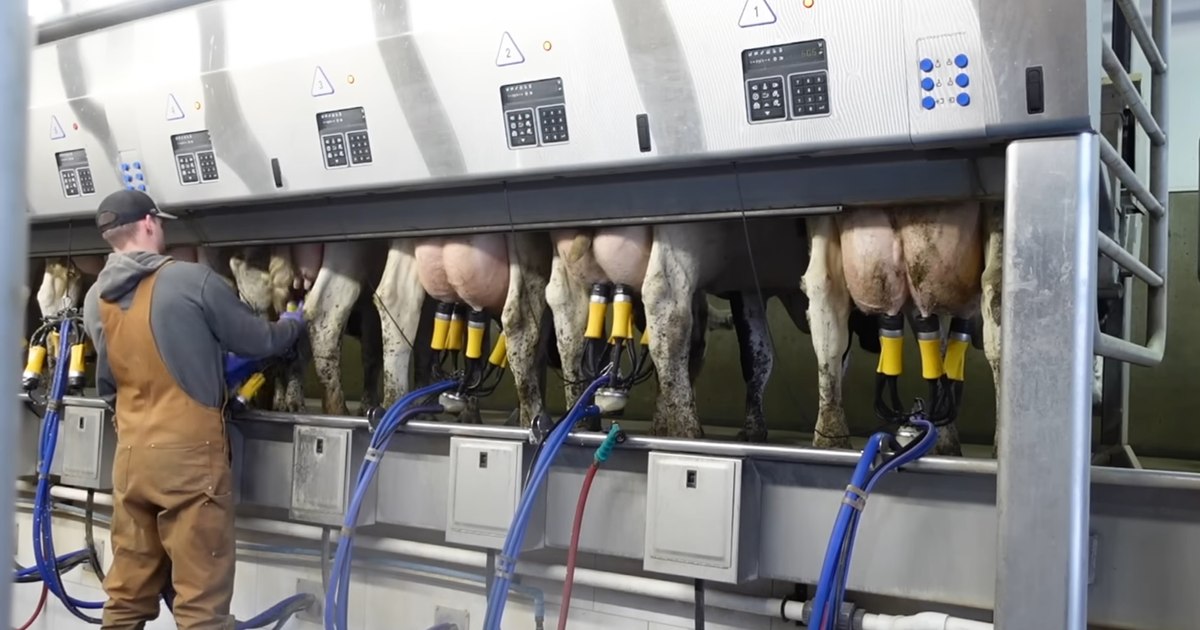
România se află pe locul 10 în Uniunea Europeană la producția de lapte, cu aproximativ 4,4 milioane de tone pe an, însă un deficit comercial de 700 de milioane de euro este generat de faptul că doar o treime din această producție ajunge la procesatori din cauza fragmentării fermelor, majoritatea fiind mici și cu productivitate redusă. #lapte #românia #agricultură

adevarul.ro
Paradoxul laptelui românesc: Locul 10 în UE la producție, dar deficit comercial de 700 de milioane de euro din cauza fragmentării fermelor
15543
Stirile ProTV Jun 24

Un studiu recent publicat în British Journal of Sports Medicine a arătat că pauzele de 5 minute de mers pe jos la fiecare oră pot îmbunătăți starea de bine, productivitatea și reducerea oboselii angajaților care petrec mult timp pe scaun la birou. #studiu #sanatate #munca

stirileprotv.ro
Faci asta doar 5 minute și vei fi mai fericit la locul de muncă. Ce au descoperit oamenii de știință
16739
adevarul.ro Jun 18

Studiile recente arată că, deși utilizarea inteligenței artificiale poate crește productivitatea, aceasta poate, de asemenea, să reducă încrederea în propriile abilități cognitive și să slăbească gândirea critică și analitică. #InteligențaArtificială #GândireCritică #Productivitate

adevarul.ro
Studiile despre AI dezvăluie un paradox: productivitatea crește, încrederea în propria gândire scade
13162
HotNews.ro Jun 11

Dezordinea fizică și mentală, amplificată de multitasking și expunerea constantă la stimuli, poate duce la burnout, activând „creierul de supraviețuire” și afectând sănătatea fizică, emoțională și productivitatea, potrivit unui psiholog român din Norvegia. #dezordine #sanatate #burnout

hotnews.ro
Dezordinea din jur și prea multe tab-uri deschise pot duce la burnout. Psiholog: „Se activează creierul de supraviețuire”
16164
HotNews.ro Jun 11

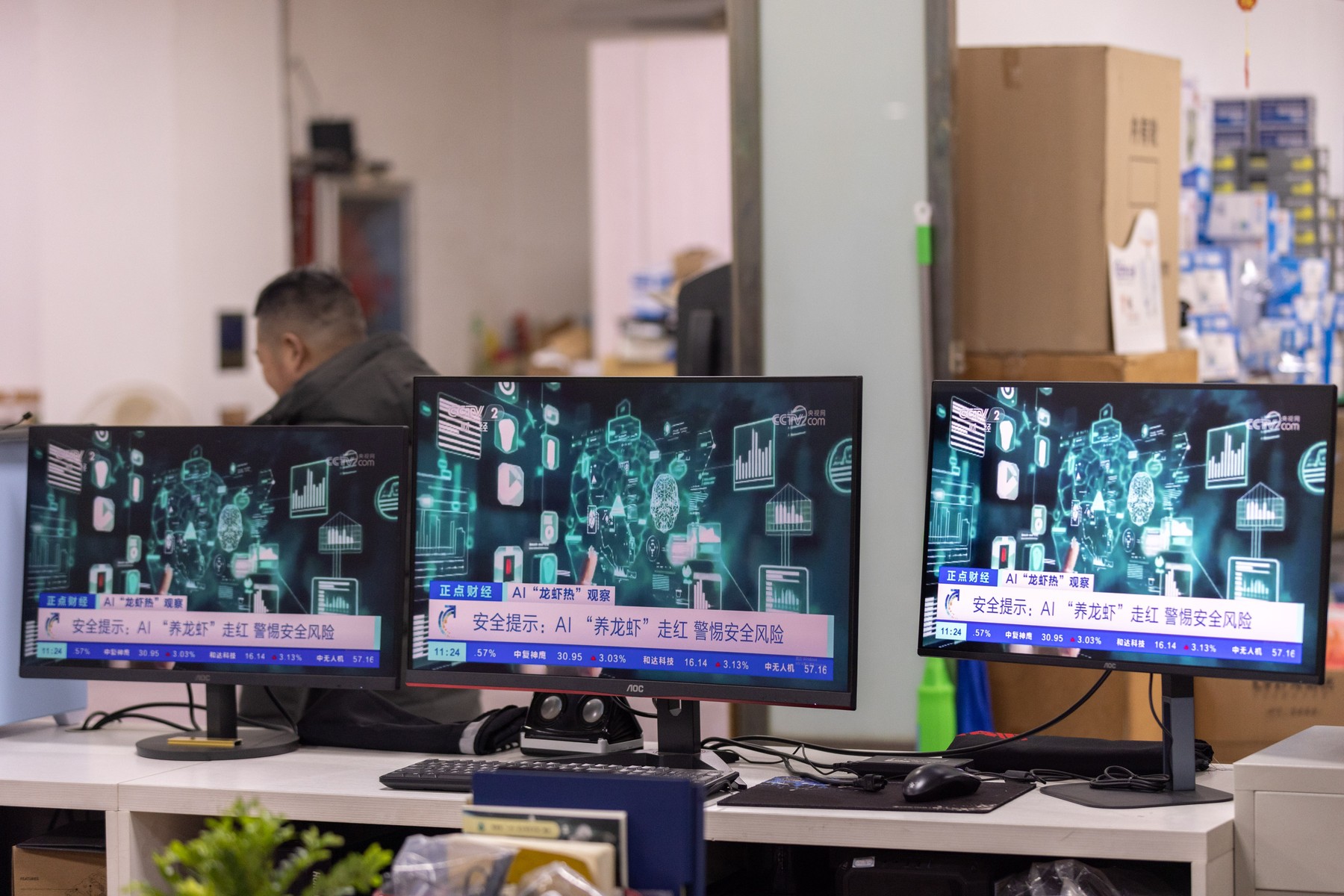
Articolul discută despre strategia Chinei în adoptarea inteligenței artificiale, evidențiind cum companiile chineze implementează concedieri discrete și reduc recrutarea, în timp ce instrumentul AI OpenClaw devine din ce în ce mai popular, permițând înlocuirea eficientă a sarcinilor umane pentru a îmbunătăți productivitatea fără a atrage atenția autorităților privind posibilele consecințe sociale. #inteligențăartificială #China #concedieri

hotnews.ro
„Sarcinile pe care le îndeplinesc majoritatea oamenilor pot fi înlocuite complet de OpenClaw”. Strategia Chinei în adoptarea AI
10178