WRLD

Search

#Proprietà
Cerfia 12h

Cerfia reported, citing Le Parisien, that the body of Mahendradevi, a 51-year-old mother who had been missing since November 9, was found in the trunk of a client's car in a garage in La Courneuve. According to Cerfia, the geolocation of her phone had led the police to the location. The mechanic's wife reportedly stated that he had pushed the customer during an argument, leading to her fatal fall, a version that investigators were to verify. The mechanic, his wife, and the owner of the vehicle had been placed in police custody. An investigation for homicide and complicity had been opened. #Justice #Homicide #Crime (translated)


2333
Jean Marc Morandini 2d
French television host

The author stated that Match Group's Irish subsidiary, owner of Tinder, had been fined 11 million euros for violating European rules. https://t.co/7JNnOEH7hM #DonnéesPersonnelles #Tinder #Amende #IE #EU (translated)

2711
Uccellino Milan 2d

Milan's little bird had written that, within the span of ten hours, the sports director who had responded to the person he accused of sabotage and especially the owner of the latter had launched attacks against her, confirming, according to him, what he had claimed earlier. He had added that some had defended the decision to go to Perth during the season. #calcio #sport #controversia (translated)

2619
Romain Molina 2d

Romain Molina welcomed Meissa N'Diaye and wrote that the majority of players perceived Digard as a straightforward coach. He claimed that Digard repeatedly refused to comply with the guidelines and interventions from Blue Crow, the owner of Le Havre, particularly their request to praise their work in press conferences when the situation was going poorly. To his recollection, he added, Digard only spoke about the person who had invested the most money. Molina indicated that the club fired him shortly after. #football #entraîneur #Havre (translated)

2893
Il Post 2d

The company that owns Tinder, Match Group, has been fined 11 million euros for failing to comply with European privacy regulations regarding the provision of users' personal data. #GDPR #Privacy #Tinder (translated)

www.ilpost.it
La società proprietaria di Tinder è stata multata per 11 milioni di euro per violazione delle norme europee sulla privacy
3119
Luciano Magaldi Sardella (PhD) 2d

"GAZZETTA H24": STREET ART, STORNARA JOINS THE WIPO REPORT ALONGSIDE THE GREAT CITIES OF THE WORLD SOURCE: https://www.gazzettah24.it/street-art-stornara-entra-nel-rapporto-wipo-accanto-alle-grandi-citta-del-mondo/ ------------------------------------------------------------------- From "ghost town" to global model cited in Geneva: the cultural bet of Stornara Life APS captures the attention of WIPO. --------------------------------------------------------------------  STORNARA (FG) - There is a Southern Italy that makes little noise. It lies among the fields of wheat and rural roads of Capitanata, far from the main routes of mass tourism. Until a few years ago, Stornara, in the province of Foggia, was the typical town that statistics dismiss with a cruel adjective: "peripheral." Today, its name appears in an analysis from WIPO, the "World Intellectual Property Organization", the United Nations Agency in Europe based in Geneva. "Stornara Life APS" alongside Berlin, New York, Los Angeles, Paris, and Melbourne. ------------------------------------------------------------------ A report that looks at the walls of the world The text is titled "From Local Scenes to Global Recognition: Talent Mobility in Street Art". It is authored by three WIPO economists, Egbert Amoncio, Alexander Cuntz, and Alessio Muscarnera, and has been published in the "Creative Industries Insights" series. To build it, the authors started from data from the "Street Art Cities" platform. The technical note talks about approximately 74,000 geolocated works, collected and shared by street art enthusiasts worldwide. The fundamental questions are simple. Where does street art originate? Who travels to paint it? Which cities manage to attract outside talent? The first answer dismantles a common misconception. Street art is a profoundly local phenomenon. About one in five artists also works abroad, while the vast majority paint in their own city or in nearby ones. Among the few who cross borders, almost 40 percent are "highly mobile": they build an international artistic brand without severing their roots. These include the cases of Banksy, Os Gemeos, and Invader, whose walls appear on multiple continents. The authors use an effective term: street art is "glocal," rooted in its territory but capable of generating global circuits of talent and recognition. -------------------------------------------------------------------- The magnets of the world When asked which cities attract the most foreign artists, the map is fascinating. North America weighs heavily, with New York, Los Angeles, and Miami. Western Europe offers a dense network of opportunities, from Berlin to Amsterdam, from Vienna to Ghent, from Basel to Rotterdam, favored by the festival circuit and the freedom of movement within the Schengen area. Lisbon and Barcelona have focused on municipal support policies. Melbourne is the only representative from Oceania, and Northern Europe relies on Bergen, London, Belfast, and Stavanger. In this scenario of capitals and metropolises, the report includes an Italian exception, from Puglia, Foggia: Stornara, a small agricultural town of about 6,000 inhabitants, has been a destination for mural talents since 2018. It shows how street art can spark the rebirth of a community: thanks to the annual "Stramurales International Street Art Festival," born in 2017 from the strong will to combat urban and socio-economic decline by the founders of the social promotion association "Stornara Life APS,” Lino Lombardi and his local "Banda dei Fischietti," it has accumulated over 173 murals. About fifty of these are works by high-level international artists, with Google Trends data since 2017 showing notable interest in the mural tourism destination, indicating that the international festival has now captured national and international attention. It has also become the first academic case study in the world on a street art festival, "Street Art as Public Health Infrastructure," published in the prestigious academic journal "Harvard Health and Human Rights Journal" from Harvard University. Written by researcher Luciano Magaldi Sardella from Orta Nova and professor Matteo Mantuano from Lucera, this corresponds to the demonstration that an idea, an association, and the willingness of a community can change the identity of a place "forgotten by God." This is also recounted by those who have followed the story from the outside: the town, once little accustomed to visitors, now welcomes international tourists, individuals, groups, and schoolchildren who come to see its over 173 murals. ----------------------------------------------------------------- The secret is in density The data that has sparked pride in Stornara is this: it's not the volume that matters, it's the proportion. The organizers propose a simple indicator: works by foreign artists divided by the number of residents, multiplied by 100,000. With about over 50 international works and a population of a few thousand residents, Stornara reaches several hundred foreign works for every 100,000 inhabitants. This is a value that metropolises, with millions of residents, cannot approach. The meaning must be read accurately, and this is where the beauty of the matter lies. No one claims that Stornara has more foreign murals than New York. The point is that, in relation to its scale, few places in the world concentrate so much international art per inhabitant. The impact does not disperse in a megalopolis: it settles in every street, on every facade, in the daily life of those who live there. The most interesting part of the report looks beyond the ranking. The authors write that the value of street art extends well beyond the painted surfaces. Cities like Stornara demonstrate how urban art attracts tourism, generates media coverage, and can stimulate local businesses while strengthening community bonds and restoring the psychosocial well-being that could counter the perpetual Southern decline. However, the report adds a valuable warning: success depends on careful implementation and the involvement of artistic communities. Top-down initiatives risk being perceived as "predatory" by artists who care about the credibility of street art. The global model Stramurales appears to have avoided this pitfall. Field studies tell of walls donated by residents, week-long artist residences, and public discussions on the themes to be addressed. -------------------------------------------------------------------- The lesson of a town The report concludes with an idea that holds true for both Stornara and Berlin: the vitality of street art sinks its roots in local contexts. It arises from communities, speaks of their problems, and is made by artists immersed in their urban environments. The artistic family of "Stornara Life APS" understood this before many regional and local politicians, creating their walls into an open-air museum, a promise, and opening them to the world without ceasing to be themselves. In this official report from the Geneva Agency of the United Nations in Europe that measures the ability to attract talent, this results in, perhaps, the most precious value. Being cited alongside the great capitals of urban art while remaining, after all, a rural provincial town where every wall tells a colorful world of glocal stories. (translated)

www.gazzettah24.it
Street art, Stornara entra nel rapporto WIPO accanto alle grandi città del mondo
223
Le Parisien 3d

After the death of an 18-year-old Ukrainian during an attempted break-in at a villa in Saint-Paul-de-Vence, the owners have been indicted. #AccèsRefusé #FaitsDivers #SaintPaulDeVence (translated)

www.leparisien.fr
Après le décès d’un Ukrainien de 18 ans, qui s’est introduit dans une villa de Saint-Paul-de-Vence, les propriétaires mis en examen
2007
Il Messaggero 3d

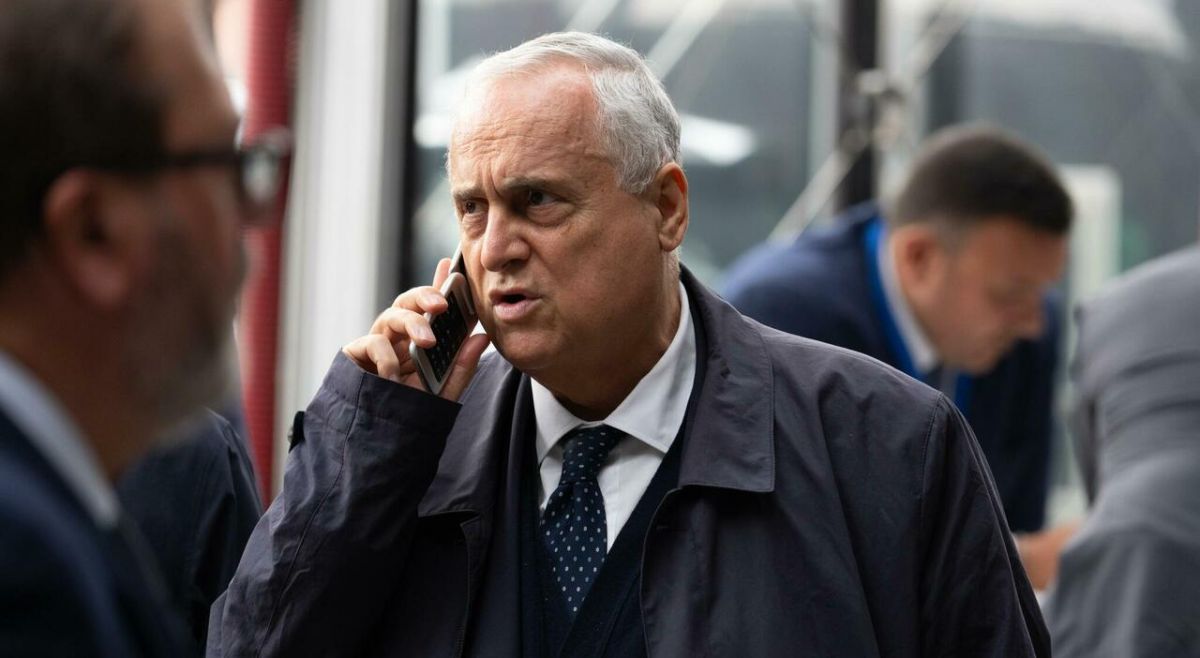
Twenty-two people have been put on trial in Rome for threats and aggravated defamation against Claudio Lotito, owner of Lazio, following episodes of threatening phone calls and messages on social media that occurred between 2023 and 2024. #Lotito #Lazio #Giustizia (translated)

www.ilmessaggero.it
Minacce a Lotito, in 22 a giudizio a Roma: «Istigazione a delinquere e diffamazione aggravata ai danni del proprietario della Lazio»
2680
Sébastien Fontenelle 3d

Instead of working more, we should eliminate the tens of billions of euros in aid that the state gives to the Dassault group, owner of "Figaro," and increase all salaries. (translated)

2122
Luciano Magaldi Sardella (PhD) 3d

“VIVERE PUGLIA”: STRAMURALES: STORNARA IN THE “GLOBAL TOP 20” OF THE REPORT OF THE UNITED NATIONS AGENCY OF EUROPE SOURCE: https://www.viverepuglia.it/2026/11/12/stramurales-stornara-nella-global-top-20-del-rapporto-dellagenzia-delle-nazioni-unite-deuropa/207030/ ------------------------------------------------------------------- From “ghost town” to global model cited in Geneva: the cultural bet of Stornara Life APS captures the attention of WIPO There is a South Italy that does not make much noise. It lies among the wheat fields and rural roads of Capitanata, far from the main routes of mass tourism. Until a few years ago, Stornara, in the province of Foggia, was the typical town that statistics dismiss with a cruel adjective: “peripheral.” Today its name appears in a WIPO analysis, the “World Intellectual Property Organization,” a United Nations agency in Europe based in Geneva. So, Stornara stands alongside Berlin, New York, Los Angeles, Paris, and Melbourne. ------------------------------------------------------------------- A report that looks at the walls of the world The text is titled From Local Scenes to Global Recognition: Talent Mobility in Street Art. It is authored by three WIPO economists, Egbert Amoncio, Alexander Cuntz, and Alessio Muscarnera, and has been published in the “Creative Industries Insights” series. To build it, the authors started from data from the “Street Art Cities” platform. The technical note discusses about 74,000 geolocated works collected and shared by street art enthusiasts worldwide. The underlying questions are simple. Where does street art originate? Who travels to paint it? Which cities manage to attract talent from outside? The first answer dismantles a common misconception. Street art is a profoundly local phenomenon. About one in five artists also works abroad, while the vast majority paint in their own city or nearby ones. Among the few who cross borders, nearly 40 percent is “highly mobile”: they build an international artistic brand without severing their roots. These include cases like Banksy, Os Gemeos, and Invader, whose works appear on multiple continents. The authors use an effective term: street art is “glocal,” rooted in its territory yet capable of generating global circuits of talent and recognition. -------------------------------------------------------------------- The magnets of the world When asked which cities most attract foreign artists, the map is fascinating. North America weighs in terms of size, with New York, Los Angeles, and Miami. Western Europe offers a dense network of opportunities, from Berlin to Amsterdam, from Vienna to Ghent, from Basel to Rotterdam, fueled by the festival circuit and the freedom of movement within the Schengen area. Lisbon and Barcelona have focused on municipal support policies. Melbourne is the only representative from Oceania, while Northern Europe relies on Bergen, London, Belfast, and Stavanger. In this landscape of capitals and metropolises, the report includes an Italian, Apulian, Foggian exception: Stornara, a small agricultural town of about 6,000 residents, has been a destination for mural talent since 2018. It shows how street art can trigger a community's revival: thanks to the annual “Stramurales International Street Art Festival,” born in 2017 from the determined will to combat urban and socio-economic decline by the founders of the social promotion association Stornara Life APS, Lino Lombardi and his local Banda dei Fischietti, it has accumulated over 173 murals. About fifty are works by high-level international artists, with Google Trends data since 2017 showing a remarkable interest in the tourism-mural destination, indicating that the international festival has now captured national and international attention. It has also become the first monographic academic case study in the world on a street art festival, “Street Art as Public Health Infrastructure,” published in the prestigious global academic journal “Harvard Health and Human Rights Journal” of Harvard University, by researcher Luciano Magaldi Sardella from Orta Nova and professor Matteo Mantuano from Lucera. All this corresponds to the demonstration that an idea, an association, and a community's willingness can change the identity of a place “forgotten by God.” This is also told by those who have followed the story from the outside: the town, once unaccustomed to visitors, now welcomes international tourists, individuals, groups, and school classes coming to see its over 173 murals. ----------------------------------------------------------------- The secret lies in density The data that has ignited pride in Stornara is this: it’s not the volume that matters, but the proportion. The organizers propose a simple indicator: the works of foreign artists divided by the population, multiplied by 100,000. With about over 50 international works and a population of a few thousand residents, Stornara reaches several hundred foreign works per 100,000 inhabitants. It’s a value that metropolises, with millions of residents, cannot approach. The significance must be read accurately, and here lies the beauty of the thing. No one claims that Stornara has more foreign murals than New York. The point is that, relative to its scale, few places in the world concentrate so much international art per inhabitant. The impact does not dissipate in a megalopolis: it settles in every street, on every façade, in the daily lives of those who live there. The most interesting part of the report looks beyond the ranking. The authors note that the value of street art extends well beyond painted surfaces. Cities like Stornara demonstrate how urban art attracts tourism, generates media coverage, and can stimulate local commercial activities while strengthening community bonds and restoring the psychosocial well-being that could fend off enduring southern decline. However, the report adds a valuable warning: success depends on careful implementation and the involvement of artistic communities. Top-down initiatives risk being perceived as “predatory” by artists who care about street credibility. The global Stramurales model seems to have avoided this pitfall. Field studies recount walls donated by residents, week-long artist residencies, and public discussions on issues to address. ----------------------------------------------------------------- The lesson from a town The report concludes with an idea that applies to Stornara as much as to Berlin: the vitality of street art is rooted in local foundations. It arises from communities, speaks of their problems, and is made by artists immersed in their urban contexts. The artistic family of Stornara Life APS understood this before many regional and local politicians, turning their walls into an open-air museum, a promise, and opened them to the world while remaining true to themselves. In this official report from the Geneva-based United Nations agency in Europe that measures the capacity to attract talent, this is likely the most valuable outcome: being mentioned alongside the great capitals of urban art while remaining, after all, a rural provincial town where every wall tells a colorful world of glocal stories. (translated)

559
Jornal Expresso 3d

In the article, João Duque discusses how property owners raise rents in response to insecurity in the real estate market, suggesting that, without this concern, rental prices could be lower. #JavaScript #AdBlocker #WebAccessibility (translated)

expresso.pt
João Duque: “As rendas podiam ser mais baixas, mas os proprietários estão a cobrar um prémio pela insegurança”
2683
Franceinfo 3d

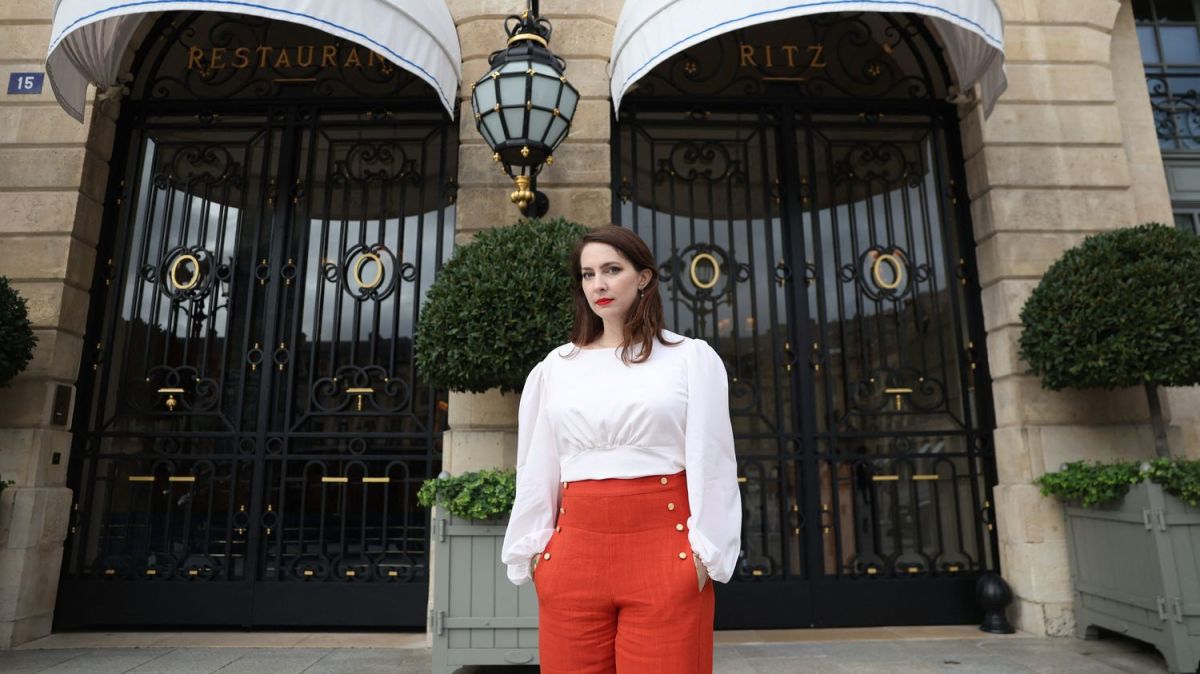
Pelham Spong testifies to sexual assaults suffered at the hands of Mohamed Al-Fayed, former owner of the Ritz, while denouncing the complicity of the establishment in the context of an investigation into a women's trafficking network. #AgressionSexuelle #TraiteDesFemmes #MohamedAlFayed (translated)

www.franceinfo.fr
"Il prend mon visage dans les mains et il m'embrasse de force" : une femme témoigne après avoir porté plainte contre l'ancien propriétaire du Ritz
2571
Romain Molina 4d

Romain Molina wrote that Pierre Sage was the exclusive priority of Joseph Oughourlian. According to him, Jean-Louis Leca, already weakened, pretended that the return of the former coach was also his choice, while he favored other options that would only be considered in the event of Sage's return failing. Molina also claimed that media leaks had disrupted negotiations between Crystal Palace and Sage, and that they did not come from the latter. #Football #Transferts #Sport (translated)

2693
Luciano Magaldi Sardella (PhD) 4d

“MY PUGLIA”: STORNARA IN THE WORLD TOP 20 OF STREET ART: THE “STRAMURALES” MODEL WINS OVER THE UN AGENCY IN GENEVA From a small agricultural center in Capitanata, often relegated to the margins of major tourist flows, to an international case study cited in Geneva alongside the world’s cultural capitals. Stornara, a municipality of about 6,000 inhabitants in the province of Foggia, officially enters the global elite of urban art thanks to the analysis of the World Intellectual Property Organization (WIPO), the United Nations agency based in Switzerland. ------------------------------------------------------------------- The international study and the data Recognition comes through the report “From Local Scenes to Global Recognition: Talent Mobility in Street Art,” authored by economists Egbert Amoncio, Alexander Cuntz, and Alessio Muscarnera, and published in the Creative Industries Insights series. By analyzing about 74,000 geolocated works on the “Street Art Cities” platform, the researchers mapped the migratory flows of mural talent worldwide. The study highlights how street art is a “glocal” phenomenon: while only one in five artists works outside national borders, the centers capable of attracting international creatives become true regeneration hubs. Alongside metropolises such as New York, Los Angeles, Berlin, Paris, London, and Melbourne, the document notably points to Stornara as the only Italian rural exception. -------------------------------------------------------------------- The success of Stramurales and the academic impact The turning point for the Apulian village is credited to the social promotion association Stornara Life APS, led by Lino Lombardi and the local “Banda dei Fischietti.” Since 2017, through the annual Stramurales festival, the community has transformed the facades of the town into an open-air museum that today boasts over 173 murals, about fifty of which were created by internationally renowned foreign artists. A path of social redemption that had already drawn the attention of the global scientific community: the festival was indeed the subject of the monographic study Street Art as Public Health Infrastructure, authored by Apulian researchers Luciano Magaldi Sardella and Matteo Mantuano and published in the “Harvard Health and Human Rights Journal” of the prestigious American university. ------------------------------------------------------------------ The density factor and the lesson from below According to the WIPO analysis, Stornara's prominence does not reside in absolute numbers, but rather in the proportion: relating the more than fifty international works to the resident population, the Foggia municipality reaches an unmatchable density of foreign art per 100,000 inhabitants compared to large megacities. Art, in this way, does not disperse but becomes an integral part of daily life. Geneva economists also emphasize how the Stornara model has managed to avoid the risk of top-down initiatives perceived as artificial. The direct involvement of residents who voluntarily make the walls of their homes available, combined with artist residencies and open dialogue on social issues, demonstrates how culture can trigger tourism, economic output, and psychosocial well-being, providing a concrete response to the depopulation of the internal areas of southern Italy. (translated)

561
Luciano Magaldi Sardella (PhD) 4d

"VIVERE CERIGNOLA": FROM THE FIELDS OF CAPITANATA TO THE UNITED NATIONS: THIS IS HOW THE MURALS OF STORNARA CHALLENGE THE WORLD’S CAPITALS SOURCE: https://www.viverecerignola.it/2026/11/12/dai-campi-della-capitanata-alle-nazioni-unite-cos-i-murales-di-stornara-sfidano-le-capitali-mondiali/207189/ STORNARA (FG) - The UN agency for Intellectual Property includes the Foggia village among the most attractive global hubs for urban art. Thanks to a grassroots festival that managed to turn around the fate of a small agricultural center. Neither the skyscrapers of New York nor the grand boulevards of Paris are needed to become a global reference point for contemporary culture. Sometimes, all it takes are the plastered facades of a village of six thousand souls, surrounded by the wheat fields of the province of Foggia, and the tenacity of a community that decides not to succumb to marginality. This is the story told in Geneva by the World Intellectual Property Organization (WIPO), which in its latest report on creative industries has spotlighted the artistic miracle of Stornara. ------------------------------------------------------------------- An Italian exception among metropolises The document, titled From Local Scenes to Global Recognition: Talent Mobility in Street Art, examines the global geography of murals, analyzing over 74,000 works mapped on a planetary scale. The goal of the economists behind the study - Egbert Amoncio, Alexander Cuntz, and Alessio Muscarnera - was to understand where international artists are active and which places can attract talent from abroad. In the map of cultural "magnets," giants like Los Angeles, Berlin, London, Barcelona, and Melbourne appear. Yet, amid these major capitals, the virtuous anomaly of Stornara stands out: a rural center that, thanks to the power of ideas, has managed to enter the select global elite of public art. -------------------------------------------------------------------- The winning bet of Stornara Life APS It all began in 2017, when the Stornara Life APS association, driven by Lino Lombardi and the "Whistleblowers' Band," launched Stramurales. The aim was not only aesthetic but deeply social: to counter economic decline and cultural isolation through shared beauty. In less than a decade, the village has transformed into an open-air gallery with over 173 wall works, including about fifty creations by international masters in the field. An open-air laboratory whose social impact has already been certified in the international academic realm, thanks to a study published in the "Harvard Health and Human Rights Journal" by researchers from Apulia, Luciano Magaldi Sardella and Matteo Mantuano, who analyzed urban art as a genuine infrastructure for public well-being. -------------------------------------------------------------------- The value of the human scale What impresses UN analysts is the proportional impact of the project. Relating the number of foreign works to the population, Stornara achieves an inconceivable per capita artistic concentration for any metropolis. Here, art is not confined to a peripheral neighborhood but inhabits every street and accompanies residents' daily actions. The WIPO report finally indicates the secret formula that makes this model replicable elsewhere: authenticity. Unlike top-down regeneration operations, often viewed with suspicion by the artists themselves, in Stornara, it is the residents who donate the walls of their homes, welcoming muralists into week-long artist residencies and participating in the selection of themes. A lesson in civic participation that demonstrates how even small villages in the South can speak to the world without losing their soul. (translated)

449
BFMTV 4d

A tanker loaded with 300,000 barrels of Russian diesel, initially scheduled to deliver to the United States, is currently stationed 80 kilometers off the American coast without having received instructions on its destination port, according to its Greek owner. #Diesel #Russie #Trump (translated)

www.bfmtv.com
Il devait livrer les États-Unis mais n'a plus "d'instructions": un pétrolier chargé de diesel russe stationne au large des côtes américaines
2807
Luciano Magaldi Sardella (PhD) 4d

"THE SIPPONTINO": STORNARA IN THE "GLOBAL TOP 20" OF THE REPORT FROM THE UNITED NATIONS AGENCY FOR EUROPE From "ghost town" to global model cited in Geneva: the cultural bet of Stornara Life APS captures the attention of WIPO. There is a Southern Italy that doesn’t make much noise. It lies between the wheat fields and rural roads of Capitanata, far from the major routes of mass tourism. Until a few years ago, Stornara, in the province of Foggia, was the typical town that statistics dismiss with a cruel adjective: "peripheral." Today, its name appears in an analysis from WIPO, the World Intellectual Property Organization, a United Nations agency in Europe based in Geneva, alongside Berlin, New York, Los Angeles, Paris, and Melbourne. A report that looks at the walls of the world The document is titled "From Local Scenes to Global Recognition: Talent Mobility in Street Art." It is authored by three WIPO economists, Egbert Amoncio, Alexander Cuntz, and Alessio Muscarnera, and was published at the end of May 2026 in the Creative Industries Insights series. To construct it, the authors began with data from the "Street Art Cities" platform. The technical note discusses around 74,000 geolocated works, collected and shared by street art enthusiasts worldwide. The underlying questions are simple. Where does street art originate? Who travels to paint it? Which cities can attract talents from afar? The first answer dismantles a common misconception. Street art is a deeply local phenomenon. About one in five artists also works abroad, while the vast majority paint in their own city or nearby. Among the few who cross borders, nearly 40 percent is "highly mobile": they build an international artistic brand without severing their roots. These include the cases of Banksy, Os Gemeos, and Invader, whose works appear on multiple continents. The authors use an effective term: street art is "glocal," rooted in its local territory but capable of generating global circuits of talent and recognition. The magnets of the world When asked which cities attract the most foreign artists, the map is fascinating. North America is significant in size, with New York, Los Angeles, and Miami. Western Europe offers a dense network of opportunities, from Berlin to Amsterdam, from Vienna to Ghent, from Basel to Rotterdam, favored by the festival circuit and the freedom of movement of the Schengen area. Lisbon and Barcelona have focused on municipal support policies. Melbourne is the only representative from Oceania, while Northern Europe relies on Bergen, London, Belfast, and Stavanger. In this landscape of capitals and metropolises, the report includes an Italian exception, from Puglia, Foggia: Stornara, a small agricultural town of about 6,000 souls, has been a destination for mural talent since 2018. It shows how street art can trigger the revival of a community: thanks to the annual "Stramurales International Street Art Festival," founded in 2017 out of a strong desire to combat urban and socio-economic decline by the founders of the social promotion association "Stornara Life APS," Lino Lombardi, and his Stornara-based Fischietti Band, over 173 murals have been created. About fifty are works by high-level international artists, with Google Trends data since 2017 showing a remarkable interest in the mural tourism destination, indicating that the international festival has already captured national and international attention. It has also become the first monographic case study in the world on a street art festival, "Street Art as Public Health Infrastructure," published in the prestigious academic journal "Harvard Health and Human Rights Journal" of Harvard University, by researcher Luciano Magaldi Sardella from Orta Nova and Professor Matteo Mantuano from Lucera, all demonstrating that an idea, an association, and a community's willingness can change the identity of a place "forgotten by God." It is a sentiment echoed by those who have followed the story from the outside: the town, once unaccustomed to visitors, now welcomes international tourists, individuals, groups, and school classes who come to see its over 173 murals. The secret is in the density The data that has ignited Stornara's pride is this: it’s not the volume that counts, but the proportion. The organizers propose a simple indicator: the works by foreign artists divided by the inhabitants, multiplied by 100,000. With around 50 international works and a population of a few thousand residents, Stornara achieves several hundred foreign works per 100,000 inhabitants. It is a value that metropolises, with millions of residents, cannot approach. The meaning should be read precisely, and therein lies the beauty of the thing. No one claims that Stornara has more foreign murals than New York. The point is, in relation to its scale, few places in the world concentrate so much international art per inhabitant. The impact does not disperse in a megacity: it settles in every street, on every facade, in the daily life of those who live there. The most interesting part of the report looks beyond the ranking. The authors write that the value of street art extends well beyond the painted surfaces. Cities like Stornara demonstrate how urban art attracts tourism, generates media coverage, and can stimulate local businesses while reinforcing the sense of community and restoring the psychosocial well-being that could keep the eternal Southern decline at bay. However, the report adds a valuable warning: success depends on careful implementation and the involvement of artistic communities. Top-down initiatives risk being perceived as "predatory" by artists who care about street credibility. The global Stramurales model seems to have avoided this pitfall. Field studies describe walls donated by residents, one-week artist residencies, and public discussions on the themes to be addressed. The lesson of a place The report concludes with an idea that holds true for Stornara as much as for Berlin: the vitality of street art is rooted in local roots. It arises from communities, speaks of their problems, and is made by artists immersed in their urban contexts. The artistic family of Stornara Life APS understood this before many regional and local politicians, turning their walls into an open-air museum, a promise, and opened them to the world without ceasing to be themselves. In this official report from the Geneva-based United Nations agency in Europe that measures the capacity to attract talent, this appears to be, perhaps, the most valuable outcome: to be cited alongside the major capitals of urban art while still remaining, after all, a rural provincial town where every wall tells a vibrant world of glocal stories. (translated)

www.lagazzettadisansevero.it
Stramurales: Stornara nella “Global Top 20” del Rapporto dell’Agenzia delle Nazioni Unite d’Europa - La Gazzetta di San Severo - News di Capitanata
674
Luciano Magaldi Sardella (PhD) 4d

"THE GAZETTE OF SAN SEVERO" STRAMURALES: STORNARA IN THE "GLOBAL TOP 20" OF THE UNITED NATIONS AGENCY REPORT FOR EUROPE SOURCE: https://www.lagazzettadisansevero.it/stramurales-stornara-nella-global-top-20-del-rapporto-dellagenzia-delle-nazioni-unite-deuropa/?fbclid=IwY2xjawVibZVleHRuA2FlbQIxMABwZG9mAWJyaWQRMHE3R3FDUWVMVnBtN1NiRGRzcnRjBmFwcF9pZBAyMjIwMzkxNzg4MjAwODkyAAEfJpk9OBrbzNPPuzmmZTsbvjf1RRRRwgltWvqpPTryHt2mv-Z5rTEy1ifxBXU_aem_ciFpxVBzVKZmCZU0twovqQ From "ghost town" to a global model cited in Geneva: the cultural bet of Stornara Life APS captures the attention of WIPO. There is a Southern Italy that makes little noise. It is nestled among the wheat fields and rural roads of Capitanata, far from the major routes of mass tourism. Until a few years ago, Stornara, in the province of Foggia, was the typical town that statistics dismissed with a cruel adjective: "peripheral." Today, its name appears in an analysis by WIPO, the World Intellectual Property Organization, a United Nations agency for Europe based in Geneva, alongside Berlin, New York, Los Angeles, Paris, and Melbourne. A report that looks at the walls of the world The text is titled From Local Scenes to Global Recognition: Talent Mobility in Street Art. It is signed by three WIPO economists, Egbert Amoncio, Alexander Cuntz, and Alessio Muscarnera, and was published at the end of May 2026 in the Creative Industries Insights series. To construct it, the authors started from data from the Street Art Cities platform. The technical note discusses approximately 74,000 geolocated works, collected and shared by street art enthusiasts worldwide. The fundamental questions are simple. Where does street art originate? Who travels to paint it? Which cities manage to attract talents from outside? The first response dismantles a common misconception. Street art is a profoundly local phenomenon. About one in five artists also works abroad, while the vast majority paint in their own city or nearby. Among the few who cross borders, nearly 40 percent is "highly mobile": they build an international artistic brand without severing their roots. These include the cases of Banksy, Os Gemeos, and Invader, whose walls appear on multiple continents. The authors use an effective term: street art is "glocal," rooted in its territory but capable of generating global circuits of talent and recognition. The magnets of the world When asked which cities attract the most foreign artists, the map is fascinating. North America is significant in size, with New York, Los Angeles, and Miami. Western Europe offers a dense network of opportunities, from Berlin to Amsterdam, from Vienna to Ghent, from Basel to Rotterdam, favored by the festival circuit and the freedom of movement of the Schengen area. Lisbon and Barcelona have focused on municipal support policies. Melbourne is the only representative from Oceania, and Northern Europe relies on Bergen, London, Belfast, and Stavanger. In this scenario of capitals and metropolises, the report includes an Italian, Apulian, Foggian exception: Stornara, a small agricultural town of about 6,000 souls, has been a destination for muralist talents since 2018. It shows how street art can trigger the revival of a community: thanks to the annual Stramurales International Street Art Festival, born in 2017 from the strong will to combat urban and socio-economic decline by the founders of the Stornara Life APS social promotion association, Lino Lombardi, and his Stornara-based Banda dei Fischietti, it has accumulated over 173 murals. About fifty are works by high-level international artists, with Google Trends data showing a remarkable interest in the tourist-mural destination since 2017, indicating that the international festival has now captured national and international attention. Also becoming the first monographic academic case study in the world on a street art festival, "Street Art as Public Health Infrastructure," published in the prestigious global academic journal "Harvard Health and Human Rights Journal" of Harvard University, by researcher Luciano Magaldi Sardella from Orta Nova and professor Matteo Mantuano from Lucera, all of this corresponds to the demonstration that an idea, an association, and the availability of a community can change the identity of a place "forgotten by God." Those who have followed the story from the outside also report this: the town, once unaccustomed to visitors, now welcomes international tourists, individuals, groups, and school classes who come to see its over 173 murals. The secret is in density The data that has ignited Stornara’s pride is this: it is not about volume, it is about proportion. The organizers propose a simple indicator: the works of foreign artists divided by the residents, multiplied by 100,000. With about 50 international works and a population of a few thousand residents, Stornara arrives at several hundred foreign works per 100,000 inhabitants. It is a value that metropolises, with millions of residents, cannot approach. The meaning must be read precisely, and this is where the beauty lies. No one claims that Stornara has more foreign murals than New York. The point is that, relative to its scale, few places in the world concentrate as much international art per inhabitant. The impact does not disperse in a megalopolis: it settles in every street, on every facade, in the daily life of those who live there. The most interesting part of the report looks beyond the ranking. The authors write that the value of street art extends well beyond the painted surfaces. Cities like Stornara demonstrate how urban art attracts tourism, generates media coverage, and can stimulate local commercial activities while strengthening the sense of community and restoring the psychosocial well-being that would distance itself from the perpetual southern decline. However, the report adds a valuable warning: success depends on careful implementation and the involvement of artistic communities. Top-down initiatives risk being perceived as "predatory" by artists who care about street credibility. The Stramurales global model seems to have avoided this pitfall. Field studies tell of walls donated by residents, week-long artist residencies, and public discussions on the topics to address. The lesson from a town The report concludes with an idea that applies to Stornara as much as to Berlin: the vitality of street art is rooted in local roots. It arises from the communities, speaks of their problems, and is made by artists immersed in their urban contexts. The artistic family of Stornara Life APS understood this before many regional and local politicians, turning their walls into an open-air museum, a promise, and opened them to the world without ceasing to be themselves. In this official report from the Geneva-based United Nations agency for Europe that measures the capacity to attract talents, this is likely the most precious outcome: being cited alongside the major capitals of urban art and remaining, after all, a rural provincial town where every wall tells a colorful world of glocal stories. (translated)

www.lagazzettadisansevero.it
Stramurales: Stornara nella “Global Top 20” del Rapporto dell’Agenzia delle Nazioni Unite d’Europa - La Gazzetta di San Severo - News di Capitanata
561
BFMTV 4d

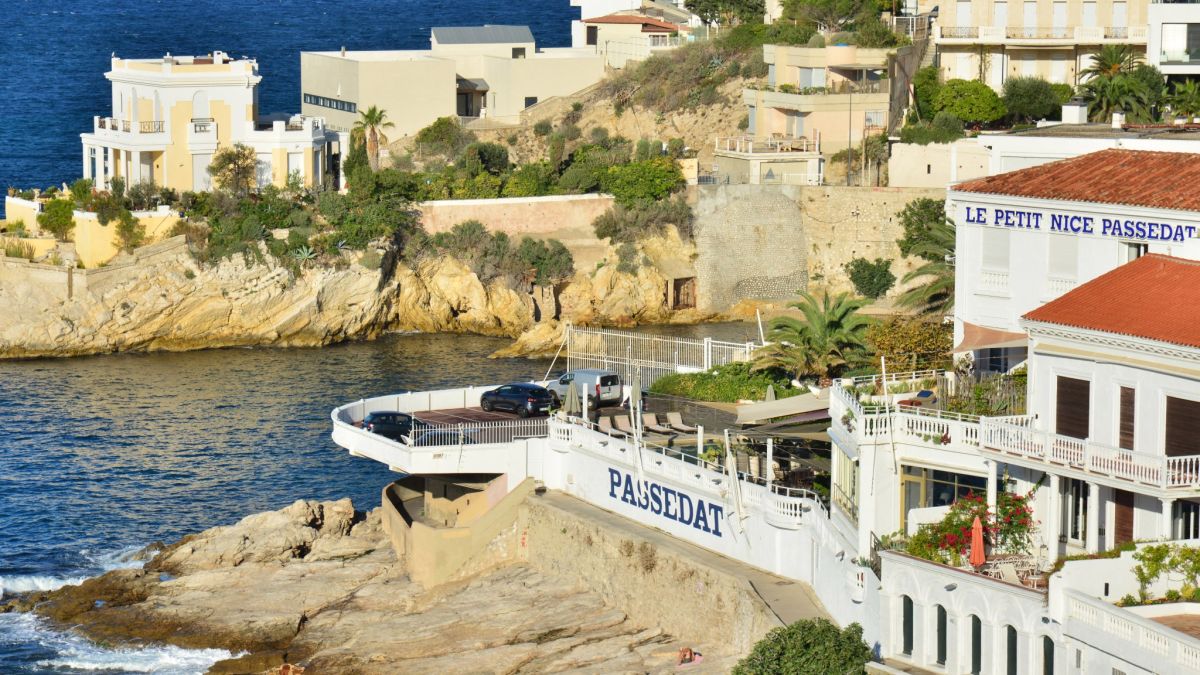
Three-star chef Gérald Passedat is handing over his Marseille restaurant Le Petit Nice, the first establishment in the city to receive three Michelin stars, to the Saadé family, owner of CMA CGM, after 40 years of management. #Gastronomie #Michelin #Marseille (translated)

www.bfmtv.com
C'était le premier restaurant marseillais à avoir décroché 3 étoiles au Michelin: sans successeur, le chef du Petit Nice vend son établissement au propriétaire de CMA CGM
2471
Gabriel Attal 4d
Prime Minister of France to 2024

The author claimed that in 30 years, prices had tripled while salaries had not followed, making access to property a luxury. He addressed both homeowners and tenants, in houses as well as in apartments, presenting the continuation of his message as likely to change their lives. He also wrote that, like the majority of the French in his opinion, they were waiting for a revolution. #Immobilier #Propriété #France #FR (translated)

3371