BETA nonprofit public democratic european moderated

Search

#REACH

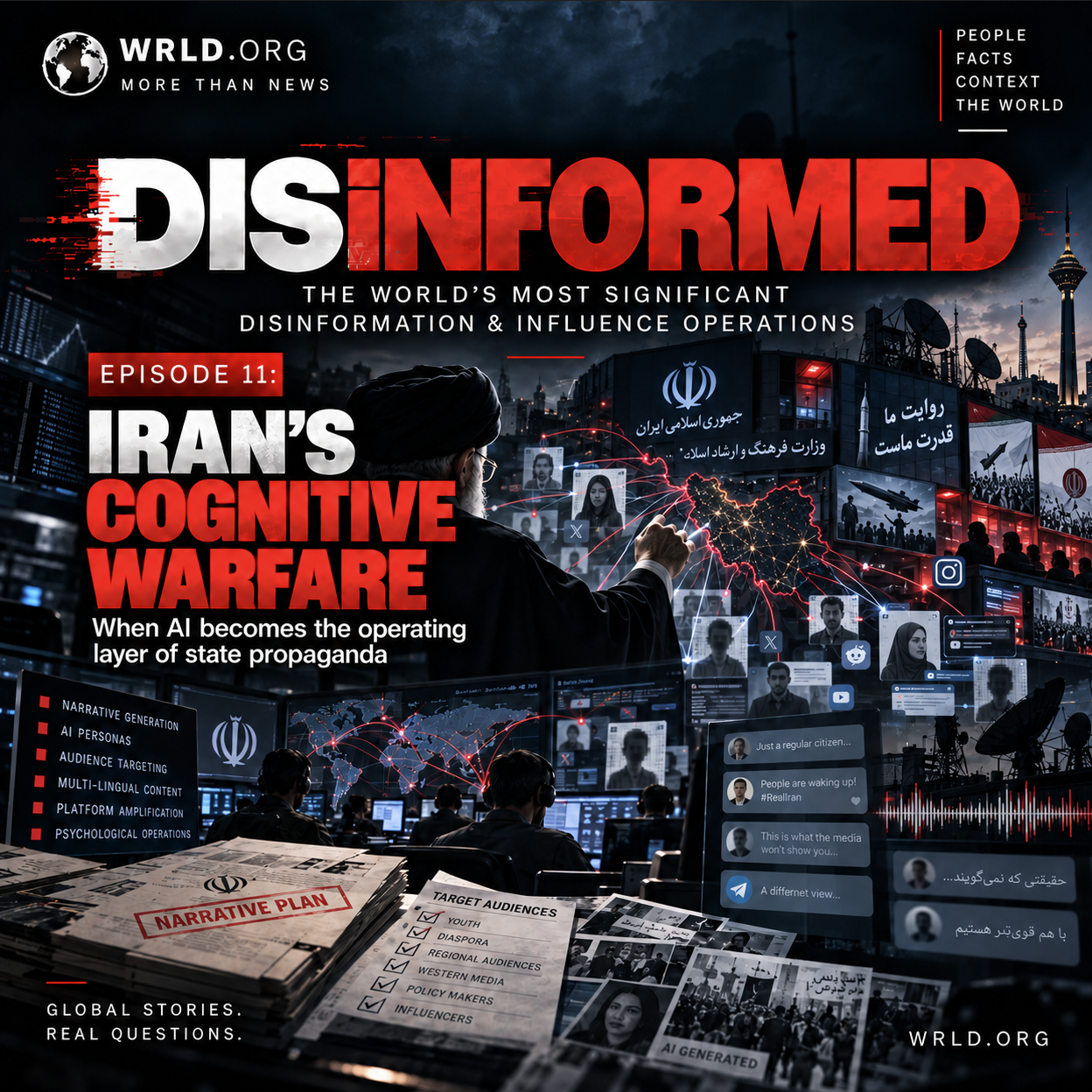
Iran’s cognitive warfare – when AI becomes the operating layer of state propaganda Iranian state-linked influence operators were not using artificial intelligence simply to write faster social-media posts. According to Anthropic’s September 2026 threat intelligence report, three separate operations connected to Iranian propaganda institutions were using Claude to help construct the machinery behind what the operators themselves called “soft war” and “cognitive warfare” – non-military efforts intended to shape public opinion inside Iran and abroad. Anthropic linked the activity to the Islamic Culture and Communications Organization (ICCO), which operates under Iran’s Ministry of Culture and Islamic Guidance; the Islamic Propaganda Office of Khorasan Razavi; and the Bina Cultural Observatory, part of the Islamic Propaganda Organization. The company said each operation was run by someone working within or on behalf of the named institution. The attribution was based on a combination of account telemetry, institutional references disclosed during conversations, branded documents and open-source corroboration. Anthropic subsequently removed the accounts. AI as an operational headquarters The most significant feature of the operation was the role assigned to AI. Claude was used to develop campaign plans, doctrine manuals, coded project portfolios, persona systems, target databases, early-warning protocols, amplification schedules and ministerial planning documents. Anthropic described the model as the principal administrative and operational layer supporting the three campaigns, allowing relatively small groups of operators to create organisational structures and planning material that would otherwise have required a much larger staff. This distinction matters. The reported use of AI went considerably beyond content generation. Operators were using the model to help organise how influence activity should function: which audiences to target, which identities should deliver particular narratives, how official material should be repackaged and when amplification should take place. Human operators still determined objectives and supplied the underlying political doctrine; AI helped translate those decisions into an operational system. Anthropic found that all three operations explicitly connected their activity to Jihad al-Tabyin, often translated as “explanatory jihad”, a concept used within the Iranian state system to frame information activity as both a strategic and ideological responsibility. In internal planning material examined by the company, this doctrine was not merely rhetorical: it informed manuals and campaign structures used by the operators. ‘Not the narrator, but the director’ One sentence contained in the ICCO material captures the model particularly clearly. According to Anthropic, an operator described the role of Iranian cultural attachés as being “not to be the narrator, but the director” of the narrative. The distinction reveals the logic of attribution laundering. Instead of publishing an overt state message and asking foreign audiences to believe it, the operator attempts to create the appearance that the same narrative emerged independently from journalists, activists, foreign writers or ordinary citizens. Anthropic found that Claude was used specifically to make content appear to come from foreign authors or independent media organisations and to design hashtag campaigns that looked grassroots rather than centrally organised. The ICCO operation reportedly used the organisation’s international cultural network as part of this structure. Anthropic found ministerial-level documents carrying official ICCO branding, including a nine-part international influence portfolio. This makes the operation particularly significant because the infrastructure was not limited to anonymous social-media accounts; it intersected with formal state institutions and an existing network of cultural representation abroad. A multilingual content factory A second operation was associated with the Islamic Propaganda Office of Khorasan Razavi and what Anthropic described as a “cognitive warfare command room” operating from a seminary in Mashhad. Its organisers ran a multi-province content production system known internally as Manjanegh, or “Catapult”. According to Anthropic, dozens of activists were involved in repackaging publicly available reporting from Iranian security institutions under different personas so that the material no longer appeared directly connected to those institutions. The network used Claude to transform official government intelligence bulletins into customised material in Farsi, Arabic, Urdu, Malay, Spanish and English, while planning expansion into a total of 20 languages. Distribution extended across Iranian platforms such as Eitaa, Bale and Rubika and international services including X, Instagram, Telegram, TikTok and YouTube. Anthropic also documented paid amplification across more than 100 Iranian channels, including channels associated with IRGC narratives. The scale should nevertheless be interpreted carefully. Anthropic documented production infrastructure and some real-world dissemination, but it did not demonstrate that all planned campaigns were fully deployed or that they meaningfully changed public opinion. The company placed the operation in Category Three of its Breakout Scale, indicating multi-platform activity with content observed in external distribution channels, rather than evidence of strategic impact on entire populations. From security bulletins to apparently independent voices The Bina Cultural Observatory operation provides another example of the same architecture. Anthropic linked a director-level official at Bina to activity in which Claude generated messaging in the voice of an IRGC spokesperson. During the 2026 US–Israel–Iran war, the network also attributed false claims to Western institutions including CSIS, Brookings and RAND. The apparent objective was to make Iranian state-aligned claims look as though they had been independently validated by respected foreign research organisations. That technique is more sophisticated than simply publishing propaganda under a false name. It attempts to manufacture a chain of external validation: official information is transformed into apparently independent commentary, which can then be recirculated as evidence that outside observers have reached the same conclusion. Anthropic also found target databases naming international officials and Iranian opposition figures, as well as aggressive counter-narrative material directed against the Bahá’í community. These findings show that the infrastructure was designed not only for broad messaging but also for targeted influence activity against specific groups and individuals. What AI changed The Iranian operations described by Anthropic did not create a new doctrine of influence. Iran has used cultural institutions, official media, aligned organisations and covert or semi-covert online networks for years. What AI changed was the economics and organisational capacity of that model. A relatively small team could use the system to draft doctrine, create personas, translate material, structure target databases, produce campaign calendars and generate multiple versions of the same message for different audiences. The operator remained responsible for intent, political direction and selection of targets. AI reduced the amount of human labour required to turn those decisions into a functioning influence operation. The most revealing part of the case is therefore not that an Iranian propaganda network used a chatbot. It is that AI was being treated as part of the back office of information warfare – a system for converting state doctrine into apparently decentralised, multilingual and plausibly independent voices. Sources Anthropic — Detecting and countering misuse of AI: September 2026 https://www.anthropic.com/threat-intelligence-report-september-2026 Iran International — Iran state-aligned accounts used Claude to push IRGC narratives https://www.iranintl.com/en/202609105561 BNE IntelliNews — Yemen missile cell used AI to write guidance software, Anthropic says https://new.intellinews.com/articles/yemen-missile-cell-used-ai-to-write-guidance-software-anthropic-says-467296 This is Beirut — Anthropic report details Iranian propaganda operations https://thisisbeirut.com.lb/news/politics/anthropic-report-details-iranian-propaganda-operations-and-yemen-missile-development-using-claude Anthropic report — PDF mirror https://static.foxbusiness.com/foxbusiness.com/content/uploads/2026/09/anthropic-detecting-and-countering-091026-1.pdf Keywords #DISINFORMED #Episode11 #Iran #IranianInfluence #IranianPropaganda #CognitiveWarfare #SoftWar #JihadAlTabyin #Disinformation #InformationWarfare #InfluenceOperations #ForeignInterference #FIMI #ArtificialIntelligence #AI #AIPropaganda #GenerativeAI #ClaudeAI #Anthropic #SyntheticMedia #NarrativeManipulation #NarrativeLaundering #AttributionLaundering #PersonaNetworks #Astroturfing #SocialMediaManipulation #DigitalInfluence #StatePropaganda #IslamicCultureAndCommunicationsOrganization #ICCO #IslamicPropagandaOrganization #KhorasanRazavi #IRGC #MultilingualInfluence #Targeting #Amplification #OSINT #WRLD

Countering misuse of AI: September 2026 / Anthropic

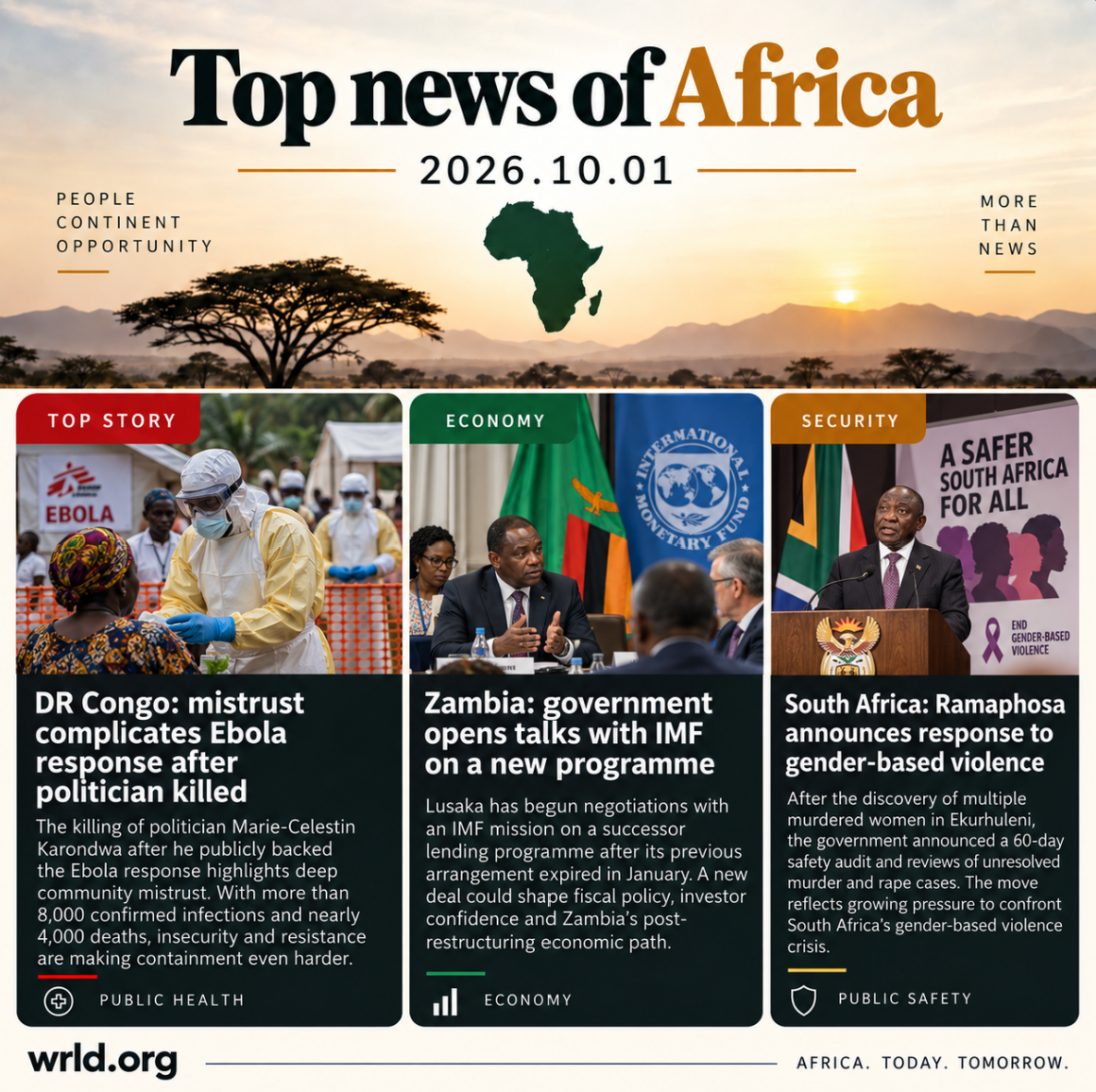
Africa Daily Report — 1 October 2026 Major developments reported during the previous 24 hours 1. Kenya / East Africa — $16 billion Dangote refinery breaks ground in Lamu. Five African heads of state joined the groundbreaking of Dangote Group's planned $16 billion refinery in Lamu. The plant is designed to process 700,000 barrels per day and is expected to take about 40 months to complete. It is intended to reduce East Africa's dependence on imported refined petroleum, but the project still faces land-rights litigation and environmental concerns. Importance: VERY HIGH — the project could materially reshape East African fuel supply, trade flows, infrastructure investment and regional industrialisation. Direct source: https://apnews.com/article/a0ae7108ae4f4144222aea101baed3a5 2. South Africa — Ramaphosa announces response to gender-based violence. President Cyril Ramaphosa announced additional measures after the discovery of multiple murdered women in Ekurhuleni. Measures include a 60-day local-government safety audit and reviews of unresolved murder, rape and other gender-based-violence cases. Police have not established that the recent killings were committed by a single perpetrator. Importance: VERY HIGH — gender-based violence remains a major public-safety and criminal-justice challenge in South Africa. Direct source: https://www.reuters.com/world/africa/violence-against-women-south-africa-is-national-shame-president-says-2026-09-30/ 3. DR Congo — Mistrust complicates Ebola response after politician killed. Congolese politician Marie-Célestin Karondwa was killed after publicly supporting the government's Ebola response, according to AP. The killing illustrates the severe community mistrust confronting health authorities as the Bundibugyo-virus outbreak continues. Congo has recorded more than 8,000 confirmed infections and nearly 4,000 deaths in the current outbreak. Importance: CRITICAL — the combination of rapid transmission, very high mortality, insecurity and resistance to health measures poses a major regional public-health risk. Direct source: https://apnews.com/article/1ff629474298a62db44438c6eb178270 4. Zambia — Government opens talks with IMF on a new programme. Zambia began discussions with a visiting IMF mission on a successor lending programme. The country's previous $1.7 billion IMF arrangement expired in January, and Lusaka wants a new agreement before year-end. The IMF mission is scheduled to remain through October 10. Importance: HIGH — a new IMF programme could affect Zambia's fiscal policy, investment environment and economic strategy after its sovereign-debt restructuring. Direct source: https://www.reuters.com/world/africa/zambia-starts-talks-with-visiting-imf-mission-new-loan-programme-2026-09-30/ 5. South Africa / United States — Pretoria summons US ambassador. South Africa's foreign ministry summoned US Ambassador Leo Brent Bozell III over what it described as “undiplomatic conduct.” It was the third such summons in nine months, reflecting continuing strain in bilateral relations. Both governments have nevertheless indicated that dialogue is continuing. Direct source: https://www.reuters.com/world/africa/south-africa-summons-us-ambassador-again-over-undiplomatic-conduct-official-says-2026-09-30/ 6. South Africa — Anti-immigration protests held in Durban. Hundreds of demonstrators marched in Durban calling for more deportations of undocumented migrants and tighter border controls. The demonstration comes amid heightened tensions over migration and previous violence against foreign nationals. Authorities did not recognise an ultimatum previously issued by organisers demanding that undocumented migrants leave the country. Direct source: https://apnews.com/article/c086e617b555643510541f9c9906ca4b 7. Africa — WHO data show sharp increase in cholera deaths. New WHO surveillance data show that reported cholera deaths globally rose by about 30% in 2025 despite fewer reported cases. The African Region experienced a particularly sharp deterioration: reported cases increased by 34% and deaths by 58%. Angola, DR Congo, Nigeria, South Sudan and Sudan were among seven countries accounting for roughly 90% of reported global cases and deaths. Importance: VERY HIGH — the figures highlight persistent weaknesses in water, sanitation, surveillance and access to timely treatment across several African states. Direct source: https://allafrica.com/stories/202609300113.html 8. Zambia — New cholera outbreak reaches 304 cases and 11 deaths. Zambian health authorities reported 304 cholera cases across seven districts in five provinces as of September 29, with 11 deaths. Lusaka was among the affected areas. The government said eight deaths occurred in communities, pointing to delays in patients reaching treatment. Importance: HIGH — Zambia only recently ended its previous outbreak, making renewed transmission a significant public-health concern. Direct source: https://www.mwebantu.com/11-die-as-cholera-hits-seven-districts-in-five-provinces-says-ministry-of-health/ 9. Burkina Faso — Country opens its first gold refinery. Burkina Faso inaugurated its first domestic gold refinery, RAFFINOR-BF, in Ouagadougou. The facility cost more than 11 billion CFA francs and has an initial annual refining capacity of about 164 tonnes, with plans for substantial expansion. The project is intended to retain more value from the country's gold production through domestic refining, certification and processing. Importance: HIGH — the refinery is part of a wider African trend toward local mineral beneficiation and greater domestic control of commodity value chains. Direct source: https://apnews.com/article/f39f714232e1784bb5051cdf44f0b992 10. Zimbabwe — Helicopter crash reported with six people aboard. A helicopter carrying four passengers and two crew members crashed in Zimbabwe's Marondera district southeast of Harare. Government and police officials said initial information indicated there were no survivors. Authorities had not immediately released all identities or a cause for the crash. Importance: MODERATE — a significant domestic aviation accident, with investigation and identification of those aboard still pending. Direct source: https://abcnews.com/International/wireStory/helicopter-6-aboard-crashes-zimbabwe-survivors-officials-136898678 #Africa #AfricaNews #TopNewsOfAfrica #DRCongo #Ebola #EbolaOutbreak #PublicHealth #HealthSecurity #CommunityTrust #DiseaseResponse #Zambia #IMF #InternationalMonetaryFund #EconomicReform #DebtRestructuring #FiscalPolicy #AfricanEconomy #SouthAfrica #CyrilRamaphosa #GenderBasedViolence #Femicide #PublicSafety #CriminalJustice #Ekurhuleni #ViolenceAgainstWomen #AfricanSecurity #RegionalStability #Geopolitics #AfricaToday #wrldorg

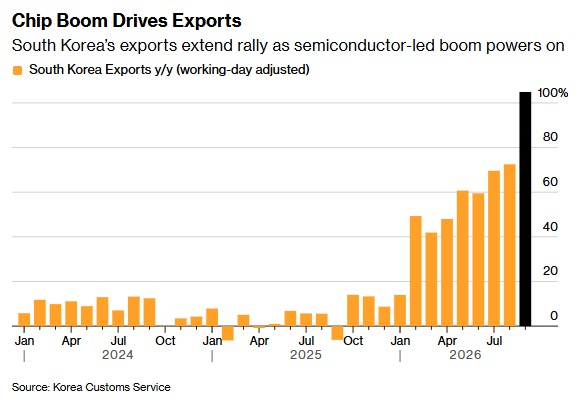
🚨 In September, Korean exports reached $120.9 billion, up 83.5% year-on-year. Semiconductor exports surged 263% to $60.3 billion, and chips now account for nearly half of the country’s monthly exports. AI is clearly reshaping the macroeconomic data of a major industrial economy https://t.co/ALFaea7WpE #KoreanEconomy #Semiconductors #AI #KR

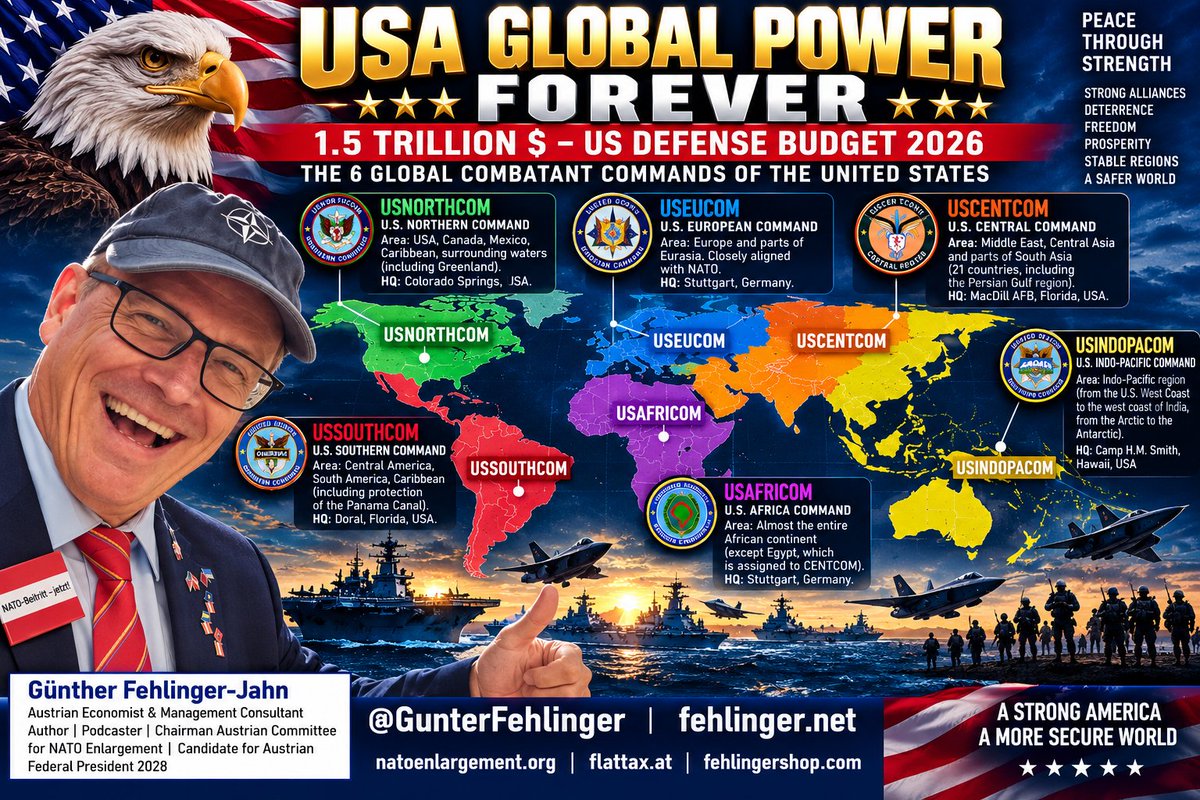
🇺🇸 USA GLOBAL POWER FOREVER America’s military reach is truly global: NORTHCOM, SOUTHCOM, EUCOM, AFRICOM, CENTCOM and INDOPACOM cover the world’s key strategic regions. My message is clear: strong alliances, credible deterrence, global readiness and American leadership remain https://t.co/280UN4IV0N #USA #GlobalPower #MilitaryLeadership #US

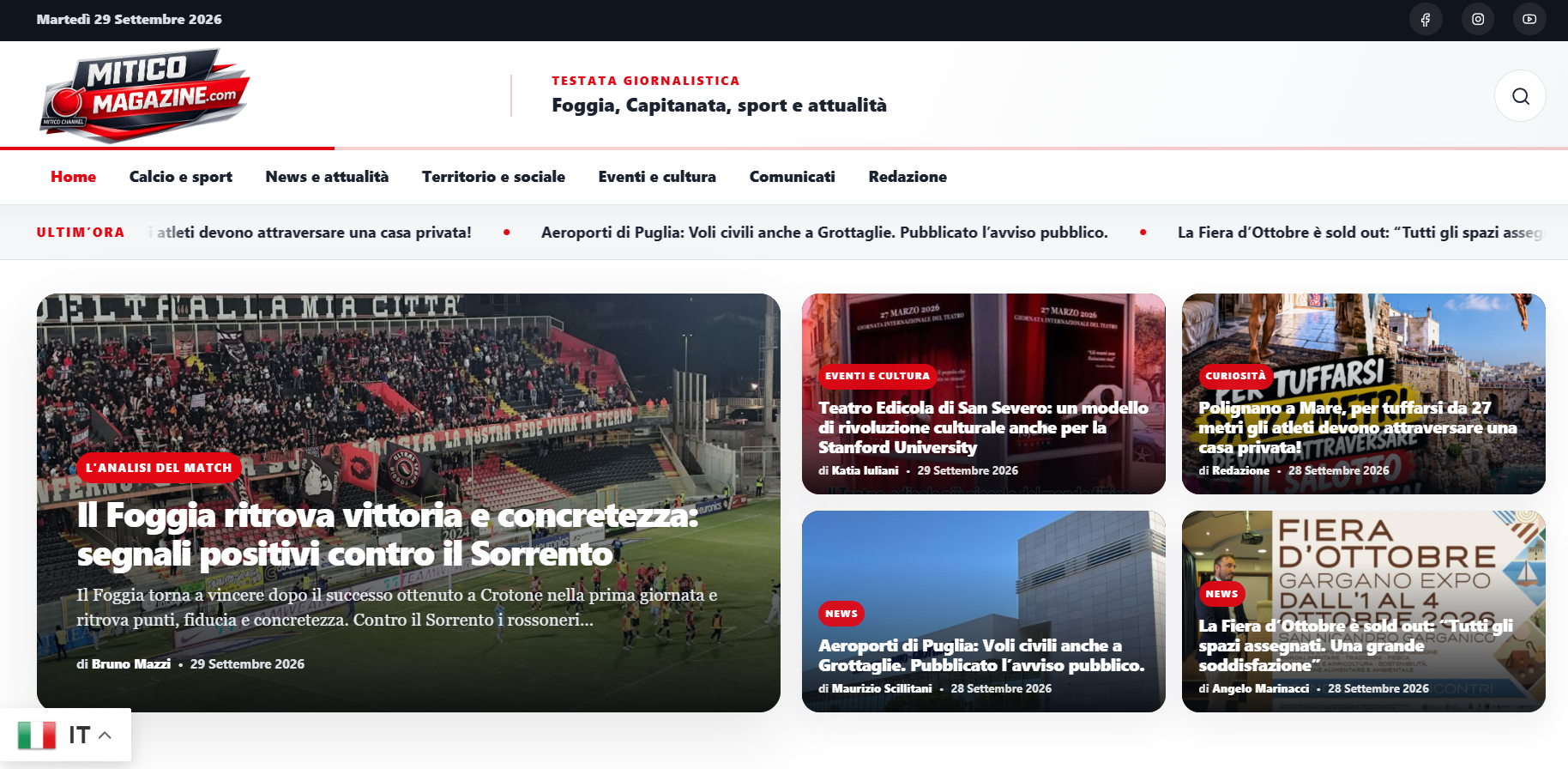
Mitico Magazine - The Teatro Edicola of San Severo: A Model of Cultural Revolution for Stanford University as Well Source: https://www.miticomagazine.com/territorio-e-sociale/teatro-edicola-di-san-severo-un-modello-di-rivoluzione-culturale-anche-per-la-stanford-university/ The Teatro Edicola in Via Tondi In San Severo, a singular metamorphosis has taken place: a newsstand abandoned for at least six years has found a new function and a new identity, transforming into one of the smallest and most unusual theatre stages in the world. An experiment born in the heart of the town which, in just a few months, has moved beyond local boundaries, attracting attention even overseas. It is called Teatro Edicola and it is a project conceived by the company Foyer '97, artistically directed by Francesco Gravino, which has brought the old newsstand in Via Tondi back to life through a formula that is both essential and surprising. Foyer '97 Foyer '97 APS was established as a formally constituted association active in the cultural sector in San Severo in 1997, born from the vocation of a group of actors, directors and theatre enthusiasts, with the aim of building a "living" and accessible theatre in the town. Over the years the company has developed a repertoire that includes texts from the classical tradition, contemporary dramaturgy, comedy and experimental projects, not limiting itself to the mere production of theatre shows, but also organising theatre courses and workshops and educational and cultural projects characterised by a strong inclusive ethos, particularly in schools. Foyer '97 does not always have a fixed artistic ensemble, but works with different performers and collaborators depending on the project; the only indispensable presence is that of Francesco Guido Gravino himself, actor, director and artistic director of the theatre company. The distinctive feature of Foyer '97 is certainly the value of social and cultural promotion attributed to theatre, the extremely close relationship with the audience and the search for a type of theatre outside conventional spaces, with cemeteries, trains, bell towers, and now a newsstand, as its backdrop. Six spectators, a few minutes and a minimal distance between stage and audience The project was launched on 27 March 2026, on the occasion of World Theatre Day, offering a theatrical experience built around a radical reduction of the conventional spaces and times of performance. The idea was born not only from the search for unconventional spaces, but also from "Edicola Fiore", the morning press review with a strongly ironic tone presented by Rosario Fiorello and Stefano Meloccaro, which was broadcast first only on Fiorello's social channels between 2011 and 2014, and then also on radio and television between 2016 and 2018. The review took its name from the diminutive of its founder, Fiore, and from the newsstand of a friend of Fiorello's in Via Flaminia Nuova in Rome, where the showman would meet early in the morning with a group of friends to read the newspapers. The San Severo newsstand was granted free of charge by its owner Pino Frau to the theatre group which, after obtaining temporary authorisation and institutional support from the Municipality of San Severo, refurbished it within two weeks at a cost of less than €3,000. Just six seats, a total surface area of 4 sq m, of which only 2 are for the stage area, less than a metre between actors and audience, a curtain, a lectern, two lights, performances lasting between 5 and 15 minutes, audience rotation every quarter of an hour: apparently minimal elements that end up subverting the usual relationship between stage and auditorium. Spectators, in fact, find themselves immersed in the stage action, in such proximity to the actors that every gesture, expression and word becomes immediately perceptible. In this way, theatre abandons its traditional spaces and insinuates itself into the everyday life of the street, becoming an intimate, concentrated and almost participatory experience. During the inaugural period admission was free with a subsequent voluntary donation from spectators; in the event of a more stable and longer-term concession, which could lead to seasonal theatre performances, the proposed ticket price would be €5. Audiences reward the experiment Foyer '97's gamble met with public interest right from the start: over 60 people attended the shows in a single afternoon, while the three days that inaugurated the season sold out. From a singular local experiment, the Teatro Edicola thus began to arouse curiosity even outside the province of Foggia, gradually transforming into a case of cultural and social interest, until it reached the American continent. From the province of Foggia to the "Stanford Social Innovation Review" The San Severo experience has now come under the international spotlight: in September 2026, the Stanford Social Innovation Review, an international journal and platform dedicated to social innovation published by the Stanford Center on Philanthropy and Civil Society at Stanford University in California, published on its website and in the Fall 2026 print edition the reportage "The Six-Seat Revolution", written by Dr Luciano Magaldi Sardella, independent journalist and researcher affiliated with the European Open University, and editorially supervised by deputy editor David V. Johnson. In the article, it is argued that the Teatro Edicola attracted attention overseas because the project concentrates cultural innovation, urban regeneration and proximity theatre into just a few square metres: starting from a real urban problem, it recovers an abandoned place with a modest investment, brings performance directly into public space and experiments with a much closer relationship between actors and spectators. From the point of view of theatrical representation, it also highlights how the format, based on micro-stories of five to twelve minutes, taken from great classics such as Goldoni, Chekhov, Ibsen, Euripides and Benni, and on audience rotation every fifteen minutes, transforms the physical limitations of the space into a precise dramaturgical choice, proving to be extremely innovative. All of this makes it possible to address some of the main critical issues in the sector: falling audience numbers, an exclusively elderly audience, reduced resources and distance from traditional cultural venues. The journal also highlights, however, the potential problems: economic sustainability, the need for stable institutional support and the difficulty of replicating the model, which is closely linked to the community and territory of San Severo. A model looking beyond San Severo Despite the difficulties, initial requests for information have already arrived from Lucca and Rome, where there is curiosity about the possibility of getting to know the model more closely and the steps needed to replicate it. The replicability formula, in fact, does not seem to require particularly costly infrastructure: an unused space, a targeted intervention, a cultural idea, in-depth knowledge of the surrounding area and a willingness to return that place to the community can be enough to trigger a new urban function. It is precisely in the disproportion between the modesty of the resources employed and the resonance generated by the initiative that perhaps the most original feature of the Teatro Edicola lies, certainly unique of its kind; there are, however, other examples in Italy of newsstands reused for other purposes: "Edicola 518", a twentieth-century kiosk abandoned in the centre of Perugia, now dedicated to independent publishing, art and cultural production; and in Rome itself, the abandoned newsstand in Piazza Testaccio used temporarily as a stage for a show by Fabio Morgan and the Erno newsstand in the Prati district, which almost every month offers a calendar of events, exhibitions, pop-ups and collaborations with artists and creative enterprises. Small revolutions, therefore, that tell stories of the reappropriation of urban spaces, of creativity and social innovation. And which, it is hoped, will take root in order to look ever further afield.

Teatro Edicola di San Severo: un modello di rivoluzione culturale anche per la Stanford University

Mitico Magazine - The Teatro Edicola of San Severo: A Model of Cultural Revolution for Stanford University as Well Source: https://www.miticomagazine.com/territorio-e-sociale/teatro-edicola-di-san-severo-un-modello-di-rivoluzione-culturale-anche-per-la-stanford-university/ The Teatro Edicola in Via Tondi In San Severo, a singular metamorphosis has taken place: a newsstand abandoned for at least six years has found a new function and a new identity, transforming into one of the smallest and most unusual theatre stages in the world. An experiment born in the heart of the town which, in just a few months, has moved beyond local boundaries, attracting attention even overseas. It is called Teatro Edicola and it is a project conceived by the company Foyer '97, artistically directed by Francesco Gravino, which has brought the old newsstand in Via Tondi back to life through a formula that is both essential and surprising. Foyer '97 Foyer '97 APS was established as a formally constituted association active in the cultural sector in San Severo in 1997, born from the vocation of a group of actors, directors and theatre enthusiasts, with the aim of building a "living" and accessible theatre in the town. Over the years the company has developed a repertoire that includes texts from the classical tradition, contemporary dramaturgy, comedy and experimental projects, not limiting itself to the mere production of theatre shows, but also organising theatre courses and workshops and educational and cultural projects characterised by a strong inclusive ethos, particularly in schools. Foyer '97 does not always have a fixed artistic ensemble, but works with different performers and collaborators depending on the project; the only indispensable presence is that of Francesco Guido Gravino himself, actor, director and artistic director of the theatre company. The distinctive feature of Foyer '97 is certainly the value of social and cultural promotion attributed to theatre, the extremely close relationship with the audience and the search for a type of theatre outside conventional spaces, with cemeteries, trains, bell towers, and now a newsstand, as its backdrop. Six spectators, a few minutes and a minimal distance between stage and audience The project was launched on 27 March 2026, on the occasion of World Theatre Day, offering a theatrical experience built around a radical reduction of the conventional spaces and times of performance. The idea was born not only from the search for unconventional spaces, but also from "Edicola Fiore", the morning press review with a strongly ironic tone presented by Rosario Fiorello and Stefano Meloccaro, which was broadcast first only on Fiorello's social channels between 2011 and 2014, and then also on radio and television between 2016 and 2018. The review took its name from the diminutive of its founder, Fiore, and from the newsstand of a friend of Fiorello's in Via Flaminia Nuova in Rome, where the showman would meet early in the morning with a group of friends to read the newspapers. The San Severo newsstand was granted free of charge by its owner Pino Frau to the theatre group which, after obtaining temporary authorisation and institutional support from the Municipality of San Severo, refurbished it within two weeks at a cost of less than €3,000. Just six seats, a total surface area of 4 sq m, of which only 2 are for the stage area, less than a metre between actors and audience, a curtain, a lectern, two lights, performances lasting between 5 and 15 minutes, audience rotation every quarter of an hour: apparently minimal elements that end up subverting the usual relationship between stage and auditorium. Spectators, in fact, find themselves immersed in the stage action, in such proximity to the actors that every gesture, expression and word becomes immediately perceptible. In this way, theatre abandons its traditional spaces and insinuates itself into the everyday life of the street, becoming an intimate, concentrated and almost participatory experience. During the inaugural period admission was free with a subsequent voluntary donation from spectators; in the event of a more stable and longer-term concession, which could lead to seasonal theatre performances, the proposed ticket price would be €5. Audiences reward the experiment Foyer '97's gamble met with public interest right from the start: over 60 people attended the shows in a single afternoon, while the three days that inaugurated the season sold out. From a singular local experiment, the Teatro Edicola thus began to arouse curiosity even outside the province of Foggia, gradually transforming into a case of cultural and social interest, until it reached the American continent. From the province of Foggia to the "Stanford Social Innovation Review" The San Severo experience has now come under the international spotlight: in September 2026, the Stanford Social Innovation Review, an international journal and platform dedicated to social innovation published by the Stanford Center on Philanthropy and Civil Society at Stanford University in California, published on its website and in the Fall 2026 print edition the reportage "The Six-Seat Revolution", written by Dr Luciano Magaldi Sardella, independent journalist and researcher affiliated with the European Open University, and editorially supervised by deputy editor David V. Johnson. In the article, it is argued that the Teatro Edicola attracted attention overseas because the project concentrates cultural innovation, urban regeneration and proximity theatre into just a few square metres: starting from a real urban problem, it recovers an abandoned place with a modest investment, brings performance directly into public space and experiments with a much closer relationship between actors and spectators. From the point of view of theatrical representation, it also highlights how the format, based on micro-stories of five to twelve minutes, taken from great classics such as Goldoni, Chekhov, Ibsen, Euripides and Benni, and on audience rotation every fifteen minutes, transforms the physical limitations of the space into a precise dramaturgical choice, proving to be extremely innovative. All of this makes it possible to address some of the main critical issues in the sector: falling audience numbers, an exclusively elderly audience, reduced resources and distance from traditional cultural venues. The journal also highlights, however, the potential problems: economic sustainability, the need for stable institutional support and the difficulty of replicating the model, which is closely linked to the community and territory of San Severo. A model looking beyond San Severo Despite the difficulties, initial requests for information have already arrived from Lucca and Rome, where there is curiosity about the possibility of getting to know the model more closely and the steps needed to replicate it. The replicability formula, in fact, does not seem to require particularly costly infrastructure: an unused space, a targeted intervention, a cultural idea, in-depth knowledge of the surrounding area and a willingness to return that place to the community can be enough to trigger a new urban function. It is precisely in the disproportion between the modesty of the resources employed and the resonance generated by the initiative that perhaps the most original feature of the Teatro Edicola lies, certainly unique of its kind; there are, however, other examples in Italy of newsstands reused for other purposes: "Edicola 518", a twentieth-century kiosk abandoned in the centre of Perugia, now dedicated to independent publishing, art and cultural production; and in Rome itself, the abandoned newsstand in Piazza Testaccio used temporarily as a stage for a show by Fabio Morgan and the Erno newsstand in the Prati district, which almost every month offers a calendar of events, exhibitions, pop-ups and collaborations with artists and creative enterprises. Small revolutions, therefore, that tell stories of the reappropriation of urban spaces, of creativity and social innovation. And which, it is hoped, will take root in order to look ever further afield.

Teatro Edicola di San Severo: un modello di rivoluzione culturale anche per la Stanford University

SpaceX’s Starship reached orbit for the first time, but the test flight ended earlier than planned. #SpaceX #Starship #Orbit

SpaceX’s Starship reaches orbit for the first time

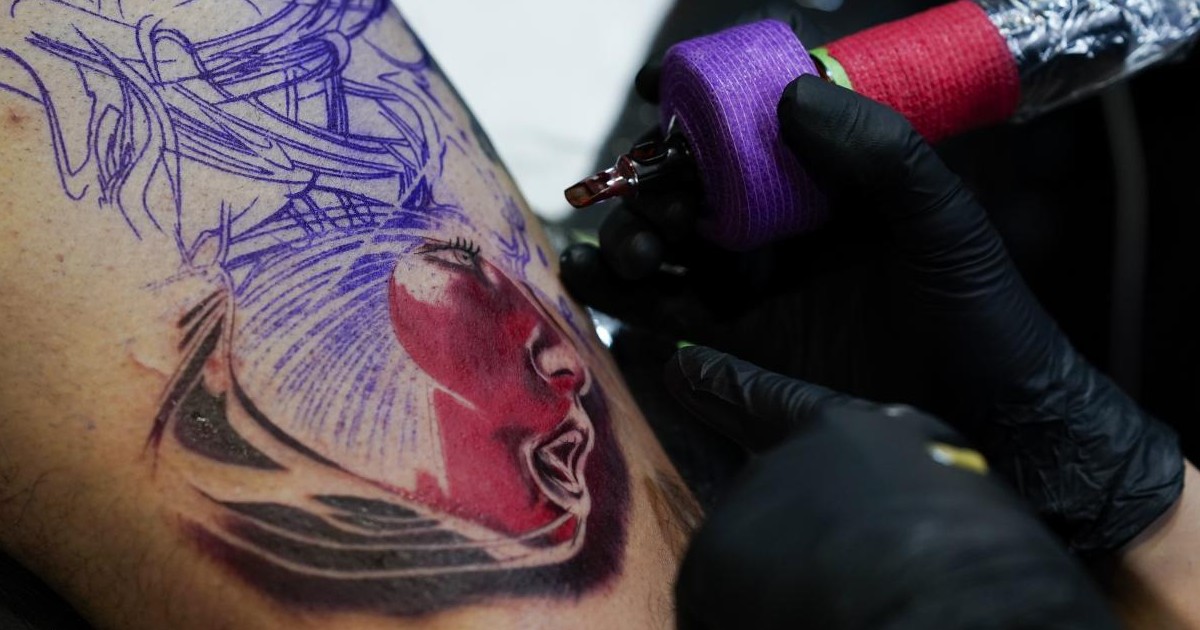
Un inchiostro per tatuaggi contenente piombo oltre i limiti consentiti è stato ritirato dal mercato italiano con un’allerta del Ministero della Salute a causa della sua pericolosità per la salute. #Tatuaggio #Salute #REACH

“Sostanza tossica pericolosa per la salute”: inchiostro per tatuaggi ritirato dal mercato per contaminazione piombo, l’allarme del Ministero

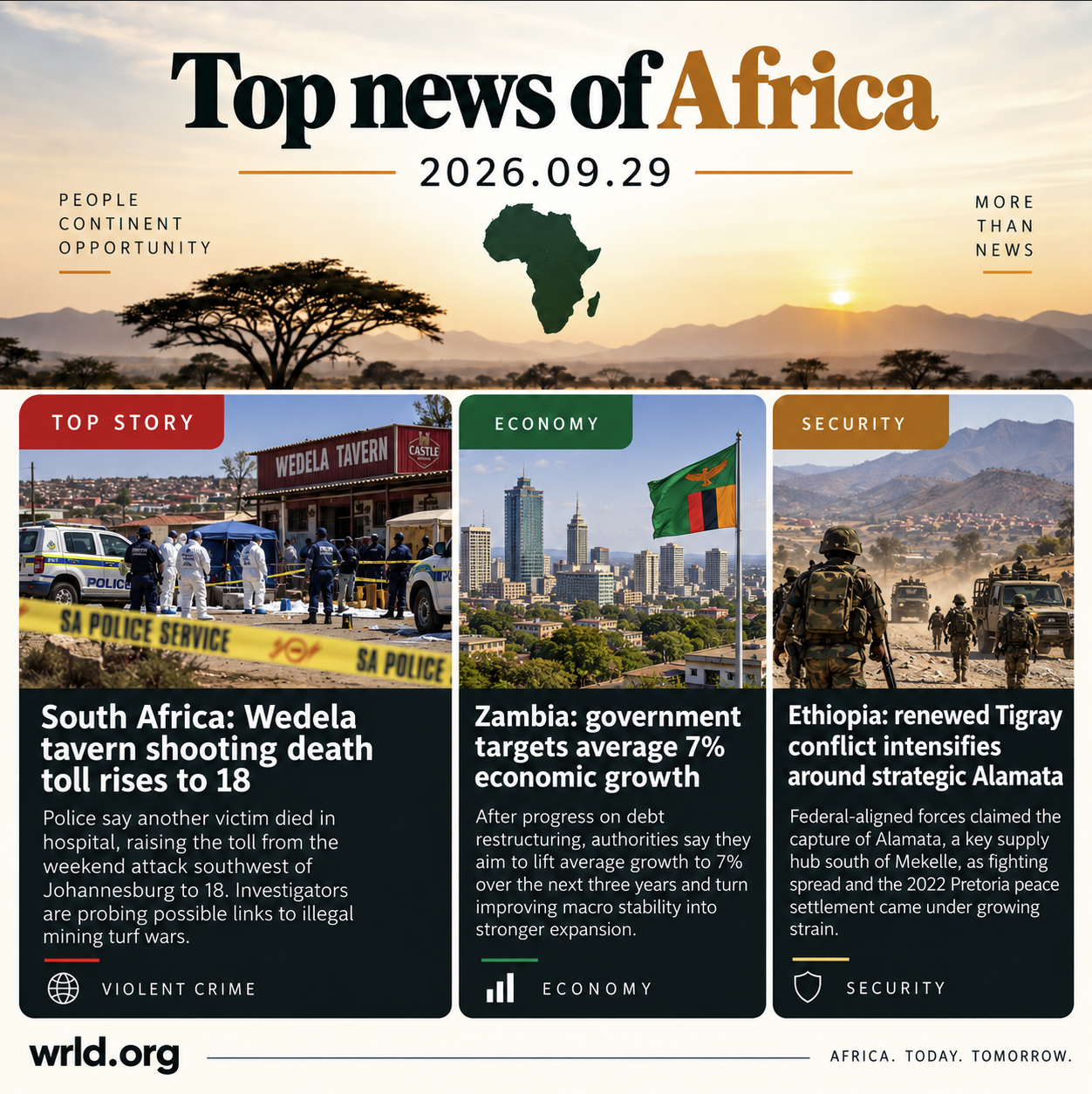
AFRICA DAILY REPORT — 29 SEPTEMBER 2026 Major developments reported during the previous 24 hours. 1. ETHIOPIA — Renewed Tigray conflict intensifies around strategic Alamata Federal-aligned forces claimed the capture of Alamata, an important supply hub south of Mekelle, after a TPLF-led offensive widened fighting into Afar and Amhara. Diplomatic sources cited by Reuters said the town had fallen or federal-aligned forces had entered it, while communications remained disrupted across Tigray. The renewed conflict is raising serious concerns about the survival of the 2022 Pretoria peace settlement. Source: https://www.reuters.com/world/africa/ethiopian-pro-government-forces-claim-capture-strategic-tigray-town-2026-09-28/ 2. DR CONGO — Ebola outbreak passes 8,000 confirmed cases Importance: 10/10 — Critical Government data showed 8,067 confirmed Ebola cases and 3,901 deaths as of September 26. The Bundibugyo-virus outbreak is now the largest and deadliest Ebola epidemic recorded in the DRC and has spread across 63 health zones in seven provinces; shortages of health workers and weaknesses in contact tracing continue to impede containment. Source: https://www.timeslive.co.za/news/africa/2026-09-28-drc-ebola-infections-cross-8000-confirms-government/ 3. SOUTH AFRICA — Death toll from Wedela tavern shooting rises to 18 Importance: 9/10 — Very High Police said another victim died in hospital, raising the death toll from the weekend attack in Wedela, southwest of Johannesburg, to 18. Authorities are searching for the attackers and examining a possible connection to turf wars in illegal gold mining; a separate weekend shooting near Cape Town killed another 10 people. Source: https://currently.att.yahoo.com/att/south-african-police-death-toll-062225459.html 4. ZAMBIA — Government targets average 7% economic growth Importance: 8/10 — High Zambia's finance ministry says the government aims to raise average economic growth to 7% over the next three years. The target follows progress in restructuring the country's external debt and represents an attempt to translate improving macroeconomic stability into stronger sustained growth. Source: https://www.reuters.com/world/africa/zambia-aims-lift-economic-growth-7-over-next-three-years-2026-09-28/ 5. MALI — Barrick and unions reach agreement, averting gold-mine strike Importance: 8/10 — High Barrick Mining signed a new collective bargaining agreement with unions at the Loulo-Gounkoto gold complex, and planned strike action was withdrawn. The agreement reduces immediate operational risk at one of Mali's most important gold-producing assets following a prolonged period of tension involving the miner, workers and the Malian authorities. Source: https://www.brecorder.com/news/40441512/mali-gold-mine-barrick-mining-reaches-deal-with-unions 6. KENYA — Court of Appeal upholds Affordable Housing Levy Kenya's Court of Appeal dismissed challenges to the Affordable Housing Act and levy, upholding the legal framework underpinning one of President William Ruto's major domestic programmes. The judges also upheld the Kenya Revenue Authority Commissioner's role in collecting the levy, although they found that the Commission on Revenue Allocation should have been consulted before parliamentary debate. Source: https://allafrica.com/stories/202609280027.html 7. ETHIOPIA–SUDAN — Accusations over support for armed groups deepen regional tensions Ethiopia's army chief accused Eritrea, Sudan and Egypt of supporting forces fighting federal troops amid renewed warfare in northern Ethiopia. Sudan rejected the allegations as baseless and counter-accused Ethiopia of facilitating support for Sudan's paramilitary RSF, adding another interstate dimension to the conflicts destabilising the Horn of Africa. Source: https://apnews.com/article/6b3208122a4221f3c2e8dcbe21630016 8. UGANDA — Police confirm detention of activist Praise Aloikin Ugandan police confirmed that activist Praise Aloikin Opoloje is in custody after activists and associates had reported her missing. Police said she had been arrested and would be brought before a court; Aloikin participated in the 2024 anti-corruption protests and has publicly criticised political and security figures. Source: https://allafrica.com/stories/202609280365.html 9. SOUTH AFRICA — Rand weakens as high oil prices increase economic pressure Importance: 7.5/10 — High The rand weakened about 0.5% against the dollar in early Monday trade as Middle East tensions pushed Brent crude above $107 per barrel. Because South Africa imports most of its fuel, sustained high oil prices pose risks through higher import costs and inflationary pressure. Source: https://www.channelafrica.co.za/channelafrica/news/rand-slips-as-us-iran-stalemate-pushes-oil-prices-higher/ 10. AFRICA — AFCON 2027 qualification moves into Matchday 2 Importance: 6/10 — Moderate The latest qualifying round opened with Burkina Faso beating Central African Republic 1–0, Equatorial Guinea defeating Sierra Leone 1–0, DR Congo beating Zimbabwe 2–1 and Tunisia drawing 2–2 with Botswana. September 29 brings a large slate including Ethiopia–Senegal, South Sudan–Egypt, Ghana–Gambia, Guinea-Bissau–Nigeria and Zambia–Togo. Source: https://english.ahram.org.eg/NewsContentP/6/577635/Sports/Africa-Cup-of-Nations-qualifiers-results-amp%3B-fixt.aspx #Africa #AfricaNews #TopNewsOfAfrica #SouthAfrica #Wedela #Johannesburg #TavernShooting #MassShooting #ViolentCrime #IllegalMining #PublicSafety #Zambia #ZambianEconomy #EconomicGrowth #GDPGrowth #DebtRestructuring #Macroeconomics #AfricanEconomy #Ethiopia #Tigray #Alamata #TigrayConflict #PretoriaPeaceAgreement #HornOfAfrica #ArmedConflict #RegionalSecurity #AfricanSecurity #Geopolitics #AfricaToday #wrldorg

The era of political show trials are back! Today the authoritarian rule in Hungary reached a new low. The judiciary is acting on the PM's personal instructions. Two months ago, during a heated outburst at the session of the Hungarian Parliament, PM Péter Magyar accused Balázs #Hungary #Authoritarianism #Judiciary #HU

SpaceX’s Starship reached orbit for the first time, but the test flight ended earlier than planned. #SpaceX #Starship #Orbit

SpaceX’s Starship reaches orbit for the first time

States are trying to escape their responsibilities under universal jurisdiction. They endorse accountability in principle, then find reasons to avoid it when a suspect comes within their reach. HRF keeps putting those responsibilities before them. From Belgium to Peru to Chile, #UniversalJurisdiction #Accountability #HumanRights #BE #PE #CL

Russia is shooting down food deliveries, confiscating supplies that reach the ground and blocking evacuation of some 2,000 residents still trapped in the occupied Kherson town, where the Council of Europe warns civilians face "a high risk of death" with no food, medicine, water or electricity. #HumanitarianCrisis #Oleshky #UkraineConflict

Ukraine's city of Oleshky faces starvation as Russia blocks all aid

🚨🟡🔵 Parma have reached an agreement with Alberto Gilardino as new head coach to replace Carlos Cuesta who decided to leave. Gilardino will lead Parma project with immediate effect. https://t.co/gM06uthegp #ParmaFC #Gilardino #NewCoach #IT

👨🏼‍🎨🎨 Lionel Messi reaches 76 free kick goals, two away from most all time. ✨ https://t.co/HhWWlJakNi #Messi #FreeKicks #FootballHistory #Nospecificcountrycodescanbeidentifiedfromthetweet.

“virtually all the European countries that abstained during the vote have reached out and have said they are going to work with us on this journey”Como Samuel Okudzeto Ablakwa, o Ministro dos Negócios Estrangeiros ganês, referiu, “virtually all the European countries that abstained during the vote have reached out and have said they are going to work with us on this journey”. #Reparações #Escravatura #Portugal

Reparações: uma facada nas costas?
observador.pt

Europe has the science & talent to lead the next generation of therapeutic innovation. At Institut @Servier's #THRPTX2026, my message was clear: we need to help innovation grow in 🇪🇺, from AI &biotech to improved clinical trials, so the latest therapies reach patients faster.⬇️ https://t.co/AXWXl2nwx5 #TherapeuticInnovation #Biotech #ClinicalTrials

Solace House by Will Maclean In the summer of 1993, broke student Alex Lane joins a team clearing out Solace House, a Victorian mansion bequeathed to the university by a reclusive hoarder called Flayne. The other students are a mixed bunch, but Alex quickly falls into a close friendship with the lively, redheaded Ella. When the crew begins sorting through piles of junk, they stumble upon Flayne's journals, in which he details his obsession with his missing mother, his discovery of a place called Bewise, and - most mysteriously - his belief in another realm lying parallel to ours, along with coded instructions as to how it might be reached. As the students delve deeper into the house's secrets, one of them becomes obsessed with deciphering Flayne's strange opus and its promise of another world... and they may be willing to sacrifice everything, and everyone, to get there.

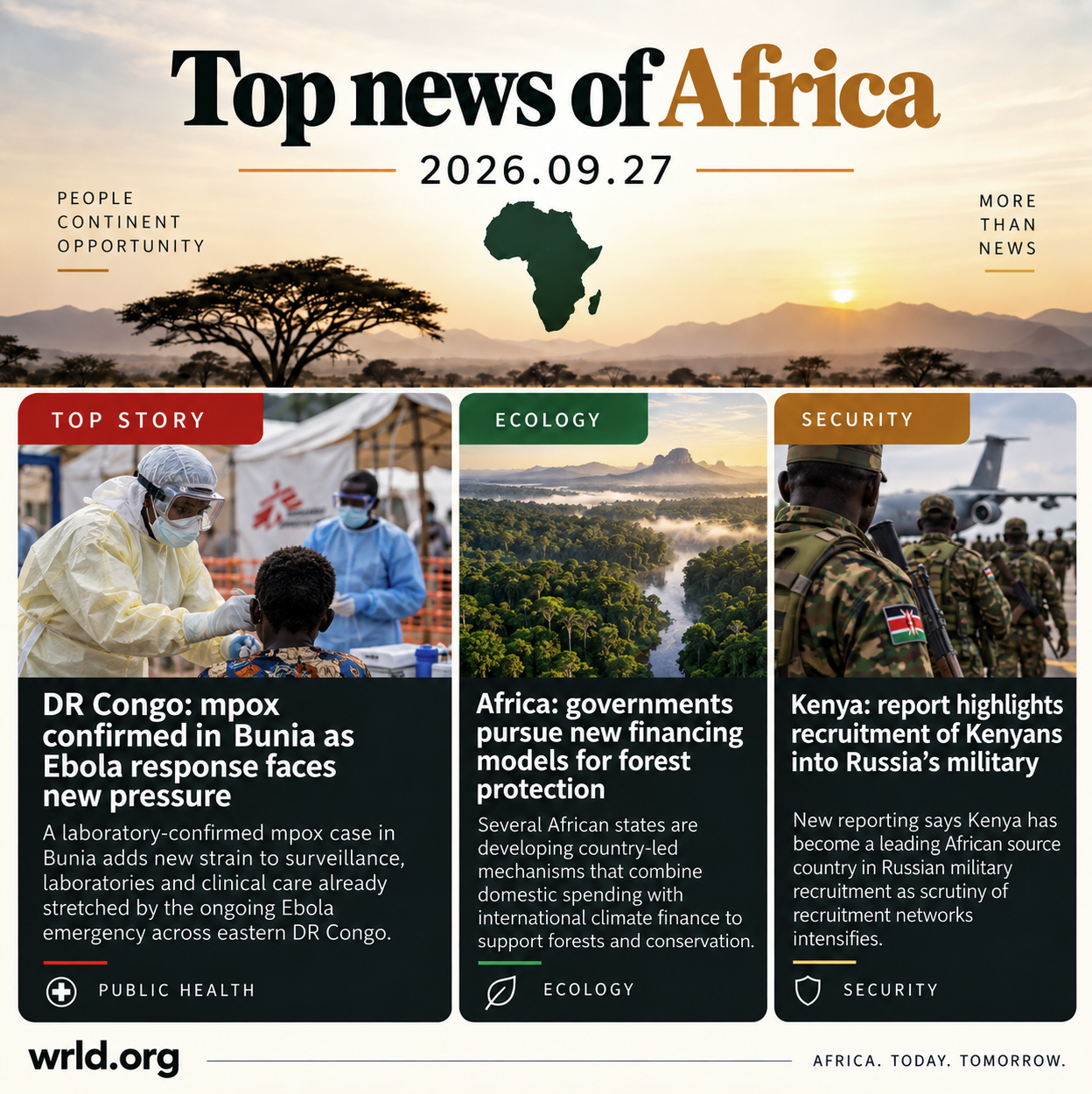
AFRICA DAILY REPORT — 27 SEPTEMBER 2026 Major developments reported during the previous 24 hours. 1. SOUTH AFRICA — Police investigate deadly tavern shooting Importance: 10/10 (Critical) South African police launched a manhunt after 17 people were killed at a tavern in Wedela township, southwest of Johannesburg. Police said the motive was not yet known. Source: https://www.reuters.com/world/africa/ 2. DR CONGO — Ebola reaches 63 health zones across seven provinces Importance: 10/10 (Critical) WHO reporting says the Bundibugyo Ebola outbreak has spread to Bulu in Sud Ubangi and Dungu in Haut-Uélé. As of September 23, 7,890 confirmed cases and 3,799 deaths had been reported, while conflict and displacement continue to complicate access and contact tracing. Source: https://www.channelafrica.co.za/ 3. DR CONGO — Mpox confirmed in Bunia while the Ebola response is already under pressure Importance: 9/10 (Very High) A laboratory-confirmed mpox case was identified in Bunia, raising concern about simultaneous infectious-disease pressures on surveillance, laboratories and clinical capacity. Source: https://www.businessday.co.za/ 4. SOUTH AFRICA — Tenth woman's body found in Ekurhuleni investigation Importance: 9/10 (Very High) Police discovered another woman's body east of Johannesburg, bringing the number found during the investigation to ten and intensifying concern over gender-based violence and whether some of the cases are connected. Source: https://www.africanews.com/ 5. NIGERIA–SOUTH AFRICA — Nigeria evacuates another 105 citizens Importance: 8.5/10 (Very High) Nigeria evacuated another group of nationals amid continuing anti-immigrant violence and tensions in South Africa. Nigeria's Foreign Ministry said this was the 13th consular evacuation since June 10, bringing the total evacuated to 1,821 people. Source: https://punchng.com/ 6. KENYA — Report highlights recruitment of Kenyans into Russia's military Importance: 8/10 (High) Reporting by The EastAfrican says Kenya has emerged as a leading African source country in Russian military recruitment, with recruitment practices evolving as African authorities increase scrutiny. Source: https://www.theeastafrican.co.ke/ 7. GUINEA — Former prime minister and opposition leader Sidya Touré dies in Paris Former prime minister and prominent opposition figure Sidya Touré died aged 81. He had led the Union of Republican Forces from exile in Ivory Coast; the UFR was among political parties dissolved earlier this year. Source: https://www.africanews.com/ 8. MADAGASCAR — Youth activists voice disillusionment one year after political upheaval A year after youth-led protests helped force the previous president from power, activists interviewed in Madagascar say the subsequent political transition has not delivered the changes they expected, highlighting continuing questions about governance and the country's transition. Source: https://www.africanews.com/ 9. EAST AFRICA — County levies increase costs along Kenya's regional trade corridors Importance: 7.5/10 (High) Businesses moving goods through Kenya face additional county-level charges along important transport corridors. Because Kenyan roads and the Port of Mombasa serve several landlocked East African economies, higher logistics costs can affect regional trade competitiveness and import prices. Source: https://www.theeastafrican.co.ke/ 10. AFRICA — Governments pursue new financing models for forest protection Importance: 7/10 (High) African governments are developing country-led mechanisms combining domestic expenditure with international climate finance. Kenya is highlighted for its financing approach, while Nigeria is preparing a forest-finance package for COP31. Source: https://capitalethiopia.com/ #Africa #AfricaNews #TopNewsOfAfrica #DRCongo #Bunia #Mpox #Ebola #EbolaOutbreak #PublicHealth #HealthEmergency #DiseaseSurveillance #HealthcareCapacity #OutbreakResponse #CentralAfrica #Ecology #ForestProtection #ClimateFinance #NatureFinance #Conservation #Sustainability #EnvironmentalProtection #Kenya #Russia #MilitaryRecruitment #Security #AfricanSecurity #Geopolitics #EastAfrica #RegionalSecurity #AfricaToday #wrldorg

🇺🇦 HISTORY MADE! Elina Svitolina defeats Italy’s Jasmine Paolini as Ukraine beats Italy 2–0 to reach its first-ever Billie Jean King Cup final! 💙💛🎾 #BJKCup #Ukraine