WRLD

Search

#Succesiune
adevarul.ro 2d

The capture of drug baron Fausto Isidro Meza Flores risks provoking a bloody war for succession among the cartels in Mexico, already affected by violence between rival clans. #Droguri #CartelSinaloa #Violenta (translated)

adevarul.ro
Capturarea unui baron a drogurilor din Mexic riscă să declanșeze un război sângeros pentru succesiune

2557
Thérèse Kayikwamba Wagner 2w
Congolese politician

The Minister of Foreign Affairs of Congo, Thérèse Kayikwamba Wagner, made this announcement during a summit of heads of state and government of the organization, held in the Cambodian capital Phnom Penh, ahead of the election of the OIF leader scheduled for Monday, to succeed Rwandan Louise Mushikiwabo, who is running for a third term. #DacianCioloș #Francofonie #ALEGERI2026 (translated)

2981
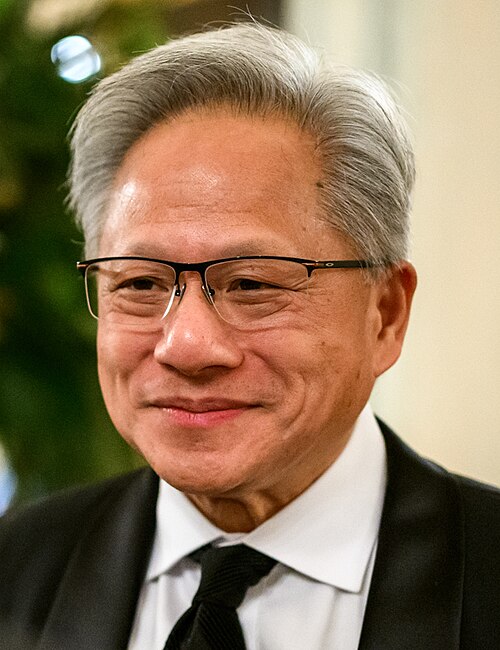
Jensen Huang 2w

The director of the American chipmaker Nvidia, Jensen Huang, announced his resignation on Thursday from the positions of CEO and Chairman of the Board, leaving the artificial intelligence (AI) industry without its most important promoter and casting a shadow of uncertainty over the future of the chipmaker he transformed into a dominant force in the field of AI. #Nvidia #InteligențăArtificială #Succesiune (translated)

3213
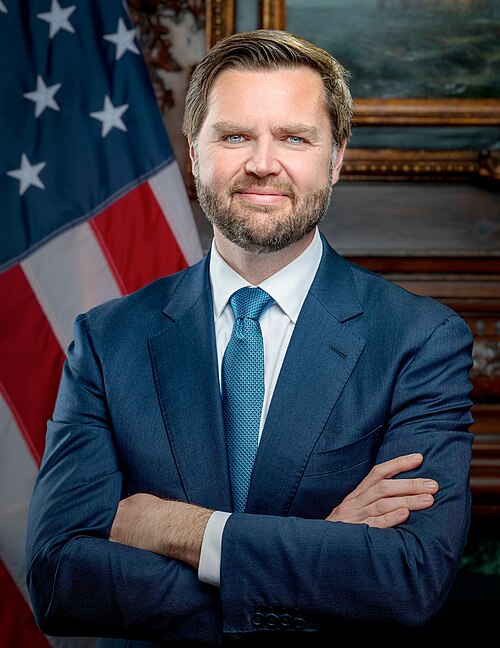
JD Vance 3w
vice president of the United States since 2025

The ambitious 42-year-old vice president has since tried to distance himself from the electoral disaster, which he attributed to the unpopular war waged by Washington against Iran, in a long message published on X on Wednesday. #Trump2028 #alegeri #succesiune (translated)

3010
Digi24 3w

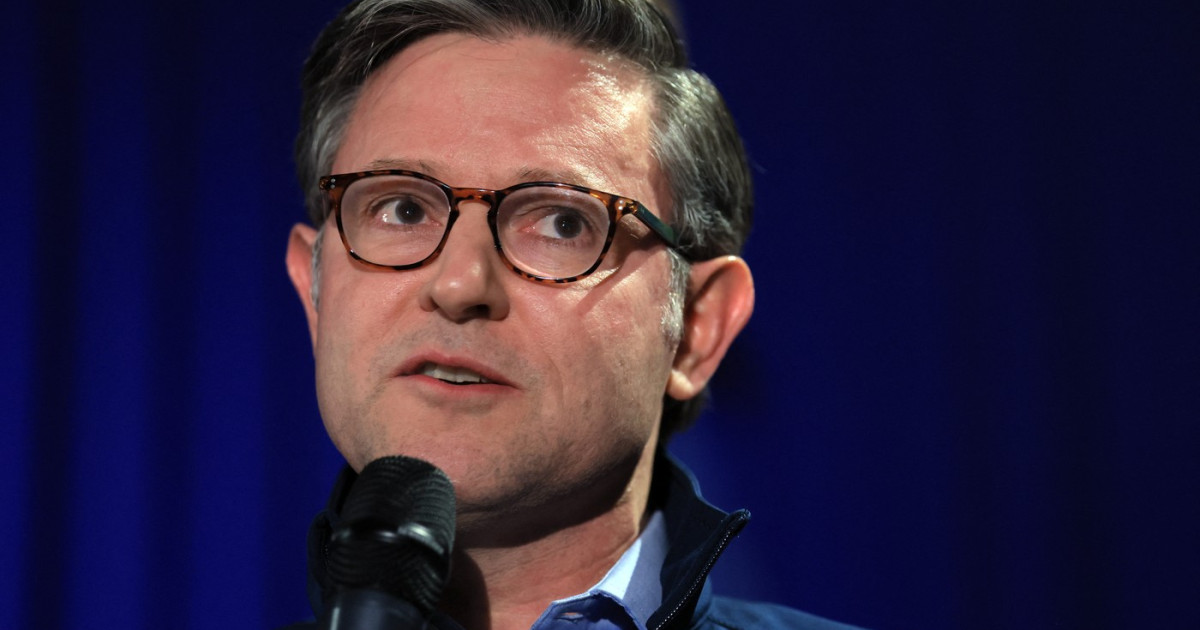
Mike Johnson resigns from the leadership of the House Republicans, and the party is preparing for an internal battle regarding his succession after losing the majority to the Democrats. #PartidulRepublican #CameraReprezentanților #MikeJohnson (translated)

www.digi24.ro
Mike Johnson renunță la conducerea republicanilor din Camera Reprezentanților. Începe lupta pentru succesiunea sa
3127
G
Gelu Oct 25

Don't change the time! Change the schedule, not the time! The biological rhythm is regulated by the Sun, not the clock. Time is not a work schedule that we can shift at will. Time is the measure by which we organize our lives, and nature has its own rhythm. The Earth does not change its rotation twice a year. The sun does not rise earlier because we decided to move the clock forward. Animals, birds, insects, and plants follow their biological rhythms related to light, darkness, and the natural succession of seasons. Humans are part of this nature. Our bodies have their own biological clock, fundamentally influenced by light. And when we officially move the clocks by one hour, we are not changing the course of nature, but rather asking humans to abruptly adapt to an administrative convention. Why do this every spring and reverse it every autumn? Is it natural to change the time or to adapt our schedules? Let's consider the majority of people: workers, farmers, students, teachers, parents, retirees, people who must adhere to a schedule set by others. They cannot always modify their schedules at will. They need to wake up at a certain hour, get to work, take a child to school, or comply with the public transport timetable. In contrast, there are people and organizations that have the opportunity to adapt their schedules based on the season, natural light, or the needs of their activities. If, for some people, changing their schedule is feasible, why impose the time change on everyone? Let's take a hypothetical example: if 10% of people have the freedom to adapt their schedule, is it fair to change the time for all those who do not have this freedom? Would it not be more logical to change the schedule where needed, rather than change the time by which the entire society organizes itself? Stores can modify their opening hours. Factories can adapt their shifts. Institutions can adjust their schedules, and schools and public transport can analyze timetables according to local conditions and people's needs. We do not all have to operate on the same schedule to live by the same time. Nature does not need our approval to follow its rhythm. In spring, the days lengthen. In autumn, the days shorten. This is the natural rhythm of the Earth, which we can observe without moving even a single clock hand. If we want to start activities earlier in summer, we can start sooner. If winter requires a different schedule, we can adapt it. But why change the official time, get used to a new convention, and then revert to the old one? Would it not be simpler to keep the same time all year round and organize our activities according to the season? I do not claim that all living beings measure time in hours and minutes. I assert something more important: their biological rhythms are linked to the natural cycle of light and darkness, not to the numbers we display on the clock. And humans should take this truth into account when organizing their lives. The economy must serve people, not people be permanently forced to adapt to the economy. One argument presented in favor of changing the time is the more efficient use of natural light or the reduction of energy consumption. But the actual effects depend on the country, season, population habits, and how energy is used. If we want to save energy, let's examine actual consumption. If we want more light during activities, let's adapt the schedules. If we want to improve work organization, let's change the timetables where possible. There is no need to change the time for the whole society to achieve flexibility in certain areas. The schedule is a tool we can adapt. The time should be a stable reference. We cannot stop the seasons. We cannot modify the Earth's rotation. We cannot ask nature to adapt to our clock. But we can organize our lives more wisely. Instead of moving the clock hands twice a year, we can learn to adapt our schedules to the reality around us. Instead of changing the time for everyone, we can allow each field to find the appropriate schedule, within the bounds of the law and with respect for people's rights. Let's keep the time stable and make the schedules flexible! Let's leave time in peace. Twice a year, millions of people are forced to change their clocks, schedules, and biological rhythms to adapt to an administrative decision. It is said that changing the time brings economic or energy benefits. However, in modern society, these advantages are increasingly contested, while the disadvantages are felt by nearly the entire population. People, animals, and plants do not live by the clock on the wall, but by the natural rhythms of the Earth. The human body is regulated by the alternation of light and darkness. When we artificially move the time forward or back, we disturb this balance. Many people sleep worse, feel more tired, and need days or weeks to readjust. Living beings do not change their schedules twice a year. Birds do not migrate by the clock, cows do not produce milk according to the official hour, and dogs do not understand why their owner takes them for a walk an hour earlier. Nature follows the sun, not administrative decisions. There is also a principle issue. For a relatively small percentage of people and activities that would benefit from more light in the evening, the schedule of the entire society is modified. About 90% of people are forced to adapt, even though they did not ask for this and do not gain direct advantages. It would be more logical for the sectors that need a different schedule to adapt it themselves. Stores can open earlier or later. Factories can modify their work shifts. Schools, institutions, and companies can adjust their schedules as needed. It is much easier for certain organizations to change the schedule in a targeted manner than to change the official time for the entire population. Moreover, modern technology has greatly diminished the argument for saving energy. Lighting now represents a smaller proportion of total consumption, while air conditioning, computers, and other equipment operate regardless of time changes. The time should serve people, not people be obliged to serve the time. A modern society can function efficiently without moving the clock hands twice a year. Stability, health, and respect for natural rhythms are stronger arguments than the tradition of a measure introduced in another era. Therefore, the most rational solution is to keep the same time throughout the year and adapt schedules where necessary, rather than changing the lifestyle rhythm of an entire population. Why should we keep the same time all year? Changing the time twice a year represents an artificial intervention in the natural rhythm of society. Although it was introduced with the intention of saving energy, numerous modern studies show that the benefits are minimal, while the social, medical, and economic costs are significant. 1. The biological rhythm is regulated by the Sun, not the clock. The human body operates according to an internal biological clock, synchronized with the natural alternation of day and night. Research in chronobiology shows that artificial changes in time disrupt sleep, concentration, and metabolism. In the days following the switch to summer time: - sleep disorders increase; - more traffic accidents occur; - productivity at work decreases; - there is an increase in the risk of heart attacks and other cardiovascular problems. In practice, millions of people are forced to suffer a slight "jet lag" without having traveled anywhere. 2. Nature does not change the time. Animals and plants regulate their activity according to light. Birds, insects, domesticated and wild animals do not change their schedules just because the government decides to move the clock forward by one hour. Farmers often observe that cows continue to adhere to their biological schedule regardless of the change in official time. The same happens with many other living beings. In reality, we are changing the clock display, not the position of the Sun in the sky. 3. Economic benefits are diminishing. Changing the time was introduced in an era when lighting consumed a significant proportion of the energy used by the population. Today: - lighting is much more energy-efficient; - the main consumption comes from air conditioning, heating, servers, computers, and appliances; - estimated savings are very low or even nonexistent in many states. In contrast, the economic costs are real: - employee productivity decreases after the time change; - absenteeism increases; - additional costs associated with accidents and medical problems arise; - computer and logistics systems need to be periodically adjusted. 4. It is unfair to change the schedule of all for the needs of a minority. If certain economic sectors find it useful to start activities earlier in summer, they can adapt their schedules. For example: - stores can operate from 07:00 to 21:00 instead of 08:00 to 22:00; - factories can alter shifts; - public institutions can temporarily adjust working hours; - schools and companies can decide locally what schedule is optimal. It is much simpler for 10% of organizations to change their schedule than for 100% of the population to change their biological clock. 5. Stability means efficiency. Transport, information systems, international economic activities, and public services function more smoothly when the official time remains constant. One hour throughout the year: - reduces scheduling errors; - simplifies transport and communications; - eliminates confusion regarding timetables; - provides predictability for citizens and companies. Conclusion The sun does not change its time. The Earth does not change its time. Nature does not change its time. Only humans move the clock hands and then endure the consequences of this decision. Instead of modifying the schedule of an entire society twice a year, it is more logical to keep the same time constantly and allow those fields that need a different schedule to adapt their programs individually. This way, natural biological rhythms are respected, economic costs are reduced, and the comfort of the majority of the population is increased. A modern society needs flexibility in scheduling, not the constant change of the clock. (translated)

933
Stirile ProTV Oct 19

The protests in France, exacerbated by the electoral campaign for Emmanuel Macron's succession, have led to chaos and the loss of control by the police, with 350 arrests recorded over the weekend. #Franța #proteste #Macron (translated)

stirileprotv.ro
Poliția a pierdut controlul în Franța, aproape de finalul mandatului lui Macron. Protestele provoacă haos
2806
Mediafax.ro Oct 17

The race for Antonio Guterres' succession as head of the UN has reached a deadlock, favoring Rebeca Grynspan, but she is facing opposition from two permanent members of the Security Council. #ONU #RebecaGrynspan #ConsiliulDeSecuritate (translated)

www.mediafax.ro
Bătălie pentru șefia ONU: favorita Rebeca Grynspan întâmpină opoziția a doi membri permanenți
3394
Digi24 Aug 8

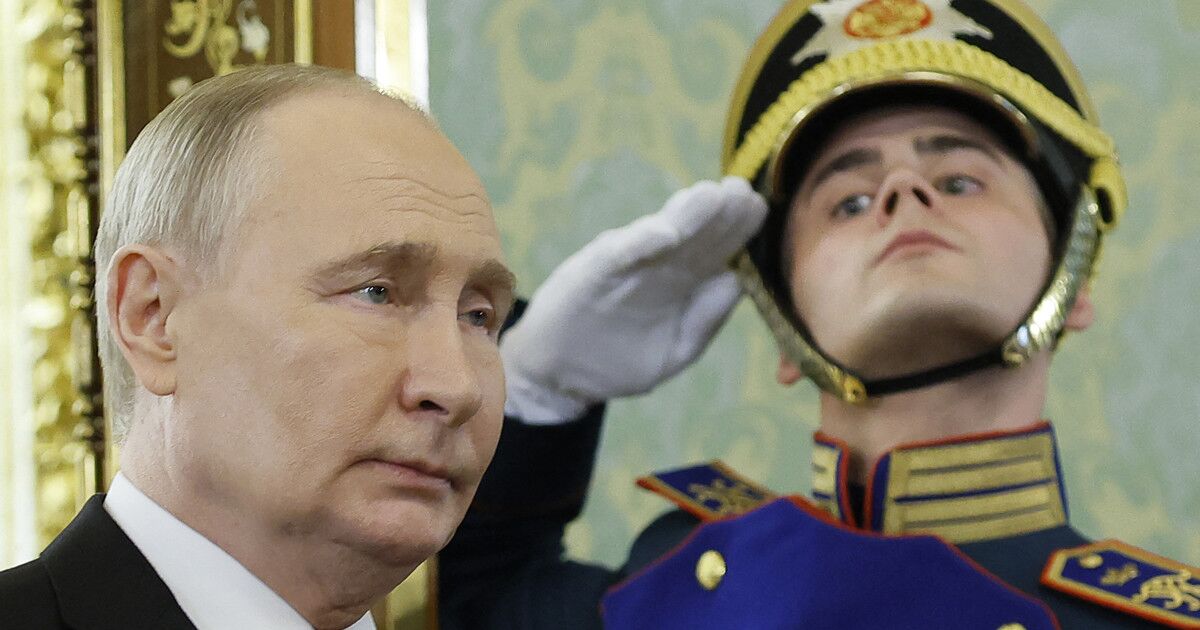
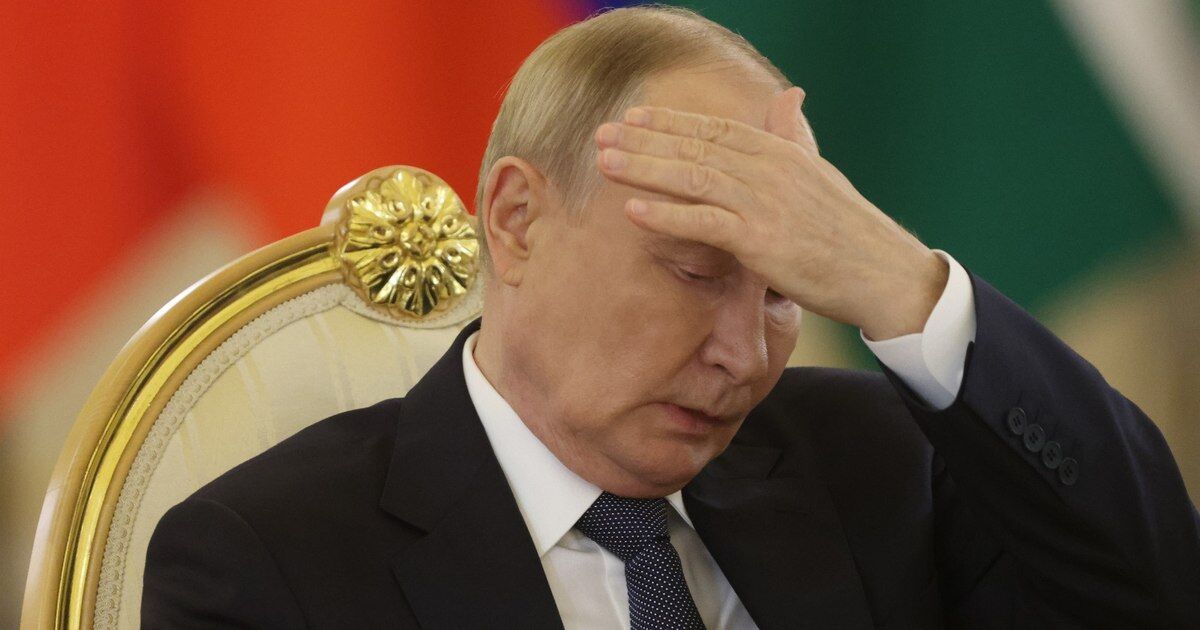
Articolul analizează criza inevitabilă de succesiune care se prefigurează în Rusia după plecarea lui Vladimir Putin, subliniind lipsa unui plan clar pentru tranziția puterii și riscurile unei lupte interne între elitele îmbătrânite care au fost excluse de la conducerea reală, precum și apariția unor tineri ambițioși care ar putea să conteste ordinea existentă. #Succesiune #Putin #Rusia

www.digi24.ro
Cine vine după Putin? Rusia se apropie de o inevitabilă criză de succesiune. Lupta pentru putere care ar putea începe la Kremlin
11307
adevarul.ro Jul 31

Ana Maria Albulescu, expertă în Rusia, analizează scenariile posibile post-Putin și avertizează că dispariția liderului rus ar putea duce la o succesiune mai periculoasă, cu riscuri crescute pentru stabilitatea internațională. #Putin #Medvedev #Rusia

adevarul.ro
Cine îi poate lua locul lui Putin? Expertă în Rusia: „Să ne ferească Dumnezeu de acest scenariu”
11321
HotNews.ro Jul 27

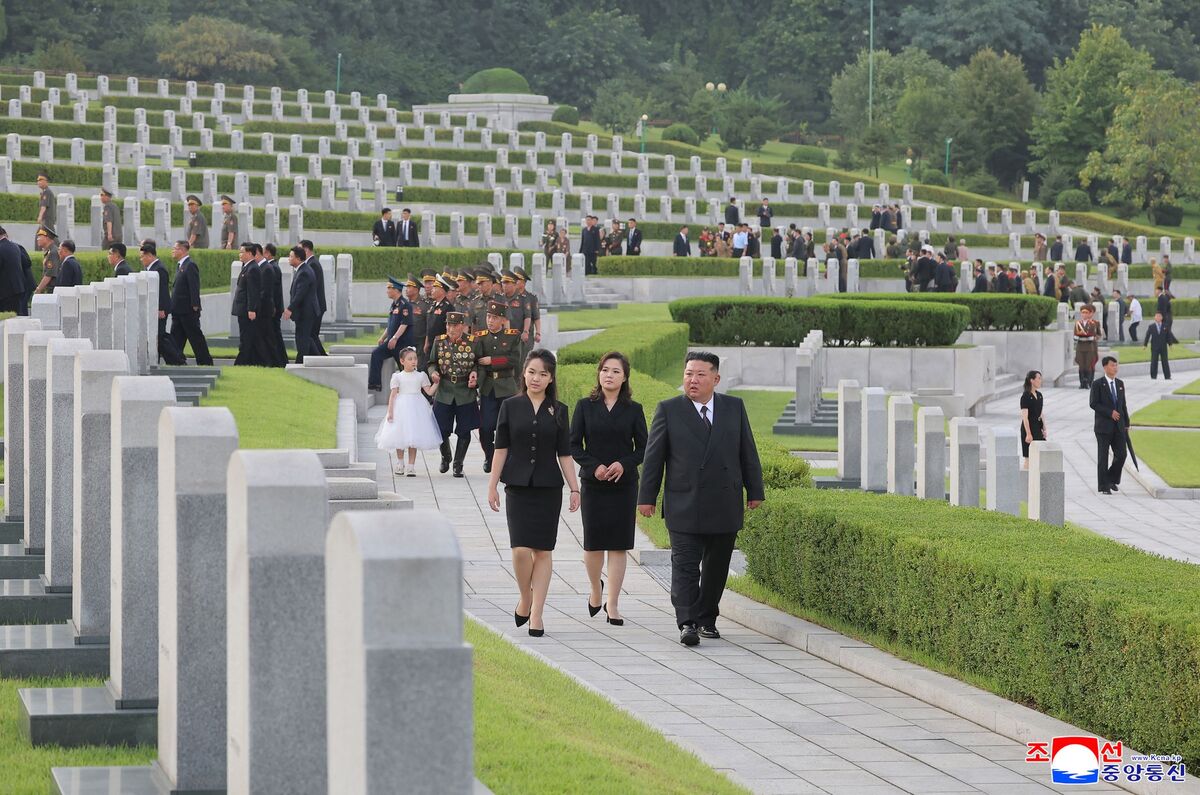
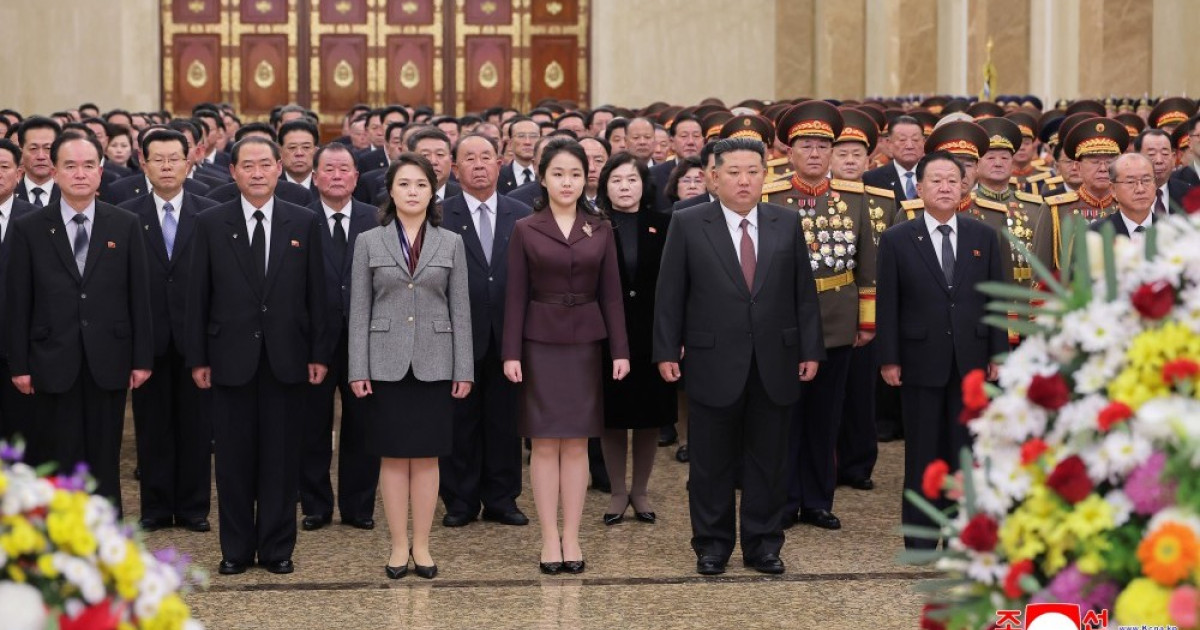
Kim Jong Un a marcat cea de-a 73-a aniversare a armistițiului din Războiul Coreean printr-o ceremonie de omagiu la care și-a adus fiica, Ju Ae, în premieră, sugerând astfel posibila sa succesiune, conform raportărilor agenției de stat KCNA. #KimJongUn #JuAe #CoreeaDeNord

hotnews.ro
FOTO Succesoarea aparentă a lui Kim Jong Un, prezentată din nou la un eveniment public important
9061
adevarul.ro Jul 22

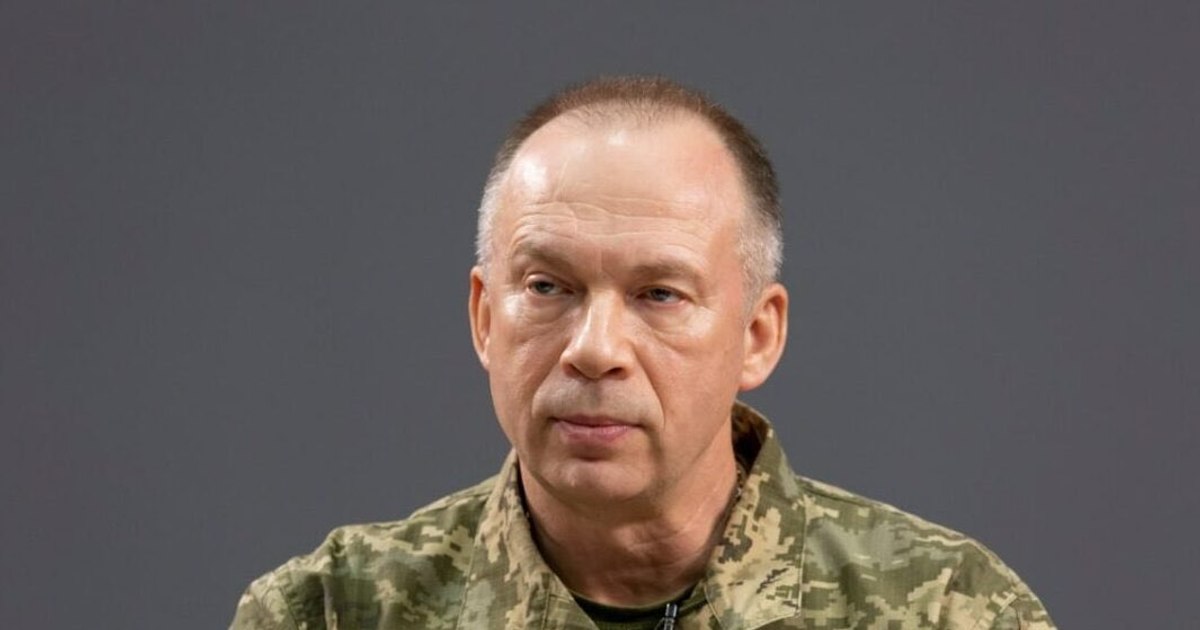
Generalul Oleksandr Sîrski, demis din funcția de comandant suprem al Forțelor Armate ale Ucrainei, a făcut un bilanț al activității sale, subliniind progresele armatei ucrainene în eliberarea teritoriilor și importanța salvării vieților soldaților, toate acestea înainte de a predde succesiunea către noul comandant, general-maiorul Mihailo Drapatîi. #RăzboiÎnUcraina #OleksandrSîrski #OfensivăUcrainiană

adevarul.ro
Oleksandr Sîrski, generalul care i-a pus pe fugă pe ruși la Harkov, bilanț după demitere: "Predau succesorului meu o armată aflată în ofensivă"
18493
Digi24 Jul 19

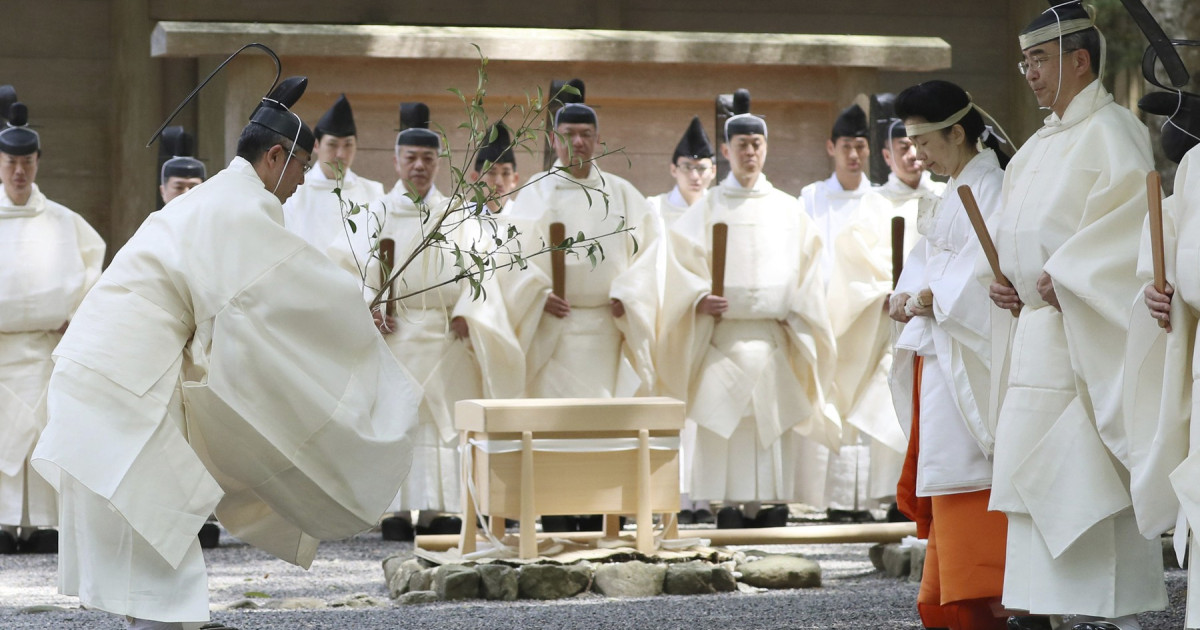
Parlamentul japonez a revizuit legea succesiunii imperiale, menținând însă interdicția ca tronul să fie moștenit de femei, în ciuda sprijinului popular crescut pentru această schimbare, și confirmând prințul Hisahito, nepotul împăratului Naruhito, ca moștenitor al tronului. #Japonia #succesiune #tron

www.digi24.ro
Japonia: Legea succesiunii imperiale a fost revizuită. Tronul Crizantemei rămâne interzis femeilor, în ciuda susținerii populare
16112
adevarul.ro Jul 19

Japonia a revizuit legea succesiunii imperiale pentru a face față crizei demografice din familia regală, introducând măsuri care permit adoptarea bărbaților din fostele ramuri imperiale și păstrarea statutului pentru prințesele căsătorite cu cetățeni de rând, însă a menținut interdicția privind ascensiunea femeilor la tron. #Japonia #succesiune #drepturilefemeilor

adevarul.ro
Japonia modifică legea succesiunii imperiale, dar menține interdicția privind ascensiunea femeilor la tron
7758
Mediafax.ro Jul 17

Parlamentul japonez a adoptat o reformă a legii succesiunii imperiale care permite readucerea în familia imperială a unor rude masculine îndepărtate și păstrează statutul prințeselor căsătorite, însă tronul rămâne rezervat exclusiv bărbaților, excluzând astfel femeile de la accederea la tron. #Japonia #succesiuneimperială #prințesaAiko

www.mediafax.ro
Japonia adoptă reforma succesiunii imperiale. Tronul rămâne interzis femeilor
12536
HotNews.ro Jul 10

Japonia intenționează să modifice legea privind Casa imperială pentru a aborda criza de succesiune, propunând adoptarea de membri masculini din ramuri îndepărtate și păstrarea statutului regal al femeilor după căsătorie, însă excluzând posibilitatea ca prințesa Aiko să urce pe tron, în ciuda sprijinului public semnificativ pentru această idee. #Japonia #familiaImperială #succesiune

hotnews.ro
Japonia încearcă să schimbe legea pentru a rezolva criza de succesiune a familiei imperiale
12546
Digi24 Jul 7

Președintele chinez Xi Jinping își consolidează puterea prin metode similare cu cele ale dictatorilor Stalin și Mao, eliminând opoziția, centralizând procesul decizional și impunând autocritica, ceea ce poate genera riscuri politice și lipsa unui plan de succesiune. #XiJinping #China #Dictatori

www.digi24.ro
Președintele chinez își consolidează puterea folosind metode care amintesc de Stalin și Mao (WSJ)
12551
Digi24 Jun 29

Aparițiile publice ale fiicei lui Kim Jong Un, Kim Ju Ae, subliniază un efort deliberat de a o pregăti ca potențială moștenitoare a conducerii Coreei de Nord, generând speculații asupra succesiunii în cadrul unui regim cunoscut pentru dinamica sa complicată și riscantă. #KimJongUn #succesiune #CoreeaDeNord

www.digi24.ro
„Un efort deliberat de a pregăti poporul”. Aparițiile fiicei adolescente a lui Kim Jong Un alimentează speculațiile privind succesiunea
11366
Digi24 Jun 27

Articolul abordează criza actuală a monarhiei japoneze, subliniind lipsa moștenitorilor bărbați și controversa legată de posibilitatea ca prințesa Aiko să urce pe tron, într-un context în care tradiționalismul rămâne puternic, iar soluțiile legislative propuse pentru a salva familia imperială sunt ambigue și contestate. #familiaimperiala #prințesaAiko #succesiunefeminina

www.digi24.ro
Împăratul, planurile de adopție și o prințesă care nu va domni niciodată: viitorul nesigur al celei mai vechi monarhii ereditare
9574
Digi24 Jun 12

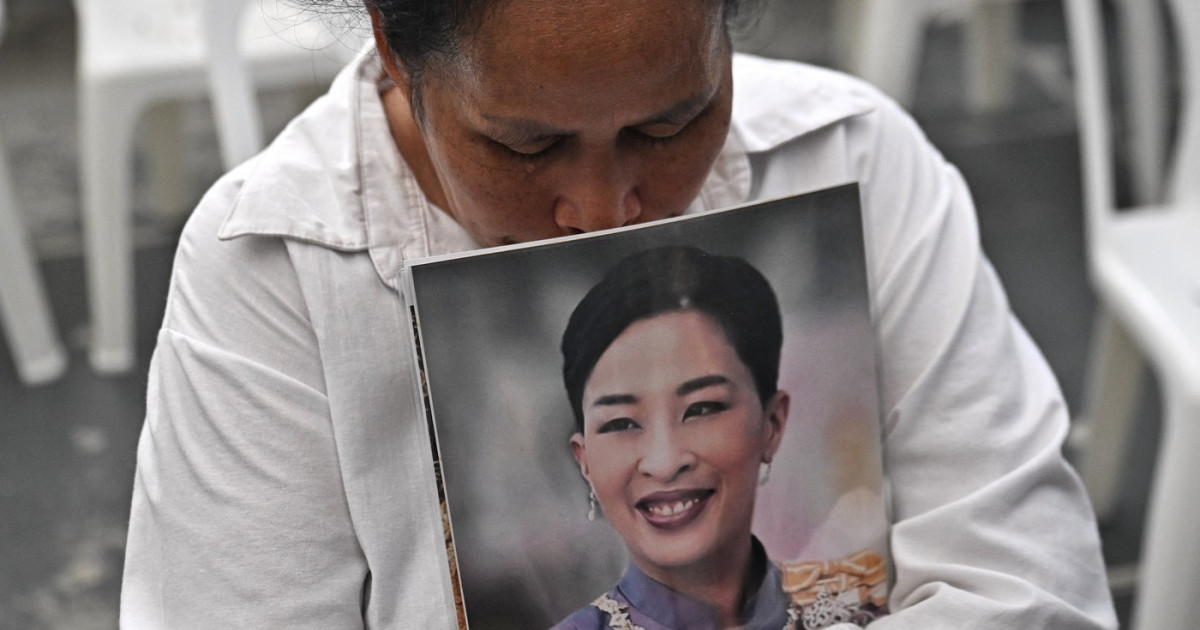
Prințesa thailandeză Bajrakitiyabha a decedat la vârsta de 47 de ani, după mai bine de trei ani petrecuți în comă din cauza unei aritmii cardiace severe, lăsând neclară succesiunea în monarchia thailandeză. #thailanda #monarhie #bajrakitiyabha

www.digi24.ro
Prințesa thailandeză Bajrakitiyabha a decedat după mai bine de trei ani petrecuți în comă
9589