
Art and culture can play a crucial role in preventing illness by promoting mental health and social interaction. (translated)
www.tv2ostjylland.dk
Kunst og kultur skal forebygge sygdom
Plastic found at a pig farmer can have serious consequences for both the animals' health and the agricultural business's reputation. (translated)
Coop is recalling two bagel products, Bagel Sesame and Bagel Chili Cheddar, due to the risk of mycotoxins from contaminated grain from Danish Agro. #tilbagekaldelse #sundhed #Coop (translated)
Coop recalls two bagel products, Bagel Sesame and Bagel Chili Cheddar, due to the risk of mycotoxins from contaminated grain. #tilbagekaldelse #mykotoksiner #sundhedsrisko (translated)

Food sold at Rema 1000 and on Nemlig.com has been recalled due to potential health risks. (translated)
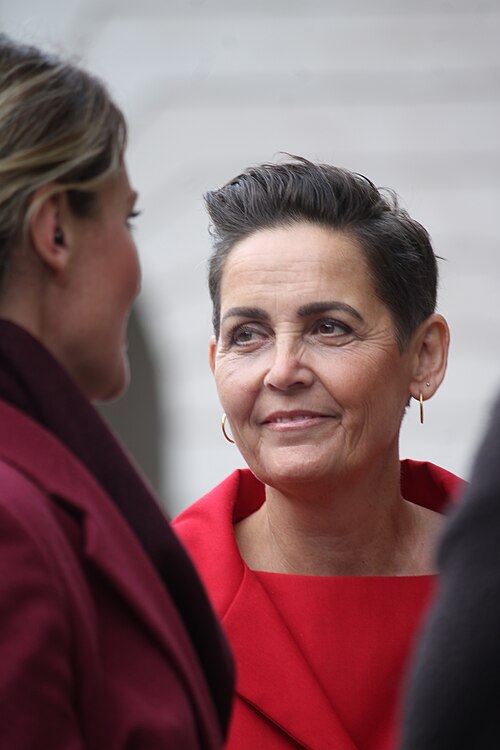
- We must ensure good health services for all Danes, regardless of where in the country they live. Therefore, we also need to distribute the money better so that it aligns with the needs of the citizens, says Minister of Finance and Interior Pia Olsen Dyhr (SF) in a press release. #Sundhedsaftale #RegionMidtjylland #Sundhedsreform (translated)
The number of young people being tested for chlamydia has decreased significantly according to the latest health reports. (translated)
A new study from the Elderly Association shows that inadequate public transport prevents thousands of elderly people from participating in activities and accessing health services. #Ældretransport #OffentligTransport #Sundhedspolitik (translated)
Over 200 kindergartens and nurseries have been criticized by the inspection for failing to meet health and quality standards. (translated)
The Danish Food Agency has recalled wheat flour from Valsemøllen sold in several stores due to potential presence of mycotoxins, but no health risks are expected from the products. #tilbagekaldelse #mykotoksiner #fødevaresikkerhed (translated)
Valsemøllen is recalling wheat flour sold in several stores due to the risk of mycotoxins, but the Food Safety Authority evaluates that there is no health risk associated with the products. #tilbagekaldelse #fødevarer #mykotoksiner (translated)

Consumers are warned about the risk of discolored drinking water, which can affect water quality and health. (translated)
Energy drink with aspartame has been recalled due to health concerns. (translated)

Martin Ågerup wrote that his post about beef in Copenhagen nursing homes had led to media attention, and that Prime Minister Mette Frederiksen had criticized that the elderly were denied the meat they wanted. According to him, Mayor Sisse Marie Welling (SF) and the Radical Left's Jakob Skyggebjerg believed that the municipality's food strategy had been misunderstood and that the kitchens decided for themselves. They explained that denied birthday wishes for beef were due to misunderstandings, he wrote. Ågerup referred to municipal documents which, according to him, showed that the kitchens were guided by the food strategy's guidelines. The elderly should have a maximum of 80 grams of beef, veal, and lamb per week, he wrote: in the warm meal, no more than once a week, averaging 75 grams, and as cold cuts, one slice every other week. He also wrote that the municipality had a consulting agreement worth 7.8 million kroner per year, among other things, to help the kitchens meet climate goals, and that a draft of the upcoming strategy suggested closer follow-up on the guidelines. According to Ågerup, it was not surprising that kitchen staff reported that residents' birthday wishes for beef were rejected in several places due to considerations for the CO₂ balance. He wrote that the examples were on page 34 of a report the municipality itself had commissioned, and criticized Skyggebjerg for demanding documentation from the Taxpayers. Ågerup believed it was shirking political responsibility to blame the staff. He wrote that Welling and Skyggebjerg assured that the elderly's nutrition and wishes weighed heavier than climate considerations. However, on August 20, according to him, SF, the Red-Green Alliance, and the Radicals voted against recommending that the elderly sector be exempted from the upcoming strategy. The proposal was put forward by the Conservatives, the Liberal Alliance, the Danish People's Party, and the Social Democrats. At the same meeting, the administration suggested, according to Ågerup, that the committee's consultation response should state that the elderly's nutritional needs, individual wishes, and freedom of choice always took precedence over climate, ecology, and food waste. He wrote that SF, the Red-Green Alliance, and the Radicals removed both the phrasing about individual wishes and freedom of choice and the text stating that the elderly's needs always took precedence over the strategy's other goals. Ågerup questioned why the guarantee had been removed if the elderly's wishes came first, and urged the red majority either to stand by the consequences of the strategy or exempt elderly care from it. He wrote that the Taxpayers recommended an exemption. The nursing home was the elderly's home, he emphasized, and the residents paid rent as well as 145 kroner a day for food, over 4,400 kroner a month. Therefore, he believed they should decide what was on their plate. #ældrepleje #madpolitik #oksekød (translated)
Pensioners have occupied the rehabilitation college in Risskov in protest against its closure at the end of 2026, but the municipality's councilor for Health and Care does not believe that their action will change the decision. #Pensionister #Protest #Risskov (translated)
Smoked fish is now being removed from store shelves due to health concerns. (translated)
955 consumers receive a cooking advisory due to potentially harmful products. (translated)
The Environmental Protection Agency has investigated squishy dumplings and concludes that there is no health risk associated with the use of the toy, despite the many inquiries about a gasoline-like smell. #legetøj #sundhed #miljø (translated)
Martin Ågerup wrote that an analysis commissioned by the City of Copenhagen described how kitchen staff at several nursing homes rejected residents' requests for beef on their birthdays due to the municipality's CO₂ accounts. He used the story of the 95-year-old Niels as an example but emphasized that the person was fictional. According to Ågerup, the municipality's guidelines allowed for a maximum of 80 grams of beef, veal, and lamb per week, including deli meats for lunch. He quoted a resident's statement about a significant longing for decent meat. In April, the Conservative Party, Liberal Alliance, Social Democrats, Venstre, and Danish People’s Party proposed exempting nursing homes from the municipality's food strategy. The Socialist Folk Party, Red–Green Alliance, and the Radical Left rejected the proposal in the Health and Care Committee on August 20, Ågerup wrote. He expected the five parties to be in the minority when the new strategy would be adopted in the City Council at the beginning of 2027. Ågerup argued that politicians should not decide how much meat the elderly should eat, and wrote that nursing home residents should be able to choose their birthday food. He highlighted that, according to him, residents had paid taxes for most of their lives, paid rent for their care homes, and 4,414 kroner per month for food. He concluded with a call for less paternalism and more hamburgers, as well as an invitation to join the Taxpayers Association. https://t.co/5SLqHWljnU #plejehjem #fødselsdag #madpolitik (translated)

The number of disability pensioners under 40 has decreased, which indicates positive trends in the labor market and health conditions for young people. (translated)





