BETA nonprofit public democratic european moderated

Search

#Wealth

An AI sovereign wealth fund isn’t progressive — it’s techno-imperialism https://t.co/nIAdcgiINC via @financialtimes " But the AI machines still stand somewhere, on someone’s land, guzzling someone’s water, straining someone’s grid. Income at home from land and power abroad has an #AI #TechnoImperialism #SovereignWealthFund #Nospecificcountrycodescanbeidentifiedinthegiventweet.


An AI sovereign wealth fund isn’t progressive — it’s techno-imperialism https://t.co/xJkbD76Rff via @ft Critics from Sanders to Steve Bannon are right about the disease: AI breeds oligarchy. But a dividend funded by flexing American muscle while underdeveloping the rest of the #AI #TechEthics #Oligarchy #US

Kurier 2d

Laut dem Allianz Global Wealth Report wächst das Geldvermögen der Österreicher seit 2019 inflation bereinigt um 1,4 Prozent, während die globale Steigerung bei 23 Prozent liegt, und die Abhängigkeit von KI-getriebenen Märkten macht Haushaltsvermögen anfälliger für wirtschaftliche Korrekturen. #Vermögensreport #Inflation #Österreich

Österreicher werden immer reicher, aber Inflation frisst viel Ertrag

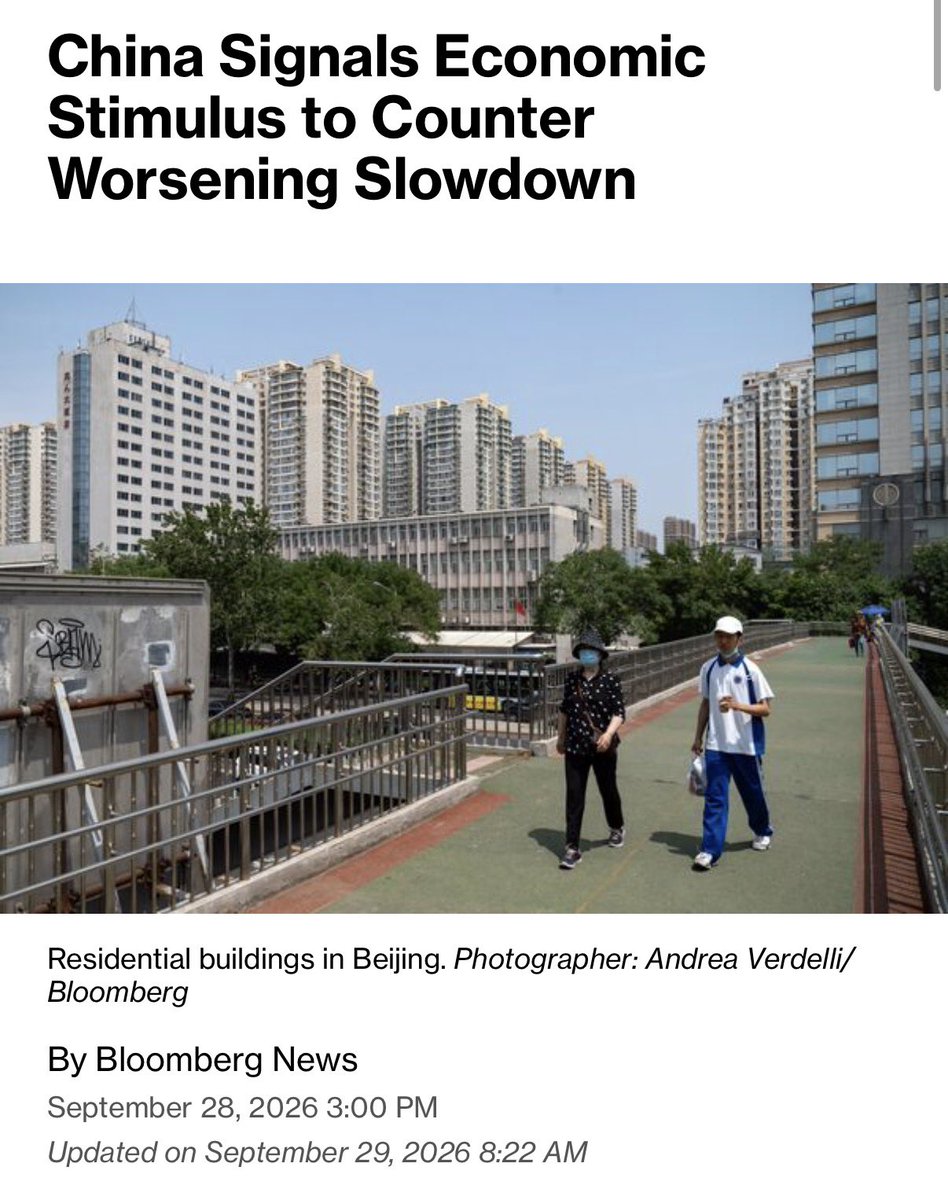
China is seeing the looming crisis first. As USD starts to break, the RMB rises and puts pressure on exports - the Chinese need to stimulate to transition to a wealthy, consumption-led economy. It’s much harder to adjust an economy upwards than downwards - as we will soon learn. https://t.co/5dNXx2zaZA #ChinaEconomy #RMB #USD #CN

"Nivelleren is een feest." Hans Spekman, PvdA-voorzitter, 2012. Tegenwoordig voorzitter van de FNV. Goed nieuws, Hans. Het feest is gelukt. Alleen niet helemaal zoals bedoeld. Het mediane vermogen van de Nederlandse volwassene daalde tussen 2020 en 2025 met 26,2%, na inflatie. Van €147.000 naar €108.000. Bijna €40.000 kwijt per persoon, in vijf jaar. Het VK stond wekenlang in het nieuws als grote verliezer van de rijke wereld. Brexit zou de reden zijn. En Nederland? Wij deden het slechter. Van de 30 landen met het hoogste mediane vermogen scoorde alleen Oostenrijk lager. En nu komt het. Het gemiddelde vermogen daalde 14,4%. De mediaan 26,2%. De middengroep leverde bijna twee keer zo hard in als het gemiddelde. Nivelleren, maar dan naar beneden. Wie er niet op achteruitging? Den Haag. De Rijksoverheid groeide van ruim 125.000 naar 160.000 fte. Elk kabinet belooft te snijden, elk jaar komen er meer bij. De bank. De hypotheekschuld ging van €765 miljard naar €936 miljard. Een gewoon huis kost een half miljoen. Wie na 2020 begon, leent zich scheel of huurt en bouwt helemaal niets op. De nieuwe gastarieven zijn inmiddels 1,8€ per kuub, per januari 2027 komen daar ETS-2 EU taxen bovenop. En je spaargeld? Uitgehold door inflatie. Over wat overblijft betaal je box 3. Een overheid die blijft groeien. Een woningmarkt die is dichtgeregeld. Een middenklasse die steeds harder moet lenen om bij te blijven. Het feest is voorbij, Hans. De middenklasse mag de rekening betalen. Bron: UBS Global Wealth Report 2026 https://t.co/xltt9AHzqp Rijksoverheid, CBS #Nivelleren #Middenklasse #Economie

This is at the same time as they sell out an ever-increasing amount of our electricity, water, and people's data to data centres and AI. Climate action should mean holding the biggest polluters / wealthiest responsible, not squeezing working people. #ClimateAction #DataPrivacy #CorporateResponsibility #Therearenospecificcountrycodespresentinthetweet.

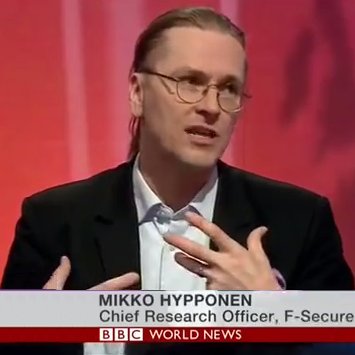
@mikko 1w

While the agent apparently failed to make money, the attempt in itself is worrying. If a rogue AI agent is scary, a wealthy rogue AI agent is much scarier. #RogueAI #ArtificialIntelligence #TechEthics #Therearenospecificcountrymentionsinthetweetprovided.

A typical oped these days: “America is expropriating the wealth of Venezuela, bombing schoolchildren in Iran, helping destroy Palestinian life, threatening Denmark. Do you miss the American order already?” #America #ForeignPolicy #Venezuela #US #VE #IR #PS #DK

H

Socialisternes notoriske løgne har igen båret frugt: “Who Invented Slavery? A Skeptic Research Center survey of more than 3,000 American adults asked respondents whether the statement “White people invented slavery” was true or false. The results were striking: 59% of Hispanic, 69% of Black, and 55% of Asian women answered “true.” Among men, the figures were 49%, 53%, and 41%, respectively. Among white respondents, 39% of women and 25% of men answered “true.” 55% of liberal Millennials also agreed, as did 31% of Americans with graduate degrees. Skeptic Research Center The survey also found other misconceptions among highly educated Americans: about 3 in 4 believed white Americans were the wealthiest racial group, while more than half were unaware that qualified Asian applicants are regularly rejected by U.S. universities. Around 1 in 3 also held a pessimistic view of the prospects for racial minorities and women to achieve success. But the historical record is clear: slavery was not invented by white people. Various forms of slavery existed in many societies long before the transatlantic slave trade—including in the ancient Middle East, Greece and Rome, as well as in Africa and the Americas. This does not diminish Europe’s central role in the transatlantic slave trade, in which millions of Africans were transported to the Americas and enslaved. But “Europeans played a central role in the transatlantic slave trade” and “white people invented slavery” are two entirely different historical claims. The United States abolished slavery through the 13th Amendment in 1865. Slavery is therefore a global institution with thousands of years of history. The transatlantic slave trade was a particularly large and brutal chapter of that history—but it was not its beginning” - ChatGPT

+ Household wealth increases are down to AI/Mag7 boom & are predominantly captured by the top 1% wealthiest households. Middle class combined share of total wealth in the US is now less than that of the 1% (since Trump 47 came to office). #WealthInequality #AIBoom #MiddleClassStruggles #US

If you hold wealth in Hungary get it out of there immediately. The government has turned communist and is going to demand a full “accounting” for where your assets came from. Inevitably this will descend into pay-to-play corruption as it always does. RUN. 🇭🇺 #Hungary #WealthProtection #Corruption #HU

We're discussing the scourge of data centres and their impact on the environment and energy costs for all of us, the urgent need for a multi-millionaire's wealth tax, as well as the scourge of gender based violence and the rise of misogyny. #DataCenters #WealthTax #GenderBasedViolence #Nospecificcountrycodescanbeidentifiedfromthetweet.

10 QUESTIONS FOR THE DODIK FAMILY — WHERE DID THE MONEY COME FROM? Milorad Dodik, Gorica Dodik, Igor Dodik: the citizens of Republika Srpska, Bosnia and Herzegovina and Europe deserve answers. 1️⃣ How did the Dodik family’s wealth grow so quickly, and what is the source of every https://t.co/aDclrg87DE #DodikFamily #RepublikaSrpska #Transparency #BA

The Psychologist – The British Psychological Society – When Walls Become Wellness SOURCE: https://www.linkedin.com/pulse/psychologist-british-psychological-society-when-walls-sardella-ph-d--pu8sf/ Dr Luciano Magaldi Sardella and Professor Matteo Mantuano on how ‘Stramurales Participatory Street Art’ transforms urban mental health. Link: https://www.bps.org.uk/psychologist/when-walls-become-wellness The Psychologist, The British Psychological Society by esteemed Dr. Joe Sutton, Head of Science Communication at BPS Contenuto dell’articolo On a sweltering afternoon in June 2018, we stood in the central square of Stornara, a small agricultural town in Puglia, Southern Italy, watching something extraordinary unfold. Local artist Lino Lombardi was facilitating a heated discussion among residents about which mural designs should adorn their town's crumbling walls. What struck us wasn't the art itself, but the transformation we witnessed in the eyes of people who, just months before, had described their hometown as a place to escape. These were individuals reclaiming their narrative, voting on their future, literally painting over decades of decline. We are environmental and community psychologists who have spent over a decade studying how built environments shape mental health outcomes. Dr Luciano Magaldi Sardella's research focuses on participatory arts interventions in declining rural communities, while Professor Matteo Mantuano specialises in the psychological mechanisms of community empowerment and collective agency. When we first learned about the Stramurales festival in early 2018, we recognised it as a rare opportunity to observe participatory urban art as a potential tool for addressing the mental health crisis plaguing Southern Italy's depopulating towns. Over the past seven years, we have conducted extensive fieldwork in Stornara – interviewing residents, documenting the festival's evolution, and analysing its psychological and social impacts. What we found in Stornara was something far more significant than an innovative community-led arts initiative. It was environmental psychology in action – reshaping how we understand the relationship between built environments, participatory arts, and mental health. The Crisis Hiding in Plain Sight Recent research reveals an alarming convergence of environmental and mental health crises that remains curiously underexamined in psychological discourse. Mental health research receives a mere 2.3 per cent of overall National Institute of Health funding. We cannot know how much of that concerns our environments – both natural and built – which fundamentally shape our psychological wellbeing. The newly proposed field of 'EnvironMental Health' emphasises that deteriorating built environments correlate significantly with elevated stress, social isolation, and worsening mental health outcomes. Southern Italy's rural communities embody this crisis. Between 2002 and 2017, South Italy region lost approximately two million residents to migration, predominantly young adults aged 15-34. This exodus created what Johan Galtung described as 'structural violence' – systematic arrangements preventing communities from realising their potential. The mental health toll manifests not just in individual diagnoses, but in collective despair, eroded social capital, and communities watching their futures literally emigrate. Stornara exemplified this trajectory. By 2017, this municipality of 6,000 residents faced the familiar spiral: economic contraction precipitating youth emigration, accelerating infrastructure deterioration, driving further decline. Walls crumbled. Businesses shuttered. Hope evaporated. Then something changed. The Stramurales Revolution: Democracy through Design What emerged in Stornara transcends conventional cultural tourism. The Stramurales International Street Art Festivalworks through three foundational democratic mechanisms that distinguish it from superficial beautification projects. Organised through Stornara Life APS – an open-membership association founded by Maestro Lino Lombardi – the festival prevents elite capture through voluntary property owner participation ensuring no coercion; democratic content selection through annual community voting on festival themes and mural proposals; and transparent, inclusive governance that gives all residents a voice in the festival's direction. This participatory architecture facilitates what the World Health Organization describes as 'community empowerment' – processes enabling communities to increase control over determinants affecting their health. Recent field studies in Vienna demonstrate that urban art interventions reduce stress and anxiety while improving mood states, but Stramuralesgoes further by embedding art creation within democratic decision-making structures. When residents voluntarily offer walls and vote on content, they perform acts of material and psychological investment. This restoration of collective agency – the belief that residents can shape their hometown's future rather than merely witnessing decline – directly addresses the structural violence that erodes mental health. Between 2020 and 2025, Stornara experienced a huge increase in tourism revenue despite pandemic disruption. New businesses opened. A Stornara-born emigrant who returned reluctantly in 2017 to provide parental care, now works as a tour guide and describes Stornara as 'the coolest town in Italy'. These aren't just economic indicators. They're mental health outcomes. The Science behind the Transformation Contemporary research across multiple disciplines validates what Stornara residents experience viscerally. A 2024 systematic review examining 79 peer-reviewed articles identified how arts places – from permanent museums to temporary public installations – stimulate community engagement, enhance cultural identity, and foster social cohesion. Community-driven mural projects specifically strengthen local identity and pride, creating new routines for individuals to interact and build relationships. Recent experimental research in Berlin found that sidewalk-level art exhibitions significantly altered visitors' connection to and satisfaction with their neighbourhoods, improving overall wellbeing. This aligns with emerging theories on art viewing's impact on mental health, which identifies five key mechanisms: affective processes regulating emotions and stress; cognitive processes providing sensory stimulation and learning; social processes creating shared experiences; self-transformation through reflection; and resilience building for coping with challenges. Environmental psychology research demonstrates that built environments operate as therapeutic interventions. Studies on mental health inpatient facilities reveal that design elements affecting privacy, control, daylight access, and particularly the inclusion of artwork significantly impact patient outcomes. If hospital walls matter therapeutically, how much more do the walls we encounter daily in our communities? The Stramurales model harnesses these mechanisms through the recent concept of 'visual health activism'. Several murals explicitly engage health and human rights themes: Alaniz Niz's 'Refuge for All Migrants' represents exploited African agricultural workers; Sabotaje al Montaje's 'Turning Our Backs on Migration' challenges exclusionary policies; Devil Art Design's 'African Child at Sunset' portrays migrant youth seeking dignified futures. These works address social determinants of health through human rights advocacy. Migration policies denying basic rights create health vulnerabilities – including restricted healthcare access, hazardous working conditions, and psychological trauma from discrimination. The murals perform dual public health functions, in addressing residents' mental health while advocating for populations whose health rights face systematic violation. Place Attachment and Community Resilience The relationship between environmental perception, cultural identity, and community resilience has received substantial scholarly attention in 2024-2025. Research in rural China demonstrates that environmental perception of public spaces influences community resilience through chain mediating effects of cultural identity and place attachment. When communities transform their physical environments through participatory processes, they simultaneously strengthen the psychological bonds that underpin resilience. This explains why Stramurales succeeds where traditional economic development approaches falter. The festival doesn't just create economic value – though over 150 murals by international artists now attract thousands of visitors annually. It fundamentally reshapes residents' relationship with their environment, transforming narratives of decline into evidence of vitality. Each democratically selected mural becomes what resilience researchers call an 'anchor of hope' – tangible proof contradicting despair. Contemporary resilience theory emphasises that strength resides not merely in physical infrastructure but in social cohesion. A recent analysis of resilient urban design in marginalised American neighbourhoods found that residents' message – 'We like our neighbours, we like the character of where we live' – revealed that resilience is fundamentally about people and community. Design interventions succeed when they preserve and strengthen these social bonds, rather than imposing external visions. Stramurales embodies this principle. The democratic voting mechanisms ensure art reflects genuine community values rather than artist or curator preferences. This prevents the cultural displacement often accompanying urban regeneration, where improvements benefit newcomers while alienating existing residents. By centering resident agency, Stramuralesbuilds what researchers describe as 'critical resilience' – capacity addressing underlying inequalities rather than merely adapting to them. The Participation Gap and Universal Access These findings resonate profoundly with longstanding concerns about arts accessibility. The 2015 Warwick Commission documented that the wealthiest, most educated 8 per cent of the UK population accounted for 44 per cent of live music attendance and 28 per cent of visual art visits. This participation gap particularly affects communities that would benefit most from arts engagement for health and wellbeing. But Stramurales challenges this narrative. Street art as public health infrastructure requires no admission fees, no advance booking, no cultural capital to appreciate. It exists where people live, transforming daily commutes into encounters with beauty and meaning. The democratic selection process ensures accessibility extends beyond consumption to co-creation – residents don't just view art, they determine what appears on their walls. Recent research on participatory arts and social cohesion emphasises that successful interventions share common features: delivery in local communities, non-stigmatising approaches, flexibility, promoting social engagement, involvement of exhibitions, and delivery within specific timeframes. Stramurales incorporates all these elements while adding genuine democratic governance. This matters urgently. Mental health conditions among young people globally are rising, and traditional mental health services remain chronically underfunded. If we cannot scale clinical interventions to meet demand, we must invest in preventive public health approaches targeting social determinants. From Stornara to the World: Implications for Practice The Stramurales model offers a replicable template requiring modest financial investment but substantial community participation. Essential elements include voluntary engagement, democratic decision-making, strategic social media use for marketing, and integration of local narratives with global artistic practices. Several cities have implemented variations with promising results. Research on artistic interventions in urban spaces across Europe and Asia demonstrates that participatory art projects can serve as 'social prescribing', improving psychological resilience and enhancing public engagement. Tactical urbanism approaches – small-scale, low-cost interventions improving public spaces – increasingly incorporate art as core rather than supplementary elements. The implications extend beyond individual communities. International frameworks including the International Covenant on Economic, Social and Cultural Rights enshrine rights to health and cultural participation. State obligations to conserve, develop and diffuse culture should support community-driven cultural initiatives demonstrably impacting health outcomes. As pandemic governance analyses emphasise, future health policy reforms must address not only biomedical preparedness but underlying vulnerabilities in community resilience and social cohesion. Street art operating through participatory structures directly strengthens these dimensions. What Psychologists Can Do We have roles to play at multiple levels. First, we must conduct research documenting the mental health impacts of participatory arts interventions. While promising evidence exists, methodologically rigorous studies with adequate sample sizes and long-term follow-up remain scarce. We need experimental designs, not just observational studies, examining mechanisms through which environmental transformations affect psychological outcomes. Second, we should advocate for policy recognising arts engagement as health intervention. This means supporting public health funding for community arts initiatives, particularly in economically deprived areas where traditional development approaches have failed. We should work with urban planners, architects, and artists to integrate participatory arts into neighbourhood regeneration from inception, not as afterthoughts. Third, we must ensure interventions embody genuine participation rather than tokenistic consultation. The Stramuralesmodel succeeds because residents hold real power. Without this, arts interventions risk replicating existing power structures and potentially accelerating gentrification that displaces the communities they ostensibly serve. Fourth, we should employ arts-based research methods that centre community voices. Collaborative approaches like participatory theatre, photovoice, and collaborative poetics enable communities to articulate their experiences and aspirations in ways traditional psychological assessments cannot capture. These methods acknowledge that communities possess expertise about their own needs and potential solutions. Finally, we must situate arts interventions within broader frameworks addressing social justice. Art should not function as a 'sticking plaster' masking underlying inequalities. Instead, we should harness arts' disruptive potential to promote what researchers term 'critical resilience' – capacity challenging systemic injustices rather than merely helping people adapt to them. This means addressing not just symptoms (mental distress) but causes (structural violence, economic abandonment, policy failures). Reimagining Health Infrastructure The Stramurales case compels fundamental reconsideration of what constitutes health infrastructure. We typically envision clinics, hospitals, pharmacies – biomedical institutions delivering treatments for diagnosed conditions. But what if the most effective mental health intervention for a declining community isn't a new psychiatric facility, but democratic processes enabling residents to transform their visual environment? Walls covered with democratically selected art, created through genuine community participation, demonstrably improve community mental health while operationalising cultural rights described in international law. The modest financial investment required pales beside costs of clinical services treating preventable distress. For communities experiencing decline where traditional economic development has failed, participatory street art may offer the most cost-effective, accessible, and sustainable mental health intervention available. This isn't about romanticising art or dismissing serious mental illness requiring clinical care. It's about acknowledging that population mental health requires addressing social determinants – and that participatory arts targeting built environments, social capital, and collective agency directly address these determinants. The question facing psychology isn't whether art can function as health intervention – Stramurales and growing evidence demonstrate it can. Rather, the question is whether we possess imagination to rethink health infrastructure, recognising that effective mental health promotion may require democratic decision-making and community participation as much as clinical expertise. As we watched Stornara residents voting on murals that June afternoon, we witnessed people exercising a fundamental human capacity too often denied in our field: the power to shape their own environments and, through that shaping, to heal. Perhaps that's the most vital lesson Stramurales offers psychology – that sometimes the most therapeutic intervention isn't administered by professionals, but created by communities reclaiming their agency… one democratically selected wall at a time. Dr Luciano Magaldi Sardella holds a PhD in Cognitive Leadership at Aspire Institute, Harvard Business School. Professor Matteo Mantuano is Professor of Social Sciences and Psychoeducational Health, Unitré University of Milan, Italy. Photo: 'Kid trapped in a box' mural by Leticia Mandragora References: All-Party Parliamentary Group on Arts, Health and Wellbeing (2017). Creative Health: The Arts for Health and Wellbeing (2nd ed.). Belfiore, E. & Bennett, O. (2024). The social impact of the arts: An intellectual history. London: Palgrave Macmillan. Bone, J.K., Bu, F., Fluharty, M.E., Paul, E., Sonke, J.K. & Fancourt, D. (2024). Who engages in the arts in the United States? A comparison of several types of engagement using data from The General Social Survey. PLOS ONE, 19(1), e0296743. doi:10.1371/journal.pone.0296743 Chatterjee, H.J. & Noble, G. (2024). Museums, health and well-being: A preliminary report for Phase I. UCL Museums & Public Health Research Group. Cohen, G.D., Perlstein, S., Chapline, J., Kelly, J., Firth, K.M. & Simmens, S. (2006). The impact of professionally conducted cultural programs on the physical health, mental health, and social functioning of older adults. The Gerontologist, 46(6), 726–734. Daykin, N., Mansfield, L., Meads, C., Julier, G., Tomlinson, A., Payne, A., Grigsby Duffy, L., Lane, J., D'Innocenzo, G., Burnett, A., Kay, T., Dolan, P., Testoni, S. & Victor, C. (2024). What works for wellbeing? A systematic review of wellbeing outcomes for music and singing in adults. Perspectives in Public Health, 138(1), 39–46. doi:10.1177/1757913917740391 Fancourt, D. & Finn, S. (2019). What is the evidence on the role of the arts in improving health and well-being? A scoping review. World Health Organization, Health Evidence Network Synthesis Report 67. Flores González, L.M. & Rodríguez Sánchez, I. (2024). The transformative power of art in marginalized communities: Case studies from Latin America. International Journal of Community Well-Being, 7(2), 145–167. Galtung, J. (1969). Violence, peace, and peace research. Journal of Peace Research, 6(3), 167–191. Hart, A., Gagnon, E., Eryigit-Madzwamuse, S., Cameron, J., Aranda, K., Rathbone, A. & Heaver, B. (2016). Uniting resilience research and practice with an inequalities approach. Sage Open, 6(4), 1–13. Johnson, H., Carson-Apstein, E., Banderob, S. & Macualay-Rettino, X. (2017). 'You kind of have to listen to me': Researching discrimination through poetry. Forum Qualitative Sozialforschung/Forum Qualitative Social Research, 18(2). doi:10.17169/fqs-18.3.2864 Kaplan, S. (1995). The restorative benefits of nature: Toward an integrative framework. Journal of Environmental Psychology, 15(3), 169–182. Kim, J. (2017). Effects of community-based group music therapy for children exposed to ongoing child maltreatment and poverty in South Korea: A block randomized controlled trial. Arts Psychotherapy, 54, 69–77. doi:10.1016/j.aip.2017.01.001 Li, Y., Zhang, H. & Chen, T. (2024). Environmental perception, cultural identity and community resilience: Chain mediating effects of place attachment in rural China. Journal of Rural Studies, 98, 103– 115. Marmot, M., Atkinson, T., Bell, J., Black, C., Broadfoot, P., Cumberlege, J., Diamond, I., Gilmore, I., Ham, C., Meacher, M. & Mulgan, G. (2010). Fair society, healthy lives: The Marmot Review. Strategic Review of Health Inequalities in England Post-2010. Mulligan, M., Scanlon, C. & Welch, N. (2008). Renegotiating community life: Arts, agency, inclusion and wellbeing. Gateways: International Journal of Community Research and Engagement, 1, 99–115. doi:10.5130/ijcre.v1i0.591 Neelands, J., Belfiore, E., Firth, C., Hart, N., Perrin, L., Brock, S., Holdaway, D. & Woddis, J. (2015). Enriching Britain: Culture, creativity and growth. The 2015 Report by the Warwick Commission for the Future of Cultural Value. Packer, J. & Ballantyne, R. (2024). The role of museums and art galleries in promoting wellbeing: Insights from the United Kingdom and Australia. International Journal of Heritage Studies, 30(3), 234–251. Papies, E.K., Best, M., Gelibter, E. & Stroebe, W. (2024). The role of mental simulation in desire and motivation: A systematic review. Motivation Science, 10(1), 1–18. Pykett, A.A., Osborne, T., Resch, B., Nielek, R., Krukar, J. & Malleson, N. (2024). From smart to sustainable cities: The role of environmental psychology in urban transformation. Cities, 144, 104644. Roe, J. & Aspinall, P. (2024). The restorative benefits of walking in urban and rural settings in adults with good and poor mental health. Health & Place, 71, 102654. Stuckey, H.L. & Nobel, J. (2010). The connection between art, healing, and public health: A review of current literature. American Journal of Public Health, 100(2), 254–263. Theorell, T. (2024). Psychological health effects of musical experiences: Theories, studies and reflections in music health science. Stockholm: Springer Nature. Ulrich, R.S., Simons, R.F., Losito, B.D., Fiorito, E., Miles, M.A. & Zelson, M. (1991). Stress recovery during exposure to natural and urban environments. Journal of Environmental Psychology, 11(3), 201–230. Van den Berg, A.E., Wesselius, J.E., Maas, J. & Tanja-Dijkstra, K. (2024). Green space as a buffer between stressful life events and health: A longitudinal analysis. Social Science & Medicine, 310, 115270. WHO (2019). WHO housing and health guidelines. Geneva: World Health Organization. Zarobe, L. & Bungay, H. (2024). The role of arts activities in developing resilience and mental wellbeing in children and young people: A rapid review of the literature. Perspectives in Public Health, 137(6), 337–347. doi:10.1177/1757913917712283.

The Psychologist – The British Psychological Society – When Walls Become Wellness

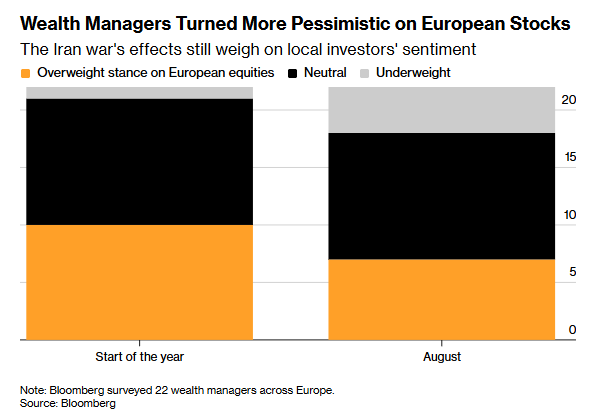
🇪🇺 Europe’s Wealth Managers Are Turning Their Backs on Stock Rally - Bloomberg https://t.co/IL2ryyt4xn https://t.co/mcINTuR2Q6 #WealthManagement #StockMarket #Europe #EU

⚠ Friday Brief ⚠ 🇺🇸 Focus on U.S. Employment Report; 🇳🇴🌎 Norway Wealth Fund Proposes Lower Bond Holdings 🇩🇪 German Factory Orders Beat Expectations 🇩🇪 Focus on German State Election ... https://t.co/NgQ4ogGMRp #USEmployment #NorwayWealthFund #GermanFactoryOrders #US #NO #DE

⚠ Friday Brief ⚠ Focus on U.S. Employment Report; Norway Wealth Fund Proposes Lower Bond Holdings German Factory Orders Beat Expectations Focus on German State Election ... https://t.co/NgQ4ogGMRp #USEmployment #NorwayWealthFund #GermanEconomy #US #NO #DE

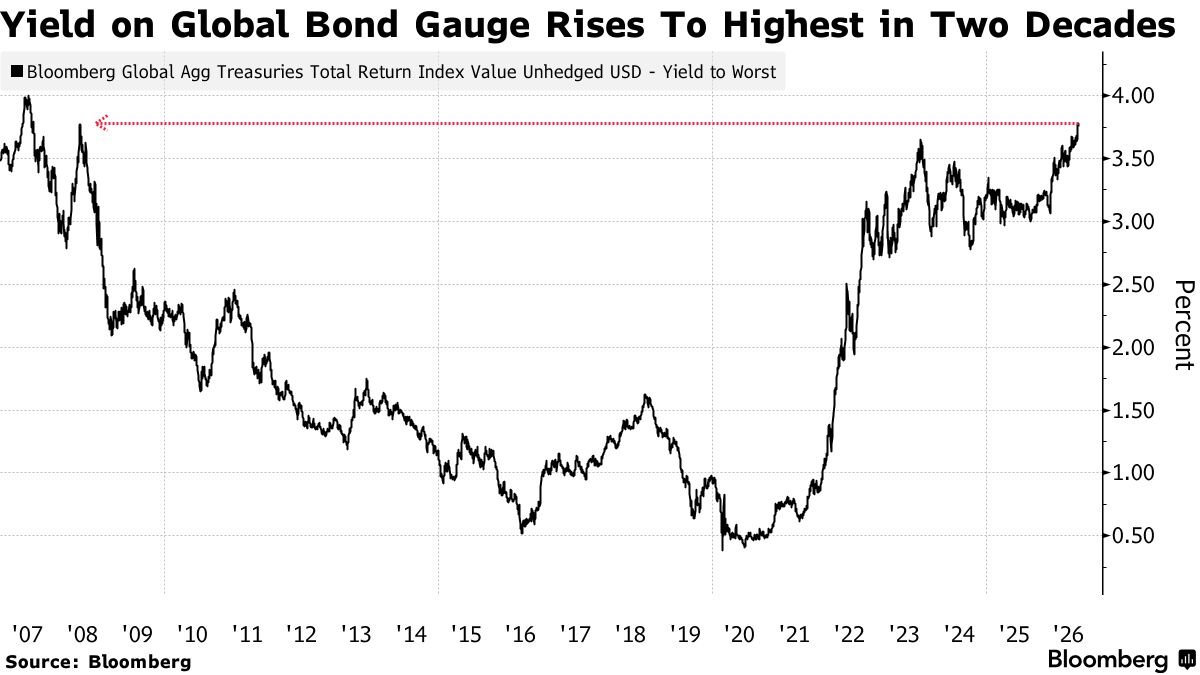
🇳🇴🌎 Norway Wealth Fund Proposes Cut to Government Bond Holdings - Bloomberg https://t.co/U7BWgyPYlr https://t.co/bNIPIYKWwE #Norway #WealthFund #GovernmentBonds #NO

They create a new super-authority that can investigate you without concrete suspicion, freeze and seize assets, take over companies, and ultimately confiscate property, even before any conviction. At the same time, they introduce new taxes on wealth that has already been taxed. #SurveillanceState #WealthTax #PropertyRights #Nospecificcountriesarementionedinthetweet.Thus #therearenocountrycodestoreturn.