WRLD

Search

#absente
BFMTV 2d

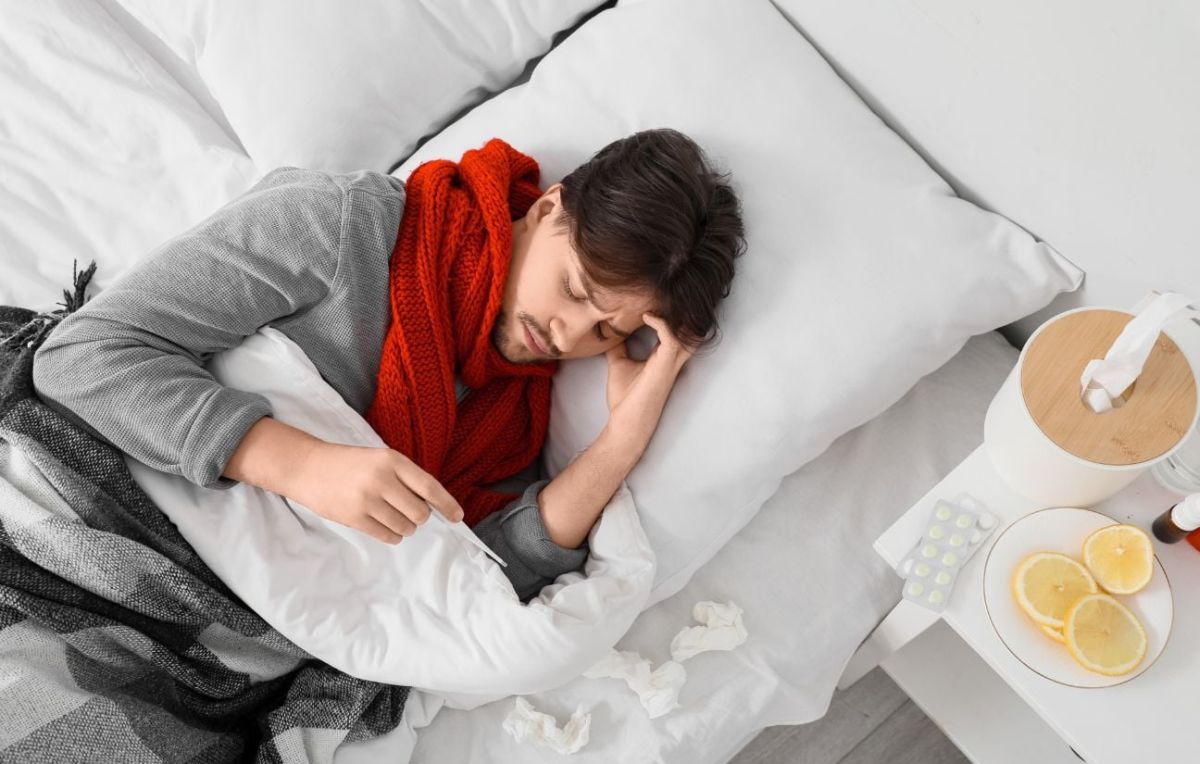
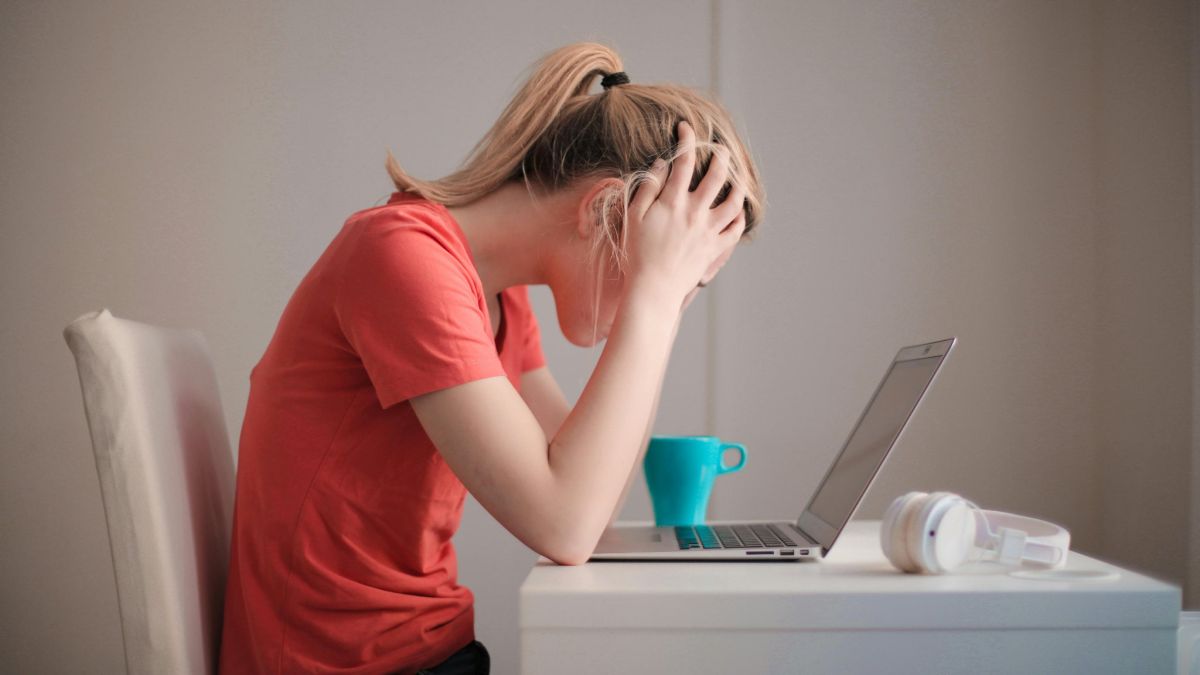
A new study reveals that workplace malaise and absenteeism are mainly caused by poor working conditions, such as a lack of recognition and support from management, rather than by the individual workload of employees. #MaletreAuTravail #Absentéisme #ConditionsDeTravail (translated)
www.bfmtv.com
Ce ne sont pas forcément les salariés qui croulent sous le travail qui vont le plus mal: cette nouvelle étude révèle les principaux facteurs du mal-être au travail et de l'absentéisme

2878
Digi24 1w

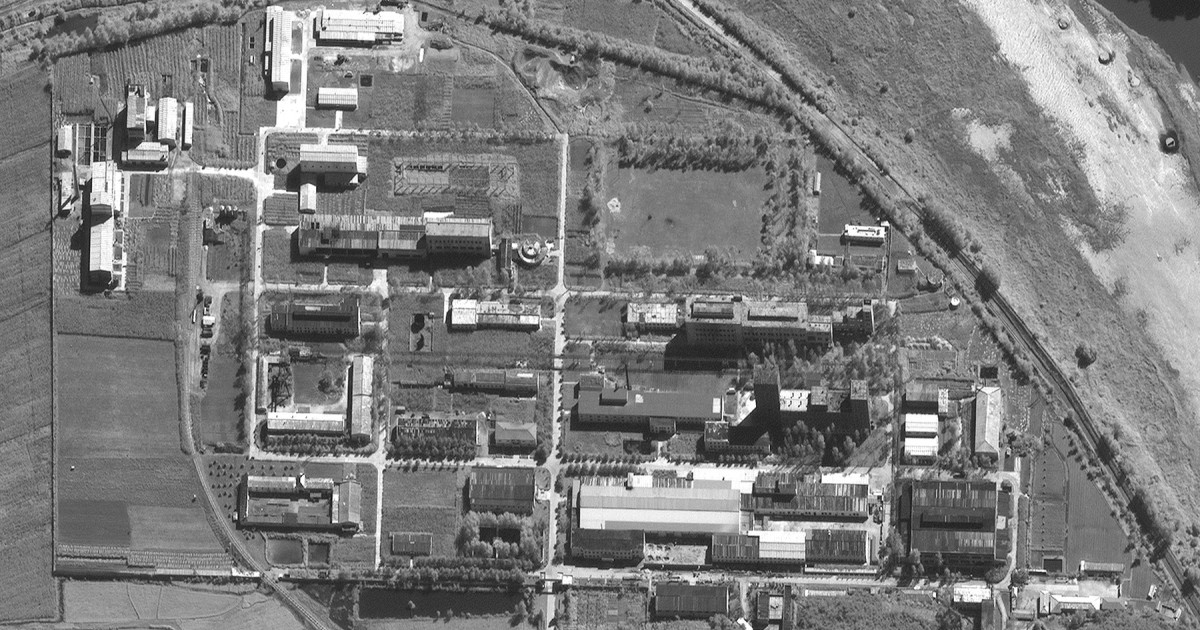
North Korea has completed the expansion of the uranium enrichment plant at Yongbyon, despite international sanctions and the absence of IAEA inspectors, raising serious concerns about the development of its nuclear program. #CoreeaDeNord #programNuclear #imaginiDinSatelit (translated)

www.digi24.ro
Coreea de Nord continuă extinderea instalațiilor nucleare, în ciuda sancțiunilor. Ce arată imaginile din satelit
2618
Jon Cooper 2w

Attorneys for Mary Peltola's campaign sued state elections officials, seeking a list of voters whose absentee ballots were rejected & the reasons for the rejections. Their intent was to ensure that all qualified voters have their ballots counted. But the state said the request is “not reasonable.”

www.pbs.org
Alaska judge rules a request by Peltola campaign for ballot data in Senate race is 'not reasonable'
2642
Marc Botenga MEP Wrld summary 2w
Belgian politician

The person who initiated the message wrote that the European Union was absent from discussions among Ukrainians, Russians, and the United States. They questioned why and believed that the peoples wanted peace, calling for a special representative to be appointed and for action to be taken. https://t.co/jb6L55BCFG #Ukraine #Paix #UnionEuropéenne #UA #RU #US #EU (translated)

3218
2
20minutes 2w

Jean-Luc Mélenchon proposes self-declaration of short-term sick leave in his program for the 2027 presidential election, inspired by practices already in place in several European countries, but raises debates about the potential impact on absenteeism and abuse. #ArrêtsMaladie #Mélenchon2027 #SystèmeSociopolitique (translated)

www.20minutes.fr
Mélenchon propose des arrêts maladie autodéclarés, comment ça se passe à l’étranger ? L’absentéisme a-t-il augmenté ?

2989
Valérie Glatigny 2w

Minister of Education Valérie Glatigny (MR) downplayed on Monday the statistics indicating a significant increase in school absenteeism in the Wallonia-Brussels Federation. #Kot #Loyer #Etudiants (translated)

2766
Valérie Glatigny 2w

The numbers are on the rise, but nearly half (of the students concerned) do not exceed twenty half-days of unjustified absence. In most cases, these are not situations that are worrying in terms of school dropout. #décrochagescolaire #enseignement #absentéisme (translated)

2882
L'Obs 2w

COP31, which takes place in Antalya, Turkey from November 9 to 20, 2026, opens in the context of a global energy crisis and American absenteeism, raising doubts about the effectiveness of these international conferences in combating climate change. #COP31 #climat #énergie (translated)

www.nouvelobs.com
La COP31 s’ouvre dans un contexte défavorable : comment retrouver des marges d’action climatique ?
3114
2
20minutes 3w

The France national rugby team makes its grand return to the Parc OL in Lyon-Décines to face Fiji on Saturday, November 7, 2026, with the half-back pairing of Antoine Dupont-Romain Ntamack, absent since March 2025, hoping to capitalize on its previous victories at the same stadium. #XVdeFrance #Rugby #FranceFidji (translated)

www.20minutes.fr
EN DIRECT XV de France - Fidji : Excitante rentrée pour les Bleus avec le retour de la charnière Dupont-Ntamack… Suivez le match avec nous dès 20h45…
2888
Stirile ProTV 3w

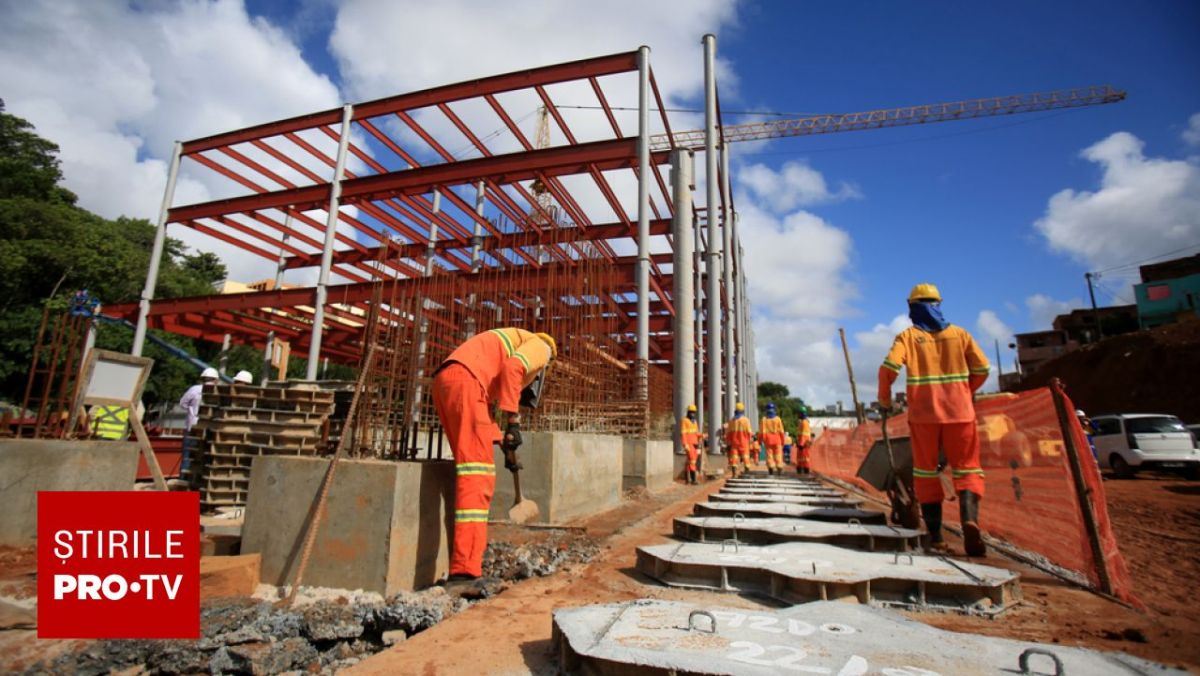
Cristian Erbașu, the general director of Construcții Erbașu, warned that tens of thousands of construction workers could lose their jobs and salaries could decrease due to debts of over one billion euros that the state owes to builders, in the context of the absence of financial predictability. #constructii #locuridemunca #salarii (translated)

stirileprotv.ro
Mare constructor român: Zeci de mii de muncitori și-ar putea pierde locurile de muncă, sunt posibile și scăderi de salarii
2544
Ambassador Ken Fairfax (ret) 3w

Charges of voter fraud are not entirely made up. Take, for example, Kelly Heather Richardson, a MAGA conservative who was just indicted for submitting 10 falsified absentee ballot applications. No ballots were mailed because the system worked. Richardson, however, is facing multiple felonies.

www.witf.org
Criminal charges filed after county catches falsified applications to vote by mail | WITF
2203
BFMTV 4w

Five months after his last hearing, Jacques Moretti, owner of the bar affected by a fire in Crans-Montana during New Year's Eve 2026, is once again heard by the prosecutors, while the burned victims and their families attend this sixth session, Moretti's wife being absent due to her fragile health condition. #CransMontana #incendie #justice (translated)

www.bfmtv.com
Crans-Montana: victimes brûlées et familles viennent assister à la 6ème audition de Jacques Moretti
2088
L
Le Soir 4w

School absenteeism has reached unprecedented levels, with nearly 21% of students in regular secondary education reported to be unjustly absent for at least nine half days in the year 2025-2026. #absentéismeScolaire #éducation #résultats2026 (translated)

www.lesoir.be
L’absentéisme scolaire atteint des niveaux inédits
2785
Edwy Plenel Wrld summary 4w
French journalist and writer

The author questioned the absence of reference to the memory of slavery along the Rum Route. He wrote that the race between Saint-Malo and Pointe-à-Pitre attracted crowds and mobilized sponsors, while the history of the transatlantic slave trade remained largely absent from the scene. https://t.co/iXi56r4897 #RouteDuRhum #MémoireDeLesclavage #Histoire #FR #GP (translated)

3019
Edwy Plenel Wrld summary 4w
French journalist and writer

The author questioned the silence of the Route du Rhum regarding the memory of slavery. He wrote that the race between Saint-Malo and Pointe-à-Pitre attracted crowds and mobilized sponsors, while the history of the transatlantic slave trade remained largely absent from the scene. https://t.co/iXi56r4897 #RouteDuRhum #Mémoire #Esclavage #FR #GP (translated)

2786
Digi24 4w

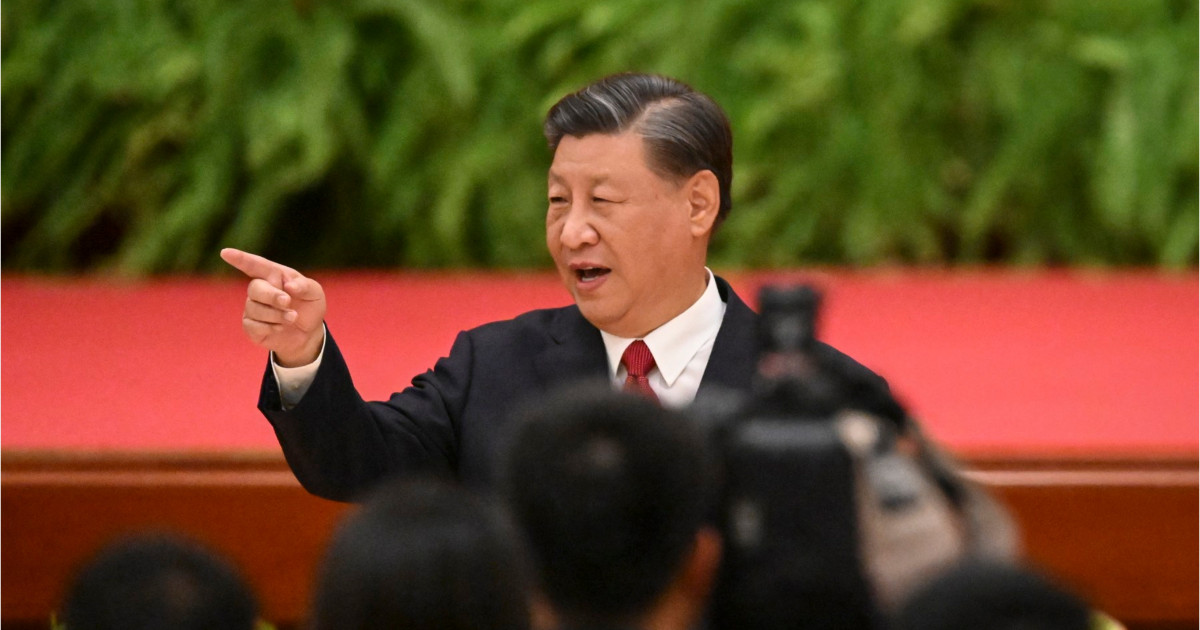
Xi Jinping continues to exclude high-ranking officials from the Chinese Communist Party, reaching a record number of absences at the most recent political meeting. #XiJinping #corupție #PartidulComunistrului (translated)

www.digi24.ro
Xi Jinping continuă epurările în rândul funcţionarilor de rang înalt. Ce îl înfurie pe președintele Chinei
2674
Jon De Lorraine Wrld summary 4w

Jon De Lorraine wrote that Flávio Bolsonaro would have left Brazil after his defeat against Lula and was on his way to the United States with his family, although his arrival there had not been officially confirmed. He mentioned that Reuters relied on two sources, one of which was within the U.S. government, while CNN Brasil quoted relatives claiming Flávio had left with his wife and their two daughters. According to his message, the Brazilian federal police had cancelled Flávio Bolsonaro's passports, including his diplomatic passport, after the expiration of the 24-hour deadline set by Judge Alexandre de Moraes. A police source reportedly stated that he had not left the country through any regular immigration control point. Reuters also reported that his daughters were absent from their schools in Brasília on Tuesday. De Lorraine added that Argentine authorities had no record of his entry into the country and had not found any flight plan mentioning the Bolsonaro family on the private plane reported in Puerto Iguazú. The spokesperson for Argentine President Javier Milei reportedly indicated that no asylum request had been filed in Argentina. De Lorraine also wrote that Flávio Bolsonaro would lose his parliamentary immunity on February 1, 2027, at the end of his senator term on January 31, and that he would not benefit from constitutional protections related to the presidency after his electoral defeat. However, according to the message, he could still be subject to the Brazilian Supreme Court in certain investigations after the end of his term. His brother Eduardo Bolsonaro had stated before the election that he favored his departure from the country in the event of a defeat, while Flávio still assured on Monday that he would remain in Brazil to organize the opposition to Lula. De Lorraine cited Reuters, CNN Brasil, Deutsche Welle, Folha de S.Paulo, and BBC Brasil. #FlávioBolsonaro #PolitiqueBrésilienne #ActualitéInternationale (translated)

3842
G
Gelu Oct 25

Don't change the time! Change the schedule, not the time! The biological rhythm is regulated by the Sun, not the clock. Time is not a work schedule that we can shift at will. Time is the measure by which we organize our lives, and nature has its own rhythm. The Earth does not change its rotation twice a year. The sun does not rise earlier because we decided to move the clock forward. Animals, birds, insects, and plants follow their biological rhythms related to light, darkness, and the natural succession of seasons. Humans are part of this nature. Our bodies have their own biological clock, fundamentally influenced by light. And when we officially move the clocks by one hour, we are not changing the course of nature, but rather asking humans to abruptly adapt to an administrative convention. Why do this every spring and reverse it every autumn? Is it natural to change the time or to adapt our schedules? Let's consider the majority of people: workers, farmers, students, teachers, parents, retirees, people who must adhere to a schedule set by others. They cannot always modify their schedules at will. They need to wake up at a certain hour, get to work, take a child to school, or comply with the public transport timetable. In contrast, there are people and organizations that have the opportunity to adapt their schedules based on the season, natural light, or the needs of their activities. If, for some people, changing their schedule is feasible, why impose the time change on everyone? Let's take a hypothetical example: if 10% of people have the freedom to adapt their schedule, is it fair to change the time for all those who do not have this freedom? Would it not be more logical to change the schedule where needed, rather than change the time by which the entire society organizes itself? Stores can modify their opening hours. Factories can adapt their shifts. Institutions can adjust their schedules, and schools and public transport can analyze timetables according to local conditions and people's needs. We do not all have to operate on the same schedule to live by the same time. Nature does not need our approval to follow its rhythm. In spring, the days lengthen. In autumn, the days shorten. This is the natural rhythm of the Earth, which we can observe without moving even a single clock hand. If we want to start activities earlier in summer, we can start sooner. If winter requires a different schedule, we can adapt it. But why change the official time, get used to a new convention, and then revert to the old one? Would it not be simpler to keep the same time all year round and organize our activities according to the season? I do not claim that all living beings measure time in hours and minutes. I assert something more important: their biological rhythms are linked to the natural cycle of light and darkness, not to the numbers we display on the clock. And humans should take this truth into account when organizing their lives. The economy must serve people, not people be permanently forced to adapt to the economy. One argument presented in favor of changing the time is the more efficient use of natural light or the reduction of energy consumption. But the actual effects depend on the country, season, population habits, and how energy is used. If we want to save energy, let's examine actual consumption. If we want more light during activities, let's adapt the schedules. If we want to improve work organization, let's change the timetables where possible. There is no need to change the time for the whole society to achieve flexibility in certain areas. The schedule is a tool we can adapt. The time should be a stable reference. We cannot stop the seasons. We cannot modify the Earth's rotation. We cannot ask nature to adapt to our clock. But we can organize our lives more wisely. Instead of moving the clock hands twice a year, we can learn to adapt our schedules to the reality around us. Instead of changing the time for everyone, we can allow each field to find the appropriate schedule, within the bounds of the law and with respect for people's rights. Let's keep the time stable and make the schedules flexible! Let's leave time in peace. Twice a year, millions of people are forced to change their clocks, schedules, and biological rhythms to adapt to an administrative decision. It is said that changing the time brings economic or energy benefits. However, in modern society, these advantages are increasingly contested, while the disadvantages are felt by nearly the entire population. People, animals, and plants do not live by the clock on the wall, but by the natural rhythms of the Earth. The human body is regulated by the alternation of light and darkness. When we artificially move the time forward or back, we disturb this balance. Many people sleep worse, feel more tired, and need days or weeks to readjust. Living beings do not change their schedules twice a year. Birds do not migrate by the clock, cows do not produce milk according to the official hour, and dogs do not understand why their owner takes them for a walk an hour earlier. Nature follows the sun, not administrative decisions. There is also a principle issue. For a relatively small percentage of people and activities that would benefit from more light in the evening, the schedule of the entire society is modified. About 90% of people are forced to adapt, even though they did not ask for this and do not gain direct advantages. It would be more logical for the sectors that need a different schedule to adapt it themselves. Stores can open earlier or later. Factories can modify their work shifts. Schools, institutions, and companies can adjust their schedules as needed. It is much easier for certain organizations to change the schedule in a targeted manner than to change the official time for the entire population. Moreover, modern technology has greatly diminished the argument for saving energy. Lighting now represents a smaller proportion of total consumption, while air conditioning, computers, and other equipment operate regardless of time changes. The time should serve people, not people be obliged to serve the time. A modern society can function efficiently without moving the clock hands twice a year. Stability, health, and respect for natural rhythms are stronger arguments than the tradition of a measure introduced in another era. Therefore, the most rational solution is to keep the same time throughout the year and adapt schedules where necessary, rather than changing the lifestyle rhythm of an entire population. Why should we keep the same time all year? Changing the time twice a year represents an artificial intervention in the natural rhythm of society. Although it was introduced with the intention of saving energy, numerous modern studies show that the benefits are minimal, while the social, medical, and economic costs are significant. 1. The biological rhythm is regulated by the Sun, not the clock. The human body operates according to an internal biological clock, synchronized with the natural alternation of day and night. Research in chronobiology shows that artificial changes in time disrupt sleep, concentration, and metabolism. In the days following the switch to summer time: - sleep disorders increase; - more traffic accidents occur; - productivity at work decreases; - there is an increase in the risk of heart attacks and other cardiovascular problems. In practice, millions of people are forced to suffer a slight "jet lag" without having traveled anywhere. 2. Nature does not change the time. Animals and plants regulate their activity according to light. Birds, insects, domesticated and wild animals do not change their schedules just because the government decides to move the clock forward by one hour. Farmers often observe that cows continue to adhere to their biological schedule regardless of the change in official time. The same happens with many other living beings. In reality, we are changing the clock display, not the position of the Sun in the sky. 3. Economic benefits are diminishing. Changing the time was introduced in an era when lighting consumed a significant proportion of the energy used by the population. Today: - lighting is much more energy-efficient; - the main consumption comes from air conditioning, heating, servers, computers, and appliances; - estimated savings are very low or even nonexistent in many states. In contrast, the economic costs are real: - employee productivity decreases after the time change; - absenteeism increases; - additional costs associated with accidents and medical problems arise; - computer and logistics systems need to be periodically adjusted. 4. It is unfair to change the schedule of all for the needs of a minority. If certain economic sectors find it useful to start activities earlier in summer, they can adapt their schedules. For example: - stores can operate from 07:00 to 21:00 instead of 08:00 to 22:00; - factories can alter shifts; - public institutions can temporarily adjust working hours; - schools and companies can decide locally what schedule is optimal. It is much simpler for 10% of organizations to change their schedule than for 100% of the population to change their biological clock. 5. Stability means efficiency. Transport, information systems, international economic activities, and public services function more smoothly when the official time remains constant. One hour throughout the year: - reduces scheduling errors; - simplifies transport and communications; - eliminates confusion regarding timetables; - provides predictability for citizens and companies. Conclusion The sun does not change its time. The Earth does not change its time. Nature does not change its time. Only humans move the clock hands and then endure the consequences of this decision. Instead of modifying the schedule of an entire society twice a year, it is more logical to keep the same time constantly and allow those fields that need a different schedule to adapt their programs individually. This way, natural biological rhythms are respected, economic costs are reduced, and the comfort of the majority of the population is increased. A modern society needs flexibility in scheduling, not the constant change of the clock. (translated)

933
La Libre.be Oct 22

The reintroduction of the medical certificate for a day's absence due to illness, proposed by Minister David Clarinval, should be rejected according to the author, who presents five reasons why this would not be wise. #certificatmédical #absentéisme #santépublique (translated)

www.lalibre.be
Le certificat médical pour un jour d’absence maladie ne doit pas être réintroduit
3035
Finneko Wrld summary Oct 21

Finneko examined the economic proposals of David Lisnard, who predicted, according to him, 80 billion euros in savings as early as the first year, 200 billion in cruise mode, and up to 300 billion in the long term. He described the program as a liberal strategy aimed at reducing public spending and levies on labor and companies, while promoting investment and employment. Of the 200 billion announced, Lisnard intended to allocate 120 billion to increase net wages through a reduction in contributions, 40 billion to reduce production taxes, and 40 billion to improve public finances. Finneko pointed out that the savings would not translate into a corresponding reduction in the deficit: according to his calculation, the direct budgetary improvement would be 40 billion. Starting from the public deficit of 152 billion euros recorded in 2025, there would remain, before any other changes, a financing need of more than 110 billion. Finneko deemed that the elimination of the C3S and the reduction of production taxes could support certain companies, without guaranteeing that the saved amounts would be devoted to investment or employment. He also noted that the 120 billion intended to increase net wages required further clarification on the distribution between employee and employer contributions, as well as on the financing of social spending. He also questioned the savings achievable through the reorganization of the 1,153 national public bodies, estimating that the elimination of structures would not necessarily eliminate the expenses related to their missions. Regarding pensions, he indicated that Lisnard wished to introduce a mandatory and collective capitalization tier and mobilize the delinking of pensions exceeding 2,000 euros per month. Finneko requested clarifications on the funding of the transition and the payment of current pensions. Finally, he estimated that the adjustment of 80 billion from the first year should be evaluated in light of its possible effects on activity, particularly demand. While he considered several directions worthy of interest, he expressed skepticism about the budgetary credibility of the amounts and the timeline. He awaited details of the savings, measure by measure and year by year, a simulation of their economic effects, and a projection of the funding for the transition to capitalization. #Economie #FinancesPubliques #Salaires (translated)

3621