BETA nonprofit public democratic european moderated

Search

#accordi

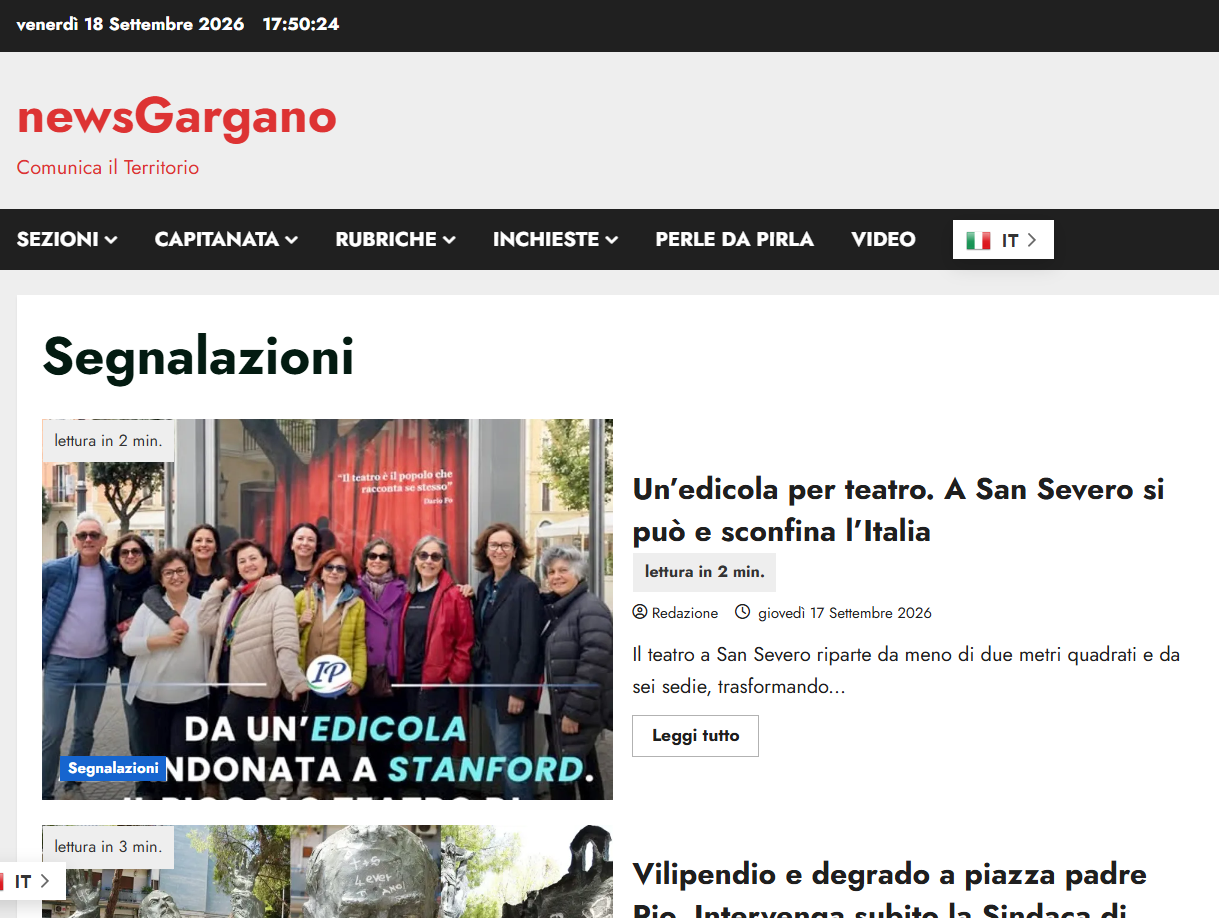
"FOGGIA SERA": FROM SAN SEVERO TO STANFORD UNIVERSITY: THE "SIX-SEAT REVOLUTION" OF THE TEATRO EDICOLA SOURCE: https://foggiasera.it/2026/09/19/da-san-severo-alla-stanford-university-la-rivoluzione-a-sei-posti-del-teatro-edicola-by-luciano-magaldi-sardella/ SAN SEVERO (FG) - The Stanford Social Innovation Review (SSIR), the scholarly journal published by the Stanford Center on Philanthropy and Civil Society of the prestigious Stanford University - ranked second in the world in the Shanghai Ranking of World Universities - and recognised as the pre-eminent global reference for researchers, policy-makers, and practitioners of innovative entrepreneurship and philanthropy, hath published the reportage "The Six-Seat Revolution" upon the Teatro Edicola of San Severo, the smallest theatre in the world by dimension and capacity, born of the intuition of Francesco Gravino, Artistic Director of the Foyer '97 company. Its author is Luciano Magaldi Sardella, independent researcher and international journalist, native of Orta Nova and of maternal Sanseverese extraction, hitherto author of studies published in international academic journals. The piece appeared in the September (Fall 2026) edition of the academic review, within the section devoted to Arts & Culture. A presence that projects San Severo, and more broadly the Capitanata, into the international élite of research upon cultural and urban innovation. The Theatre Is Born of a Disused Newsstand It all commenced on 27 March 2026, World Theatre Day, in Piazza Municipio at San Severo. A news-kiosk, disused for years in Via Matteo Tondi, raised its shutter to reveal, in lieu of newspapers and cigarettes, an actor upon the stage. Within: six chairs. At intervals of fifteen minutes, a new audience took its place. Drawing inspiration from the televisual format of Edicola Fiore by the noted Sicilian presenter of radio and television, there was born the Teatro Edicola, a structure now recognised in the media as the smallest theatre in the world for dimensions and capacity: four square metres in aggregate, with a scenic space of less than two metres. Gravino hath led Foyer '97 for nigh on thirty years, forging a most exacting artistic trajectory in a context - that of southern Italy - historically penalised in respect of public financing for culture. And yet, upon beholding that vacant kiosk, he elected the path of provocation: to transfigure the bare minimum into a manifesto concerning the very meaning of theatre. The Model and its Measurable Effects The inaugural season endured for three days. All performances were sold out. In a single afternoon, upwards of sixty persons attended the representations. The cost of the entire pilot operation was less than three thousand dollars. The formula is radical in its constitutive elements: performances of five to twelve minutes' duration, conceived expressly for the space; rotation of the audience every fifteen minutes; direct and inescapable visual contact betwixt actor and spectator; no architectural or psychological distance betwixt stage and auditorium; ticket proposed at five euros per person, within a hybrid economic model comprising municipal support, local sponsorship, and box-office receipts. According to the analysis published in the Stanford Social Innovation Review, the Teatro Edicola represents a replicable model of low-cost, high-impact urban regeneration, capable of reactivating abandoned commercial spaces (newsstands, tobacconists, telephone kiosks) without recourse to large infrastructural investment. The Voice of Him who Built it All Francesco Gravino entertaineth no doubt as to the import of the enterprise: "Grand theatres are not requisite to transform a fragment of a city. What is requisite is a sound idea and the courage to restore to the collectivity a space that hath lost its function." And upon the import of international recognition: "Teatro Edicola was born to demonstrate that a place of encounter and culture may arise wheresoever, even within two square metres. That this work should today be studied at an international level and that enquiries should arrive from cities such as Lucca and Rome is confirmation that the path pursued is the right one." The director hath further explicated the symbolic choice of place: the newsstand was the locus wherein each morn one paused, informed oneself, and recognised oneself as a community. Its disappearance rent a precise social fabric. To restore unto it a cultural function is to re-stitch that tissue at the very point wherefrom it was torn. The Challenges: Scalability, Institutional Recognition, Entrenchment The SSIR reportage doth not confine itself to celebration of the project but analyseth also the critical junctures. The first is sustainability over time: an activation of three days, howsoever successful, doth not yet constitute a stable programme, a veritable seasonal repertory (weekends from spring to autumn) with a rotating roster of local and regional companies. The second juncture concerneth replicability without loss of identity: the Teatro Edicola functioneth also by virtue of the profound roots of Foyer '97 in the Sanseverese territory. To transplant the model elsewhere requireth not merely a physical kit, but an entire process of community-building. The third obstacle is institutional: in a system of public funding that rewardeth organisations with consolidated premises and predictable output metrics, a project deliberately experimental, hyperlocalist, and by its very nature impermanent strugglest to gain access to the ordinary channels of the Fondo Nazionale per lo Spettacolo dal Vivo (FNSV) of the Ministry of Culture. A Lesson that Travels beyond Puglia In the Stanford Social Innovation Review the author concludeth that the intuitions of the Teatro Edicola transcend the Sanseverese context: in any community wherein cultural institutions struggle to reach youthful, diverse, or economically marginal publics, the principle of proximity proveth disruptive: to encounter people where they already find themselves, in the spaces they inhabit quotidianly. From the populous centre of Daunia to the pages of Stanford University: San Severo and its kiosk demonstrate that six chairs, four square metres, and a vision suffice to alter the manner in which a city conceiveth of itself. And to offer unto the world a model that costeth less than one might credit, yet is worth far more than one might imagine.
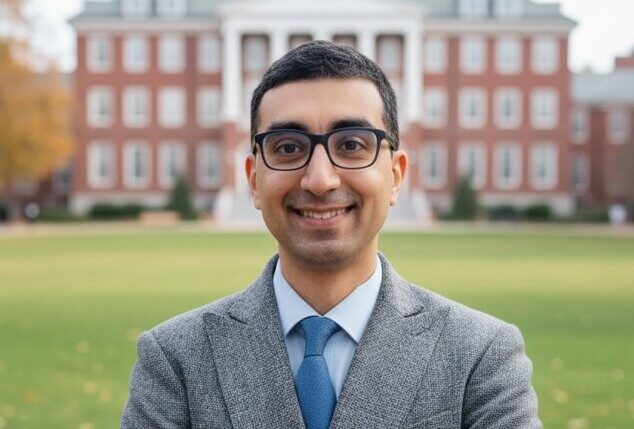
"PUGLIA IN": FROM SAN SEVERO TO STANFORD UNIVERSITY: THE 'SIX-SEAT REVOLUTION' OF TEATRO EDICOLA SOURCE: https://www.pugliain.net/301723-san-severo-teatro-edicola/ SAN SEVERO (FG) - The "Stanford Social Innovation Review (SSIR)", the scholarly quarterly published by the "Stanford Center on Philanthropy and Civil Society" at the prestigious Stanford University — ranked second in the world in the Shanghai Ranking of World Universities — and universally regarded as the pre-eminent global point of reference for scholars, policy-makers and practitioners in the fields of innovative enterprise and philanthropy, hath published the reportage “The Six-Seat Revolution” concerning the Teatro Edicola of San Severo, the smallest theatre in the world, born of the intuition of Francesco Gravino, Artistic Director of the Foyer ’97 company. Its author is Luciano Magaldi Sardella, independent researcher and international journalist, a native of Orta Nova with maternal lineage rooted in San Severo, and erstwhile contributor of studies published in international academic journals. The piece appeared in the Septembertide (Fall 2026) edition of the academic review, within the section consecrated to Arts and Culture. A presence which projecteth San Severo, and more broadly the entirety of Capitanata, into the international élite of research on cultural and urban innovation. The theatre is born from a disused newsstand It all commenceth upon 27 March 2026, World Theatre Day, in the Piazza Municipio at San Severo. A newsstand long disused in Via Matteo Tondi raiseth its shutter to reveal, in lieu of newspapers and cigarettes, an actor upon the stage. Within: six chairs. At intervals of fifteen minutes, a new audience taketh its place. Drawing inspiration from the televisual format of "Edicola Fiore" of the celebrated Sicilian radio and television presenter, there was born Teatro Edicola, a structure now recognised in the media as the smallest theatre in the world by both dimension and capacity: four square metres in total, with a scenic space of less than two metres. Gravino hath led Foyer ’97 for nigh on thirty years, forging an exacting artistic trajectory in a context — that of Southern Italy — historically penalised with respect to public funding for culture. And yet, when he beheld that vacant kiosk, he chose the path of provocation: to transmute the bare minimum into a manifesto concerning the very signification of theatre. The model and its measurable effects The inaugural season endured for three days. All performances were sold out. In a single afternoon, upwards of sixty persons attended the representations. The cost of the entire pilot operation was less than three thousand dollars. The formula is radical in its constitutive elements: performances of five to twelve minutes' duration, conceived expressly for the space rotation of the audience every fifteen minutes direct and ineluctable visual contact betwixt actor and spectator no architectural or psychological distance betwixt stage and stalls ticket proffered at five euros per person, with a hybrid economic model envisaging municipal support, local sponsors and box-office receipts According to the analysis published in the "Stanford Social Innovation Review", Teatro Edicola representeth a replicable paradigm of low-cost, high-impact urban regeneration, capable of reactivating abandoned commercial spaces — newsstands, tobacconists, telephone kiosks — without the necessity of substantial infrastructural investment. The voice of him who built it all Francesco Gravino entertaineth no doubt as to the significance of the undertaking: “One doth not require grand theatres to transform a portion of a city. One requireth a sound idea and the courage to restore to the collectivity a space that hath lost its function.” And concerning the import of international recognition: “Teatro Edicola was born to demonstrate that a locus of encounter and culture may arise wheresoever, even within two square metres. That today this labour should be studied at an international level and that enquiries should arrive from cities such as Lucca and Rome is confirmation that the path is the right one.” The director hath also explicated the symbolic choice of place: the newsstand was the point at which, each morn, one paused, one apprised oneself, one recognised oneself as a community. Its disappearance lacerated a precise social fabric. To restore unto it a cultural function signifieth to re-stitch that fabric from the very point at which it was rent. Challenges: scalability, institutional recognition, rootedness The SSIR reportage doth not merely celebrate the project but analyseth also its critical nodes. The first is sustainability over time: an activation of three days, howsoever successful, doth not yet constitute a stable programme, a veritable seasonal programmation (weekends from springtide to autumn) with a rotating roster of local and regional companies. The second node concerneth replicability without loss of identity: Teatro Edicola functioneth also by virtue of the profound roots of Foyer ’97 within the San Severo territory. To transplant the model elsewhere requireth not merely a physical kit, but an entire process of community building. The third obstacle is institutional: in a system of public funding which rewardeth organisations possessed of consolidated premises and predictable output metrics, a project deliberately experimental, hyper-localist and by its very nature impermanent struggleth to gain access to the ordinary channels of the Fondo Nazionale per lo Spettacolo dal Vivo (FNSV) of the Ministry of Culture. A lesson which travelled beyond Puglia In the Stanford Social Innovation Review the author concludeth that the intuitions of Teatro Edicola transcend the San Severo context: in any community wherein cultural institutions struggle to reach youthful, diverse, or economically marginal publics, the principle of proximity proveth disruptive: to meet people where they already are, in the spaces they inhabit quotidianly. From the populous centre of Daunia to the pages of Stanford University: San Severo and its diminutive kiosk demonstrate that six chairs, four square metres, and a vision sufficeth to alter the manner in which a city conceiveth itself. And to proffer unto the world a model which costeth less than one might suppose yet is worth far more than one might imagine.

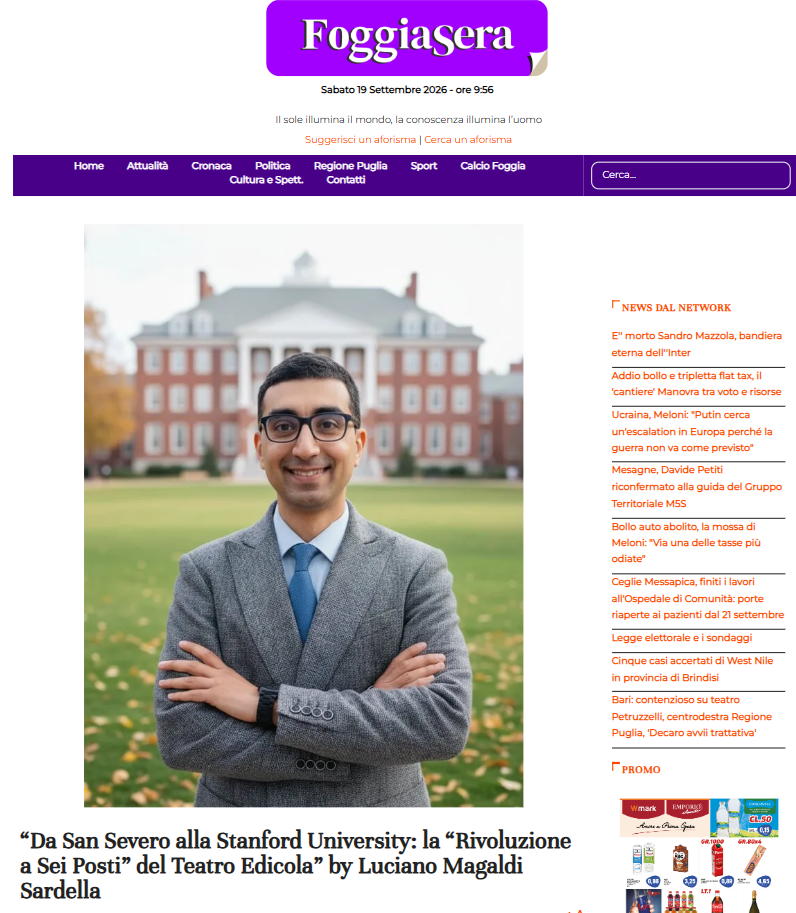
Da San Severo alla Stanford University: la “Rivoluzione a Sei Posti” del Teatro Edicola

Guido Crosetto ha detto che non ci sono stati feriti tra gli italiani in Arabia Saudita dopo il bombardamento contro la base aerea di Ta’if. Ma qualcuno si è chiesto per quale incredibile motivo un aereo da guerra italiano si trovi in Arabia Saudita mentre Trump bombarda l'Iran? Un dibattito di questo tipo non esiste sui grandi media in Italia, perché il dibattito pubblico sulla sicurezza internazionale è disciplinato dalle regole imposte al nostro Paese da una potenza straniera, come accade in ogni Stato satellite. La ragione per cui Giorgia Meloni e Guido Crosetto hanno inviato i soldati italiani a rischiare la vita in Arabia Saudita è semplice: Meloni e Crosetto devono esporre i soldati italiani al rischio di morte per difendere le strutture americane in Arabia Saudita, con tanto di Samp/T annesso. Questo è coerente con la tesi che presento nei miei libri: Crosetto e Meloni non comprano armi per difendere l'Italia. Crosetto e Meloni acquistano le armi, ma poi è la Casa Bianca a decidere in quale delle sue innumerevoli guerre Crosetto e Meloni dovranno impiegarle. Per dirne una, l'Italia, nel 2011, usò le proprie armi per bombardare i propri stessi interessi nazionali in Libia, pur di allinearsi alle decisioni della Casa Bianca. I Samp/T che Crosetto sta comprando/costruendo sono quelli che Crosetto dovrà usare nelle prossime guerre della Casa Bianca. Il problema è questo: il vertice della Repubblica italiana è nelle mani di questo tipo di persone. Persone che mandano i nostri soldati a morire, vedi Nassiriya, per difendere gli interessi nazionali di un Paese straniero. Pensate che i nostri amati Carabinieri siano morti a Nassiriya per difendere gli interessi nazionali dell'Italia? Se qualche soldato italiano morirà in Arabia Saudita, speriamo mai, non sarà altro che la riedizione di una storia antica: quella di uno Stato satellite guidato da un gruppo di burattini politici della Casa Bianca. Un gruppo di burattini politici che alimenta dall'esterno qualunque tipo di guerra contraria ai nostri interessi nazionali. La storia di un Paese sottomesso da una potenza straniera, il cui Presidente del Consiglio è oggi uno dei burattini politici più ridicoli e grotteschi della storia dell'Italia repubblicana. Giorgia Meloni dovrebbe vergognarsi di esporre i nostri aerei da guerra al rischio di essere distrutti e i nostri soldati al rischio di essere uccisi per servire gli interessi di un governo straniero. Non voglio alcun male a Giorgia Meloni. Mi fa soltanto pena, da Gaza all'Arabia Saudita, la sua feroce determinazione a essere al di sotto di qualunque soglia minima della dignità politica. Questa sera sarò ad Accordi e Disaccordi. Il 6 ottobre presenterò a Roma il mio nuovo libro sull'espansione della Nato verso la Russia. Presto dirò dove. https://t.co/t0F5OtQ25a #PoliticaItaliano #SicurezzaInternazionale #ConflittoArmato

"CIVICO 93": FROM SAN SEVERO TO STANFORD UNIVERSITY: THE 'SIX-SEAT REVOLUTION' OF TEATRO EDICOLA" SOURCE: https://www.civico93.it/da-san-severo-alla-stanford-university-la-rivoluzione-a-sei-posti-del-teatro-edicola/ SAN SEVERO (FG) - The scholarly reportage by Luciano Magaldi Sardella on the micro-theatre of Francesco Gravino has appeared in the most authoritative journal in the world in the field of social innovation: six chairs and four square metres that are transforming the manner in which we conceive theatre and the city. The "Stanford Social Innovation Review (SSIR)", the academic review published by the Stanford Center on Philanthropy and Civil Society of the prestigious Stanford University, ranked second in the world in the Shanghai Ranking of World Universities, constitutes the global point of reference for researchers, policy-makers and practitioners of innovative enterprise and philanthropy. It has published the reportage "The Six-Seat Revolution" on the Teatro Edicola of San Severo, the smallest theatre in the world by dimension and capacity, born from the intuition of Francesco Gravino, artistic director of the company Foyer '97. Its author is Luciano Magaldi Sardella, an independent researcher and international journalist, a native of Orta Nova with maternal roots in San Severo, already the author of studies published in international academic journals. The piece appeared in the autumnal edition [Fall 2026] of the academic review, within the section dedicated to Arts and Culture. A presence that projects San Severo, and more generally the Capitanata, into the international élite of research on cultural and urban innovation. The theatre originates from a disused newsstand It all began on 27th March 2026, World Theatre Day, in the Piazza Municipio in San Severo. A newsstand disused for years in Via Matteo Tondi raised its shutter to reveal, in place of newspapers and cigarettes, an actor upon the stage. Within: six chairs. Every fifteen minutes, a new audience takes its place. Taking inspiration from the televisual format of Edicola Fiore by the well-known Sicilian radio and television presenter, there was born the Teatro Edicola, a structure now recognised in the media as the smallest theatre in the world by dimension and capacity: four square metres in total, with a stage area of less than two metres. Gravino has led Foyer '97 for almost thirty years, constructing a rigorous artistic trajectory within a context, that of southern Italy, historically penalised from the standpoint of public funding for culture. And yet, when he beheld that empty newsstand, he chose the path of provocation: to transform the bare minimum into a manifesto on the very meaning of theatre. Gravino has led Foyer '97 for almost thirty years, constructing a rigorous artistic trajectory within a context, that of southern Italy, historically penalised from the standpoint of public funding for culture. And yet, when he beheld that empty newsstand, he chose the path of provocation: to transform the bare minimum into a manifesto on the very meaning of theatre. The model and its measurable effects The inaugural season lasted three days. All performances were sold out. In a single afternoon, more than sixty persons attended the representations. The cost of the entire pilot operation was less than three thousand dollars. The formula is radical in its constitutive elements: ● performances of five to twelve minutes' duration, conceived expressly for the space ● rotation of the audience every fifteen minutes ● direct and ineluctable visual contact between actor and spectator ● no architectural or psychological distance between stage and auditorium ● ticket offered at five euros per person, with a hybrid economic model providing for municipal support, local sponsors, and box-office receipts. According to the analysis published in the "Stanford Social Innovation Review", the Teatro Edicola represents a replicable model of urban regeneration at low cost and high impact, capable of reactivating abandoned commercial spaces [newsstands, tobacconists, telephone boxes] without the necessity for major infrastructural investment. The voice of him who built it all Francesco Gravino has no doubt as to the meaning of the undertaking: "One does not need grand theatres to change a fragment of a city. What is needed is a good idea and the courage to restore to the community a space that has lost its function." And on the import of the international recognition: "Teatro Edicola was born to demonstrate that a place of encounter and culture may come into being anywhere, even in two square metres. That today this work should be studied at an international level and that requests for information should arrive from cities such as Lucca and Rome is confirmation that we are upon the right path." The director has also explicated the symbolic choice of the site: the newsstand was the point at which each morning one would pause, catch up on news, recognise oneself as a community. Its disappearance lacerated a precise social fabric. To restore to it a cultural function is to mend that tissue at the very point where it was torn. The challenges: scalability, institutional recognition, rootedness The SSIR reportage does not confine itself to celebrating the project but analyses also the critical nodes. The first is sustainability over time: an activation of three days, however successful, does not yet constitute a stable programme, a veritable seasonal programme (at weekends from spring to autumn) with a rotating roster of local and regional companies. The second node concerns replicability without loss of identity: the Teatro Edicola functions also by virtue of the profound roots of Foyer '97 in the territory of San Severo. To transplant the model elsewhere requires not merely a physical kit, but an entire process of community building. The third obstacle is institutional: in a system of public funding that rewards organisations with consolidated premises and predictable output metrics, a project deliberately experimental, hyper-localist and by its very nature impermanent struggles to gain access to the ordinary channels of the National Fund for Live Performance (Fondo Nazionale per lo Spettacolo dal Vivo - FNSV) of the Ministry of Culture. A lesson that travels beyond Puglia In the Stanford Social Innovation Review the author concludes that the intuitions of the Teatro Edicola transcend the context of San Severo: in any community wherein cultural institutions struggle to reach youthful, diverse, or economically marginal publics, the principle of proximity proves disruptive: to meet people where they already are, in the spaces they inhabit daily. From the populous centre of Daunia to the pages of Stanford University: San Severo and its newsstand demonstrate that six chairs, four square metres, and a vision are sufficient to alter the way in which a city conceives itself. And to offer the world a model that costs less than one might suppose but is worth a great deal more than one might imagine.
DA SAN SEVERO ALLA STANFORD UNIVERSITY: LA “RIVOLUZIONE A SEI POSTI” DEL TEATRO EDICOLA - Civico93 | Be original

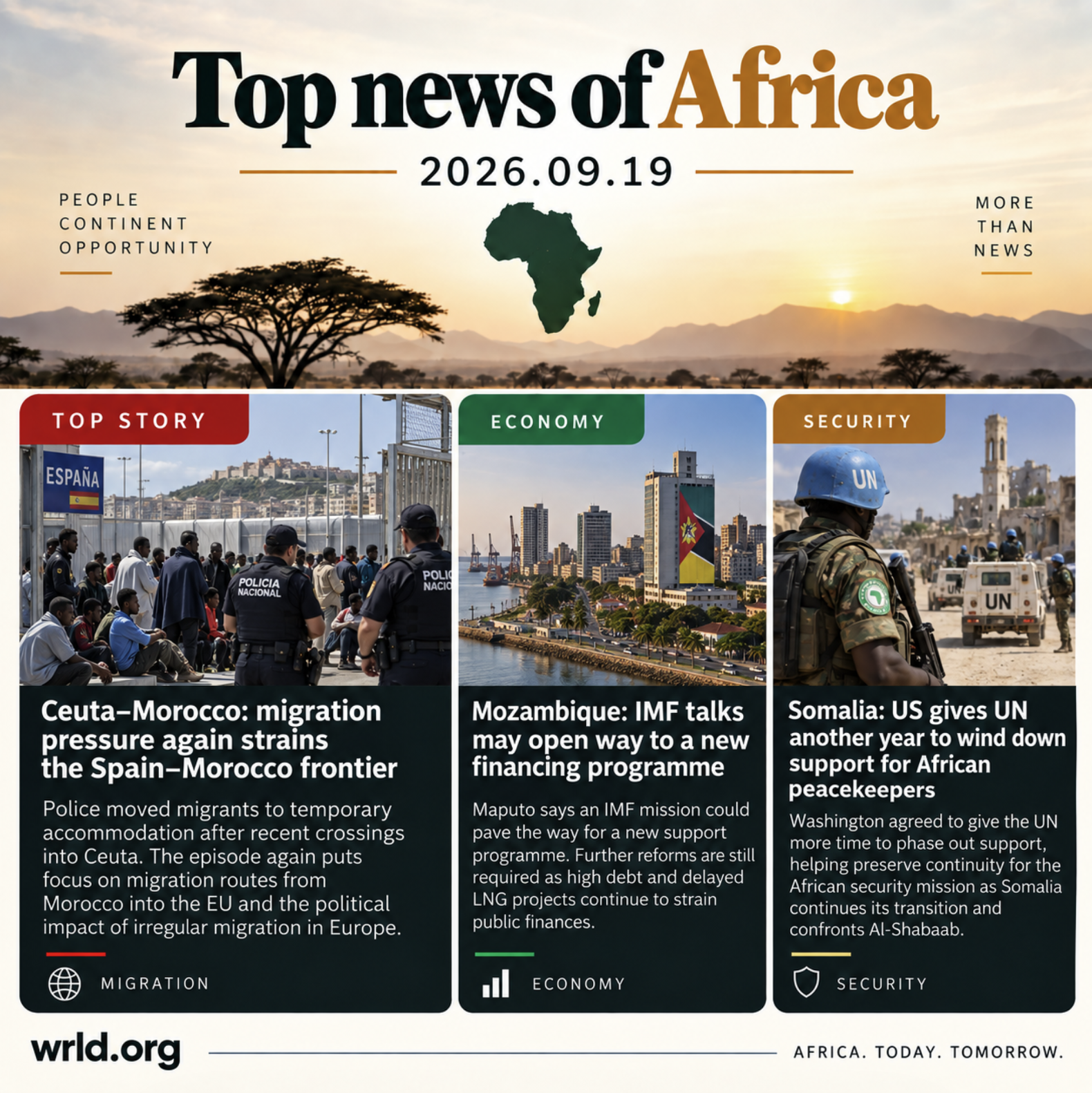
AFRICA DAILY REPORT — 19 SEPTEMBER 2026 Major developments reported during the previous 24 hours 1. NIGERIA — Deaths of 37 detained miners trigger protests and federal investigation Importance: 10/10 — Critical President Bola Tinubu ordered a thorough investigation after 37 suspected illegal miners died in NSCDC custody in Niger State. Protests in Minna were dispersed with tear gas, an overnight curfew was imposed, and senior civil-defence officials were suspended. Survivors and relatives have raised allegations about overcrowding and treatment in custody; the precise cause of death remains under investigation. Source (Reuters): https://www.reuters.com/world/africa/protests-erupt-nigeria-after-33-miners-die-custody-paramilitary-agency-2026-09-18/ Source (AP): https://apnews.com/article/222ac9d300c15c628ebcdacfea01f86a 2. DR CONGO — Ebola response continues as outbreak spreads Importance: 9.5/10 — Critical The Ebola outbreak remains a major regional health emergency. OCHA is supporting the response with rapid funding, while treatment centres are using CUBE transparent care units that allow medical staff to provide critical care with reduced exposure and enable patients to maintain contact with relatives. Source (Africanews): https://www.africanews.com/amp/2026/09/18/drc-ocha-helps-with-response-endeavours-amid-ebola-outbreak/ 3. SOMALIA — US gives UN another year to wind down support for African peacekeepers Importance: 9/10 — Very High The United States agreed to give the United Nations an additional year to phase out support for African peacekeepers in Somalia. The decision matters for the financing and operational continuity of the African security presence as Somalia continues to confront Al-Shabaab and manage the transition of international security support. Source (Reuters via The Straits Times): https://www.straitstimes.com/world/us-gives-un-more-time-to-end-support-for-somalia-peacekeepers 4. MOROCCO / ISRAEL — Agreement to open embassies Importance: 8.5/10 — Very High Israel and Morocco agreed to open embassies in each other's countries following talks involving their foreign ministers and the United States. The move represents a further institutionalisation of bilateral relations and could have broader diplomatic significance in North Africa and the Middle East. Source (Africanews): https://www.africanews.com/amp/2026/09/18/israel-morocco-agree-to-mutually-open-embassies-foreign-ministry/ 5. MOZAMBIQUE — IMF talks may open way to a new financing programme Importance: 8.5/10 — Very High Mozambique said an IMF mission completed on 18 September could pave the way for a new support programme. The IMF says further reforms are still required and discussions will continue. Mozambique remains burdened by high debt, while delayed LNG projects and the legacy of the hidden-debt scandal continue to constrain public finances. Source (Reuters): https://www.reuters.com/world/africa/mozambique-hopes-imf-visit-paves-way-new-loan-programme-2026-09-18/ 6. TUNISIA — Torrential rain floods Tunis and forces school closures Importance: 8/10 — High Severe thunderstorms and torrential rain flooded streets across Greater Tunis, disrupted traffic and prompted authorities to suspend classes at schools, universities and training institutions. Forecasts indicated 30–50 mm of rainfall over a short period, putting drainage infrastructure under heavy pressure after a summer of prolonged heat. Source (Africanews): https://www.africanews.com/2026/09/18/torrential-rain-and-flooding-slam-tunis-forcing-schools-to-close/ 7. CEUTA / MOROCCO — Migration pressure again strains the Spain–Morocco frontier Importance: 8/10 — High Tensions continued in Spain's North African enclave of Ceuta as police moved migrants to temporary accommodation following recent crossings. The episode has again focused attention on migration routes from Morocco into the EU and on the political consequences of irregular migration in Europe. Source (Africanews): https://www.africanews.com/amp/2026/09/18/ceuta-tense-scenes-as-police-move-migrants-to-temporary-camp/ Source (Reuters): https://wiky.com/2026/09/18/ceuta-border-crisis-fuels-eus-far-right-despite-fall-in-migrant-arrivals-commissioner-says/ 8. SOUTH AFRICA — Mpox cases rise Importance: 7.5/10 — High South Africa has recorded a rapid increase in mpox infections, with 18 confirmed cases and one reported death according to reporting published on 18 September. The development warrants close monitoring because of the potential for further transmission and pressure on public-health surveillance. Source (AllAfrica): https://allafrica.com/stories/202609180114.html 9. KENYA — Health sector feels growing impact of USAID cuts Importance: 7.5/10 — High Health workers in Kenya report increasing pressure following reductions in USAID-supported programmes. The effects are being felt in services and staffing, illustrating the broader vulnerability of African health systems to abrupt changes in external development financing. Source (Africanews): https://www.africanews.com/amp/2026/09/18/kenya-health-workers-increasingly-concerned-in-wake-of-usaid-cuts/ 10. ZIMBABWE / CHINA — Blueberry exporters seek capital to exploit new Chinese market access Importance: 6.5/10 — Significant Zimbabwean blueberry producers are seeking financing to expand after gaining access to China's market. The first shipment was dispatched in July following a phytosanitary agreement and China's removal of tariffs on imports from 53 African countries. Producers say the principal constraint is now the high upfront cost of expanding cultivation and irrigation. Source (AFP): https://www-pp.afp.com/en/zimbabwe-farmers-seek-funds-cash-china-blueberry-boom #Africa #AfricaNews #TopNewsOfAfrica #Ceuta #Morocco #Spain #Migration #MigrationCrisis #BorderSecurity #EU #EuropeanUnion #NorthAfrica #Mozambique #IMF #InternationalMonetaryFund #EconomicReforms #DebtCrisis #DevelopmentFinance #AfricanEconomy #Somalia #AfricanUnion #Peacekeeping #UN #UnitedNations #UnitedStates #AlShabaab #SomaliaSecurity #HornOfAfrica #RegionalStability #AfricanSecurity #Geopolitics #AfricaToday #wrldorg

L

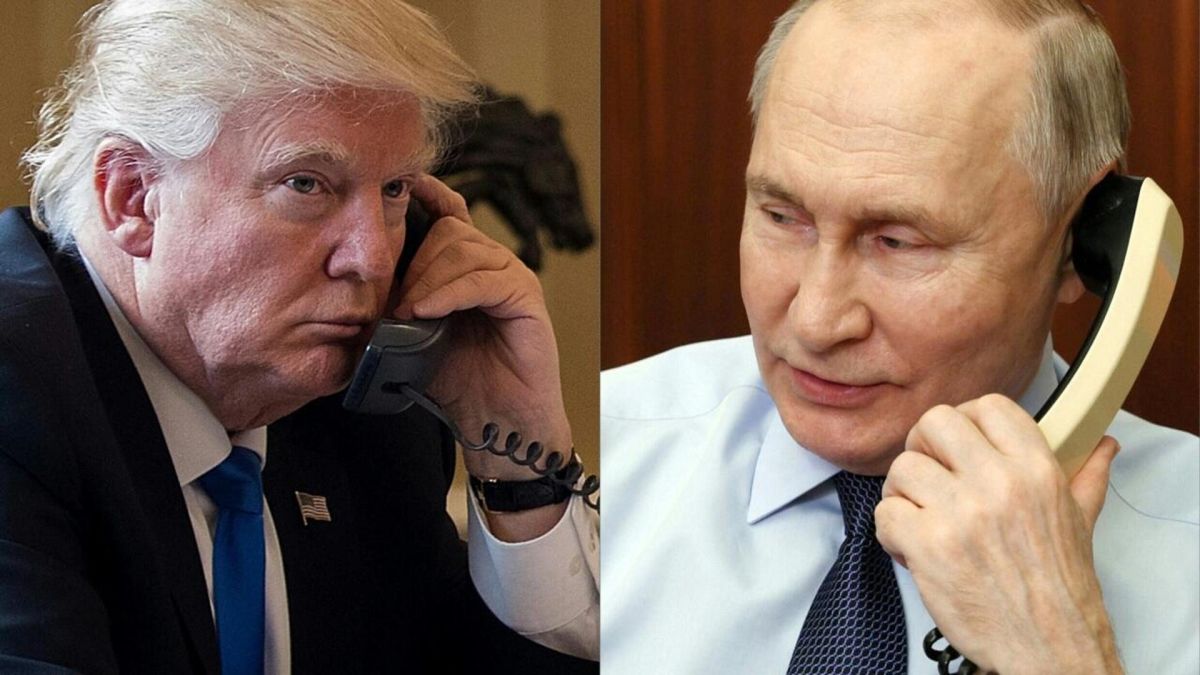
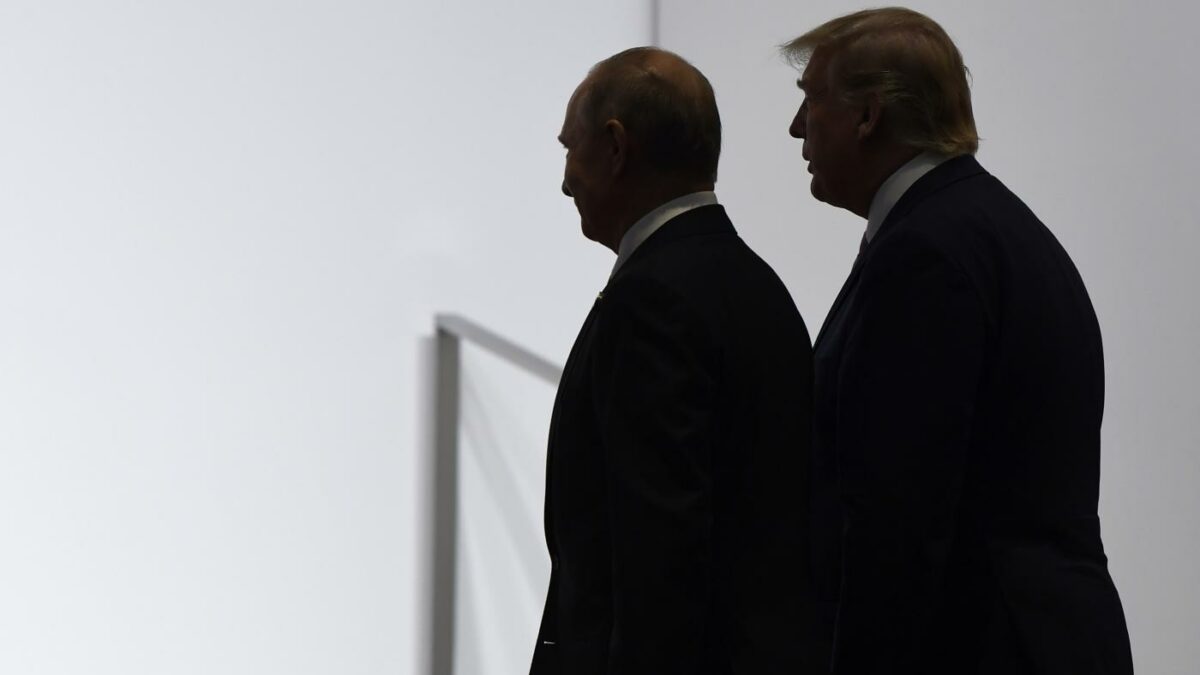
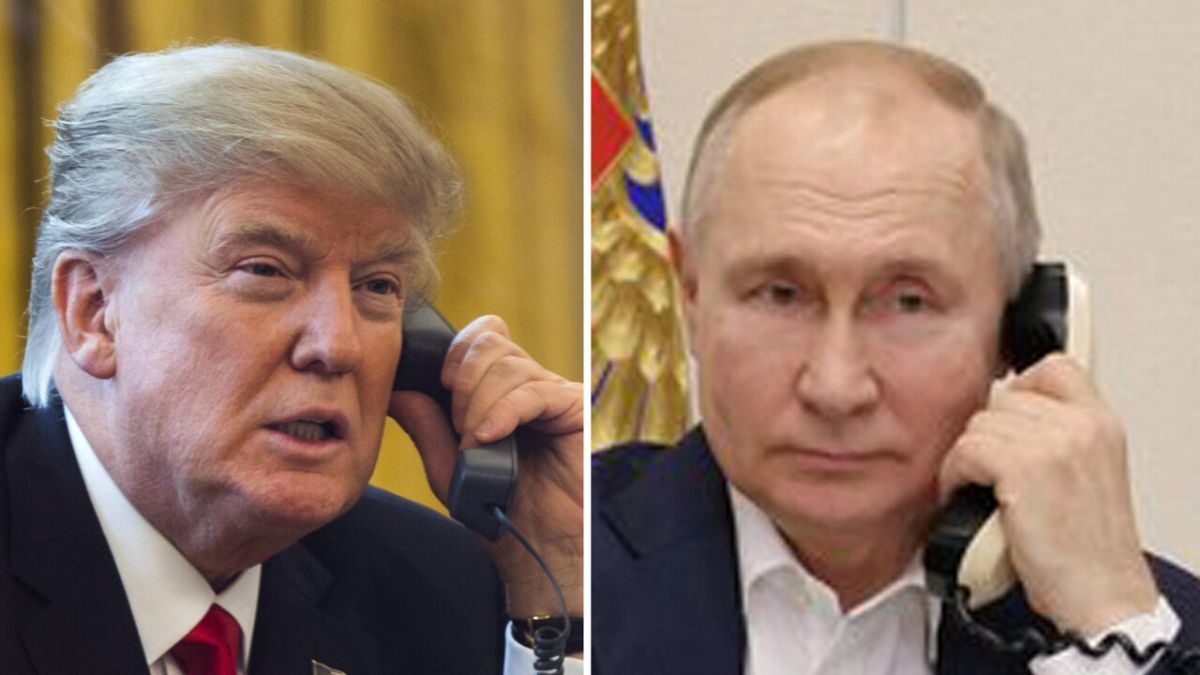
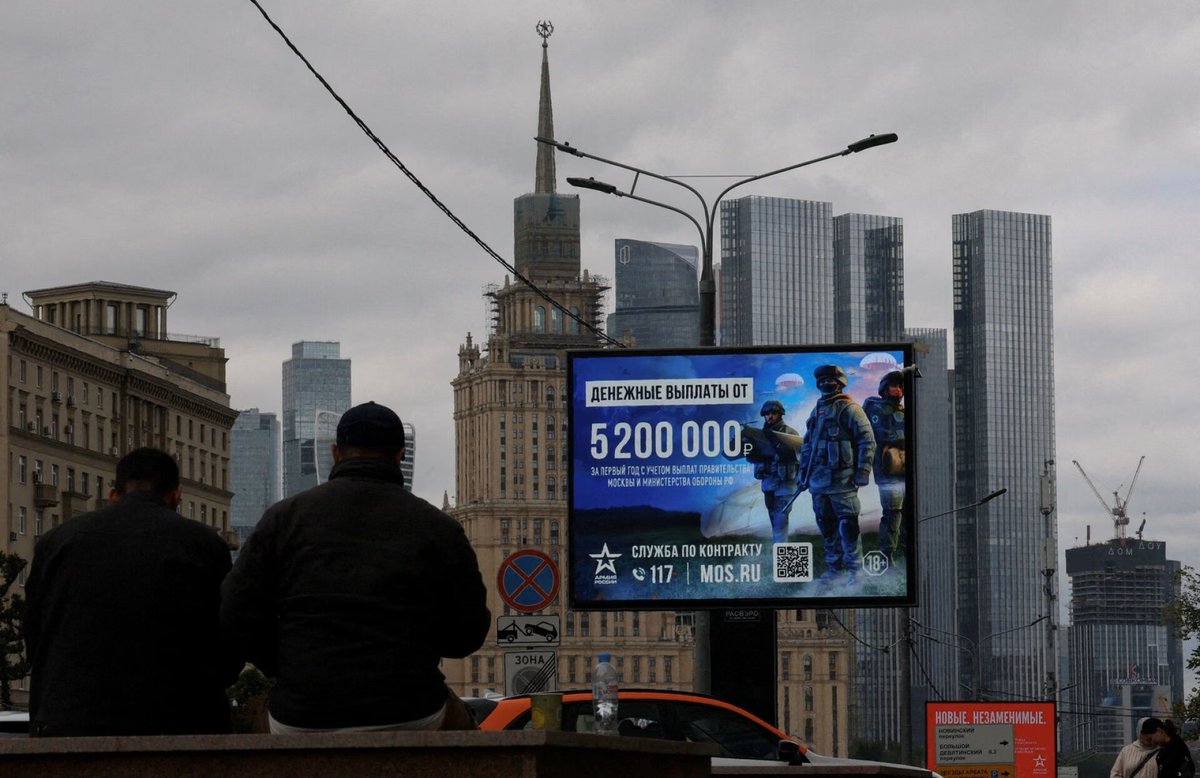
The White House is considering signing trade agreements with Russia before the end of the war in Ukraine, despite the previous approach of intensifying sanctions and economic pressure on Putin. (translated)

Nyt: Trump valuta accordi commerciali con Putin e firma la legge sulle nuovi sanzioni a Mosca

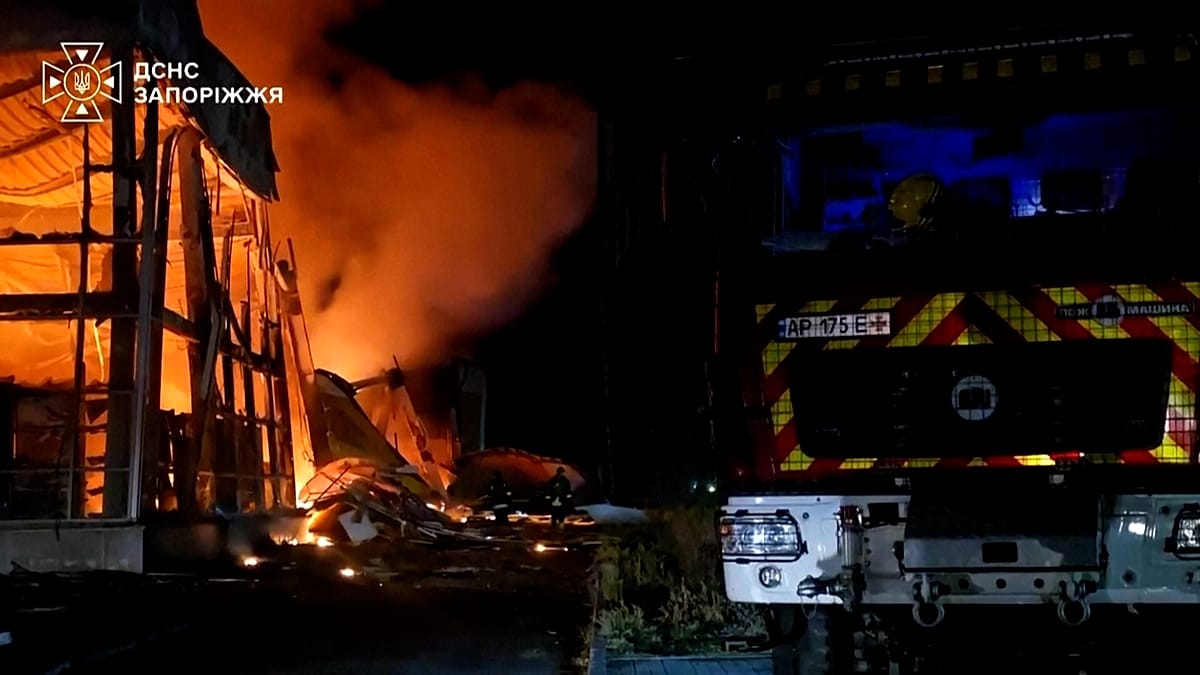
A Russian strike has hit a shopping complex in Zaporizhzhia, injuring one person and sparking a fire that spread across more than 10,000 square metres, according to Ukraine’s State Emergency Service. #Zaporizhzhia #DroneStrike #WarInUkraine

Russian drones devastate shopping mall in Zaporizhzhia city

The White House is considering making trade agreements with Russia before the end of the war, with the aim of restoring economic relations in key sectors such as energy. (translated)

New York Times: “Trump valuta l’ipotesi di fare accordi commerciali con la Russia prima della fine della guerra”

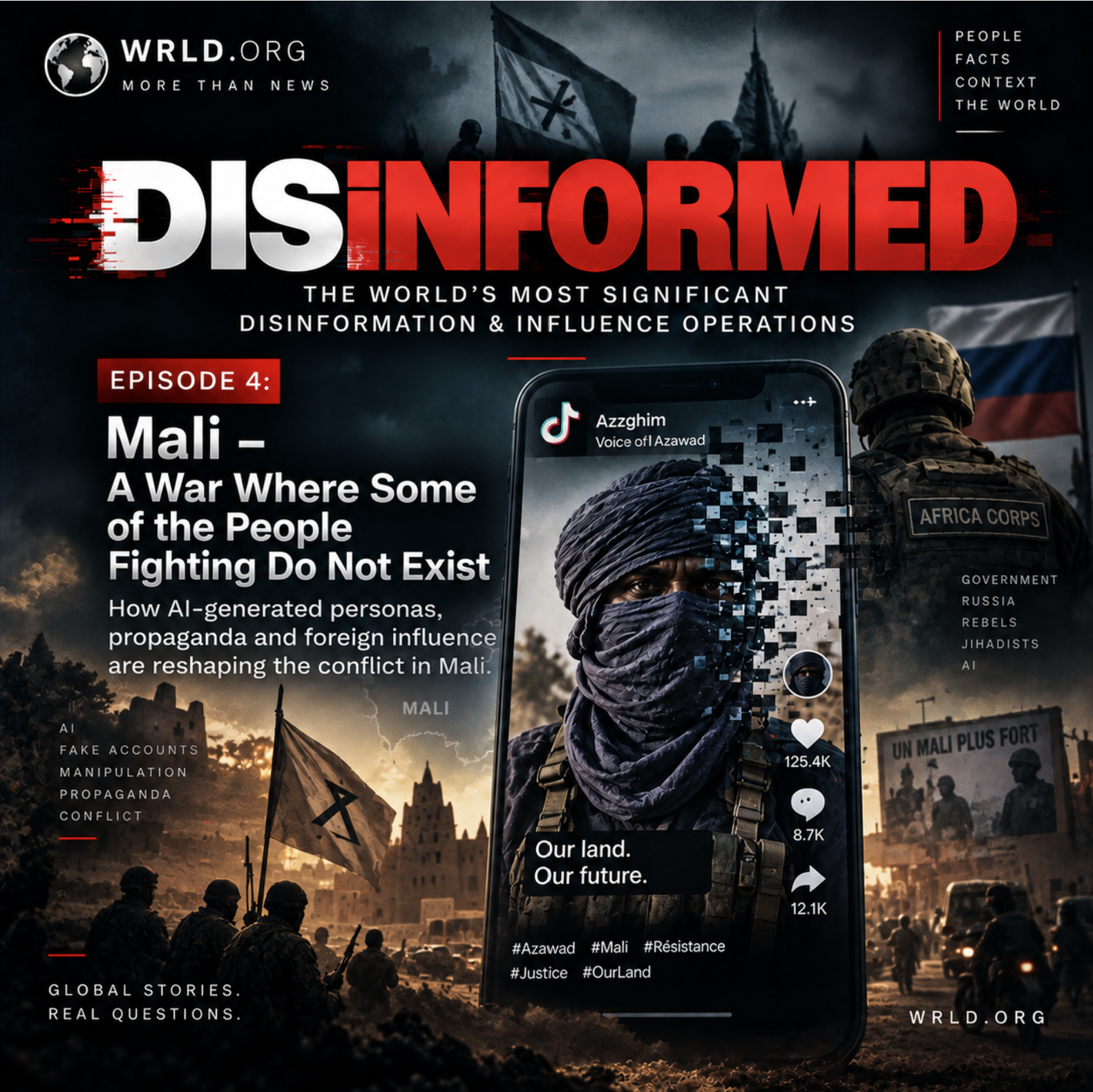
Mali – a war where some of the people fighting do not exist In Mali's war, an apparently simple question is becoming increasingly difficult to answer: who exactly is speaking to us? A real person? A rebel organisation? A Russian influence operation? A supporter of the military junta? Or somebody who has never existed at all? In September 2026, the Dakar-based Timbuktu Institute published Des algorithmes en guerre, a report examining the use of generative artificial intelligence by actors involved in the Malian conflict. Its researchers describe the country as a potential laboratory for AI-assisted information warfare. Separatist networks are deploying synthetic fighters on TikTok. Jihadist propagandists are experimenting with AI-generated imagery. Pro-government accounts are producing large quantities of content celebrating the Malian armed forces. Russia, meanwhile, operates the most developed influence infrastructure of all: pseudo-media outlets, inauthentic accounts, AI-generated text, images and video, and systems designed to artificially amplify their visibility. Artificial intelligence did not create Mali's conflict. The war has been under way since 2012, and its participants have always fought with propaganda as well as weapons. What AI has changed is the economics of that struggle. A new “witness”, commentator, fighter, poster or video can now be produced in minutes. For audiences watching from a phone, distinguishing between genuine documentation, propaganda and material created entirely by an algorithm is becoming progressively harder. Azzghim – the fighter who cannot be killed or interrogated The most striking case documented by the Timbuktu Institute involves accounts associated with supporters of the Azawad Liberation Front, or FLA, a Tuareg separatist movement fighting the authorities in Bamako. A figure called “Azzghim” appeared on TikTok. He looks like a Tuareg fighter and regularly features in videos attacking Mali's government and Russia's Africa Corps, commenting on the conflict and promoting the cause of Azawad. There is one problem: Azzghim does not exist. Analysis of the videos identified anomalies characteristic of generative AI, including unnatural body movements, visual inconsistencies, irregular colouring and problems with audio synchronisation. According to the Timbuktu Institute, Azzghim is a synthetic character being used as the digital face of a political narrative. The propaganda advantages are considerable. An organisation no longer needs to expose a real spokesman. A synthetic personality can be designed to look exactly as its creators require, speak the appropriate language and appeal to a particular audience. Different characters could potentially be created for younger viewers, traditional communities or different ethnic and social groups. There is another advantage: a synthetic spokesman cannot be arrested, identified or interrogated. Researchers also identified accounts amplifying the material. At the time of the study, TikTok account @tawri.n.azawad had around 207,000 followers and was almost entirely devoted to publishing or repackaging content involving Azzghim. Another account, @asnan831, used a similar synthetic teenage character. An important distinction is necessary. Researchers describe these profiles as belonging to supporters or individuals associated with the FLA. The available evidence does not establish that every account is part of an operation centrally directed by the Front's leadership. The information effect, however, remains significant: a digital community can be constructed around the Azawad cause in which some of the apparent participants may not be real people at all. The jihadists are learning too The picture is different for Jama'at Nusrat al-Islam wal-Muslimin, or JNIM, the al-Qaeda-affiliated coalition that has become one of the most powerful armed groups in the Sahel. Its confirmed use of generative AI remains considerably less sophisticated. In June 2026, JNIM's Az-Zallaqa media apparatus published AI-generated posters promoting material about previous attacks. The images showed fighters in combat but contained familiar generative artefacts: buildings and vegetation merging unnaturally, blurred details and unnaturally smooth surfaces. More important than JNIM's current capabilities is what AI could add to an already sophisticated propaganda apparatus. The organisation already tailors communications to different audiences. UN reporting has documented its use of media channels for broader propaganda while other outlets increasingly distribute material in local languages, including Bambara. Generative AI could dramatically reduce the cost of this strategy, translating material into Fulfulde, Hausa, Zarma or Tamasheq, generating synthetic dubbing and producing multiple versions of the same message. The Timbuktu Institute also considers the future possibility of AI chatbots being used to personalise recruitment. That should not be presented as a capability JNIM has already demonstrated. At present, it is a risk scenario rather than a confirmed operation. Russia has the most sophisticated machine At the other end of the spectrum lies Russia's influence ecosystem. Here, AI is not an isolated experiment but another component of an infrastructure previously developed by Wagner-linked networks, Russian media operations and influence organisations operating across Africa. After Wagner's withdrawal from Mali in 2025, its military role was taken over by the Russian state-controlled Africa Corps. The information infrastructure evolved alongside it. Of particular importance is African Initiative, which presents itself as a news agency but has been identified by France's VIGINUM, the UK's Foreign, Commonwealth & Development Office and the European External Action Service as an important component of Russia's newer influence architecture in Africa. One of the most interesting elements of this ecosystem is a network researchers call AI-Freak. The operation uses generative AI to produce text, images and videos, places them on fake or apparently independent news websites and distributes them through inauthentic accounts. This is supplemented by so-called Black Hat SEO – techniques intended to artificially increase the visibility of content in search engines. Elements of this infrastructure have previously been identified by Meta and OpenAI. In 2024, OpenAI disrupted Russian accounts using ChatGPT to generate articles and comments in English, French and Russian. Some of the French-language content targeted audiences in West Africa. In a later iteration of the operation, AI models were also used to draft scripts for short videos praising the Russian Africa Corps, translate them into French and generate descriptions optimised for social media. This illustrates an important difference between the Russian approach and Azzghim. The separatist ecosystem uses AI primarily to manufacture convincing digital personalities. The Russian model increasingly resembles an industrial production line: text, image, video, pseudo-news website, distribution account, search optimisation and additional channels amplifying the narrative. The objective is not merely to convince someone of a single claim. It is to occupy as much of the information environment as possible with narratives advantageous to Moscow: Russia as an effective security partner, the West as a neo-colonial aggressor, France as a source of instability and Russian forces as defenders of African sovereignty. Yet VIGINUM also warns against equating technological sophistication with actual impact. Some Russian influence channels still attract relatively small audiences. A sophisticated operation is not automatically a successful one. The junta is building its own digital reality Mali's military authorities operate within the same contested information environment. Since breaking with France and moving closer to Moscow, Bamako has increasingly restricted independent media space while promoting a narrative built around restored sovereignty, military success and the benefits of its Russian partnership. The Timbuktu Institute highlights the TikTok account @6tm_officiel. At the time of the study, it had more than 436,000 followers and published substantial amounts of AI-generated material presenting Mali's armed forces, the FAMa, and the Africa Corps in a favourable light. One video concerning the battle for Kidal accumulated around 4.7 million views. Again, attribution requires care. Researchers describe the account as being operated by an individual based in Bamako; they do not provide evidence that it is officially managed by the Malian government. It is better understood as part of a wider pro-government information ecosystem in which the boundaries between state communications, supporters and co-ordinated propaganda can be difficult to establish. The Africa Center for Strategic Studies has previously identified the military regimes in Mali and Burkina Faso as important sources of disinformation campaigns in West Africa. Recurring narratives target France, the United Nations, ECOWAS, human-rights organisations and independent media, while presenting criticism of the authorities as part of a foreign conspiracy. Generative AI allows such narratives to be produced faster, more cheaply and in far more variations. Everyone is fighting over a different version of the same war What makes Mali particularly revealing is that multiple actors are using similar technology for very different objectives. FLA-linked networks need digital faces capable of humanising the Azawad cause and attacking Russia's presence. JNIM needs propaganda material and increasingly localised communications. The pro-government ecosystem seeks to portray Mali's armed forces as victorious and reinforce the junta's legitimacy. Russia possesses the broadest infrastructure, in which AI is merely one component of a larger system involving media outlets, websites, local partners, social-media profiles and technical amplification. The result is a war taking place simultaneously in two realities. In the first, soldiers and civilians are killed, towns change hands and the army, separatists and jihadists fight for territory. In the second, every side is trying to determine what the first reality will look like on a smartphone screen. Generative AI does not need to create a perfect deepfake to be effective. It merely needs to increase the number of competing versions of events until an ordinary viewer can no longer easily determine which one deserves to be trusted. That is why Mali matters. It is not showing us the future of information warfare. It is showing us its present. One TikTok video may feature a real soldier. Another may feature a propagandist. A third may feature a fighter who has never existed. And all three can tell completely different stories about the same war. Sources Timbuktu Institute – Des algorithmes en guerre: Comment l'IA générative rebat les cartes du conflit malien https://timbuktu-institute.org/index.php/toutes-l-actualites/item/1731-rapport-des-algorithmes-en-guerre-comment-l-ia-generative-rebat-les-cartes-du-conflit-malien AfricaNews/AFP – “Mali's information war is increasingly being shaped by AI” https://www.africanews.com/2026/09/09/malis-information-war-is-increasingly-being-shaped-by-ai/ OpenAI – research on Russia-origin influence activity and Operation Stop News https://openai.com/index/disrupting-malicious-uses-of-ai-stop-news-2024/ VIGINUM / FCDO / EEAS – technical report on African Initiative and the AI-Freak network https://www.sgdsn.gouv.fr/files/files/Publications/20250612_TLP-CLEAR_VIGINUM_FCDO_EEAS_Technical_Report_African_Initiative_EN.pdf Africa Center for Strategic Studies – Mapping a Surge of Disinformation in Africa https://africacenter.org/spotlight/mapping-a-surge-of-disinformation-in-africa/ Timbuktu Institute – analysis of AI use by JNIM https://timbuktu-institute.org/index.php/toutes-l-actualites/item/1735-artificial-intelligence-a-new-propaganda-lever-for-jnim-in-mali?print=1&tmpl=component #Disinformation #Mali #Sahel #Africa #ArtificialIntelligence #AI #GenerativeAI #AIPropaganda #InformationWarfare #InfluenceOperations #Propaganda #Deepfakes #SyntheticMedia #Azawad #FLA #JNIM #AfricaCorps #Russia #RussianInfluence #TikTok #DigitalWarfare #MediaManipulation #WRLD


Rapport - DES ALGORITHMES EN GUERRE : Comment l'IA générative rebat les cartes du conflit malien
ANSA.it 2d

The White House is considering signing trade agreements with Russia before the end of the war in Ukraine, contrary to the previous approach, according to which only economic and military pressure could force Putin to compromise, with the aim of stimulating negotiations and restoring economic relations. (translated)

Nyt, Trump valuta accordi commerciali con Putin prima della fine della guerra

According to the archives, in September 1939 Stalin delayed the attack on Poland for one purpose only. He sent Hitler an explanation: we are waiting for the chance to announce that Poland no longer exists, and then we will enter to “defend” Belarusians and Ukrainians. “This will https://t.co/HbVYhPqkyP #History #Stalin #Poland #PL #BY #UA

Il primo ministro canadese Mark Carney: "La nostra alleanza con l'UE è un processo positivo. Questa è la mia risposta a Trump. È un fatto positivo. Un Canada più forte, più resiliente e più sovrano sarà un partner più efficace per gli Stati Uniti. E lo stesso varrebbe per l'Unione Europea". E aggiunge: "I canadesi sono uniti nel ritenere che nessuno ci dirà quale lingua parlare, né detterà la nostra cultura o con chi possiamo stipulare accordi a livello internazionale" #Canada #UnioneEuropea #Politica

Carney a Trump: "Nessuno ci detterà quale lingua dobbiamo parlare, la nostra cultura, con chi possiamo concludere accordi a livello internazionali". #cultura #lingua #accordi

Russia’s next mobilisation has already begun covertly, according to Azov commander Denys Prokopenko. He says that mobilisation will become open after September’s elections and that Russia could mobilise up to 600,000 troops by the start of winter and send them to the front by https://t.co/W7V6xtKDHC #Russia #Mobilisation #Ukraine #RU

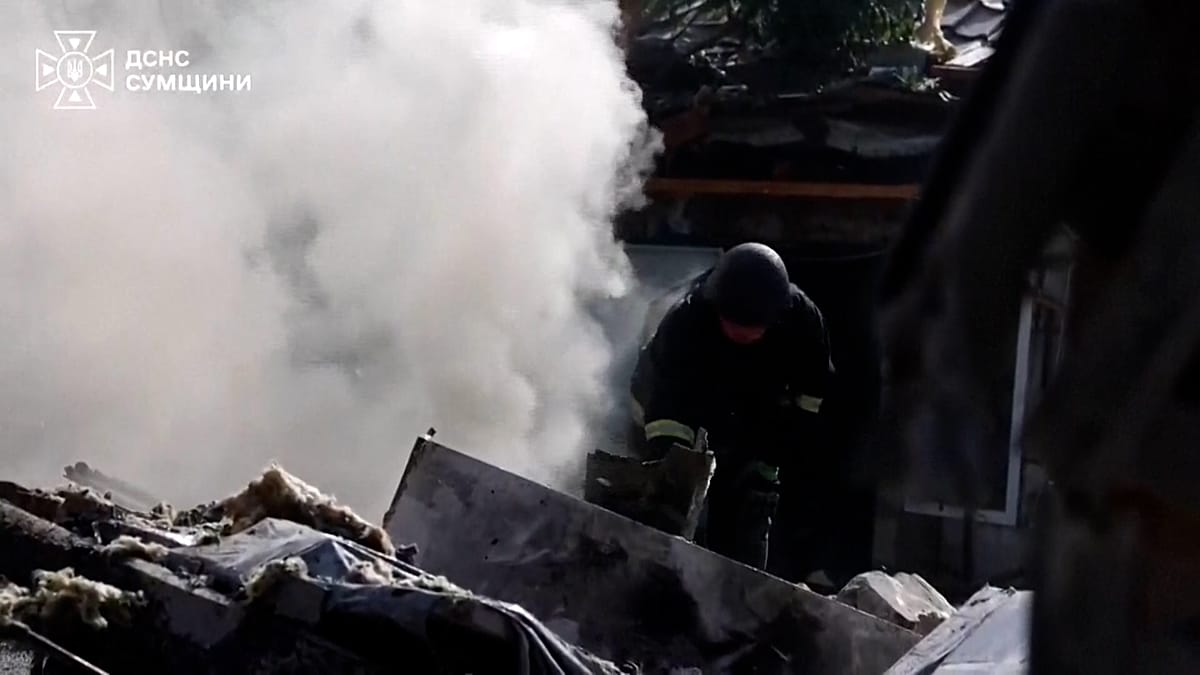
Russia struck the Ukrainian cities of Odesa and Sumy on 16 September, sparking fires and damaging homes and other buildings, according to Ukrainian emergency services and local officials. #UkraineWar #OdesaAttacks #CiviliansUnderFire

War in Ukraine: Odesa and Sumy suffer fires and casualties in new Russian attacks

Media report: Americans buy house for Jørgen Wæver — he denies the claim Jørgen Wæver Johansen is now responding to Weekendavisen’s report about the purchase of a property involving his American business partners. According to Weekendavisen, Jørgen Wæver Johansen’s American business partners have spent DKK 5.4 million on buying a new property for him. Last year, the American company Greenland Development Partners acquired a stake in Greenland Water Bank, a company owned by Jørgen Wæver Johansen and Svend Hardenberg. Weekendavisen reports that it has obtained the payment receipt for the property transaction, showing that the American company transferred USD 823,000 from its address in New York to the former owner. However, in a written response to KNR, Jørgen Wæver Johansen denies that the Americans bought the property. According to Sermitsiaq, the deed lists Jørgen Wæver Johansen’s company, Inuit Properties Greenland, as the owner. He owns 100 percent of the company. Wæver Johansen told KNR that the property is a commercial investment. It is widely known that Nuuk faces a shortage of accommodation during the summer months. Jørgen Wæver Johansen says the investment in the property is a response to that situation. “The purpose is simple: to ensure that our employees and business partners have access to safe and reliable accommodation when they are working in Nuuk,” Jørgen Wæver Johansen wrote to KNR. Foreign nationals wishing to purchase property in Greenland require an exemption from the Greenlandic government unless they have lived and paid taxes in Greenland for at least two years. Jørgen Wæver Johansen told KNR that he is personally liable for the property. “The investment is structured on ordinary commercial terms through a combination of equity and secured, interest-bearing loans that must be repaid. I have assumed both the debt and the business risk.” “The property will be operated commercially, including for short-term stays. Investing in necessary capacity where demand clearly exceeds supply is exactly the kind of practical investment Greenland needs.” He also notes that his business relationship with the American company Greenland Development Partners is already well known. —KNR #Ejendom #Grønland #Investering

BBC 4d

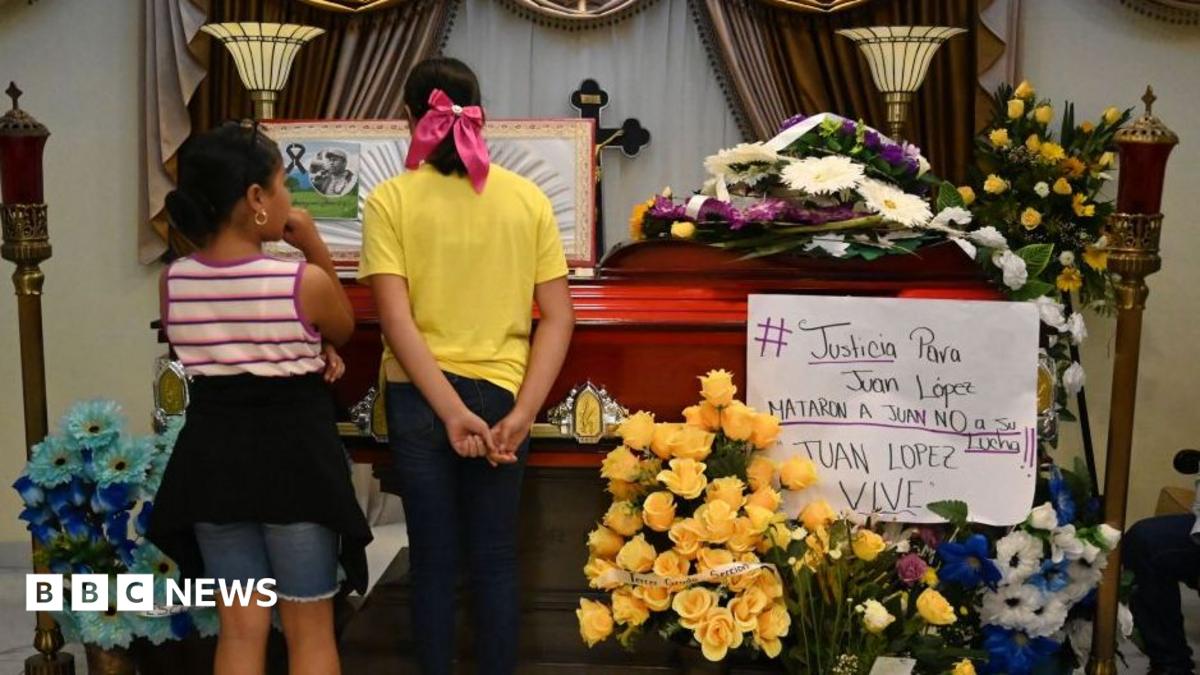
The two countries accounted for 52% of killings of environmental activists in 2025, according to Global Witness. #EnvironmentalActivism #Colombia #Brazil

Colombia and Brazil deadliest countries for environmental activists, report says

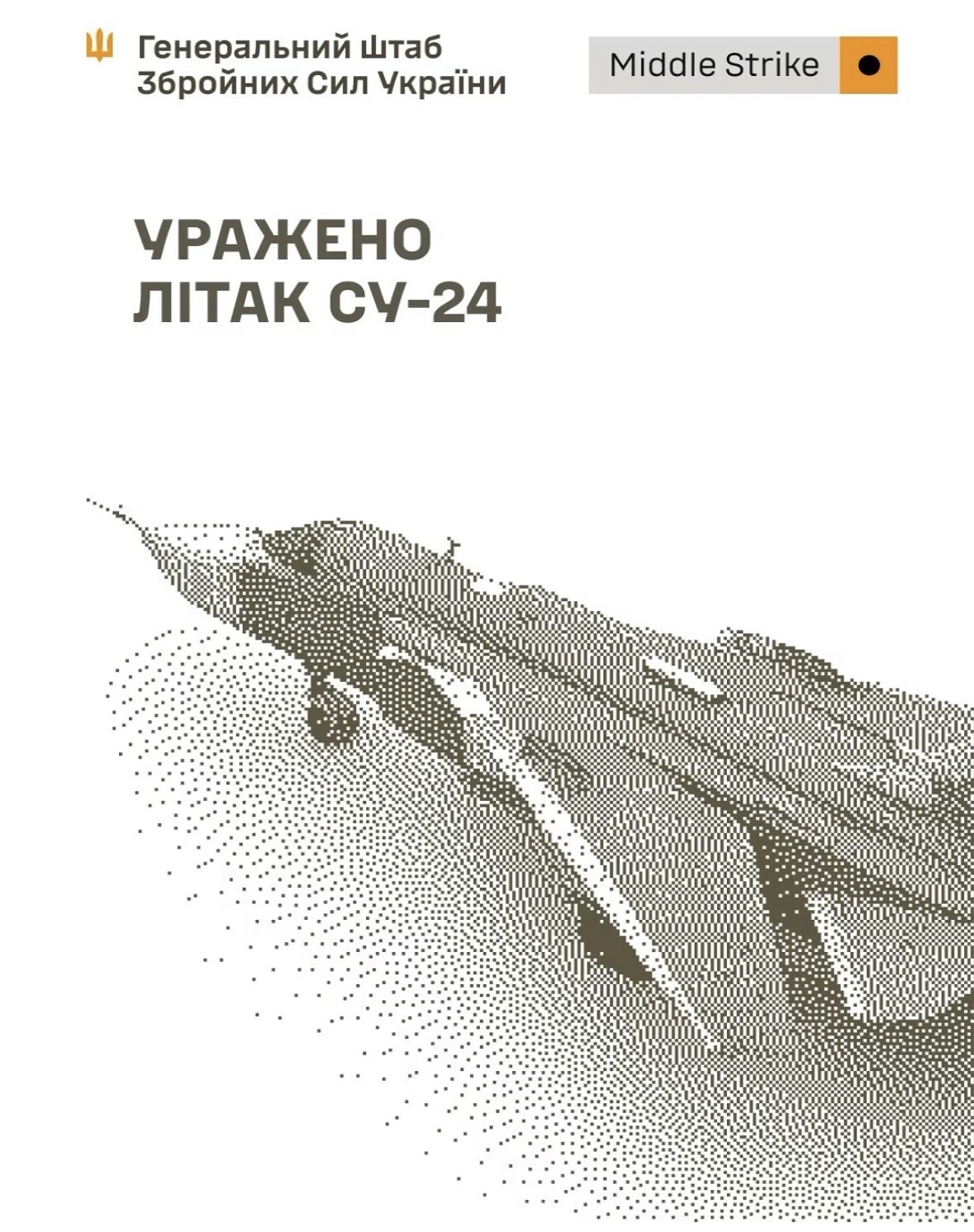
📍BREAKING: 🇺🇦UKRAINE’S Defence Forces struck multiple Russian military targets overnight, according to Ukraine’s General Staff. 🔥Targets reportedly included a Su-24 aircraft at Saky airfield in occupied Crimea, UAV launch/storage sites, ammunition and fuel depots. #UkraineWar

SANCTIONS DEADLOCK OVER USMANOV France has joined Slovakia in pressing for Russian-Uzbek billionaire Alisher Usmanov to be removed from the EU sanctions list. According to the Financial Times and Euronews, Paris linked the move to efforts to secure the release of French citizens https://t.co/HTWmHvAIL1 #Sanctions #Usmanov #EU #FR #SK #RU #UZ

Il Post 4d

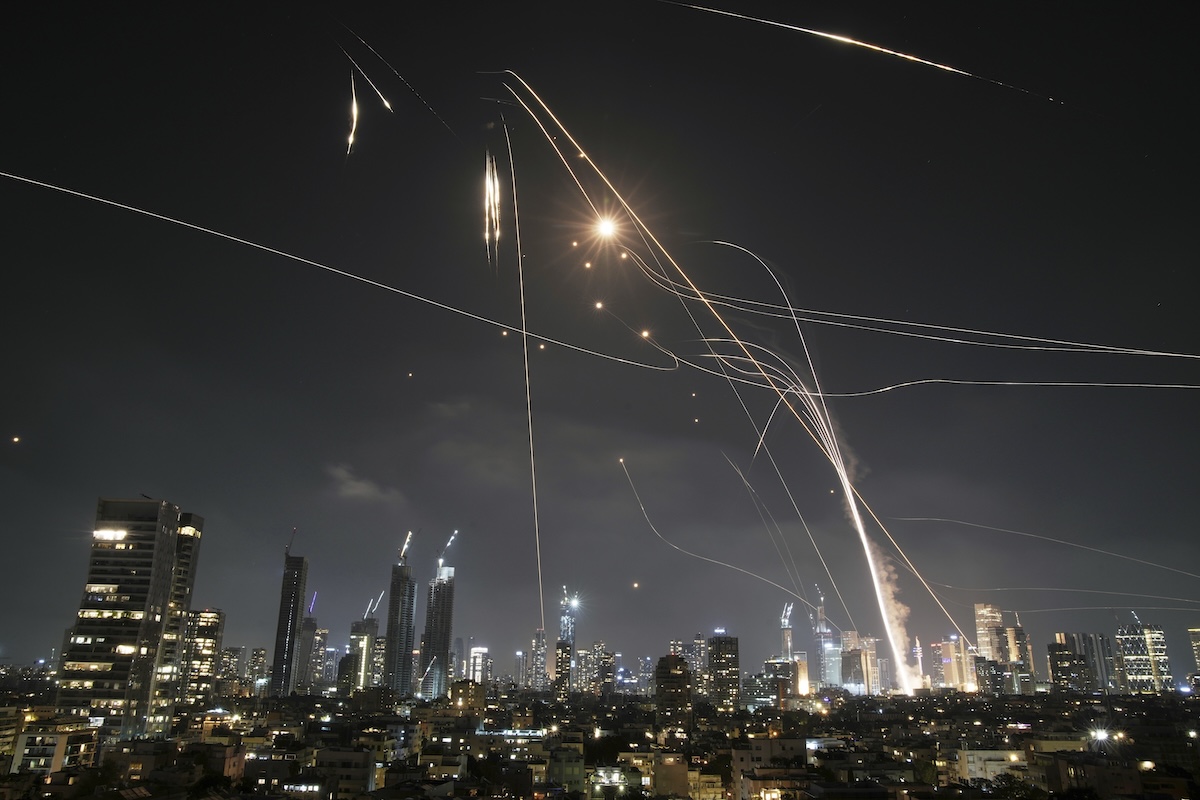
In recent years, despite criticism of Israeli military operations, many European countries have signed significant agreements with the Israeli defense industry to acquire advanced systems such as the Arrow 3. (translated)

Quando c’è da difendersi, l’Europa guarda anche a Israele