WRLD

Search

#adaptare
Mediafax.ro 2d

Mihai Ghigiu stated that Romania supports maintaining the n+3 rule and adapting the co-financing rates for European funds even after 2027, at the meeting of European ministers held in Brussels. #fondurieuropene #politicadecoeziune #Romania (translated)

www.mediafax.ro
Mihai Ghigiu: România susține menținerea regulii n+3 și după 2027. Ce propune pentru fondurile europene
3009
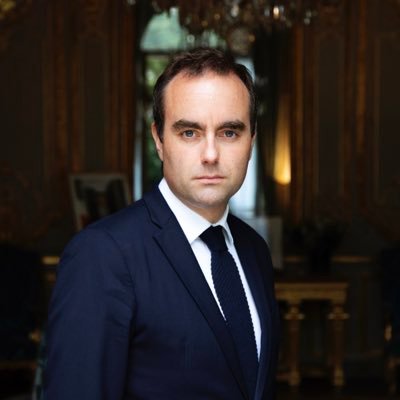
Sébastien Lecornu Wrld summary 3w
Prime Minister of France since 2025

Sébastien Lecornu asked last week the four ministers involved in the pension reform (Defense, Interior, Labor, and Public Accounts) to present, within eight days, solutions for adapting the new rules to the specificities of the military profession. #ReformaPensiilor #Sindicatelor #Franta (translated)

3233
Mediafax.ro 3w

Victor Negrescu emphasizes that the victory of the Democrats in the USA requires Romania to adapt its diplomatic strategy and strengthen political relations with both American parties, highlighting the importance of a balanced approach in the context of the changing majority in Congress. #Politică #RelațiiInternaționale #România (translated)

www.mediafax.ro
Victor Negrescu, după victoria democraților în SUA: Pentru România, acest lucru înseamnă interlocutori noi și necesitatea consolidării relațiilor politice și instituționale
3128
adevarul.ro 4w

The former chief of the British army, Admiral Tony Radakin, stated that Ukraine will win the war against Russia, arguing that the rapid adaptation of the Ukrainian Armed Forces and effective strikes on Russian territory can change the outcome of the conflict. #Ucraina #Război #TonyRadakin (translated)

adevarul.ro
Fostul șef al armatei britanice: „Ucraina va câștiga războiul, iar Rusia îl va pierde”. Ce argumente invocă amiralul
2673
G
Gelu Oct 25

Don't change the time! Change the schedule, not the time! The biological rhythm is regulated by the Sun, not the clock. Time is not a work schedule that we can shift at will. Time is the measure by which we organize our lives, and nature has its own rhythm. The Earth does not change its rotation twice a year. The sun does not rise earlier because we decided to move the clock forward. Animals, birds, insects, and plants follow their biological rhythms related to light, darkness, and the natural succession of seasons. Humans are part of this nature. Our bodies have their own biological clock, fundamentally influenced by light. And when we officially move the clocks by one hour, we are not changing the course of nature, but rather asking humans to abruptly adapt to an administrative convention. Why do this every spring and reverse it every autumn? Is it natural to change the time or to adapt our schedules? Let's consider the majority of people: workers, farmers, students, teachers, parents, retirees, people who must adhere to a schedule set by others. They cannot always modify their schedules at will. They need to wake up at a certain hour, get to work, take a child to school, or comply with the public transport timetable. In contrast, there are people and organizations that have the opportunity to adapt their schedules based on the season, natural light, or the needs of their activities. If, for some people, changing their schedule is feasible, why impose the time change on everyone? Let's take a hypothetical example: if 10% of people have the freedom to adapt their schedule, is it fair to change the time for all those who do not have this freedom? Would it not be more logical to change the schedule where needed, rather than change the time by which the entire society organizes itself? Stores can modify their opening hours. Factories can adapt their shifts. Institutions can adjust their schedules, and schools and public transport can analyze timetables according to local conditions and people's needs. We do not all have to operate on the same schedule to live by the same time. Nature does not need our approval to follow its rhythm. In spring, the days lengthen. In autumn, the days shorten. This is the natural rhythm of the Earth, which we can observe without moving even a single clock hand. If we want to start activities earlier in summer, we can start sooner. If winter requires a different schedule, we can adapt it. But why change the official time, get used to a new convention, and then revert to the old one? Would it not be simpler to keep the same time all year round and organize our activities according to the season? I do not claim that all living beings measure time in hours and minutes. I assert something more important: their biological rhythms are linked to the natural cycle of light and darkness, not to the numbers we display on the clock. And humans should take this truth into account when organizing their lives. The economy must serve people, not people be permanently forced to adapt to the economy. One argument presented in favor of changing the time is the more efficient use of natural light or the reduction of energy consumption. But the actual effects depend on the country, season, population habits, and how energy is used. If we want to save energy, let's examine actual consumption. If we want more light during activities, let's adapt the schedules. If we want to improve work organization, let's change the timetables where possible. There is no need to change the time for the whole society to achieve flexibility in certain areas. The schedule is a tool we can adapt. The time should be a stable reference. We cannot stop the seasons. We cannot modify the Earth's rotation. We cannot ask nature to adapt to our clock. But we can organize our lives more wisely. Instead of moving the clock hands twice a year, we can learn to adapt our schedules to the reality around us. Instead of changing the time for everyone, we can allow each field to find the appropriate schedule, within the bounds of the law and with respect for people's rights. Let's keep the time stable and make the schedules flexible! Let's leave time in peace. Twice a year, millions of people are forced to change their clocks, schedules, and biological rhythms to adapt to an administrative decision. It is said that changing the time brings economic or energy benefits. However, in modern society, these advantages are increasingly contested, while the disadvantages are felt by nearly the entire population. People, animals, and plants do not live by the clock on the wall, but by the natural rhythms of the Earth. The human body is regulated by the alternation of light and darkness. When we artificially move the time forward or back, we disturb this balance. Many people sleep worse, feel more tired, and need days or weeks to readjust. Living beings do not change their schedules twice a year. Birds do not migrate by the clock, cows do not produce milk according to the official hour, and dogs do not understand why their owner takes them for a walk an hour earlier. Nature follows the sun, not administrative decisions. There is also a principle issue. For a relatively small percentage of people and activities that would benefit from more light in the evening, the schedule of the entire society is modified. About 90% of people are forced to adapt, even though they did not ask for this and do not gain direct advantages. It would be more logical for the sectors that need a different schedule to adapt it themselves. Stores can open earlier or later. Factories can modify their work shifts. Schools, institutions, and companies can adjust their schedules as needed. It is much easier for certain organizations to change the schedule in a targeted manner than to change the official time for the entire population. Moreover, modern technology has greatly diminished the argument for saving energy. Lighting now represents a smaller proportion of total consumption, while air conditioning, computers, and other equipment operate regardless of time changes. The time should serve people, not people be obliged to serve the time. A modern society can function efficiently without moving the clock hands twice a year. Stability, health, and respect for natural rhythms are stronger arguments than the tradition of a measure introduced in another era. Therefore, the most rational solution is to keep the same time throughout the year and adapt schedules where necessary, rather than changing the lifestyle rhythm of an entire population. Why should we keep the same time all year? Changing the time twice a year represents an artificial intervention in the natural rhythm of society. Although it was introduced with the intention of saving energy, numerous modern studies show that the benefits are minimal, while the social, medical, and economic costs are significant. 1. The biological rhythm is regulated by the Sun, not the clock. The human body operates according to an internal biological clock, synchronized with the natural alternation of day and night. Research in chronobiology shows that artificial changes in time disrupt sleep, concentration, and metabolism. In the days following the switch to summer time: - sleep disorders increase; - more traffic accidents occur; - productivity at work decreases; - there is an increase in the risk of heart attacks and other cardiovascular problems. In practice, millions of people are forced to suffer a slight "jet lag" without having traveled anywhere. 2. Nature does not change the time. Animals and plants regulate their activity according to light. Birds, insects, domesticated and wild animals do not change their schedules just because the government decides to move the clock forward by one hour. Farmers often observe that cows continue to adhere to their biological schedule regardless of the change in official time. The same happens with many other living beings. In reality, we are changing the clock display, not the position of the Sun in the sky. 3. Economic benefits are diminishing. Changing the time was introduced in an era when lighting consumed a significant proportion of the energy used by the population. Today: - lighting is much more energy-efficient; - the main consumption comes from air conditioning, heating, servers, computers, and appliances; - estimated savings are very low or even nonexistent in many states. In contrast, the economic costs are real: - employee productivity decreases after the time change; - absenteeism increases; - additional costs associated with accidents and medical problems arise; - computer and logistics systems need to be periodically adjusted. 4. It is unfair to change the schedule of all for the needs of a minority. If certain economic sectors find it useful to start activities earlier in summer, they can adapt their schedules. For example: - stores can operate from 07:00 to 21:00 instead of 08:00 to 22:00; - factories can alter shifts; - public institutions can temporarily adjust working hours; - schools and companies can decide locally what schedule is optimal. It is much simpler for 10% of organizations to change their schedule than for 100% of the population to change their biological clock. 5. Stability means efficiency. Transport, information systems, international economic activities, and public services function more smoothly when the official time remains constant. One hour throughout the year: - reduces scheduling errors; - simplifies transport and communications; - eliminates confusion regarding timetables; - provides predictability for citizens and companies. Conclusion The sun does not change its time. The Earth does not change its time. Nature does not change its time. Only humans move the clock hands and then endure the consequences of this decision. Instead of modifying the schedule of an entire society twice a year, it is more logical to keep the same time constantly and allow those fields that need a different schedule to adapt their programs individually. This way, natural biological rhythms are respected, economic costs are reduced, and the comfort of the majority of the population is increased. A modern society needs flexibility in scheduling, not the constant change of the clock. (translated)

933
Cătălin Predoiu Oct 17

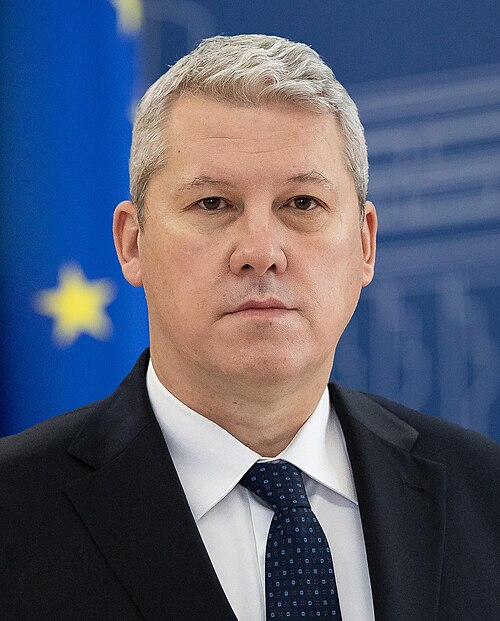
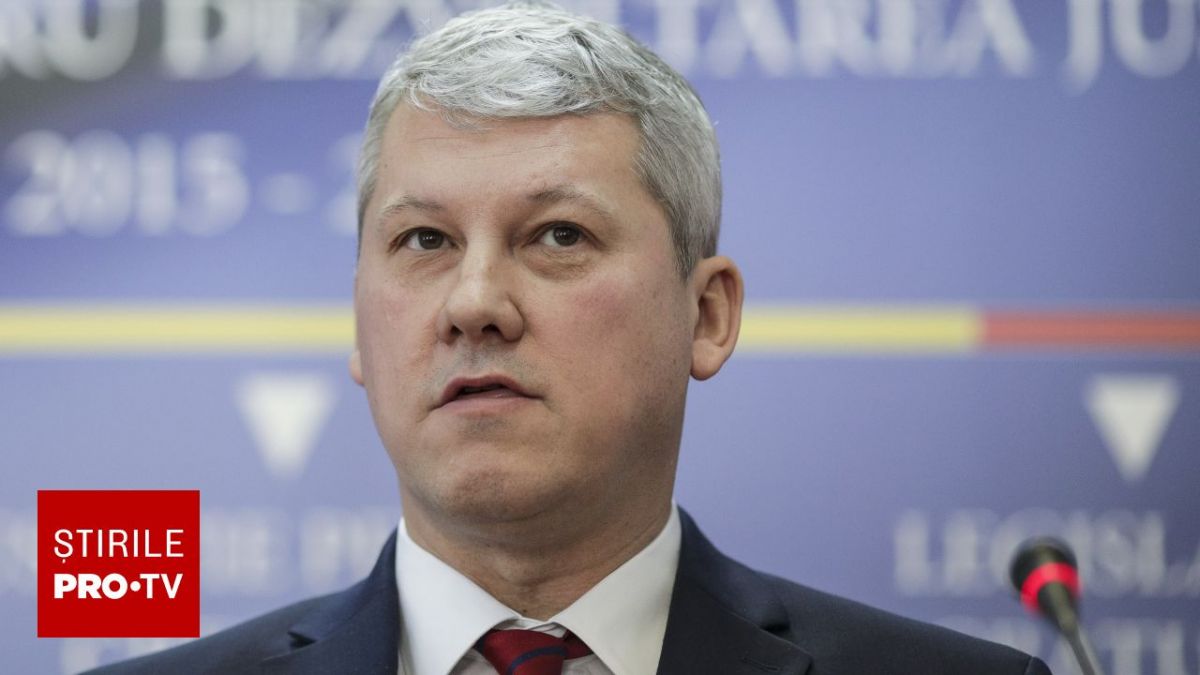
The government must urgently allocate appropriate logistical resources to address these threats, and Parliament must quickly adapt legislation so that our response maintains the necessary level of security. The interim Minister of Internal Affairs, Cătălin Predoiu, has requested the urgent allocation of logistical resources and the rapid adaptation of legislation to tackle hybrid threats, the intensity and frequency of which are increasing. #securitate #amenintarihibride #MAI (translated)

„Cei aflați sub Tricolor” au nevoie de resurse urgente. Ce a solicitat MAI pentru contracararea noilor amenințări
stirileprotv.ro
3159
Stirile ProTV Oct 17

The interim Minister of Internal Affairs, Cătălin Predoiu, requested the urgent allocation of logistical resources and the rapid adaptation of legislation to counter hybrid threats during the NATO Hybrid Symposium 2026 held in Bucharest. #securitate #amenintarihibride #MAI (translated)

stirileprotv.ro
„Cei aflați sub Tricolor” au nevoie de resurse urgente. Ce a solicitat MAI pentru contracararea noilor amenințări
3159
Silvana Tenreyro Oct 13

"The global economy has proven resilient, but this resilience is reaching its limits, so we must move from mere adaptation to reconstruction. We need to restore fiscal space. 'The global economy has proven resilient, but this resilience is reaching its limits, so we must move from mere adaptation to reconstruction. We need to restore fiscal space. We need to rebuild resilience from the supply side,' said Silvana Tenreyro, the chief economist of the IMF, at a press conference in Bangkok." #InteligențăArtificială #EconomiaGlobală #FMI (translated)

Investițiile în IA susțin creșterea economică globală, cât timp războiul și datoriile amenință perspectivele. Avertismentul FMI
www.mediafax.ro
3282
Digi24 Oct 5

Former US Army Secretary Dan Driscoll stated that President Trump began his second term with a military poorly prepared for modern warfare, highlighting the deficiencies in its adaptation to rapid innovations in Ukraine. #armatasua #DonaldTrump #război (translated)

www.digi24.ro
Fostul secretar al Armatei SUA: „Trump și-a început al doilea mandat cu o armată extrem de slab pregătită pentru războiul modern”
1998
Donald J. Trump Wrld summary Oct 4
President of the United States (2017–2021; since 2025)

"does not have cards" Donald Trump told Volodymyr Zelensky that "he does not have cards," but European support and the adaptation of the Ukrainian army showed that Kyiv's resistance could not be reduced to dependence on Washington. #război #Ucraina #politicaexternă (translated)

O pace care pregătește următorul război?
adevarul.ro
1999
Mr. Storywise Sep 20

Arhimede sta la tabletă când un soldat roman l-u omorât. Sună firesc? Nu prea. Și totuși, dacă actualizăm trecutu destul, exact acolea putem s-ajungem. Aproape toate culturile au ediții modernizate di autori vecl’i, cu discuții despre ortografie, vocabular, note editoriale și adaptarea pentru cititoru di ază. Un anticar mi-a spus odată că „patina timpului dă valoare” și că poate face diferența între un original și o copie ieftină. Deschid „Eseuri di Duminică” di Constantin Noica, ajung la prefața editurii Humanitas din ediția di 1992 și aflu că „ortografia a fost actualizată”. Să-l citești pe Noica putea să fie ca o plimbare prin anii 1930–1940. Dar noi facem plimbarea cu ochelari moderni, stând comod într-un Uber, fără frică să ne pierdem — adică fără riscul să nu înțelegem cuvintele vremii, care puteau fi „traduse” în note jos pe pagină. Ce-ar fi să luăm și ziarele di atunci și să le „actualizăm”? Și reclamele di atunci să le facem rebranding, ca să nu punem neuronii prea mult la lucru, ca într-un escape room. De ce să ne oprim aici? Putem actualiza și cărțile di istorie și să scriem că Arhimede din Siracuza a fost omorât di un soldat roman când făcea matematică pe tabletă. Ideea di bază rămâne, nu? Numai epoca dispare. Și încă ceva: de ce matematicienii nu-l „actualizează” pe Pitagora? Pot schimba notația. Pot explica demonstrația altfel. Pot chiar face desenul online, cu o animație care apare înaintea ochilor școlarilor. Dar teorema lui Pitagora rămâne teorema lui Pitagora. Atunci, când citim un autor vecl’i, de ce să nu păstrăm și limba vremii lui — iar explicațiile moderne să le punem în note? Și o ultimă întrebare pentru Humanitas și pentru cei di la facultățile di litere și filologie: dacă peste câteva decenii școlarii di ază vă „actualizează” cu # și emoji, v-ar plăcea? #Humanitas #ConstantinNoica #Noica #EseuriDiDuminică #Arhimede #Pitagora #Hashtag #Emoji #MrStorywise #OrtografieActualizată #IstoriaLimbii #20260920_1926 #Vlășéște #MeglenoRomanian #Meglenoromână #Literatură #Istorie

1180
Mr. Storywise Sep 20

Arhimede era pi tabletă cându fu omorât di un soldat roman. Sună firescu? Nu prea. Și totuși, dacă actualizăm trecutlu destul, exact aici putem ajunge. Aproape tuti culturili au ediții modernizate ale autorilor mai vechi, cu discuții despre ortografie, vocabular, note editoriale și adaptarea pentru cititorlu di ază. Un anticar mi-a spus odată că „patina timpului dă valoare” și poate face diferența între un original și o copie ieftină. Deschid „Eseuri di Duminică” di Constantin Noica, ajung la prefața editurii în ediția Humanitas din 1992 și aflu că „ortografia a fost actualizată”. Să-l citești pe Noica putea să fie o plimbare prin anii 1930–1940. În loc de asta, facem plimbarea cu ochelari moderni, așezați comod într-un Uber, fără teamă că ne pierdem — adică fără riscul să nu înțelegem cuvintele vremii, care puteau fi simplu „traduse” în note de subsol. Ce-ar fi să luăm și ziarele epocii și să le „actualizăm”? Și poate să facem și un rebranding reclamelor vremii, ca să nu punem neuronii prea mult la treabă, ca într-un escape room. De ce să ne oprim aici? Putem actualiza și manualele de istorie și să scriem că Arhimede din Siracuza a fost omorât de un soldat roman în timp ce făcea matematică pe tabletă. Ideea de bază rămâne aceeași, nu? Doar epoca dispare. Și încă ceva: de ce matematicienii nu-l „actualizează” pe Pitagora? Pot schimba notația. Pot explica demonstrația altfel. Pot chiar construi desenul online printr-o animație care se desfășoară sub ochii școlarilor. Dar teorema lui Pitagora rămâne teorema lui Pitagora. Atunci, când citim un autor vechi, de ce să nu păstrăm și limba epocii lui — iar explicațiile moderne să le punem în note? Și o ultimă întrebare pentru Humanitas și pentru cei care lucrează în facultățile de litere și filologie: dacă peste câteva decenii școlarii de azi vă „actualizează” cu # și emoji, v-ar plăcea? #Humanitas #ConstantinNoica #Noica #EseuriDiDuminică #Arhimede #Pitagora #Hashtag #Emoji #MrStorywise #OrtografieActualizată #IstoriaLimbii #20260920_1926 #Armãneashce #Aromanian #România #Romania #Literatură #Istorie

708
Mr. Storywise Sep 20

Arhimede stătea pe tabletă când a fost ucis de un soldat roman. Sună firesc? Nu prea. Și totuși, dacă „actualizăm” trecutul suficient de mult, exact aici putem ajunge. Aproape fiecare cultură are ediții modernizate ale autorilor mai vechi și discuții despre ortografie, vocabular, note editoriale sau adaptarea pentru cititorul contemporan. Un anticar mi-a spus cândva că „patina timpului dă valoare” și face diferența dintre un original și o copie ieftină. Deschid „Eseuri de Duminică”, ajung la „Prefața editurii” Humanitas și aflu că „ortografia a fost actualizată” în ediția din 1992. Chiar și așa, lecturându-l pe Noica, am fi făcut o plimbare prin anii 1930–1940, dar cu ochelari moderni, stând confortabil într-un Uber, fără grija că nu ajungem la destinație — adică fără riscul de a nu înțelege cuvintele vremii, care ar putea fi „traduse” în subsolul paginii. Ce-ar fi să luăm și ziarele epocii și să le „actualizăm”? Iar reclamele vremii să le trecem printr-un rebranding, ca să nu punem neuronii prea mult la treabă, ca într-un escape room. Dar să actualizăm și manualele de istorie, iar descrierea lui Arhimede din Siracuza să precizeze că a fost ucis de un soldat roman în timp ce rezolva la mate pe tabletă. Ideea de bază rămâne, nu? Doar epoca dispare. Și încă ceva: de ce matematicienii nu-l „actualizează” pe Pitagora? Pot schimba notația. Pot explica altfel demonstrația. Pot chiar construi online desenul, printr-o animație, sub ochii școlarilor. Dar teorema lui Pitagora rămâne teorema lui Pitagora. Atunci, când citim un autor vechi, de ce nu păstrăm și limba epocii lui — iar explicațiile moderne să le punem în note? Și o ultimă întrebare pentru Humanitas și pentru cei de la Facultatea de Litere: dacă și școlarii de azi vă vor „actualiza” peste câteva decenii cu # și emoji, v-ar conveni? #Humanitas #ConstantinNoica #Noica #EseuriDeDuminică #Arhimede #Pitagora #Hashtag #Emoji #MrStorywise #ActualizareOrtografie #IstoriaLimbii #20260920_1926 #Romanian #România #LimbaRomână

708
Mr. Storywise Sep 20

Aproape fiecare cultură are ediții modernizate ale autorilor mai vechi și discuții despre ortografie, vocabular, note editoriale sau adaptarea pentru cititorul contemporan. Un anticar mi-a spus cândva că „patina timpului dă valoare” și face diferența dintre un original și o copie ieftină. Deschid „Eseuri de Duminică”, ajung la „Prefața editurii” Humanitas și aflu că „ortografia a fost actualizată” în ediția din 1992. Chiar și așa, lecturându-l pe Noica, am fi făcut o plimbare prin anii 1930–1940, dar cu ochelari moderni, stând confortabil într-un Uber, fără grija că nu ajung la destinație — adică fără riscul de a nu înțelege cuvintele vremii, care ar putea fi ”traduse” în subsolul paginii. Ce-ar fi să luăm și ziarele epocii și să le „actualizăm”? Iar reclamele vremii să le trecem printr-un rebranding, ca să nu punem neuronii prea mult la treabă ca într-un escape room. Dar să actualizăm și manualele de istorie, iar descrierea lui Arhimede din Siracuza să precizeze că a fost ucis de un soldat roman în timp ce rezolva la mate pe tabletă. Ideea de bază rămâne, nu? Doar epoca dispare. Și încă ceva: de ce matematicienii nu-l „actualizează” pe Pitagora? Pot schimba notația. Pot explica altfel demonstrația. Pot chiar construi online desenul, printr-o animație, sub ochii școlarilor. Dar teorema lui Pitagora rămâne teorema lui Pitagora. Atunci, când citim un autor vechi, de ce nu păstrăm și limba epocii lui — iar explicațiile moderne să le punem în note? Și o ultimă întrebare pentru Humanitas și pentru cei de la Facultatea de Litere: dacă și școlarii de azi vă vor „actualiza” peste câteva decenii cu # și emoji, v-ar conveni? #Humanitas #ConstantinNoica #Noica #EseuriDeDuminică #Arhimede #Pitagora #Hashtag #Emoji #MrStorywise #ActualizareOrtografie #IstoriaLimbii #20260920_1926 #Romanian #România #LimbaRomână

590

🚨 l Informação: O Botafogo e Tite já começam a traçar as diretrizes do Planejamento 2027 No longo prazo: O modelo de jogo do Botafogo para 2027 já está traçado: Posicional. Tite vai começar a construí-lo aos poucos, sem mudanças bruscas ainda em 2026 No médio Prazo: Em dezembro jogadores serão trazidos de acordo com as características que se adaptem a esse modelo de jogo idealizado por Tite Os jogadores do atual elenco vão ser avaliados daqui até lá e os que melhor se adaptarem terão mais chances de permanecer No curto prazo: O foco está claramente em conquistar a melhor posição possível no brasileirão para garantir uma sul-americana, num cenário mais provável. Uma pré-libertadores é a ambição maior, mas com pés no chão sabendo que é cenário ainda mais desafiador #Botafogo #Tite #Futebol

14639
adevarul.ro Sep 18

Războiul din Ucraina ridică întrebări critice despre pregătirea NATO pentru un eventual conflict, evidențiind rapiditatea evoluțiilor pe câmpul de luptă și necesitatea de adaptare a tacticilor și tehnologiilor alianței. #NATO #RăzboiUcraina #ApărareEuropeană

adevarul.ro
Este NATO pregătită de luptă? Războiul din Ucraina ridică semne de întrebare în rândul analiștilor militari
10038
Stirile ProTV Sep 16

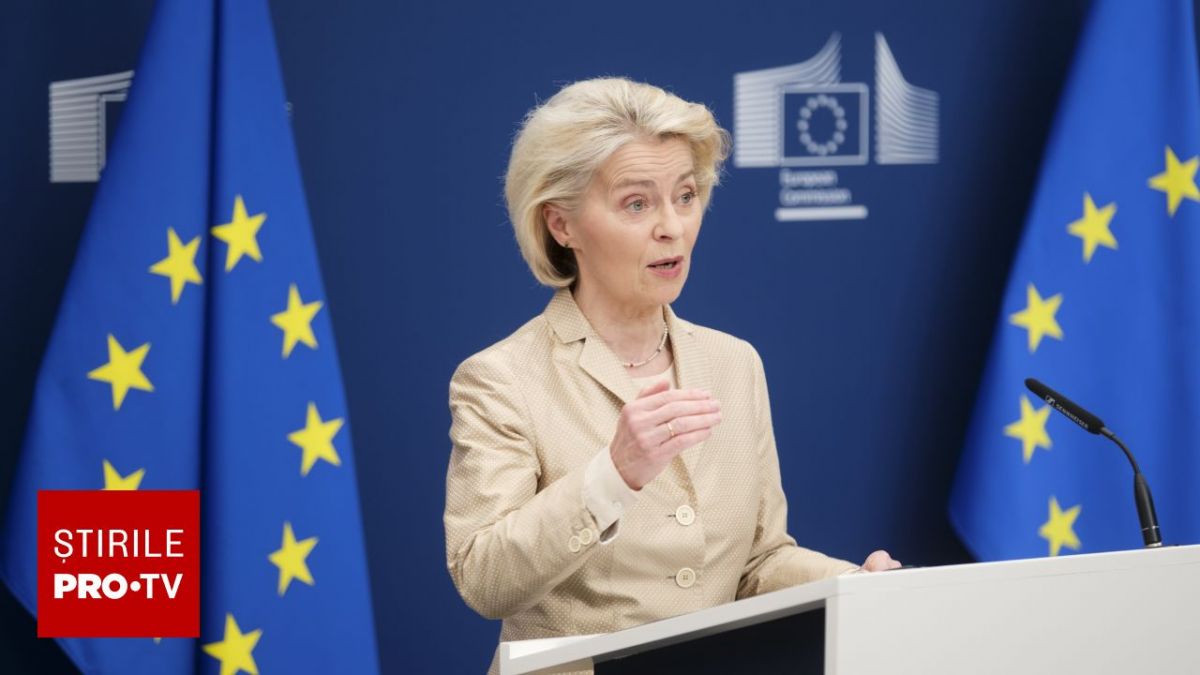
Ursula von der Leyen își prezintă planul pentru viitorul Europei în cadrul celui de-al șaselea discurs privind Starea Uniunii, abordând teme precum adaptarea la schimbările climatice, competiția cu China și SUA în domeniul inteligenței artificiale și reformarea normelor imigrației. #UrsulaVonDerLeyen #Europe #SchimbariClimatice

stirileprotv.ro
Ursula von der Leyen își prezintă planul pentru viitorul Europei. Cele 7 mari teme ale celui mai important discurs al anului
17723
Observador Sep 12

O professor Bernardo Valente, da Universidade de Lisboa, afirma que o terrorismo evoluiu desde os ataques de 11 de Setembro de 2001, com os grupos terroristas a adaptarem-se a novas realidades geopolíticas. #terrorismo #11deSetembro #geopolítica

observador.pt
“O terrorismo de hoje é diferente do início do século XXI”
15967
Digi24 Aug 26

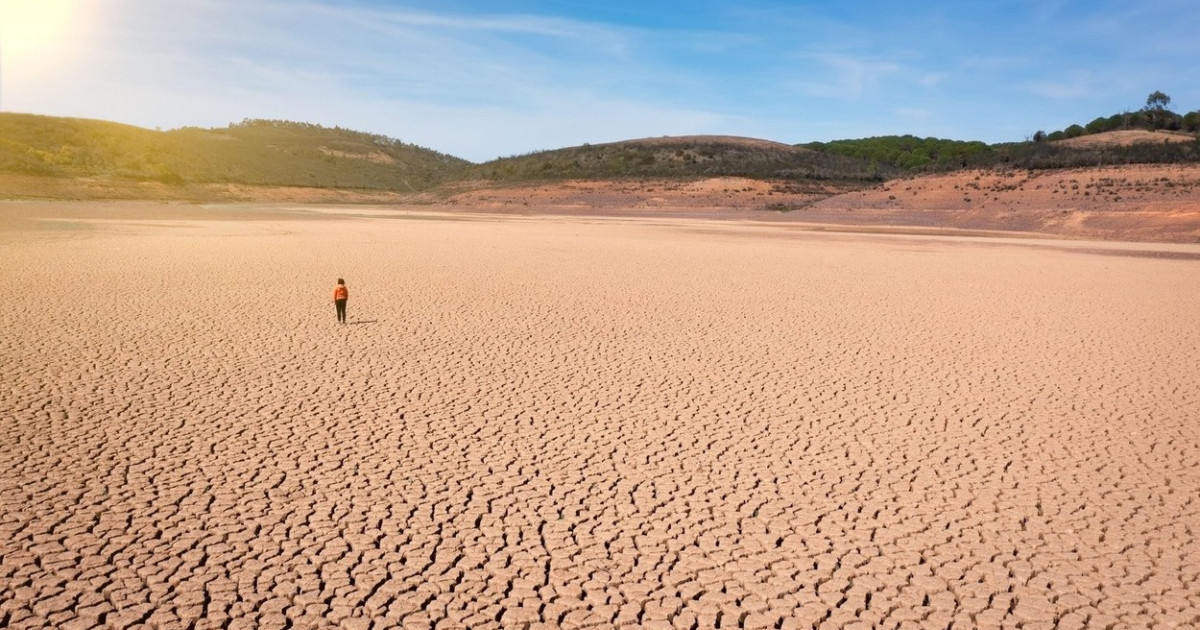
Comisarul european pentru climă, Wopke Hoekstra, avertizează că Europa trebuie să investească urgent aproximativ 70 de miliarde de euro anual în măsuri de adaptare la schimbările climatice pentru a evita costuri și mai mari în viitor, dat fiind impactul grav al dezastrelor climatice recente asupra economiei și sănătății populației. #schimbăriClimatice #adaptare #Europa

www.digi24.ro
UE avertizează: Europa trebuie să cheltuiască miliarde acum pentru a evita costuri și mai mari provocate de dezastrele climatice
13647
Mediafax.ro Aug 14

Premierul interimar Ilie Bolojan a prezentat soluții pentru ieșirea României din criza energetică, subliniind necesitatea unui pact politic și propunând deblocarea proiectelor Bala II, investiții în centralele Iernut și Mintia, și adaptarea hidrocentralelor pentru a asigura o furnizare stabilă de energie electrică. #România #crizaenergetică #Bolojan

www.mediafax.ro
Cum poate România ieși din criza energetică? Bolojan: „E nevoie de un pact politic” | Soluțiile propuse
18431