BETA nonprofit public democratic european moderated

Search

#bacterie
NOS 15h

The condition of the Norwegian King Harald (89) has very seriously deteriorated, causing family members to cancel their commitments to be with him in the hospital, where complications from anemia and a bacterial infection have been identified. (translated)

Toestand Noorse koning Harald 'zeer ernstig', familie zegt afspraken af
L
Le Soir 1d

The supermarket chain Jumbo is recalling its "Dolce" gorgonzola in Belgium due to a risk of contamination with the Listeria bacteria, which can be dangerous for at-risk individuals, with the possibility of reimbursement for affected customers. (translated)

Du fromage rappelé pour possible présence de listéria
BFMTV 7d

A massive recall of various meat products, including hams, duck pâté, and pâtés, has been issued in France due to a break in the cold chain, leading to a risk of bacteria contamination, and it is strongly recommended not to consume them. (translated)

Rappel massif de jambons, mousses de canard, pâtés... Ils contiennent des bactéries: ne les mangez pas

Lidl has withdrawn from sale a batch of chocolate-flavored protein pudding, produced by Fude + Serrahn Milchprodukte, after the presence of the bacteria Bacillus cereus was identified, which can cause gastrointestinal disorders. (translated)

Budincă proteică retrasă de la Lidl după ce a fost descoperită o bacterie. Poate provoca afecțiuni gastrointestinale. FOTO
L
Le Soir 1w

A High Protein Pudding Chocolate Flavor sold at Lidl in Belgium has been recalled due to the risk of food poisoning caused by the Bacillus Cereus bacteria, and customers are advised to return it for a refund. (translated)

Un pudding vendu chez Lidl rappelé pour risque d’intoxication alimentaire
BFMTV 2w

A burger from the Carrefour Bon Appétit brand sold in Carrefour stores in France is being recalled due to contamination with listeria, a bacterium that can cause serious illnesses. (translated)

Ce burger vendu chez Carrefour est contaminé à la listeria: ne le mangez pas
2

An investigation has been opened in Brest following the suspicious death of a 2-year-old girl, potentially caused by food poisoning related to the E. coli bacteria, although the initial analyses of the frequented restaurant have not yet revealed a link. (translated)

Brest : Une intoxication alimentaire suspectée après la mort d’une fillette de 2 ans
BFMTV 2w

A two-and-a-half-year-old girl has died at the hospital in Brest, probably due to food poisoning related to an E. coli bacteria contracted after eating at a pizzeria in Quimper, which has led to the opening of an investigation to determine the causes of her death. (translated)

Une enfant de deux ans et demi meurt dans le Finistère, une enquête ouverte pour recherche des causes de la mort

Column: De paardenbloem versus KWF kankeronderzoek (Ref Robin de Boer) Max von Kreyfelt Er groeit een plantje waar niemand aandacht aan besteedt. De paardenbloem. Gemeenten bestrijden hem. Tuinliefhebbers trekken hem met wortel en al uit de grond. Kinderen blazen de pluizen weg en volwassenen lopen er gedachteloos langs. Een lastig onkruid. Totdat ergens een onderzoeker ontdekt dat een extract uit diezelfde wortel in het laboratorium opmerkelijke effecten laat zien op bepaalde kankercellen. En ineens wordt het stil. Ongemakkelijk stil. Want een paardenbloem heeft één groot nadeel. Hij groeit gratis. Er zit geen octrooi op, marketingcampagne en glimmende productlancering. En vooral geen aandeelhoudersvergadering waarin de kwartaalcijfers met applaus worden ontvangen. Een paardenbloem is economisch buitengewoon onbeleefd. Ondertussen kennen we een andere plant die al ruim vijfenzeventig jaar wél prachtig bloeit. De geldboom. Sinds 1950 trekken collectanten elk jaar langs de deuren. Televisieacties, nalatenschappen, loterijen, sponsorlopen, benefietdiners, subsidies. Jaar na jaar. Decennium na decennium. Mijn reële schatting is 4,5 miljard euro sinds 1950, En steeds opnieuw dezelfde boodschap. “We zijn dichterbij dan ooit.” Dat is een fascinerende slogan. Want “dichterbij” is een elastisch begrip. Na vijfenzeventig jaar kun je er kennelijk nog altijd nét niet zijn. Dat roept vragen op. Geen beschuldigingen. Gewoon vragen. Hoeveel miljard euro hebben Nederlanders sinds 1950 aan kankeronderzoek geschonken? Welke doorbraken zijn rechtstreeks te danken aan dat geld? Hoeveel verdwijnt onderweg in organisaties, campagnes, fondsenwerving en management? En misschien wel de lastigste vraag van allemaal: Hoe wordt eigenlijk besloten welke onderzoekslijnen wél miljoenen krijgen en welke nauwelijks een kans krijgen? Want wetenschap hoort nieuwsgierig te zijn. Niet alleen naar wat winstgevend is. De geschiedenis van de geneeskunde staat vol met ontdekkingen die ooit belachelijk werden gemaakt. Bacteriën veroorzaakten geen maagzweren. Handen wassen was onzin. Maagzweren kwamen door stress. Totdat iemand koppig genoeg was om verder te kijken. Dat is wetenschap. Niet het beschermen van bestaande overtuigingen, maar het testen ervan. Dus nee, niemand hoeft vandaag te beweren dat paardenbloemextract kanker geneest. Dat zou onwetenschappelijk zijn. Maar even onwetenschappelijk is het om nieuwsgierigheid te vervangen door desinteresse. Misschien blijkt de paardenbloem uiteindelijk niets bijzonders. Prima. Maar onderzoek dat nooit wordt gedaan, kan ook nooit iets bewijzen. En misschien is dát wel de mooiste uitvinding van onze tijd. Niet het medicijn. Maar het vermogen om sommige vragen zo lang uit te stellen dat niemand zich nog herinnert waarom ze nooit werden gesteld. De paardenbloem groeit intussen onverstoorbaar verder. Tussen de stoeptegels. 📌 Heeft u mijn bundel al? https://t.co/y64gXJ5yrY 📌 Steunt u mij ook? https://t.co/V2P6pFuNy1 #Kankeronderzoek #Paardenbloem #Wetenschap

The "meat-eating" bacteria, Vibrio vulnificus, has caused the death of five people out of nine infected in Louisiana, and authorities warn about the risks of infections that may spread to Europe due to higher temperatures. (translated)

Bacteria „mâncătoare de carne” ajunge în apele de coastă. 5 oameni au murit în SUA

"Cette chaleur réchauffe l'eau qui circule, et dégrade le chlore censé nous protéger des bactéries. 25 à 45 degrés, c'est la fenêtre où les légionelles peuvent proliférer allègrement"

Canicule: pourquoi boire l'eau du robinet tiédie par les fortes chaleurs peut être dangereux
rmc.bfmtv.com
BFMTV 2w

With the increase in temperatures during heatwaves, tap water in France has exceeded 25 degrees, which poses health risks by promoting the proliferation of bacteria such as legionella, thus making this water unfit for consumption without precautions such as letting it run before drinking. (translated)

Canicule: pourquoi boire l'eau du robinet tiédie par les fortes chaleurs peut être dangereux

Researchers have discovered more than 600 species of unknown bacteria in corals, highlighting their essential role for the survival of reefs and the possible source of new medications, but these precious ecosystems are threatened by climate change. (translated)

Un monde de bactéries inconnues au sein des coraux, une découverte majeure pour la médecine

Researchers from Stanford University have used artificial intelligence to design bacteriophages, viruses that are not found in nature, capable of effectively fighting resistant bacteria, but this advancement raises concerns regarding biosafety and regulation. (translated)

Une grande avancée scientifique ? Des virus absents de la nature conçus pour la première fois par intelligence artificielle
L
Le Soir 3w

Scientists at Stanford University have been able to create, thanks to artificial intelligence, bacteriophages that did not exist in nature, allowing for the effective targeting of resistant bacteria, while raising concerns about the potential biosafety risks associated with this advance. (translated)

Des scientifiques réussissent à créer des virus qui n’existaient pas dans la nature grâce à l’IA
BFMTV 3w

Scientists have successfully developed, for the first time using artificial intelligence, 16 new synthetic viruses capable of targeting bacteria, a promising advance for medicine, but which raises concerns about the risks of this technology being misappropriated by bioterrorists. (translated)

Une première mondiale: des scientifiques créent des virus inédits grâce à l’IA, capables de combattre des bactéries et de soigner, mais que faire si cette technologie tombe entre les mains de bioterroristes?
BFMTV 3w

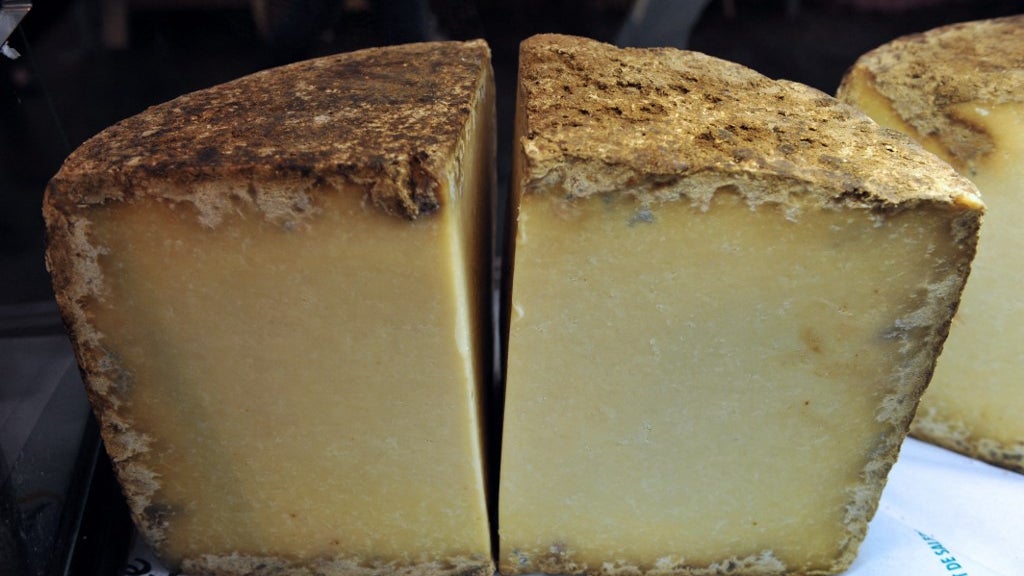
Several Saint-Nectaire cheeses sold in supermarkets in France are being recalled due to contamination by listeria, a bacteria that can cause serious illnesses, and it is advised not to consume them and to destroy them. (translated)

Ces fromages vendus partout sont contaminés à la listeria et peuvent provoquer fièvre et courbatures
BFMTV 3w

Frozen pea and carrot sachets from the U brand are being recalled in France due to the presence of Listeria monocytogenes, a bacterium that can cause serious illnesses; it is recommended not to consume them and to return them to the store. (translated)

Ces petits pois carottes surgelés peuvent vous provoquer fièvre et courbatures: ne les mangez pas

The death of Mattia Maestri, a 13-year-old boy who had been in a coma since 2017 after a bacterial infection caused by contaminated cheese, has sparked outrage in Italy over the light sentence imposed on the cheese-making company responsible. (translated)

La mort d’un petit garçon suscite la colère en Italie : “Il a demandé son fromage habituel”
Linda 3w

Het is niet goed… Er moet geopereerd worden, alleen durven ze dat nu niet aan. De vraag is of haar verwardheid komt door de bacterie, een delier of toch iets neurologisch. Blijven jullie alsjeblieft meeduimen? https://t.co/jMzASUbCQU #gezondheid #medisch #steun