Human-caused global warming is intensifying the El Niño phenomenon, which could reach unprecedented levels in 2026, generating a global climate impact that includes droughts and torrential rains in various regions of the world. (translated)

Human-caused global warming is intensifying the El Niño phenomenon, which could reach unprecedented levels in 2026, generating a global climate impact that includes droughts and torrential rains in various regions of the world. (translated)

A geologist warns that it will be difficult to recover the bodies of the flood victims in Nepal and Tibet due to the consolidation of the mud masses and alerts about the risk of new floods due to ground instability. (translated)

The article examines the causes of the devastating floods between Nepal and China, considering the collapse of a massive glacier, which caused a massive landslide, as the most probable factor of the disaster, rather than an earthquake, and points to the role of climate change in this phenomenon. (translated)

The devastating floods in Nepal, caused by the collapse of a glacier and a Glof phenomenon, have already resulted in at least 165 deaths and a significant number of missing persons, while rescue operations continue. (translated)

An ice island the size of Manhattan, covering an area of 76 square kilometers, has broken off from the Petermann Glacier in Greenland, marking the largest recorded ice loss in the Arctic since 2020, and experts warn about the ongoing instability of the ice tongue, which could lead to additional calving in the future. (translated)

An international study coordinated by the Hospital de Sant Pau in Barcelona reveals that drought and extreme heat during pregnancy increase the risk of premature birth and can negatively affect fetal growth, with potentially serious consequences for the health of newborns. (translated)

Global warming has transformed the Arctic ecosystems, allowing more than 14,500 humpback, fin, and minke whales to visit the waters of Greenland in the summer of 2024, a phenomenon documented in a study that reveals a spectacular increase of these species in the region due to changes in water temperature and food availability. (translated)

One hundred ninety-six countries meet in Ulaanbaatar to address desertification, a phenomenon that affects more than half of Spain, making the country the most desertified in Europe, with some provinces reaching alarming levels of up to 91% of their territory degraded. (translated)

The tick 'Hyalomma marginatum' is proliferating in Spain due to climate change and has been responsible for four cases of Crimean-Congo Hemorrhagic Fever this year, highlighting experts' concerns about its increase in areas where it was not previously found. (translated)

Peter Heller, author of 'The Dog Star', reflects on how the pandemic made him feel like the protagonist of his dystopian novel, emphasizing that these fictions help us confront loneliness and uncertainty by exploring human moral decisions in times of crisis. (translated)

The climate phenomenon of 'El Niño', intensified by a global ocean hotter than ever, is causing devastating floods, extreme droughts, and historic heatwaves, warning of a new normal of unprecedented disasters worldwide. (translated)

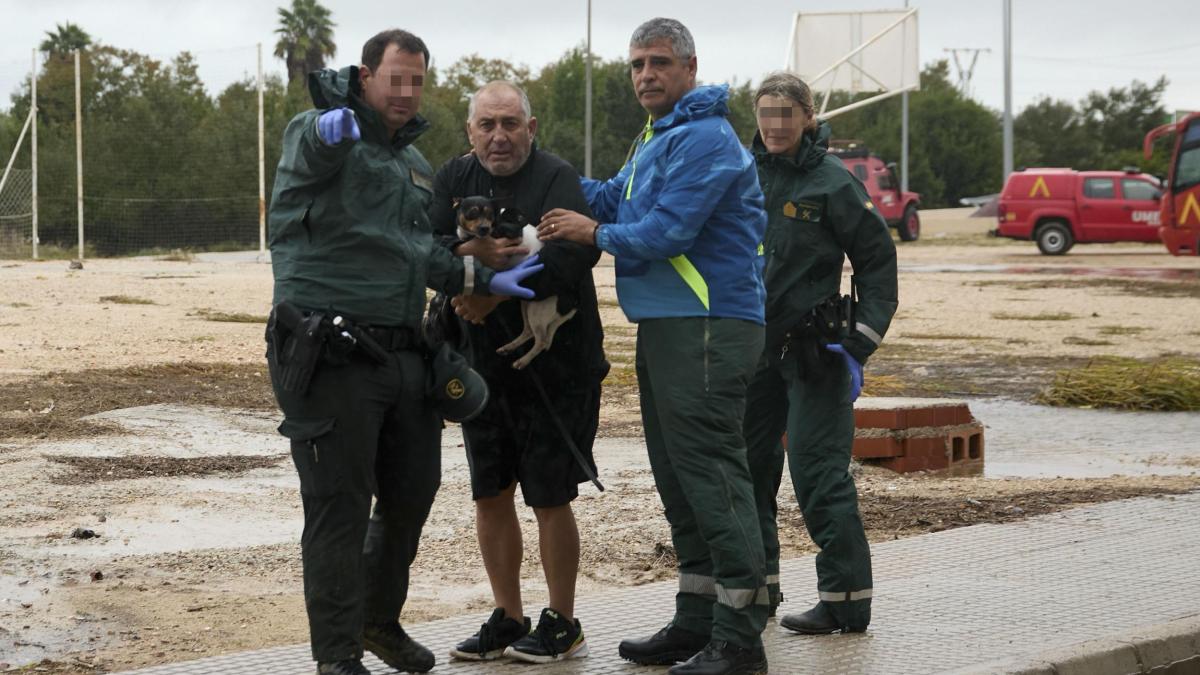
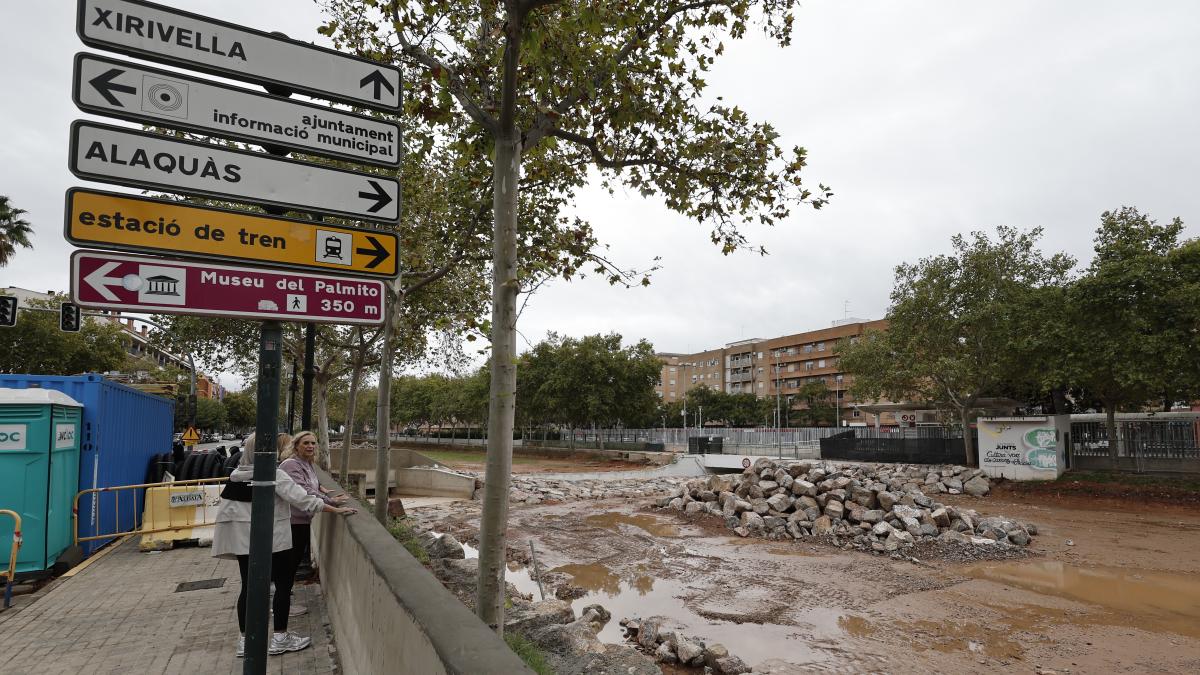
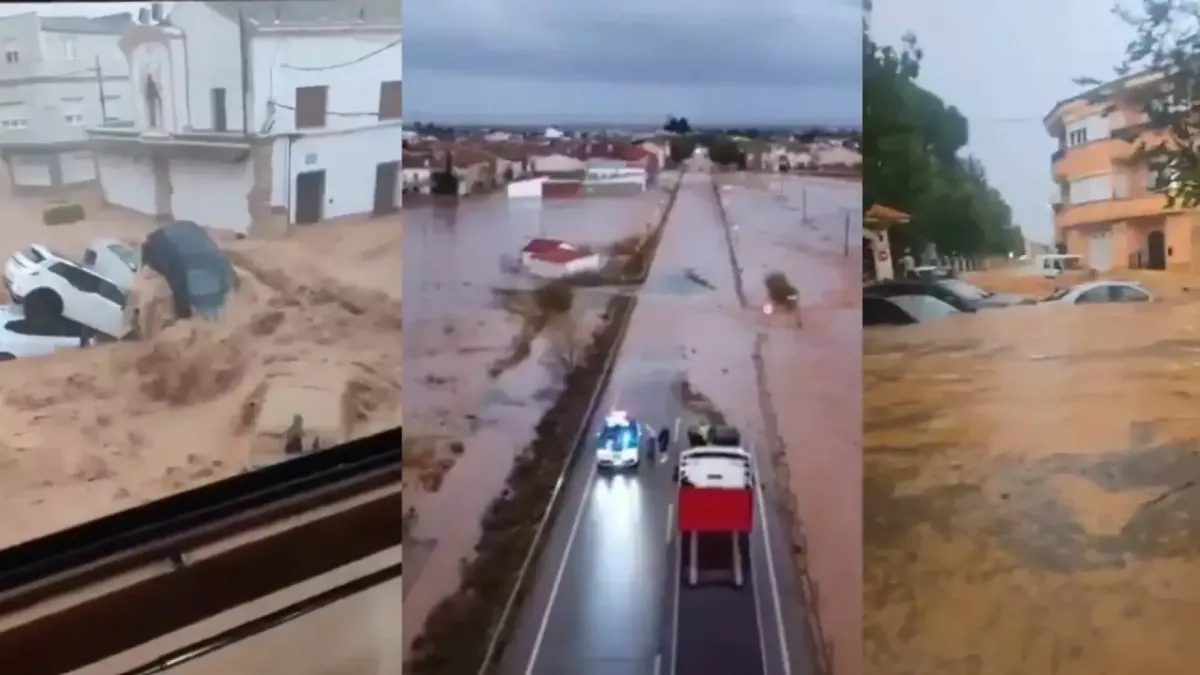
Today we warned about the extremity of the episode. It is becoming increasingly common to see this type of image that we were not accustomed to: severe storms that release large amounts of water in a short time, causing serious problems and damage. It is advisable to exercise extreme caution. (translated)
Climate change is causing high mortality rates in oysters and mussels both in Japan and Galicia, where extreme temperature and salinity conditions are threatening bivalve aquaculture, leading to significant production losses. (translated)

The global average sea surface temperature has reached a historic high of 21.1 °C, driven by the phenomenon of El Niño and the continuing warming caused by climate change, which is generating alarming consequences for marine ecosystems and coastal communities. (translated)

A study from the University of Granada highlights that the olive, ash, sycamore, medlar, and bitter orange are the most effective tree species for reducing temperatures in urban environments, and suggests that the key to combating heat in future cities lies in connecting green areas rather than simply increasing the number of trees. (translated)

The article highlights the growing need for more public swimming pools in Spain as a response to climate change, underscoring the inequality in access to these facilities, as many metropolitan areas lack sufficient affordable options, while private pools proliferate, exacerbating social exclusion. (translated)

A study by Global Change Biology warns that wildfires in Europe could increase by up to 192% in the burned area by the end of the century, affecting not only Mediterranean regions but also areas less accustomed to fire, although better management could mitigate this impact. (translated)

The Valencian Community has experienced a historic night with more than 90 locations surpassing 35ºC, with Dénia standing out at 39ºC, and where 77% of weather stations did not drop below 25ºC, highlighting a heat record attributable to climate change. (translated)