
Matheus praised Fátima Bernardes, saying that she had positioned herself with wisdom and clarity, and called her the first journalist in the world. https://t.co/j0xG29z83Z #FátimaBernardes #Jornalismo #Comunicação (translated)

Matheus praised Fátima Bernardes, saying that she had positioned herself with wisdom and clarity, and called her the first journalist in the world. https://t.co/j0xG29z83Z #FátimaBernardes #Jornalismo #Comunicação (translated)

Jones Manoel wrote that, according to a report from the newspaper O POVO, executives from Rede Globo met with Flávio Bolsonaro hours before a hearing to discuss the possible legalization of bets, which were banned by the Lula government. According to the report, the ban affected the financial interests of Grupo Globo, which would operate in this market through MGM Bet and advertising contracts. Manoel stated that the meeting should be debated because, while workers depended on the maintenance of their rights, executives from the network would have discussed economic interests and changes in labor legislation with a presidential candidate shortly before interviewing him. He also said that Globo was neither progressive nor defended democracy, but rather the interests of the elite and imperialism, and questioned how the financial interests of large companies could influence political maneuvering and journalistic coverage. #Globo #Política #Brasil (translated)

Kriska Carvalho stated that, when asking people not to interact, comment, or repost anything, she also wanted them to avoid mentioning the names involved. She noted that many people were mentioning both the broadcaster and the person and questioned whether they still did not know how things worked on Twitter. #TwitterBrasil #Engajamento #Comunicação (translated)

Renato Souza stated that broadcasters from Europe and Latin America requested, for the first time, to broadcast an in-person debate in Brazil. According to him, Bandeirantes was approached by broadcasters from foreign countries to authorize the retransmission. #debate #televisão #comunicação (translated)

Biaquinha 182_ stated that Flavio was correct in hiring Pablo Marçal to guide him on how to position himself and speak. Although she considered that Marçal could be "anything," she described him as an excellent communicator and classified the approach between the two as one of Flavio's greatest successes. #Comunicação #Apoio #Relacionamento (translated)
The author stated that the management of a media outlet should not have lunch with a candidate during an electoral campaign and considered the situation even more serious because the other candidate was the President of the country. Additionally, he argued that this conduct was incompatible with minimum standards of decency. #Política #Eleições #Imprensa #PT (translated)
Kriska Carvalho questioned why, according to her, it was necessary to convince people that Flávio Bolsonaro was the son of a coup plotter and that his election would lead the country to a disastrous situation. She also asked why one of the largest communication conglomerates in the country supported this group. She attributed this support to the pursuit of power and stated that, if elected, Flávio Bolsonaro would have more power than any previous president. According to Carvalho, with a majority in Congress and the Senate, he could appoint four ministers to the Supreme Court, which would attract the market, the big media, and people with interests linked to the United States. She said the government would be run by big capital or that Bolsonaro could attempt a coup. Carvalho assessed that there could be an agreement for Flávio Bolsonaro to be a weak figure, allowing the powerful to benefit from that power. She stated that there would still be some possibility of resistance with the election of Lula and that, without that, there would not be enough strength to face what was to come. #FlávioBolsonaro #Eleições2024 #Poder (translated)
Roberto Reis evaluated Globo's interview with Lula and Flávio, assigning grades of 6 and 8, respectively. According to him, Lula avoided major mistakes and communicated his ideas, although his hoarse voice bothered some voters in qualitative assessments. Reis stated that the president did little to promote his proposals, attacked Flávio minimally, and did not highlight the bus fare issue. He also criticized Lula's tendency to overly contextualize his answers, which, in his evaluation, reduced the time to address the main points and hindered the production of snippets for social media. Regarding Flávio, Reis said he defended the continuity of social programs, attacked Lula, and accused the opposing campaign of spreading false information. He also emphasized the candidate's statement that Lula would have forgotten about Bolsa Família for four years, while he would remember the program every day. Reis assessed that Flávio dodged questions that could become traps but noted that Renata pressed for answers not given and was, at times, more incisive with him. Reis considered that Flávio achieved more objectives than Lula and won the interview. According to his evaluation, Lula made a serious mistake when responding about Bolsa Família, allowing the opponent to exploit the issue, while Flávio did not have serious flaws. Although he stated that Flávio did not have an extraordinary performance, Reis affirmed that the result was positive for him, who, according to the author, was leading the polls as he approached the final stretch of the campaign. #Eleições2023 #PolíticaBrasil #DebateEleitoral (translated)
The solution found for the implementation of the Interpretive Center of April 25 is a building owned by the CML [Lisbon City Council], next to Campo das Cebolas (Rua Instituto Virgílio Machado, 10, Lisbon). In an internal communication to the association members, Vasco Lourenço adds that "the solution found for the implementation of the Interpretive Center of April 25 is a building owned by the CML [Lisbon City Council], next to Campo das Cebolas (Rua Instituto Virgílio Machado, 10, Lisbon)." #25deAbril #Lisboa #Revolução (translated)

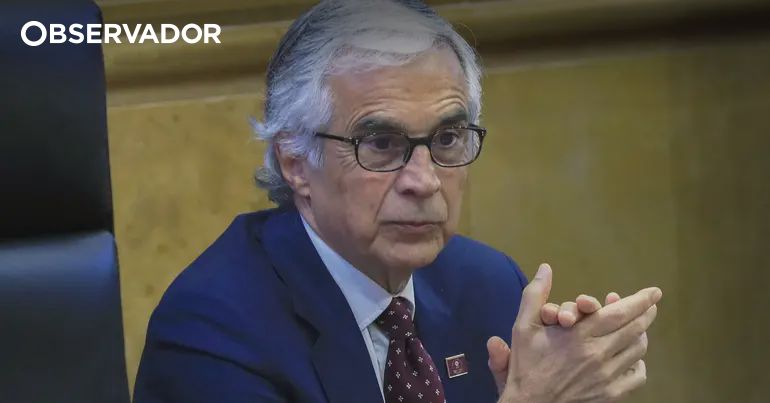
José Pedro Aguiar-Branco highlighted the importance of communication between judges, the Public Ministry, and the press, stating that isolation harms justice and that it is essential to open the judicial system to society. #Justiça #Tribunais #Media (translated)

Mauricio Stycer wrote that institutional meetings between communication sector entrepreneurs and politicians were common, but he considered it a serious error for Globo to host Flávio Bolsonaro for a lunch on the day of the hearing, as it fostered suspicions. #Jornalismo #Ética #Política (translated)

Felipe Neto stated that, after engaging on social media during the 2022 campaign alongside a few people, he saw the left expand its digital presence in the following four years. According to him, this advancement was important, although the environment was unequal: the algorithm would favor radicalization and hate speech, while companies like Meta would have acted to limit progressive posts and benefit conservative discourse. Neto said that, in the view of executives, these decisions would be part of business freedom, but he classified them as interference in national sovereignty. He also argued that platforms with significant communication power should be held accountable for the consequences of their decisions. Despite considering the election outcome disastrous, he said that the last four years showed reasons for hope. In Neto's assessment, the rise of the far-right in Brazil could boost resistance and strengthen the left's grassroots efforts both on the streets and online. He stated that the digital strength of the left, which was previously hard to imagine, was already a reality and urged people not to remain silent, but to question, research, and confront the scenario. #EsquerdaDigital #Resistência #LiberdadeDeExpressão (translated)

Roberto Reis stated that the electoral race was tight and, in his assessment, Lula had been regaining votes among voters from classes D and E, especially among those concerned about losing social benefits. According to him, this group had supported Flávio Bolsonaro in the first round after promises of improvements and prosperity. Reis said that Lula was not gaining votes from Augusto Cury, Ronaldo Caiado, or Renan, but from Flávio. The author claimed that there was an unprecedented fear campaign, with allegations of the political use of CRAS, daycare centers, and educational institutions, in addition to the circulation of false information. According to Reis, voters were being warned that they could lose their pensions, Bolsa Família, BPC, and minimum wage adjustments. Reis said that Flávio had already started to react with an advertisement about public safety, crime, and factions, which also reaffirmed the commitment to maintain and improve social programs. In the author's view, the response should be more incisive, with the participation of new allies. He also advocated for Flávio and Cleitinho to jointly present a national proposal for the IPVA, citing the discussion about the tax in Minas Gerais, where, according to him, Cleitinho won in the first round. Regarding the polls, Reis assessed that Flávio was still leading by about 2 points, possibly reaching 3 in the final stretch, while Lula faced greater rejection and a persistent ceiling. He noted that some polls already indicated a tie but expressed reservations about the sampling considerations, especially regarding the composition of social segments. For Reis, the transfer of votes from the third way had already occurred, and the challenge was to maintain the votes gained in the first round. He asked Rogério Marinho to demand greater participation from the new allies and a more precise direction for communication actions. #Eleições2024 #Lula #FlávioBolsonaro (translated)


Lexa wrote that, from what she had understood, Jottape had called her mother and talked about his daughter, causing her to cry. #família #emoções #comunicação (translated)
Miguel Pinto Luz, Minister of Infrastructure, states that the government needs to improve its communication about housing reforms to regain the trust of the Portuguese, especially at a time of unfavorable polls for the PSD. #habitação #TAP #protestos (translated)


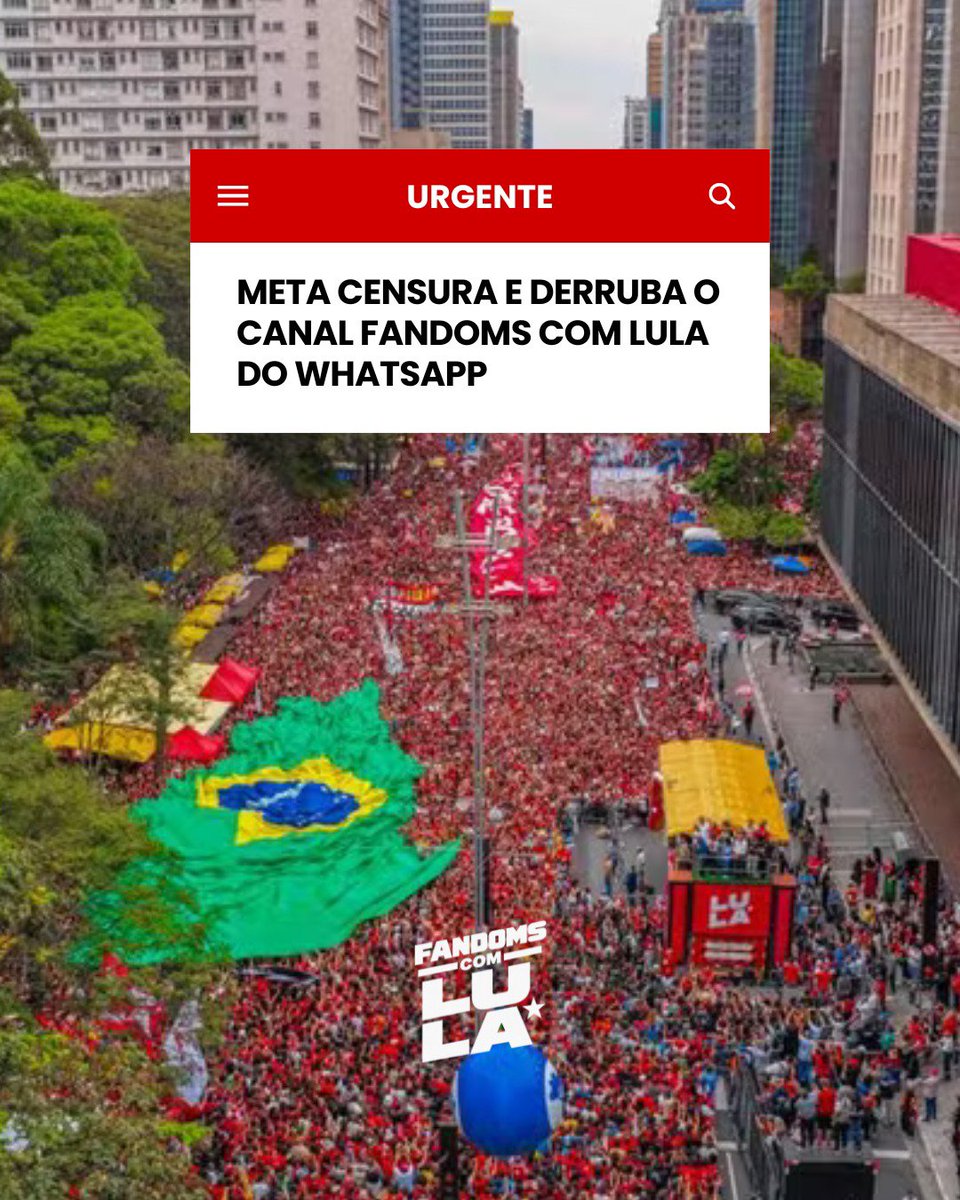
Fandoms with Lula stated that Meta had removed their channel on WhatsApp and that the group had already created a backup channel. They said that important missions and mobilizations would start the next day and asked followers to join the new channel, share the link, and invite those who were in the previous one. https://t.co/siDfrnYQJ5 #MetaCensura #FandomsComLula #Mobilização #Fandoms #Comunicação (translated)
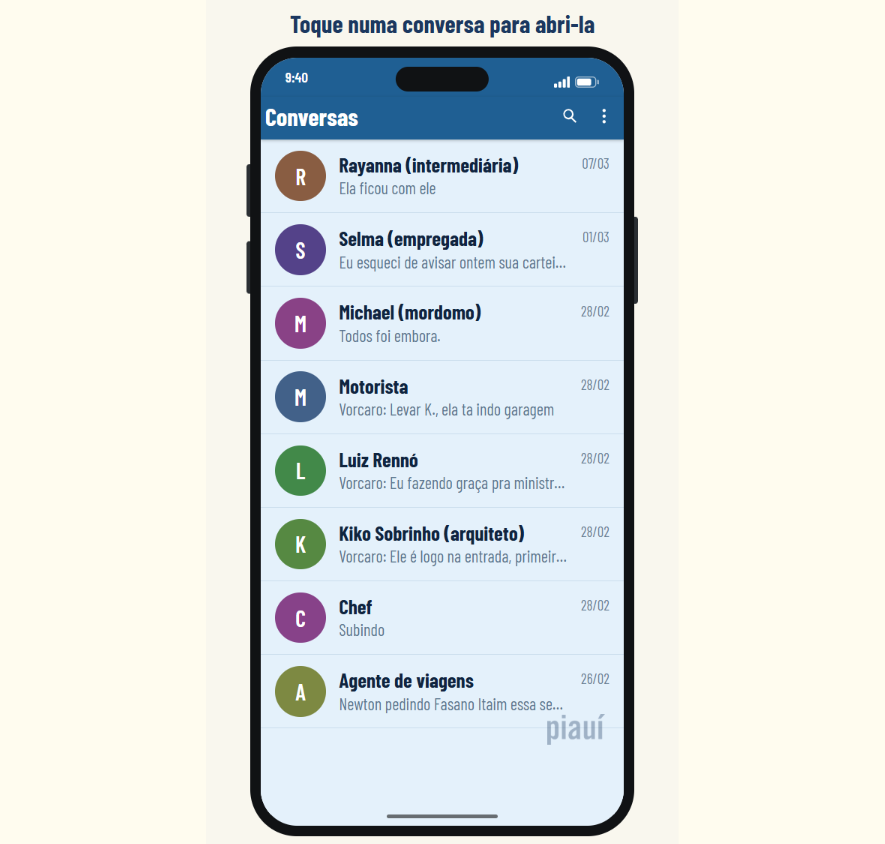
Breno Pires presented a report on eight conversations on WhatsApp between banker Vorcaro and members of his team, during the preparations to welcome Minister Nunes Marques at a party that, according to him, left traces. The art was credited to Revista Piauí, Fê Catunda, Dpbergamasco, João Batista Jr. and Anacla. https://t.co/usAGxigV7v #WhatsApp #Política #Comunicação (translated)

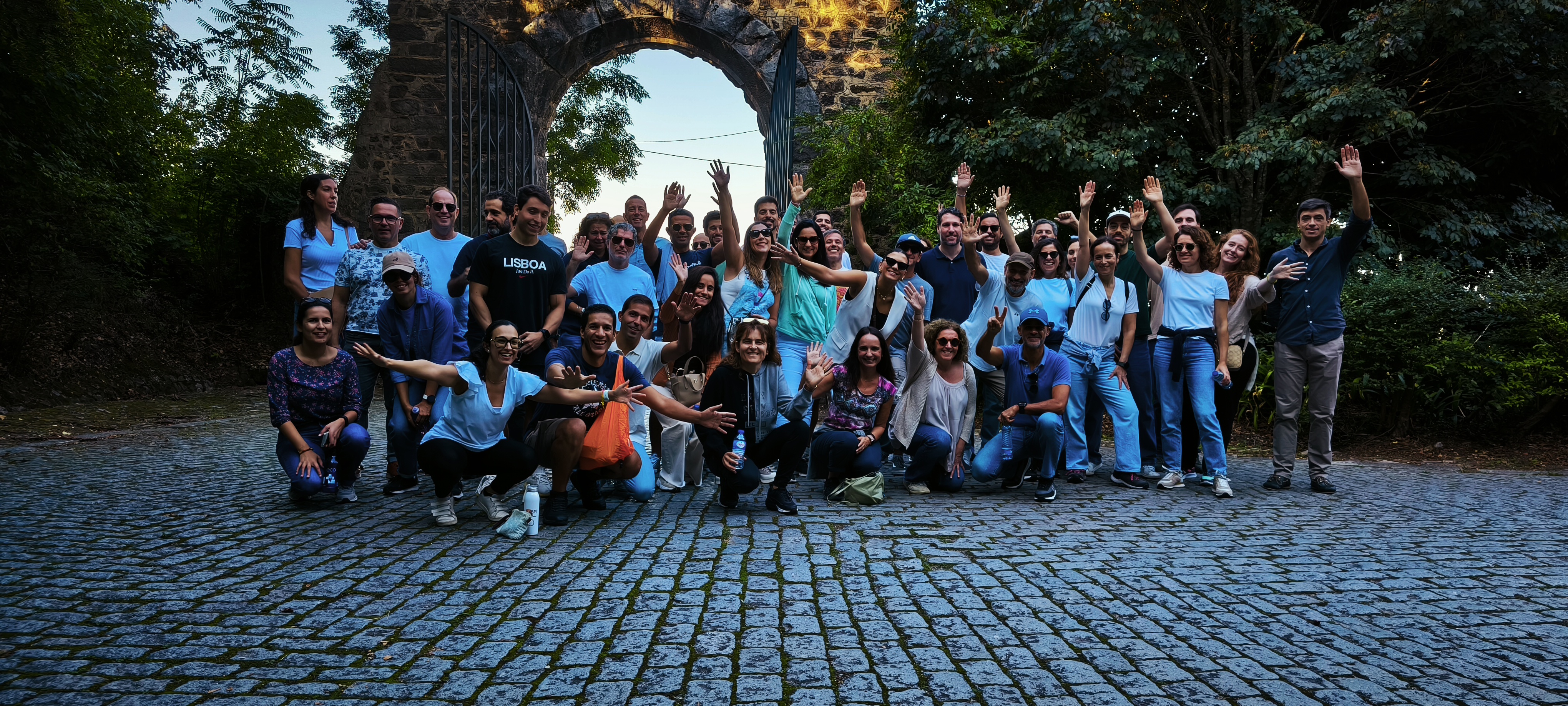
Na Living Place - Animação Turística, acreditamos no poder da natureza como catalisador para a transformação humana e profissional. 🌲 Hoje conduzimos cerca de 50 elementos da equipa do Banco BPI numa experiência imersiva na Mata do Bussaco. A Caminhada Interpretativa aliou o conhecimento ambiental sobre a riqueza da fauna e flora locais a um momento chave de introspeção, mentoria e orientação pessoal. A tranquilidade do ecossistema e o ar puro permitiram desligar da rotina para cultivar a empatia, aprimorar a comunicação interna e consolidar um grupo ainda mais coeso e alinhado. Inspirar pessoas e conectar equipas ao meio natural é a nossa missão! 🌍✨

Cafecomferri criticized Felipe Nunes, saying that he was jeopardizing his own career. He stated that he would return after the second round to contest the numbers and that, except for what he called "magic," the difference remained close to 4% in Nunes' poll, which, according to him, was never accurate. He added that the exaggeration had led him to comment and that Nunes could have avoided this situation. #politica #pesquisa #comunicação (translated)
The article by Rui Tabarra e Castro discusses the recent intervention of the Regulatory Entity for Social Communication (ERC) regarding the campaign “Thank You, Mom,” highlighting how this position reflects a new form of censorship and paternalism that aims to control the debate on abortion under the justification of protecting young people. #LiberdadeDeExpressão #Censura #DireitosFundamentais (translated)





