BETA nonprofit public democratic european moderated

Search

#fatos

History in Paint stated that if Flávio fulfilled 30% of what he claimed he would do, the country would enter a civil war in six months. He also assessed it as likely that his government would be similar to his father's, with some privatizations, agreements with the Centrão, and widespread corruption. #Política #Brasil #Governo (translated)
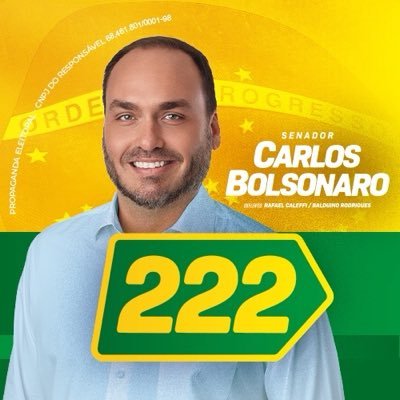

Carlos Bolsonaro stated that the current political movement was cyclical and that there was a sneaky action around the imprisonment and isolation of Jair Bolsonaro, the exile of Eduardo Bolsonaro, and what, according to him, some considered the capture of Flávio Bolsonaro. He said it was not speculation, but facts, and described the dispute as a new confrontation between Jair Bolsonaro and the people on one side and the system on the other. He stated that there was still a mission to fulfill and that previous attempts had failed. He also reported realizing, at a certain moment, that he was at the center of an environment he described as hostile. He said that since then, he had survived and continued to follow Jair Bolsonaro's orders. Finally, he asserted that there was an obligation to save Brazil. #Brasil #Bolsonaro #Política (translated)

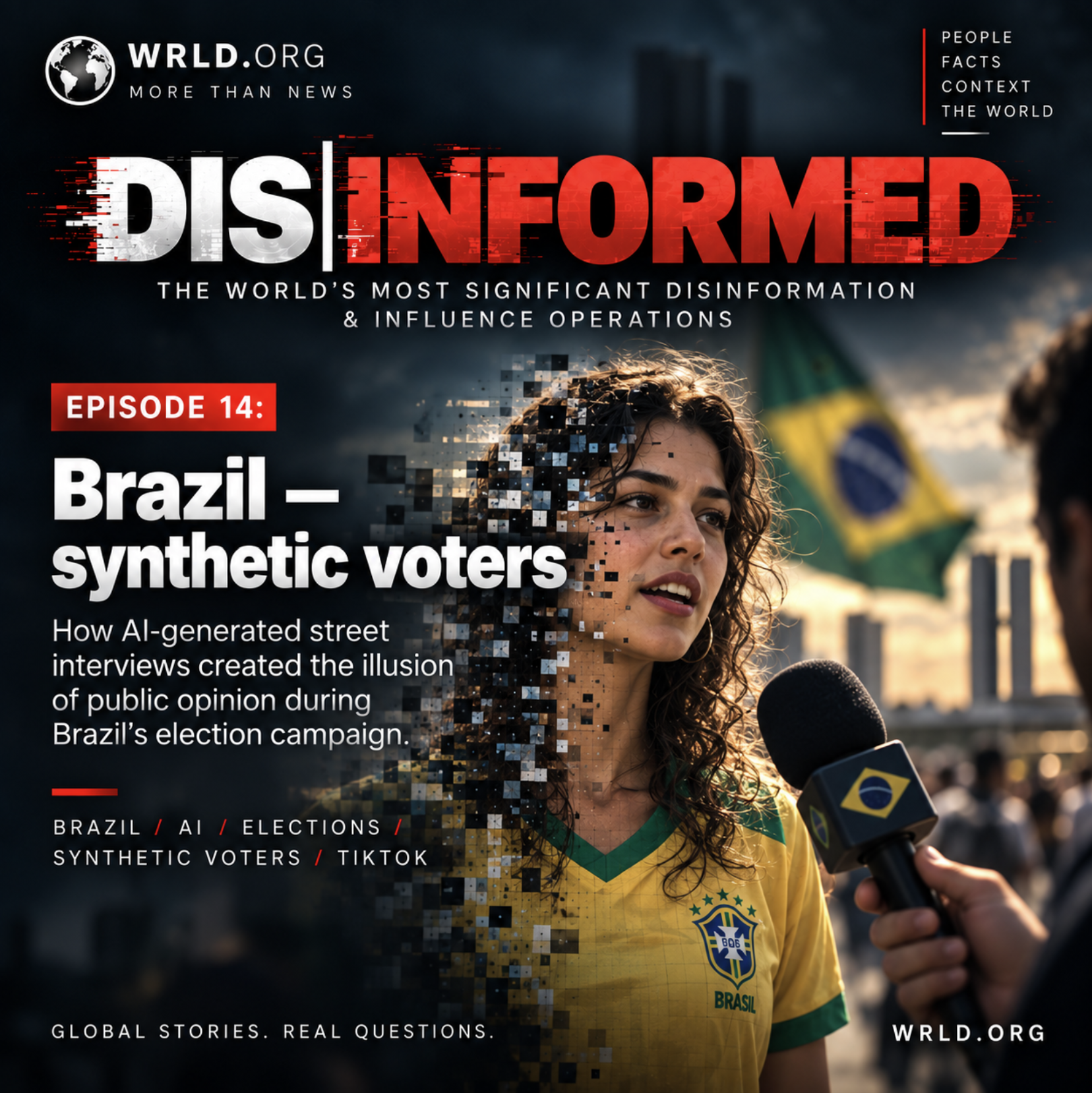
Brazil’s synthetic voters – when AI manufactures public opinion They look like ordinary street interviews. A reporter approaches a passer-by in a Brazilian square and asks a simple question: who will you vote for? A young voter explains why Luiz Inácio Lula da Silva deserves another term. An elderly woman says Brazil needs Flávio Bolsonaro because he represents political renewal and greater security. The locations look plausible, the microphones are visible and the answers sound much like the brief political opinions heard in television vox pops around the world. None of the people are real. Ahead of Brazil’s presidential election on 4 October, fact-checking organisation Aos Fatos identified at least 50 TikTok videos in which artificial intelligence was used to manufacture voters, reporters and apparently spontaneous political interviews. Together, the videos had accumulated around 7.4 million views by mid-August. Some promoted Lula, others Flávio Bolsonaro, while another group used synthetic characters to ridicule or stereotype supporters of one side. Aos Fatos found no apparent evidence linking the accounts producing the videos to either presidential campaign. The opinion poll that never took place The format is important. These were not conventional deepfakes in which a recognisable politician is made to say something he never said. Instead, the creators reproduced the visual language of the vox pop – the short street interview used by broadcasters and social-media creators to illustrate what ordinary people supposedly think. In pro-Lula videos, synthetic voters described themselves as beneficiaries of social programmes or credited the president with improving their lives. In videos supporting Flávio Bolsonaro, artificial interviewees associated him with political renewal, public security and fighting corruption. Other clips were openly hostile: AI-generated characters presented as poor or living in parts of Brazil’s north-east were shown in dirty clothes or run-down surroundings, declaring support for Lula because they supposedly preferred welfare payments to work. The deception is therefore subtler than fabricating a candidate’s statement. It manufactures something that political communication normally treats as evidence of public sentiment. A real vox pop may be unscientific, but the people interviewed at least exist. These videos created the appearance that identifiable social groups – young people, pensioners, welfare recipients or residents of particular regions – were spontaneously expressing political preferences when no such encounters had taken place. An electoral-law specialist interviewed by Aos Fatos described the technique as the fabrication of a “social fact that never occurred”. That captures the central innovation: AI is being used not merely to falsify political speech, but to manufacture the impression of grassroots opinion. Fifty videos, but not one proven network The available evidence does not support describing the 50 posts as a centrally controlled influence operation. Aos Fatos located them through TikTok searches and recommendations produced by the platform itself, then examined the accounts responsible for publication. Most had relatively small individual audiences, although their combined reach was substantial. The first examples identified by the investigation appeared as early as March 2026. Activity increased in June and was concentrated particularly in July and the first half of August as Brazil’s election calendar intensified. Some accounts specialised in AI-generated videos generally, including fabricated podcast-style material. Others were explicitly political or supportive of a candidate, but Aos Fatos found no apparent links between those profiles and the official Lula or Bolsonaro campaigns. That distinction is essential. The evidence demonstrates a common technique and a shared political environment, not a single command structure. Some creators may have been motivated by ideology, others by engagement or monetisation. Publicly available evidence does not establish who commissioned the individual videos or whether any coordination existed between the accounts. This decentralised model also creates a different enforcement problem from a traditional bot network. There may be no headquarters to expose and no infrastructure whose removal disables the entire operation. The format itself can be copied by anyone with access to inexpensive generative-video tools. When the algorithm mixes real and synthetic citizens Aos Fatos documented another important feature of the phenomenon: TikTok’s recommendation system placed AI-generated interviews alongside genuine street interviews. For a user scrolling quickly through the platform, the transition between an authentic citizen and an entirely fabricated one could therefore be almost invisible. In 18 per cent of the 50 videos analysed, there was no indication that the people shown had been generated using AI. After Aos Fatos provided TikTok with the videos, the company said it had removed all of them for violating its rules on edited and AI-generated media. TikTok said its policies require creators to identify synthetic content and prohibit manipulated media capable of misleading users about matters of public importance or impersonating genuine journalistic material. The issue extends beyond one platform. Factchequeado’s review of Brazil’s 2026 election campaign found that synthetic endorsements and other deepfakes had become one of the most visible forms of AI-assisted electoral misinformation, alongside fabricated candidate statements and invented scenes. Brazil already had rules for synthetic politics Brazil entered the campaign with unusually detailed electoral rules governing artificial intelligence. The Superior Electoral Court, the TSE, requires electoral propaganda using synthetic multimedia to disclose clearly that AI was used. More importantly for the fake-voter videos, its rules prohibit synthetic audio or video used to favour or harm a candidacy when it creates or alters the image or voice of a living, deceased or fictitious person. The difficulty is attribution and enforcement. When a synthetic video is published by an official campaign, responsibility can be relatively straightforward to investigate. When it comes from an apparently independent account with no demonstrated relationship to a candidate, lawyers interviewed by Aos Fatos said responsibility is more likely to fall on the individual creator, while imposing electoral sanctions on a campaign would require evidence of a connection. For the final 72 hours before the election and the 24 hours following it, the TSE has imposed additional restrictions on newly published or republished synthetic material involving candidates or public figures, reflecting the particular difficulty of correcting fabricated content immediately before voting. From deepfake politicians to synthetic electorates The Brazilian case illustrates a broader change in political manipulation. The first generation of electoral deepfakes concentrated on famous people: make a politician appear to say something damaging, or fabricate an endorsement from a celebrity. Synthetic vox pops reverse the perspective. The politician can remain completely authentic; it is the electorate around the politician that is fabricated. That changes the psychological proposition of the message. Instead of saying the candidate believes this, the video suggests people like you believe this. Age, clothing, accent, neighbourhood and social class can all be generated to construct an artificial constituency around almost any political claim. There is no evidence that the 50 Brazilian videos identified by Aos Fatos constitute a single centrally directed campaign, nor evidence that they changed voting intentions. What they demonstrate is a technique whose barrier to entry has become extremely low. AI no longer needs to forge the politician. #DISINFORMED #Episode14 #Brazil #BrazilElection2026 #Elections #ElectionDisinformation #ArtificialIntelligence #AI #GenerativeAI #SyntheticVoters #SyntheticMedia #AIAvatars #AIGeneratedVideo #VoxPop #FakeInterviews #Astroturfing #AIPropaganda #PoliticalDisinformation #InfluenceOperations #InformationWarfare #SocialMediaManipulation #TikTok #PublicOpinion #ManufacturedConsent #SyntheticPublicOpinion #DigitalInfluence #Deepfakes #ElectionIntegrity #TSE #AosFatos #FactChecking #OSINT #MediaManipulation #WRLD (translated)

Eleitores gerados por IA fazem campanha no TikTok e põem em xeque regra do TSE

Carlos Bolsonaro wrote that public statements about the protection of women should be confronted with the facts and the history of those making them. He asked the public to watch the video until the end and draw their own conclusions, tagging Flávio Bolsonaro and identifying him as "President 22." https://t.co/NzRucwveTF #ProteçãoÀsMulheres #DireitosDasMulheres #JustiçaSocial (translated)

Claudio Dantas asked Flávio Dino to investigate an alleged interference by the United States in the “painho” election in 2022 and said that he should address the facts with intellectual honesty. The publication also shared a link titled “Operation Uncle Joe.” https://t.co/EMwUHgOxeq #Política #Eleições2022 #Investigação (translated)

The article by Alberto Gonçalves discusses the complexity of the situation in Gaza, questioning the allegations of genocide by Israel and highlighting the growth of the local population, while criticizing the inability of some activists to recognize the presented facts. #Gaza #Israel #Hamas (translated)
O Ocidente que resistiu a bordo de um Boeing
Pri 4d

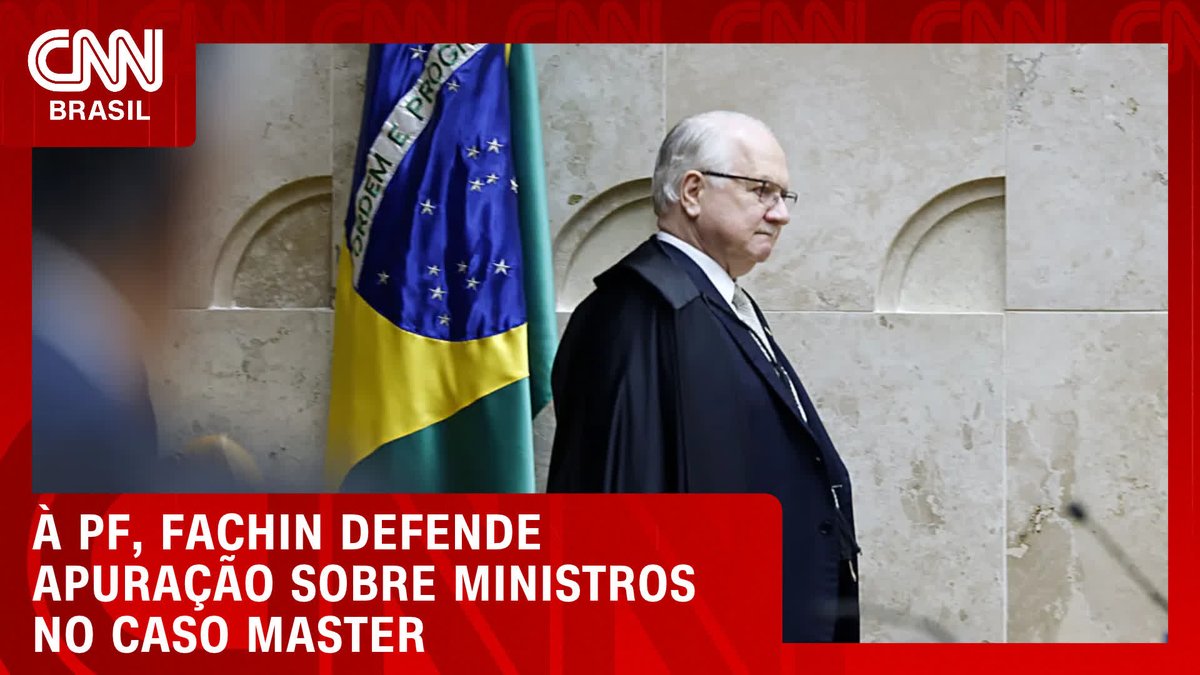
Pri wrote that Edson Fachin sent a letter to the Federal Police, stating that any events involving members of the Court in the Banco Master case should be clarified without exception. According to her, the Federal Police would have to forward the reports and documents to the Presidency of the Supreme Court. https://t.co/re72TxBVdN #Justiça #SupremoTribunal #BancoMaster (translated)

The Independent Medium stated that, following the events involving the Globo debate, a significant portion of the voters of the so-called third way migrated to the useful vote for Flávio as early as Sunday. https://t.co/9OFjN6adom #Eleições2023 #VotoÚtil #Política (translated)
Fachin, can you analyze the request for the removal and preventive detention of Alexandre de Moraes for all his crimes, filed on March 9, 2026, and updated on the last day 09/23, with new facts? Could you? Brazil thanks you. https://t.co/IVzTxBS4VJ https://t.co/a7K5o6QiQP #brasil #justiça #politica (translated)

Impeccable note. From the first to the last line, reporting, including what is happening in the world of facts. An example to be followed by certain journalism that wishes to be "impartial." #jornalismo #imparcialidade #reportagem (translated)

Friends in the press, please stick to the facts: the majority formed was to REFORM the decision of Minister André Mendonça. #Imprensa #Justiça #Reforma (translated)

Has anyone noticed that the Master Case may be far beyond just a financial crime or corruption? If the investigations CONTINUE, the case could take on a dimension of national security. And, in light of the severity of the facts, those responsible will have to answer to the fullest extent of the law. #CasoMaster #Corrupção #SegurançaNacional (translated)

FAKE NEWS ABOUT OUR LADY CAUSES CRISIS BETWEEN STF AND TSE Jornal Nacional confirmed that there is currently no project in Congress or organized movement of evangelicals to remove the title of patroness of Brazil from Our Lady Aparecida. Even without factual support, publications attributed this intention to Flávio Bolsonaro and his family. André Mendonça ordered the removal of the content, but the order triggered conflicting decisions from Flávio Dino and Luiz Fux. The clash led TSE president Nunes Marques to warn about legal insecurity, interference in the duties of the Electoral Justice, and risk of institutional capture. #FakeNews #STF #TSE (translated)

Aparentemente, a manchete da CNN Brasil distorceu a fala do presidente. Aqui está o vídeo para lembrarmos novamente. É PRECISO LEMBRAR TODOS OS DIAS PARA NÃO ACONTECER NOVAMENTE ✊ PROTEJAM AS CRIANÇAS https://t.co/VT4iQX8niR #CNNBrasil #ProtejamAsCrianças #Fatos

Apesar da batalha solitária, da sensação de insegurança (inclusive jurídica) e até decepcionado com gente que respeitava no jornalismo, não vou esmorecer. Não ganho nada com isso. Pelo contrário. Só perdi até agora. Esta luta é pela manutenção de direitos básicos. Pela liberdade. Religiosa e de expressão. Minha e de todos. A partir de fatos públicos e notórios que sequer partiram de mim. E se, depois de tudo isso, ainda houver Justiça neste país (apesar dos que querem implodi-la), estaremos livres de quem acredita que a violência e o extermínio são a solução para o contraditório e nada disso aí embaixo ficará impune. #LiberdadeDeExpressão #Justiça #DireitosHumanos

Quando a imprensa repete exaustivamente que fatos são ataques você sabe de que lado ela está e não é da verdade! #Imprensa #Verdade #Ativismo

Todos os dias, novas denúncias e investigações envolvendo o filho do presidente vêm à tona, enquanto Lula vai à rede nacional para defendê-lo e afirmar sua inocência. As investigações da Polícia Federal seguem, e os fatos precisam ser esclarecidos para os brasileiros. Enquanto isso, quem paga a conta é o cidadão que trabalha, enfrenta impostos altos, violência e perda de poder de compra. O Brasil não pode continuar sendo tratado como propriedade de quem está há décadas no poder. É hora de mudança. #Brasil #ForaLula #Corrupcao #Brasil #Mudança #Corrupcao

Não adianta André Mendonça passar o dia no Twitter censurando conta. Contra fatos não há censura que se sustente. Flávio Bolsonaro está cercado de fundamentalista religioso que persegue a Nossa Senhora, inúmeros políticos, eleitores e religiosos. Mais um aí pra lista: https://t.co/D5GTxdRz1T #Censura #LiberdadeDeExpressão #PolíticaBrasileira

Carta aberta ao ministro @MinAMendonca, Caro ministro, Pelos relatos que recebo, o vídeo abaixo, de minha autoria, foi censurado. Ou por ordem sua, ou pelas plataformas, a quem o senhor entregou a tesoura para apagar, por conta própria e sem nova ordem judicial, qualquer "narrativa equivalente". Isso tem nome: censura prévia. A Constituição a proíbe duas vezes, no art. 5º, IX, e no art. 220, § 2º, que veda "toda e qualquer censura de natureza política, ideológica e artística". O senhor sabe disso. Parece ter decidido esquecer. Esqueceu também regras do tribunal que hoje vice-preside. A Resolução TSE 23.610/2019 determina que a atuação da Justiça Eleitoral sobre conteúdos na internet se dê com a menor interferência possível no debate democrático (art. 38) e exige, sob pena de nulidade, a indicação da URL específica de cada conteúdo removido (art. 38, § 4º). O Marco Civil da Internet segue a mesma lógica (art. 19, § 1º). Uma ordem genérica, que transfere a empresa privada o juízo sobre o que é "equivalente", não é tutela jurisdicional. É terceirização da mordaça. Todos os trechos do meu vídeo foram extraídos de reportagens e apresentados no contexto em que foram ditos. Não há ali ilícito eleitoral nem penal. Há fatos de notoriedade pública. Pergunto, então: o que exatamente o incomodou? Terá sido ver autoridades evangélicas ofendendo autoridades eclesiásticas e símbolos católicos? Pegou mal para a denominação da qual o senhor é pastor? Acaso não existiu o projeto que alterava a Lei 6.802/1980 para transformar a Padroeira do Brasil apenas em padroeira dos católicos apostólicos romanos? Acaso Flávio não diz, em trecho do vídeo abaixo, que a primeira coisa que fará, se eleito, será "consagrar o Brasil a Nosso Senhor Jesus Cristo"? Num Estado que o art. 19, I, da Constituição declara laico, a promessa já é discutível. Criticá-la é dever cívico. Acaso aquele deputado evangélico no vídeo não chamou o arcebispo e o papa de "vagabundos"? Acaso aquele pastor de Bastos (SP) não chamou a Padroeira de "diabo fantasiado de azul"? Acaso é invenção o vídeo de bolsonaristas tumultuando e tentando agredir funcionários da TV Aparecida no dia da Padroeira? Acaso é mentira o texto, reproduzido abaixo, daquele que a imprensa aponta como pastor de Flávio, convocando o rebanho a liquidar a autoridade da Padroeira? Diante desse conjunto de evidências, é crime perguntar se Flávio fará o que ele próprio promete no vídeo abaixo, algo que muitos brasileiros entenderiam como rebaixamento da Padroeira? A Corte que o senhor integra já respondeu que não. Na ADPF 130, afastou qualquer controle estatal prévio sobre o que se pode dizer. Na ADI 4451, garantiu o direito de criticar e satirizar candidatos em plena campanha. E um candidato se reconhecer numa crítica não transforma a crítica em mentira. Transforma, no máximo, em diagnóstico. Não lhe parece que o senhor foi muito além dos poderes de juiz, que não são os de pastor, nem de Deus, ao mandar derrubar posts que diziam apenas "Nossa Senhora Aparecida, rogai por nós"? Há dois mil anos alguém já separou as jurisdições: "Dai a César o que é de César, e a Deus o que é de Deus". O senhor conhece o versículo melhor do que eu (acho). Parece ter confundido os balcões. Voltaire escreveu o Tratado sobre a Tolerância depois que um tribunal católico, em Toulouse, mandou executar um protestante, Jean Calas. A história tem senso de humor: agora é um juiz protestante quem manda apagar preces católicas. O mesmo Voltaire ensinou que o fanatismo está para a superstição como o delírio está para a febre. Montesquieu advertiu que todo homem que detém poder tende a abusar dele, e vai até onde encontra limites. O senhor pode muito. Não pode tudo. Confio que seus pares reverterão essas decisões autoritárias e esdrúxulas, proferidas a pedido de Flávio, o filho do homem. Do homem que o indicou à Corte. Reflita, ministro. Não vivemos uma guerra santa, embora talvez exista na sua cabeça. Não me intimidarei. #Censura #LiberdadeDeExpressão #Democracia

🚨🇧🇷 UM RESUMO DO BRASIL: 1. Lula cria a taxa das blusinhas; a 30 dias da eleição, volta atrás. 2. Lula passa quatro anos sem reajustar o Bolsa Família; a 17 dias da eleição, volta atrás. 3. Lula regulamenta o Tigrinho; a 9 dias da eleição, volta atrás. As três medidas, anunciadas às vésperas da eleição, representam mudanças em políticas adotadas pelo próprio governo. Enquanto isso, outros indicadores econômicos continuam assolando as famílias brasileiras: - Os alimentos continuam pesando no orçamento das famílias, apesar dos supostos índices oficiais de inflação divulgados pelo IBGE. - A gasolina comum registrou preço médio de R$ 6,54 por litro, e o diesel S-10, de R$ 7,13, na semana de 13 a 19 de setembro. - A dívida bruta chegou a 82,5% do PIB em julho de 2026, somando aproximadamente R$ 10,9 trilhões - O Brasil registrou a maior taxa de juros reais entre as 40 economias analisadas em setembro de 2026. Em termos nominais, ocupou a quarta posição no levantamento. - A Sondagem Industrial da CNI apontou queda do índice de intenção de investimento da indústria brasileira para 51,3 pontos em setembro de 2026, o menor patamar desde agosto de 2020. - O endividamento das famílias brasileiras bateu um novo recorde em julho: 82% dos consumidores disseram ter algum tipo de dívida a vencer, o maior nível desde o início da série histórica da Confederação Nacional do Comércio de Bens, Serviços e Turismo (CNC). - Governo Lula adotou entre 27 e 37 medidas que envolveram a criação, o retorno ou a elevação de tributos. COMPARTILHE OS FATOS! #Brasil #Economia #Política