WRLD

Search

#flexibilitate
Mediafax.ro 6d

Russia and Ukraine have shown some "flexibility" in private discussions regarding territory, according to a U.S. official, in the context of U.S.-mediated negotiations taking place in Abu Dhabi. #Rusia #Ucraina #negocieri (translated)

www.mediafax.ro
Reuters: Rusia și Ucraina dau dovadă, în cadrul discuțiilor private, de „flexibilitate” în privința teritoriului, afirmă un oficial american
3626
G
Gelu 3w

Don't change the time! Change the schedule, not the time! The biological rhythm is regulated by the Sun, not the clock. Time is not a work schedule that we can shift at will. Time is the measure by which we organize our lives, and nature has its own rhythm. The Earth does not change its rotation twice a year. The sun does not rise earlier because we decided to move the clock forward. Animals, birds, insects, and plants follow their biological rhythms related to light, darkness, and the natural succession of seasons. Humans are part of this nature. Our bodies have their own biological clock, fundamentally influenced by light. And when we officially move the clocks by one hour, we are not changing the course of nature, but rather asking humans to abruptly adapt to an administrative convention. Why do this every spring and reverse it every autumn? Is it natural to change the time or to adapt our schedules? Let's consider the majority of people: workers, farmers, students, teachers, parents, retirees, people who must adhere to a schedule set by others. They cannot always modify their schedules at will. They need to wake up at a certain hour, get to work, take a child to school, or comply with the public transport timetable. In contrast, there are people and organizations that have the opportunity to adapt their schedules based on the season, natural light, or the needs of their activities. If, for some people, changing their schedule is feasible, why impose the time change on everyone? Let's take a hypothetical example: if 10% of people have the freedom to adapt their schedule, is it fair to change the time for all those who do not have this freedom? Would it not be more logical to change the schedule where needed, rather than change the time by which the entire society organizes itself? Stores can modify their opening hours. Factories can adapt their shifts. Institutions can adjust their schedules, and schools and public transport can analyze timetables according to local conditions and people's needs. We do not all have to operate on the same schedule to live by the same time. Nature does not need our approval to follow its rhythm. In spring, the days lengthen. In autumn, the days shorten. This is the natural rhythm of the Earth, which we can observe without moving even a single clock hand. If we want to start activities earlier in summer, we can start sooner. If winter requires a different schedule, we can adapt it. But why change the official time, get used to a new convention, and then revert to the old one? Would it not be simpler to keep the same time all year round and organize our activities according to the season? I do not claim that all living beings measure time in hours and minutes. I assert something more important: their biological rhythms are linked to the natural cycle of light and darkness, not to the numbers we display on the clock. And humans should take this truth into account when organizing their lives. The economy must serve people, not people be permanently forced to adapt to the economy. One argument presented in favor of changing the time is the more efficient use of natural light or the reduction of energy consumption. But the actual effects depend on the country, season, population habits, and how energy is used. If we want to save energy, let's examine actual consumption. If we want more light during activities, let's adapt the schedules. If we want to improve work organization, let's change the timetables where possible. There is no need to change the time for the whole society to achieve flexibility in certain areas. The schedule is a tool we can adapt. The time should be a stable reference. We cannot stop the seasons. We cannot modify the Earth's rotation. We cannot ask nature to adapt to our clock. But we can organize our lives more wisely. Instead of moving the clock hands twice a year, we can learn to adapt our schedules to the reality around us. Instead of changing the time for everyone, we can allow each field to find the appropriate schedule, within the bounds of the law and with respect for people's rights. Let's keep the time stable and make the schedules flexible! Let's leave time in peace. Twice a year, millions of people are forced to change their clocks, schedules, and biological rhythms to adapt to an administrative decision. It is said that changing the time brings economic or energy benefits. However, in modern society, these advantages are increasingly contested, while the disadvantages are felt by nearly the entire population. People, animals, and plants do not live by the clock on the wall, but by the natural rhythms of the Earth. The human body is regulated by the alternation of light and darkness. When we artificially move the time forward or back, we disturb this balance. Many people sleep worse, feel more tired, and need days or weeks to readjust. Living beings do not change their schedules twice a year. Birds do not migrate by the clock, cows do not produce milk according to the official hour, and dogs do not understand why their owner takes them for a walk an hour earlier. Nature follows the sun, not administrative decisions. There is also a principle issue. For a relatively small percentage of people and activities that would benefit from more light in the evening, the schedule of the entire society is modified. About 90% of people are forced to adapt, even though they did not ask for this and do not gain direct advantages. It would be more logical for the sectors that need a different schedule to adapt it themselves. Stores can open earlier or later. Factories can modify their work shifts. Schools, institutions, and companies can adjust their schedules as needed. It is much easier for certain organizations to change the schedule in a targeted manner than to change the official time for the entire population. Moreover, modern technology has greatly diminished the argument for saving energy. Lighting now represents a smaller proportion of total consumption, while air conditioning, computers, and other equipment operate regardless of time changes. The time should serve people, not people be obliged to serve the time. A modern society can function efficiently without moving the clock hands twice a year. Stability, health, and respect for natural rhythms are stronger arguments than the tradition of a measure introduced in another era. Therefore, the most rational solution is to keep the same time throughout the year and adapt schedules where necessary, rather than changing the lifestyle rhythm of an entire population. Why should we keep the same time all year? Changing the time twice a year represents an artificial intervention in the natural rhythm of society. Although it was introduced with the intention of saving energy, numerous modern studies show that the benefits are minimal, while the social, medical, and economic costs are significant. 1. The biological rhythm is regulated by the Sun, not the clock. The human body operates according to an internal biological clock, synchronized with the natural alternation of day and night. Research in chronobiology shows that artificial changes in time disrupt sleep, concentration, and metabolism. In the days following the switch to summer time: - sleep disorders increase; - more traffic accidents occur; - productivity at work decreases; - there is an increase in the risk of heart attacks and other cardiovascular problems. In practice, millions of people are forced to suffer a slight "jet lag" without having traveled anywhere. 2. Nature does not change the time. Animals and plants regulate their activity according to light. Birds, insects, domesticated and wild animals do not change their schedules just because the government decides to move the clock forward by one hour. Farmers often observe that cows continue to adhere to their biological schedule regardless of the change in official time. The same happens with many other living beings. In reality, we are changing the clock display, not the position of the Sun in the sky. 3. Economic benefits are diminishing. Changing the time was introduced in an era when lighting consumed a significant proportion of the energy used by the population. Today: - lighting is much more energy-efficient; - the main consumption comes from air conditioning, heating, servers, computers, and appliances; - estimated savings are very low or even nonexistent in many states. In contrast, the economic costs are real: - employee productivity decreases after the time change; - absenteeism increases; - additional costs associated with accidents and medical problems arise; - computer and logistics systems need to be periodically adjusted. 4. It is unfair to change the schedule of all for the needs of a minority. If certain economic sectors find it useful to start activities earlier in summer, they can adapt their schedules. For example: - stores can operate from 07:00 to 21:00 instead of 08:00 to 22:00; - factories can alter shifts; - public institutions can temporarily adjust working hours; - schools and companies can decide locally what schedule is optimal. It is much simpler for 10% of organizations to change their schedule than for 100% of the population to change their biological clock. 5. Stability means efficiency. Transport, information systems, international economic activities, and public services function more smoothly when the official time remains constant. One hour throughout the year: - reduces scheduling errors; - simplifies transport and communications; - eliminates confusion regarding timetables; - provides predictability for citizens and companies. Conclusion The sun does not change its time. The Earth does not change its time. Nature does not change its time. Only humans move the clock hands and then endure the consequences of this decision. Instead of modifying the schedule of an entire society twice a year, it is more logical to keep the same time constantly and allow those fields that need a different schedule to adapt their programs individually. This way, natural biological rhythms are respected, economic costs are reduced, and the comfort of the majority of the population is increased. A modern society needs flexibility in scheduling, not the constant change of the clock. (translated)

926
adevarul.ro 3w

A European state aims to replace the 8-hour workday with 12-hour shifts, causing controversy within the governing coalition and among unions regarding the impact on employees' health and work-life balance. #timpulDeLucru #flexibilitate #drepturileLucrătorilor (translated)

adevarul.ro
Un stat european vrea să înlocuiască ziua de lucru de 8 ore cu ture de 12 ore. Ce schimbări se pregătesc pe piața muncii
3014
Mediafax.ro 4w

The Visegrad Group is asking Brussels for more flexibility and additional funding to facilitate the abandonment of Russian energy by 2027, in the context of the specific difficulties faced by Slovakia and Hungary related to energy infrastructure. #EnergiaRusească #UniuneaEuropeană #GrupulDeLaVișegrad (translated)

www.mediafax.ro
Grupul de la Vișegrad cere Bruxelles-ului mai multă flexibilitate privind renunțarea la energia rusească
3139
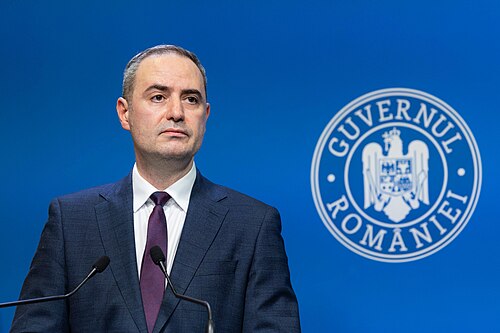
Alexandru Nazare Oct 14

"Investments in development must not stop due to collection blockages. And companies that have carried out works must have predictability regarding payments. That is why we are ensuring an additional 2 billion lei for the budgets of the Ministry of Transport and the Ministry of Environment, for the payment of bills related to PNRR projects. We create this possibility through budgetary flexibility mechanisms and by using reserves that we planned from the beginning of the year, when we proposed the budget law project for this year," wrote the interim Minister of Finance, Alexandru Nazare, on Facebook on Wednesday evening. #PNRR #finanțe #investiții (translated)

Alexandru Nazare anunță încă 2 miliarde de lei pentru proiectele PNRR. Unde vor ajunge banii
www.digi24.ro
3264
T
Tony Murphy Oct 14

It's becoming more difficult for us to track the money. In an interview with Politico, the president of the European Court of Auditors, Tony Murphy, criticized the central elements of the reform proposed by Brussels. Basically, you tell the member state: here's a lot of money, and you make sure everything is fine. It's a kind of self-monitoring. In an interview with Politico, the president of the European Court of Auditors, Tony Murphy, criticized the central elements of the reform proposed by Brussels. There will be some flexibility, but at what cost? In an interview with Politico, the president of the European Court of Auditors, Tony Murphy, criticized the central elements of the reform proposed by Brussels. #UniuneaEuropeană #Corupție #FonduriEuropene (translated)

Furtul banilor europeni ar putea deveni mai ușor de ascuns. Avertisment dur lansat de Curtea de Conturi Europeană privind noul buget al UE
www.mediafax.ro
3265
Valdis Dombrovskis Oct 9
11th Prime Minister of Latvia

"We cannot come up with new fiscal flexibilities every time," said Valdis Dombrovskis, the European Commissioner for Economy, on Thursday after the meeting of Eurozone finance ministers held in Luxembourg, which was reported by Rapporteur. #ComisiaEuropeană #flexibilitatebugetară #ItaliaGrecia (translated)

Comisia Europeană se opune relaxării regulilor bugetare pentru Italia și Grecia
www.mediafax.ro
3039
Mediafax.ro Oct 9

The European Commission rejected the requests from Italy and Greece to obtain exemptions from the European budget rules, arguing that relaxing them could affect the financial discipline of the European Union. #ComisiaEuropeană #flexibilitatebugetară #ItaliaGrecia (translated)

www.mediafax.ro
Comisia Europeană se opune relaxării regulilor bugetare pentru Italia și Grecia
3039
Valdis Dombrovskis Oct 8
11th Prime Minister of Latvia

Inflationary pressures are already taken into account in the overall assessment of the relevant factors for compliance with the fiscal rules by member states. We cannot permanently introduce new forms of fiscal flexibility," said the European Commissioner for Economy, Valdis Dombrovskis, at a press conference. #ComisiaEuropeană #relaxarefiscală #scumpireenergie (translated)

Comisia Europeană a respins solicitările Italiei şi Greciei de relaxare a regulilor fiscale în contextul scumpirii energiei
www.digi24.ro
3157
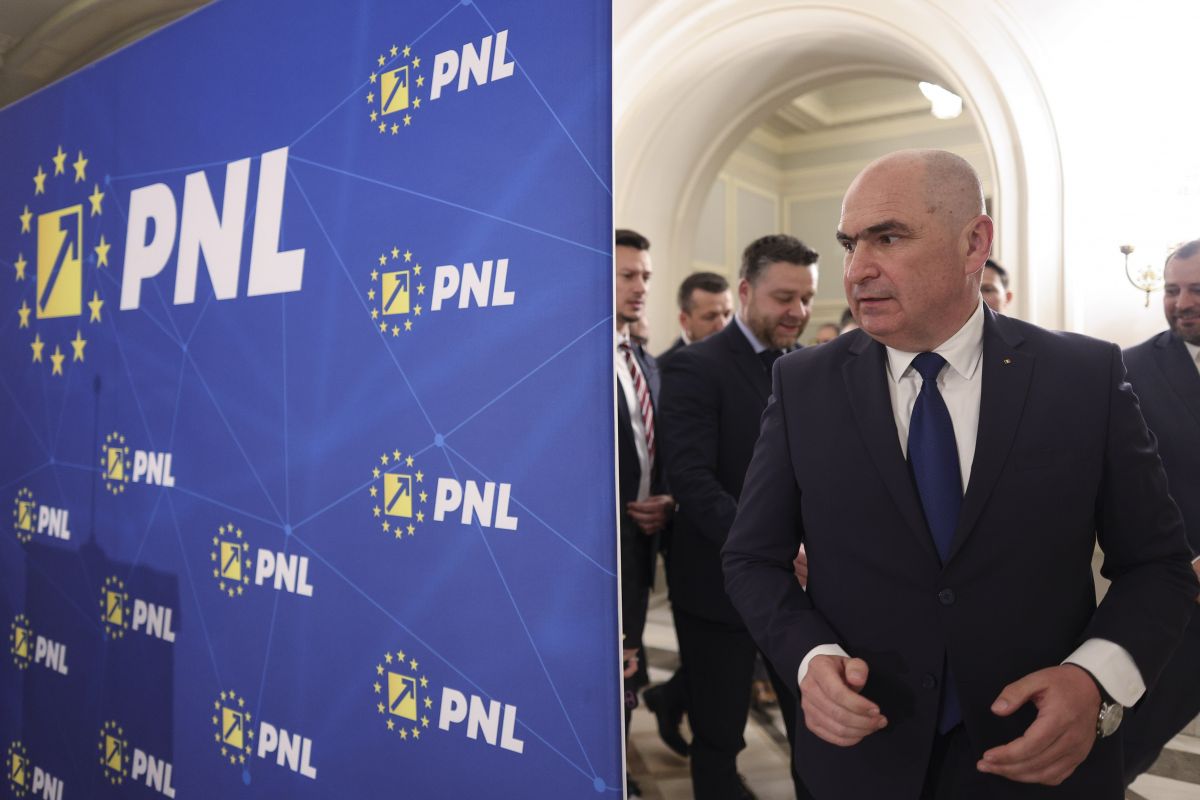
HotNews.ro Oct 8

PNL surprised with its flexibility shown in negotiations for the new Government, announcing that it will not collaborate with PSD, but is open to voting for a government led by Luca Niculescu. #PNL #guvernare #politică (translated)

hotnews.ro
Mutare-surpriză a PNL în negocierile pentru noul Guvern. Anunțul lui Bolojan după discuția cu Luca Niculescu
3274
Stirile ProTV Oct 5

The head of ANRE, George Niculescu, warns that the price of electricity in Romania varies dramatically, reaching values more than 8 times higher in the evening than at noon, which underscores the urgent need for storage and flexibility in the energy system. #energieelectrică #ANRE #prețurienergie (translated)

stirileprotv.ro
Șeful ANRE: Energia electrică este de peste 8 ori mai scumpă seara decât la prânz. De la 51 la 435 euro/ MWh în doar 5 ore
1873
Mediafax.ro Sep 3

Pentagonul a decis să prelungească desfășurarea trupelor SUA în Orientul Mijlociu până în 2027, conform unui raport al Wall Street Journal, pentru a oferi președintelui Trump flexibilitate în cazul unei escaladări a conflictului. #SUA #OrientulMijlociu #militar

www.mediafax.ro
Decizie surpriză a Pentagonului. WSJ: Desfășurarea de trupe SUA în Orientul Mijlociu, prelungită până în 2027
11231
adevarul.ro Jul 10

Articolul lui Alexandru Grumaz subliniază că summitul de la Ankara ilustrează realitatea strategică a Turciei ca actor esențial în geopolitica internațională, evidențiind că influența sa derivă din industria de apărare, poziția geografică avantajoasă și flexibilitatea sa diplomatică, în ciuda provocărilor interne, precum situația drepturilor omului. #Turcia #geopolitică #industriaApărării

adevarul.ro
Turcia indispensabilă
16110
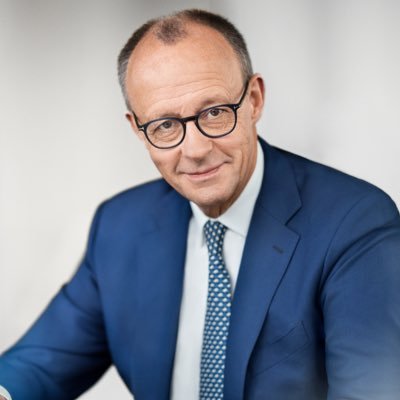
Friedrich Merz Jul 3
German politician, Chancellor of the Federal Republic of Germany

Lucrăm pentru a spori flexibilitatea întreprinderilor noastre. Lucrăm pentru a reduce birocraţia. Lucrăm pentru a proteja statul nostru social şi lucrăm pentru a uşura povara asupra angajaţilor şi companiilor prin reducerea impozitelor

Reforme radicale pentru relansarea Germaniei. Impozite mai mici, pensionare la 70 de ani, restricții la concedii medicale
stirileprotv.ro
13735
Friedrich Merz Jul 3
German politician, Chancellor of the Federal Republic of Germany

Lucrăm pentru a spori flexibilitatea întreprinderilor noastre. Lucrăm pentru a reduce birocraţia. Lucrăm pentru a proteja statul nostru social şi lucrăm pentru a uşura povara asupra angajaţilor şi companiilor prin reducerea impozitelor.

Germania, în pragul unor măsuri radicale. Cancelarul Merz anunţă reduceri fiscale, reforma pensiilor și reguli noi pentru concediul medical
adevarul.ro
13137
Mediafax.ro Jul 2

Un studiu recent a evidențiat că munca de la distanță, deși oferă flexibilitate și alte avantaje, poate avea efecte negative asupra sănătății mintale, în special pentru persoanele care locuiesc singure, care experimentează o izolare mai mare și un nivel crescut de stres. #muncăremote #sănătatemintală #smartworking

www.mediafax.ro
Munca remote nu are doar avantaje. Un studiu arată că smart working-ul poate afecta sănătatea mintală
13140
adevarul.ro Jun 29

Reactoarele modulare mici (SMR) câștigă popularitate în Europa și SUA datorită avantajelor lor în flexibilitatea implementării, costurile reduse și contribuția la decarbonizare, având un sprijin semnificativ din partea guvernelor, ceea ce le poziționează ca tehnologie-cheie pentru producerea de energie curată. #reactoaremici #energiecurată #decarbonizare

adevarul.ro
Reactoarele modulare mici câștigă teren în Europa și SUA
16729
Stirile ProTV Jun 12

NATO discută o propunere care ar oferi comandantului forțelor aliate din Europa, generalul Alexus Grynkewich, o flexibilitate sporită în gestionarea alertelor militare și redistribuirea sistemelor de apărare, ca răspuns la creșterea incidentelor cu drone în România și Polonia, în contextul summitului din iulie. #NATO #drone #securitate

stirileprotv.ro
Schimbare importantă la NATO. Decizia pregătită după dronele explodate în România
18556
Mediafax.ro Jun 11

Premierul desemnat Eugen Tomac a apelat la partidele parlamentare, solicitând mai multă flexibilitate și responsabilitate, pentru a debloca negocierile privind formarea unui nou guvern, avertizând că România nu își mai poate permite un blocaj politic în contextul crizei actuale. #Politic #România #EugenTomac

www.mediafax.ro
Tomac: Partidele trebuie să dea dovadă de mai multă flexibilitate. România nu își mai permite blocajul politic
16165
HotNews.ro Jun 9

Furnizorii de servicii își adaptează infrastructura la nevoile clienților, oferind flexibilitate în accesul la livrări, servicii bancare și soluții de încărcare pentru mașini electrice, demonstrând astfel o schimbare semnificativă în așteptările consumatorilor pentru accesibilitate și comoditate. #infrastructură #servicii #mobilitateelectrică

hotnews.ro
Furnizorii de servicii au început să își construiască infrastructura în jurul programului clientului, nu invers
16168