Laurent Obertone wrote that he had envisioned this with the intelligence services, which he said are now dismantled. He added that it would be worse than what readers thought. https://t.co/b9FyXnSos5 #imagination #révélations #suspense (translated)

Laurent Obertone wrote that he had envisioned this with the intelligence services, which he said are now dismantled. He added that it would be worse than what readers thought. https://t.co/b9FyXnSos5 #imagination #révélations #suspense (translated)

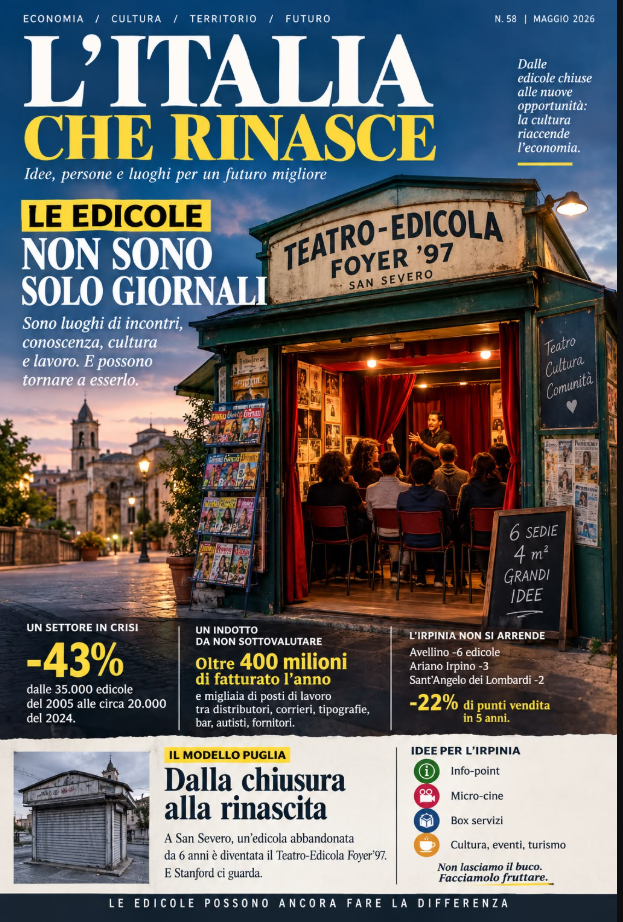
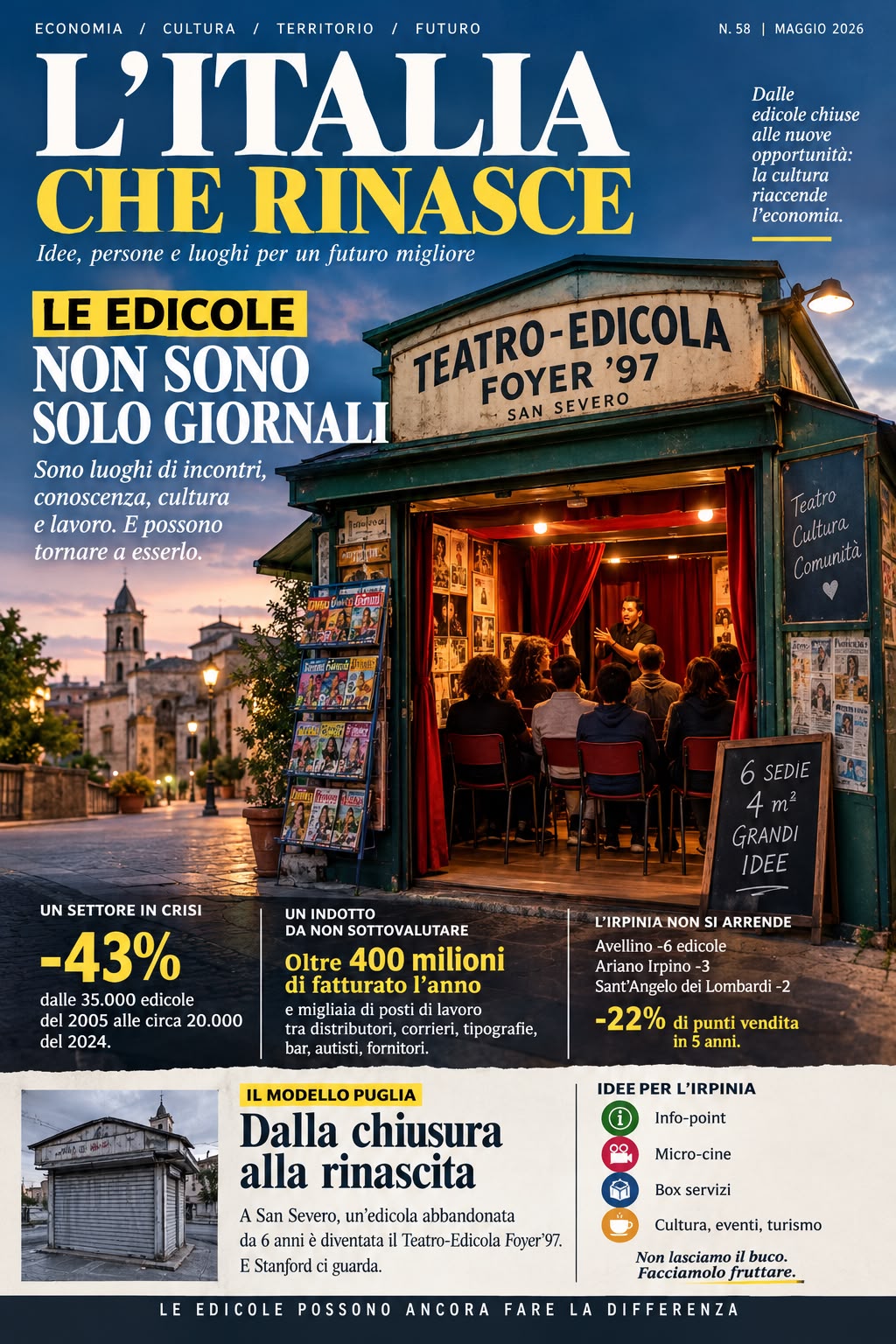
RADIO ARC 101:“NEWSSTANDS, ‘ENDANGERED SPECIES’ LIKE CAFÉS: MONEY LOST AND HOPES FROM STANFORD” by NANDO SILVESTRI SOURCE: https://radioarc.it/edicole-razze-in-estinzione-come-i-bar-soldi-persi-e-speranze-da-stanford/ Newsstands are another repository of humanity and knowledge, in many respects similar to cafés, at least as far as the unfortunate fate that has befallen many of them is concerned. The smell of printed paper, coloured card, variegated covers, surprise packets and cellophane was an olfactory molasses that once intoxicated young and old alike and represented, at the same time, a sought-after destination for daily walks and pauses. Stopping by the newsstand meant drawing upon knowledge, entertainment, culture, imagination and creativity. All prerogatives lost on account of the shapeless and amorphous surrogates disseminated by the web. This is the principal reason for the cumulative and recurring closure of a great many Italian newsstands: in economics, one speaks of a sector in demand collapse. But it is not merely a newsstand that closes; a piece of the local and national economy closes with it. From 35,000 newsstands in 2005 to about 20,000 in 2024: -43%. With them goes direct turnover of over €400 million per year, but the real hole is the indirect economy that is never calculated. Each average newsstand in a small town generated distribution worth €15,000 per year in margins for local distributors, couriers, and printers. Moreover, the customer who bought the newspaper would have a coffee, buy a bus ticket, place a bet. Download the Medium App One must consider that without a newsstand, the village cinema loses its only physical promotional outlet, not to mention the losses in terms of advertising. When it closes, it is not only the newsagent who loses. The café loses, the driver loses, the printer loses. In Irpinia, over the last five years, Avellino has lost six newsstands, Ariano Irpino three, Sant’Angelo dei Lombardi two. The total loss in Irpinia amounts to about 22% of outlets. All this means that many of the closures mentioned above have deprived Irpinian cafés of several dozen customers, harming workers, distributors and suppliers. These are jobs that do not make the news, but they exist. Another hard blow inflicted upon the local and national economy in the name of a false progress that almost always favours the business of fixers and the usual suspects. However, what is happening in Puglia, a few kilometres from Irpinia, opens up scenarios of renewal based precisely upon the reconversion of disused newsstands. These are prospects so unique and innovative as to have aroused interest worldwide, especially at Stanford University. This is news of enormous significance that few news programmes have disseminated, in the name of a perennial pre-emption by technologies contemptuous of common sense, tradition and art. In San Severo, 40 km from Upper Irpinia, a newsstand abandoned for six years in Via Matteo Tondi became, on 27 March 2026, the Teatro-Edicola Foyer’97: six chairs, four square metres, an idea by Francesco Gavino. The well-received 10- to 15-minute shows have piqued the curiosity of Stanford University. Its academic journal, the Stanford Social Innovation Review [SSIR], has chosen the Teatro Edicola in San Severo as an international case study with the reportage “The Six-Seat Revolution”. Why is Stanford watching us? Because it has realised that those four square metres can once again generate indirect economic activity. Indeed, 60 spectators in an afternoon can become 60 coffees at the neighbouring café. With a symbolic ticket price of €5, we are talking about a cultural micro-economy. Not to mention the indirect income from tourists and journalists who arrive and frequent B&Bs and restaurants. It is the model Irpinia needs: not to leave the void, but to reconvert it virtuously. Every closed newsstand can become an information point, a micro-cinema, a service hub. Otherwise we shall continue to count only the lowered shutters, without counting the money that no longer circulates.

FRENCHRAPUS presented as the striking image of October 17 the deployment, according to him, of a giant Trojan horse in the heart of Paris. He praised the imagination of the students. https://t.co/096AYRKzCT #Paris #ChevalDeTroie #Étudiants (translated)

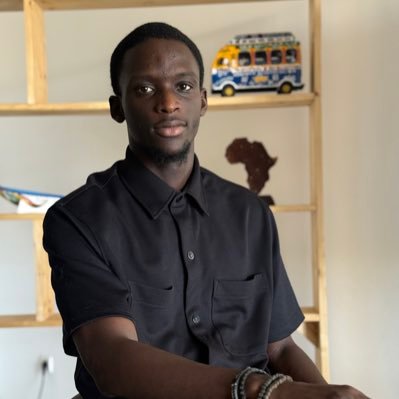
Pape Samba Seye wrote that, to calm the spirits, one must consider that the Senegalese were living through a collective hallucination and that all the events mentioned were a product of their imagination. #Sénégal #HallucinationCollective #Imagination (translated)
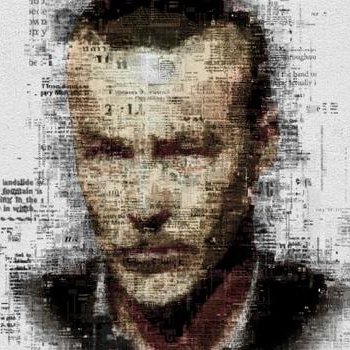
Nikos Boyiopoulos linked the anniversary of the liberation of Athens on October 12, 1944, with a conference and archaeological exhibition scheduled for October 15-17. He wrote that EAM, ELAS, and EPON liberated Athens from Nazi occupation at that time. Boyiopoulos argued that the titles and themes of the presentations downplayed the German occupation. He also criticized the event's poster, stating that it depicted a large Wehrmacht flag over the Acropolis, where, as he noted, Manolis Glezos and Lakis Santas had lowered the Nazi flag. He specifically referred to a presentation by a German historian, whose title linked the desire to be present when the flag was raised at the Acropolis with the horizons of imagination and the reality of the German occupation in Greece from 1941-1944/45. Boyiopoulos interpreted the title as an insinuation that aspects of the Nazi atrocities could be a product of imagination and connected his criticism to revisionist approaches regarding the 200 from Kaisariani. He characterized the event as a disgrace and emphasized that it was held under the auspices of the Greek Ministry of Culture. As he mentioned, the conference was organized by the German Archaeological Institute of Athens (DAI), the Italian School of Archaeology, and the Institute of Historical Research/National Hellenic Research Foundation. #ΓερμανικήΚατοχή #Αθήνα #Ιστορία (translated)


The author wrote on International Day of the Girl that society had a duty to ensure girls faced no closed doors. They said girls’ courage, empathy, strength, joy, friendships, imagination and ambitions were essential to building a world where they felt safe, recognised and empowered.
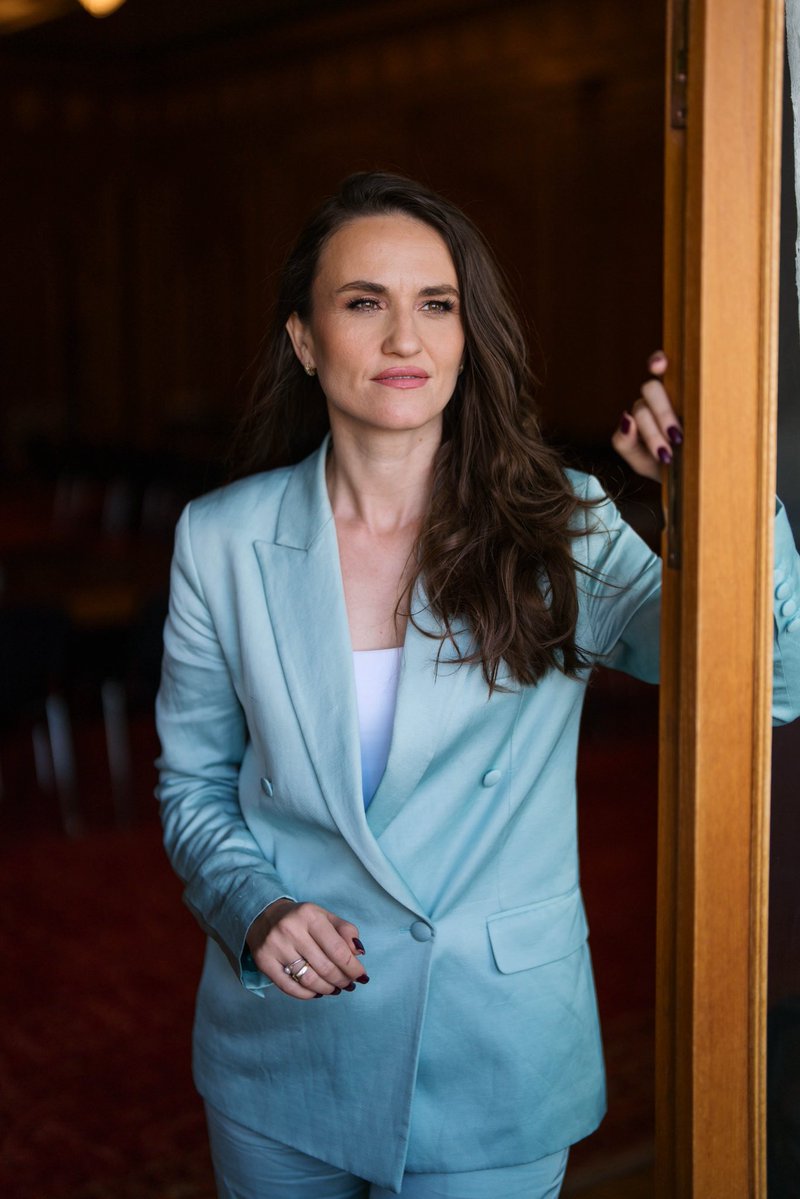

Mythology of the British Isles by Geoffrey Ashe Beginning with the giant Albion, after whom the country was once named, Geoffrey Ashe explores the myths whose roots lie in the different British regions. Taking in fairy-folk, druids and King Lear, and the tales of Merlin and King Arthur that continue to hold sway in the nationâ€s imagination, he uncovers their sources and underlying ideas as well as their handling in tradition and literature. An unforgettable and illuminating exploration of the legends of the British Isles. From the misty centuries of British and Irish prehistory to the height of the dark age, comes tales of giants and fairy-folk, druids and saints. From King Lear and King Arthur, to Fingal, Beowulf, Gwendolen and Guinevere these are the legendary characters who shaped the nation. But who were they? In Mythology of the British Isles, Geoffrey Ashe explores these compelling and ancient stories, seeing how they have taken on fresh significance as historical and archaeological research has uncovered the truth behind each legend.
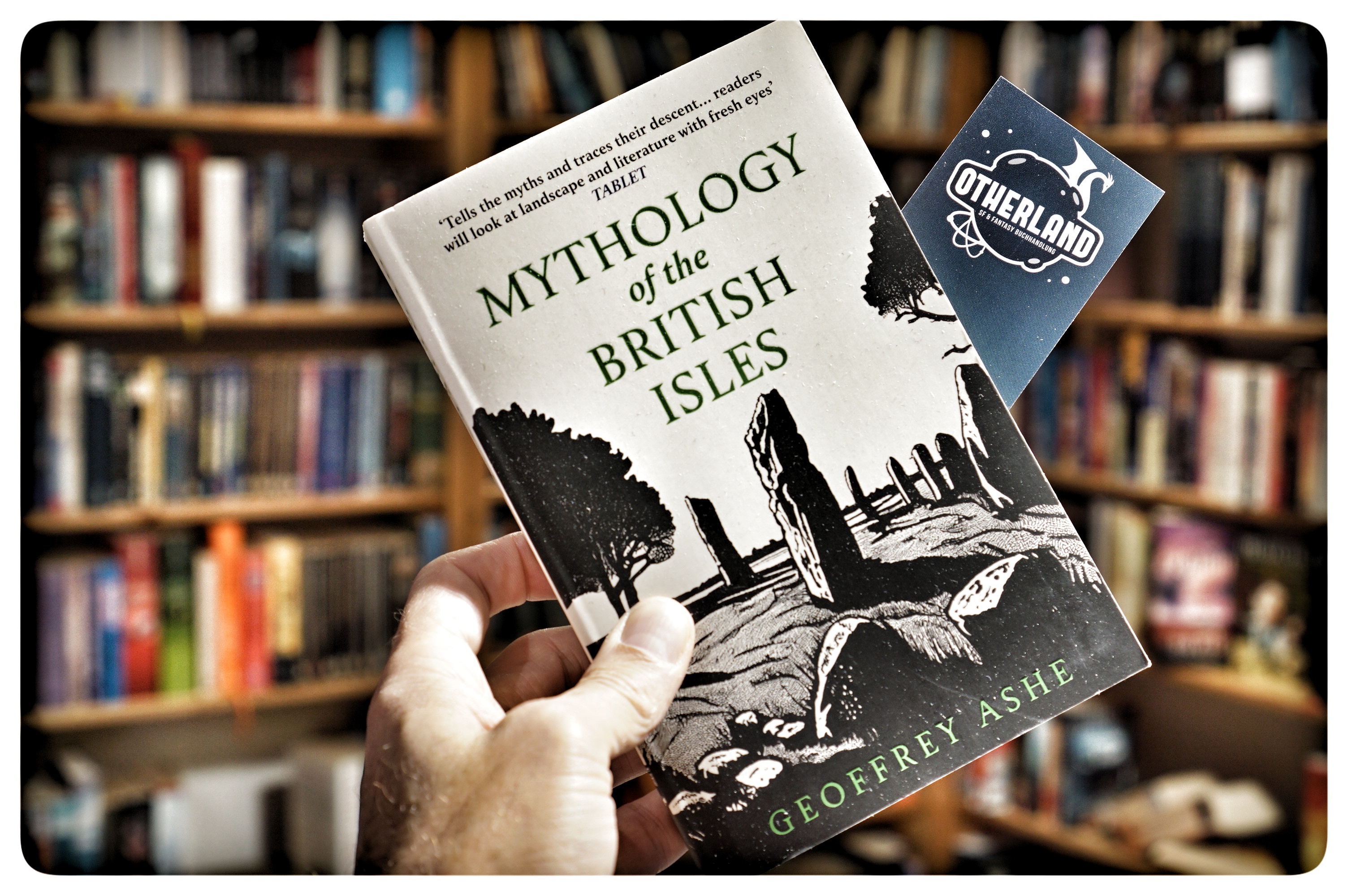
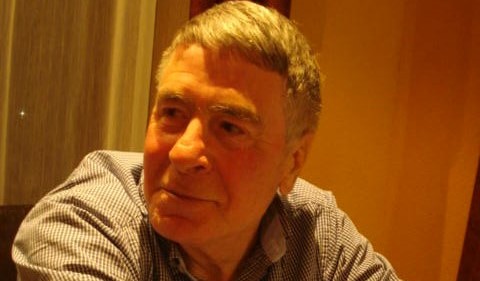
Michael Walsh's ballads are capturing the world's imagination. https://www.youtube.com/playlist?list=PLwp9iuvzcWTf-8g7wEugvnXgHZITDBksk
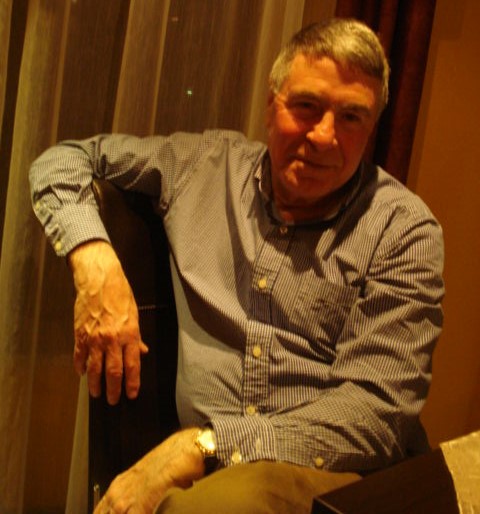

Michael Walsh's ballads are capturing the world's imagination. https://www.youtube.com/playlist?list=PLwp9iuvzcWTf-8g7wEugvnXgHZITDBksk

Michael Walsh's ballads are capturing the world's imagination. https://www.youtube.com/playlist?list=PLwp9iuvzcWTf-8g7wEugvnXgHZITDBksk
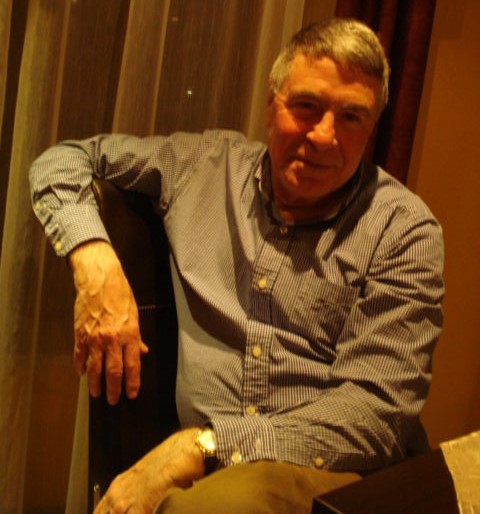
The ballads of Michael Walsh are catching the imagination of the world. You too can reach out by sharing the bard’s ballads with others. https://www.youtube.com/playlist?list=PLwp9iuvzcWTf-8g7wEugvnXgHZITDBksk
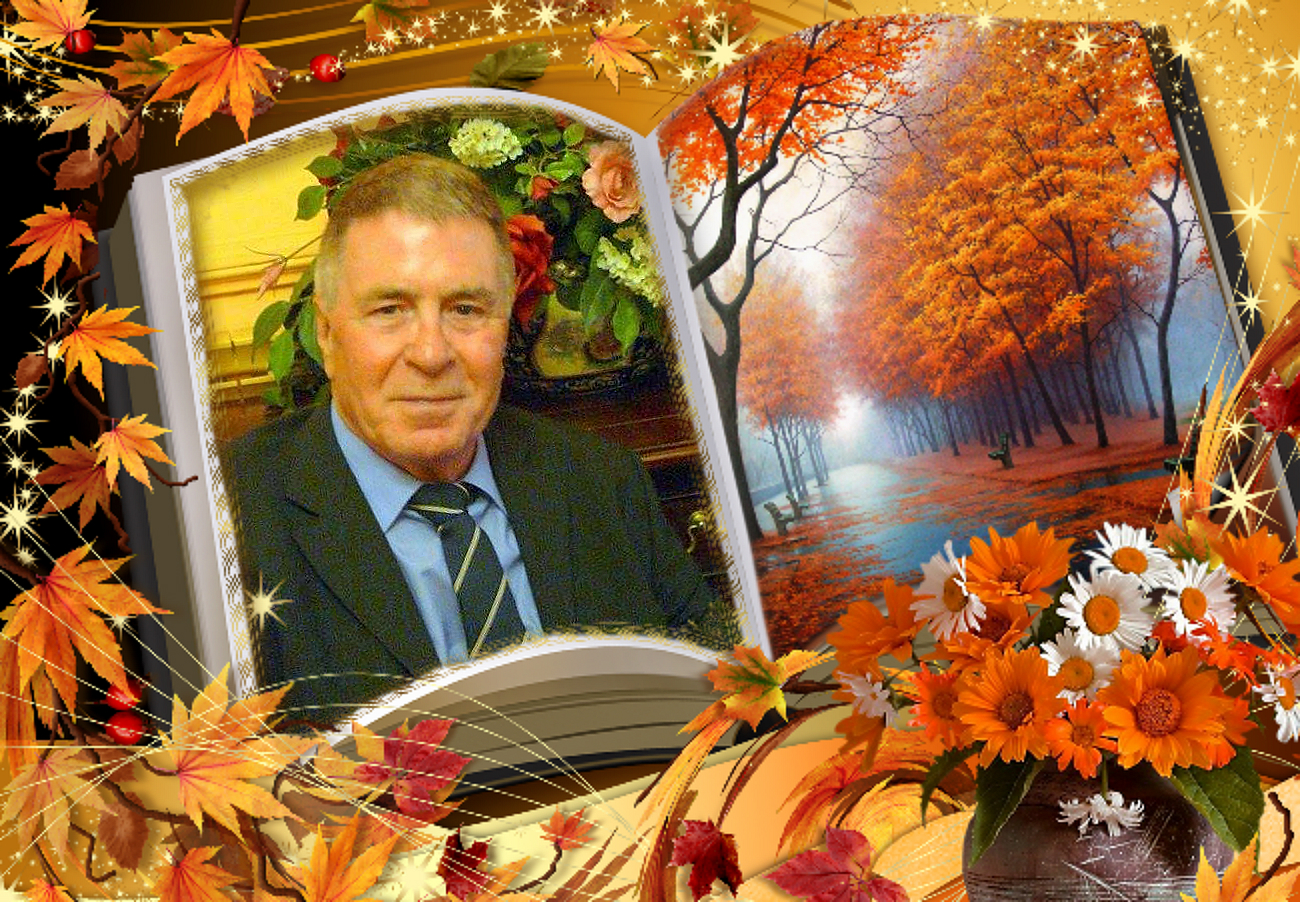

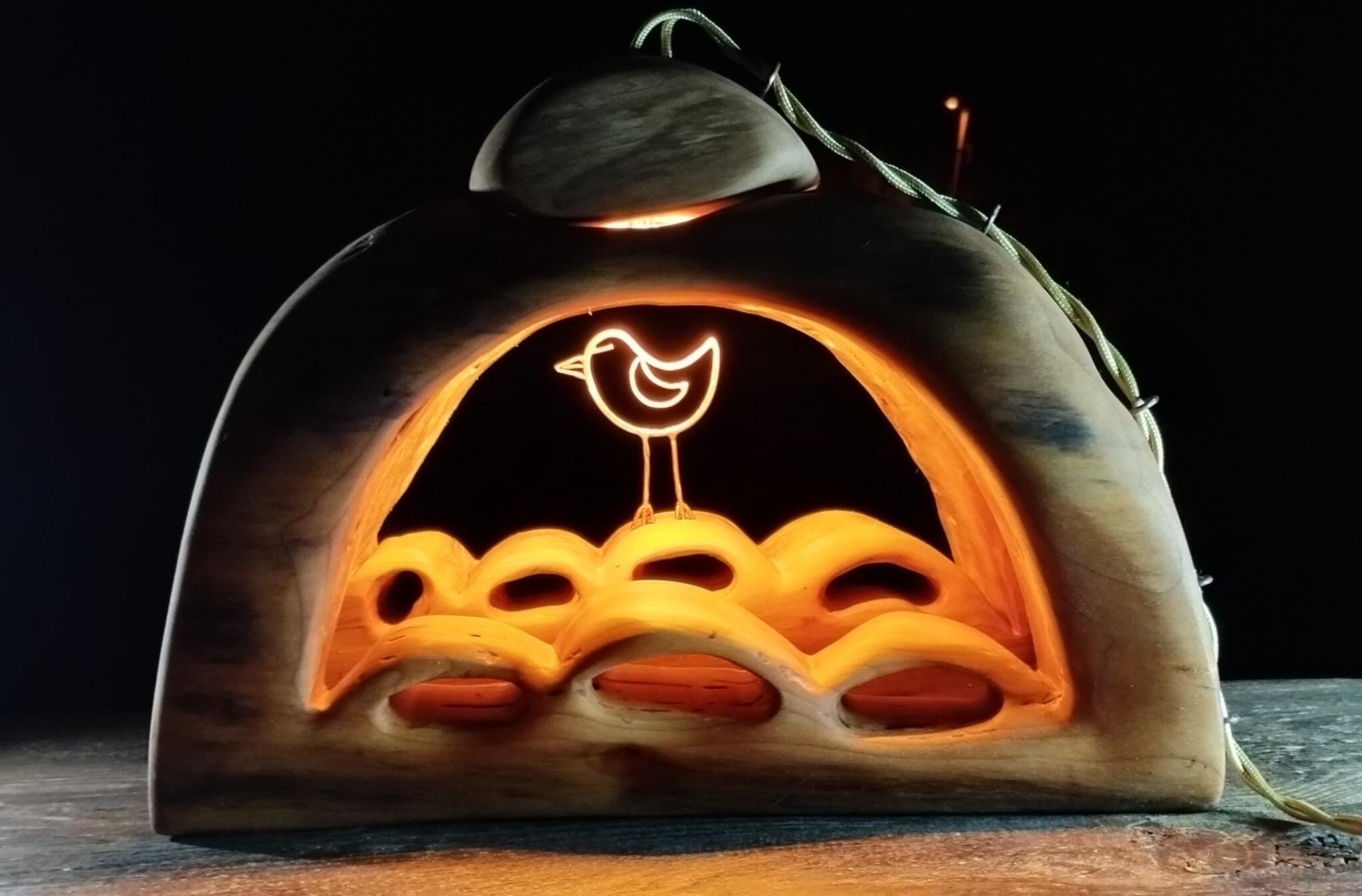
The Lord of the Fields A small world made of wood, light and imagination. A solitary bird watches over the fields below. Hand-carved sculptural lamp by Ivo Stamenov. Height: 26 cm www.ivostamenov.com #SculpturalLighting #ArtLamp #CollectibleDesign #WoodSculpture #ContemporaryArt #LightAndShadow #FunctionalSculpture
The ballads of Michael Walsh are catching the imagination of the world. You too can reach out by sharing the bard’s ballads with others. https://www.youtube.com/playlist?list=PLwp9iuvzcWTf-8g7wEugvnXgHZITDBksk

“When “Reasonable Doubt” Becomes Unreasonable There is a fundamental problem with the way “reasonable doubt” can be applied: it can turn the absence of certainty into a weapon against the evidence. We will never possess the complete picture of a past event. No courtroom has a time machine. Evidence is necessarily incomplete, witnesses are imperfect, and some facts will remain unknown. That is precisely why the answer cannot be to give hypothetical possibilities the same weight as documented facts. “What if?” is not evidence. You can invent an alternative explanation for almost anything. But if every conceivable alternative is allowed to undermine a conclusion supported by substantial evidence, then the evidentiary process becomes an exercise in imagination rather than reason. This is where Occam’s Razor matters. Occam’s Razor does not claim that the simplest explanation is automatically true. It says that we should not multiply assumptions unnecessarily. If one explanation accounts for the evidence and another requires a chain of unsupported assumptions, the latter should not suddenly acquire equal status merely because it cannot be logically ruled out. The same principle should apply to reasonable doubt. The relevant question should not be: “Can I imagine another possibility?” It should be: “What evidence makes that possibility reasonable?” Otherwise, we commit a basic logical error: allowing the merely possible to defeat the demonstrable. A person should never be convicted because guilt is merely possible. But neither should a coherent, overwhelmingly supported evidentiary picture be dismissed because absolute certainty is impossible. The law cannot establish metaphysical truth. It can only evaluate evidence. And when evidence is incomplete, the rational response is not to pretend every imaginable scenario deserves equal weight. We should follow the evidence, prefer explanations that require fewer unsupported assumptions, and demand evidence for doubt just as we demand evidence for belief. Otherwise, “reasonable doubt” risks becoming nothing more than a veto granted to imagination over evidence
The ballads of Michael Walsh are increasingly popular and catching the imagination of the world. You too can reach out by sharing the bard’s ballads with others. https://www.youtube.com/playlist?list=PLwp9iuvzcWTf-8g7wEugvnXgHZITDBksk

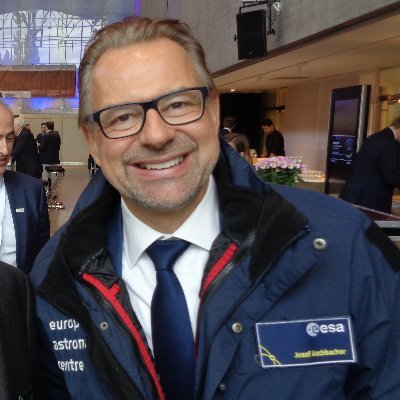
Last night we brought together astronauts, ministers, industry leaders and space enthusiasts to celebrate the imagination, innovation and cooperation that define Europe's journey in space. From Earth orbit to deep space, we were reminded that today's ambitions become tomorrow's https://t.co/t4ekti6RSe #SpaceExploration #Innovation #EuropeanSpace
The ballads of Michael Walsh are increasingly popular and catching the imagination of the world. You can help by sharing his ballads with others. https://www.youtube.com/playlist?list=PLwp9iuvzcWTf-8g7wEugvnXgHZITDBksk

“When “Reasonable Doubt” Becomes Unreasonable There is a fundamental problem with the way “reasonable doubt” can be applied: it can turn the absence of certainty into a weapon against the evidence. We will never possess the complete picture of a past event. No courtroom has a time machine. Evidence is necessarily incomplete, witnesses are imperfect, and some facts will remain unknown. That is precisely why the answer cannot be to give hypothetical possibilities the same weight as documented facts. “What if?” is not evidence. You can invent an alternative explanation for almost anything. But if every conceivable alternative is allowed to undermine a conclusion supported by substantial evidence, then the evidentiary process becomes an exercise in imagination rather than reason. This is where Occam’s Razor matters. Occam’s Razor does not claim that the simplest explanation is automatically true. It says that we should not multiply assumptions unnecessarily. If one explanation accounts for the evidence and another requires a chain of unsupported assumptions, the latter should not suddenly acquire equal status merely because it cannot be logically ruled out. The same principle should apply to reasonable doubt. The relevant question should not be: “Can I imagine another possibility?” It should be: “What evidence makes that possibility reasonable?” Otherwise, we commit a basic logical error: allowing the merely possible to defeat the demonstrable. A person should never be convicted because guilt is merely possible. But neither should a coherent, overwhelmingly supported evidentiary picture be dismissed because absolute certainty is impossible. The law cannot establish metaphysical truth. It can only evaluate evidence. And when evidence is incomplete, the rational response is not to pretend every imaginable scenario deserves equal weight. We should follow the evidence, prefer explanations that require fewer unsupported assumptions, and demand evidence for doubt just as we demand evidence for belief. Otherwise, “reasonable doubt” risks becoming nothing more than a veto granted to imagination over evidence” - ChatGPT
The "Edicola Teatro" of San Severo (Francesco Gravino / Foyer ’97) Featured by Swiss Italian Radio/Television! SOURCE: https://www.linkedin.com/posts/luciano-magaldi-s-05a4a71b3_the-edicola-teatro-of-san-severo-francesco-ugcPost-7479198091301027841-1k_H/ In the intimate heart of Via Matteo Tondi, San Severo, Puglia, southern Italy, where a modest news kiosk has been restored to life through the artistic vision of Francesco Gravino and the San Severo theatre company Foyer ’97, the Swiss Italian Radio and Television (Radio Svizzera Italiana) service has now cast its gaze upon this extraordinary cultural experiment, offering a portrait imbued with refinement, curiosity, and civic admiration. The world’s smallest theatre—conceived from an idea that once appeared quixotic and now recognised as a radiant emblem of Puglia-based creativity—has been presented to an international audience through RSI’s video reportage, which captures both its poetic fragility and its audacious spirit. The feature stands as a tribute to San Severo itself: to its artistic pulse, to the enduring legacy of Andrea Pazienza, and to all who believe that beauty may flourish in the most unexpected places, even within the wooden frame of a former kiosk. RSI’s coverage underscores a truth that Gravino and Foyer ’97 have long embodied: culture does not depend on grand auditoria, but on grand visions—on the courage to imagine differently, and on the tenacity to transform imagination into lived space. Warm congratulations to Gravino, to Foyer ’97, and to all who nurture this urban jewel which continues not only to astonish Italy, but now to intrigue and inspire viewers beyond its borders!
The ballads of Michael Walsh are increasingly popular and catching the imagination of the world. You can help by sharing his ballads with others. https://www.youtube.com/playlist?list=PLwp9iuvzcWTf-8g7wEugvnXgHZITDBksk