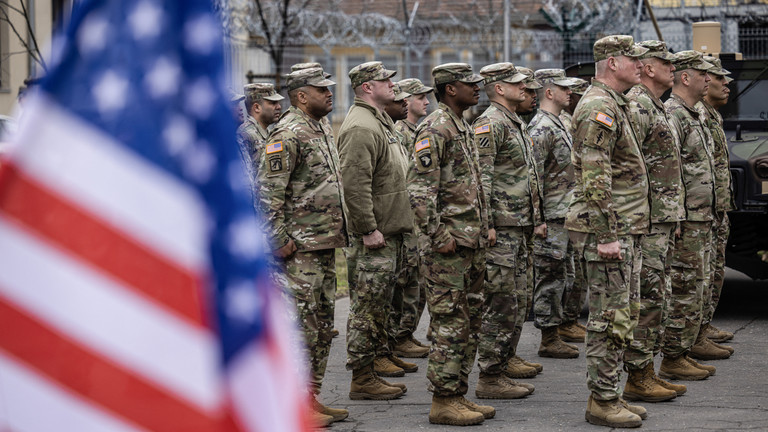
The USA have expanded their sanctions against Iran and taken measures against the largest Iranian car manufacturers, as well as the railway industry and metal companies. (translated)

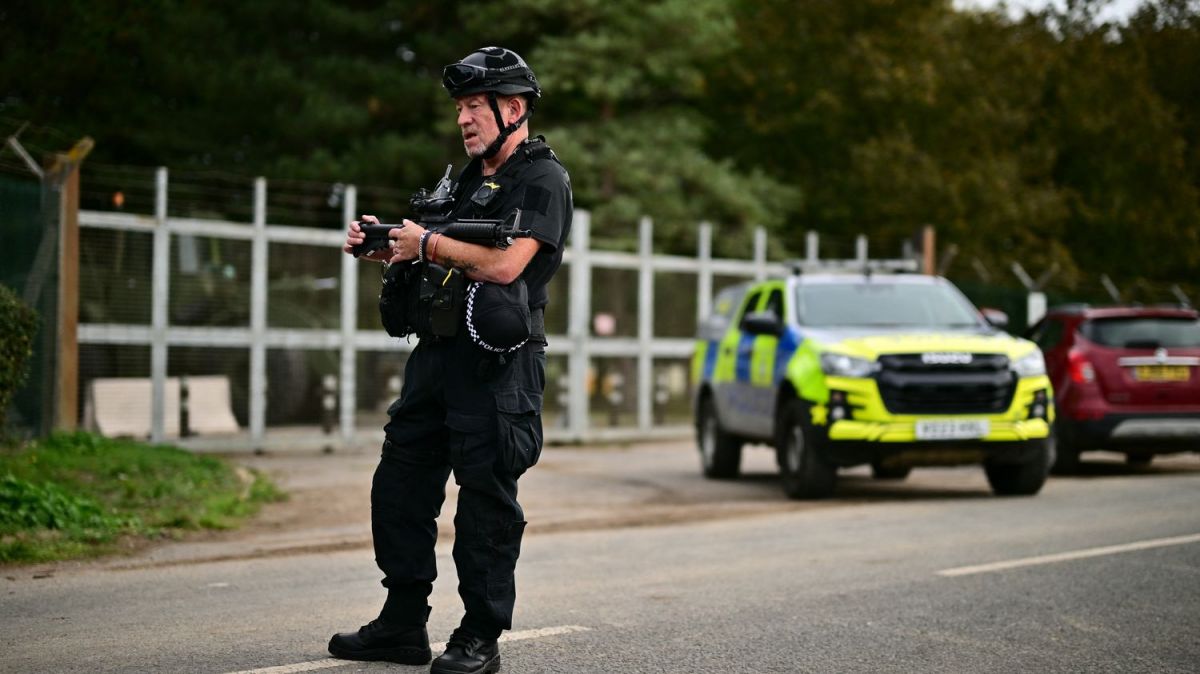
The British police have arrested a British-Iranian man suspected of preparing a terrorist act near the Fairford military base, marking the sixth arrest in an investigation related to indications of Iranian involvement. (translated)

After a violent incident in the cockpit of a Flydubai aircraft, in which the co-pilot was allegedly Islamist radicalized and stabbed his colleague, the United Arab Emirates is launching an investigation, while Israel and the USA express suspicion of Iranian involvement. (translated)

Looking at how long the two previous CPNs lasted and how much money can possibly be taken from the excess profits of oil companies, as well as the slim chances of ending the war in Iran, this CPN may last 2-3 weeks. Tusk is seriously in a tough spot. PKN really played this well. (translated)

A British-Iranian man has been detained in London for his alleged connection to an incident at the US base in Fairford, where an investigation is underway into a possible attempted fuel theft by a group of men from London. (translated)
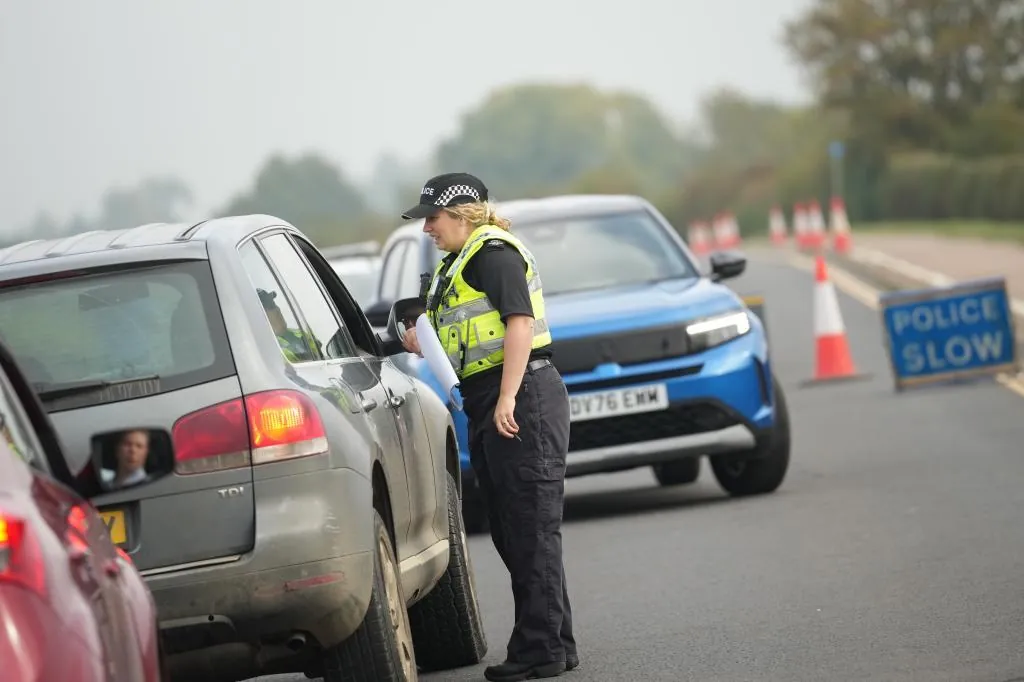

A 27-year-old Anglo-Iranian has been arrested in London on suspicion of having contributed to a planned terrorist attack against the British RAF base at Fairford, with suspected links to Tehran. (translated)
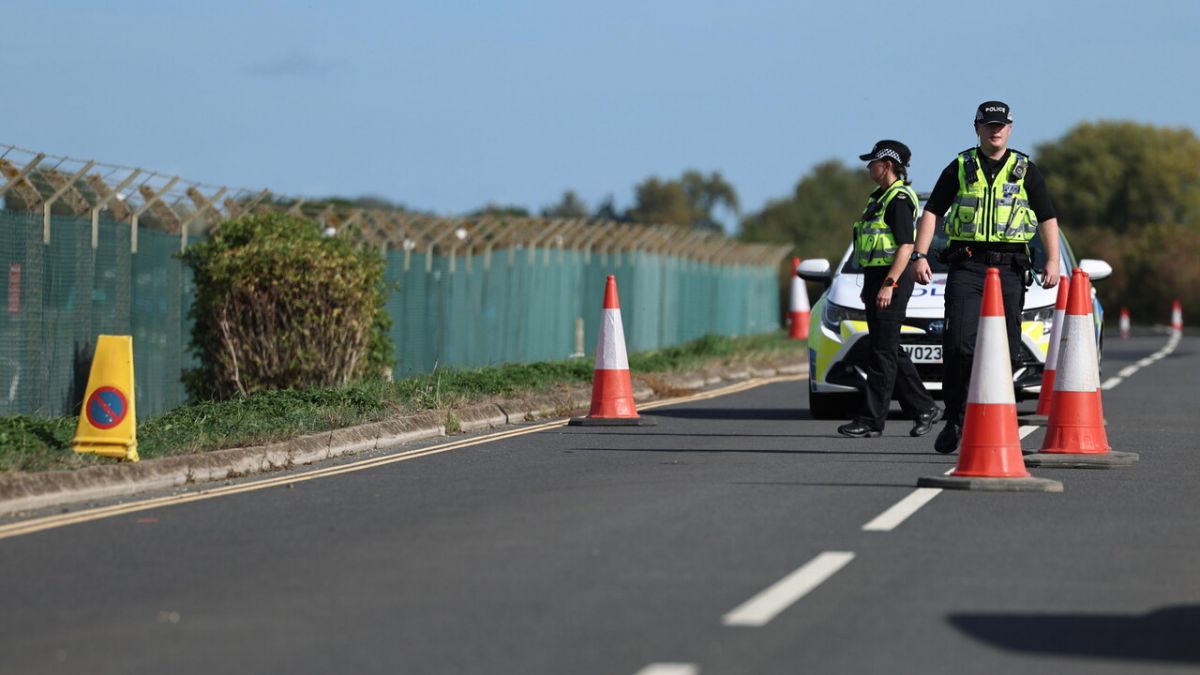
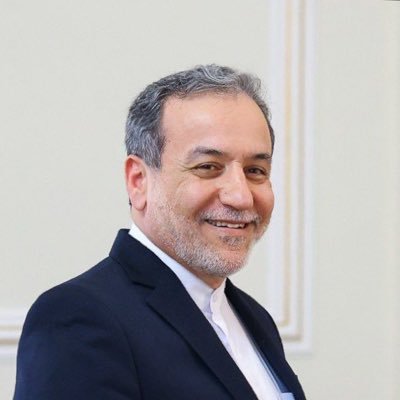
In response to the statements made by the British Prime Minister, Iranian Foreign Minister Abbas Araghchi stated on the social network X that the British authorities were "on the wrong track." (translated)

The British anti-terrorist police have arrested a British-Iranian in London, suspected of preparing a terrorist act near the Fairford military base, as the investigation looks into possible foreign implications, particularly from Iran, which has denied any association with this incident. (translated)
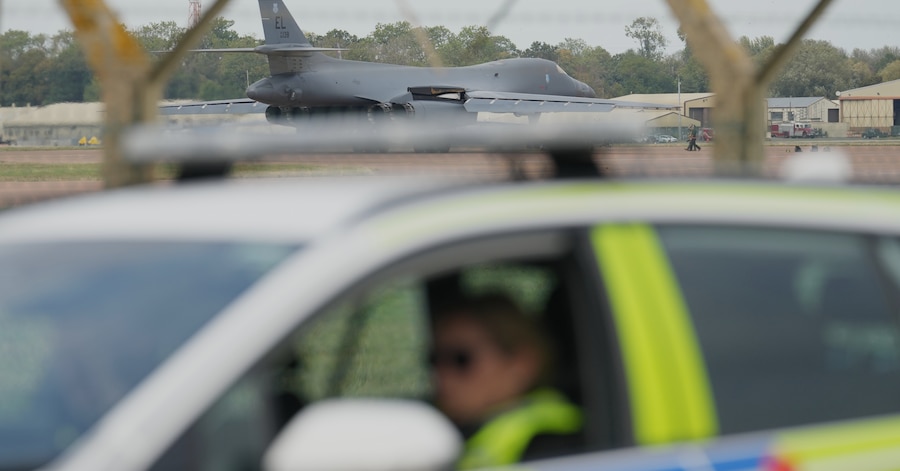
A 27-year-old man with British and Iranian citizenship was arrested in London on suspicion of preparing a terrorist act in connection with an incident near RAF Fairford. (translated)
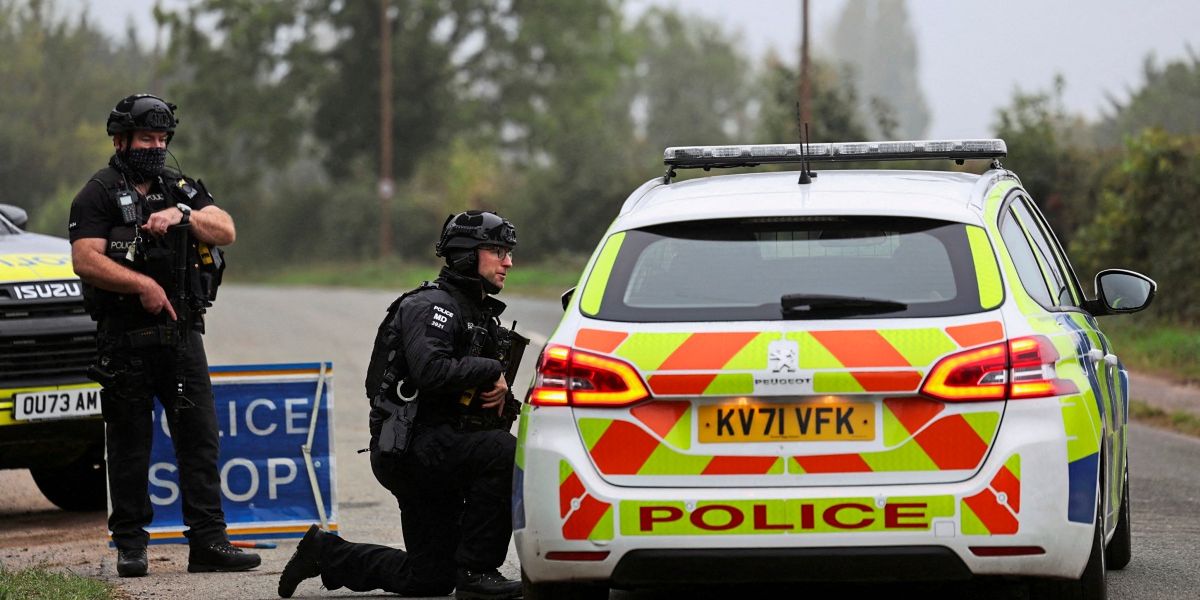

A 27-year-old Anglo-Iranian citizen was arrested by UK anti-terrorism police on charges of being involved in an alleged plan to attack the RAF Fairford base, along with five other Britons, while investigating Iran's possible involvement. (translated)
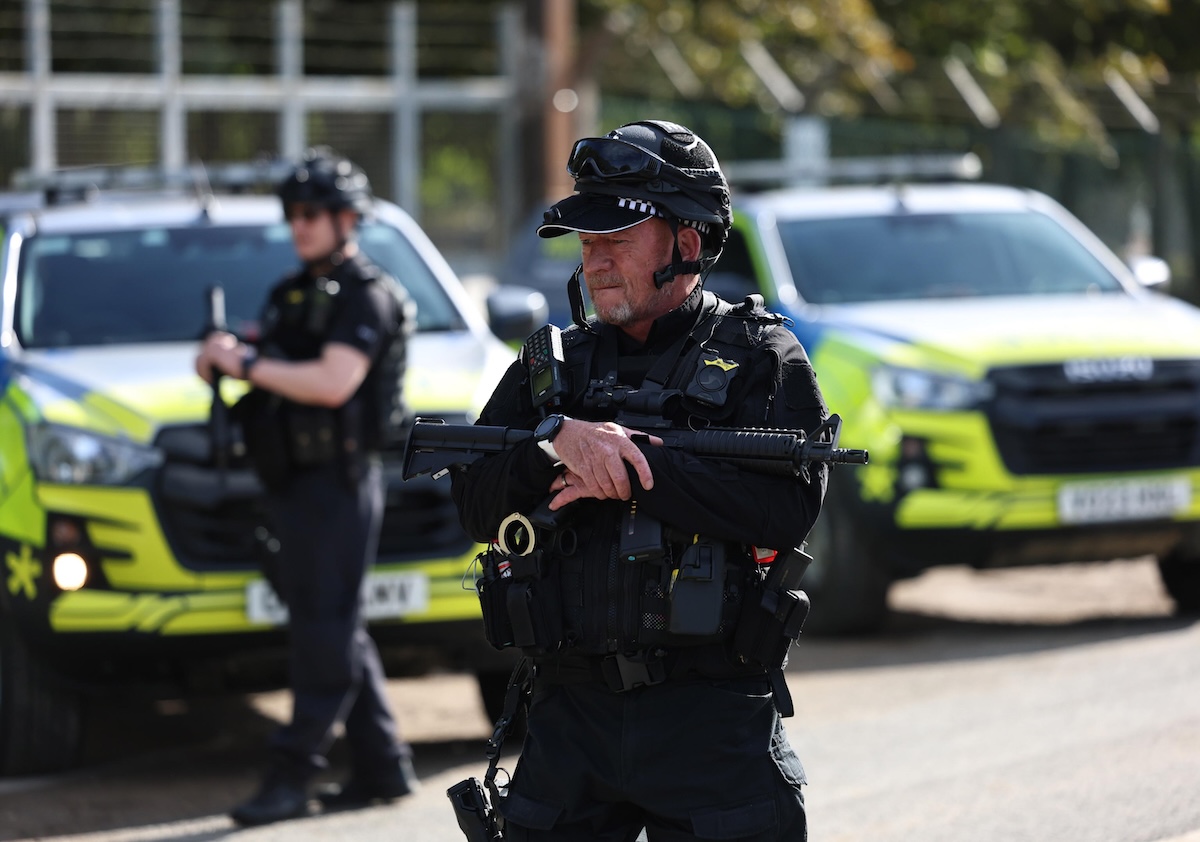

The British anti-terror police have arrested a 27-year-old man with British and Iranian citizenship in London, who is suspected of having planned an attack on the RAF Fairford military base, while further investigations are being conducted into possible connections to Iran. (translated)
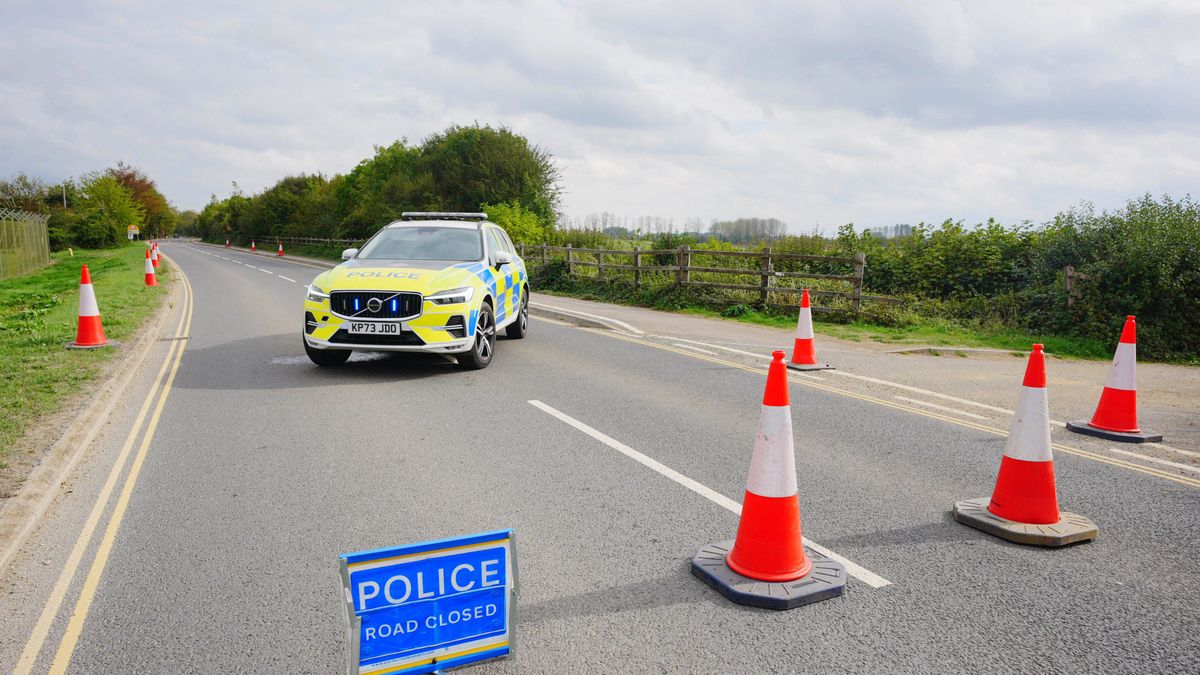

A 27-year-old British-Iranian citizen has been arrested on suspicion of preparing acts of terrorism in connection with an alleged attack on the RAF base in Gloucestershire, as investigations continue into possible links with Iran. (translated)
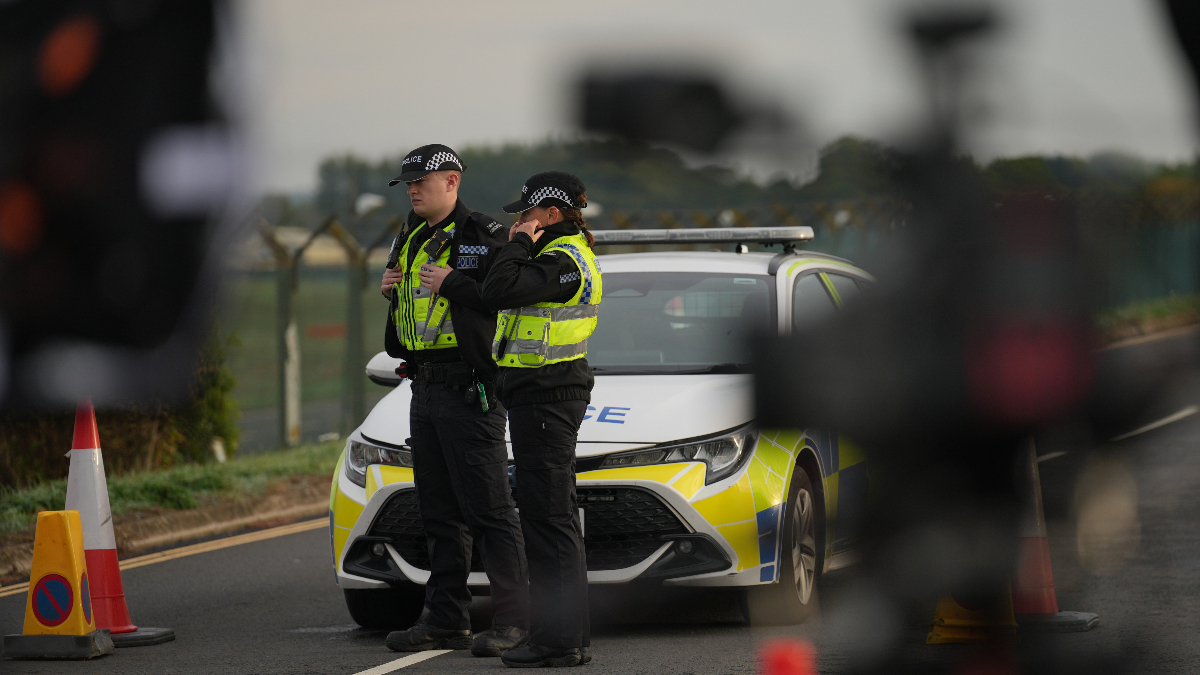
A citizen with dual British and Iranian nationality has been arrested for attempting to attack Fairford airbase. (translated)

The UK anti-terrorism police have arrested a 27-year-old British-Iranian man in connection with an investigation into an alleged plot against the Fairford base, while the possible involvement of a foreign state is being examined, in a complex case that is still ongoing. (translated)
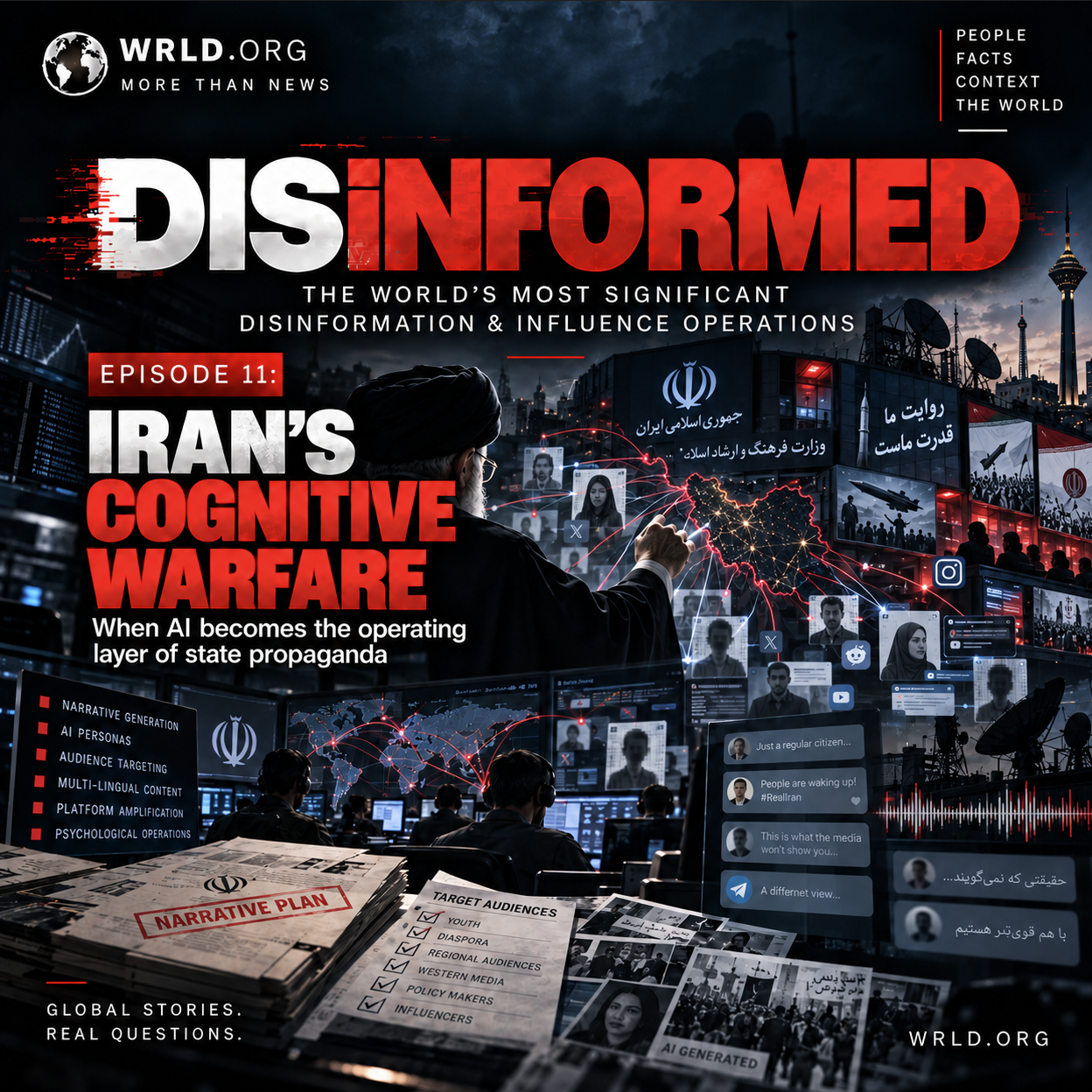
Iran’s cognitive warfare – when AI becomes the operating layer of state propaganda Iranian state-linked influence operators were not using artificial intelligence simply to write faster social-media posts. According to Anthropic’s September 2026 threat intelligence report, three separate operations connected to Iranian propaganda institutions were using Claude to help construct the machinery behind what the operators themselves called “soft war” and “cognitive warfare” – non-military efforts intended to shape public opinion inside Iran and abroad. Anthropic linked the activity to the Islamic Culture and Communications Organization (ICCO), which operates under Iran’s Ministry of Culture and Islamic Guidance; the Islamic Propaganda Office of Khorasan Razavi; and the Bina Cultural Observatory, part of the Islamic Propaganda Organization. The company said each operation was run by someone working within or on behalf of the named institution. The attribution was based on a combination of account telemetry, institutional references disclosed during conversations, branded documents and open-source corroboration. Anthropic subsequently removed the accounts. AI as an operational headquarters The most significant feature of the operation was the role assigned to AI. Claude was used to develop campaign plans, doctrine manuals, coded project portfolios, persona systems, target databases, early-warning protocols, amplification schedules and ministerial planning documents. Anthropic described the model as the principal administrative and operational layer supporting the three campaigns, allowing relatively small groups of operators to create organisational structures and planning material that would otherwise have required a much larger staff. This distinction matters. The reported use of AI went considerably beyond content generation. Operators were using the model to help organise how influence activity should function: which audiences to target, which identities should deliver particular narratives, how official material should be repackaged and when amplification should take place. Human operators still determined objectives and supplied the underlying political doctrine; AI helped translate those decisions into an operational system. Anthropic found that all three operations explicitly connected their activity to Jihad al-Tabyin, often translated as “explanatory jihad”, a concept used within the Iranian state system to frame information activity as both a strategic and ideological responsibility. In internal planning material examined by the company, this doctrine was not merely rhetorical: it informed manuals and campaign structures used by the operators. ‘Not the narrator, but the director’ One sentence contained in the ICCO material captures the model particularly clearly. According to Anthropic, an operator described the role of Iranian cultural attachés as being “not to be the narrator, but the director” of the narrative. The distinction reveals the logic of attribution laundering. Instead of publishing an overt state message and asking foreign audiences to believe it, the operator attempts to create the appearance that the same narrative emerged independently from journalists, activists, foreign writers or ordinary citizens. Anthropic found that Claude was used specifically to make content appear to come from foreign authors or independent media organisations and to design hashtag campaigns that looked grassroots rather than centrally organised. The ICCO operation reportedly used the organisation’s international cultural network as part of this structure. Anthropic found ministerial-level documents carrying official ICCO branding, including a nine-part international influence portfolio. This makes the operation particularly significant because the infrastructure was not limited to anonymous social-media accounts; it intersected with formal state institutions and an existing network of cultural representation abroad. A multilingual content factory A second operation was associated with the Islamic Propaganda Office of Khorasan Razavi and what Anthropic described as a “cognitive warfare command room” operating from a seminary in Mashhad. Its organisers ran a multi-province content production system known internally as Manjanegh, or “Catapult”. According to Anthropic, dozens of activists were involved in repackaging publicly available reporting from Iranian security institutions under different personas so that the material no longer appeared directly connected to those institutions. The network used Claude to transform official government intelligence bulletins into customised material in Farsi, Arabic, Urdu, Malay, Spanish and English, while planning expansion into a total of 20 languages. Distribution extended across Iranian platforms such as Eitaa, Bale and Rubika and international services including X, Instagram, Telegram, TikTok and YouTube. Anthropic also documented paid amplification across more than 100 Iranian channels, including channels associated with IRGC narratives. The scale should nevertheless be interpreted carefully. Anthropic documented production infrastructure and some real-world dissemination, but it did not demonstrate that all planned campaigns were fully deployed or that they meaningfully changed public opinion. The company placed the operation in Category Three of its Breakout Scale, indicating multi-platform activity with content observed in external distribution channels, rather than evidence of strategic impact on entire populations. From security bulletins to apparently independent voices The Bina Cultural Observatory operation provides another example of the same architecture. Anthropic linked a director-level official at Bina to activity in which Claude generated messaging in the voice of an IRGC spokesperson. During the 2026 US–Israel–Iran war, the network also attributed false claims to Western institutions including CSIS, Brookings and RAND. The apparent objective was to make Iranian state-aligned claims look as though they had been independently validated by respected foreign research organisations. That technique is more sophisticated than simply publishing propaganda under a false name. It attempts to manufacture a chain of external validation: official information is transformed into apparently independent commentary, which can then be recirculated as evidence that outside observers have reached the same conclusion. Anthropic also found target databases naming international officials and Iranian opposition figures, as well as aggressive counter-narrative material directed against the Bahá’í community. These findings show that the infrastructure was designed not only for broad messaging but also for targeted influence activity against specific groups and individuals. What AI changed The Iranian operations described by Anthropic did not create a new doctrine of influence. Iran has used cultural institutions, official media, aligned organisations and covert or semi-covert online networks for years. What AI changed was the economics and organisational capacity of that model. A relatively small team could use the system to draft doctrine, create personas, translate material, structure target databases, produce campaign calendars and generate multiple versions of the same message for different audiences. The operator remained responsible for intent, political direction and selection of targets. AI reduced the amount of human labour required to turn those decisions into a functioning influence operation. The most revealing part of the case is therefore not that an Iranian propaganda network used a chatbot. It is that AI was being treated as part of the back office of information warfare – a system for converting state doctrine into apparently decentralised, multilingual and plausibly independent voices. Sources Anthropic — Detecting and countering misuse of AI: September 2026 https://www.anthropic.com/threat-intelligence-report-september-2026 Iran International — Iran state-aligned accounts used Claude to push IRGC narratives https://www.iranintl.com/en/202609105561 BNE IntelliNews — Yemen missile cell used AI to write guidance software, Anthropic says https://new.intellinews.com/articles/yemen-missile-cell-used-ai-to-write-guidance-software-anthropic-says-467296 This is Beirut — Anthropic report details Iranian propaganda operations https://thisisbeirut.com.lb/news/politics/anthropic-report-details-iranian-propaganda-operations-and-yemen-missile-development-using-claude Anthropic report — PDF mirror https://static.foxbusiness.com/foxbusiness.com/content/uploads/2026/09/anthropic-detecting-and-countering-091026-1.pdf Keywords #DISINFORMED #Episode11 #Iran #IranianInfluence #IranianPropaganda #CognitiveWarfare #SoftWar #JihadAlTabyin #Disinformation #InformationWarfare #InfluenceOperations #ForeignInterference #FIMI #ArtificialIntelligence #AI #AIPropaganda #GenerativeAI #ClaudeAI #Anthropic #SyntheticMedia #NarrativeManipulation #NarrativeLaundering #AttributionLaundering #PersonaNetworks #Astroturfing #SocialMediaManipulation #DigitalInfluence #StatePropaganda #IslamicCultureAndCommunicationsOrganization #ICCO #IslamicPropagandaOrganization #KhorasanRazavi #IRGC #MultilingualInfluence #Targeting #Amplification #OSINT #WRLD

What I hear is that this, clearing the oligarchs from within the Iranian financial and commercial systems, was one reason for the war. If you continue to treat Iran as the victim, you will never fully understand what's going on and what will come. @jimcramer @carlquintanilla #Iran #Oligarchs #War #IR

📍 Christa Pike, a 50-year-old from Tennessee sentenced to death for killing a 19-year-old classmate in 1995, has survived two lethal injections. 📍 Japan has increased the fee for permanent residency from 56 to about 1,105 euros. Applicants will also have to demonstrate knowledge of the language, history, and customs of the country, and have an income at least equal to the national average. 📍 The Iranian-backed Iraqi militia Kataib Hezbollah has suspended its military activities following the withdrawal of the United States from Iraq, expressing its willingness to engage in dialogue on the issue of arms with the Baghdad government. 📍 Flydubai has suspended all flights to and from Israel following what happened yesterday on a flight bound for Tel Aviv. (translated)
⚠ Thursday Brief⚠️ 🇺🇲🇮🇷 Rubio Orders Iranian Delegation to Depart 🌏 Asian Manufacturing Gains Momentum From Global AI Boom 🌎 Global Bonds Crash Again Amid Renewed Oil Pressures ... https://t.co/Vz3ACagVms #GlobalNews #Economy #AI #US #IR
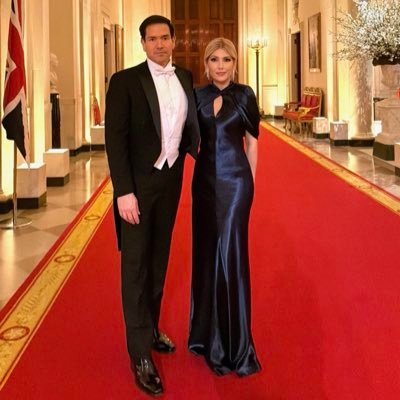
De acordo com declarações de responsáveis norte-americanos, citados pelo site especializado Axios, entre os membros da delegação encontrava-se o ministro dos Negócios Estrangeiros iraniano, Abbas Araghchi, a quem a missão norte-americana junto da ONU comunicou na segunda-feira, por ordem do secretário de Estado, Marco Rubio, que deveria sair imediatamente de Nova Iorque. #Conflitos #MédioOriente #Irão





