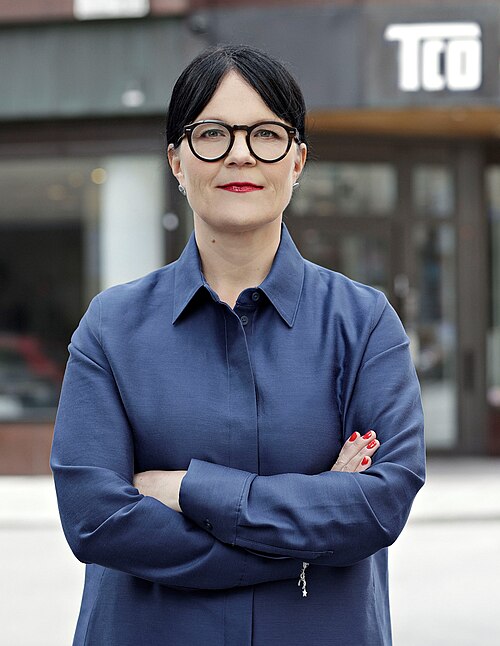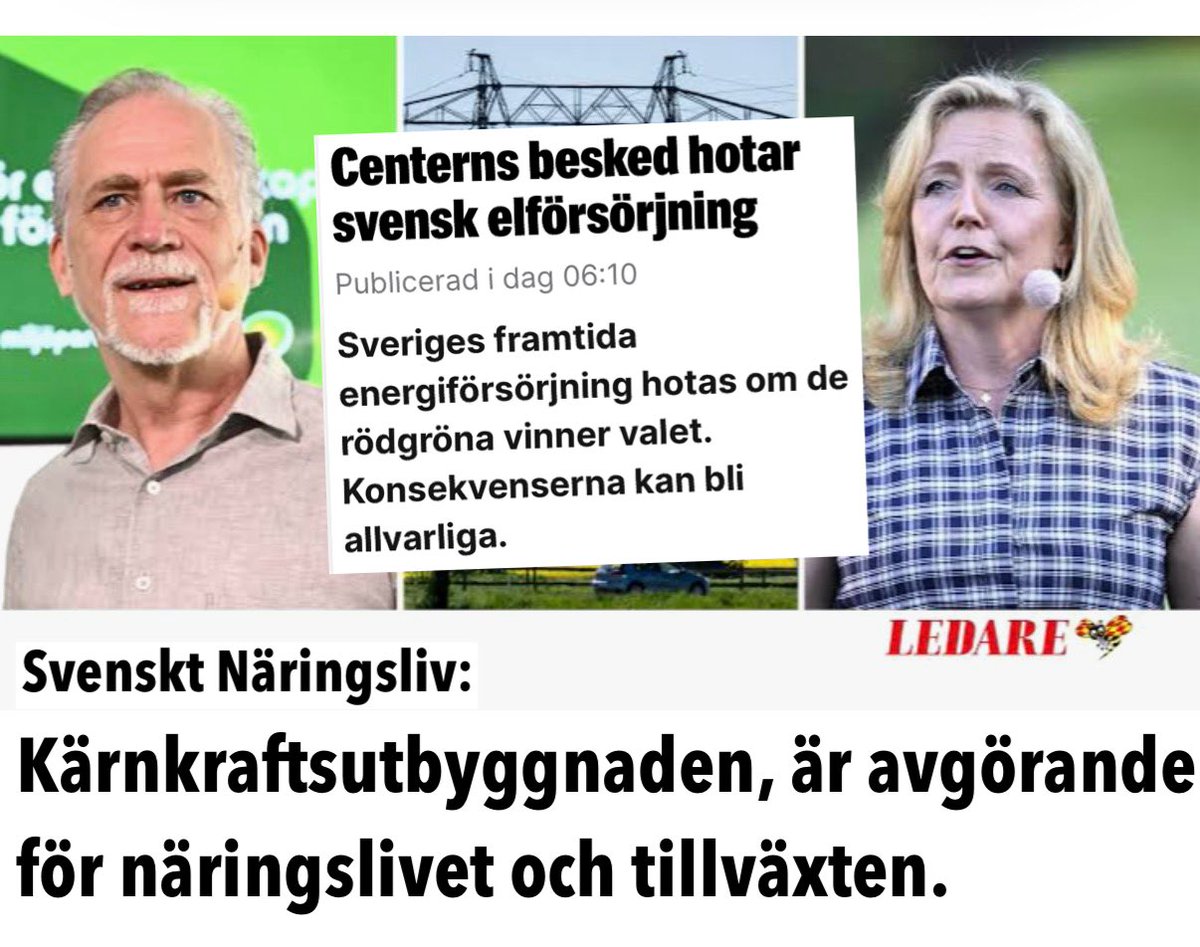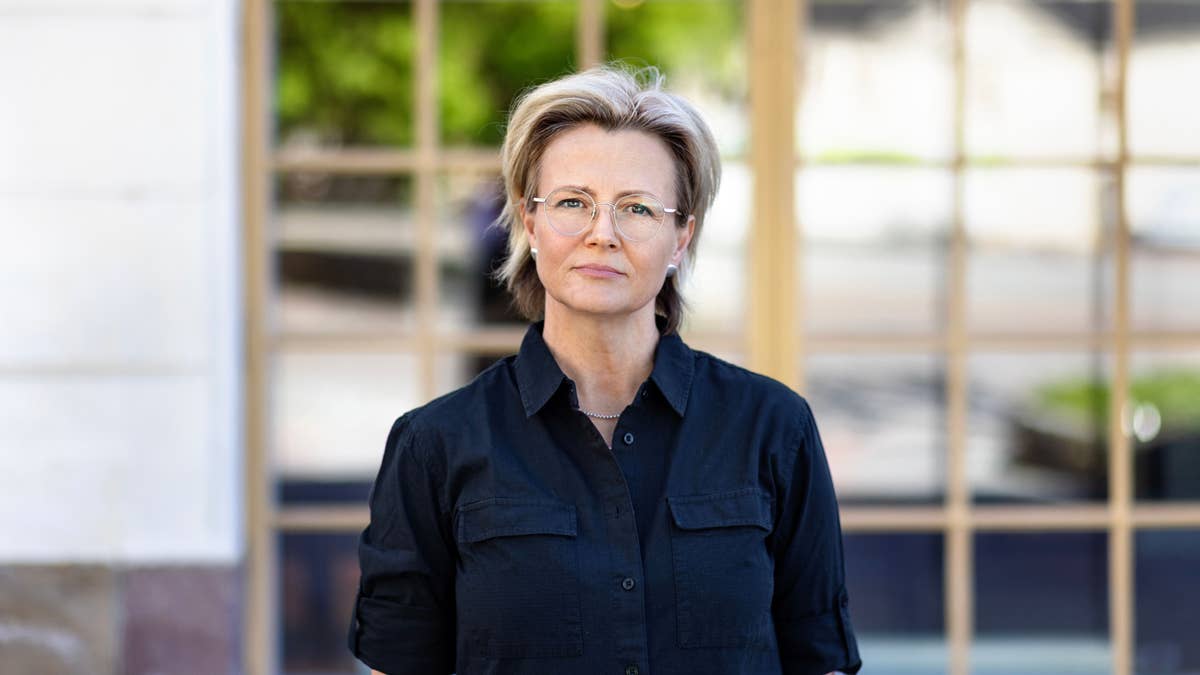
Ida Gabrielsson criticized the editorial page of Dagens Nyheter, stating that it often exhibited the same contempt for people that it accused its opponents of. She argued that DN portrayed itself as a mediator of decent truth and responded to people who disagreed with condescension. According to Gabrielsson, the newspaper's view of decency lacked class and equality. She also criticized the Center Party (C) for not wanting to discuss substantive issues or collaborate within the majority that had reached an agreement in the parliament. She wrote that C did not want to participate in joint preliminary meetings before the committees and that C had not answered affirmatively to the question of whether the Left Party (V) was included in the same government support. Gabrielsson called it common sense for V to want to know which parties would govern together before a government agreement was negotiated. She questioned how this could be interpreted as S coddling V. Gabrielsson wrote that DN's view of decency did not seem to encompass issues such as unemployment benefits, health insurance, working conditions, and funding for welfare. She also highlighted the working conditions in the gig economy, asking whether it was decent not to prioritize that nursing assistants could live off their pensions. She wondered if it was competent for the government to privatize the employment service, which she believed had opened the door to crime while job seekers were left without help. She asked whether a society could be built together without understanding how people were affected, for example, by the risk of being denied sickness benefits after decades of work. Gabrielsson argued that understanding was not the same as agreeing, and that it was necessary to effect change. She warned that voters might lose faith that their vote made a difference, and wrote that political opponents should try to win support for their direction rather than attempting to impose their will by condescension or circumventing compromises. #politik #samhälle #jämlikhet (translated)