WRLD

Search

#metabolism
Marek Broul Wrld summary 1w
Czech urologist, sexologist and andrologist

The author, a urologist and sexologist who said he headed the Sexology department at Masaryk Hospital in Ústí nad Labem, Czechia, wrote that erection problems could be an early sign of heart, blood vessel or metabolic issues. He added that many men waited years before discussing them and shared further observations at a linked page. https://t.co/t8uoCbzGju #Zdraví #Urologie #Sexologie #CZ

3424
David Ojcius 3w

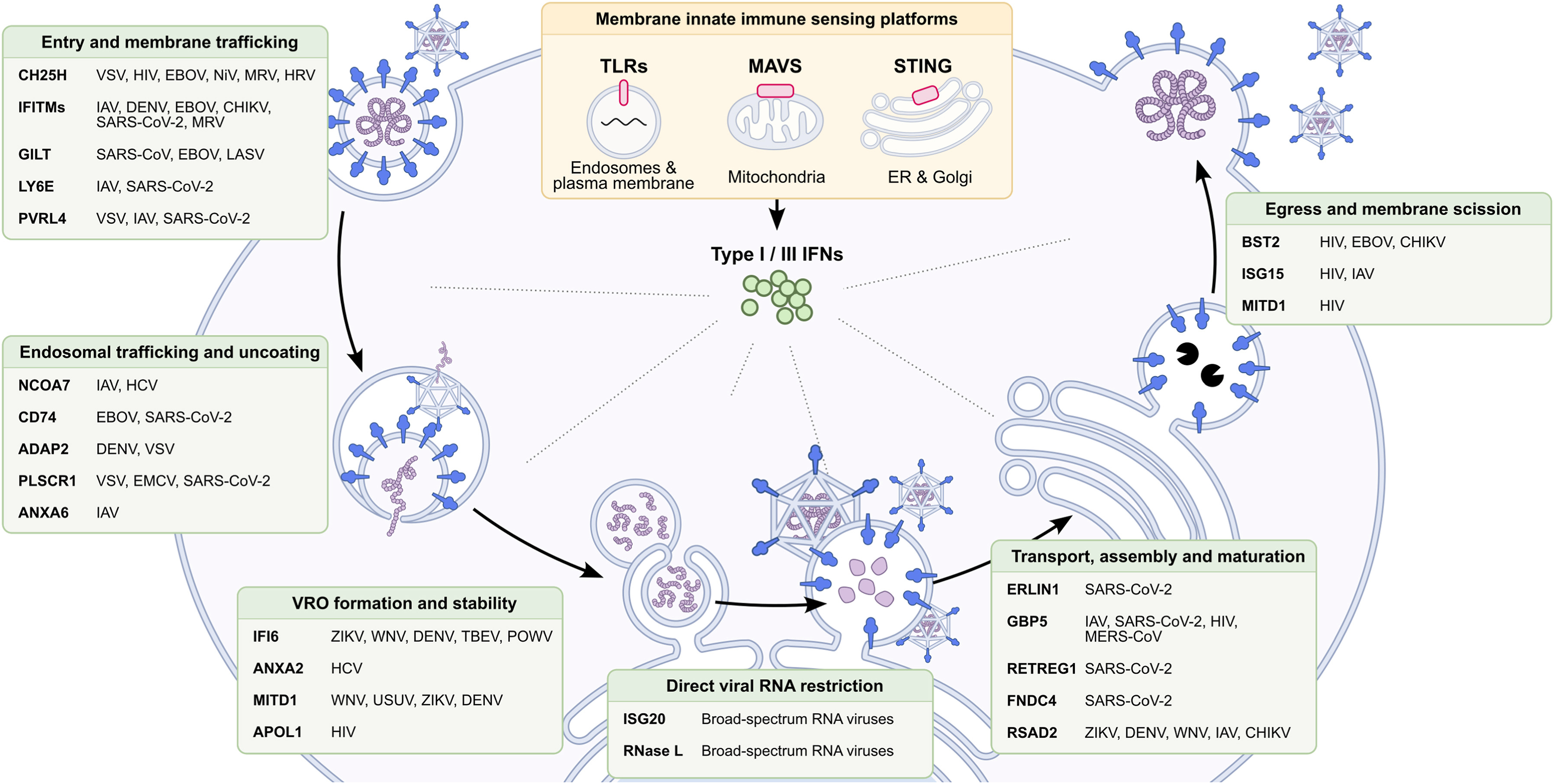
This review article examines how interferon-driven membrane remodeling restricts viral replication and how viruses reprogram lipid metabolism and intracellular membranes to sustain infection and evade defense https://www.sciencedirect.com/science/article/pii/S2319417026001149 #OpenAccess #microbiology #virology #immunology

1158
G
Gelu Oct 25

Don't change the time! Change the schedule, not the time! The biological rhythm is regulated by the Sun, not the clock. Time is not a work schedule that we can shift at will. Time is the measure by which we organize our lives, and nature has its own rhythm. The Earth does not change its rotation twice a year. The sun does not rise earlier because we decided to move the clock forward. Animals, birds, insects, and plants follow their biological rhythms related to light, darkness, and the natural succession of seasons. Humans are part of this nature. Our bodies have their own biological clock, fundamentally influenced by light. And when we officially move the clocks by one hour, we are not changing the course of nature, but rather asking humans to abruptly adapt to an administrative convention. Why do this every spring and reverse it every autumn? Is it natural to change the time or to adapt our schedules? Let's consider the majority of people: workers, farmers, students, teachers, parents, retirees, people who must adhere to a schedule set by others. They cannot always modify their schedules at will. They need to wake up at a certain hour, get to work, take a child to school, or comply with the public transport timetable. In contrast, there are people and organizations that have the opportunity to adapt their schedules based on the season, natural light, or the needs of their activities. If, for some people, changing their schedule is feasible, why impose the time change on everyone? Let's take a hypothetical example: if 10% of people have the freedom to adapt their schedule, is it fair to change the time for all those who do not have this freedom? Would it not be more logical to change the schedule where needed, rather than change the time by which the entire society organizes itself? Stores can modify their opening hours. Factories can adapt their shifts. Institutions can adjust their schedules, and schools and public transport can analyze timetables according to local conditions and people's needs. We do not all have to operate on the same schedule to live by the same time. Nature does not need our approval to follow its rhythm. In spring, the days lengthen. In autumn, the days shorten. This is the natural rhythm of the Earth, which we can observe without moving even a single clock hand. If we want to start activities earlier in summer, we can start sooner. If winter requires a different schedule, we can adapt it. But why change the official time, get used to a new convention, and then revert to the old one? Would it not be simpler to keep the same time all year round and organize our activities according to the season? I do not claim that all living beings measure time in hours and minutes. I assert something more important: their biological rhythms are linked to the natural cycle of light and darkness, not to the numbers we display on the clock. And humans should take this truth into account when organizing their lives. The economy must serve people, not people be permanently forced to adapt to the economy. One argument presented in favor of changing the time is the more efficient use of natural light or the reduction of energy consumption. But the actual effects depend on the country, season, population habits, and how energy is used. If we want to save energy, let's examine actual consumption. If we want more light during activities, let's adapt the schedules. If we want to improve work organization, let's change the timetables where possible. There is no need to change the time for the whole society to achieve flexibility in certain areas. The schedule is a tool we can adapt. The time should be a stable reference. We cannot stop the seasons. We cannot modify the Earth's rotation. We cannot ask nature to adapt to our clock. But we can organize our lives more wisely. Instead of moving the clock hands twice a year, we can learn to adapt our schedules to the reality around us. Instead of changing the time for everyone, we can allow each field to find the appropriate schedule, within the bounds of the law and with respect for people's rights. Let's keep the time stable and make the schedules flexible! Let's leave time in peace. Twice a year, millions of people are forced to change their clocks, schedules, and biological rhythms to adapt to an administrative decision. It is said that changing the time brings economic or energy benefits. However, in modern society, these advantages are increasingly contested, while the disadvantages are felt by nearly the entire population. People, animals, and plants do not live by the clock on the wall, but by the natural rhythms of the Earth. The human body is regulated by the alternation of light and darkness. When we artificially move the time forward or back, we disturb this balance. Many people sleep worse, feel more tired, and need days or weeks to readjust. Living beings do not change their schedules twice a year. Birds do not migrate by the clock, cows do not produce milk according to the official hour, and dogs do not understand why their owner takes them for a walk an hour earlier. Nature follows the sun, not administrative decisions. There is also a principle issue. For a relatively small percentage of people and activities that would benefit from more light in the evening, the schedule of the entire society is modified. About 90% of people are forced to adapt, even though they did not ask for this and do not gain direct advantages. It would be more logical for the sectors that need a different schedule to adapt it themselves. Stores can open earlier or later. Factories can modify their work shifts. Schools, institutions, and companies can adjust their schedules as needed. It is much easier for certain organizations to change the schedule in a targeted manner than to change the official time for the entire population. Moreover, modern technology has greatly diminished the argument for saving energy. Lighting now represents a smaller proportion of total consumption, while air conditioning, computers, and other equipment operate regardless of time changes. The time should serve people, not people be obliged to serve the time. A modern society can function efficiently without moving the clock hands twice a year. Stability, health, and respect for natural rhythms are stronger arguments than the tradition of a measure introduced in another era. Therefore, the most rational solution is to keep the same time throughout the year and adapt schedules where necessary, rather than changing the lifestyle rhythm of an entire population. Why should we keep the same time all year? Changing the time twice a year represents an artificial intervention in the natural rhythm of society. Although it was introduced with the intention of saving energy, numerous modern studies show that the benefits are minimal, while the social, medical, and economic costs are significant. 1. The biological rhythm is regulated by the Sun, not the clock. The human body operates according to an internal biological clock, synchronized with the natural alternation of day and night. Research in chronobiology shows that artificial changes in time disrupt sleep, concentration, and metabolism. In the days following the switch to summer time: - sleep disorders increase; - more traffic accidents occur; - productivity at work decreases; - there is an increase in the risk of heart attacks and other cardiovascular problems. In practice, millions of people are forced to suffer a slight "jet lag" without having traveled anywhere. 2. Nature does not change the time. Animals and plants regulate their activity according to light. Birds, insects, domesticated and wild animals do not change their schedules just because the government decides to move the clock forward by one hour. Farmers often observe that cows continue to adhere to their biological schedule regardless of the change in official time. The same happens with many other living beings. In reality, we are changing the clock display, not the position of the Sun in the sky. 3. Economic benefits are diminishing. Changing the time was introduced in an era when lighting consumed a significant proportion of the energy used by the population. Today: - lighting is much more energy-efficient; - the main consumption comes from air conditioning, heating, servers, computers, and appliances; - estimated savings are very low or even nonexistent in many states. In contrast, the economic costs are real: - employee productivity decreases after the time change; - absenteeism increases; - additional costs associated with accidents and medical problems arise; - computer and logistics systems need to be periodically adjusted. 4. It is unfair to change the schedule of all for the needs of a minority. If certain economic sectors find it useful to start activities earlier in summer, they can adapt their schedules. For example: - stores can operate from 07:00 to 21:00 instead of 08:00 to 22:00; - factories can alter shifts; - public institutions can temporarily adjust working hours; - schools and companies can decide locally what schedule is optimal. It is much simpler for 10% of organizations to change their schedule than for 100% of the population to change their biological clock. 5. Stability means efficiency. Transport, information systems, international economic activities, and public services function more smoothly when the official time remains constant. One hour throughout the year: - reduces scheduling errors; - simplifies transport and communications; - eliminates confusion regarding timetables; - provides predictability for citizens and companies. Conclusion The sun does not change its time. The Earth does not change its time. Nature does not change its time. Only humans move the clock hands and then endure the consequences of this decision. Instead of modifying the schedule of an entire society twice a year, it is more logical to keep the same time constantly and allow those fields that need a different schedule to adapt their programs individually. This way, natural biological rhythms are respected, economic costs are reduced, and the comfort of the majority of the population is increased. A modern society needs flexibility in scheduling, not the constant change of the clock. (translated)

933
Aktuálně.cz - Víte, co se právě děje Oct 21

Regular consumption of orange juice can induce surprising changes in the activity of genes associated with heart health and metabolism; however, experts warn that excessive drinking can also lead to disadvantages, such as increased calorie and sugar intake. #pomerančovýdžus #zdraví #výživa (translated)

magazin.aktualne.cz
Dva měsíce pili každý den půl litru džusu. Vědci pak v jejich tělech odhalili nečekané změny
2804
Aktuálně.cz - Víte, co se právě děje Oct 19

A study published in the journal Nature showed that people with active brown fat have a lower incidence of diabetes, cardiovascular diseases, and mental disorders, including depression and anxiety. #hnědýtuk #zdraví #metabolismus (translated)

magazin.aktualne.cz
Tuk, který může prospívat zdraví. Vědci u něj našli nečekanou souvislost s psychikou
3508
ANSA.it Oct 11

The X and Y sex chromosomes not only determine biological sex but also influence the immune system, metabolism, aging processes, and disease risk, as shown by a review of studies conducted by researchers from the universities of Arizona and California in San Francisco, published in the journal Science. #Cromosomi #MedicinaDiGenere #Salute (translated)

www.ansa.it
I cromosomi sessuali agiscono anche su malattie e longevità
3519
20 minutos Oct 8

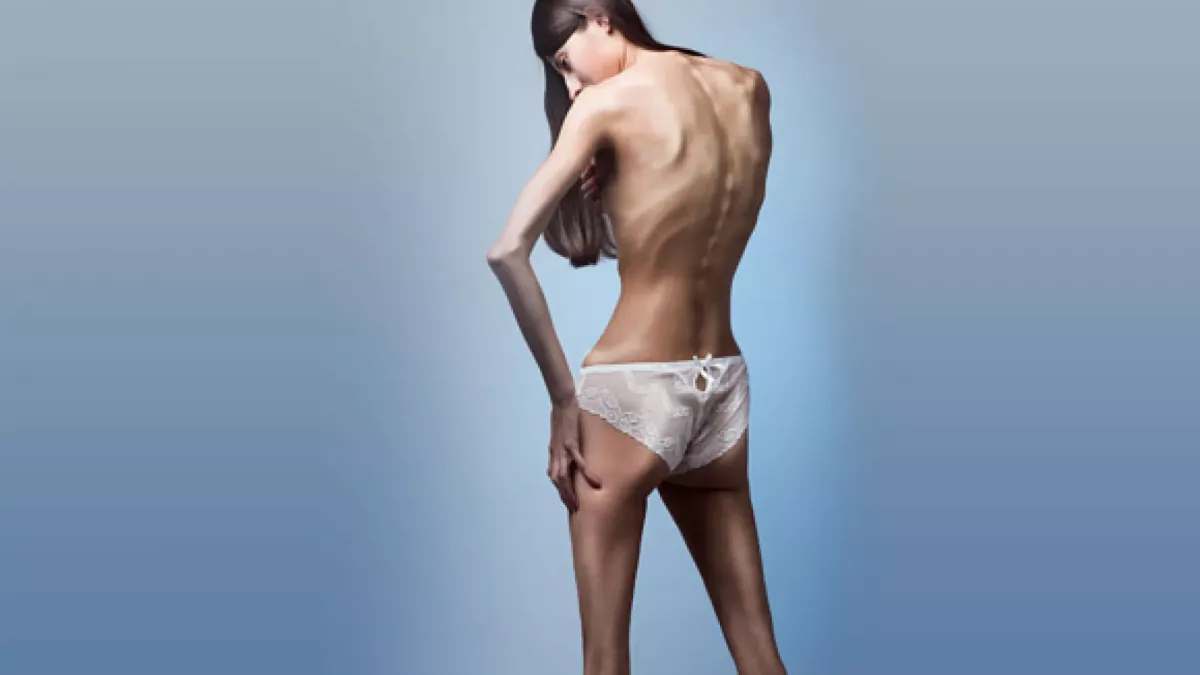
A recent study has identified a gene related to anorexia, PLIN4, which acts primarily in adipose tissue and muscle rather than in the brain, suggesting that the predisposition to this disorder may be associated with the way the body stores and uses fat. #Anorexia #Genética #Metabolismo (translated)

www.20minutos.es
Hallan un gen relacionado con la anorexia que actúa en la grasa y no en el cerebro
3405
20 minutos Oct 8

A study by Michigan State University has identified variants of the PLIN4 gene, related to fat metabolism, as a factor that could increase the risk of anorexia, suggesting that the disease has a more complex genetic and metabolic basis than previously thought. #anorexia #genética #trastornosalimentarios (translated)

www.20minutos.es
La anorexia también podría tener una clave en la grasa: descubren un gen relacionado con la enfermedad
3522
Vediamoci Chiara Wrld summary Oct 7

Let's meet. Chiara had announced the return to Milan of her event dedicated to women's health, welfare, and social responsibility. The meeting was scheduled for October 24 from 3:30 PM at the Hotel dei Cavalieri, in Piazza Missori, with an afternoon of multidisciplinary insights on women's health, prevention, and well-being in menopause. The organization had previewed a program with scientific interventions and interactive moments. https://t.co/heKny6GgfX #SaluteDonne #Welfare #Benessere (translated)

3641
ANSA.it Oct 1

A study from the Medical Research Center at Cambridge and other institutions has revealed that the activation of the enzyme Ampk can extend the lifespan of some animals by up to 25% due to a mechanism that induces cells into a 'energy-saving' mode, potentially paving the way for longevity research in humans as well. #invecchiamento #salute #metabolismo (translated)

www.ansa.it
Prolungata del 25% la vita di animali, la chiave in un enzima
1765
Aktuálně.cz - Víte, co se právě děje Oct 1

A study by Israeli scientists revealed that eating in the presence of a partner can lead to lower increases in blood sugar levels, as the proximity of a loved one helps the body regulate metabolism and reduces energy demands for maintaining internal balance. #vztahy #zdraví #výživa (translated)

magazin.aktualne.cz
Láska jako lék na krevní cukr. Vědci zjistili, co s tělem udělá obyčejný oběd v páru
1530
Sabrina F. Wrld summary Sep 29

TI HANNO INGANNATO SULLA SPREMUTA D’ARANCIA A COLAZIONE. Prof. @RoyDeVita Il bicchiere di spremuta d’arancia che bevi ogni mattina non è una tradizione salutare. È una delle strategie di marketing più riuscite del secolo scorso. Nel 1916 Albert Lasker ha insegnato agli americani a “bere” le arance invece di mangiarle, triplicando i consumi in un secondo per salvare i coltivatori dal fallimento. Ma la fisiologia non segue le leggi del mercato: Arancia intera: Mantiene le sue fibre. L’assorbimento degli zuccheri è lento. Indice glicemico basso (~40). Spremuta (3 arance): Zero fibre, bomba di fruttosio liquido. Assorbimento immediato. Indice glicemico che schizza a ~66. Non stai facendo un favore al tuo metabolismo: stai solo eseguendo una campagna pubblicitaria di 110 anni fa. #salute #nutrizione #marketing

12953
Aktuálně.cz - Víte, co se právě děje Sep 12

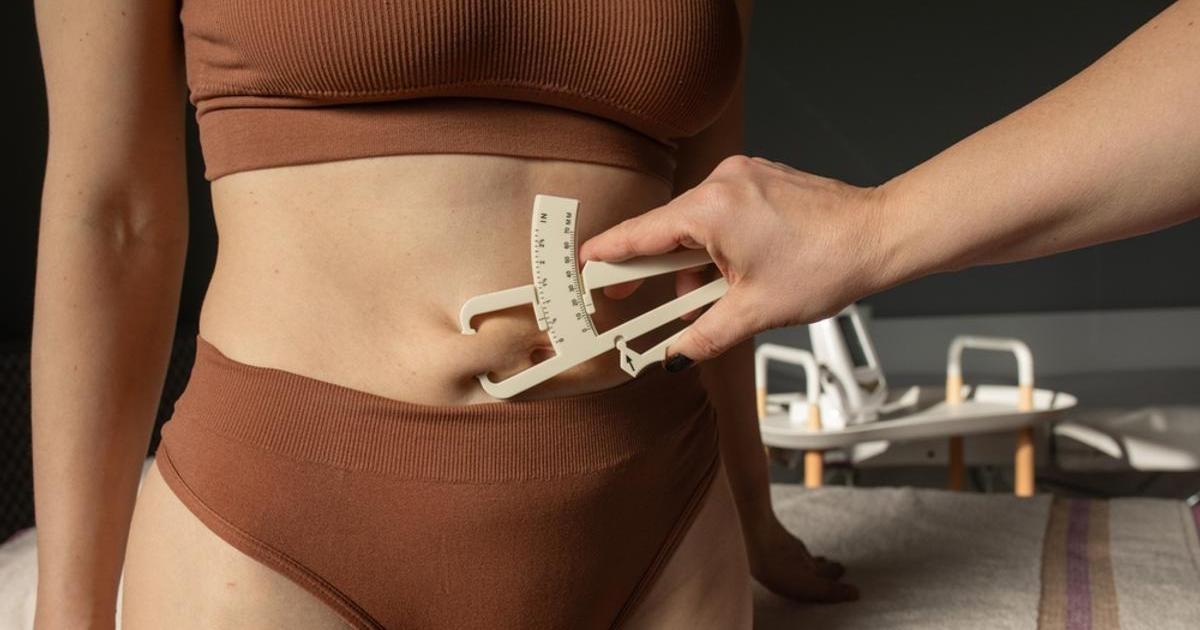
Nová studie japonských vědců odhalila, že za jojo efektem při hubnutí nemusí stát pouze slabá vůle, ale změny v imunitních buňkách tukové tkáně, které přetrvávají i po úbytku váhy a ovlivňují fungování metabolismu. #hubnutí #obezita #vzkum

magazin.aktualne.cz
Kila se nevracejí kvůli slabé vůli. Vědci našli zrádce přímo v buňkách
17149
Aktuálně.cz - Víte, co se právě děje Sep 6

Vědci objevili skupinu neuronů v hypotalamu syrských křečků, která hraje klíčovou roli v procesu hibernace, a zkoumají, zda by podobné mechanismy mohly být využity i v medicíně pro kontrolu metabolismu u lidí. #hibernace #metabolismus #výzkum

magazin.aktualne.cz
Co kdyby člověk mohl na týdny „vypnout“? Vědci našli v mozku klíč k hibernaci
15986
Aktuálně.cz - Víte, co se právě děje Sep 2

Nová finská studie zjistila, že vyšší konzumace kávy je spojena s nižším množstvím tělesného tuku a větší svalovou hmotou, přičemž odhalila také rozdíly v hormonálním profilu mezi muži a ženami. #káva #zdraví #metabolismus

magazin.aktualne.cz
Více kávy, méně tělesného tuku. Nová studie našla souvislost také s množstvím svalů a hormonů
16592
via.tt.se Aug 31

En ny laboratoriestudie från Örebro universitet visar att de minsta plastpartiklarna, nanoplast, orsakar de mest betydande förändringarna i metabolismen hos mänskliga näsceller, vilket antyder att partikelstorleken påverkar hur biologiska system reagerar, men studien bekräftar inte att plastpartiklar orsakar sjukdomar. #nanoplast #mikroplast #örebrouniversitet

via.tt.se
Minsta plastpartiklarna gav störst förändringar i celler från näsan
16006
Bild Aug 25

V článku se upozorňuje na to, že populární aromatické výrobky, jako jsou vonné oleje a svíčky, mohou být pro kočky vysoce toxické, protože jejich citlivý metabolismus nedokáže zpracovat určité látky, což může vést k vážným otravám. #Katzen #ÄtherischeÖle #Vergiftung

www.bild.de
Oft unterschätzt - Diese beliebten Düfte können Katzen töten
17210
Stirile ProTV Aug 17

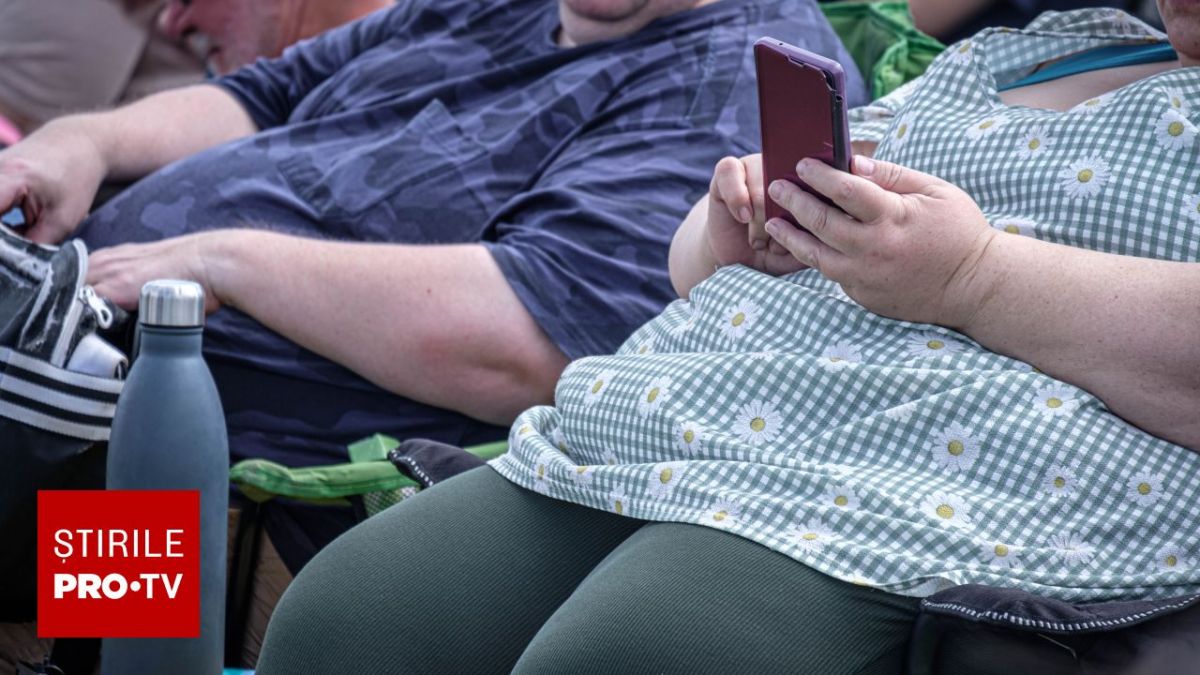
Cercetătorii au descoperit o variantă rară a genei FNIP1 care oferă protecție împotriva obezității, diabetului și bolilor cardiovasculare, reducând acumularea de grăsime corporală și îmbunătățind metabolismul energetic, ceea ce ar putea deschide noi direcții în tratamentele pentru aceste afecțiuni. #genetica #obezitate #diabet

stirileprotv.ro
Cercetătorii au descoperit o variantă genetică rară care ar putea proteja de obezitate, diabet și boli cardiovasculare
20205
ABC TU DIARIO EN ESPAÑOL Aug 15

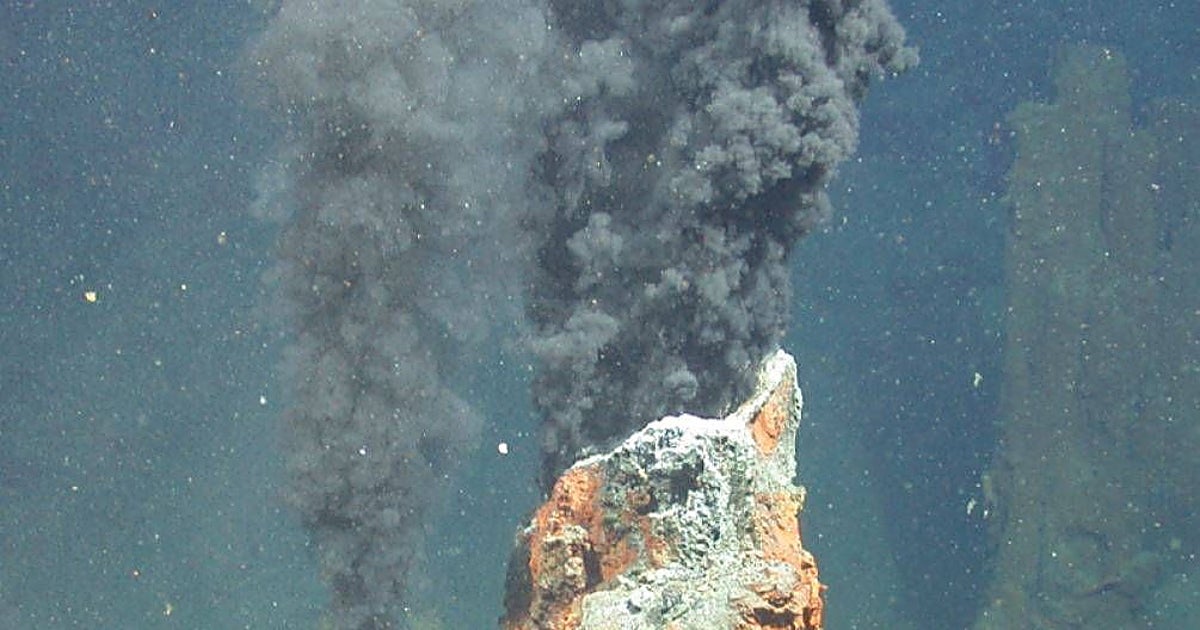
Un nuevo estudio sugiere que la vida en la Tierra no surgió de un solo ancestro común, sino que bacterias y arqueas se desarrollaron de manera independiente a partir de diferentes procesos metabólicos facilitados por los metales de las chimeneas hidrotermales submarinas. #OrigenDeLaVida #BacteriasYArqueas #MetabolismoPrimordial

www.abc.es
La vida en la Tierra no surgió una vez, sino dos
19024
Rus.Postimees.ee Aug 14

Výzkum provedený ve Finsku odhalil, že u pravidelných konzumentů kávy se i při shodném BMI vyskytuje nižší podíl tělesného tuku a vyšší podíl svalové hmoty, což naznačuje, že káva může pozitivně ovlivnit tělesné složení a metabolismus. #кофе #здоровье #исследование

pmo.ee
ФИНСКОЕ ИССЛЕДОВАНИЕ ⟩ Ученые сделали неожиданные открытия о влиянии кофе на организм
17243