“MY PUGLIA”: STORNARA IN THE WORLD TOP 20 OF STREET ART: THE “STRAMURALES” MODEL WINS OVER THE UN AGENCY IN GENEVA From a small agricultural center in Capitanata, often relegated to the margins of major tourist flows, to an international case study cited in Geneva alongside the world’s cultural capitals. Stornara, a municipality of about 6,000 inhabitants in the province of Foggia, officially enters the global elite of urban art thanks to the analysis of the World Intellectual Property Organization (WIPO), the United Nations agency based in Switzerland. ------------------------------------------------------------------- The international study and the data Recognition comes through the report “From Local Scenes to Global Recognition: Talent Mobility in Street Art,” authored by economists Egbert Amoncio, Alexander Cuntz, and Alessio Muscarnera, and published in the Creative Industries Insights series. By analyzing about 74,000 geolocated works on the “Street Art Cities” platform, the researchers mapped the migratory flows of mural talent worldwide. The study highlights how street art is a “glocal” phenomenon: while only one in five artists works outside national borders, the centers capable of attracting international creatives become true regeneration hubs. Alongside metropolises such as New York, Los Angeles, Berlin, Paris, London, and Melbourne, the document notably points to Stornara as the only Italian rural exception. -------------------------------------------------------------------- The success of Stramurales and the academic impact The turning point for the Apulian village is credited to the social promotion association Stornara Life APS, led by Lino Lombardi and the local “Banda dei Fischietti.” Since 2017, through the annual Stramurales festival, the community has transformed the facades of the town into an open-air museum that today boasts over 173 murals, about fifty of which were created by internationally renowned foreign artists. A path of social redemption that had already drawn the attention of the global scientific community: the festival was indeed the subject of the monographic study Street Art as Public Health Infrastructure, authored by Apulian researchers Luciano Magaldi Sardella and Matteo Mantuano and published in the “Harvard Health and Human Rights Journal” of the prestigious American university. ------------------------------------------------------------------ The density factor and the lesson from below According to the WIPO analysis, Stornara's prominence does not reside in absolute numbers, but rather in the proportion: relating the more than fifty international works to the resident population, the Foggia municipality reaches an unmatchable density of foreign art per 100,000 inhabitants compared to large megacities. Art, in this way, does not disperse but becomes an integral part of daily life. Geneva economists also emphasize how the Stornara model has managed to avoid the risk of top-down initiatives perceived as artificial. The direct involvement of residents who voluntarily make the walls of their homes available, combined with artist residencies and open dialogue on social issues, demonstrates how culture can trigger tourism, economic output, and psychosocial well-being, providing a concrete response to the depopulation of the internal areas of southern Italy. (translated)

"MY PUGLIA": STORNARA IN THE WORLD TOP 20 FOR STREET ART: THE 'STRAMURALES' MODEL CONQUERS THE UN AGENCY IN GENEVA SOURCE: https://lamia-puglia.com/stornara-nella-top-20-mondiale-della-street-art-il-modello-stramurales-conquista-lagenzia-onu-di-ginevra/ From a small agricultural centre in the Capitanata, often relegated to the margins of the major tourist flows, to an international case study cited in Geneva alongside the world's cultural capitals. Stornara, a municipality of around 6,000 inhabitants in the province of Foggia, officially enters the global élite of urban art thanks to an analysis by the World Intellectual Property Organization (WIPO), the United Nations agency based in Switzerland. ------------------------------------------------------------------- The International Study and the Data The recognition comes via the report From Local Scenes to Global Recognition: Talent Mobility in Street Art, authored by economists Egbert Amoncio, Alexander Cuntz, and Alessio Muscarnera and published in the "Creative Industries Insights" series. Analyzing around 74,000 geolocated works on the "Street Art Cities" platform, the scholars mapped the migratory flows of mural talent around the world. The study highlights how street art is a 'glocal' phenomenon: although only one artist in five works outside national borders, centres capable of attracting international creatives become genuine hubs of regeneration. Alongside metropolises such as New York, Los Angeles, Berlin, Paris, London, and Melbourne, the document singles out Stornara as the sole Italian rural exception. ------------------------------------------------------------------- The Success of Stramurales and Its Academic Impact The turning point for the Puglian village bears the signature of the social promotion association Stornara Life APS, led by Lino Lombardi and the local 'Banda dei Fischietti'. Since 2017, through the annual Stramurales festival, the community has transformed the town's façades into an open-air museum that today counts more than 173 murals, around fifty of which were created by internationally renowned foreign artists. A path of social redemption that had already attracted the attention of the global scientific community: the festival was indeed the subject of the monographic study "Street Art as Public Health Infrastructure", authored by Apulian researchers Luciano Magaldi Sardella and Matteo Mantuano and published in the "Harvard Health and Human Rights Journal" of the prestigious American university. ------------------------------------------------------------------ The Density Factor and the Bottom-Up Lesson According to the WIPO analysis, Stornara's primacy does not lie in absolute numbers, but in proportion: relating the more than fifty international works to the resident population, the Foggia municipality achieves a density of foreign art per 100,000 inhabitants that is unattainable for the great megalopolises. In this way, art is not dispersed but becomes an integral part of daily life. The Geneva economists further emphasize how the Stornara model has succeeded in avoiding the risk of top-down initiatives perceived as artificial. The direct involvement of residents, who spontaneously make the walls of their own homes available, combined with artist residencies and open dialogue on social themes, demonstrates how culture can trigger tourism, economic spillover, and psychosocial well-being, offering a concrete response to the depopulation of the inland areas of the Mezzogiorno. (translated)

A report by Avviso Pubblico reveals that one municipality per month has been dissolved for mafia reasons in Italy, with a phenomenon particularly concentrated in the South, in sectors such as contracts and waste management, suggesting a persistent infiltration of organized crime in local administrations. #Mafia #EntiLocali #Scioglimenti (translated)

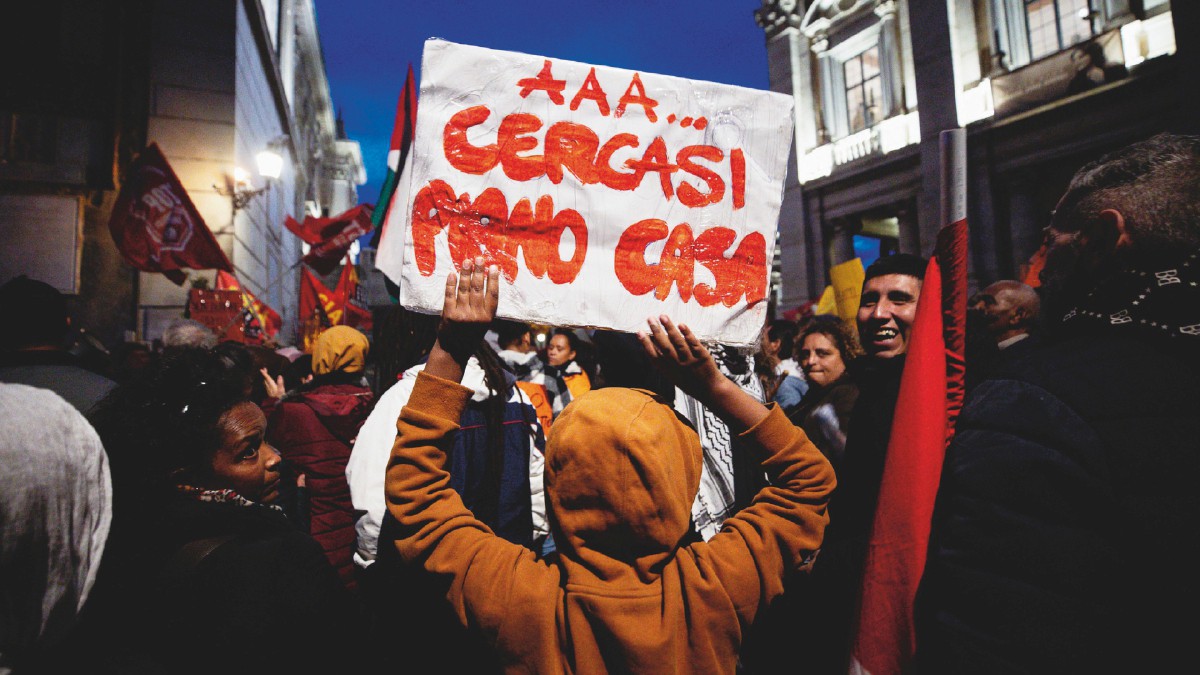
The Svimez Report 2026 highlights that the housing issue is one of the main inequalities in Italy, with fifteen million families considering housing costs too high, particularly in the South, where a structural public intervention is needed to address housing distress. #DirittiAllaCasa #Disuguaglianza #Mezzogiorno (translated)

The author described as a paradox the fact that, while the South is growing, Southerners continue to leave. He wrote that, according to the annual report from Svimez, presented the day before in the Chamber, since 2021 the GDP of the South had increased by 9.5%, more than that of the Central-North. #SudItalia #Sviluppo #Economia #IT (translated)
Italian graduates earn on average over 1,000 euros a month less than their European peers, with a significant percentage of employed individuals in the South at risk of poverty. #giovani #laureati #Mezzogiorno (translated)

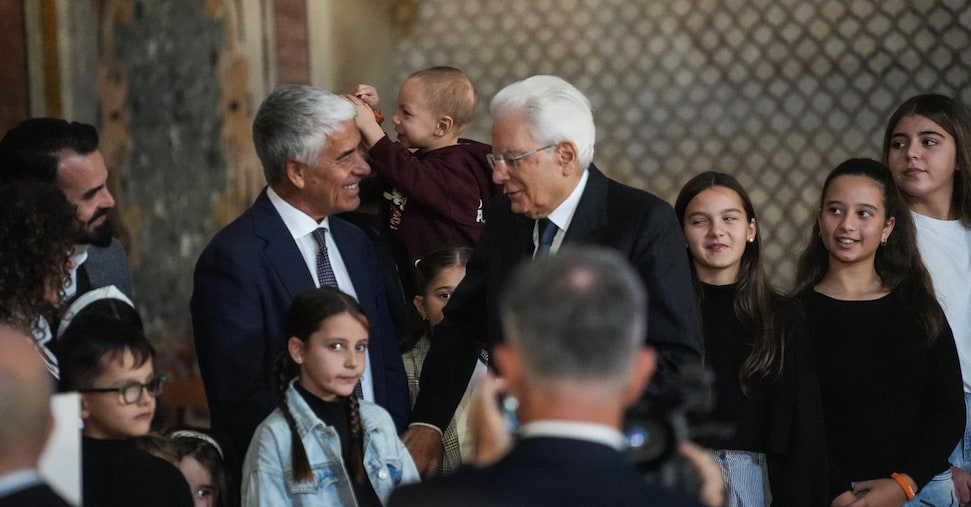
The SVIMEZ Report 2026, presented in the New Hall of the Parliamentary Groups Palace, explores the importance of cohesion in the economy and society of the South, with the participation of key institutional and academic figures. #Mezzogiorno #SVIMEZ #coesione (translated)

The Foundation with the South celebrates its 20th anniversary by launching the Sud Vivo project to tackle the problem of depopulation in the Mezzogiorno, hoping that those born in the South will have the opportunity to stay or return. #SudVivo #RigenerazioneDemografica #FondazioneConIlSud (translated)

The Government Act 449, approved in the media silence, risks further impoverishing the South and the fragile areas of Italy, reducing their resource needs due to a calculation system that penalizes territories with historical infrastructural and socio-economic deficits. #AutonomiaDifferenziata #Mezzogiorno #DisuguaglianzaEconomica (translated)

The author claimed that the judiciary, Count 2, Emiliano, Urso, several mayors, and some associations had managed to shut down what he defined as the largest steel mill in Europe and the biggest industrial investment in the South. #acciaio #industria #mezzogiorno #IT #EU (translated)
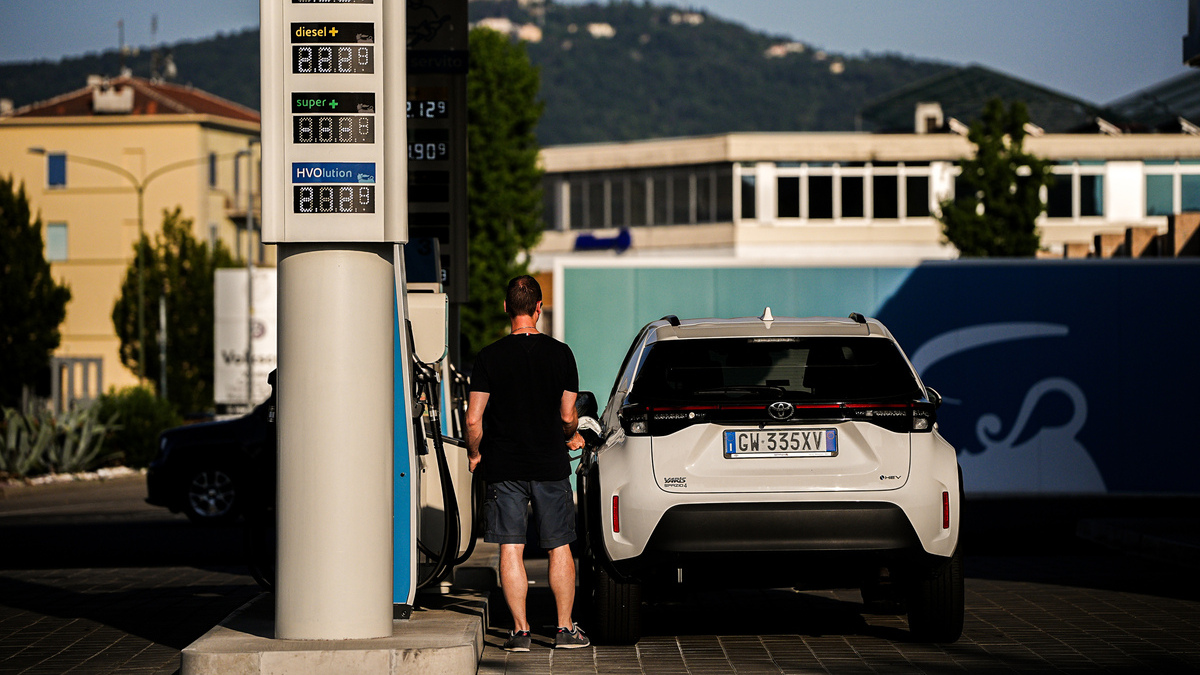
The government has announced a cut in diesel excise taxes of 4 cents per liter until November 7, provoking criticism from the National Consumers' Union, which calls it a ridiculous joke for the amount and duration of the measure. #Carburanti #Accise #Mezzogiorno (translated)

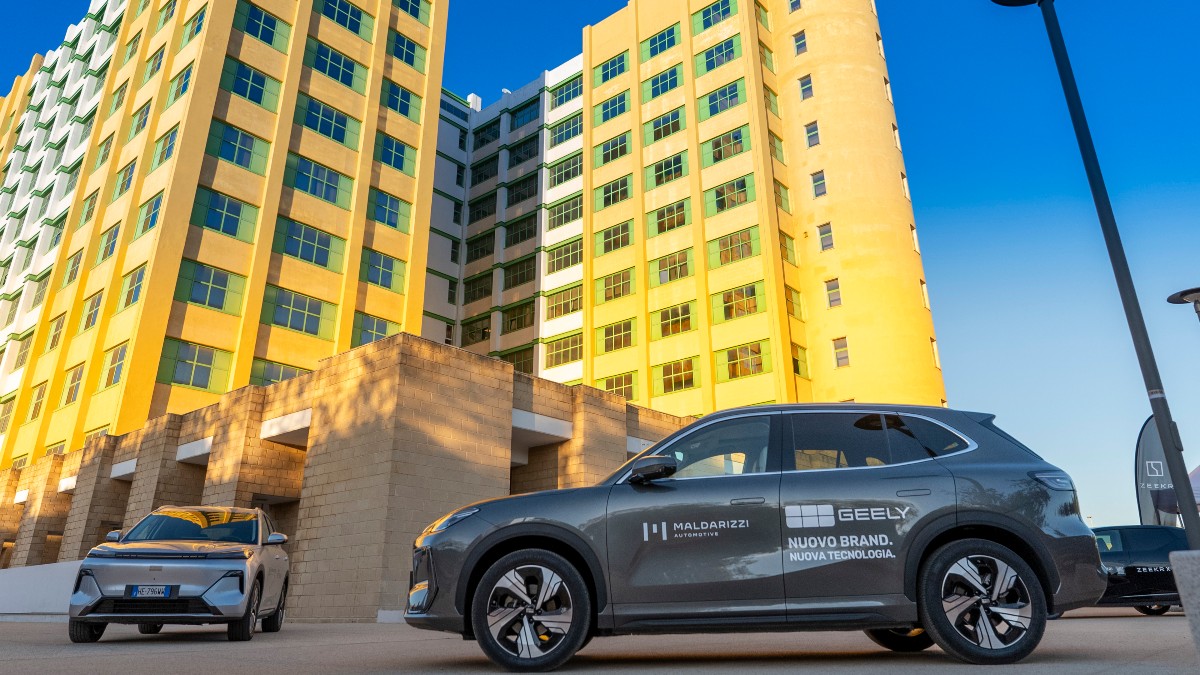
A Youtrend survey for Geely highlights that in the automotive sector, an increasing number of companies are focusing on software skills and sustainability, while the need to retain talent in the South is being discussed during a meeting in Bari. #Automotive #Competenze #IntelligenzaArtificiale (translated)

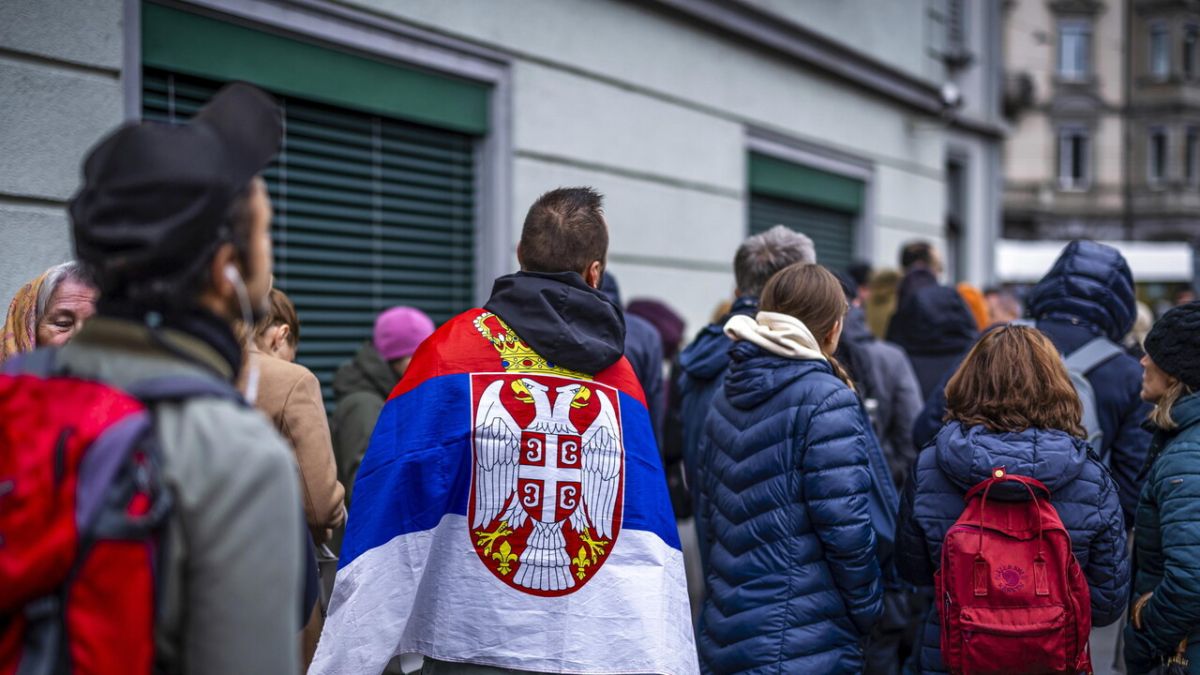
In Serbia, voter turnout for the parliamentary elections is increasing, reaching 34.5% by noon, but irregularities and incidents are reported at polling stations, with suspicions of irregular voter lists and physical disturbances in some locations. #ElezioniSerbia #AffluenzaVoto #MovimentoStudentesco (translated)

The author compared the revenues from foreign tourism in Greece and the South of Italy: according to the data he quoted, Greece, with 10 million inhabitants, earned 23 billion, while the South, with 20 million, garnered 10-11 billion. He asked whether reaching the Greek level would be a bad thing and added that Romagna alone generated more tourist revenues than five regions in the South combined. #turismo #Italia #Grecia #GR #IT (translated)
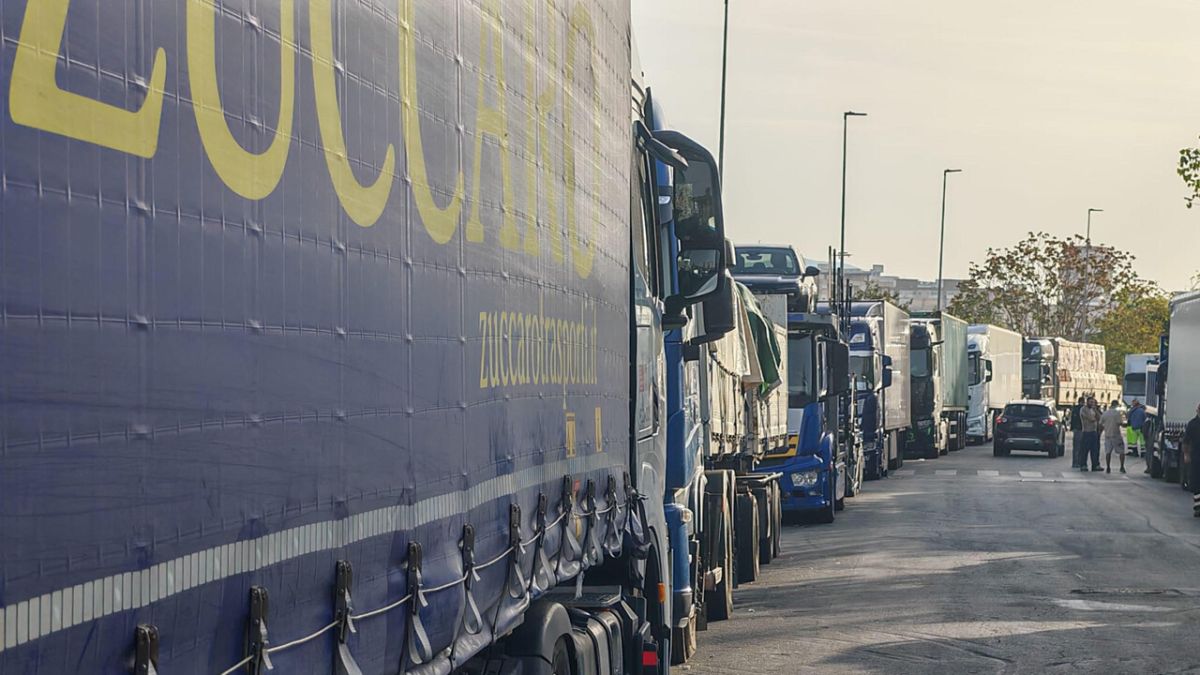
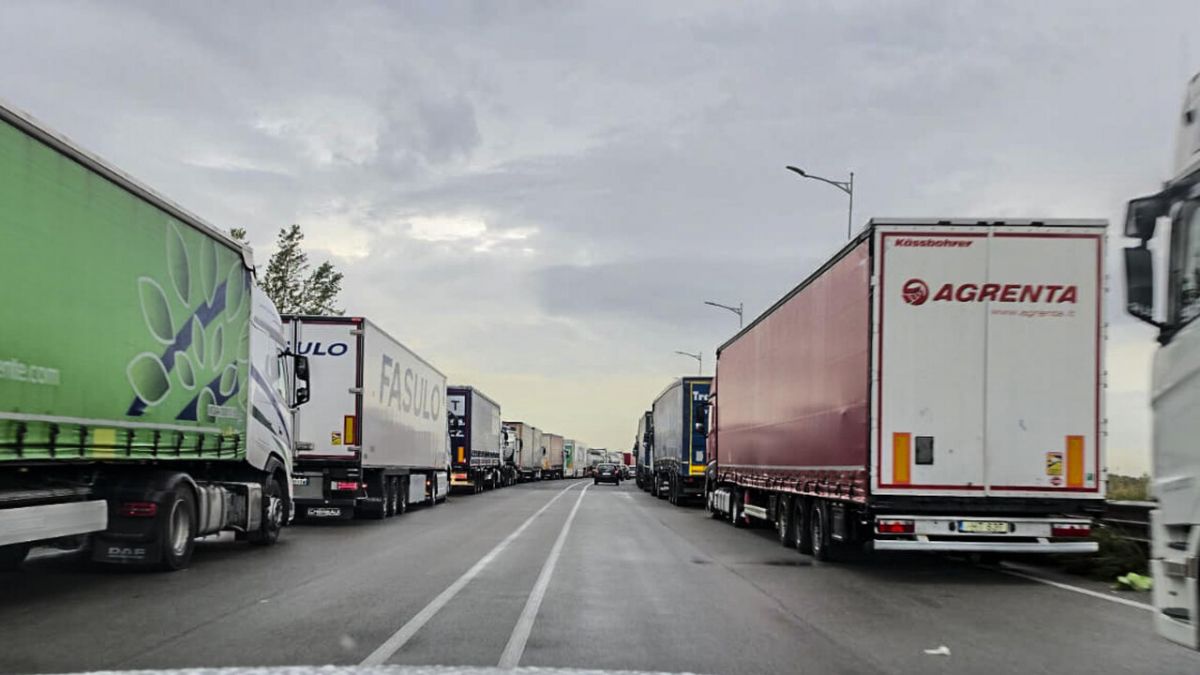
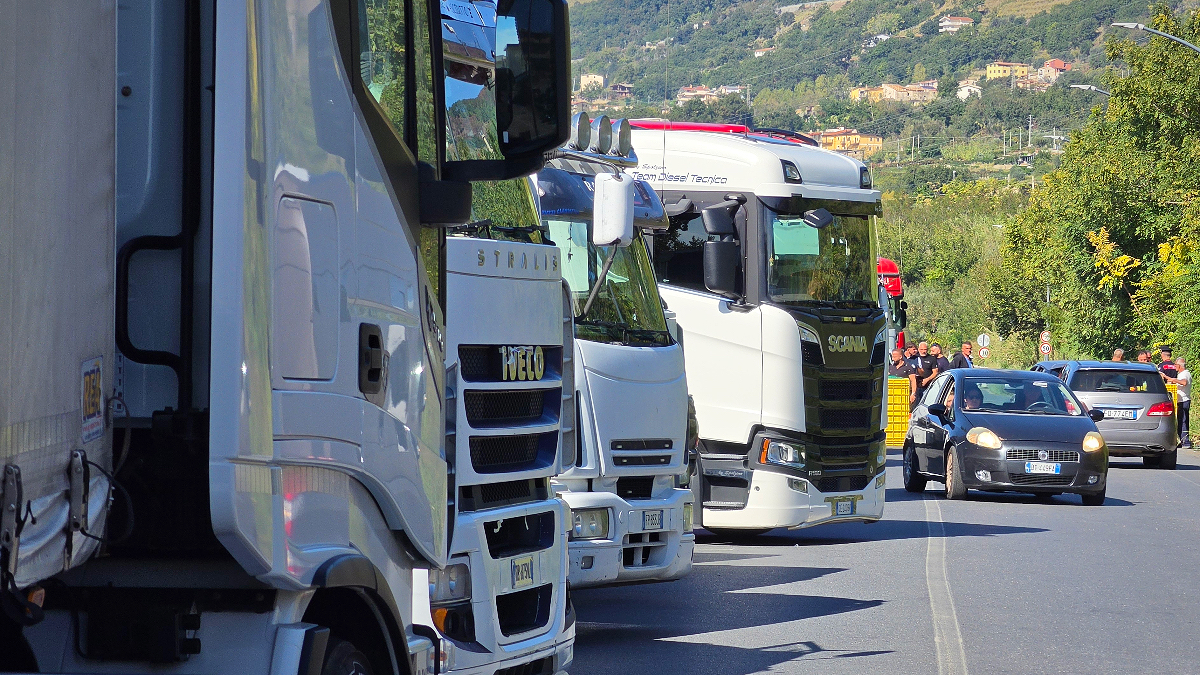
After the removal of the truck drivers' blockades in the South, taxi drivers are starting a protest against the high fuel prices, with a planned demonstration in Rome and further meetings in Florence, while the sector continues to face significant economic difficulties. #CaroCarburante #Proteste #Trasporti (translated)

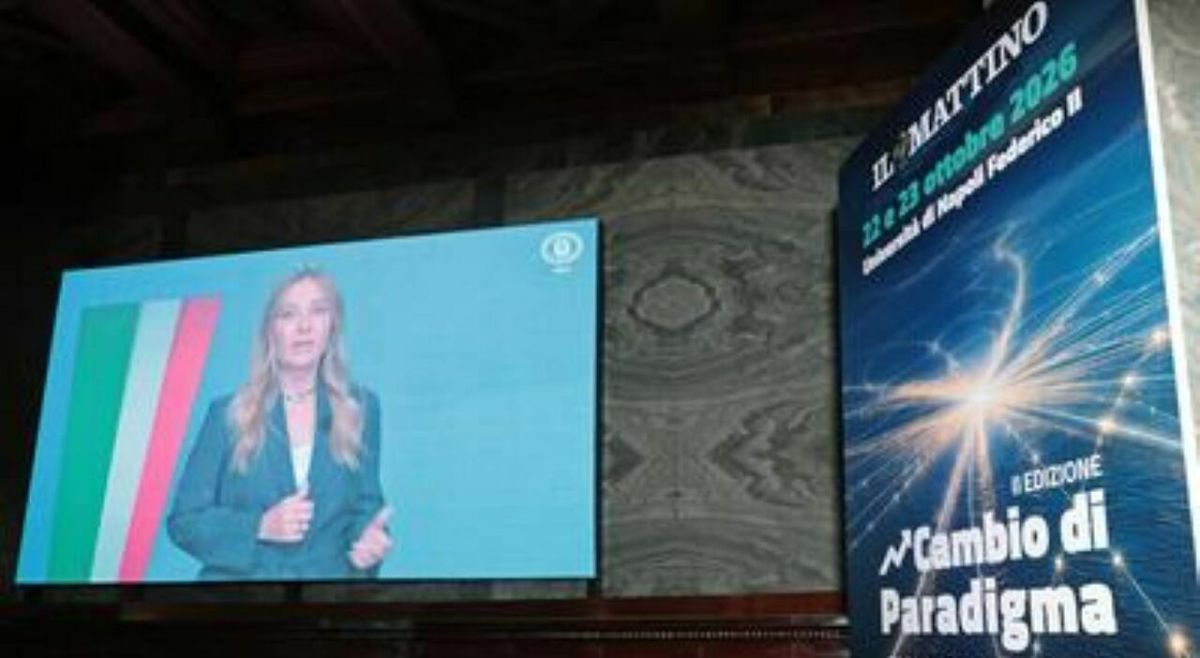
The Vice President of the European Commission Fitto and Prime Minister Meloni discuss the importance of Southern Italy in the European context, highlighting the economic growth of the region and the flexibility required by Brussels regarding inflation and energy policies. #Mezzogiorno #Flessibilità #Energia (translated)

The author wrote that Italy had revoked the suspension of Schengen with Spain, describing the measure as unnecessary and exclusively tied to internal political dynamics that, in his view, aimed to curb the party of General Vannacci. He also claimed that Meloni had stopped at a critical moment, marked by serious unrest in Milan and transport problems in the South. #Italia #Politica #Schengen #IT #ES (translated)
The mayors of Bari and Naples are calling for an acceleration of dialogue with the government to resolve the emergency caused by the roadblocks of hauliers, which is compromising food supplies and essential services in the cities of Southern Italy. #Autotrasporto #EmergenzaMezzogiorno #BlocchiStradali (translated)

Ultimora.net reported that the Viminale was proceeding with the identification of the protesters to remove the roadblocks by transporters in the South. Minister Urso said that blocking the passage of only trucks, while allowing that of cars, still constituted a roadblock, with possible criminal consequences, including imprisonment. The mayors of Naples and Bari described the situation in Southern Italy as extremely critical and warned of the risk of cities being paralyzed and overwhelmed by waste. They asked the government and Minister Salvini to bring forward the meeting scheduled for the 27th. Conftrasporto and Confcommercio urged the government to take immediate action to restore the free movement of goods. They argued that the blockades were preventing thousands of entrepreneurs not involved in the protest from working and causing significant damage to the economic system. #Proteste #Mezzogiorno #Trasporti (translated)
The protest of truck drivers in the South, intensified by high diesel prices and the structural fragility of small businesses, is fueled by transportation costs higher than the national average and weak bargaining power, while the government announces measures to mitigate the crisis. #CaroGasolio #Trasporti #Mezzogiorno (translated)