WRLD

Search

#neuron
Die Presse 24h

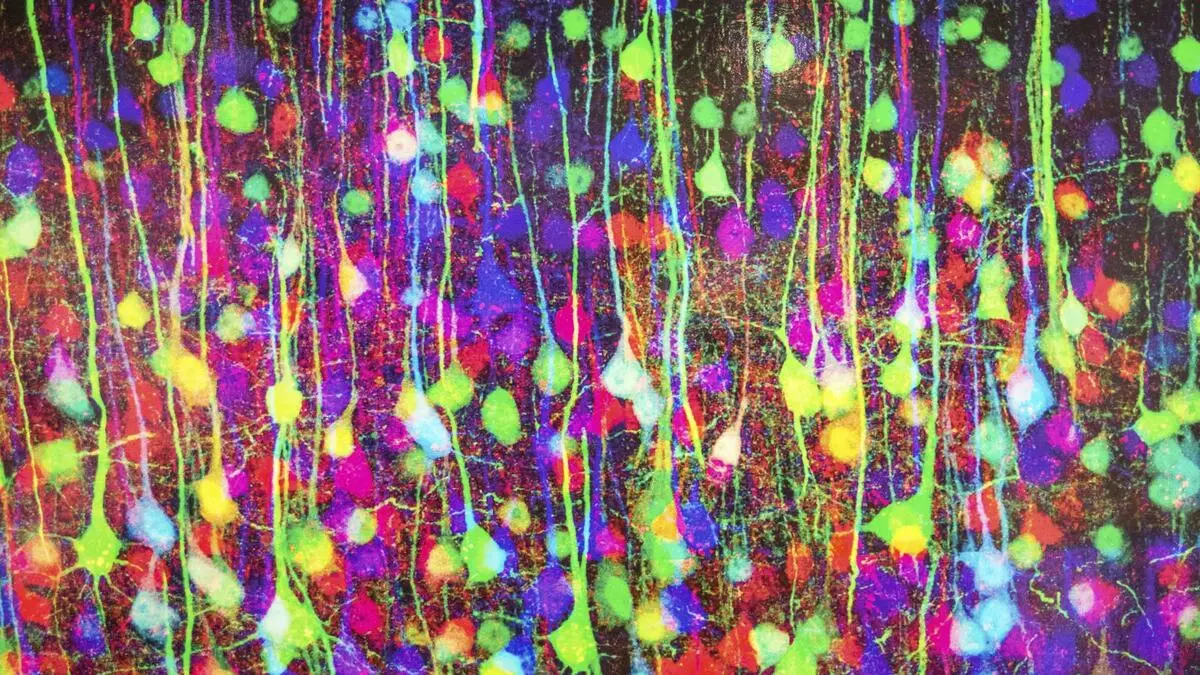
The article highlights the remarkable fact that the human brain, regardless of the intensity of mental activity, has a constant energy consumption of about 20 watts, and discusses the implications of these findings for understanding learning processes as well as for researching diseases such as Alzheimer's and epilepsy in a new, promising research project. #Gehirnforschung #Energieverbrauch #Neuronen (translated)
www.diepresse.com
Wie viel Energie kostet uns eine Erinnerung? [premium]
2531
AuBonTouiteFrançais 🍾🍾🍾 Wrld summary 2d

AuBonTouiteFrançais opened his message with an insult aimed at his readers, before comparing two narratives about the war in Ukraine. He presented the Western narrative as the idea that Vladimir Putin would seek to invade Ukraine and then threaten all of Europe, and that European countries should provide more money to avoid having to speak Russian and eat borscht. To contest this reading, he argued that, since 02/24/22 — which he claims is four and a half years — Russian forces had only advanced 150 km to the west. By comparing this distance to the 2,485 km separating Moscow from Paris, he estimated it would take Putin about 75 years to reach the French capital, by which point he would be 148 years old. He then outlined what he presented as the Russian narrative: the operation in Ukraine would aim to protect the Russian-speaking populations of Donbass, demilitarize the country, and prevent it from joining NATO, which Russia sees as an existential threat. He also claimed that NATO had not kept its promises from 1990, summarized by the phrase "Not one inch eastward." According to AuBonTouiteFrançais, Russia would therefore have no interest in conquering all of Ukraine or advancing to Kiev, but might seek to progress to Odessa to control access to the Black Sea. He asked his readers which of the two narratives seemed most credible to them and warned against a war he described as false, estimating that it would only serve the interests of those indifferent to citizens. #Ukraine #Géopolitique #Conflit (translated)

2900
Magdalena Kieferling 2d
Polish journalist

Magdalena Kieferling, an expert in neuro-negotiation, argued that companies, while investing in wellbeing programs, should not forget about developing the communication skills of managers. #dobrostan #kulturaorganizacyjna #psychologiawpracy (translated)

Dobry szef ważniejszy niż benefity
www.rp.pl
2894
eldiario.es 3d

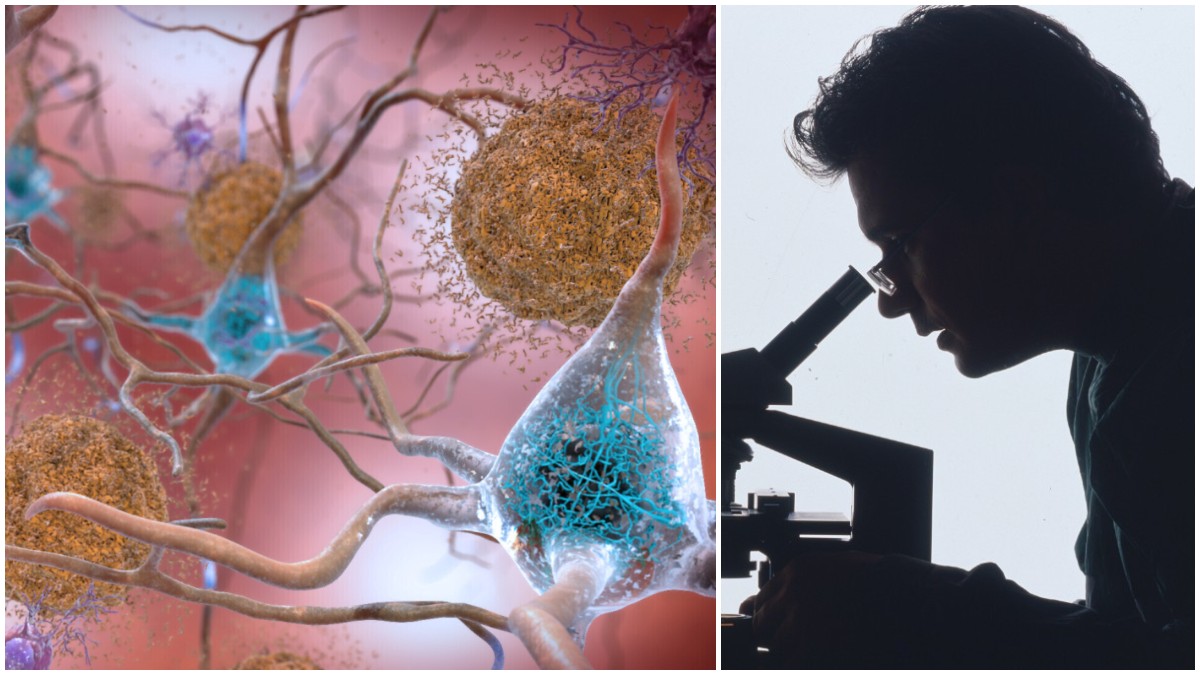
Lion's mane (Hericium erinaceus) is a mushroom that has captured the attention of scientists for its compounds that could improve neuronal health and provide benefits in the treatment of cognitive disorders such as Alzheimer’s. #MelenaDeLeón #InvestigaciónCientífica #SaludNeuronal (translated)

www.eldiario.es
El extraño hongo con forma de pompón que ha despertado el interés de los científicos por sus efectos
3017
eldiario.es 4d

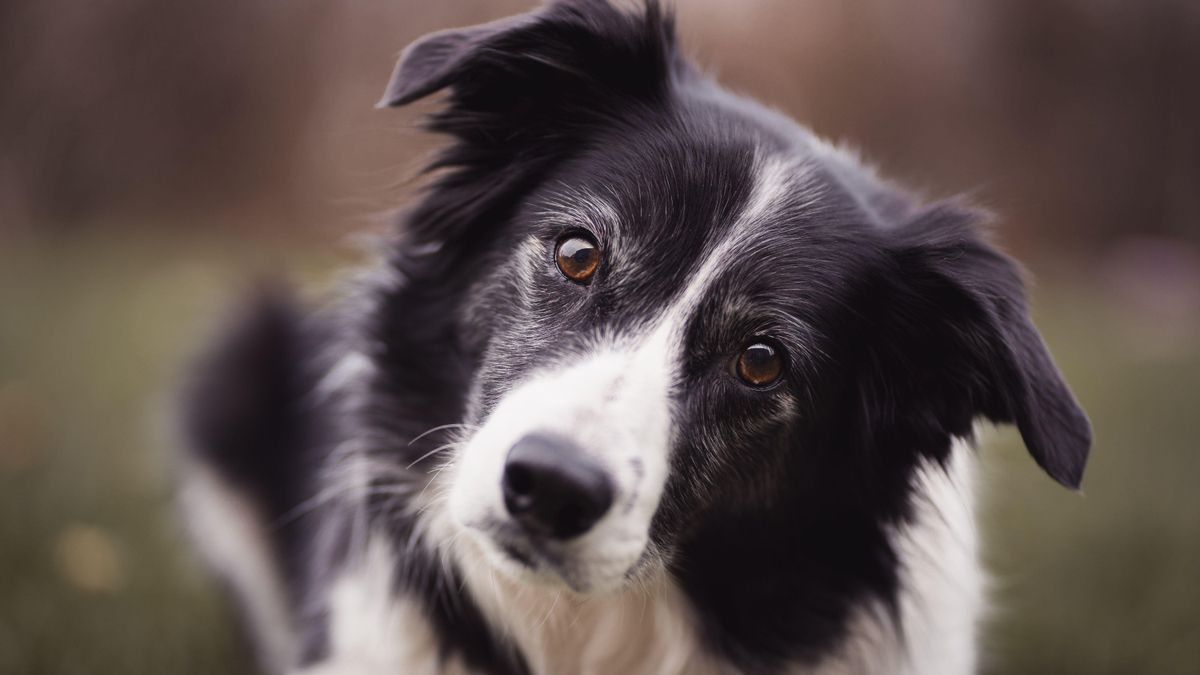
A recent study analyzes how dogs respond to contradictory emotional signals from their owners, revealing that these animals show neuronal sensitivity to situations where facial expression and voice do not match. #Perros #Emociones #CienciaCanina (translated)

www.eldiario.es
Cara feliz, pero voz enfadada: ¿cómo responde un perro ante señales contradictorias de su dueño?
2694
Bartosz Fiałek Wrld summary 5d

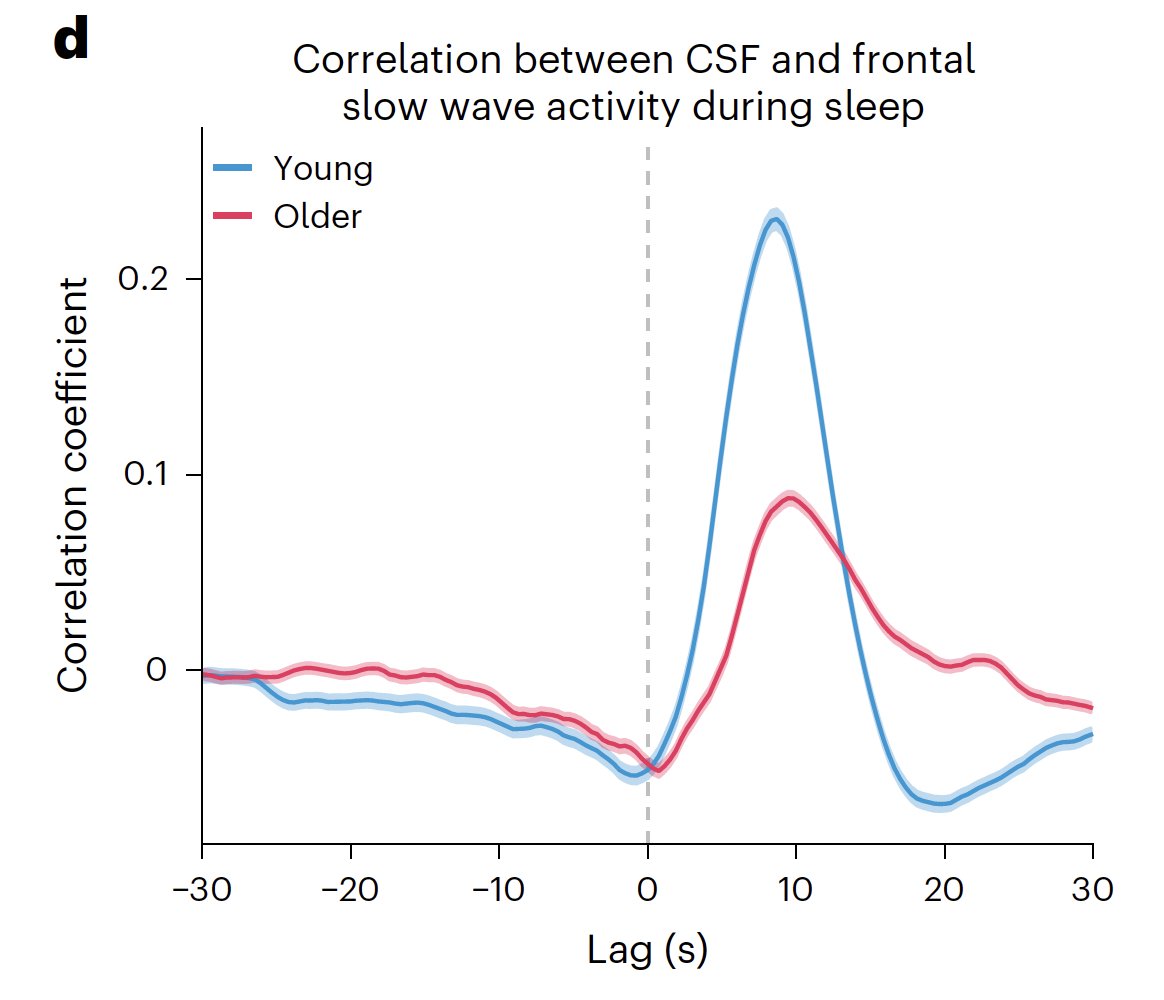
The author wrote that brain aging was associated with poorer sleep quality and reduced cerebrospinal fluid flow during sleep, which they attributed to changes in neuronal activity and cerebral vascular function.

3155
Kurier 5d

A new study by Finnish researchers shows that people with a strong tendency towards narcissism process social situations neurally differently, indicating deficits in empathy. #Narzissmus #Persönlichkeitsstörung #Empathie (translated)

kurier.at
Persönlichkeitsstörung: Was neueste Hirnscans über Narzissmus verraten
3047
Il Fatto Quotidiano 1w

Researchers have restored in the laboratory the communication between neurons impaired by amyotrophic lateral sclerosis (ALS), opening new prospects for the treatment of the disease with drugs already in clinical trials. #SLA #Neuroscienze #RicercaScientifica (translated)

www.ilfattoquotidiano.it
Sla, ripristinata in laboratorio la comunicazione tra neuroni. Il ricercatore: “Farmaci già in fase di sperimentazione clinica”
3532
Peter Wrld summary 2w

Peter criticized the way Kevin Feige was treated as a genius, saying that he had only done the basics. He also stated that the mistakes of Zack Snyder, the Warner executives, and James Gunn were evident and criticized what he called a series of wrong decisions and incompetence from DC in cinema. #DC #KevinFeige #Cinema (translated)

2976
eldiario.es 2w

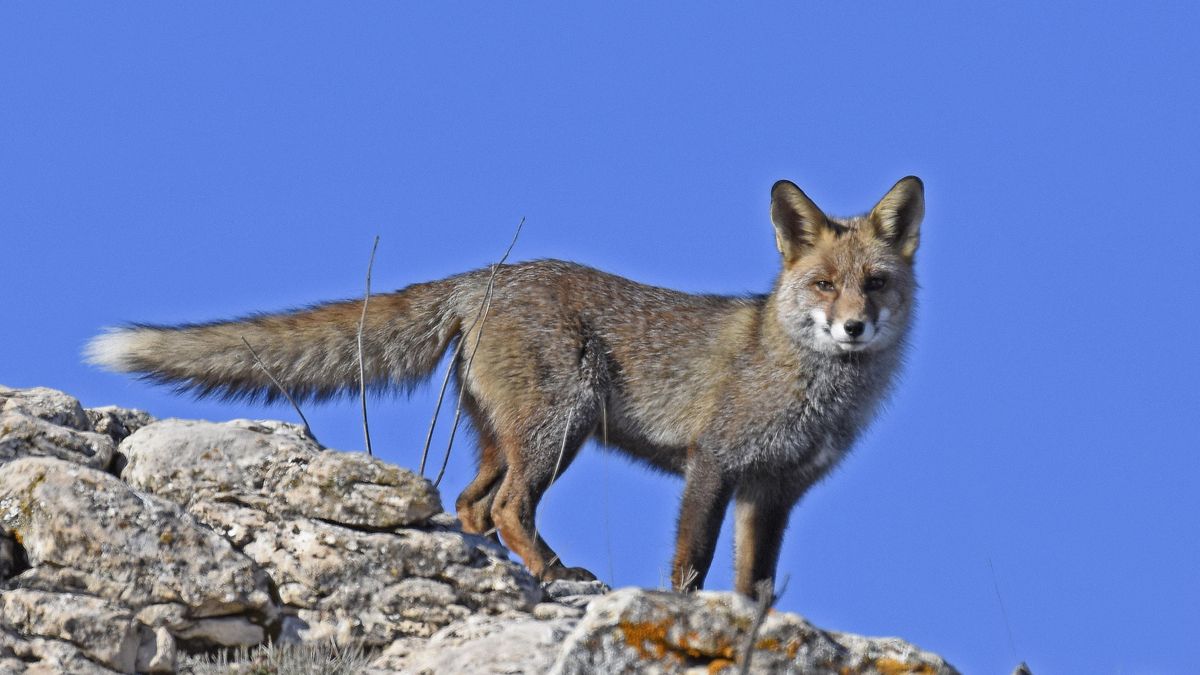
The breeding of friendly foxes in Siberia has revealed neural differences related to aggression, suggesting that behavioral selection can modify the brain and behaviors in relatively few generations. #Zorros #AgresividadAnimal #Domesticación (translated)

www.eldiario.es
Los zorros pueden dejar atrás parte de su comportamiento salvaje y la ciencia encuentra una pista dentro de su cabeza
3093
Frankfurter Allgemeine 2w

Neuroscientist Dana Small explains in a lecture the connection between diet and brain health, highlighting that excessive sugar consumption has addictive effects similar to drugs and that the rising obesity pandemic is closely linked to unhealthy eating habits. #NeuroNutrition #Gesundheit #Ernährung (translated)

www.faz.net
Neuro-Nutrition: Wie Ernährung das Gehirn beeinflusst
3097
Il Sole 24 ORE 3w

A study has revealed that chronic lower back pain can weaken the effectiveness of pain treatments, as the brain incorrectly activates specific neural areas, complicating the perception of pain and the response to analgesics. #Lombalgia #DoloreCronico #SaluteMentale (translated)

www.ilsole24ore.com
Lombalgia cronica: studio svela perché le cure non sempre funzionano, il cervello “legge” male il dolore
3346
ANSA.it 3w

Gioele La Manno, an Italian biologist, won the Eppendorf & Science Prize for Neurobiology 2026 thanks to his Brain Lipid Atlas, which revealed 539 types of lipid cells and promises new discoveries about the functions of neurons and the development of diseases such as glioblastoma. #Neuroscienze #Lipidi #RicercaScientifica (translated)

www.ansa.it
A un italiano uno degli oscar per la neurobiologia
3464
Onet.pl 3w

Professor of neurology Jens Dreier explains that near-death experiences may be related to phases of the brain dying, including a sudden increase in neuronal activity that occurs at the moment when blood and oxygen circulation decreases. #doświadczeniebliskieżmierci #neurologia #życieiśmierć (translated)

www.onet.pl
Profesor neurologii wyjaśnia, co zachodzi w mózgu, kiedy umieramy
3121
ANSA.it 4w

Researchers at Northwestern University have identified specific neurons that trigger anxiety following cannabis consumption, paving the way for potential new strategies to address both the psychoactive effects of the substance and anxiety symptoms in general. #ansia #cannabis #neuroscienze (translated)

www.ansa.it
Cervello, trovati i neuroni che scatenano l'ansia da cannabis
3494
Postimees Oct 17

A new study found a special neuron in the mouse brain that is over 70 centimeters long, which may change our understanding of attention disorders, depression, and Alzheimer’s disease. #AjuUuringud #Neuroteadus #Tervis (translated)

pmo.ee
Hiire ajust leiti ilmatu pikk neuron – kümneid kordi pikem, kui hiir ise
3267
Luci Fer Wrld summary Oct 16

Luci Fer asked that her message be spread and tagged to La Granja VIP, Adal Ramones, Kristal Silva, Flor Rubio, Ferka, Linet Puente, Azteca, and Azteca UNO. She stated that the straw had not come out of the sack and that the piece was already in the bucket, and she described what happened as fraud. #Fraude #LaGranja #Transparencia (translated)

2803
ANSA.it Oct 15

Researchers at the University of Bonn have reprogrammed blood cells from an 80-year-old into young neurons, demonstrating that the rejuvenation process occurs slowly and can provide new models to study the factors influencing cellular rejuvenation. #RingiovanimentoCellulare #CelluleStaminali #Neurobiologia (translated)

www.ansa.it
Vecchie cellule del sangue trasformate in giovani neuroni
3505
Rzeczpospolita Oct 13

German scientists have reversed the age of human cells by 60 years, transforming the blood cells of an 80-year-old into neuronal stem cells with a molecular age of less than 20 years by "resetting the molecular clock." #Nauka #Odmładzanie #KomórkiMacierzyste (translated)

www.rp.pl
Naukowcy cofnęli wiek ludzkich komórek o 60 lat. „Reset zegara molekularnego”
3625
Luciano Magaldi Sardella (PhD) Oct 12

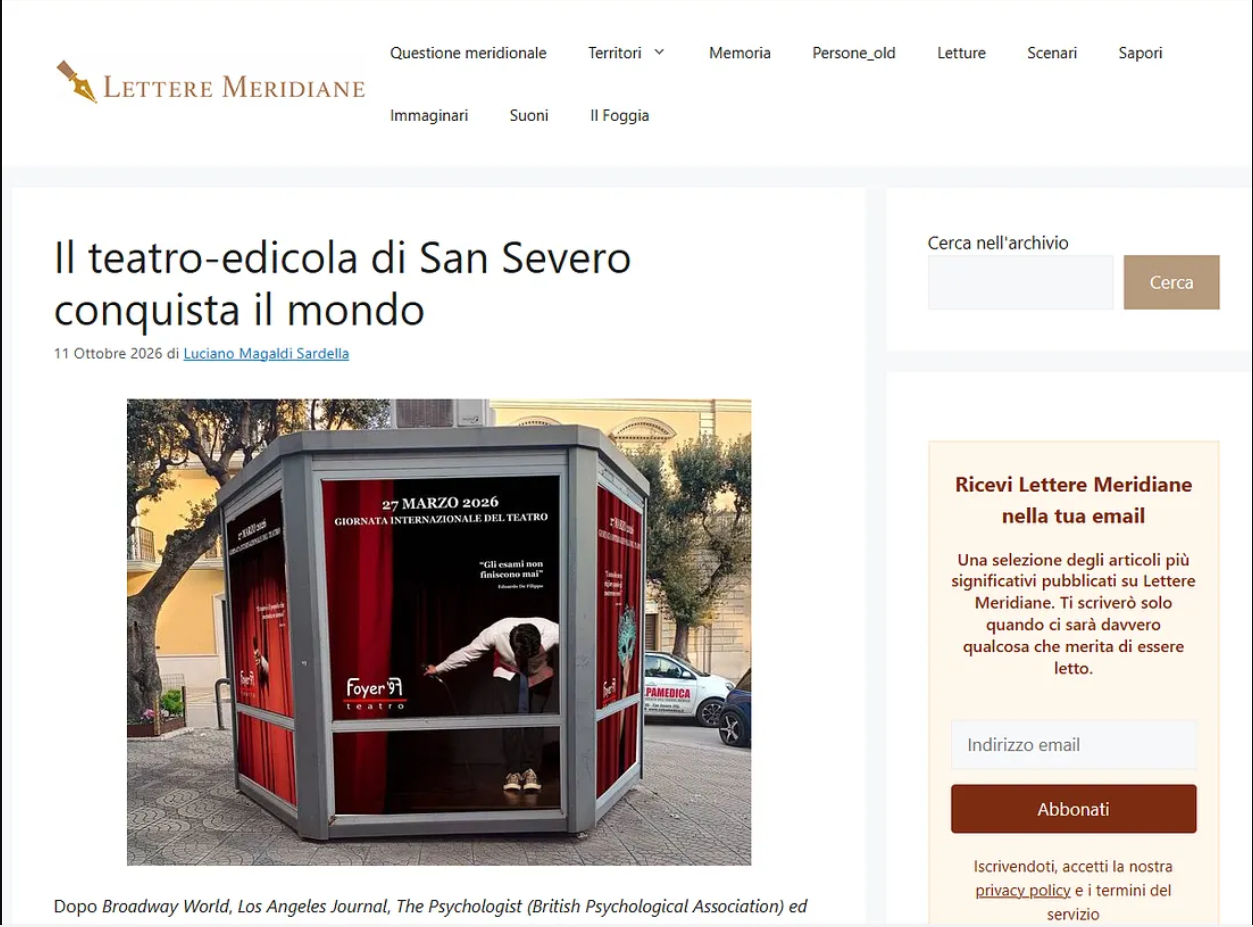
LETTERE MERIDIANE — “TEATRO-EDICOLA” OF SAN SEVERO CONQUERS THE WORLD SOURCE: https://www.letteremeridiane.org/2026/10/il-teatro-edicola-di-san-severo-conquista-il-mondo/?fbclid=IwY2xjawU4oqFleHRuA2FlbQIxMQBwZG9mAXNydGMGYXBwX2lkEDIyMjAzOTE3ODgyMDA4OTIAAR5rVEwYs6UUXg7v-P0SyIQ_DRb_F6ZiY58OcseYoV4J7atcTiERnhWaqKM2pw_aem_Njle1jq1XLzHr93KLBUcVA After “Broadway World”, the “Los Angeles Journal”, “The Psychologist (British Psychological Association)” and Hollywood Beat Magazine, its “academic consecration” has now arrived courtesy of Stanford University. As I have already emphasised in my article on the revival of the GIO Festival in Foggia, celebrated by BroadwayWorld for the world stage premiere of the Giordano’s opera Marina (1888), the province of Foggia has long ceased to be peripheral. It happens when it finds an idea that shifts the coordinates: well, in San Severo, 40 kilometres from Foggia, it has happened again. Only this time an orchestra was not needed; six chairs were enough. The celebrated Teatro-Edicola of San Severo artistic director Francesco Gravino of the theatre company Foyer ’97 has been featured in the academic journal “Stanford Social Innovation Review (SSIR)” as an academic case study. The news, relayed on 19 September 2026 by ANSA Nazionale, looked like a misprint. Then it became clear that it was not. SSIR, an award-winning publication covering multisectoral solutions to global problems, included the project in its Dispatches section with the reportage “The Six-Seat Revolution”. It is the inverse trajectory to that of the GIO Festival: not a forgotten opera returning to a grand historic Italian horseshoe theatre, but an entire theatre reborn inside a disused place, forgotten by man. There are moments when past and future intertwine to create something visionary, innovative, artistically “revolutionary”: San Severo experienced one of those moments on the morning of 27 March 2026, during World Theatre Day, when the shutter of a newsstand closed for six years in Via Matteo Tondi was reopened “not to sell newspapers, but to offer stirring stories”, to quote Gravino’s motto. The idea of the visionary Francesco Gravino, artistic director, stage director and actor of the San Severo company Foyer ’97, active for at least 30 years in Capitanata, centred on the kiosk, hexagonal in metal and glass, granted free of charge by its owner Pino Frau, by now an urban relic created by the publishing crisis of the early 2000s: today in Italy active newsstands have fallen from about 35,000 in 2005 to about 20,000 in 2024, a decline of 42.8%. Gravino and eleven other actors restructured it in two weeks of work, without institutional funding, and transformed it into what is now under examination by the London commission of Guinness World Records as the “world’s smallest theatre”. The formula is deliberately austere: six spectators at a time outside, actors inside at less than a metre’s distance, 15-minute performances, continuous rotation from 11:00 to 20:45, texts ranging from Goldoni to Chekhov, from Ibsen to Dacia Maraini. On the door a QR code with an original theatrical warning: “Warning! This QR code transforms passers-by into actors. Scan only if ready.” The numbers immediately showed that it was no boutade: more than 60 people in a single afternoon, three inaugural days that sold out. But above all a positive echo that went beyond the borders of San Severo. “Broadway World” (just as in the previous case of the GIO Festival), the world’s most influential theatre criticism outlet with over 5.5 million monthly views, devoted exclusive coverage to it on 27 April 2026: “An Abandoned Italian Newsstand Just Became the World’s Smallest Theatre”. Not a mere listing, but an analysis: “There is no foyer, there is no balcony, there is no grid. There is barely a wing. What there is is something almost unrecognisable as an evening at the theatre, and for that very reason it is all the more powerful.” “Broadway World” captured Gravino’s manifesto idea: “This is a theatre of proximity. In an era of digital distance, we are putting human contact back at the centre,” framing it as “More than a clever exercise in site-specific theatre. It is a reappropriation.” All of this, in a Mezzogiorno of Italy often narrated only in terms of organised crime and marginalisation. To that seal of approval was added another, even more disorienting for a newsstand in San Severo: the “Los Angeles Journal”, one of the most influential publications on the West Coast for the performing arts. On 12 May 2026, it headlined thus: “San Severo’s Teatro-Edicola as an Innovative Model for Los Angeles Theaters?” opening as follows: “In a city in southern Italy that Hollywood has never heard of, a theatre director has just built the smallest stage in the world: six seats, fifteen minutes, zero distance. Los Angeles should pay attention.” The “Los Angeles Journal” does not indulge in folklore, but places the kiosk in Via Matteo Tondi alongside the prestigious 1,600-seat Ahmanson Theatre in Los Angeles, the Pantages of Broadway in Hollywood, the 99-seat plan of Rogue Machine, the Odyssey, the Victory Theatre and the Hollywood Fringe. It even recalls Ethan Marks’s Electrical Box Theatre, a veritable electrical box lined with red velvet in downtown Los Angeles, to argue that Gravino has taken to the extreme the question Los Angeles has been asking itself for decades: How small can a stage become before it ceases to be a stage? And it recognizes the San Severo urban model: almost zero cost, two weeks of work and six chairs, in return for immediate provincial, regional and national media coverage, recognition by the San Severo’s Municipal Administration, and a format exportable anywhere. Then, the third American piece came from “Hollywood Beat Magazine” on 20 April 2026: Six seats. Fifteen minutes. One actor. No stage. The magazine recounts the kiosk in Via Tondi left disused for almost six years, the contemporary six-seat cultural outpost, placing Francesco Gravino in a distinguished genealogy: Richard Schechner and environmental theatre, Jerzy Grotowski and poor theatre, Nicolas Bourriaud and relational aesthetics. But it closes with pragmatism: it is not a thesis, it is fixing a street corner, that is, repairing an urban street corner by asking not how large a theatre can become, but how small it must become again to recover its original power. And finally, the celebrated London-based “The Psychologist”, the journal of the “British Psychological Society (BPS)”, the oldest psychological society in the world, transformed the Teatro-Edicola into a scientific case study: on 30 July 2026 it published “The world’s smallest theatre — and Psychologists’ next act”, starting from the same detail, the morning of 27 March when the metal shutter of the hexagonal kiosk in Via Tondi reopened after six years, six people inside, an actor at less than a metre’s distance beginning Chekhov. It describes the formula: six spectators, 15 minutes, 11 actors over 10 hours, from Goldoni to Euripides, inside a kiosk where the fourth wall does not break because architecturally it never existed. But the BPS goes a step further: it cites the 2025 studies by Damien Gabriel in IBRO Neuroscience Reports, that live performance generates measurably stronger emotional and physiological activation than video, and introduces Edward Hall’s proxemics: below one metre is intimate space, reserved for doctors, close friends, lovers. In that one-square-metre space, the actor’s breath is audible, micro-expressions legible, the self-other boundary becomes permeable. The Teatro-Edicola “does not make theatre better, it makes it inevitable”. And it is here that one understands why Stanford is studying it as an academic case study in social innovation, not as a case of artistic originality. In Italy, meanwhile, the national media circuit had already picked up the phenomenon: RaiNews — TG2 Storie brought it to RaiDue at midnight on 19 April. RTL 102.5 devoted space to the format conceived by Gravino and developed by Foyer ’97 in the heart of San Severo in Via Tondi, defining it as a permanent micro-stage capable of bringing theatre into public space. ANSA.it, Gazzetta del Mezzogiorno, La Repubblica, TG2000, Radio Capital, Swiss RSI, ANSA Brazil and many others followed. And for the record: Fiorello praised it in La Pennicanza as an artistic case inspired by his Edicola Fiore, and Biagio Antonacci, on his tour in the Augustan amphitheatre of Lucera, made a “fact-finding” stop at the Teatro-Edicola singing the celebrated and nostalgic Iris in front of an audience certainly larger than the “six seats”. Francesco Gravino’s theatre company Foyer ’97 was not born yesterday: behind it lie the Teatro-Cantina of 2016, the underground theatre, and in 2011 a performance on the bell tower of a church in the centre of San Severo at 45 metres high. The Teatro-Edicola completes, in Gravino’s words, “the entire vertical extension of theatre: underground, street level, rooftop”. And it is preparing for its thirtieth anniversary in 2027 aiming to purchase the kiosk to make it permanent, exporting the “San Severo Model” to Rome, Lucca, and to the festivals of Santarcangelo and Todi. As with the GIO Festival, someone might dare to claim that it is merely a stunt, but when BroadwayWorld places you alongside the Los Angeles Opera House, the “Los Angeles Journa”l proposes you as a model for Hollywood, “Hollywood Beat Magazine” reads you through Grotowski and the “British Psychological Society” uses you to explain mirror neurones, it is no longer a stunt but an excellent artistic and academic positioning. To those who still whisper that Foggia and Capitanata are provincial, the answer is now written on two opposite and complementary fronts: on 5 June in Foggia a 138-year-old opera found the stage again at the Giordano ending up on BroadwayWorld; on 27 March in San Severo a 4-square-metre kiosk invented a stage that did not exist, ending up at Stanford, in Los Angeles, in Hollywood and in London. The periphery, when it has a precise idea, becomes the centre. Even with six chairs. Luciano Magaldi Sardella

www.letteremeridiane.org
Il teatro-edicola di San Severo conquista il mondo
936