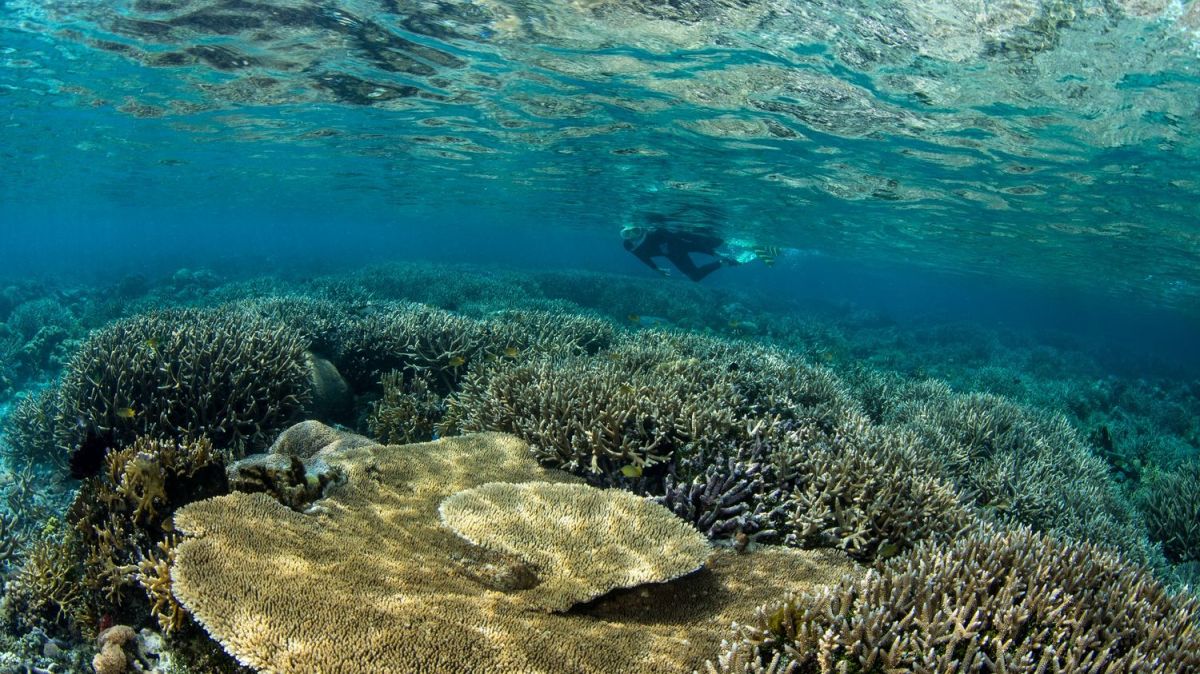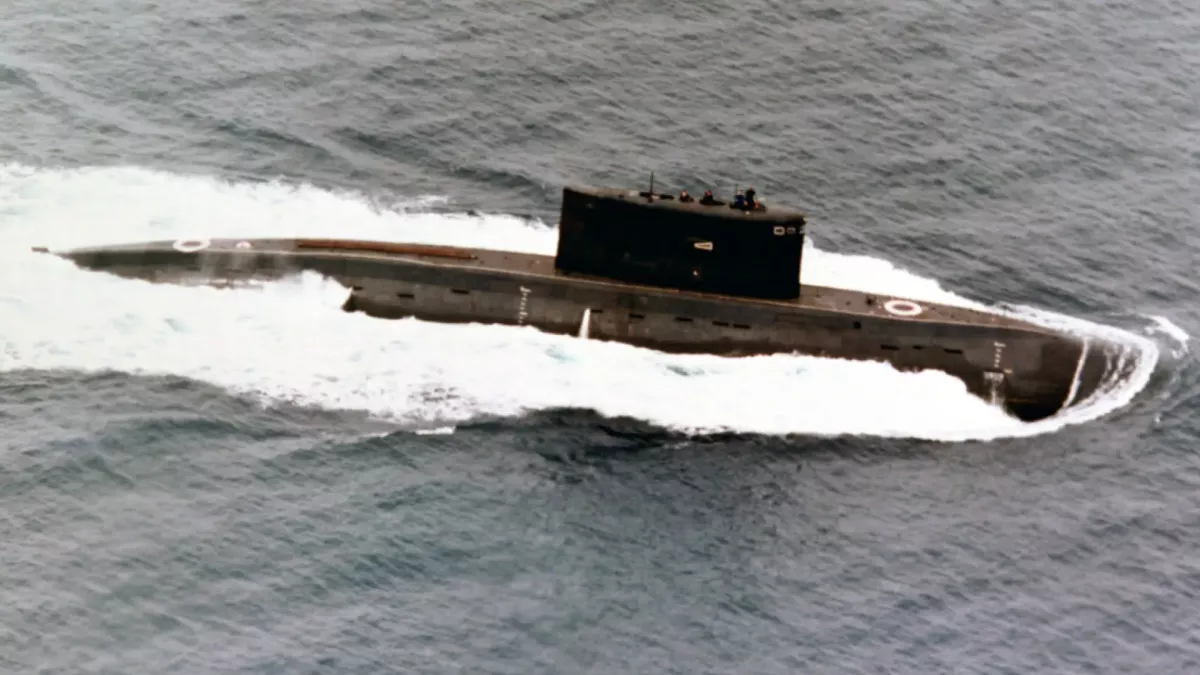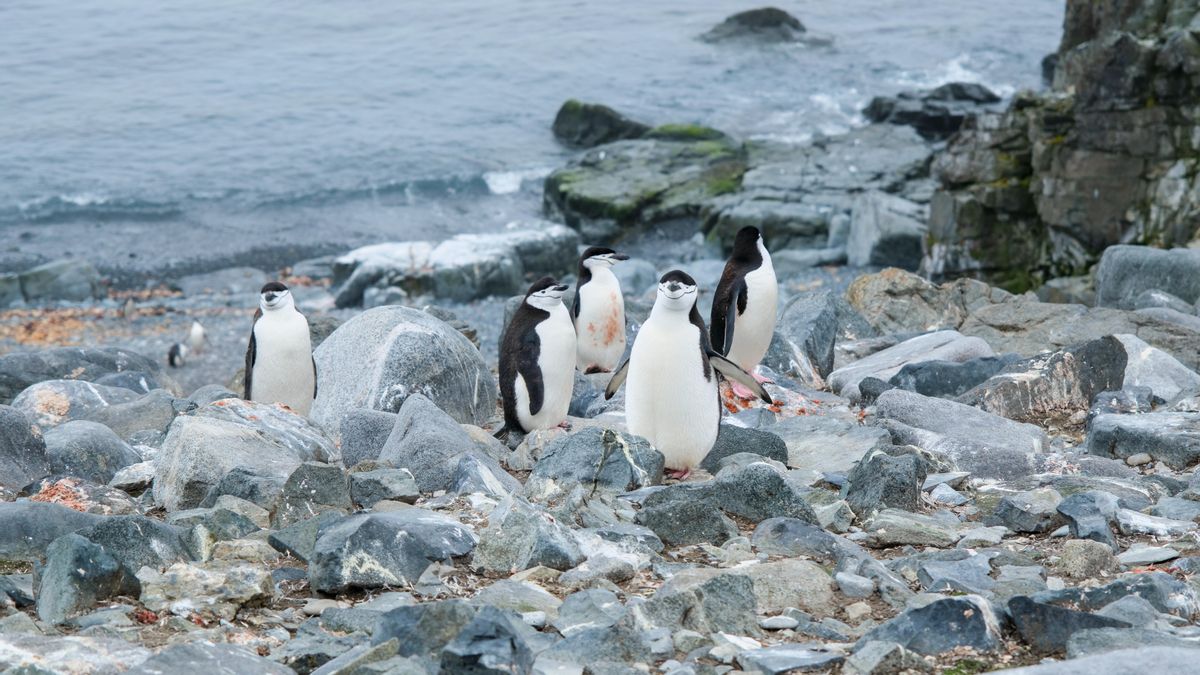
In the Pacific Ocean, three hurricanes are simultaneously raging - Karina, Lowell, and Marie - with Lowell reaching category five and Karina already weakening, while the Atlantic Ocean region remains unusually calm. (translated)

On the way from Gambia to the Canary Islands, likely more than 80 people have died, including a baby, after rescuers found a boat with 44 survivors following a 27-day journey across the Atlantic Ocean. (translated)

Jour 202, orbite 3131 – Et de 3 ! Qui se souvient de Jack à la proue du Titanic 🚢, visualisant devant lui l’infini océan bleu... C’est exactement ce qui m’est passé par la tête lorsque j’ai rejoint le point le plus en avant de la station pour remplacer un rétroréflecteur indispensable à l’amarrage de la capsule Dragon. Forcément l’une des plus belles vues au monde, et en même temps, tellement impressionnante depuis mon scaphandre, avec 400 km de vide sous les pieds. Et comme seul paysage devant moi, le bleu hypnotisant de la Terre 🌏 en contraste avec le noir infiniment dense de l’espace. Je suis arrivée de nuit, sans autre éclairage que celui de mon casque, et quand le soleil a pointé son nez sur l’horizon, notre magnifique planète qui défilait sous mes yeux. Juste... waouh ! On dit souvent que l’important, c’est le chemin, pas la destination 😉 Pour rejoindre cette zone de la Station, il faut progresser avec précaution au milieu de dizaines d’éléments qu’il ne faut surtout pas toucher, ni avec l’imposant scaphandre rigide, ni avec les longes et les sangles qui accompagnent nos mouvements. Ajoutez à cela les mains courantes encombrées de câbles, et les outils qui semblent avoir une attirance naturelle pour tous les endroits où ils peuvent se coincer... Visualisez une forêt de cactus 🌵 dans laquelle vous avancez lentement, avec précision et méthode, pour éviter tout contact avec les épines ! J’étais prévenue : « C’est compliqué, mais faisable » et je suis particulièrement heureuse d’avoir mené à bien cette mission qui m’avait été confiée. Quelle belle aventure que ces trois sorties extravéhiculaires ! Mais je l’avoue, cela va faire du bien de souffler un peu et de récupérer physiquement avant notre retour sur Terre, qui représente lui aussi un sacré défi pour l’organisme. 🫶 Les équipes ont été formidables. Un grand merci à tous qui avez travaillé dur pour faire de ces EVAs un succès. 🎥 @esa / @NASA #εpsilon • @esaspaceflight • @Space_Station • @NASAJohnson • @ESA_fr • @CNES #Espace #Aventure #Science
Two new European satellites, Sentinel-3C and Flex, are being launched to improve climate knowledge about plants and oceans, without cooperation from the United States due to their unpredictable behavior in climate science. (translated)

Three powerful hurricanes are simultaneously occurring in the Pacific Ocean, which is a rare phenomenon explained by the strong El Niño that causes the warming of seawater and increases the number of storms. (translated)

A presumed drug ship has been destroyed in the Pacific Ocean by U.S. forces as part of Operation Southern Spear, after being intercepted and in support of illicit trafficking. (translated)

Marek Stoniš (šéfredaktor Deníku To) stále nedokáže pobrat bazální fakt, že se různé části světa oteplují různě rychle. Pevniny rychleji než oceány. Polární oblasti rychleji než rovník. Nedokáže mu někdo tuto komplexní skutečnost vysvětlit? https://t.co/y98OWUdoQq #klimatickázměna #globálníoteplování #věda
According to the forecasts of the World Meteorological Organization, this year's El Niño is expected to strengthen further due to the extraordinarily warm conditions in the Pacific Ocean, reaching its peak by the end of the year, while its effects will still be felt until 2027. (translated)

The World Meteorological Organization warns us to prepare for extreme heat, droughts, and floods due to the upcoming strong El Niño, whose high ocean temperatures are already affecting global weather patterns. (translated)

More than 80 migrants from Gambia died at sea while on their way to the Canary Islands, as their boat drifted south of the archipelago, leaving only 45 survivors. (translated)
"In questo contesto storico difficile, oscuro, che provoca tanta ansia - ha detto il ballerino, 51 anni compiuti a marzo - portare a termine e avanti dei progetti che parlino di arte di bellezza e di poesia è qualcosa a cui assolutamente tengo molto, consapevole che sia un granello, e in un oceano è solo una goccia ma di vitale importanza e ognuno deve fare il possibile"
Three simultaneous cyclones, including Category 5 hurricane Lowell, crossed the Pacific Ocean due to an unprecedented El Niño episode, amplified by climate change, causing some extreme weather effects. (translated)

The global sea surface temperature in August 2026 set a new record, reaching 21.1 degrees Celsius, which represents significant stress for ecosystems and coastal communities. (translated)

This ~ peak ocean warming in August ~ only happened 2nd time in history. 1st time was in 2023 (El Niño years). Why? Because warming has accelerated with less aerosols over mainly N Hemisphere! https://t.co/HpCEXJx3nG #OceanWarming #ElNino #ClimateChange #US
This year's El Niño is strengthening and could become the strongest in the last hundred years, which will cause significant climate changes in the tropical and subtropical belt of the Pacific Ocean and increase the risk of droughts, floods, and wildfires, while its direct impact on Europe will be minimal. (translated)

A study by the Okeanos Institute revealed that 63% of the 1,577 marine litter items collected in the coastal areas of Faial and Pico originate from the United States and Canada, highlighting the plastic pollution from fishing that persists in the ocean for decades. (translated)

Melting Antarctic glaciers are releasing record amounts of mercury into the oceans, threatening local ecosystems and animal health, contributing to increased concentrations of this metal in marine organisms. (translated)

According to a study led by Hungarian researcher Dániel Topál, the unusually warm waters of the western tropical Pacific Ocean and the atmospheric processes derived from them are behind the ice mass gain observed in Antarctica between 2021 and 2023, which temporarily slowed the total mass loss of the ice sheet. (translated)