WRLD

Search

#rural
H
Hernâni Magalhães 12h

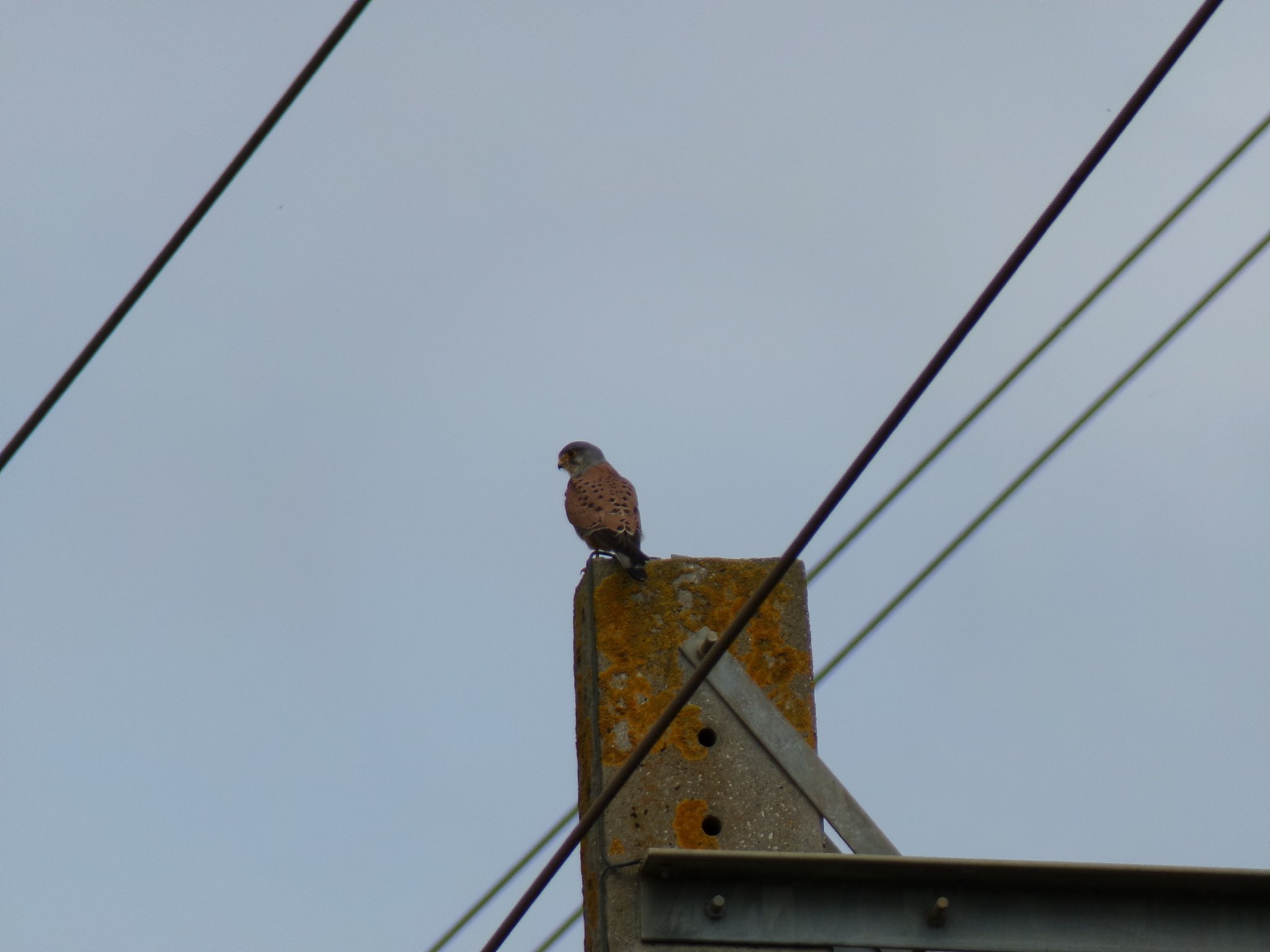
Surveying the open fields from high power lines and roadside posts, the Eurasian Kestrel (Falco tinnunculus) is a relentless sentinel of our rural landscapes. ​Watching it hover motionless mid-air is the true highlight for any birdwatcher. 🦅🌾 ​#BirdWatching #NaturePhotography

151
Observador 1d

The agreement between the European Union and Mercosur represents an imminent threat to Portuguese agriculture, which is already facing serious difficulties, by allowing the entry of South American agricultural products under unequal conditions, thus compromising the food sovereignty and rural identity of the country. #AgriculturaPortuguesa #Mercosul #ConcorrênciaDesleal (translated)

observador.pt
Mercosul: a última pá de terra sobre o campo português 
2414
Luciano Magaldi Sardella (PhD) 2d

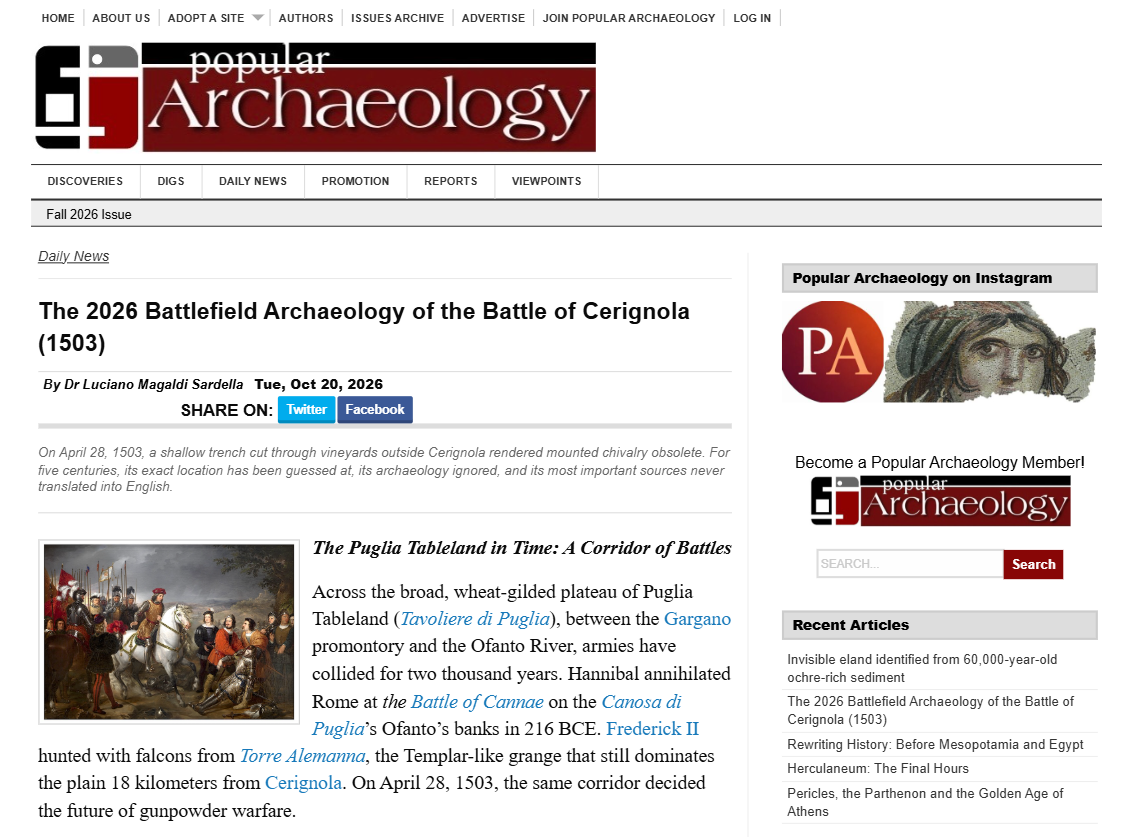
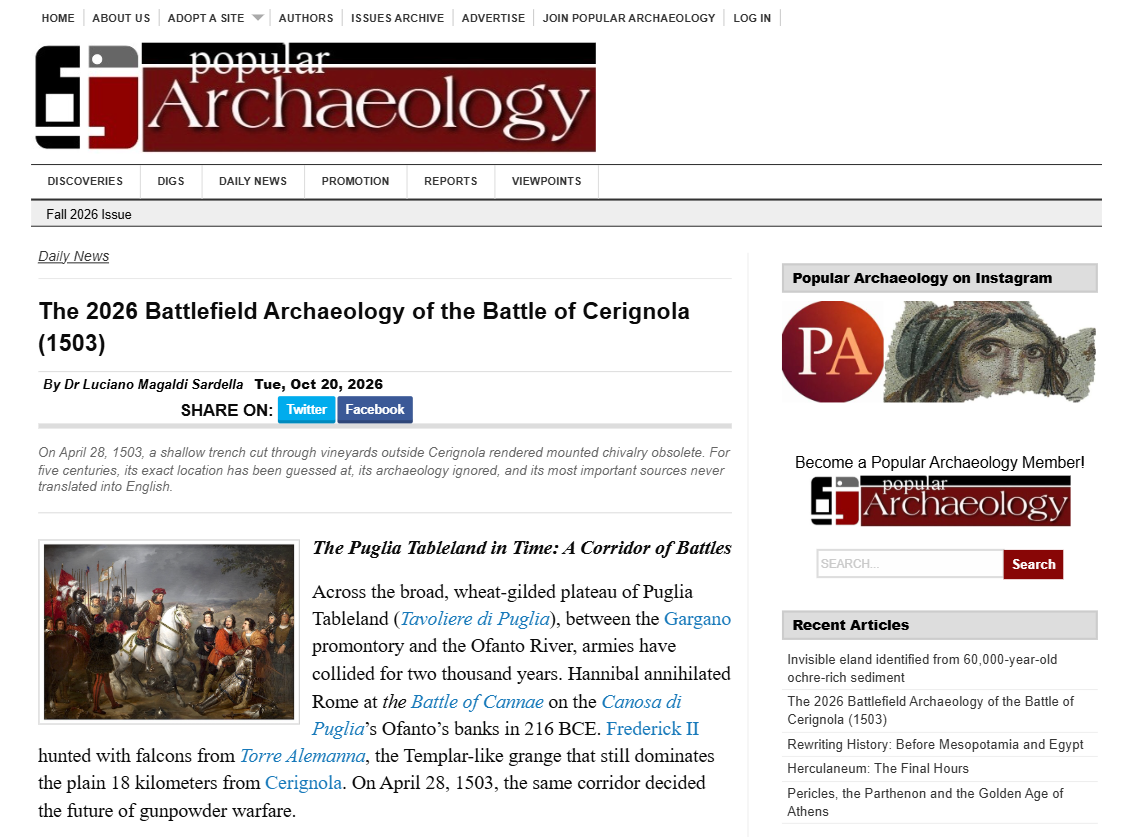
THE "BATTLE OF CERIGNOLA (1503)" ON "POPULAR ARCHAEOLOGY USA" (by LUCIANO MAGALDI SARDELLA) SOURCE 1: https://popular-archaeology.com/author/sardella/ SOURCE 2: https://popular-archaeology.com/article/the-2026-battlefield-archaeology-of-the-battle-of-cerignola-1503/ -------------------------------------------------------------------- CERIGNOLA (FG) — On April 28, 1503, at sunset, a shallow trench cut between the vineyards outside Cerignola rendered heavy cavalry obsolete. For five centuries, its exact location has only been conjectured, its archaeology ignored, its most important sources never translated into English. We are on the Tavoliere of Puglia, a corridor of battles for two thousand years: from Cannae in 216 BC to the falcon hunt of Frederick II from Torre Alemanna. Cerignola, at that time, was not a city but a rural village of 350 families at 120 meters above sea level, custodian of the Mena della Dogana delle Pecore, the great pastoral system of transhumance that financed the Kingdom of Naples. Its possession was fiercely contested. Facing each other were two worlds. Louis d’Armagnac, Duke of Nemours, Viceroy of Naples for Louis XII, in his thirties, splendidly armored, confident of victory. On the other side was Gonzalo Fernández de Córdoba, the Gran Capitán, who on April 27-28 marched from Barletta with about 9,000 exhausted men and decided to settle on a low ridge. He deepened what was already there: not an invention, but an agricultural ditch. The French gendarmes, the last heirs of the medieval knight, lowered their lances and never reached the line. From behind a parapet reinforced with vine stakes, over 1,000 Spanish arquebusiers opened fire. Nemours fell, almost certainly the first European army commander to die from a portable firearm. With him, the charge of cavalry as a dominant tactic died. And here is the scandal denounced by the article: no cartographer of the 17th-18th centuries ever mapped the battlefield. No monument commemorates it. It is not protected as a cultural landscape under the Code of Cultural Heritage. Every deep plowing of the Tavoliere, standard practice since the Bourbon reforms, destroys an archaeology never recorded. Yet the perimeter can be reconstructed. By cross-referencing the 16th-century descriptions of "vine-covered slopes fifteen miles north of the Ofanto" with the Via Traiana, the engagement area is a rectangle of 3-4 square kilometers northeast of the current settlement. With the 1m LiDAR DTM from ISPRA, it could reveal anomalous linear depressions, and the lower filling of a ditch 2-3 meters deep, under the plowed layer, is still readable with magnetometry and ground radar. Why did we arrive late? Not for lack of sources, but for lack of translation. The Municipality of Cerignola and the Torre Alemanna Research and Study Center of Prof. Matteo Stuppiello, who in 1978 obtained the first monumental protection for Torre Alemanna, have digitized a corpus that has never entered Anglophone historiography. Here are the 3 pillars: 1. The letter that still smells of gunpowder. The “Letter from Consalvo de Córdoba to the Spanish royals dated April 29, 1503,” edited by Stuppiello in 2003 and updated to 2025 on comune.cerignola.fg.it/biblioteche-digitali. A handwritten page written in Cerignola the day after the battle, “rich in flashes, twilight lights, and gunfire.” Not a polished chronicle like that of Giovio, but a field dispatch: the fatigue of the night march, the decision to entrench upon arrival, the recovery and honorable burial of Nemours, the intact capture of the French artillery. 2. The graffiti, a monument inside the monument. In the 14th-century church of Santa Maria delle Grazie, known as the Incoronatella, on the Via Trinitapoli Vecchia, where tradition holds that the body of Nemours was brought. On the triumphal arch, a 1503 graffiti gives, in almost notarized form, the date, sixth indiction, Friday at the hour XXIII-XXIIII. It was indeed Friday, as confirmed by the perpetual calendar of Cappelli. Decoded in 1995 by Prof. Francesco Magistrale, Latin paleographer at the University of Bari, in *The Battle of Cerignola (1993)* and in the municipal monograph *S.M. delle Grazie (1999)*. Today it is fading due to humidity and neglect. 3. The land registry that explains the ditch. The Survey of 1672 preserved at the State Archive of Naples, Pignatelli Aragona Cortes fund, Scanzia 63, fasc.1: “At the time of the battle, thick vineyards covered the hill reaching to the plain, and were distinctly separated from the rest of the countryside by a not very deep ditch.” Córdoba did not improvise; he adapted. This is confirmed by the catasti of the Giustiniani: 277 households in 1532, 699 in 1595. The landscape of 1503 was intensely horticultural, not the deeply plowed monoculture of today. In addition to these, there is the first monograph by Vincenzo Buonassisi, *The Battle of Cerignola* (1908, died in Via Fanfulla 10 on June 27, 1928), and the first modern military analysis by Piero Pieri, “Consalvo de Córdoba and the Battle of Cerignola,” Archivio Storico Pugliese 1952, which 30 years before the Anglophone rediscovery of the “pike-and-shot” defined Cerignola as an engineered killing ground. While Cerignola forgot, others remembered. The “Regimiento de Infantería Cerinola n.42”, later “Fuerteventura n.56”, carried the name of Cerignola until the 20th century. The coat of arms, described in *Heraldica e Historiales del Ejercito, Tomo V” (Madrid, 1981): silver field, dying white swan entangled in a hedge, golden wall crown, with the scroll “Cerignola.” Dossier officially transmitted on April 30, 1986, prot. 4565/509, from the Servicio Histórico Militar of Madrid to the Torre Alemanna Center thanks to Col. Alessio Antonutti and Gen. José Cifuentes. And in Amsterdam, at the Rijksmuseum, the anonymous bronze commemorative medal: Hercules with lion skin and club and Janus with the keys next to an eagle-armed coat of arms, legend “Consalvus Agidarius… Janum clausit,” on the reverse a battle scene “Consalvi Agidari Victoria de Gallis ad Cannas,” an artist's mistake that confuses Cerignola with Cannae. It belonged to Mrs. J.M. van Gelder-Nijhoff, donated in 1885. The author's conclusion is clear: Gonzalo's ditch is the most consequential earthwork in European military history. It inaugurates the infantry armed with firearm and conditions the Mediterranean for 160 years. It may still be there, filled, plowed, invisible to the naked eye but accessible to a magnetometer. It is not a matter of medieval archaeology but of the will to protect. (translated)

211
Luciano Magaldi Sardella (PhD) 2d

THE “BATTLE OF CERIGNOLA (1503)” ON “POPULAR ARCHAEOLOGY USA” (by LUCIANO MAGALDI SARDELLA) SOURCE 1: https://popular-archaeology.com/author/sardella/ SOURCE 2: https://popular-archaeology.com/article/the-2026-battlefield-archaeology-of-the-battle-of-cerignola-1503/ __________________________________________________________________ CERIGNOLA (FG) — On 28 April 1503, at sunset, a shallow trench cut through the vineyards outside Cerignola rendered heavy cavalry obsolete. For five centuries its exact position has been merely conjectured, its archaeology ignored, its most important sources never translated into English. We are on the Puglian Tablelanda, a corridor of battles for two thousand years: from Cannae in 216 BC to Frederick II’s falconry from Torre Alemanna. Cerignola, at that time, was not a town but a rural hamlet of 350 families at 120 metres above sea level, guardian of the Mena of the Dogana delle Pecore, the great customs system of transhumance that financed the Kingdom of Naples. It was for its possession that the battle was fought. Opposed, two worlds. Louis d’Armagnac, Duke of Nemours, Viceroy of Naples for Louis XII, thirty years old, splendidly armed, certain of victory. On the other side, Gonzalo Fernández de Córdoba, the Great Captain, who on 27–28 April marches from Barletta with some 9,000 exhausted men and decides to entrench himself upon a low ridge. In front of it he has deepened what was already there: not an invention, but an agrarian ditch. The French gendarmes, the last heirs of the mediaeval knight, lower their lances and never reach the line. From behind an embankment reinforced with vine stakes, more than 1,000 Spanish arquebusiers open fire. Nemours falls, almost certainly the first European army commander to die by a portable firearm. With him dies the cavalry charge as a dominant tactic. And here lies the scandal denounced by the article: no cartographer of the seventeenth or eighteenth century ever mapped the field. No memorial stone recalls it. It is not protected as a cultural landscape under the Code of Cultural Heritage. Every deep ploughing of the Tavoliere, standard practice since the Bourbon reforms, destroys an archaeology never recorded. Yet the perimeter is reconstructable. By cross-referencing sixteenth-century descriptions of “slopes covered with vineyards fifteen miles north of the Ofanto” with the Via Traiana, the engagement zone is a rectangle of 3–4 sq km to the north-east of the present settlement. With ISPRA’s 1m DTM LiDAR, anomalous linear depressions could be revealed, and the lower fill of a 2–3 metre ditch, beneath the ploughed layer, is still legible by magnetometry and ground-penetrating radar. Why have we arrived so late? Not for lack of sources, but for lack of translation. The Comune di Cerignola and the Centro Studi e Ricerche Torre Alemanna of Prof. Matteo Stuppiello, who in 1978 obtained the first monumental protection for Torre Alemanna, have digitised a corpus that has never entered Anglophone historiography. Here are the 3 pillars: 1. The letter that still smells of powder. The “Letter of Consalvo da Cordova to the Sovereigns of Spain of 29 April 1503,” edited by Stuppiello in 2003 and updated in 2025 on comune.cerignola.fg.it/biblioteche-digitali. A manuscript page written at Cerignola the day after the battle, “rich in flashes, twilight gleams, and gunfire.” Not a polished chronicle à la Giovio, but a field dispatch: the exhaustion of the night march, the decision to entrench upon arrival, the recovery and honourable burial of Nemours, the intact capture of the French artillery. 2. The graffito, a monument within the monument. In the fourteenth-century church of Santa Maria delle Grazie, known as the Incoronatella, on the Via Trinitapoli Vecchia, where tradition holds the body of Nemours was taken. On the triumphal arch, a graffito of 1503 gives in quasi-notarial form the date, sixth indiction, Friday at the twenty-third to twenty-fourth hour. It truly was a Friday, as confirmed by Cappelli’s perpetual calendar. Deciphered in 1995 by Prof. Francesco Magistrale, Latin palaeographer at the University of Bari, in La Battaglia di Cerignola (1993) and in the municipal monograph S.M. delle Grazie (1999). It is now fading through damp and neglect. 3. The cadastre that explains the ditch. The Apprezzo of 1672 preserved in the Archivio di Stato di Napoli, fondo Pignatelli Aragona Cortes, Scanzia 63, fasc.1: “At the time of the battle, dense vineyards covered the hill reaching down to the plain, and were clearly separated from the rest of the countryside by a not very deep ditch”. Córdoba did not improvise; he adapted. This is confirmed by the Giustiniani cadastres: 277 hearths in 1532, 699 in 1595. The landscape of 1503 was one of intensive horticulture, not the deep-ploughed cereal monoculture of today. To these are added the first monograph by Vincenzo Buonassisi, La Battaglia di Cerignola (1908, died at Via Fanfulla 10 on 27 June 1928), and the first modern military analysis by Piero Pieri, “Consalvo di Cordova e la battaglia di Cerignola”, Archivio Storico Pugliese 1952, which 30 years before the Anglophone rediscovery of “pike-and-shot” defined Cerignola as an engineered killing ground. While Cerignola forgot, others remembered. The “Regimiento de Infantería Cerinola n.42”, later “Fuerteventura n.56”, bore the name of Cerignola until the twentieth century. Its coat of arms, described in Heráldica e Historiales del Ejército, Tomo V (Madrid, 1981): argent field, a dying white swan entangled in a hedge, a gold mural crown, with scroll “Cerignola”. Dossier officially transmitted on 30 April 1986, prot. 4565/509, by the Servicio Histórico Militar in Madrid to the Centro Torre Alemanna through Col. Alessio Antonutti and Gen. José Cifuentes. And in Amsterdam, in the Rijksmuseum, the anonymous commemorative bronze medal: Hercules with lion-skin and club and Janus with keys beside an eagled coat of arms, legend “Consalvus Agidarius… Janum clausit”, on the reverse a battle scene “Consalvi Agidari Victoria de Gallis ad Cannas” — an error by the artist who confuses Cerignola with Cannae. It belonged to Mrs J.M. van Gelder-Nijhoff, donated in 1885. The author’s conclusion is unequivocal: Gonzalo’s ditch is the most consequential earthwork in European military history. It inaugurates the infantryman armed with a firearm and conditions the Mediterranean for 160 years. It may still be there, infilled, ploughed over, invisible to the naked eye but accessible to a magnetometer. It is not a question of mediaeval archaeology but of the will to protect.

211
Irish Independent 2d

Independent breweries are expressing concerns that a €15 million rural pub fund could inadvertently benefit large corporations like Diageo and Heineken instead of supporting smaller, independent establishments. #Cookies #OnlineSecurity #WebBlocking

www.independent.ie
Independent breweries warn €15m rural pub fund risks becoming windfall for Diageo and Heineken
2554
emptywheel 3d

Great piece on wooing rural voters in TX on data centers, among other things. www.texastribune.org/2026/10/23/t...

www.texastribune.org
Data center backlash cracks rural Texas Republican wall
2564
Jaime Gómez-Obregón 3d

Jaime Gómez-Obregón said that his mother had been hospitalized in oncology since the previous week due to leukemia and that he had spent the night with her. He described her as a cheerful woman, whom he considered "indestructible," and noted that she had eight Cantabrian surnames. As he wrote, his mother was an author of novels and stories, had learned HTML, and created web pages at the end of the nineties, and had been reading autobiographies for two decades. Among her favorites, she mentioned those of Pau Casals, Marguerite Yourcenar, and Samuel Pepys. He also said that he used to consult her when he had doubts and valued her judgment. Gómez-Obregón recounted that his mother joked about life in the hospital: she called it "Hotel Plaza," referred to the laptop installed in her room as her office, and had named the IV stand. He added that she always mixed up names and buses, that he had never heard her curse, and that he hoped to take a rural getaway with her once she recovered. According to the author, his mother was sleeping to replenish her neutrophils and would read the publication the next day, although she would probably not respond. #Familia #Amor #Esperanza (translated)

3471
Marine Le Pen 4d

The author stated that he would definitely reduce the VAT on fuels from 20% to 5.5%. He justified this measure by claiming that energy was a basic necessity, especially in rural areas where public transport was nonexistent. https://t.co/Wq37dWb9gh #TVA #Carburants #Énergie #FR (translated)

2696
adevarul.ro 4d

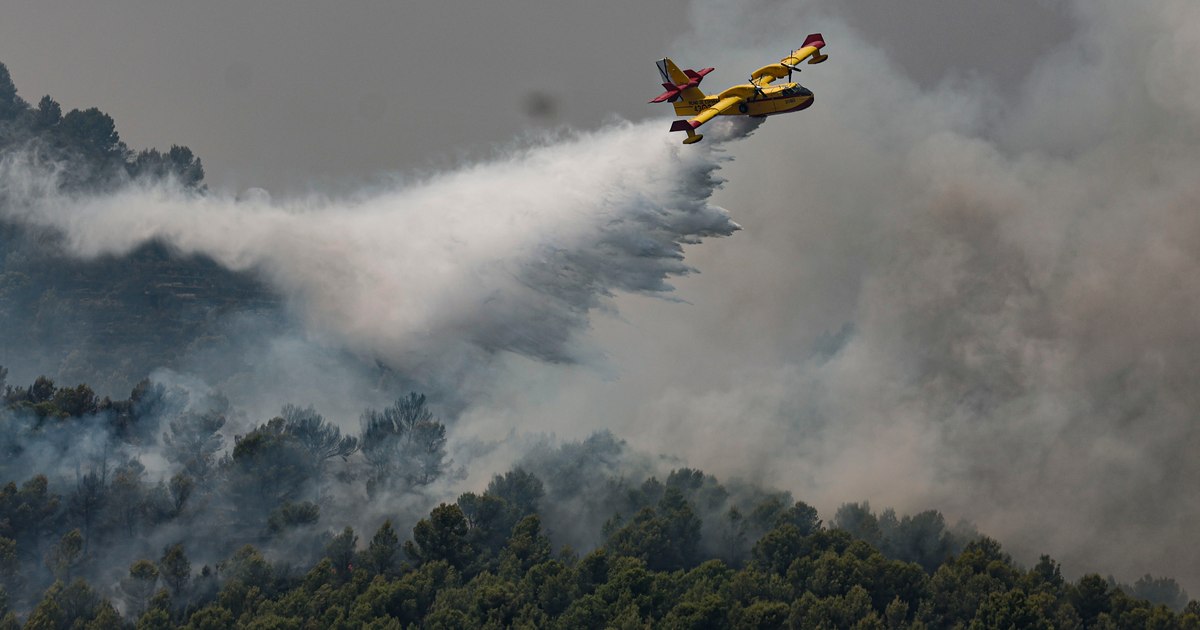
The article analyzes how rural depopulation contributes to the intensification of wildfires in Europe, highlighting the abandonment of agricultural land and the accumulation of unmanaged vegetation as key factors in the spread of fire. #incendii #rural #schimbareclimatică (translated)

adevarul.ro
Efectul de bumerang al depopulării rurale: De ce ard satele și pădurile Europei
2699
Alfons López Tena 🦇 5d

The post’s author claimed that about 250,000 trees had stood across 330 hectares of forest near Muhos in northern Finland before Google arrived a few months earlier. They alleged that the company had since cleared the entire area illegally to build a datacentre. https://t.co/FK2Y9CA7YS #Ympäristö #Luonto #Datakeskus #FI

3832
emptywheel 5d

The map from a story about how Trump's cuts to USPS may disenfranchise rural voters. Aside from urban voting locations, I actually think MOST of the voter suppression will hurt Trump voters more this year. www.propublica.org/article/mail...

2818
Jon Cooper 5d

Trump’s grip on rural America may be cracking. With diesel prices high and fertilizer costs soaring, a Farm Journal survey found 39% of farmers were considering voting for the other party, sitting out the midterms, or were undecided. Only 6% typically vote Democratic. That should terrify the GOP.

2593
eldiario.es 5d

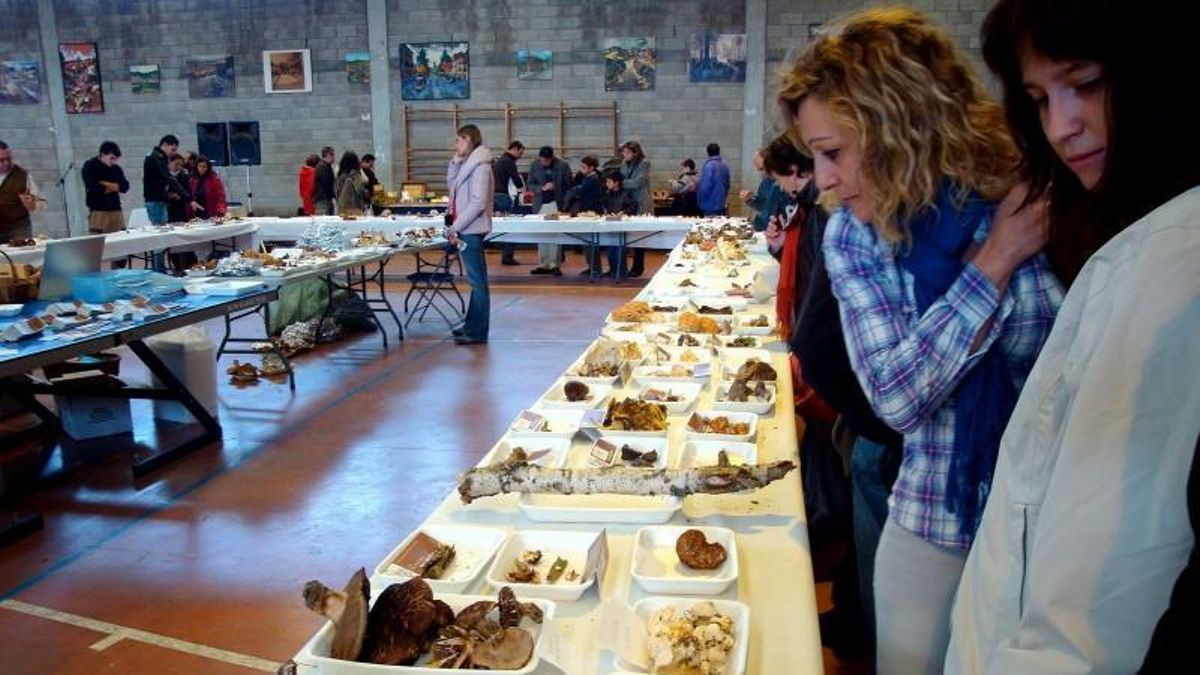
The cancellation of the Mushroom Days of Ayerbe due to the scarcity of mushrooms, caused by climate change, highlights how the lack of rainfall can affect the rural economy and tourism in Aragón, harming the small businesses that depend on this event. #CambioClimático #TurismoRural #Setas (translated)

www.eldiario.es
Sin setas y sin turistas: el cambio climático amenaza la economía rural de Aragón
2368
Análise Política 6d

Political Analysis stated that, until 2002, 40% of the rural population in the Northeast did not have electricity. According to the author, Lula created the program Light for All in 2003, bringing electricity to almost 8 million Northeasterners. He said that, with electricity at home, residents were able to purchase appliances and study at night, and that migration to the Southeast has dropped by about 60% since then. He also stated that, without this initiative, the right — which, according to him, governed the country for practically the entire 20th century — would have kept Northeasterners without electricity. #LuzPraTodos #Nordeste #EnergiaElétrica (translated)

3172
Michael Walsh 6d

THE ART OF ADOLF HITLER by Michael Walsh commands higher prices than those of famous artists. Over 150 of Hitler’s paintings, watercolours, drawings, and sketches. Twenty-one chapters, many first-time captioned pictures published. Images include landscapes, architecture, exterior and interior, human figures, animals, still life, rural scenes, and portraits. $25. https://barnesreview.org/product/the-art-of-adolf-hitler/

567
Michael Walsh 6d

THE ART OF ADOLF HITLER by Michael Walsh commands higher prices than those of famous artists. Over 150 of Hitler’s paintings, watercolours, drawings, and sketches. Twenty-one chapters, many first-time captioned pictures published. Images include landscapes, architecture, exterior and interior, human figures, animals, still life, rural scenes, and portraits. $25. https://barnesreview.org/product/the-art-of-adolf-hitler/

340
Michael Walsh 6d

THE ART OF ADOLF HITLER by Michael Walsh commands higher prices than those of famous artists. Over 150 of Hitler’s paintings, watercolours, drawings, and sketches. Twenty-one chapters, many first-time captioned pictures published. Images include landscapes, architecture, exterior and interior, human figures, animals, still life, rural scenes, and portraits. $25. https://barnesreview.org/product/the-art-of-adolf-hitler/

907
Michael Walsh 7d

THE PHANTOM OF OPHELIA Michael Walsh. The most promising you have lived before mystery of the millennia. Drawing on his real-life and location experiences in Liverpool and sinister Dartmoor in rural Devon, this supernatural romance will ravish the reader. A page-turning journey into the supernatural world. https://www.lulu.com/shop/michael-walsh/the-phantom-of-ophelia/paperback/product-rm8ywke.html?page=1&pageSize=4

www.lulu.com
The Phantom of Ophelia
1020
Christophe Hansen 7d

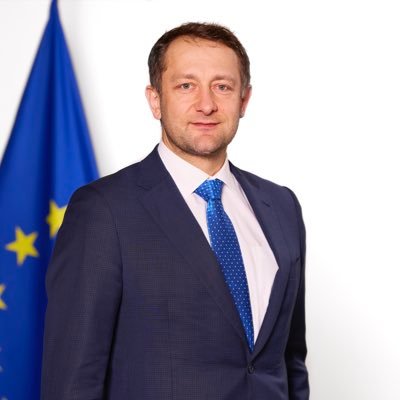
The author wrote that security and prosperity in the Arctic mattered to everyone, despite the region’s distance. They said strong rural communities, farming and forestry in Arctic areas, and Europe’s external borders contributed to the continent’s resilience. The author added that the new Northern Neighbourhood Strategy recognised their role in a more secure Europe. https://t.co/w8cxNztcnt #Arctic #Security #Europe #EU

2722

Mafinha wrote that Lula could make public his own secrets and those of his children and suggested that those of José Dirceu, José Genoino, Delúbio Soares, Marcos Valério, Ramon Hollerbach, Cristiano Paz, Rogério Tolentino, Simone Vasconcelos, Kátia Rabello, José Roberto Salgado, Vinícius Samarane, Henrique Pizzolato, Antonio Palocci, Guido Mantega, João Vaccari Neto, Paulo Okamotto, Roberto Teixeira, Branislav Kontic, Marcelo Odebrecht, Emílio Odebrecht, Alexandrino Alencar, Léo Pinheiro, José Carlos Bumlai, Maurício Bumlai, Fernando Bittar, Kalil Bittar, Jonas Leite Suassuna Filho, José Ferreira da Silva, Taiguara Rodrigues dos Santos, Gilberto Carvalho, Paulo Bernardo, Dilma Rousseff, Erenice Guerra, Israel Guerra, Rosemary Nóvoa de Noronha, Paulo Rodrigues Vieira, Rubens Carlos Vieira, José Weber de Holanda Alves, Gilberto Miranda, Freud Godoy, Waldomiro Diniz, Carlinhos Cachoeira, Jorge Lorenzetti, Ricardo Berzoini, Valdebran Padilha, Gedimar Passos, Hamilton Lacerda, Expedito Veloso, Osvaldo Bargas, Luiz Antônio Vedoin, Darci Vedoin, Rogério Buratti, Vladimir Poleto, Ralf Barquete, Luiz Eduardo Greenhalgh, José Firmo Ferraz Filho, Dirceu Teixeira, Paulo de Tarso Venceslau, Sérgio Gomes da Silva, Ronan Maria Pinto, Mauro Marcondes Machado, Cristina Mautoni, Rodolfo Giannetti Geo, Delcídio do Amaral, André Esteves, Edson Ribeiro, Diogo Ferreira, Augusto Uzeda, Joesley Batista, Wesley Batista, Ricardo Saud, Leonardo Mantega, Luciano Coutinho, Alessandro Stefanutto, Carlos Lupi, João Batista Innocentini, Milton Baptista de Souza Filho, Luiz Antônio Adriano da Silva, Anísio Ferreira de Souza, Carlos Cavalcante de Lacerda, Roberta Moreira Luchsinger, Antônio Carlos Camilo Antunes, Cleber Ribas de Oliveira, José Alberto Abdon, Marco Aurélio Santana Ribeiro, Eduardo José Barros Costa, Carlos Brandão, Swedenberger Barbosa, Amauri Rodrigues Pinha, Daniel Vorcaro, Gabriel Galípolo, Juscelino Filho, Luanna Rezende, Alexandre Silveira, Jorge Mattoso, Marcelo Netto, Mauro Farias Dutra, Arquimedes Diógenes Ciloni, Miguel Horta e Costa, Demerval Gusmão, Glaucos da Costamarques, Paulo Melo, Nestor Cerveró, Bernardo Cerveró and Janja. The list of organizations and companies mentioned by Mafinha included Instituto Lula, LILS Palestras, Eventos e Publicações, Partido dos Trabalhadores, Bancoop, Gamecorp, G4, Editora Gol, Oi, Telemar, CPEM, Lubeca, Panamby, SMP&B, DNA Propaganda, Banco Rural, Banco do Brasil, Visanet, Caso Sistemas de Segurança, Portugal Telecom, Planam, Loterj, Caixa Econômica Federal, Ágora, Instituto de Pesquisa e Ação Modular, Unitrabalho, LFT Marketing Esportivo, Marcondes e Mautoni, Saab, CAOA, MMC Automotores, Touchdown, Odebrecht, OAS, OAS Empreendimentos, Camargo Corrêa, UTC, Queiroz Galvão, Andrade Gutierrez, Schahin, Petrobras, Granero, DAG, Exergia Brasil, Exergia Portugal, T7Quatro, Grupo ARG, BNDES, BNDESPar, JBS, J&F, Sindnapi, World Cannabis, RL Consultoria, Ribas Informática, Santos Soluções, 3Structure, Dataprev, Ministério do Desenvolvimento e Assistência Social, EDP Infraestrutura e Pavimentação, ECB, Mota-Engil, Banco Master, Construservice, Codevasf, Instituto Nacional do Seguro Social, Agência Nacional de Aviação Civil, Agência Nacional de Águas, Advocacia-Geral da União and Secretaria do Patrimônio da União. #Lula #Transparência #Política (translated)

3066