WRLD

Search

#suferință
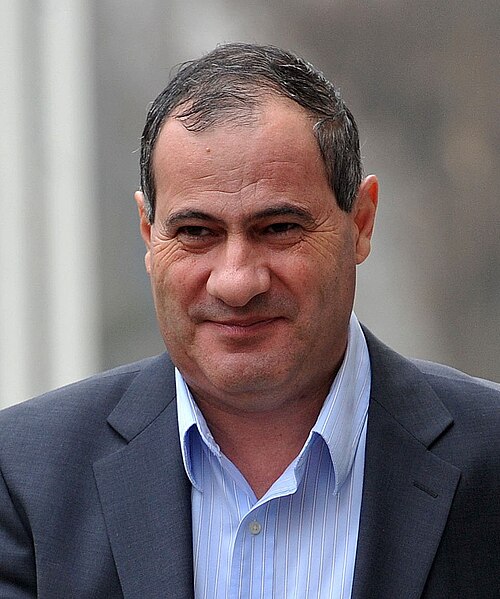
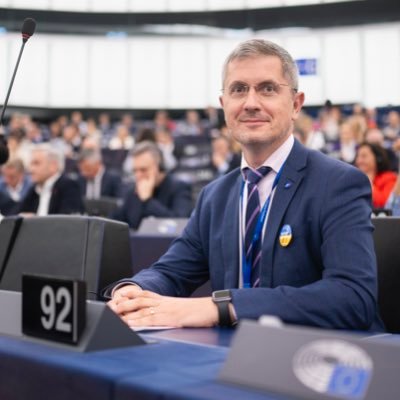
Dan Barna Wrld summary 2d
Romanian politician

The author marked the International Day for the Elimination of Violence Against Women, stating that well-known women — mothers, sisters, daughters, colleagues, and friends — carry their suffering in silence and fear every day. He added that it should not happen so often that it is too late for their voice to be heard. https://t.co/3zew6s7XnN #ZiuaInternațională #EliminareaViolenței #Femei #RO (translated)

3122
J
Jay Jones 3d

Jay Jones has shown that involuntary exposure to such materials can provoke fear, distress, and anxiety. #SpaceX #Grok #protecia_consumatorilor (translated)

Două state americane au dat în judecată SpaceX din cauza imaginilor pornografice false generate cu inteligența artificială
adevarul.ro
3127
Nicușor Dan 7d

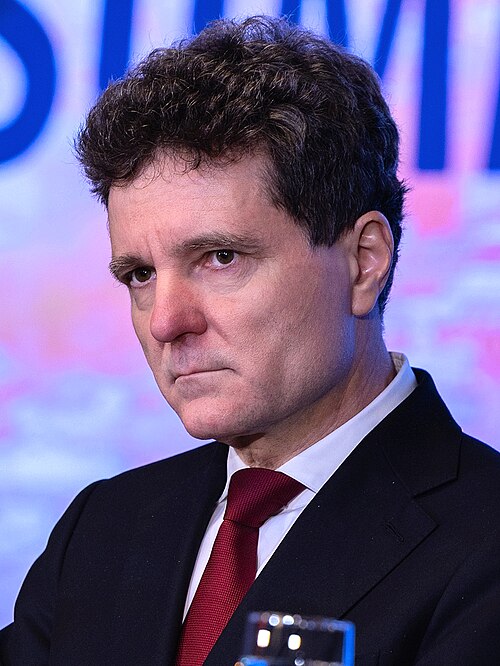
He said that war is a bad thing because it brings a lot of suffering and significant economic losses, so our efforts for peace must intensify, and he is optimistic that, with everyone's will, we will get there. #Război #Diplomație #Pace (translated)

Nicușor Dan, despre mesajul transmis de Trump liderilor europeni: „A spus că războiul este ceva rău”
stirileprotv.ro
3179
Nicușor Dan 7d

"He said that war is something bad because it brings a lot of suffering and significant economic losses. So our efforts for peace must be intensified and that he is optimistic that with everyone's will we will get there," Nicușor Dan recalled. #Politic #CoalițiaDeVoință #NicușorDan (translated)

Trump, intervenție telefonică la Summitul Coaliției de Voință | Nicușor Dan: A spus că războiul este ceva rău
www.mediafax.ro
3407
edyrosen edyrosen 1w

With grace around the neck Political scientist Vladimir Tismaneanu has recently pinpointed one of the most subtle wounds of the unconscious, inflicted by communist totalitarianism; parasitic neuro-affective imprinting. Mental leveling through psychological conditioning techniques based on suggestion and neurolinguistic programming, through hymns, wooden language, and anchor symbols. The wound lies in the fact that, after decades of carrying it, the mask of a False Self has become entrenched in the flesh and can no longer be torn away without suffering. We are talking about a diversion of attachment, through post-hypnotic graft — a subtle trauma in which the very vitality and biological candor of the child have been turned against themselves, becoming the adhesive of their own captivity. In the terms of Richard Bandler and Robert Dilts, when an emotional anchor (the love for the Dictator, the Party, ideology) is installed at a time of maximum neuroplasticity, amidst a spike of cortisol and dopamine, it is no longer a simple reflex, but an identity imprint. The external symbol fuses with the chemistry of the joy of existence. Gregory Bateson (the mentor from whom R. Bandler and the studies on M. Erickson departed) explains why this wound hurts in adulthood: the conscious mind of the adult understands the ideological falsehood, but the body retains the post-hypnotic suggestion implanted through song and ritual. Reason sees the prison, but the limbic system still flinches warmly at the sound of the horn. It is a somatic double bind, favored by source amnesia. This is the classic hypnotic phenomenon in which the subject retains the emotion or conviction implanted during trance, but forgets it was induced from outside. This explains why many adults today sincerely defend their conditioned reflexes from communism, believing they are defending their own "happy childhood." If Aldous Huxley had had the curiosity — at least as a political entomology exercise — to visit a schoolyard in Romania in the 1980s, on a chilly autumn morning with fuzzy loudspeakers, he would likely have experienced a mixed feeling of authorial pride and slight humiliation. The pride of seeing his fiction in "Brave New World" confirmed on an industrial scale; the humiliation of realizing that his British imagination had, in fact, been too dull, erring on the side of politeness! For where Huxley imagined sterile laboratories of hypnopaedia, in which the axioms of social conformity were dripped beneath children's pillows during REM sleep, totalitarian pedagogy had succeeded in inducing the same hypnotic sleep in broad daylight, with eyes wide open, using only a triangular piece of red acetate, a transparent plastic ring, and a horn. If we look at things a little detached and without rosy nostalgia, we are faced with an astonishing early confiscation engineering. Totalitarianism quickly understood a truth that theology has known for millennia, and neuroscience has only recently begun to measure: whoever reaches the child’s synaptic architecture first no longer needs too many guards later on. The phenomenon did not arise from nothing, nor even from Lenin's imagination. Its historically documented archetype dates back to the 7th century B.C., in the Spartan Agoge — the first state system that decreed that a child does not belong to the family but to the city, taking them away at the age of seven to dissolve their private loyalty into a collective military pack reflex. However, modernity added a tragic irony to this ancient brutality. In 1907, British Lord Robert Baden-Powell invented scouting — a pedagogical system designed to cultivate autonomy, individual honor, and resourcefulness in nature. But the totalitarian regimes of the 20th century looked at the uniform, the badge, the salute, and the scout oath and had an instrumental revelation: the form was brilliant, it just needed to be emptied of freedom and filled with ideology. Thus, through reverse engineering, the Bolshevik Komsomol (1918) emerged, and in 1922, the Pioneer Organization in the USSR, designed by Nadezhda Krupskaia and Soviet ideologists — explicitly built on the confiscated skeleton of scouting. Mussolini immediately adopted the recipe in 1926 through Opera Nazionale Balilla, which even enlisted six-year-old children in Figli della Lupa — Sons of the She-Wolf… followed by the Nazi Hitlerjugend, where the mystique of the campfire was converted into an SS nursery. When the regime in Bucharest established the Pioneers in 1949, it unified the youth in UTC and, ultimately, through Nicolae Ceaușescu's decree in 1976, created the Falcons of the Fatherland for preschoolers aged four to seven, the assembly line had become airtight. The state no longer waited for the young person to gain discernment to convince them; it occupied their imagination before they even knew how to tie their shoelaces. Richard Bandler best explains how an anchor is established in the nervous system. In neurolinguistic programming (NLP), the ideological mystery evaporates and a disarmingly simple technical recipe remains. Today Bandler would tell us directly, without mincing words: "Stop asking why children believed in those nonsense. They didn’t believe in ideas; they responded to conditioned anchors!” How does emotional anchoring work in NLP? You take an intense physiological state — it doesn't matter if it's artificially produced — and, right at its peak, when the child's brain is swimming in dopamine, adrenaline, and cortisol, you attach a unique visual, auditory, and kinesthetic stimulus to it. Let’s remember how "the initiation into the Pioneers" was done. Not the whole class received the scarf at once. There was a learned economy of prestigious scarcity: the "first batch" was reserved for the top students, taken to a monumental setting — at the Mausoleum, at the museum, on a sunlit platform — while the rest remained in their seats, consumed by mimetic anxiety. For a seven or eight-year-old child, the horror of being excluded from the tribe and the euphoria of being chosen among "the good" represent a neurochemical tsunami. Right at the crest of this emotional wave, when the nervous system is wide open, the ritual intervenes: the adult's hand ties the red scarf around their neck (kinesthetic anchor at the larynx and plexus), the trumpet splits the air (auditory anchor), the hand rises to the forehead at a precise angle with three fingers fused (proprioceptive anchor), and the mouth utters the motto: “For the glory of the people and the flourishing of socialist Romania, forward!” From that moment, Bandler explains, the Pavlovian circuit is myelinated. The child's nervous system has fused the biological need for love and validation with the symbols of the Party. You no longer need to explain dialectical materialism; it is enough to show them the emblem or sound the horn, and their body will automatically deliver the thrill of solemn submission. Ideology did not enter through the front door of the intellect, but through the back window of the conditioned reflex. Milton Erickson explains what is up with "wooden language" hypnosis. Why did the texts of pioneers and youth organizations sound like a wooden incantation, filled with gerunds and abstract nouns? Wooden language was not a mere stylistic incompetence of the activists but an induction device for trance. Erickson demonstrated that the conscious mind can be bypassed through a few precise linguistic techniques: nominalization (turning active verbs into frozen nouns), presupposition, and cognitive oversaturation. When a student would utter phrases such as "full commitment to the construction of multi-laterally developed socialist society" or "unequivocal fulfillment of outlined tasks" during a UTC meeting, their brain would futilely attempt to sensorily represent what "unequivocal construction" meant. Failing to find a concrete reference in the real world, the analytical cortex would enter a micro-trance of semantic fatigue. Moreover, the mottos worked through what Erickson and linguists call presupposition frames. When the Falcon of the Fatherland said, "I am preparing to become a pioneer," and the pioneer swore to be ready for UTC, the fundamental question — "Do I want to be part of this machinery?" — was already grammatically abolished. The future was conjugated in the indicative mood, as a completed fact. Furthermore, wooden language practiced a systematic erasure of the human agent: things “were built,” the homeland “flourished,” history “advanced.” The individual was no longer the author of their own actions but a mere verb in the passive voice, in the phrase spoken by the Party and the tireless Leader. The acoustic Trojan horse; why does sung suggestion disable critical spirit? Why was there so much singing in communism? Why was every level — from kindergarten to artistic brigades in universities and to mammoth literary circles — soaked in marches, hymns, and bright refrains ("We in the year 2000, when we will no longer be children," "Three colors," "E-he-hei, dear comrade")? The answer lies in a structural vulnerability of the human brain. If you tell a person a lie in prose — for example, that they live in the happiest of worlds while waiting in line for chicken wings — their critical apparatus (housed in the dorsolateral prefrontal cortex, the seat of doubt and reality checking) immediately wakes up and formulates an internal counter-argument. But if you put the exact same lie to a major melody, in a 4/4 march or in an uplifting choral harmony, and have them sing it themselves, the critical sentinel is disarmed. The mechanism is double: neurologically and physiologically. Neurologically, melody and rhythm are massively processed in the right hemisphere and in the limbic system, the seat of pure emotion, while the ideological text travels clandestinely, like a stowaway, hidden in the hold of aesthetic emotion. The brain cannot reject the verse without also rejecting the pleasure of musical harmony; and since the human being longs for consonance, they accept the whole package. Physiologically, singing in chorus is an ancient technique of vagal synchronization: two hundred children singing the same refrain are forced to inhale at the same second, exhale in the same rhythm, and align their heartbeats. And when your diaphragm works in unison with that of the platoon to hold the high note on the word "Party," your critical ego has already dissolved into the acoustics of the mass. You cannot polemicize with a phrase that your own vocal cords are transforming into harmonic vibration. However, if we rise from Bandler's Pavlovian mechanics to the metaphysical diagnosis, the picture takes on the contours of an anthropological tragedy that Søren Kierkegaard prophesied as early as the mid-19th century, before the first pioneer was born. For Kierkegaard, the entire stake of human life is the passage from the aesthetic stage (of immediate sensation and squandering) to the ethical and, finally, to the religious, through the birth of the singular Individual (Den Enkelte) — the man who stands alone before their own conscience and before God. Therefore, Kierkegaard's warning falls like lightning over any collectivist utopia: "The crowd is the untruth" (Mængden er Usandheden). The crowd, says the Danish philosopher, is the place where responsibility evaporates through fraction: no one is guilty because everyone sings at the same time; no one chooses because the detachment has already voted unanimously. Communist youth organizations were, in Kierkegaardian terms, a gigantic prophylactic machine against anxiety and fertile solitude. They served to prevent the young person from ever being alone with themselves. They offered a simulacrum of the ethical stage — "duty" to the collective, "honor" of being a member — precisely to atrophy the organ of genuine conscience. Sin was no longer a moral fall before the Truth, but the stridency of not being in line, of singing off-key in the angelic chorus of the brigade. In the extension of Kierkegaard, Karl Jaspers — who in The Spiritual Situation of Our Time (1931) and in his famous essay on German guilt x-rayed the anatomy of totalitarian regimes — offers us the key to understanding this training. Jaspers makes the vital distinction between simple empirical being, framed in apparatus (Dasein), and Authentic Existence (Existenz), which awakens only in limit situations (Grenzsituationen): suffering, struggle, guilt, death, radical doubt. What did the Falcons of the Fatherland, the Pioneers, and the UTC do? They confiscated the biological thresholds of transition — the exit from childhood, puberty, adolescence — and replaced them with bureaucratic limit situations: receiving the scarf, exclusion in front of the square, self-criticism in meetings. Instead of allowing adolescents to discover transcendence through inner turmoil, the regime delivered them a cardboard, horizontal transcendence, where the Absolute had the retouched face of the General Secretary. More seriously, as Jaspers would observe, this pedagogy produced an early ontological complicity: by having the five-year-old recite homage poems and the fourteen-year-old raise their hand in meetings of denouncement, the system sickened them with a diffuse "moral guilt" before they had even reached the age of discernment. When you have applauded and sung since kindergarten, later rebellion demands not only civic courage but a painful amputation of your own affective memory. An epilogue for the "recent man"... Here, the circle closes between Aldous Huxley and our former youth with a red scarf. The drama is not that we were lied to; raw lies leave the spirit intact and provoke resistance. The drama is that the training used the noblest resources of childhood against the child itself: the need for beauty, the joy of singing together, the desire to be good, the thirst for ritual and meaning. And if today we no longer wear commander's cords over our shoulders, it doesn't mean that Huxley's hypnopaedia has gone dormant. It has simply been privatized. The pioneer horn has shifted to the algorithmic notification of the phone, the school square has become the instant validation flow of social networks, and the song that lulls the critical instance is no longer a patriotic march but an infinite loop of visual dopamine. The technique, however, remains unchanged from Sparta to the present: whoever succeeds in linking your need for belonging to an external symbol and putting your thinking to a pleasant melody no longer needs to lock you up in any prison — you will carry your own grace around your neck, convinced it is an ornament... Psychotherapy and psychoeducation, as well as the strengthening of political culture, are viable solutions for deconditioning and healing. Eduard Rosentzveig (translated)

570
Marian Neacșu 2w

"I find it hard to express myself on such a subject that I only know tangentially. I can't say I haven't heard about this situation. I believe it is very possible that the truth is always somewhere in the middle. From the information I have, and unfortunately I haven't had the chance to discuss this topic with Mr. Rogobete, this medication is available in pharmacies, but I think this time the tone makes the music. When someone in distress raises such a problem, I believe you need to pay even more attention to that issue," said Marian Neacșu. "Unfortunately, I believe the issue has exceeded its important purpose. The important purpose is for Romanian citizens in distress to have access to the medications they need. I personally appreciate Mr. Rogobete's activity as a minister and his communication efforts, and I am convinced that he will provide the necessary clarifications to put this topic back in order. (…) Perhaps beyond some dry figures or statistics, as I mentioned a bit earlier, when we talk to people in distress, we should generally show a bit more empathy," Marian Neacșu specified. #medicamente #sanatate #politica (translated)

2858
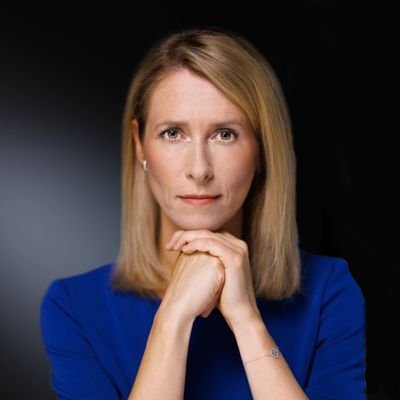
Kaja Kallas Wrld summary 2w
Estonian politician and former prime minister of Estonia (born 1977)

"Severe flooding and winter conditions that have hit Gaza further exacerbate the living conditions of an already exhausted population, amplifying insecurity and human suffering," Kallas said in a statement released on Saturday. #Gaza #umanitar #UE (translated)

2751
MELANIA TRUMP Wrld summary 3w
First Lady of the United States (2017–2021; since 2025)

"We must now use the courage we showed in Oleşki to find common ground through a shared concern for the suffering of innocent people. Together we can build something more lasting than a mere temporary truce," said Melania Trump at a press conference held a few days after the conclusion of a truce supervised by the First Lady of the USA in the Ukrainian city of Oleşki, occupied by Russian forces. #armistițiu #ucraina #melaniatrump (translated)

3935
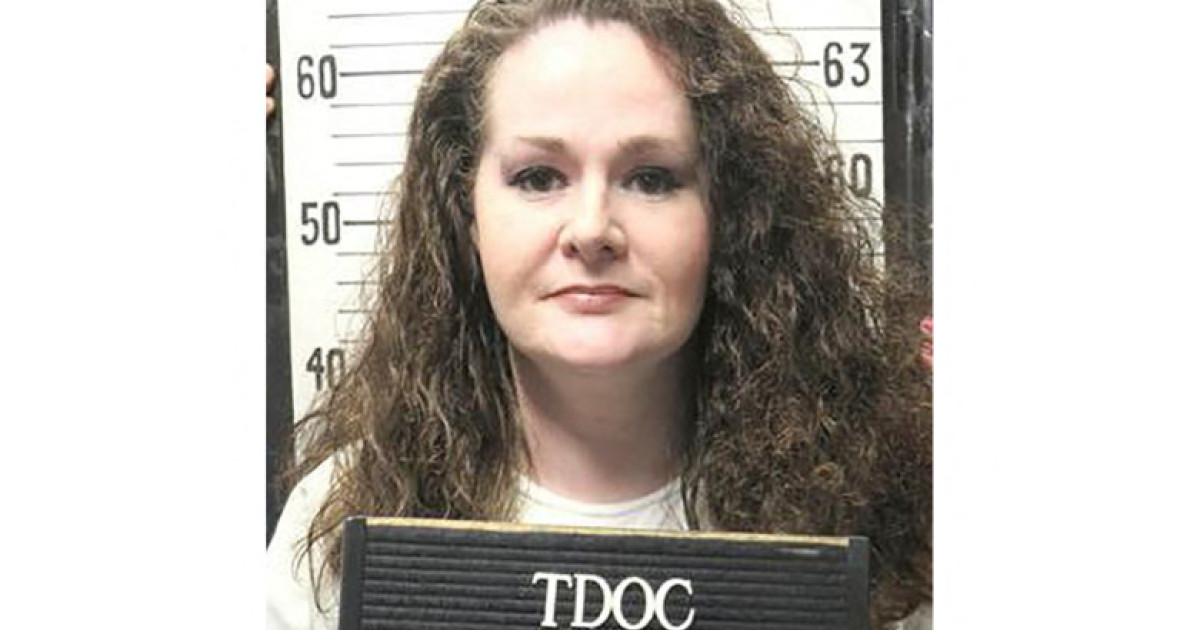
Digi24 4w

Christa Pike gave an emotional statement a month after her execution failure, expressing her physical pain and mental suffering caused by the incompetence of the authorities who attempted to execute her, while she is recovering in a rehabilitation center in Tennessee. #ChristaPike #executie #drepturileomului (translated)

www.digi24.ro
Christa Pike, primele declarații la o lună de la eșecul execuției: „Nu știu de ce am supraviețuit în acea noapte”
2557
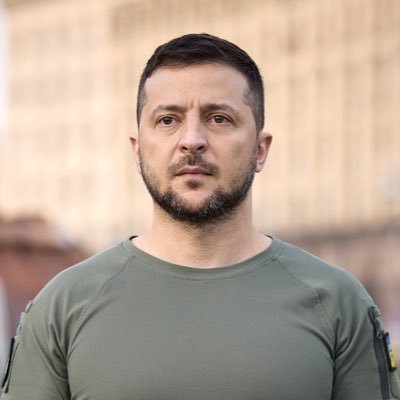
Volodymyr Zelenskyy / Володимир Зеленський Wrld summary Oct 12
President of Ukraine since 2019

"These are extra funds for this war, for suffering and, of course, against us. This only fuels Putin and gives him the opportunity to continue fighting." The President of Ukraine, Volodymyr Zelensky, described the US decision to allow Russia to export diesel as "a weak decision by strong partners." #DonaldTrump #motorina #Rusia (translated)

Donald Trump apară acordul cu Rusia privind motorina: „Am luat decizia corectă pentru popor. America pe primul loc”
www.digi24.ro
2931
Digi24 Oct 12

The former military secretary of Israeli Prime Minister Benjamin Netanyahu has accused him of blocking the release of hostages from Gaza for political reasons, thus prolonging their suffering and contributing to the death of some of them, while Netanyahu's office rejected these accusations, suggesting that Gil had information about the Hamas attack but chose not to inform him in time. #Netanyahu #Gaza #ostatici (translated)

www.digi24.ro
Netanyahu, acuzat că a blocat eliberarea ostaticilor din Gaza: ce interese politice au stat la mijloc
2814
Volodymyr Zelenskyy / Володимир Зеленський Wrld summary Oct 10
President of Ukraine since 2019

These are extra funds for this war, for suffering, and, of course, against us. This only fuels Putin and gives him the opportunity to continue fighting. Zelensky concluded his statements by revisiting the criticisms of the American decision: #Zelenski #Trump #motorină (translated)

Reacția vehementă a lui Zelenski după acordul lui Trump privind motorina rusească. „Un cadou făcut lui Putin”
adevarul.ro
2816
Donald J. Trump Wrld summary Oct 10
President of the United States (2017–2021; since 2025)

“These are extra funds for this war, for suffering and, of course, against us. This only fuels Putin and allows him to continue fighting,” he said on social media, after the announcement by US President Donald Trump that Russia will immediately supply over 300,000 tons of diesel to the American and global markets. #Zelenski #Război #Rusia (translated)

„O decizie slabă a unui partener puternic”. Zelenski, critici dure după anunțul lui Trump privind exportul de motorină al Rusiei
www.digi24.ro
2816
Digi24 Oct 10

The President of Ukraine, Volodymyr Zelensky, harshly criticized the US decision to allow Russia to export diesel, considering it a "weak decision by strong partners," which fuels Putin's war and brings suffering to Ukrainians. #Zelenski #Război #Rusia (translated)

www.digi24.ro
„O decizie slabă a unui partener puternic”. Zelenski, critici dure după anunțul lui Trump privind exportul de motorină al Rusiei
2816
Lars Klingbeil 🇪🇺 Wrld summary Oct 9
German politician (SPD), SPD Federal Chairman, Member of the Bundestag, Federal Finance Minister and Vice-Chancellor from Germany since 2025

The co-leader of the party, Lars Klingbeil, who is also Germany's finance minister in the coalition led by Merz's conservatives, called it "completely unacceptable" in light of the suffering caused to the Ukrainian people, according to the newspaper "Süddeutsche Zeitung." #FriedrichMerz #GerhardSchroeder #Rusia (translated)

Merz este „profund indignat” de ce a făcut fostul cancelar Schroeder de ziua lui Putin: „Este pur și simplu imoral”
hotnews.ro
2700
Stirile ProTV Sep 29

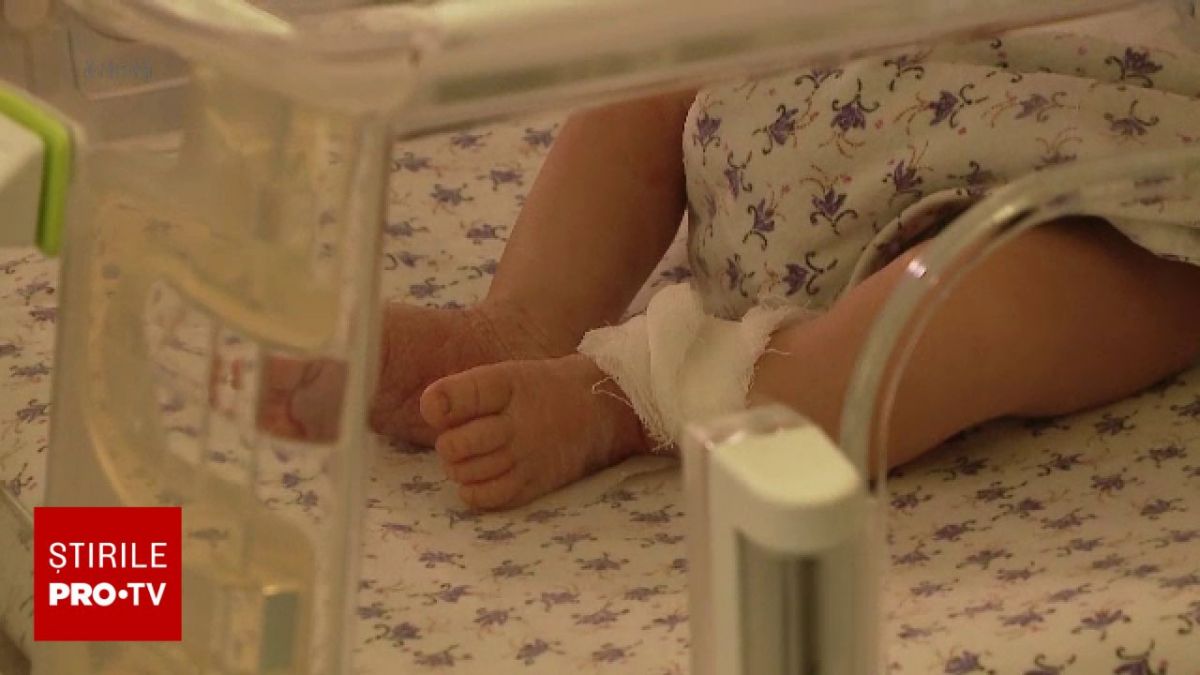
Un grup de medici din Țările de Jos a decis să eutanisieze un bebeluș cu dizabilități severe, susținând că suferința acestuia era insuportabilă și fără perspectivă de ameliorare, fiind primul caz raportat după introducerea unor noi reguli legale în 2024. #eutanasie #dizabilități #medicină

stirileprotv.ro
Cum a ajuns un grup de medici din Țările de Jos la decizia de a eutanasia un bebeluș cu dizabilități
2002
Diana Tusa Wrld summary Sep 29
Romanian politician

Un material care înfățișează abuzul sexual asupra unui copil nu dispare odată cu momentul în care a fost creat. El poate circula ani de zile, iar fiecare distribuire prelungește suferința victimei. Citește modificările aduse art. 374 din Codul penal: https://t.co/qO9THnvNuM #AbuzSexual #Victime #CodulPenal #RO

Digi24 Sep 29

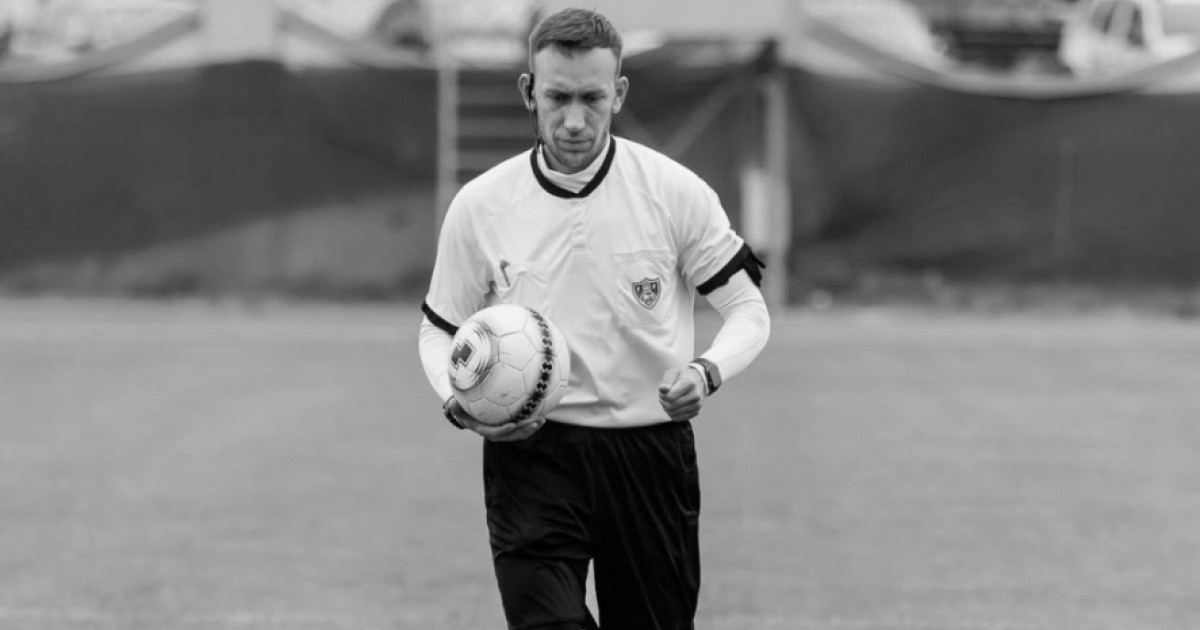
Un arbitru din Republica Moldova, Gheorghe Moldovan, s-a sinucis la vârsta de 30 de ani, lăsând în urmă un mesaj de adio pe rețelele sociale în care și-a exprimat suferința legată de conflictele cu soția sa, cu care se afla în proces de divorț. #sinucidere #sănătateMintală #divorț

www.digi24.ro
„Soția mi-a spus că vrea să mor”. Un nou caz de suicid zguduie Republica Moldova
2002
Nae Moromete® Wrld summary Sep 28

Declaratii Calin Georgescu la iesirea de la CAB: Îi mulțumesc lui George Simion. Toată clasa politică este o infractoare. Orice vot pentru Mureșan e trădare națională "Întrebați poporul ce crede despre dosar. Eu v-am spus ceva. Puteți să mergeți să-i întrebați. Aveți răspunsul de-asta cât e. Auziți, ia ascultați atente ce strigă lumea. Nu, eu v-am întrebat. Ascultați atente ce spune poporul meu. Bine, o să răspund eu. În primul rând, aș dori să mulțumesc în numele meu și al familiei mele. Aș dori să mulțumesc familiei mari, poporului român, care a fost și este lângă noi. A fost un lucru care ne-a sprijinit și ne-a învrednicit pe toți Dumnezeu cu faptul de a trăi puterea rugăciunii în această perioadă. Le mulțumesc tuturor, întregului popor român, vă mulțumesc vreodată tuturor pentru această poziție de a fi alături sufletește. Primul asepct, aș dori să spun că am văzut și eu și sunt onorat că există doleanțe și dorințe din partea a milioane de români de a fi sprijiniți noi ca familie. Vă mulțumesc tuturor, nu este cazul. Dacă va fi cazul, doar eu, soția mea și casa de avocatură Sinescu Nazat poate confirma și poate să dea detalii în sensul de a fi sprijiniți financiar. Vă mulțumesc încă o dată tuturor pentru acest demers! Al doilea aspect aș dori să-mi mulțumesc unei părți din presă care au relatat în mod obiectiv toate cele întâmplate în ultima săptămână și care confirmă faptul că a pledat pentru libertatea de conștiință. Le mulțumesc și le asigur de, nu doar de cumplimentele mele, ci de faptul că le fericit pentru acest demers al libertății de conștiință! Al treilea aspect, le mulțumesc politicienilor, parte din ei, evident, care de asemenea au relatat obiectiv cele întâmplate și, în mod special, îi mulțumesc lui George Simeon pentru integritatea lui în acest punct de vedere.Acum am să vă răspund la întrebări și am trei subiecte: Subiectul numărul 1. Sita Cerne "Lumea este mică, Dumnezeu este mare. Și această toamnă va fi o toamnă grea, nu în necazuri, ci în adevăr. Așa încât să ne așteptăm la neașteptat. Faptele noastre ne apropie sau ne depărtează de Dumnezeu. Știți, când un om liber, gândește liber și vorbește din toată inima lui poporului său, evident că provoacă fiori reci sistemului și un întreg aparat de stat. Mediocritatea aflată la putere, evident că nu construiește, ci demolează, distruge și se răzbună. Și evident că sistemului este frică de votul poporului, este frică de democrație și este frică de iubire, în special. Pentru că iubirea lui Dumnezeu este arzătoare! Subiectul numărul doi În condițiile în care România se confruntă cu probleme grave, foarte grave, economice și sociale, a discutat și a pledat pentru validarea unui nou guvern păgân și antiromânesc, este o preocupare obscenă. De altfel cred că cel numit este un individ, o eroare a istoriei, ca și cel care l-a desemnat. Dar dincolo de asta aș vrea să mă adresez Parlamentului României și membrilor Parlamentului că orice vot acordat guvernului Mureșan este un act de trădare a interesului României. Înseamnă că toată clasa politică este o infractoare, cea de la putere, evident, este o infractoare a ordinii constituționale și nu doar atât, ci este o infractoare a realității. Pentru că realitatea în România astăzi este următoarea. În fiecare zi poporul român plătește 30 de milioane de euro, repet, 30 de milioane de euro pe zi pentru a putea să acopere dobânziile aferente împrumuturilor făcute de statul român. Împrumuturi care nu se văd nicăieri în viața românului, în viața de mai bine și nicăieri în prosperitate. Exodul tinerilor și căderea demografică pune în dificultate total viitorul acestei țări. Prăbușirea leului și inflația galopantă fac ca viața românilor să fie foarte, foarte grea. Educația, cel mai important, și sănătatea publică sunt lăsate în paragină. Prețul la motorină și la benzină a crescut și va crește în continuare, va sublima orice fel de mișcare în această țară. Pensiile și salariile sunt o insultă adusă demnității umane, la care se adaugă că peste 20% din populația țării astăzi trăiește sub pragul sărăciei. Haosul generalizat din politică închide acest tablou mizerabil existent în România făcut de politica românescă. Acum atenție, pe fondul foarte instabil internațional, foarte instabil, pe fondul în care Europa cere război și cine cere război cade din creștinătate, ca să fim foarte clari! Euro se va prăbuși De asemenea, moneda euro pe acest fond se va prăbuși foarte curând. Deci pe acest fond doar, subliniez doar, un președinte și un guvern plin de discernământ, cucernic, cu mare chibzuință, iubitor de pace, iubitor de popor și iubitor de Hristos, mai poate salva națiunea română. Și nici ei singuri și nici el singur dacă nu are poporul lângă el. Pentru că nici Moise nu și-a salvat poporul fără poporul lângă el. Nici David nu și-a salvat poporul fără oastea lui lângă el. Nici un căpitan de navă nu poate să-și salveze vasul aflat în pericol dacă nu are marinarii lângă el. Prin urmare, de luat aminte acest aspect! Subiectul numărul 3 Mă refer la tinerii jurnaliști, foarte mulți de altfel, care de o săptămână sunt permanent în fața locuinței mele. Am următorul mesaj. Prezența dumneavoastră de permanență în fața casei mele este o insultă adusă ideii de presă obiectivă. Aparte de faptul că, sincer vorbind, vă automiliți. Și este jenant să stai ore întregi pentru a aștepta ceva. Nu știu ce fel de meserie este aceasta. Și atunci spun așa, că în acest sens, din câinele de pază al democrației, din cauza acestor tineri jurnaliști, presa poate deveni cotarla cu jujeu a puterii politice. O închid spunând așa. România stă pe o uriașă lipsă de integritate. Uriașă. Atunci când anulezi voința poporului, când anulezi voința lui Dumnezeu, îi asigur că nu se mai poate face nimic. În acest sens, bucuria, transmis[ poporului român, este un prilej de răsplată și de recunoaștere. Iar suferința este un prilej de răbdare. Prin urmare, cu o inimă puternică și credință tare, tot ceea ce ni se întâmplă este de la Dumnezeu, spre binele nostru comun. Vă mulțumesc!" #Romania #Politica #Libertate

13074
Digi24 Sep 23

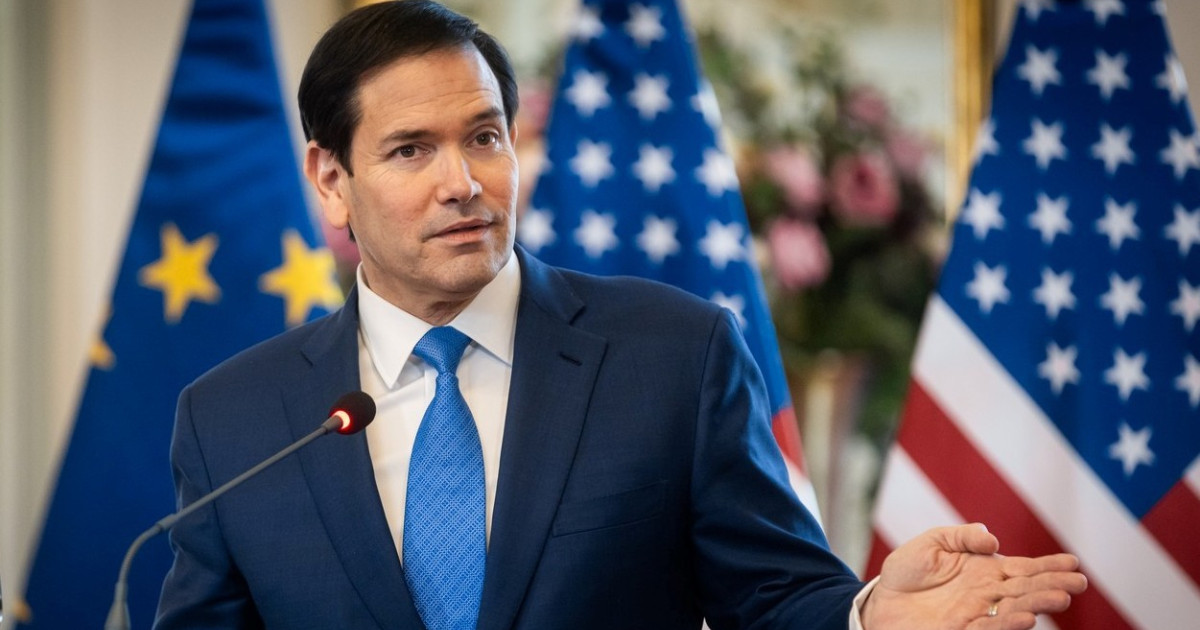
Marco Rubio a subliniat că războiul Rusiei împotriva Ucrainei nu se va încheia printr-o victorie militară, ci prin negocieri, evidențiind absența unui armistițiu energetic și necesitatea de a pune capăt conflictului pentru a reduce suferința umană și distrugerile. #RăzboiÎnUcraina #NegocieriDePace #MarcoRubio

www.digi24.ro
Marco Rubio spune cum se va încheia războiul Rusiei împotriva Ucrainei: „Uneori ceea ce este logic nu se întâmplă neapărat”
2123