NASA has released unsettling sounds emitted by young stars at birth, using sonification techniques to represent telescope data and help better understand the stellar lifecycle. #NASA #Estrellas #Ciencia (translated)
NASA has released unsettling sounds emitted by young stars at birth, using sonification techniques to represent telescope data and help better understand the stellar lifecycle. #NASA #Estrellas #Ciencia (translated)

Shawn Domagal-Goldman, director of the Astrophysics Division at NASA headquarters, states in another statement that this telescope was designed for a primary mission of two years, but "it turned out to be productive for more than ten times that duration" because "it played a key role in advancing our understanding of the changing universe." #TelescopioSwift #NASA #Astronomía (translated)
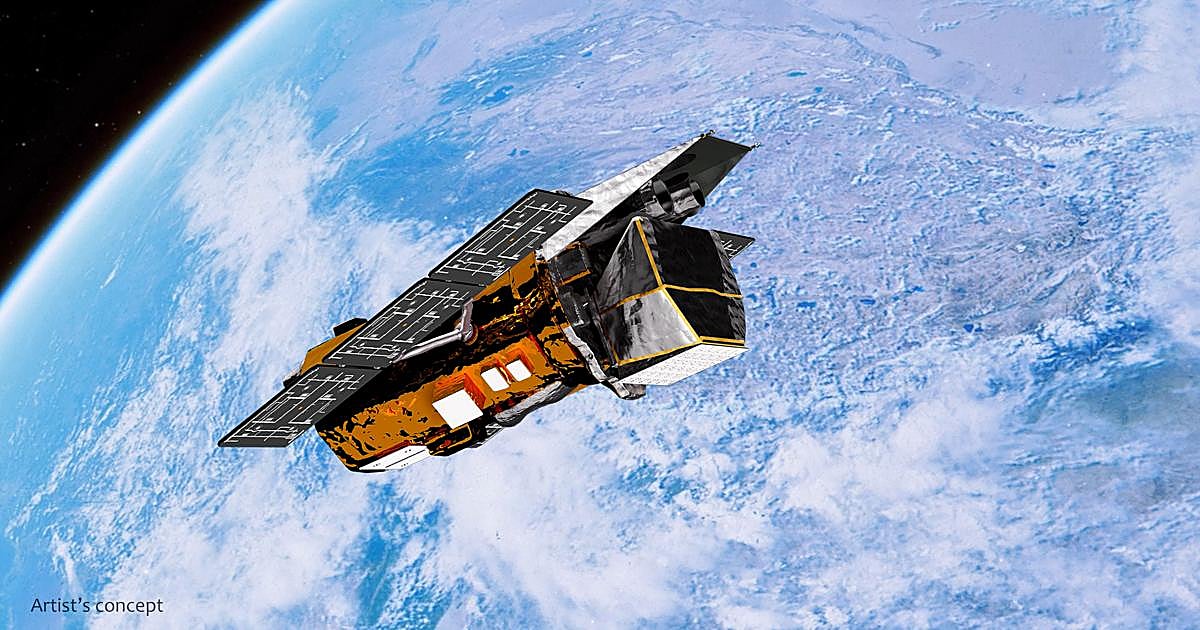
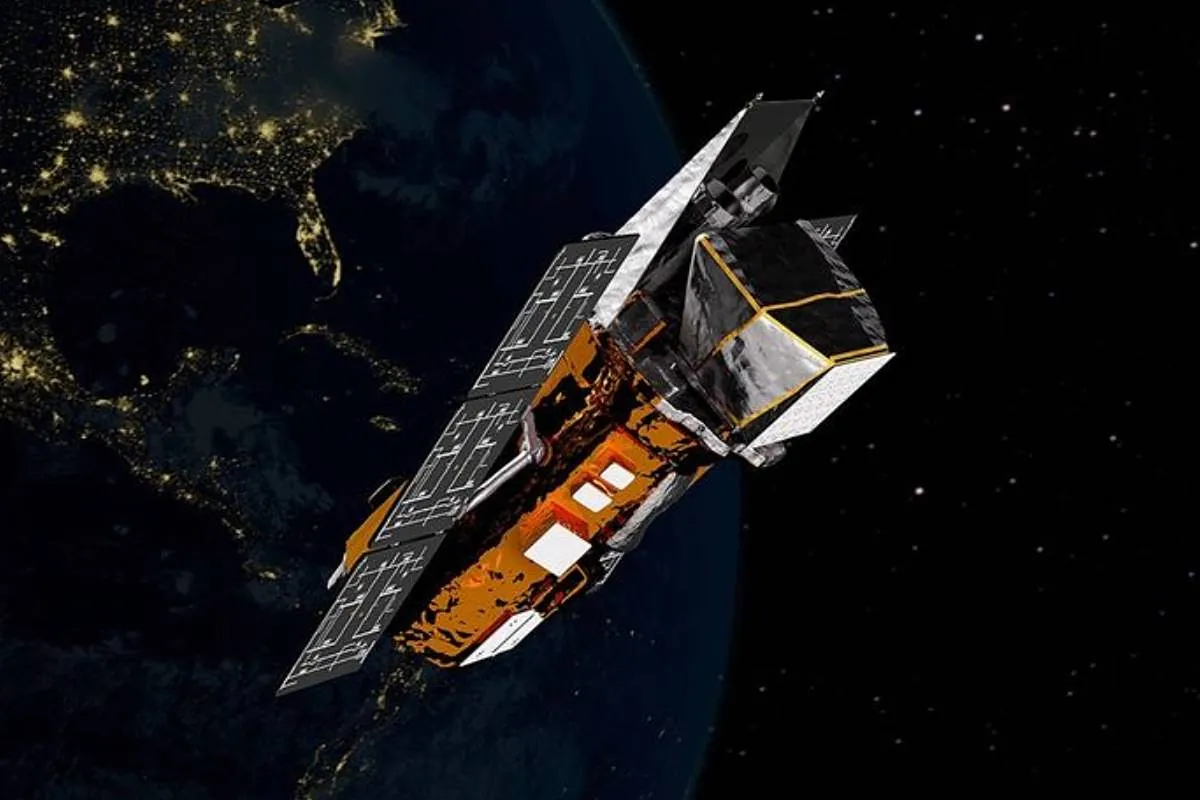
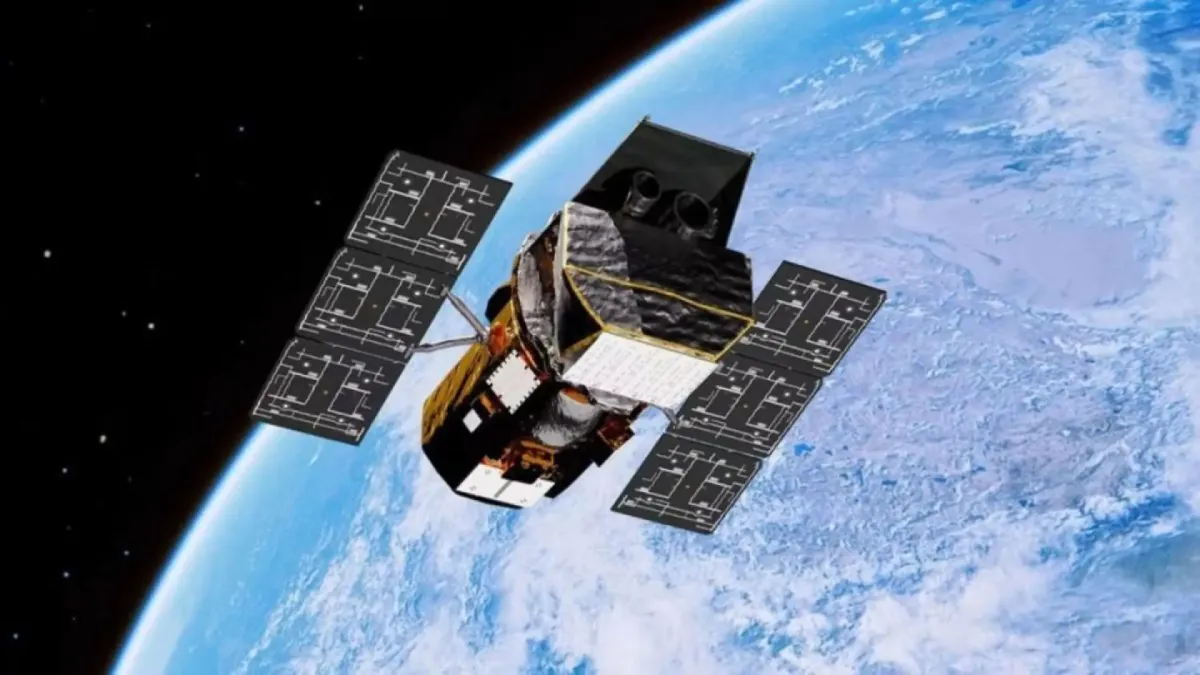
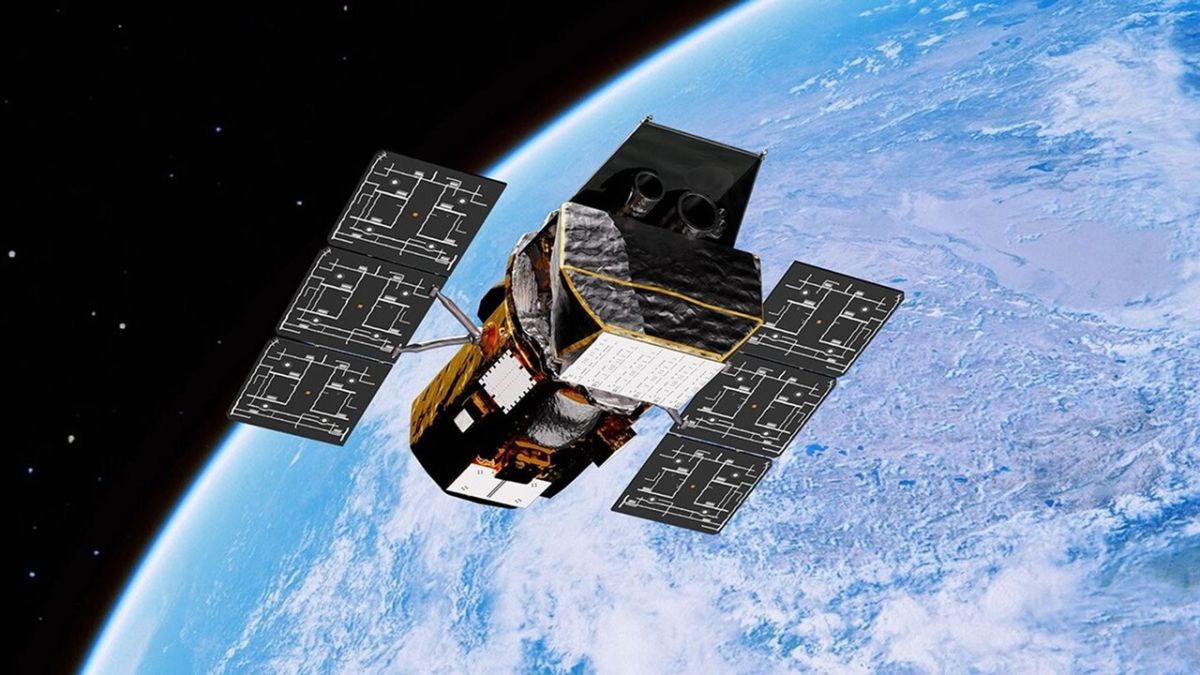
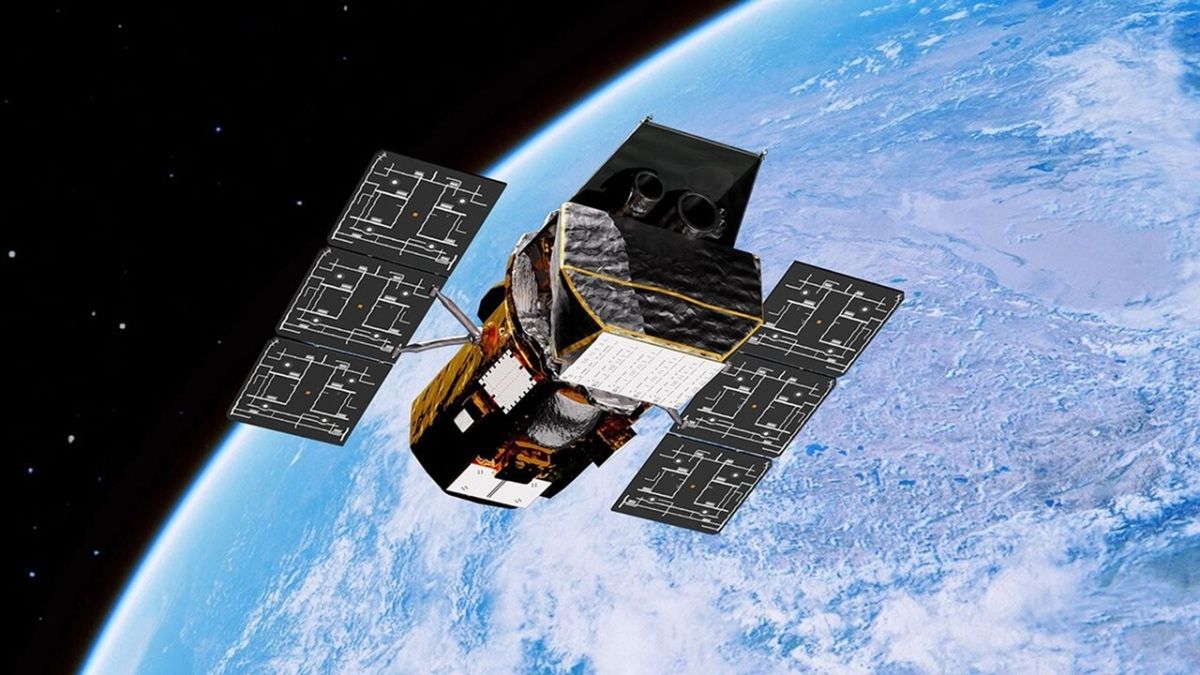
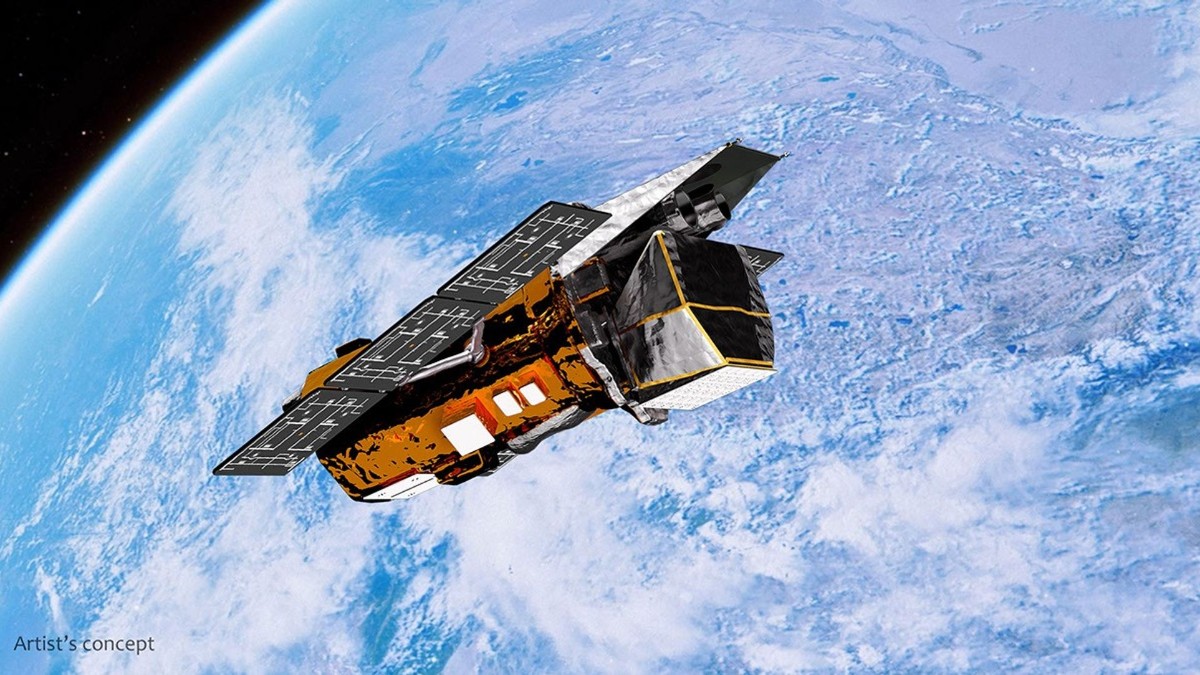
The NASA Neil Gehrels Swift telescope, which operated for 22 years and was a pioneer in the detection of gamma-ray bursts, mostly disintegrated upon re-entering the Earth's atmosphere this Wednesday. #TelescopioSwift #Astrofísica #NASA (translated)

The NASA Swift telescope re-entered the Earth's atmosphere uncontrollably over the island of Sumatra, Indonesia, after nearly 22 years in space, causing no damage, according to the United States Space Force. #TelescopioSwift #NASA #ExploraciónEspacial (translated)

NASA has announced that the Swift space telescope will re-enter the Earth's atmosphere uncontrollably on Wednesday, November 4, with the expectation that some fragments will survive the process, although the risk of harm to people is extremely low. #NASA #TelescopioSwift #Reingreso (translated)

NASA's Swift space telescope, after over 20 years of operation, will re-enter the atmosphere uncontrollably between November 3 and 4, with the possibility that some fragments may fall into the sea or uninhabited areas, without risks for Italy. #telescopiospaziale #NASA #rientroatmosferico (translated)

NASA's Swift space telescope, expected to fall uncontrolled between November 3 and 4, will burn most of its structure in the atmosphere, with the possibility that fragments may reach the ground, but there is no danger for Italy. #TelescopioSwift #RientroAtmosfera #ScienzaSpaziale (translated)

After 22 years of operation, NASA's Swift space telescope is preparing to re-enter Earth's atmosphere uncontrollably, with some fragments that could reach the ground while NASA and the Space Force monitor its trajectory. #TelescopioSwift #Nasa #RientroSpaziale (translated)

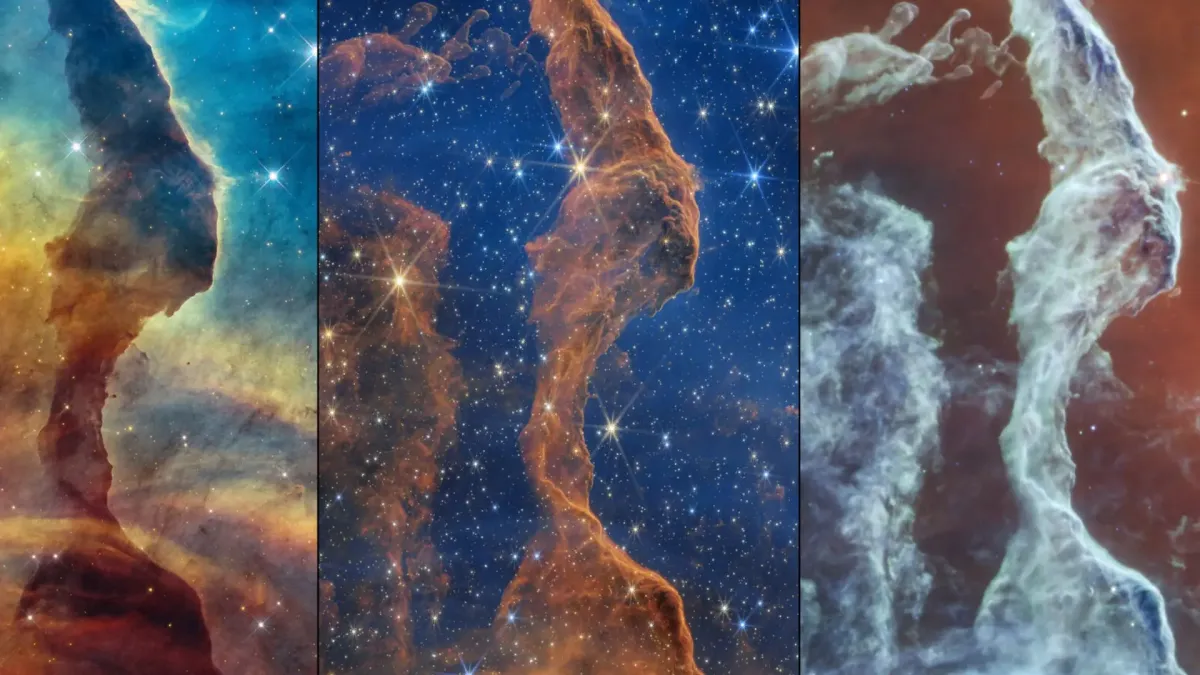
The Hubble and James Webb space telescopes have captured a disturbing image of the Carina Nebula, which resembles a sitting cat and has been dubbed 'Cat's Head Nebula', revealing a dynamic scene of star formation 7,500 light-years away. #NebulosaCabezaDeGato #JamesWebb #Hubble (translated)

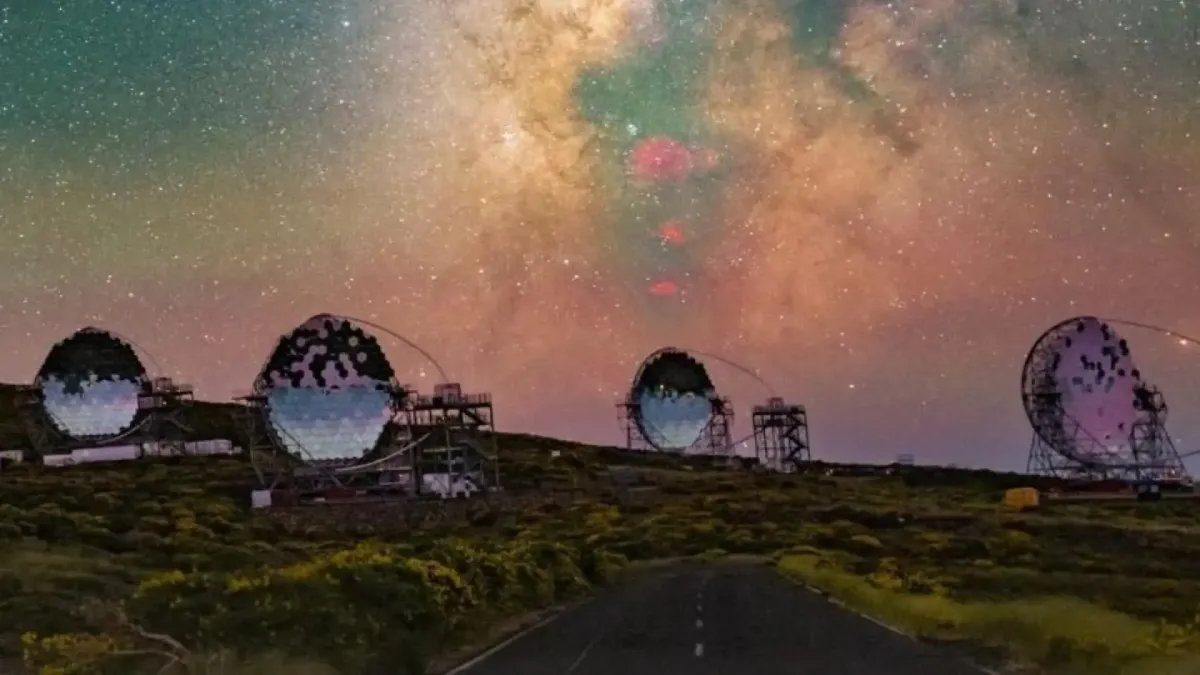
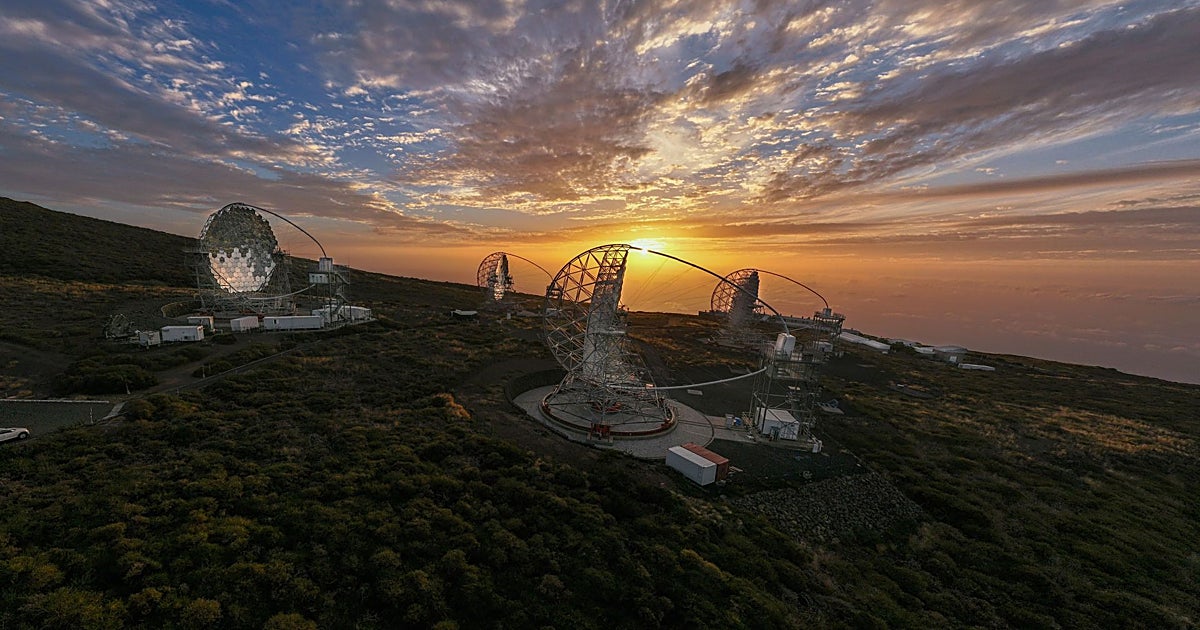
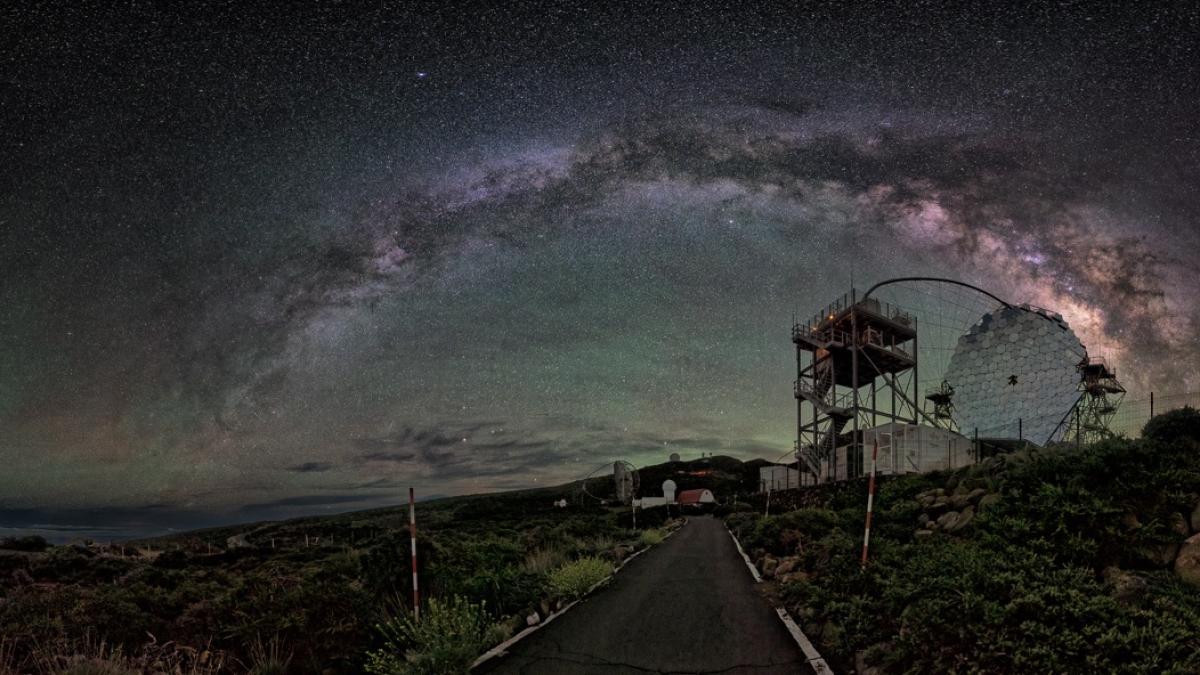
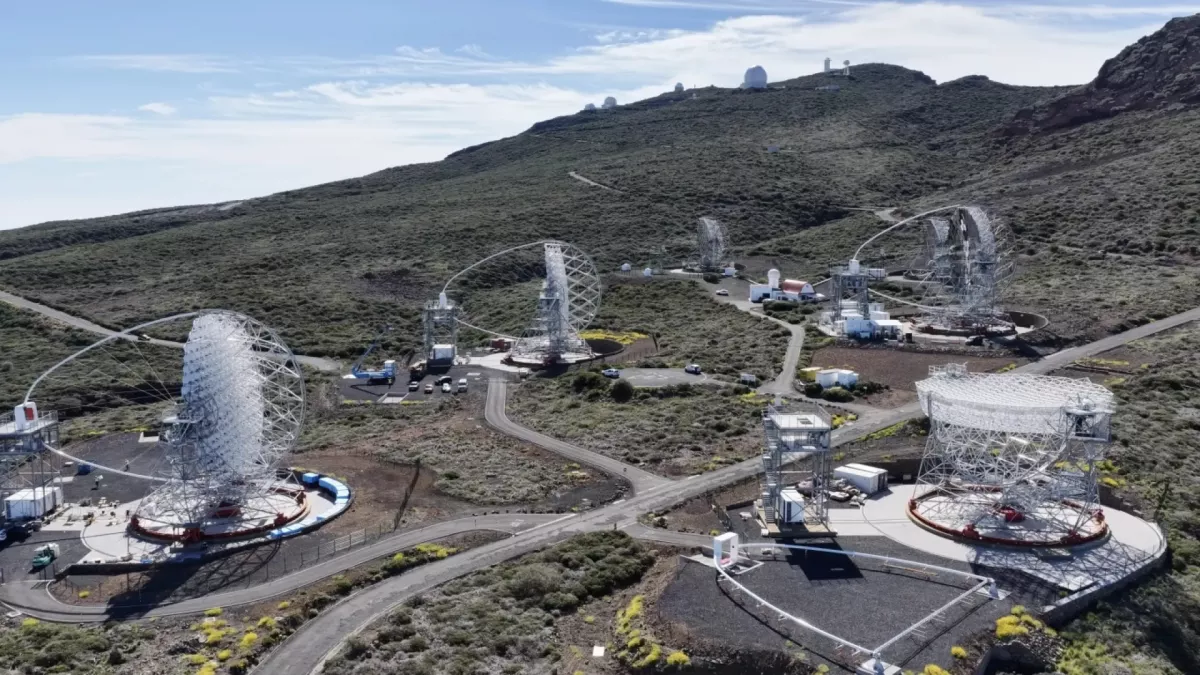
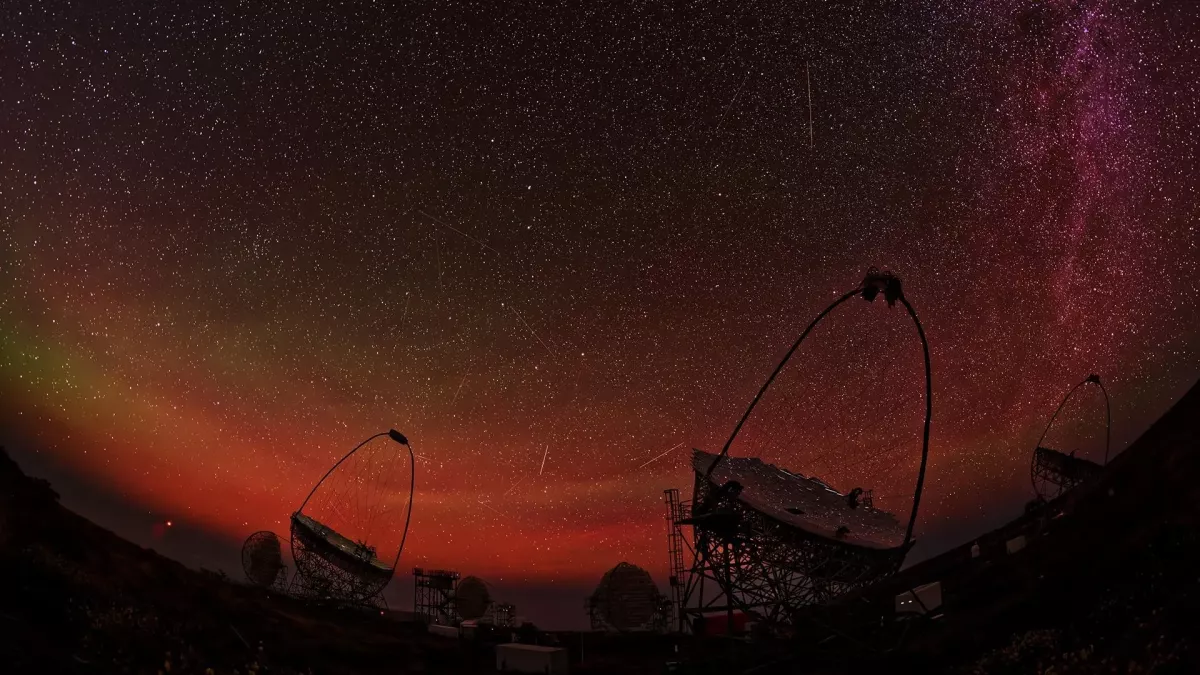
The four Cherenkov telescopes inaugurated at the Roque de los Muchachos Observatory in La Palma are designed to detect very high-energy gamma rays, allowing scientists to investigate extreme phenomena in the universe with unprecedented speed. #Telescopios #Astrofísica #RayosGamma (translated)

La Palma has inaugurated four new giant telescopes that will allow the study of extreme phenomena in the universe, such as black holes and dark matter, marking the beginning of a new era in high-energy astrophysics. #LaPalma #Astrofísica #RayosGamma (translated)

The Roque de los Muchachos Observatory in La Palma will inaugurate the CTAO-North on October 15, the most powerful telescope complex in the world, designed to detect the flashes of light generated by gamma rays from extreme phenomena in the universe. #Astrofísica #Telescopios #RayosGamma (translated)

Four new telescopes with a diameter of 23 meters will be inaugurated on October 15 in La Palma as part of the Cherenkov Telescope Array Observatory, intended to study cosmic phenomena by detecting low-energy gamma rays. #telescopios #astrofísica #LaPalma (translated)

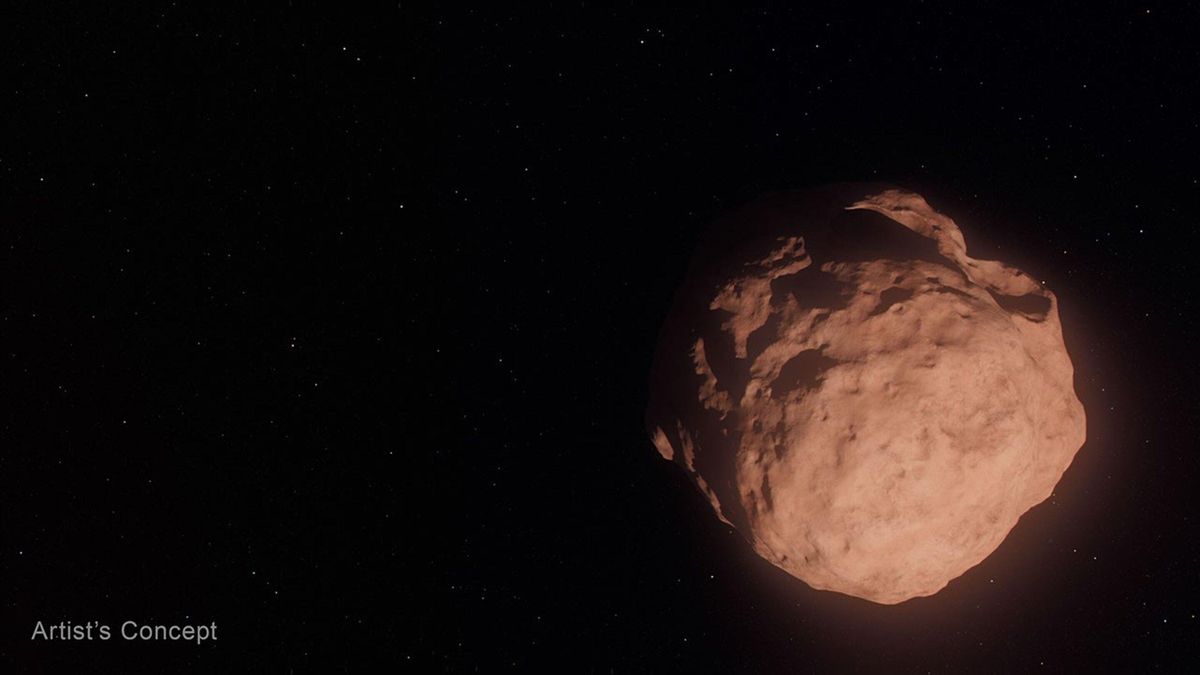
Los telescopios Hubble y Webb han descubierto pequeños objetos transneptunianos que conservan características primordiales de la historia del Sistema Solar, revelando que sus colores y reflectancias son similares a las de cuerpos mucho mayores. #Transneptunianos #SistemaSolar #TelescopiosEspaciales

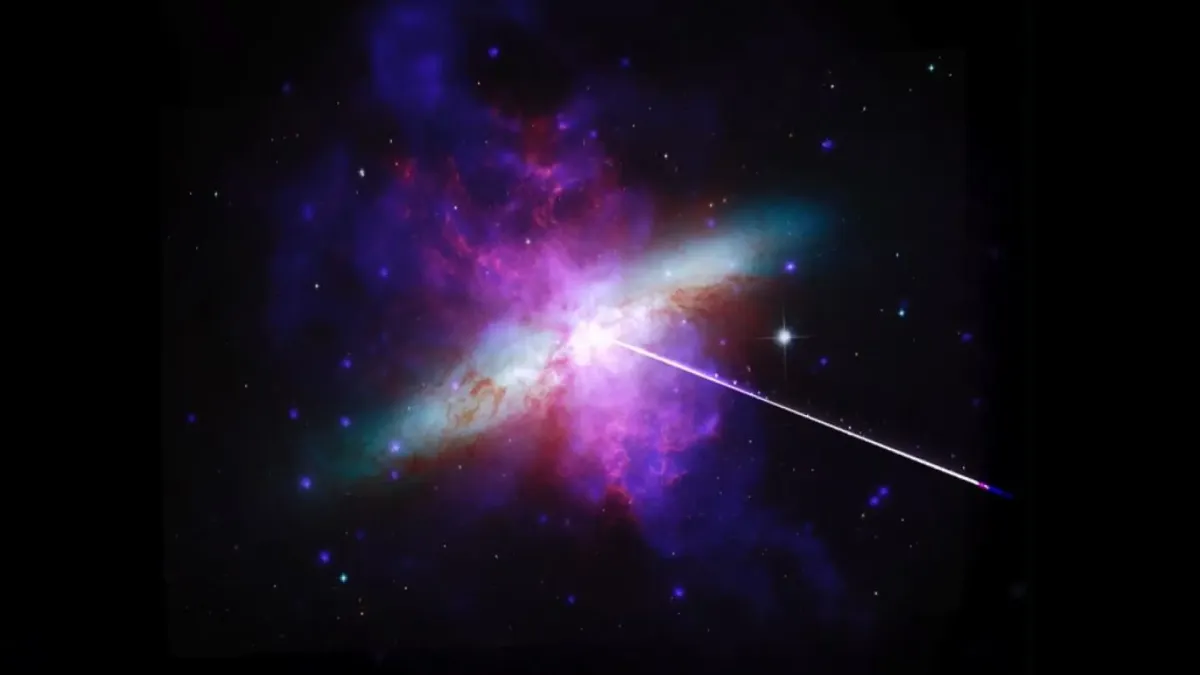
Científicos han establecido un nuevo récord en la observación de energía muy alta al caracterizar en detalle el blázar OP 313, situado a 8.000 millones de años luz de la Tierra, utilizando los telescopios LST y MAGIC, lo que proporciona importantes insights sobre la evolución del universo y la densidad de la luz de fondo extragaláctica. #Blázar #RayosGamma #Astrofísica

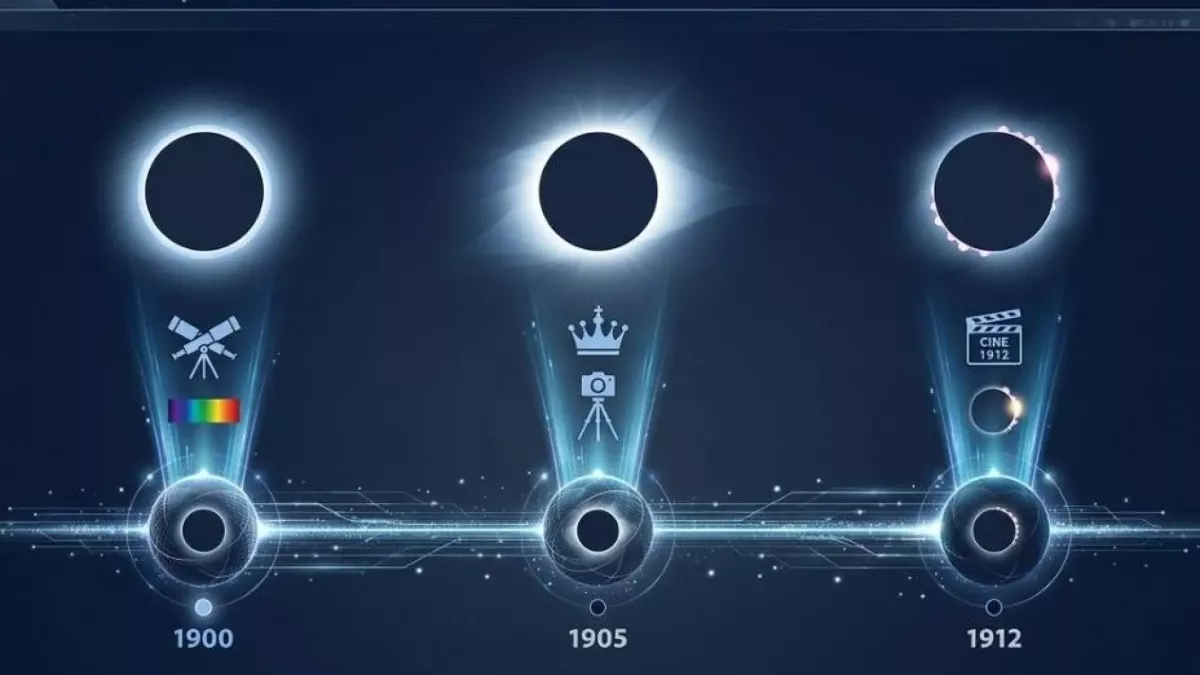
El artículo destaca los tres eclipses solares en España durante el siglo XX que impulsaron la astronomía nacional, comenzando con el de 1900, que facilitó la adquisición de telescopios en el Observatorio de Madrid, seguido por el de 1905, que se convirtió en un evento social y científico, y concluyendo con el híbrido de 1912, que aumentó el interés debido a su peculiaridad en la duración de la fase total. #EclipsesSpain #Astronomía #Ciencia

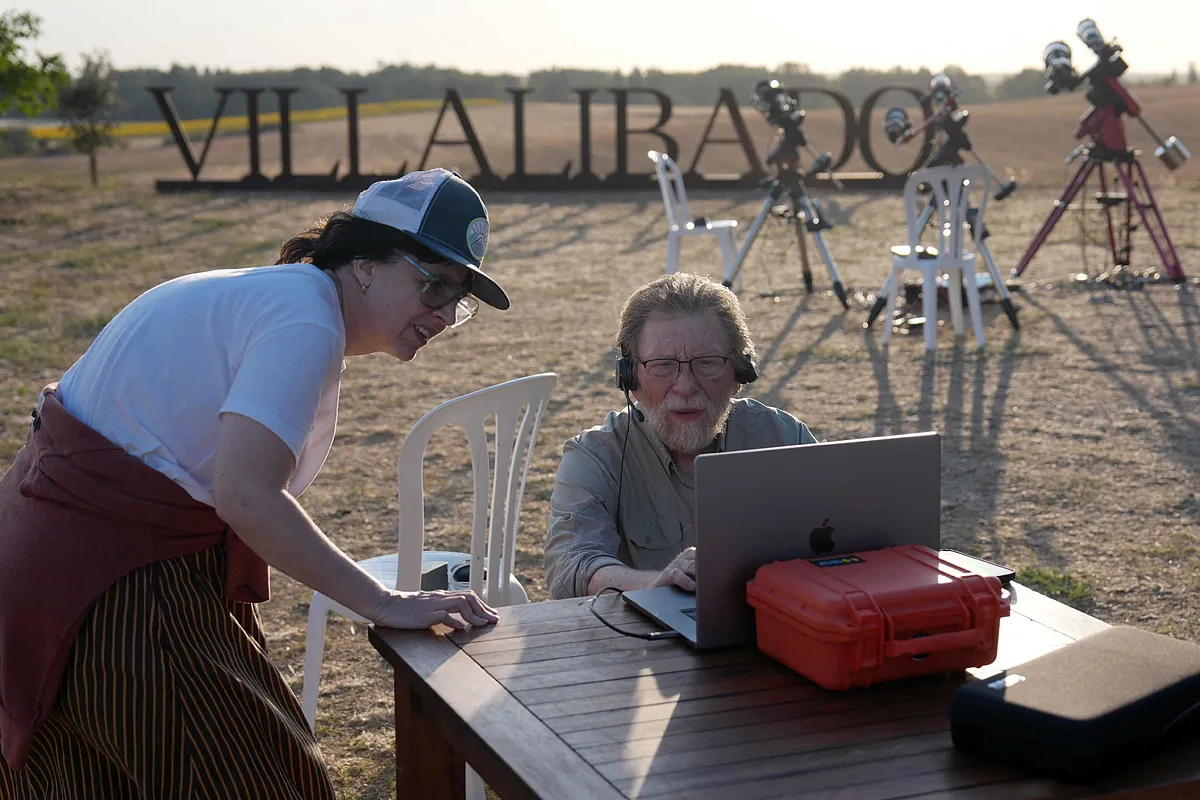
La NASA ha elegido Villalibado, un pueblo semiabandonado de Burgos, para estudiar y retransmitir en vivo un eclipse solar, instalando telescopios en su iglesia del siglo XII, atrayendo así la atención internacional hacia esta localidad que ha sido restaurada como complejo turístico. #EclipseSolar #NASA #Villalibado

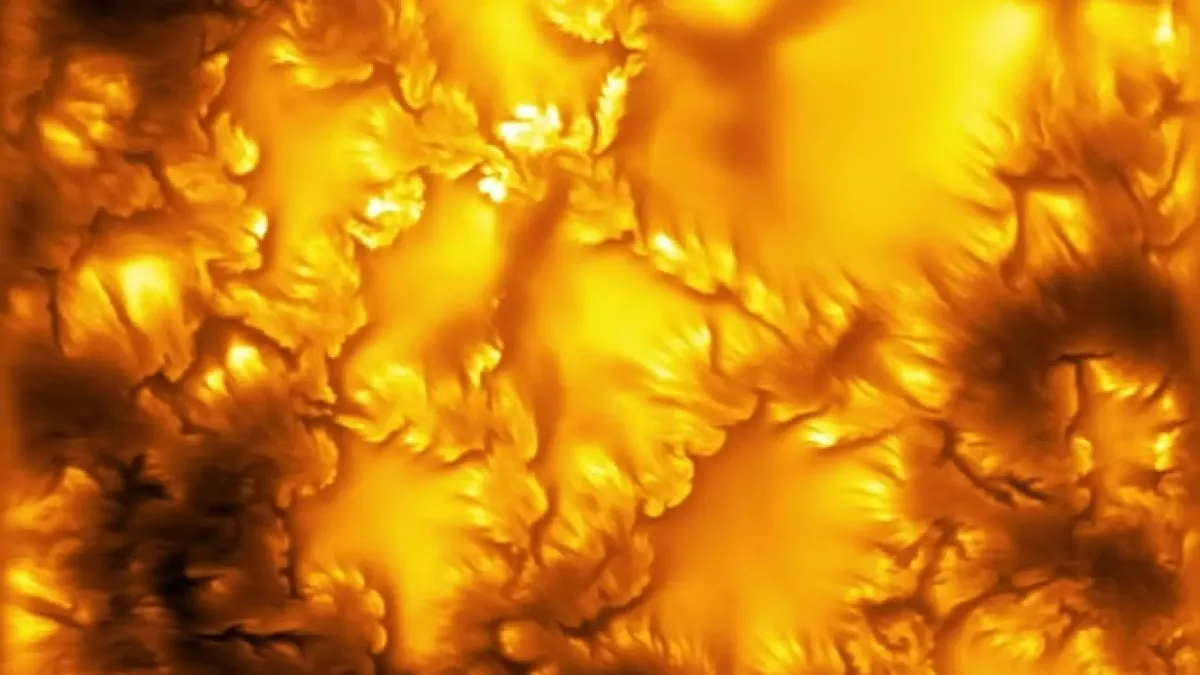
Un telescopio solar ha logrado capturar las imágenes más nítidas de la superficie del Sol, revelando patrones en espiral que indican la primera detección de la inestabilidad de Kelvin-Helmholtz, un fenómeno que podría influir en la actividad solar y su impacto en satélites y sistemas de comunicación en la Tierra. #TelescopioSolar #InestabilidadKelvinHelmholtz #ActividadSolar

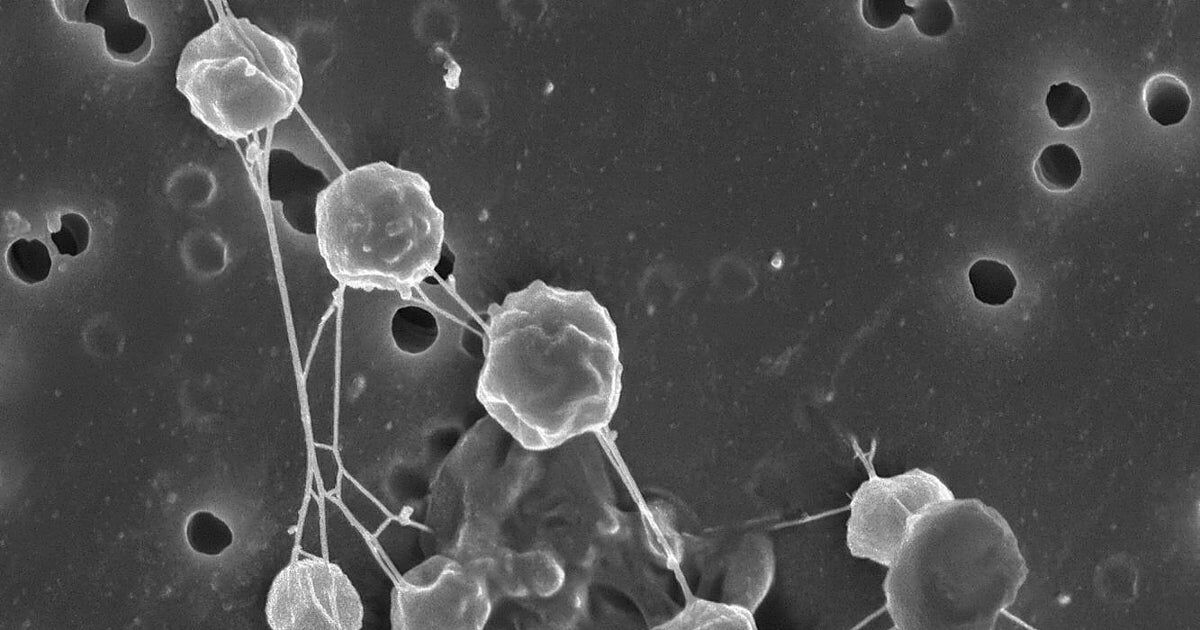
Un equipo de astrofísicos ha diseñado un microbio virtual para simular cómo podría buscarse vida extraterrestre en exoplanetas, centrándose en organismos como los metanógenos, que transforman sus entornos y podrían ser detectados por telescopios como el James Webb. #VidaExtraterrestre #Exoplanetas #InteligenciaArtificial

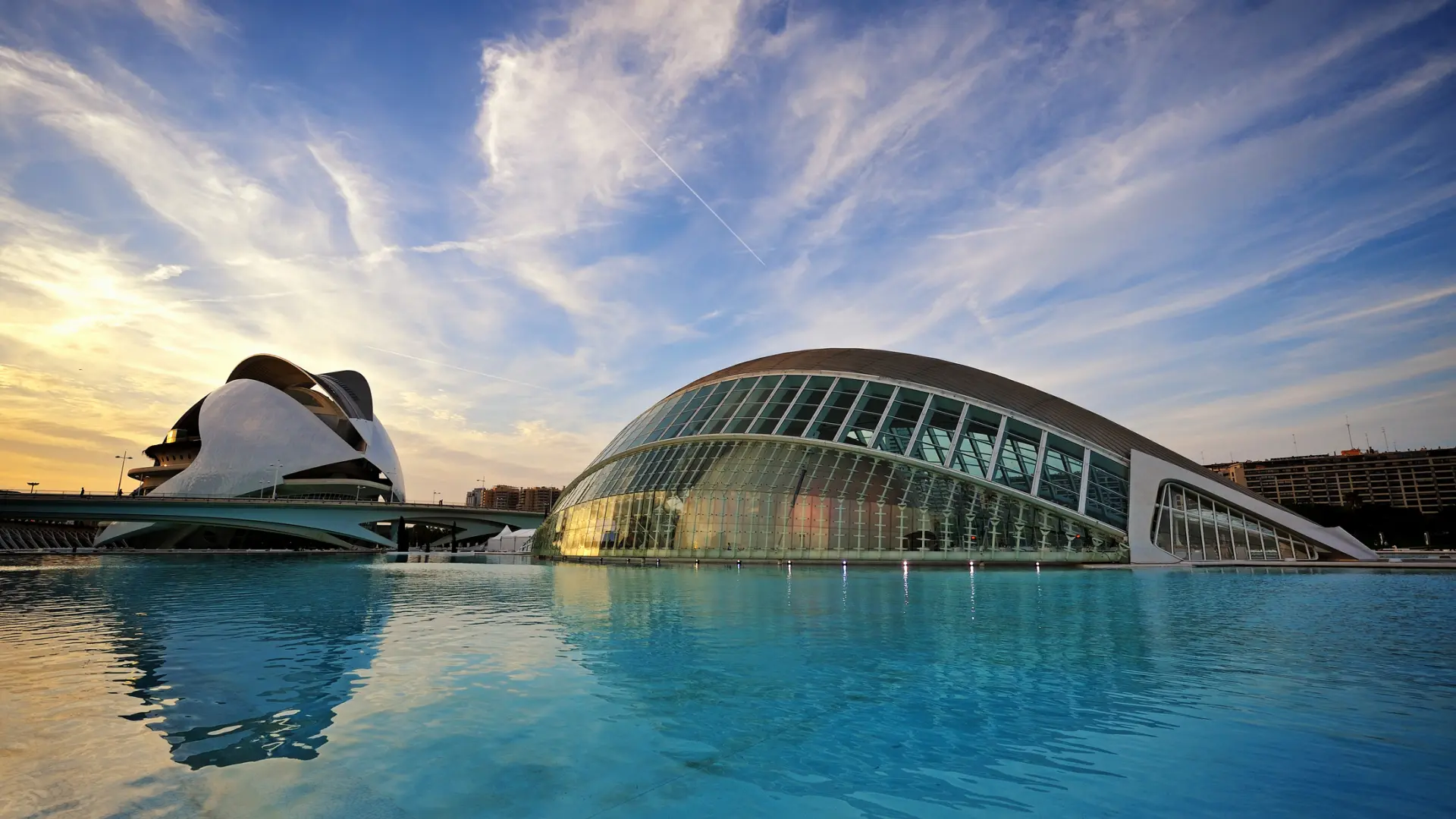
La Ciutat de les Arts i les Ciències de Valencia ha organizado dos actividades gratuitas el 21 de julio, incluyendo observaciones del sol con telescopios especializados y una charla con el experto Nacho Pérez, para preparar al público para el eclipse solar del 12 de agosto. #EclipseSolar #Valencia #Astronomía