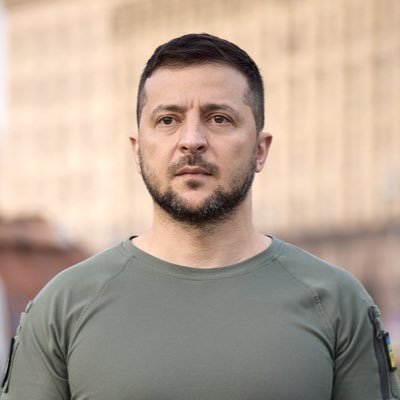
Zelensky on Trump: He will continue to lift sanctions on Russia. #granica #ciężarówki #uchodźcy (translated)
Ukraińcy uciekają do Polski. Nawet 40 godzin czekania na granicy
wiadomosci.wp.pl
Zelensky on Trump: He will continue to lift sanctions on Russia. #granica #ciężarówki #uchodźcy (translated)

Russian attacks and air alerts are causing huge queues at the Polish-Ukrainian border, where the waiting time for trucks is even 40 hours. #granica #ciężarówki #uchodźcy (translated)
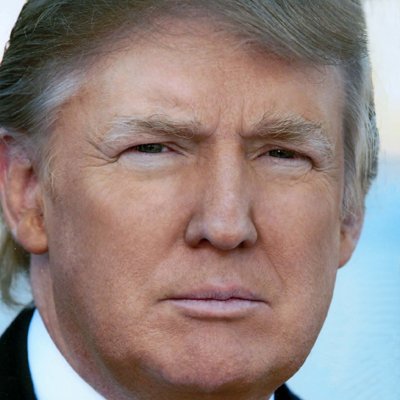
And let us not be deceived by Trump's words, who invariably praises us (for the huge arms purchases in the USA and because, in his opinion, the Poles chose Karol Nawrocki because he supported him). #Trump #Polska #Uchodźcy (translated)
President Volodymyr Zelensky speaks of 20 million, and even if he is exaggerating, another wave of refugees is almost certain. #Trump #Polska #Uchodźcy (translated)
Donald Trump's policy towards Russia and Ukraine may lead to dramatic consequences for Poland and social effects that may arise from subsequent attacks by Russia and the migration crisis. #Trump #Polska #Uchodźcy (translated)
Russia is killing us on our territory. – Russia is killing us on our territory. It has come to our land and is still advancing. It does not want to stop, said Zelensky, quoted by the British newspaper "The Guardian". #Ukraina #wojna #uchodźcy (translated)
Volodymyr Zelensky warned that if Russia wins the war, over 20 million Ukrainians may be forced to leave the country and move to the European Union. #Ukraina #wojna #uchodźcy (translated)

The article examines the challenges faced by children from Ukraine in Polish schools, highlighting communication problems, lack of integration, and the varied reactions of their peers, which lead to quiet separation among students. #UchodźcyZUkrainy #Edukacja #IntegracjaSpołeczna (translated)

Tomasz Lipiński wrote that before fully supporting Polish uniformed services, it is worth imagining Captain Anna Michalska, who allegedly shouted insulting words at a suffocated refugee. He added that he could not imagine that situation and until the recordings from the officers' cameras were published, he declared support for #TeamHWDP. #TeamHWDP #polska #uchodźcy #sprawiedliwość (translated)
Millions of Ukrainians may be forced to flee the country again this year due to ongoing Russian attacks on civilian infrastructure that make it impossible to safely survive the upcoming winter. #Ukraina #uchodźcy #kryzyshumanitarny (translated)
Poland has recorded the largest decrease in the number of Ukrainian citizens using temporary protection in the European Union, with over 13,500 fewer compared to August 2025. #Uchodźcy #Ukraina #Polska (translated)
The author claimed that the Polish government wants to punish people who save refugees and migrants from death. He wrote that without people responding to their suffering, the number of victims in Polish forests would be much higher, and he encouraged watching footage about death at the border. https://t.co/4AbRA1we1X #uchodźcy #migranci #prawaczłowieka #PL (translated)
The author wrote that according to the report by Deloitte and UNHCR, the employment rate of Ukrainian refugees in Poland increased by 7 percentage points compared to last year and reached 76 percent. He added that this result was comparable to the employment rate of Polish citizens. #Zatrudnienie #Uchodźcy #Ukraina #PL #UA (translated)
Dr. Joanna Hosaniak, a Pole living in Seoul, has been helping North Korean refugees for over two decades, highlighting the dramatic conditions under which they must flee, especially due to the increasing difficulties associated with the Kim Jong Un regime and activities in Russia. #KoreaPółnocna #uchodźcy #prawaCzłowieka (translated)

The post's author wrote that Ukrainian refugees were expected to bring 100 billion zlotys to the Polish economy. He claimed that their professional activity exceeded that of the Poles, and that the refugees took on jobs that others were unwilling to do. He added that the expenses for their pensions and healthcare were, in comparison to their contribution to the Polish economy, insignificant. #Ukraina #gospodarka #uchodźcy #PL #UA (translated)
The author wrote that according to the data from the National Health Fund, the average cost of treating a Ukrainian citizen was 694 PLN, while for a Polish citizen it was 4640 PLN. He assessed that the health care expenditures per refugee were significantly lower. #zdrowie #uchodźcy #Polska #PL #UA (translated)
The author asked whether Poland cannot afford humanitarianism towards refugees and migrants. He wrote that people were asking this question in church, not during television debates. https://t.co/7EuhPEydUF #uchodźcy #humanitaryzm #migranci #PL (translated)
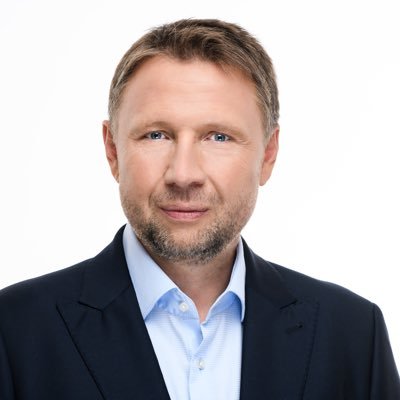
Regarding the plans for cross-border evacuation, issues of infrastructure, alternative border crossings in emergency situations, and the matter of reception points, these tasks are assigned to individual units, and we are starting intensive work in this area. Kierwiński emphasized that the work on organizing cross-border evacuation concerns several areas at once: from infrastructure to the organization of accepting people after crossing the border. #ewakuacja #uchodźcy #granica (translated)
Poland and Lithuania are preparing evacuation plans in the event of war, under which they may expect the arrival of up to a million refugees from the Baltic countries. #ewakuacja #uchodźcy #granica (translated)





