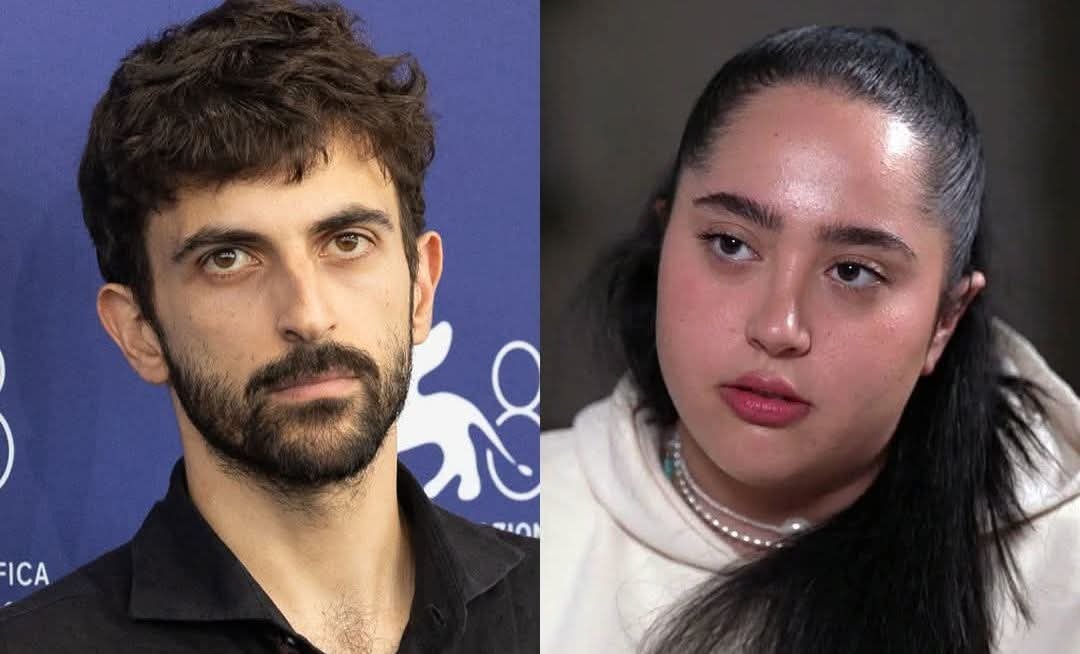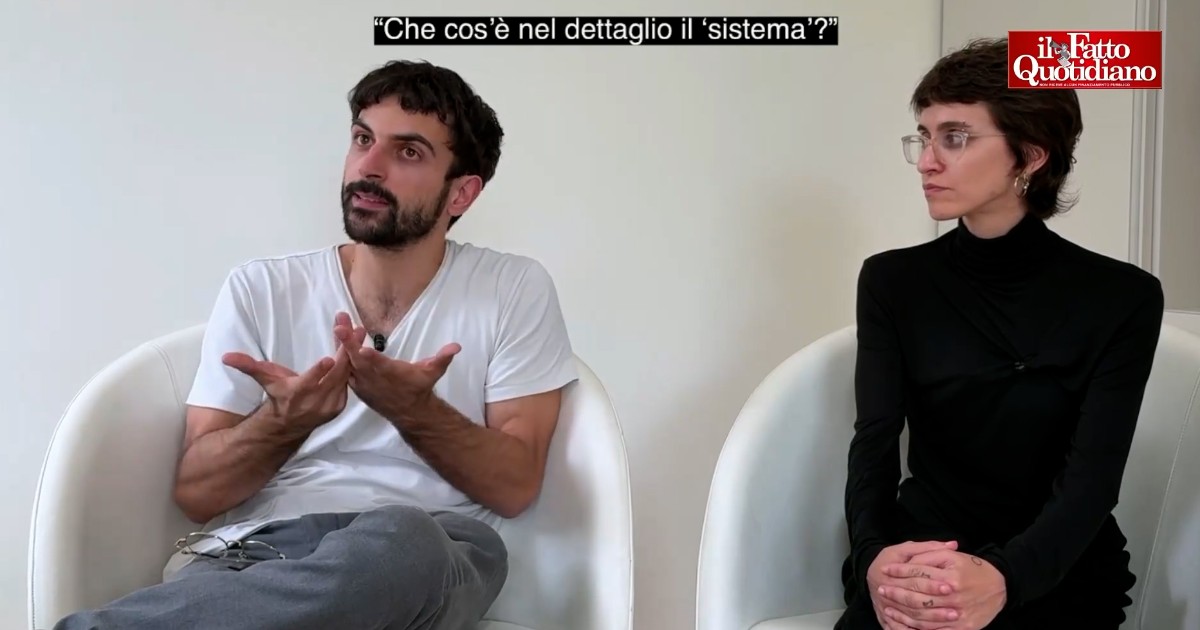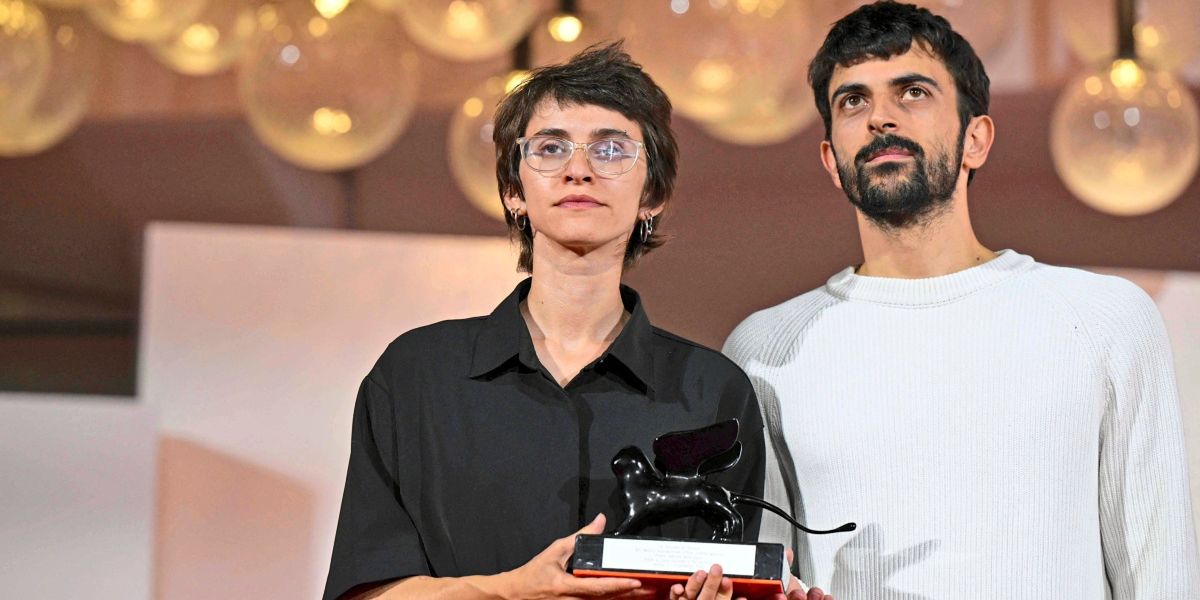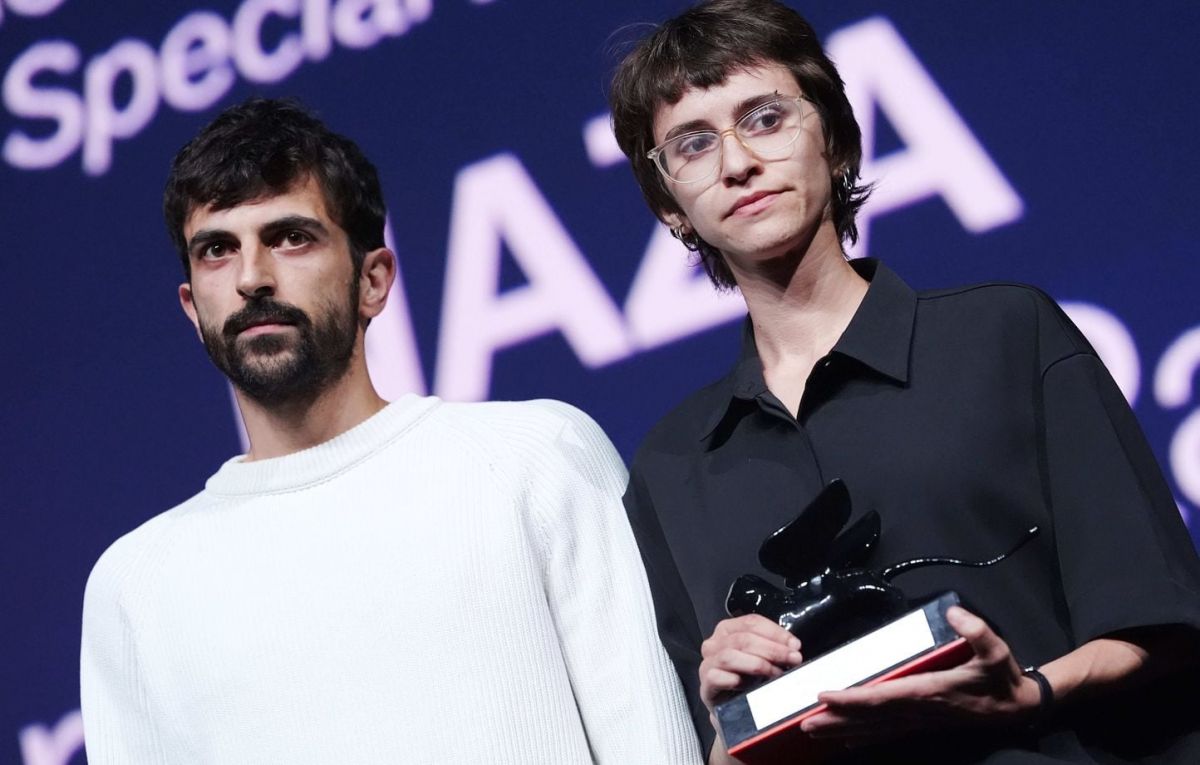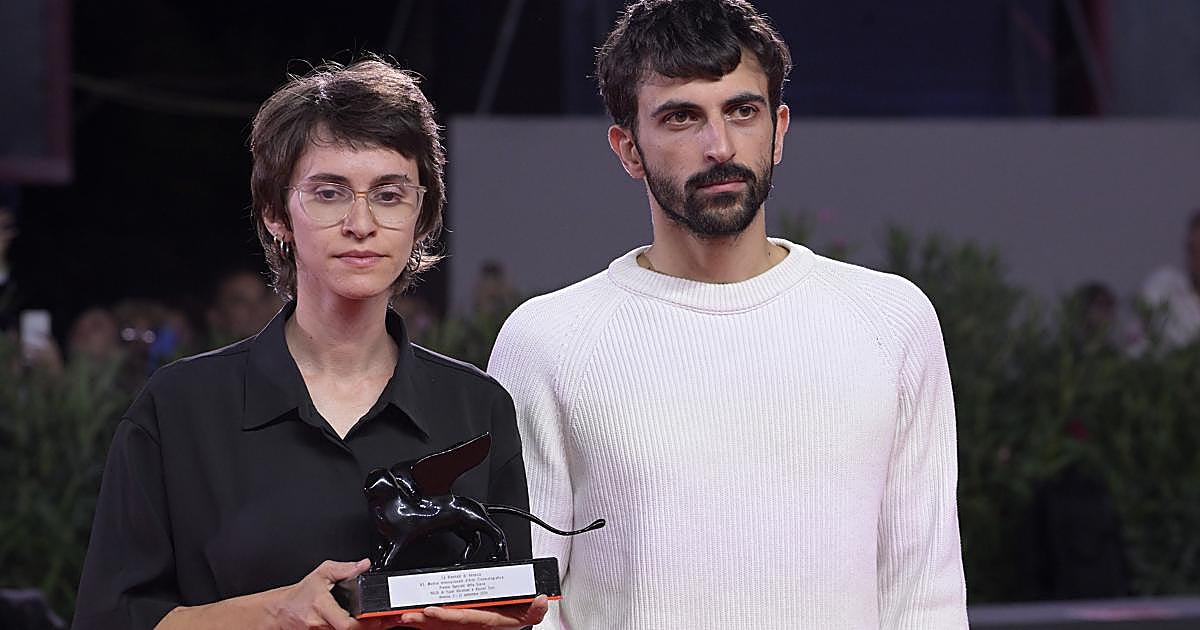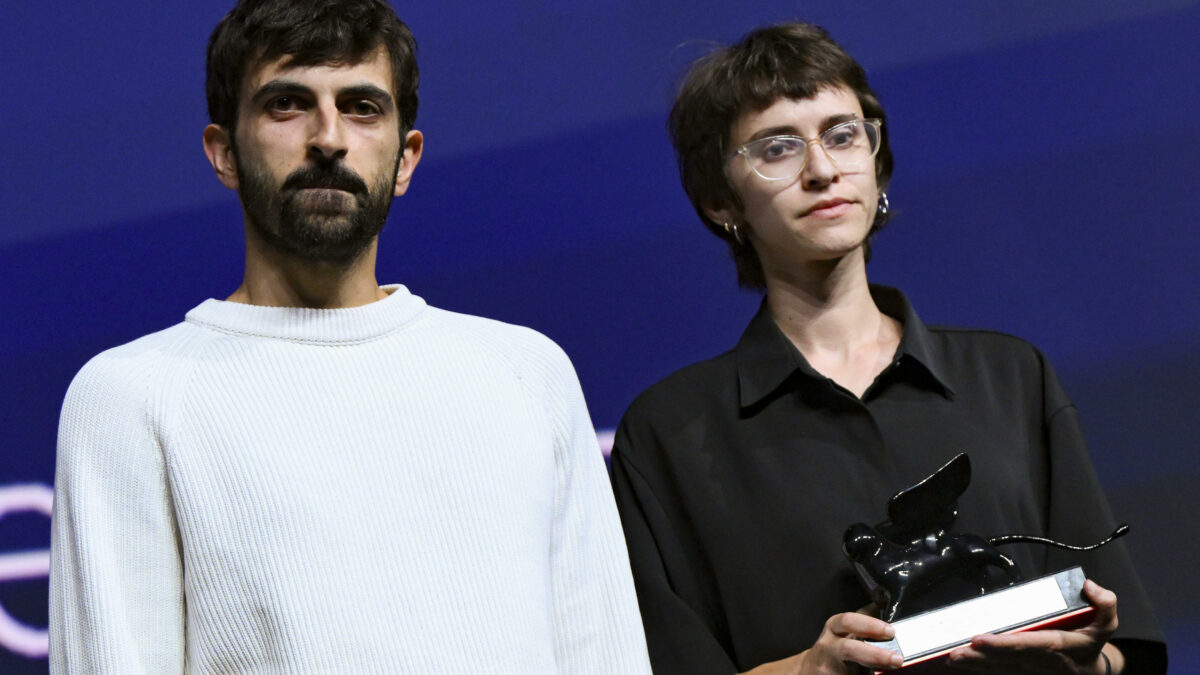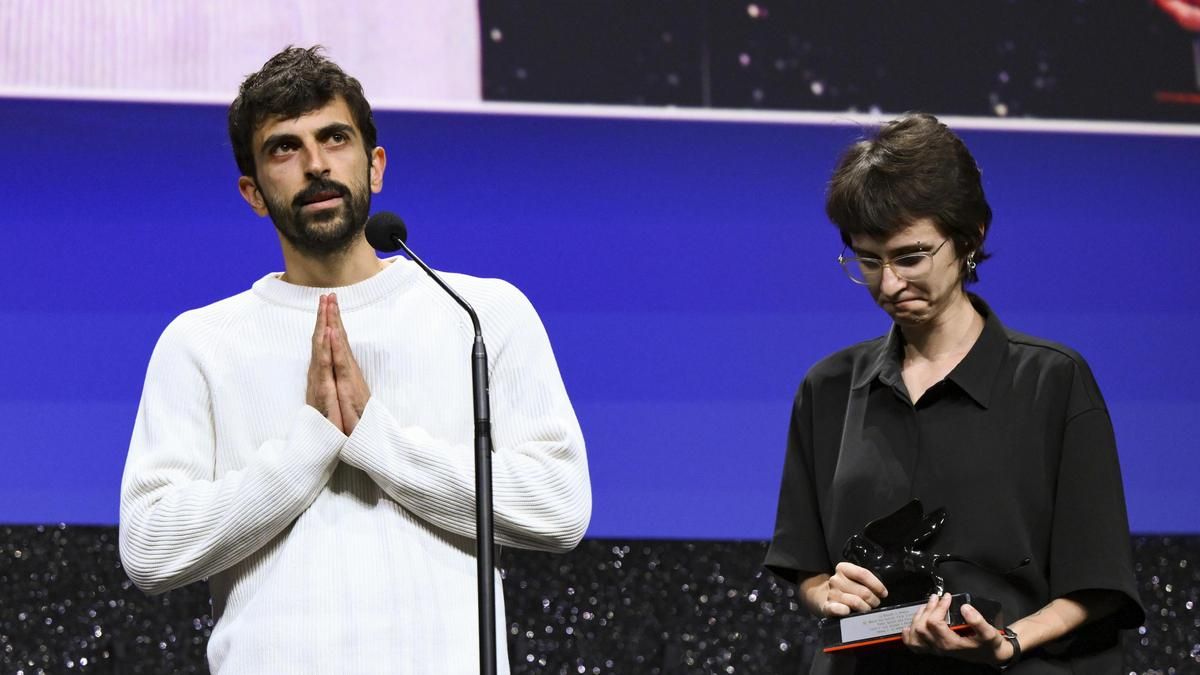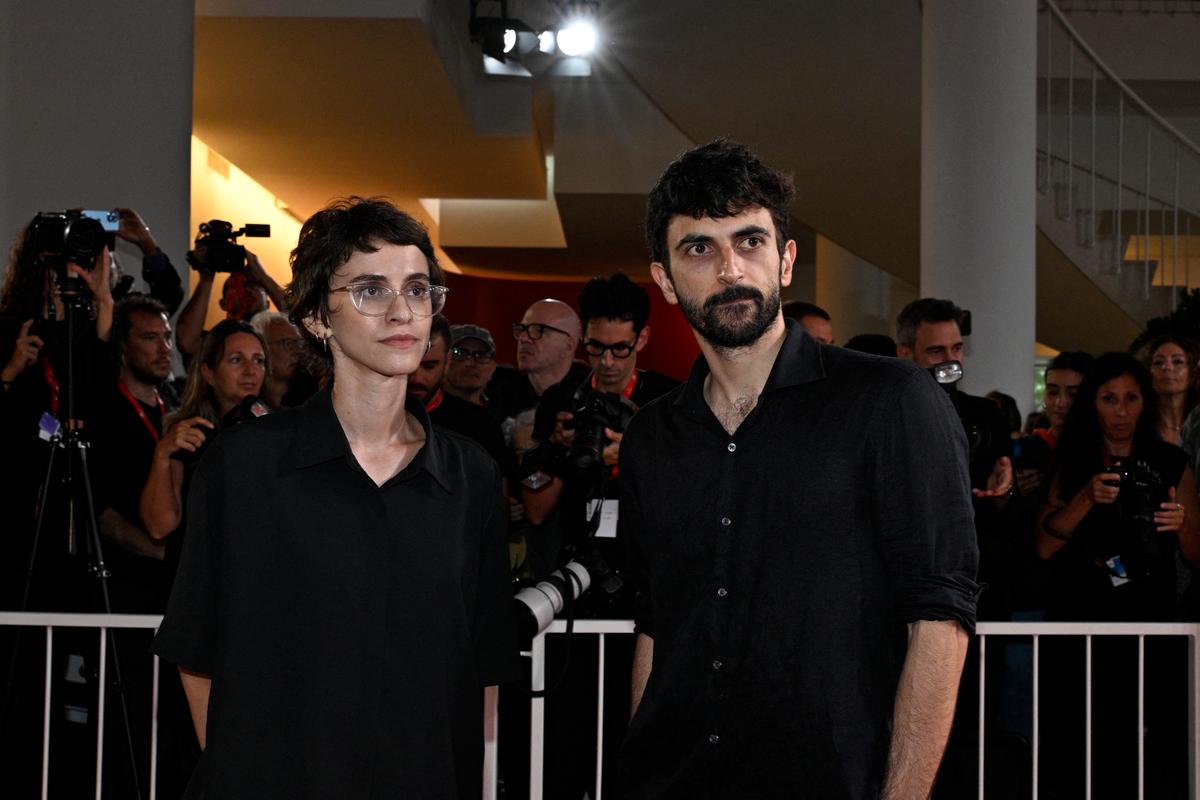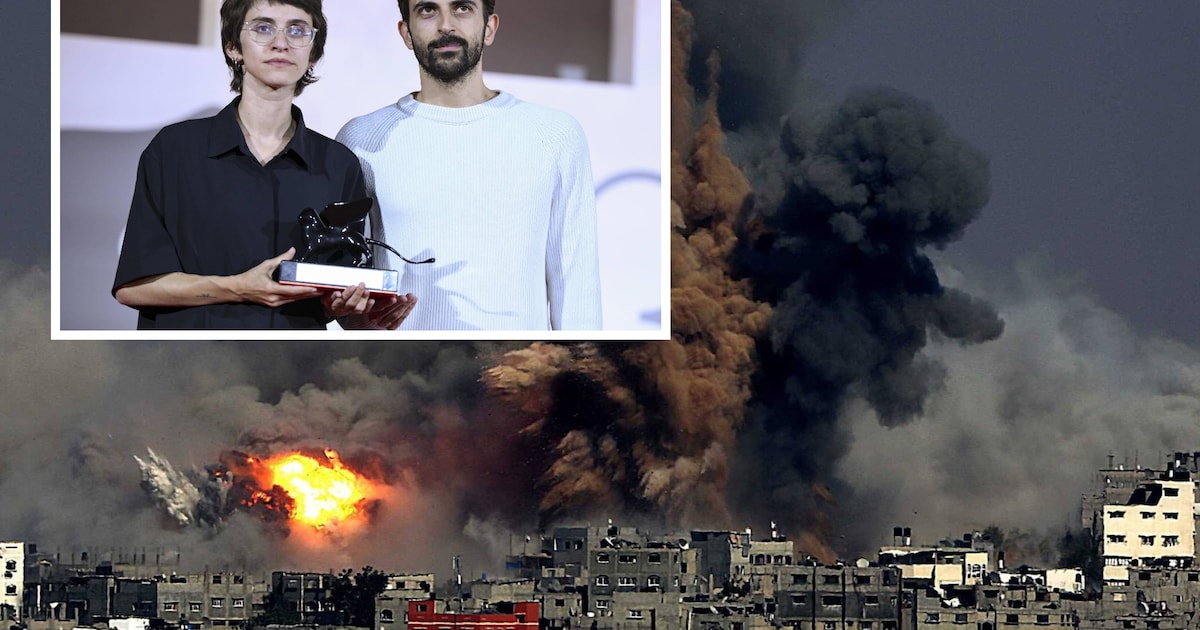
Israeli filmmakers Rachel Szor and Yuval Abraham are being vilified in their own country after winning a prestigious award for their documentary about bombings in Gaza, which received acclaim at the Venice Film Festival. (translated)

Israeli filmmakers Rachel Szor and Yuval Abraham are being vilified in their own country after winning a prestigious award for their documentary about bombings in Gaza, which received acclaim at the Venice Film Festival. (translated)

The documentary Naza by Israeli directors Yuval Abraham and Rachel Szor, awarded in Venice, accuses the Israeli army of having an organized system for the killing of civilians in Gaza, provoking strong condemnation from Israeli authorities, who speak of betrayal and anti-Semitic incitement. (translated)

Liri Albag, een voormalige gijzelaar van Hamas, heeft een felle boodschap gericht aan Yuval Abraham, de mederegisseur van NAZA, de anti-Israëlische film. Als je op 7 oktober in het grensgebied bij Gaza was geweest, zou geen enkele terrorist zijn gestopt om te zeggen: 1/2 https://t.co/X33ppnXczp #Hamas #NAZA #Israël
Israeli Cultural Minister Miki Zohar demands the revocation of Israeli citizenship from the directors of the award-winning documentary "NAZA," Yuval Abraham and Rachel Szorn, citing anti-Semitism. (translated)
More than 200 Israeli filmmakers have signed a letter of support for the directors of the documentary 'Naza', Yuval Abraham and Rachel Szor, following the culture minister's call to revoke their citizenship due to the film's content about the genocide in Gaza. (translated)

Bem-vindo, Abraham Obasi💙 ⚽ Avançado de 18 anos chega oriundo do futebol nigeriano #FCPortoSub19 https://t.co/gW543Kfwp6 #FCPorto #Futebol #JovensTalentos
The documentary Naza, directed by Israeli filmmakers Yuval Abraham and Rachel Szor, explores a system of mass killings in Gaza through the testimonies of IDF officials, provoking strong reactions from Israeli government representatives and sparking debates on war and human rights. (translated)

Who Kills Whom? There is no single international database that directly compares “women who kill children” with “men who kill women.” I therefore used a triangulation method: systematic research on child homicide, international homicide statistics from UNODC, and detailed national homicide data from the FBI. The figures are not merged into one artificial global statistic; instead, they are used to see whether the same pattern appears across different sources. A systematic review of 126 studies from 44 countries found that parents were responsible for a median 56.5% of child homicides. For children under one year, parents were responsible for approximately 77.8%. Mothers were particularly prominent among perpetrators of killings of infants (Stöckl et al., 2017). That is remarkable. Women are relatively strongly represented when the homicide victim is a very young child. But this is where the sensational version of the story falls apart. It does not mean that women kill more children than men kill women. Men commit the overwhelming majority of homicides. In the FBI’s 2019 data, there were 1,647 male offenders who killed female victims in single-victim/single-offender cases. By comparison, female-perpetrated child homicide was far smaller. (Federal Bureau of Investigation [FBI], 2019). UNODC similarly reports that men and boys accounted for 81% of global homicide victims in 2021, while women and girls accounted for 19%. Yet women and girls were disproportionately killed by intimate partners or family members: such killings accounted for 56% of female homicide victims (UNODC, 2023). So what does the evidence actually tell us? Men dominate homicide statistics. But female homicide has a strikingly different pattern: women are disproportionately represented among perpetrators when the victim is an infant, while men account for vastly more homicide overall and for a much broader range of victims. Perhaps the real lesson is uncomfortable for both sides: statistics do not support a simple “men are killers, women are victims” story. Nor do they support reversing that story. Reality is considerably more complicated — and considerably more interesting. References — APA 7th edition Federal Bureau of Investigation. (2019). Expanded homicide data table 6: Murder—race, sex, and ethnicity of victim by race, sex, and ethnicity of offender. U.S. Department of Justice. Stöckl, H., Dekel, B., Morris-Gehring, A., Watts, C., & Abrahams, N. (2017). Child homicide perpetrators worldwide: A systematic review. BMJ Paediatrics Open, 1(1), e000112. https://doi.org/10.1136/bmjpo-2017-000112 United Nations Office on Drugs and Crime. (2023). Global study on homicide 2023. United Nations.
Il ministro israeliano della Cultura Miki Zohar ha chiesto di revocare la cittadinanza ai registi di NAZA, Yuval Abraham e Rachel Szor, dopo che il documentario ha vinto il Premio speciale della giuria al Festival del cinema di Venezia. Zohar ha definito il film "ignobile" e accusato i registi di "tradire lo Stato" e di essere "disposti a ferire la loro patria pur di ricevere applausi dagli antisemiti nel mondo". Anche il ministro della Sicurezza nazionale Itamar Ben Gvir ha attaccato Abraham e Szor: "Sono certo che i vostri amici, cioè i nostri nemici Hamas, vi accoglieranno a braccia aperte", ha detto rivolgendosi ai registi #Cinema #Cultura #Israele
Israeli Culture Minister Miki Zohar plans to revoke the citizenship of the two directors Rachel Szor and Yuval Abraham due to their controversial Gaza documentary NAZA, which was recently awarded in Venice, and accuses them of betrayal against the state of Israel. (translated)

The directors of the documentary "NAZA," Yuval Abraham and Rachel Szor, are facing threats of revocation of nationality by Israeli ministers after exposing testimonies about war crimes in Gaza. (translated)

The Israeli Minister of Culture, Miki Zohar, has threatened to revoke the nationality of the directors of the documentary 'Naza', Yuval Abraham and Rachel Szor, accusing them of treason for their work that criticizes the use of artificial intelligence by the Israeli Army to kill civilians in the Gaza Strip. (translated)

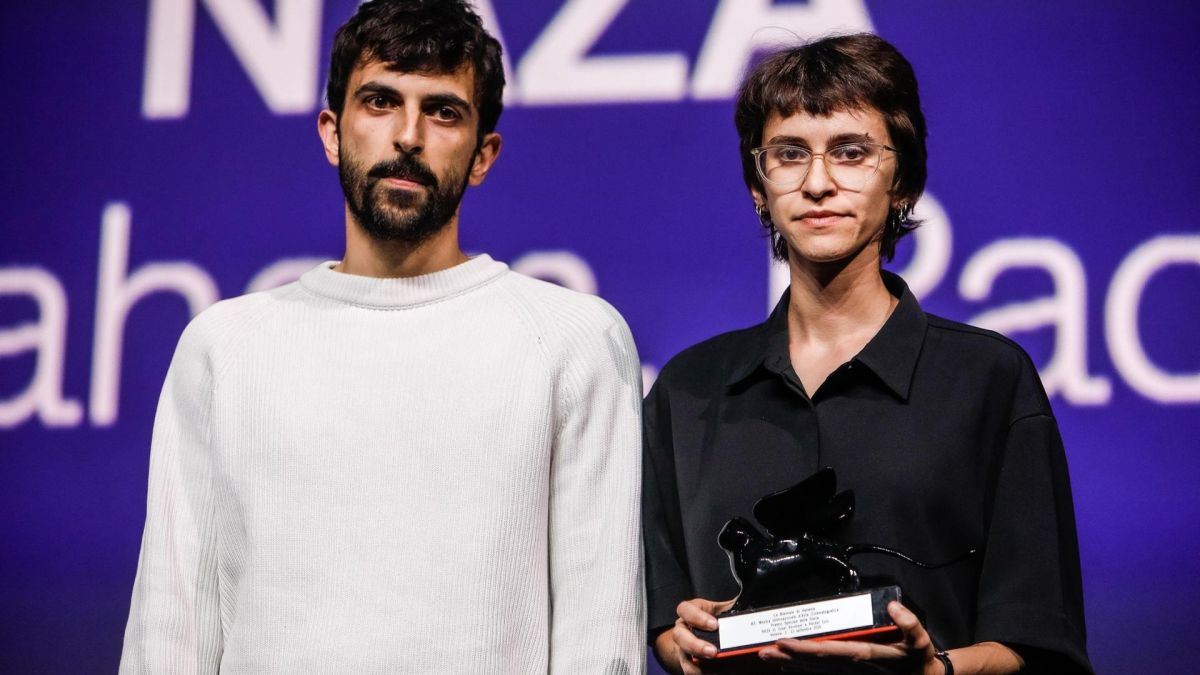
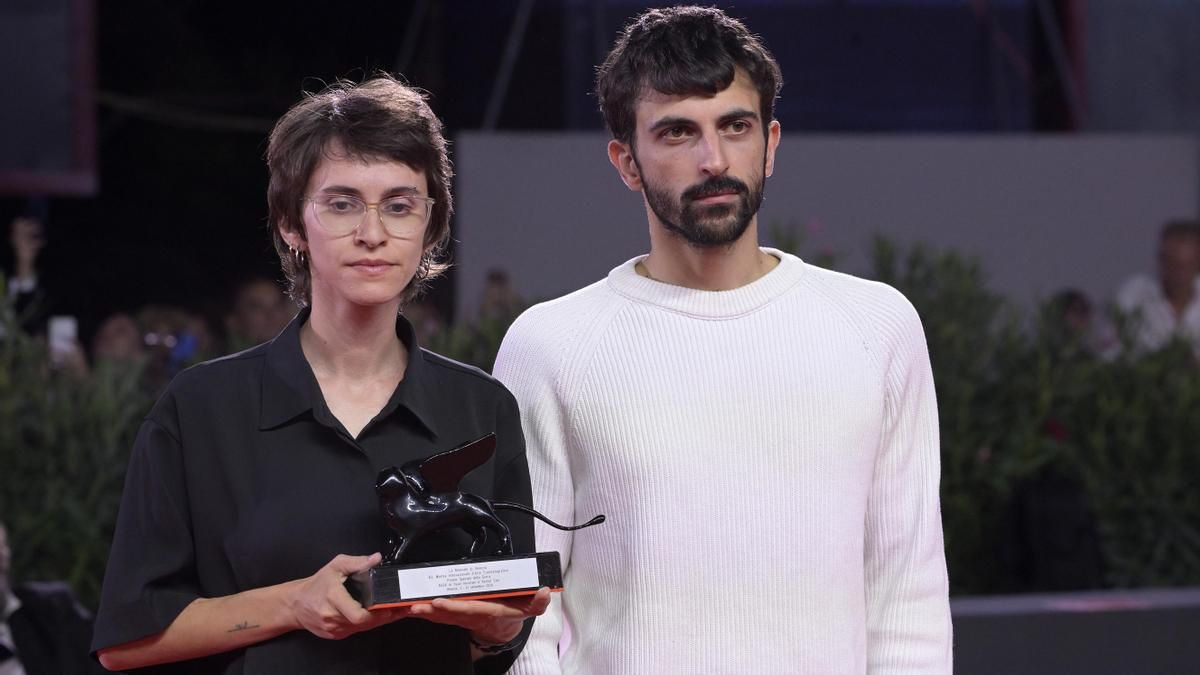
“Grazie ai giurati, siamo davvero grati di essere qui. Non è facile per noi”. Yuval Abraham e Rachel Szor accettano con gratitudine il Premio speciale della giuria guidata da Maggie Gyllenhaal, che va ad abbracciarli sul palco. Ma si capisce che la loro urgenza è un’altra. Naza, il loro documentario sull’uccisione dei civili palestinesi a Gaza, è arrivato al Lido all’ultimo momento e ne è diventato il caso politico e cinematografico: venticinque minuti di applausi, bandiere palestinesi e libanesi alzate in Sala Grande, quindi la contestazione dell’esercito israeliano, che mette in dubbio l’attendibilità delle fonti anonime e nega che l’intelligenza artificiale decida gli obiettivi, approvati, sostiene, da personale militare. “Gli ufficiali dell’intelligence israeliana - spiega Abraham - ci hanno raccontato che questi attacchi sono sistemici, frutto di politiche fondate sulla disumanizzazione dei palestinesi. Voglio essere molto chiaro: questa verità è stata documentata e resa nota grazie ai giornalisti palestinesi. Più di duecento di loro sono stati uccisi, molti nelle proprie case. Le loro voci sono state negate e messe a tacere. Negare un crimine è ciò che permette di continuare a perpetrarlo”. Su Repubblica l’articolo della nostra inviata Arianna Finos #rep #Gaza #Palestina #Documentario
The Venice Film Festival's major favorite is the documentary Naza, created by Rachel Szori and Yuval Abraham, which addresses sensitive topics of the Israeli-Palestinian conflict, highlighting statements from Israeli soldiers regarding war crimes during the bombing of Gaza. (translated)

⚡️🇮🇱|🇵🇸INFO - Dans le documentaire #NAZA, 24 officiers ou agents des renseignements israéliens racontent leur participation aux opérations menées dans la bande de #Gaza, que certains d’entre eux qualifient de « #génocide ». Un responsable militaire évoque « des tueries de masse à une échelle industrielle ». À travers leurs témoignages, le film décrit l’utilisation par #Tsahal d’outils technologiques dopés à l’#IA pour tuer des #civils de façon calculée et systématique. Un militaire affirme que jusqu’à 500 personnes ont été tuées dans des frappes visant une seule personne. Un autre explique avoir eu le sentiment d’être dans un jeu vidéo et reconnaît y avoir pris du plaisir. Les témoins décrivent également des #massacres dans des zones interdites définies par #Israël, notamment à proximité de centres de distribution d’aide humanitaire. Des snipers y abattaient des #Gazaouis affamés tentant d’obtenir de la nourriture. De nombreux agents interrogés comparent la déshumanisation dont ils ont été témoins à celle de la #Shoah. Réalisé par les Israéliens Yuval #Abraham et Rachel #Szor, et produit notamment par The Guardian, NAZA s’appuie sur des enquêtes publiées par le média israélo-palestinien +972 Magazine et le quotidien britannique. Ces témoignages s’inscrivent dans un contexte où plus de 73 000 Palestiniens ont été tués dans la bande de Gaza depuis 2023. Selon certaines estimations, le bilan réel serait bien plus élevé, alors que les massacres de civils se poursuivent. Présenté à la Mostra de Venise, le documentaire a reçu une ovation de 25 minutes, un record pour le festival. À ce jour, aucune date officielle de sortie en salles en France n’a été annoncée… #Gaza #Israël #documentaire
The directors Yuval Abraham and Rachel Szor won the Special Jury Award at Venice 83 for their docufilm Naza, which denounces the war in Palestine through the testimonies of Israeli soldiers, highlighting the importance of confronting the truth to prevent the persistence of crime. (translated)

Israeli director Yuval Abraham, during his speech at the Venice Festival, claimed that the U.S. is financing much of the massacre in Gaza, urging Israelis to watch his documentary 'Naza', which exposes systematic crimes committed by their country. (translated)

The documentary "Naza," directed by Rachel Szor and Yuval Abraham, candidly reveals Israel's military strategy and war crimes in Gaza through the testimonies of 24 Israeli soldiers and intelligence service members, and it was acclaimed during its screening at the Venice Film Festival. (translated)

"Mobile phones are listening. They know that the house they are attacking is full of children. They hear babies crying. Yet they order another strike." Yuval Abraham, director of the film NAZA about the Israeli operation in Gaza "I cannot imagine an army that would proceed more considerately." Otakar Foltýn, (translated)