BETA nonprofit public democratic european moderated

Search

#Bioquímica
E

The death of Daria Shipilova, a 28-year-old Russian researcher who was working at the Irkutsk Institute studying plague bacteria, has generated numerous questions about the circumstances of her death and her commitment to biological safety. #Bioquímica #InvestigaciónCientífica #Infecciones (translated)

Los interrogantes sobre la muerte de Daria Shipilova, la joven investigadora rusa que murió mientras estudiaba la bacteria de la peste: "Tenía mucho miedo de contagiar a alguien"


In Argentina, downloading copyrighted music is ILLEGAL. But it is unenforceable, and like all unenforceable laws, it does not matter to ANYONE. If you really care that a rape victim cannot have an abortion, there is only one thing you can do. Make a schedule, go to university, get a good job in some laboratory, and design an efficient and effective method to detect the use of misoprostol in spontaneous abortions. Until a few years ago, it was illegal. And there were practically no convictions (and none with effective imprisonment). There was no way. If you do not want to dedicate yourselves to clinical biochemistry or forensic toxicology, you can donate money to people who are developing that. Asking for it to be illegal is literally like the president of Turkmenistan prohibiting COVID. Considering that, no discussion makes sense and it becomes merely a show. Next topic #DerechosHumanos #Aborto #Legalidad (translated)

E
EL MUNDO Jul 17

Elena Pérez y María Hernández-Alcalá, bioquímicas y fundadoras de Futurelife21, han revolucionado la divulgación de la nutrición al proponer un enfoque saludable y atractivo para la alimentación, acumulando más de 861.000 seguidores en redes sociales y colaborando en iniciativas para mejorar la salud infantil. #NutriciónConsciente #SaludInfantil #DietaMediterránea

Elena Pérez y María Hernández-Alcalá, creadoras de Futurelife21: "¿Qué más da tomarte la cúrcuma si luego te comes los sobaos con Colacao?"

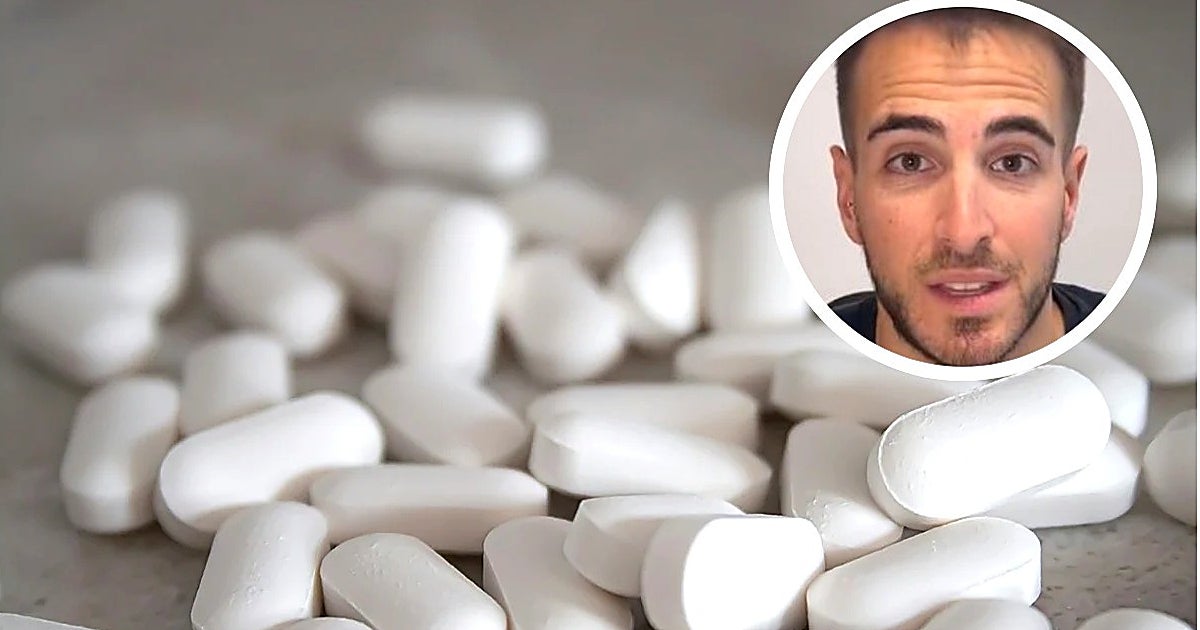
Luis Millares, nutricionista, advierte que el 80% de la población no alcanza los niveles recomendados de magnesio, un mineral esencial para el organismo que participa en más de 300 reacciones bioquímicas y cuyos déficits pueden causar problemas de salud, subrayando la importancia de elegir correctamente los suplementos para maximizar sus beneficios. #Magnesio #Nutrición #Suplementos

Luis Millares, nutricionista, alerta sobre el consumo de magnesio: «El 80% no llega a los mínimos recomendados»