Why does the government prohibit bets, but "cannot" take down the cell signal inside prisons? (translated)

Why does the government prohibit bets, but "cannot" take down the cell signal inside prisons? (translated)

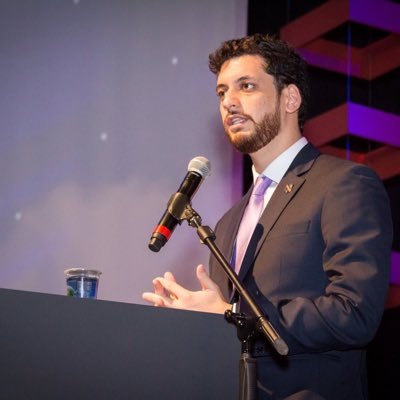
Enough impunity for the untouchables of Brasília! We need to elect a majority in the Senate to approve the impeachment of corrupt ministers and send them to jail. On October 4th, choose double the courage: vote for Marcel van Hattem, 300, and Sanderson, 222. Remember: there are two votes for the Senate and you need to choose two different candidates, as it is not possible to repeat the number. (translated)

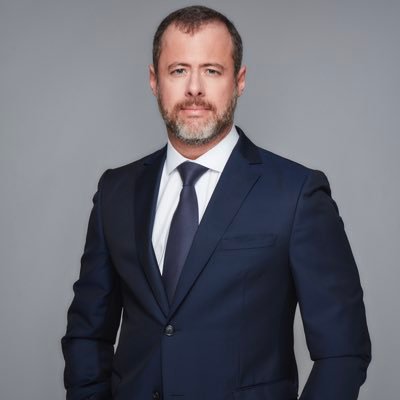
We have just filed a criminal review action in favor of President Jair Bolsonaro in the Supreme Federal Court, in light of the occurrence and confirmation of new facts, capable of overturning the absurd conviction, which was decided by a majority of votes, in the 1st Chamber. The main grounds supporting the request stem from: (i) the presentation of new evidence that benefits the requester, embodied in a Technical Opinion that identifies several breaks in the chain of custody of digital evidence (related to seized electronic devices); (ii) the contrariness to the norms that ensure the accusatory structure and the effective exercise of defense, appropriately pointed out during AP 2668 and now examined in light of the statements of the Rapporteur himself in the session of September 15, 2026, regarding PET 16.662/DF. It is important to note that, beyond the expected failures in the chain of custody of electronic media, the positions declared by Minister Alexandre de Moraes during the unusual judgment session of PET 1662/DF ("Master case"), held on the 15th, showed an absolute relationship of contrariety with what was decided in the criminal action that convicted President Bolsonaro. In few words: identical situations with totally different positions. The relationship of contrariety was evident in the issues concerning the possibility of the judge acting in the investigations during the inquiry phase, which the aforementioned Minister publicly and recurrently did, and, a few months later, now claims to be illegal in the "Master case." The same state of affairs is observed in relation to the granting of a reasonable time to analyze the collection of seized evidence, which was also repeatedly denied to us (even in the face of 70 terabytes presented serodiariamente), and, conversely, has now been alleged by the same Minister regarding the media of the former banker’s cell phone. Due process and legal certainty are (or should be) conjoined twins, so that it is not acceptable to have different decisions in the face of identical situations and arguments, under penalty of encountering the odious jurisprudence of the moment. (translated)

⚠️ NOW! Official statement from Fluminense: "The debate about the prohibition of betting is legitimate and should not be closed off. There are real concerns about indebtedness and addiction, but any decision needs to consider the following points: • Legal security and predictability: companies that have complied with regulations and third parties that have signed contracts cannot be surprised overnight. The club has taken on financial commitments for this and the coming years relying on these resources. A concrete example: Fluminense's stores have 6 months of stock of shirts with the master sponsor's brand. An abrupt change generates losses and can cost thousands of jobs throughout the chain. • Effectiveness of the measure: banning regulated companies does not eliminate betting. The underground market is likely to occupy this space, without oversight, taxation, and no protection for the bettor. • Impact on sports: the resources sustain not only professional football. They fund youth categories, women's football, and Olympic sports, which employ hundreds of athletes and professionals at the club. • Public revenue: the regulated market has generated billions in taxes and allocations provided by law for sports, social security, public safety, education, and health. Without it, these resources will need to come from another source. We advocate, at a minimum, an adequate transition period in case there are changes. The path must be guided by concrete data and the effectiveness of each alternative." 📸 FFC (translated)


The debate about the prohibition of betting is legitimate and should not be banned. There are real concerns about debt and addiction, but any decision must consider the following points: • Legal security and predictability: companies that comply with regulations and third parties that enter into contracts should not be caught off guard from one day to the next. The club has taken on financial commitments for this year and the coming years relying on these resources. A concrete example: Fluminense's stores have six months of inventory of shirts with the master sponsor's brand. A sudden change generates losses and can cost thousands of jobs throughout the chain. • Effectiveness of the measure: prohibiting regulated companies does not end betting. The underground market tends to fill this gap, without oversight, without taxation, and with no protection for the bettor. • Impact on sports: the resources sustain not only professional football. They finance youth categories, women's football, and Olympic sports, which employ hundreds of athletes and professionals at the club. • Public revenue: the regulated market has generated billions in taxes and allocations provided by law for sports, social security, public safety, education, and health. Without it, these resources will need to come from another source. We advocate, at a minimum, for an adequate transition period should there be changes. The path should be guided by concrete data and the effectiveness of each alternative. (translated)

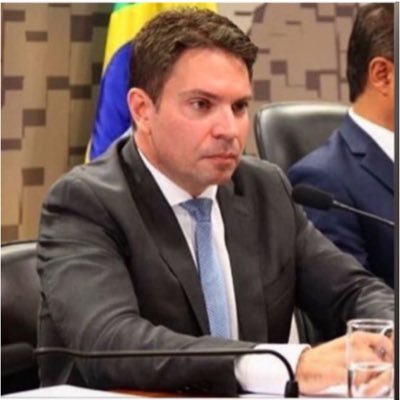
Big reality check for these politicians. Stop the talks and go help the population. And by the way, put the arsonists in jail for good, because we continue to have fires that mysteriously start during the night in two or three different places! (translated)

Brazil spent years discussing how to regulate sports betting. Congress approved it, the government regulated it, companies paid to operate legally in the country, made investments, and began to comply with rules for supervision, taxation, and consumer protection. One cannot create a rule, get companies and institutions to commit based on it, and then overnight change the entire regulatory framework. No regulation is untouchable. If there are problems, the rules need to be improved. If they need to be stricter, let them be. Those who violate the law should be punished. But there is a fundamental difference between improving regulation and simply dismantling it. This is a matter of legal certainty. And legal certainty is not only of interest to betting companies. It matters to anyone, company, or institution that invests, contracts, and makes long-term plans in Brazil trusting in the rules established by the state itself. The change heavily impacts Brazilian sports. A decision of this magnitude affects professional football, youth categories, women's football, Olympic sports, and championships. Brazilian sports cannot be analyzed solely from the financial reality of the highest-earning clubs. And it is not just the clubs that are affected; it is a chain that receives an immediate impact: direct and indirect jobs, communication, marketing, and technology companies, suppliers, arenas, service providers, and an entire economic chain. It also affects public revenue. The regulated market generates resources through taxes and allocations provided by law, which reach the public coffers and are directed to areas of societal interest. Weaken the legal market can produce a particularly bad combination: less resources for sports and less revenue for the country. And will the Brazilian be better protected? This may be one of the central questions of this discussion. Prohibiting companies that operate legally does not mean ending betting. The game does not disappear, and the underground market, which represents a significant portion of the activity, will grow and occupy this space. A survey by the Locomotiva Institute, conducted in May 2026 across the country with 2,291 bettors, indicates the relevant presence of practices associated with the illegal market. A study by LCA Consultores, based on this research, estimates that between 38% and 44% of the value bet online in Brazil currently occurs on clandestine platforms. There is one particularly important piece of data: the estimated share of the illegal market decreased after regulation, moving from the range of 41% to 51% in 2025 to 38% to 44% in the first half of 2026. The game will not end with a stroke of a pen. What ends is the part that Brazil can regulate, supervise, tax, and hold accountable. And the result may be less security for investors, fewer resources for sports and the country, and less capacity for oversight of the activity. Brazil needs to combat illegal gambling. It needs to protect its population. But it also needs to preserve legal certainty, investment capacity, and the sustainability of its sports institutions. Brazilian sports cannot be weakened by a decision that does not eliminate gambling, does not eliminate the illegal market, and still puts at risk the investments, jobs, and commitments built within the rules that the country itself established. (translated)

🚨 NOW! Official statement from Flamengo: "Brazil spent years discussing how to regulate sports betting. Congress approved it, the government regulated it, companies paid to operate legally in the country, made investments, and began to comply with oversight, taxation, and consumer protection rules. One cannot create a rule, lead companies and institutions to make commitments based on it, and then, overnight, change the entire regulatory framework. No regulation is untouchable. If there are problems, the rules need to be improved. If they need to be stricter, then let them be. Those who violate the law must be punished. But there is a fundamental difference between improving regulation and simply dismantling it. This is a matter of legal certainty. And legal certainty is not only of interest to betting companies. It matters to anyone, company, or institution that invests, contracts, and makes long-term plans in Brazil relying on the rules established by the State itself. The change hits Brazilian sports hard. A decision of this magnitude affects professional football, the youth categories, women's football, Olympic sports, and championships. Brazilian sport cannot be analyzed solely based on the financial reality of the highest-revenue clubs. It is not just the clubs that are affected; it is a chain that receives an immediate impact: direct and indirect jobs, communication, marketing and technology companies, suppliers, arenas, service providers, and an entire economic chain. It also affects public revenue. The regulated market generates resources through taxes and legal allocations, which reach public coffers and are directed to areas of interest to society. Weakening the legal market can produce an especially bad combination: fewer resources for sports and less revenue for the country. And will the Brazilian be more protected? This may be one of the central questions of this discussion. Prohibiting legally operating companies does not mean ending betting. The game does not disappear, and the clandestine market, which represents a significant portion of the activity, will grow and occupy that space. Research from Instituto Locomotiva, conducted in May 2026 nationwide with 2,291 bettors, points to the relevant presence of practices associated with the illegal market. A study by LCA Consultores, based on this research, estimates that between 38% and 44% of the online betting value in Brazil currently takes place on clandestine platforms. There is a particularly important data point: the estimated participation of the illegal market decreased after regulation, dropping from that range of 41% to 51% in 2025 to 38% to 44% in the first half of 2026. The game will not end with a stroke of a pen. What ends is the part that Brazil can regulate, oversee, tax, and hold accountable. And the result may be less security for investors, fewer resources for sports and the country, and less oversight capacity over the activity. Brazil needs to combat illegal gambling. It needs to protect its population. But it also needs to preserve legal certainty, investment capacity, and the sustainability of its sports institutions. Brazilian sports cannot be weakened by a decision that does not eliminate gambling, does not eliminate the illegal market, and still puts at risk the investments, jobs, and commitments built within the rules that the country itself established." 🗞️ @simpraisa (translated)


Official note from Flamengo: Brazil spent years discussing how to regulate sports betting. Congress approved it, the government regulated it, companies paid to operate legally in the country, made investments, and began to comply with oversight, taxation, and consumer protection rules. One cannot create a rule, lead companies and institutions to commit based on it, and then, overnight, change the entire regulatory framework. No regulation is untouchable. If there are problems, the rules need to be improved. If they need to be stricter, then let them be. Those who violate the law should be punished. But there is a fundamental difference between improving regulation and simply dismantling it. This is a matter of legal security. And legal security is not only of interest to betting companies. It is of interest to anyone, company, or institution that invests, contracts, and makes long-term plans in Brazil, trusting the rules established by the State itself. The change strikes at the heart of Brazilian sports. A decision of this magnitude affects professional football, youth categories, women's football, Olympic sports, and championships. Brazilian sports cannot be analyzed solely from the financial reality of the clubs with the highest revenue. And it is not only the clubs that are affected; it is a chain that receives an immediate impact: direct and indirect jobs, communication, marketing and technology companies, suppliers, arenas, service providers, and an entire economic chain. It also impacts public revenue. The regulated market generates resources through taxes and allocations provided by law, which go to public coffers and are allocated to areas of societal interest. Weakening the legal market could produce a particularly bad combination: less funding for sports and less revenue for the country. And will Brazilians be better protected? This may be one of the central questions of this discussion. Prohibiting companies that operate legally does not mean ending betting. The game does not disappear, and the underground market, which represents a significant portion of the activity, will grow and fill that space. A survey by the Locomotiva Institute, conducted in May 2026 across the country with 2,291 bettors, points to a significant presence of practices associated with the illegal market. A study by LCA Consultores, based on this research, estimates that between 38% and 44% of the value bet online in Brazil currently occurs on clandestine platforms. There is one particularly important piece of data: the estimated share of the illegal market fell after regulation, moving from the range of 41% to 51% in 2025 to 38% to 44% in the first half of 2026. The game will not end with a stroke of a pen. What will end is the part of the activity that Brazil can regulate, oversee, tax, and hold accountable. The result may be less security for investors, fewer resources for sports and for the country, and less oversight capacity over the activity. Brazil needs to combat illegal gambling. It needs to protect its population. But it also needs to preserve legal security, investment capacity, and the sustainability of its sports institutions. Brazilian sports cannot be weakened by a decision that does not eliminate gambling, does not eliminate the illegal market, and still jeopardizes investments, jobs, and commitments built within the rules established by the country itself. (translated)

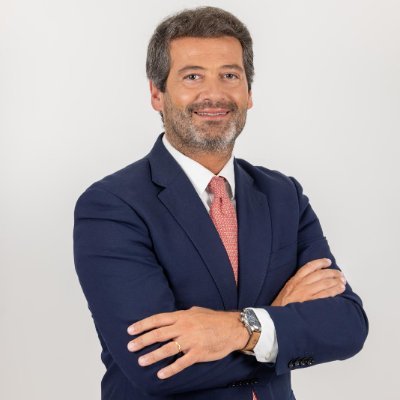
The remaining parties prevented the Portuguese law from considering the Brazilian mafia of the First Command of the Capital (PCC) a terrorist organization, so that we could expel all its members from Portugal or put them in jail. See with your own eyes!!! (translated)

Free Bolsonaro! Free Filipe Martins! Free all the prisoners from January 8. ➡️ Moraes in jail! (translated)

Public Security Series 10/02 - Combatting Narco-terrorism. The reality in Rio and several regions of Brazil is already one of war. Criminal factions control territories, maintain their own economy, "justice," and army. The state has lost its monopoly on force. Treating this as a common crime does not solve it. It is necessary to recognize narco-terrorism as a threat to sovereignty, to regain and maintain territories, to attack the financial chain, and to toughen legislation. Without this change, parallel power remains intact. Rebeca Ramagem 2217 Federal Deputy Rio de Janeiro 🇧🇷 Flávio Bolsonaro 22 President 🇧🇷 (translated)


Don't get discouraged by what Globo and Flávio have done. Use this as motivation. If before you needed to turn 20 votes, now we need to turn 200 votes. Those worms of Lula and Flávio, just like all their pawns, know that we are a threat to them. These jerks need to maintain the status quo. They survive on this and are mediocre people. The majority is winning in this election. Others are just going with the herd, as Brazilians have always done about any issue. They are easily manipulable people, and they know this. They fall for the most childish and absurd narratives, suffering intellectual abuse. It is no different from what Lula does here in the Northeast and the North. Be the annoying ones, open your profiles on social media, at least in this final stage, show your faces and hit the streets. Votes today in Brazil are fragile votes. It is not difficult to convince someone to vote for Renan. Many here, just like me, always try to convince by appealing to proposals (the https://t.co/gIQkYa2Qfx arose from a personal necessity) or showing that their candidates are corrupt and that they did everything for us to be where we are. But we no longer have time for that. Go for the easy votes. Ask them to vote for Renan for you in the first round. If one of these criminals wins, it will be the certainty that Vorcaro will go unpunished and there is even the risk of becoming a celebrity. There will be an additional 4 to 6 STF ministers, even worse than the ones we have today, who will be used for the next 20 years to shield themselves. Flávio will never be investigated, Lula will never return to jail, both due to age and lack of investigations. You are not wasting 4 years, it will be at least another decade. Your child, who is 8 years old today, will already be a teenager, and everything will be even worse. We have never been 3% and they know this. And the ballot box will show this. In this election, we will come out victorious. This is a fact, as the truth will come to light. Everything they used in this election, they will not be able to use in the next one. (translated)


Good morning! We start the day with this news. Jail for Alexandre de Moraes! (translated)


DID NOT STOP THERE! 🚨🇧🇷 Guilherme Bellintani, owner of SAF of Londrina, proposed that Brazilian clubs can have B CLUBS in the national football chain. The idea would be similar to the B teams of Real Madrid, Barcelona, etc. The idea is to give more space to young players and create an intermediate stage between the youth and the professional level. This topic is expected to be discussed at the next meeting of the clubs, along with the possibility of removing the transfer restriction for players with 12 games in the Campeonato Brasileiro. Via @geglobo (translated)

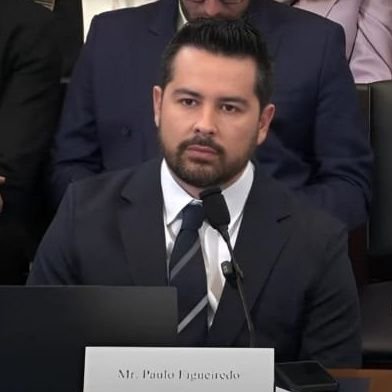
**Urgent: The USA and the Shield of the Americas announce collective sanctions against PCC and CV - and the Lula government is left out** Fifteen governments from the hemisphere launched today, on the sidelines of the UN General Assembly, the first joint action of the Shield of the Americas. The statement addresses 24 organizations as narcoterrorists and announces the intention to apply, each country according to its own laws, asset freezes, visa and immigration restrictions, and criminal liability to anyone who provides material support - including logistical - to these groups. The list includes MS-13, Tren de Aragua, CJNG, Sinaloa cartel, Gulf Cartel, Cartel of the Suns, Clan del Golfo, Barrio 18, ELN, dissidents of the FARC, Shining Path - and the two largest factions in Brazil: First Command of the Capital and the Red Command. The text is signed by the United States, Argentina, Bolivia, Chile, Colombia, Costa Rica, Dominican Republic, Ecuador, El Salvador, Guyana, Honduras, Panama, Paraguay, Peru, and Trinidad and Tobago. Brazil and Mexico are not included. The photo shows the governments aligned with Washington. The Itamaraty did not sign. The Shield of the Americas was not born today. Trump launched the coalition in March, in Miami, as a security alliance against cartels and what the American government calls narcoterrorism. Since then, the group has gained Colombia and Peru. Brazil was left out from the beginning and remains out now, as the initiative leaves the statement phase and moves to the first joint operation. The document mentions three pillars: economic, security, and multilateral coordination. In the economic pillar, countries promise to cooperate, examine investments, protect critical mineral supply chains, and prioritize "reliable suppliers" of digital infrastructure. In security, coordinate sanctions, designations, and financial actions against terrorists and criminals. In multilateral, use international forums to push for collective action against transnational organized crime. The heaviest aspect is institutional. The bloc says it will formally request a meeting with the President of the Permanent Council of the OAS for a consultative meeting to create a Consultation Body based on Articles 6 and 13 of the Rio Treaty - the 1947 inter-American pact under which an attack on one is an attack on all. They want to elevate the issue to a ministerial level and pave the way for a resolution facilitating collective action against these 24 groups. The Brazilian context changes the message. In May and June, the State Department had already designated PCC and CV as foreign terrorist organizations. The Lula government rejected this thesis, treated the factions as organized crime, and classified the measure as unilateral. The Itamaraty even warned that the designation could open the door to extraterritorial measures - financial, migratory, and, at the limit, forceful actions. A few days ago, Washington returned to this issue, stating that the Brazilian government "failed to confront" the two factions and that they had turned Brazil into a hub for the global cocaine flow. Today, this accusation ceases to be just an American position. It becomes the policy of a bloc of 15 countries. The two largest criminal organizations in Brazil enter the first collective list of narcoterrorism in the Americas - and the government that should be at the table is not in the picture. On the eve of the first round on October 4, the largest country in South America is isolated from the continent's main security alliance. The Lula government rejects the narcoterrorism framework. The Shield of the Americas does not. (translated)

COMPREHENSIVE SKILLS KIT OF MITYA IN GENSHIN IMPACT; A DPS and SUBDPS of Star-Conducting behavior that creates and consumes Variable Beacons to deal damage, while simultaneously strengthening reactions and providing buffs to the group. 🟣 Normal Attack — Chain Reaction | Lv. 6 Performs up to three consecutive attacks, dealing Electro Damage. • Charged Attack Consumes a certain amount of Stamina. After a brief casting time, Mitya deals Area Electro Damage to enemies in front of her. • If a Detection Core is active: If an Overload created by Mitya is active and Mitya has at least one Variable Beacon, she performs the special Charged Attack Variable Detonation, which does not consume Stamina. While holding the attack button, Mitya continuously consumes Variable Beacons. Each Variable Beacon consumed deals an instance of Area Electro Damage to enemies in front of her, considered Star-Conducting Reaction Damage. • Immersive Attack Dives from the air towards the ground, dealing damage to enemies along the way and dealing Area Electro Damage upon landing. • Multipliers Damage of the 1st hit: 82.3% Damage of the 2nd hit: 67.6% Damage of the 3rd hit: 96.6% Damage of Charged Attack: 191.6% Stamina Cost of Charged Attack: 50.0 Damage of Immersive Attack: 82.6% Low/High Immersive Damage: 165.2% / 206.3% Damage of Variable Detonation: 214.2% 🟣 Ultimate — Analysis: The Law of Variation | Lv. 6 "Let the elements explode like inspiration itself!" • Deals Area Electro Damage and creates 3 Variable Beacons. "The smallest elemental reaction, after undergoing continuous variation, can unleash unimaginable energy — just like the inspiration of a researcher." • Variable Beacon; While Mitya is in the party, when a Star-Conducting reaction is activated, it will no longer create the original Star Prism. Instead, a Variable Beacon will be created that lasts 6 seconds. Mitya can consume the Variable Beacons to activate various effects. The Variable Beacons follow the current active character and turn the area around them into a Polestar Field. Mitya can hold multiple Variable Beacons, initially up to 4. When the maximum number of held Variable Beacons is reached, creating another Variable Beacon resets the duration of all currently held Variable Beacons. • Multipliers Skill Damage: 467.0% ATK + 934.1% Elemental Proficiency Variable Beacons created: 3 Cooldown: 15.0 s Energy Cost: 60 🟣 Elemental Skill — Regulated Variables: Detection | Lv. 6 Conducts a moderately safe experiment using a theoretically safe amount of reagent, dealing Area Electro Damage and creating different Detection Cores, depending on whether the skill is pressed or held. "Don't worry, these are all safe doses that have been tested repeatedly... Hmm? You say they exploded? Ah, I forgot to mention that these conclusions were obtained under ideal experimental conditions." • Detection Core An energy device created after casting the Elemental Skill. Pressing the Skill creates a Stable Core. Holding the Skill creates an Overloaded Core. • Detection Core: Stable Continuously follows nearby enemies and periodically deals Area Electro Damage. When Mitya reaches her maximum capacity of Variable Beacons, the new Variable Beacons created will be consumed by the device, dealing Area Electro Damage considered Star-Conducting Reaction Damage. When its duration ends, or when a new Detection Core is created, it consumes all currently held Variable Beacons and deals Area Electro Damage considered Star-Conducting Reaction Damage, based on the number consumed. • Detection Core: Overload As long as this device exists and Mitya has at least one Variable Beacon, she can perform the special Charged Attack Variable Detonation, without Stamina cost. • Multipliers Damage when pressing the Skill: 127.0% Damage when holding the Skill: 181.4% Damage of the Stable Core: 100.8% Damage from consuming Variable Beacon of the Stable Core: 134.4% of Elemental Proficiency Detonation Damage of the Stable Core: 161.3% per Variable Beacon Duration of the Detection Core: 20.0 s Cooldown: 15.0 s 🟣 Ascension Talents • Basic Stress Test Enhances the Detection Cores created by the Elemental Skill Regulated Variables: Detection. • If the created Detection Core is: • Stable For each Variable Beacon that Mitya is holding, all nearby party members receive 30 Elemental Proficiency. • Overload When nearby party members activate a Star-Conducting reaction, the number of obtained Variable Beacons is increased. Instead, 1 Variable Beacon is obtained every 1.5 s for 3 s. • Hyper-Volatile Reagent The duration of the Variable Beacons increases to 10 s. Additionally, for 15 s after creating a Variable Beacon, Mitya's CRIT Rate increases by 5%. This effect can stack up to 4 times. 🟣 Passive Talent Star Blessing: Classified Protocol When a character in the party activates a Superconducting reaction, it is converted into a Star-Conducting reaction. When a Star-Conducting reaction is activated, it will no longer create a Star Prism. Instead, within 1.5 s of the reaction being activated, a Variable Beacon that Mitya can hold will be created nearby every 1.5 s. The area around each Variable Beacon is also transformed into a Polestar Field. Furthermore, based on Mitya's Elemental Proficiency, it increases the Base Damage of Star-Conducting reactions caused by all nearby party members. For each point of Elemental Proficiency, the Base Damage of Star-Conducting reactions increases by 0.028%, up to a maximum increase of 14%. While within a Polestar Field, Mitya enters the Radiant Star-Conducting state. • Energetic Catalyst When there are breakable rocks nearby, the Stable Detection Core can quickly destroy them. Additionally, while Mitya is in the party, creating Ice Creation: Simple Heat Source will not consume Koshnik Energy. 🟣 Constellations C1 — Absent Position Observer The maximum number of Variable Beacons that Mitya can hold increases to 5. Using Regulated Variables: Detection also creates 1 additional Variable Beacon. While a Detection Core exists, the CRIT Damage of nearby active characters increases by 50%. Additionally, when a Variable Beacon is created, Mitya recovers 10 Energy. This effect can be activated once every 8 s. C2 — Silence Beyond Inertia While a Detection Core exists: All enemies within a Polestar Field have their Cryo RES and Electro RES reduced by 25%. Additionally, depending on the type of Detection Core created: • Stable Nearby party members receive 100 Elemental Proficiency. • Overload The current active character receives 200 Elemental Proficiency. C4 — Symbiotic Decay Isotope While a Detection Core created by Mitya is on the field: For every 5 Variable Beacons consumed, the Detection Core deals Area Electro Damage to nearby enemies equivalent to 400% of Mitya's Elemental Proficiency, considered Star-Conducting Reaction Damage. C6 — Gate of Elemental Steps When Mitya consumes Variable Beacons through a Detection Core, there is a 30% chance of creating a new Variable Beacon. Additionally, the Damage of Star-Conducting reactions caused by all nearby party members increases by 20%. (translated)

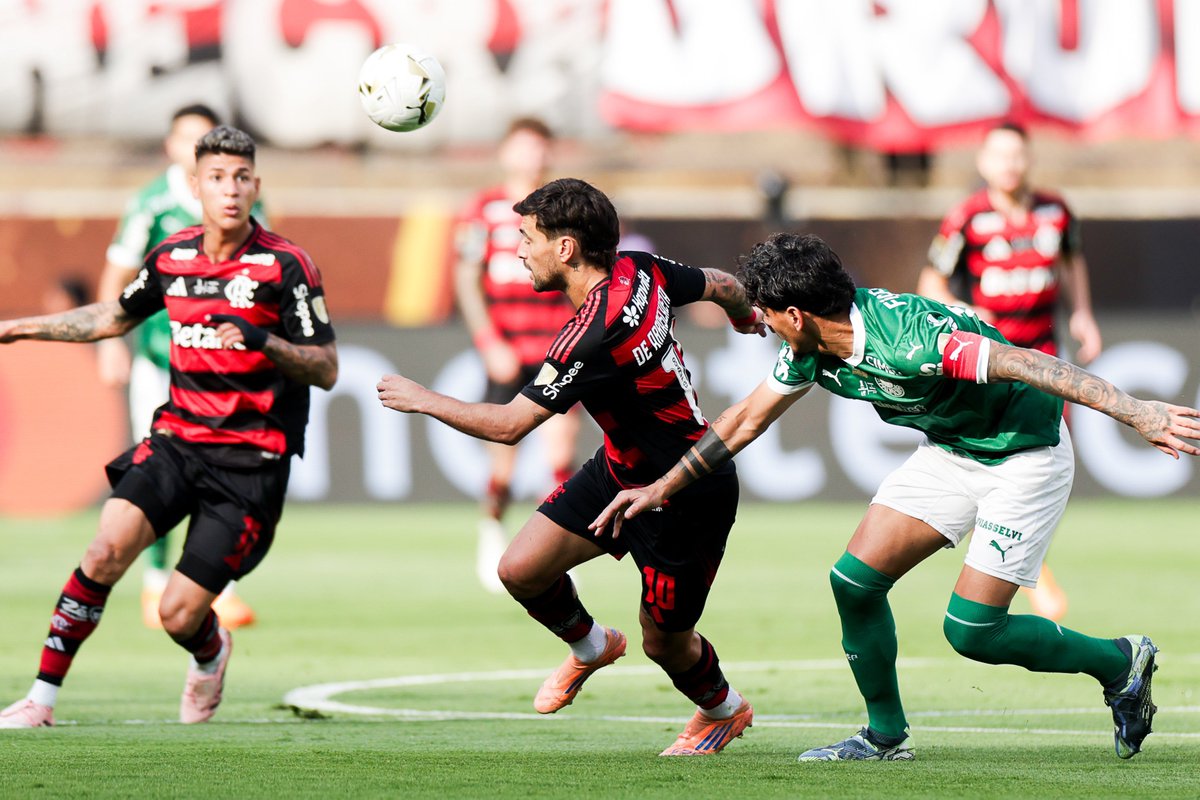
⚠️ Clubs fear inflation and devaluation of a future League with new measures in Brazilian football. Although the majority approve the reduction of foreigners, some Serie A clubs have raised objections. Flamengo and Bahia, who voted against, believe that the measure could raise the cost of Brazilian players and complicate signings in the mid-year transfer window. Therefore, they tried to eliminate the limit on games for negotiations between Brazilian clubs, but the discussion has been postponed. The CBF argues that the reduction will create opportunities for local talent and boost the Brazilian football ecosystem. The change will be gradual until 2030, when the organization intends to renegotiate the clubs' rights in a future League it aims to organize. However, the clubs assess that the product will become devalued. Even Palmeiras, which voted in favor and has a strong grassroots program, raised concerns. There are leaders who argue that the CBF should prioritize, for example, the training of coaches. The Football Athletes Union of the State of Rio de Janeiro (SAFERJ) wants to broaden the measure to prohibit foreigners also in the youth categories and in Series C and D. Among businesspeople, there were even more reservations. One opposing argument cites Spain, the current World Cup champion, which allows a maximum of 3 non-EU players registered but does not limit players from other European Union countries. 🗞️ @OGlobo_Esportes | @diogodantas 📸 Adriano Fontes/CRF (translated)

The television networks CBS, NBC, ABC, and Fox decided to suspend coverage of President Donald Trump's activities in solidarity with CNN, which was denied access to the White House, raising concerns about press freedom and the public's right to independent information. (translated)

Artigo publicado no Financial Times deste domingo, assinado pelo presidente Lula 🇧🇷, pelo presidente do Conselho Europeu, António Costa 🇪🇺, pelo primeiro-ministro do Canadá, Mark Carney 🇨🇦, e pelo presidente do Quênia, William Ruto 🇰🇪. 📰 O Multilateralismo não é idealismo, é uma necessidade À medida que os líderes mundiais seguem para a Assembleia Geral das Nações Unidas, em Nova York, nesta semana, nos deparamos com um paradoxo. A comunidade internacional está mais interdependente do que nunca, ao mesmo tempo em que se torna cada vez mais fragmentada e polarizada. Nossas economias estão profundamente interligadas. A tecnologia conecta bilhões de pessoas para além das fronteiras nacionais, enquanto capital, bens, dados e ideias circulam em velocidades que seriam inimagináveis quando as Nações Unidas foram fundadas, em 1945. O comércio global atingiu o recorde de US$ 35 trilhões no ano passado, e seis bilhões de pessoas – quase três quartos da humanidade – estão conectadas à internet. No entanto, a geopolítica caminha na direção oposta. Em 2025, foram registrados 65 conflitos armados envolvendo Estados, o maior número desde 1946, enquanto os gastos militares globais atingiram o recorde de US$ 2,9 trilhões. O direito internacional está sob pressão. A linguagem das esferas de influência e da política de poder está de volta. As relações econômicas são cada vez mais utilizadas como instrumentos de pressão e coerção, enquanto a desigualdade aumenta, tanto dentro dos países quanto entre eles. Alguns podem concluir, portanto, que o sistema multilateral fracassou. Em parte, essa crítica é compreensível. Um sistema multilateral que não reflita as realidades de hoje não resistirá ao tempo. Mas a necessidade de cooperação multilateral segue plenamente viva. O mundo do pós-guerra há muito ficou para trás, mas a lógica fundamental que justificou a cooperação multilateral é mais evidente do que nunca. A emergência climática está superando até mesmo as previsões mais alarmantes. A inteligência artificial avança mais rapidamente do que nossa capacidade de controlá-la. Pandemias podem se espalhar por continentes em questão de semanas, e choques financeiros podem abalar os mercados em poucas horas. Conflitos armados podem desestabilizar regiões inteiras e obrigar milhões de pessoas a fugir de suas casas. Pontos de estrangulamento das rotas marítimas globais, como o Estreito de Ormuz, quando afetados por conflitos, podem paralisar cadeias de abastecimento em todo o mundo. Nenhum país, por mais poderoso que seja, pode enfrentar esses desafios sozinho. A cooperação não é um ato de idealismo; é uma necessidade prática. A questão não é saber se o multilateralismo pode sobreviver, mas como ele deve evoluir para responder às realidades do nosso tempo. É nesse contexto que nos unimos em torno de uma nova iniciativa: “Parceiros pelo Multilateralismo” (P4M, na sigla em inglês). A P4M não pretende criar mais um bloco exclusivo nem outra burocracia internacional. Seu propósito é justamente o oposto: oferecer uma estrutura flexível e aberta a países de diferentes regiões e tradições políticas que estejam dispostos a atuar para além de suas diferenças, formar coalizões em favor de reformas e transformar princípios compartilhados em ações concretas. A P4M apoiará a reforma das Nações Unidas e de outras instituições multilaterais, para torná-las mais representativas, legítimas, eficazes e confiáveis. A iniciativa tem como objetivo fortalecer a cooperação entre organizações regionais, contribuir para a paz e a segurança, aprimorar a governança econômica global e desenvolver abordagens comuns para desafios contemporâneos, da inteligência artificial e das mudanças do clima à segurança sanitária e à transformação digital. A P4M buscará renovar e fortalecer o sistema multilateral, e não o substituir, além de construir pontes e aproximar países que podem discordar em muitas questões, mas que compartilham o compromisso com os princípios básicos consagrados na Carta da ONU. São princípios inegociáveis, como a igualdade soberana, a integridade territorial, a solução pacífica de controvérsias, a proibição da ameaça ou do uso da força, o direito internacional humanitário, o desenvolvimento sustentável, os direitos humanos e as liberdades fundamentais. O secretário-geral da ONU, António Guterres, afirmou recentemente que "as superpotências estão descobrindo seus limites". Acreditamos que a comunidade internacional precisa redescobrir o extraordinário potencial da ação coletiva. A competição não precisa se transformar em confronto se criarmos canais de diálogo e cooperação. A soberania é fortalecida, e não diminuída, quando os países trabalham juntos para enfrentar desafios comuns. A promoção dos interesses nacionais muitas vezes passa pela ação coletiva diante de desafios compartilhados. A verdadeira escolha não é entre preservar a ordem internacional estabelecida após a Segunda Guerra Mundial ou abandoná-la. É entre renovar a cooperação multilateral em um mundo em transformação ou permitir que a fragmentação, a polarização e a política de poder definam a próxima era. Diante de uma ordem mundial que se transforma rapidamente, conclamamos líderes de todo o mundo a se juntarem a nós na iniciativa P4M, optando pela cooperação em vez da fragmentação, pelo direito em vez do poder e pela responsabilidade compartilhada em vez da divisão. 🔗: https://t.co/EF1VXhg1kh #Multilateralismo #CooperaçãoGlobal #DesafiosContemporâneos






