A study published in Science Advances reveals that children aged 0 to 9 years are more vulnerable to heat stress compared to the elderly, with projections indicating an exponential increase in this exposure due to future climate change, especially in the regions of South Asia, Southeast Asia, and West Africa. (translated)

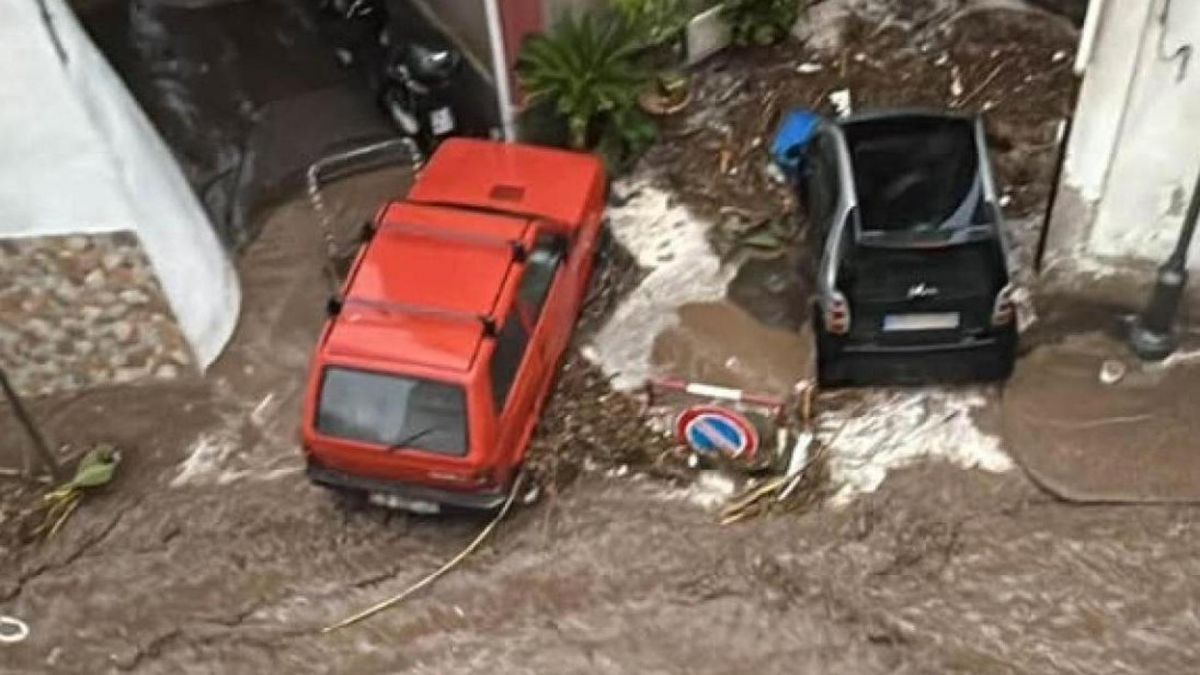
In Nepal, over 1300 people are reported missing due to a devastating flood at the border with Tibet, with at least 165 confirmed deaths and difficulties in rescue operations due to mud and debris, while the Dalai Lama emphasizes that the event is a sign of deeper issues related to climate change. (translated)

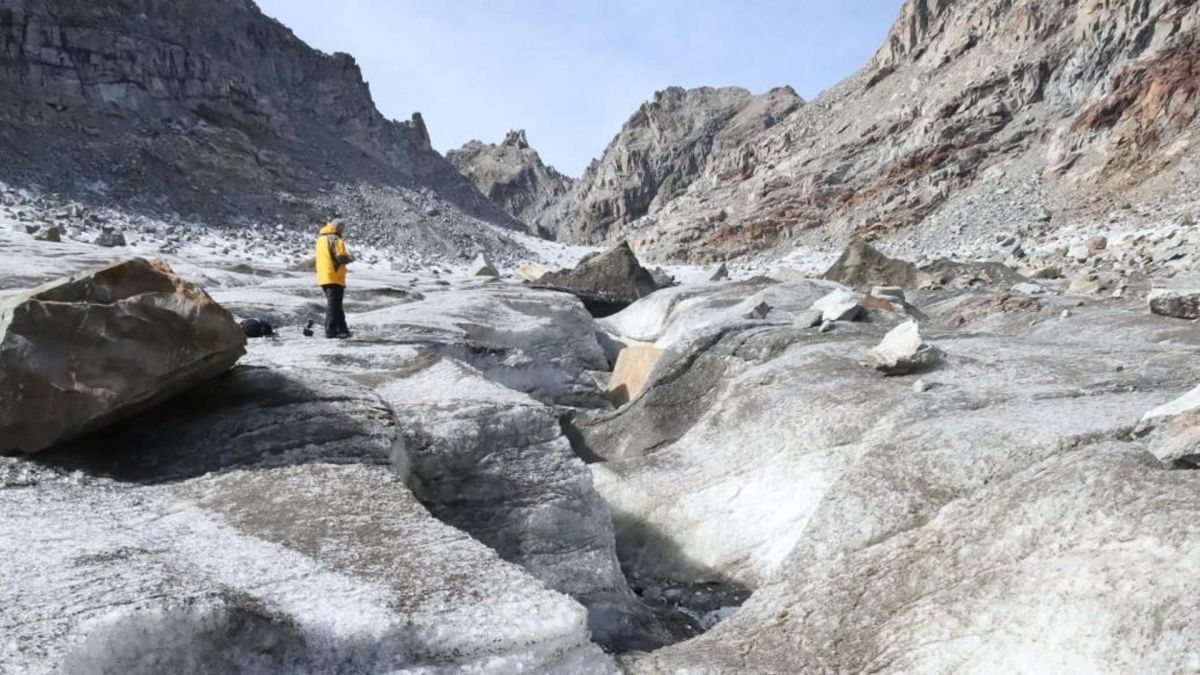
The flash flood that hit the border between Tibet and Nepal on August 26, 2026, was caused by the detachment of a mass of ice and rocks, by an earthquake of magnitude 4.4, and by the consequent breaking of a natural dam, with a tragic toll of at least 95 dead and hundreds missing, while the contribution of global warming to the event remains to be clarified. (translated)

An avalanche of ice and rocks has caused flooding in the Rasuwa district of Nepal, resulting in at least 8 deaths and leaving 384 tourists missing, while local authorities request assistance for rescue operations from India and China. (translated)

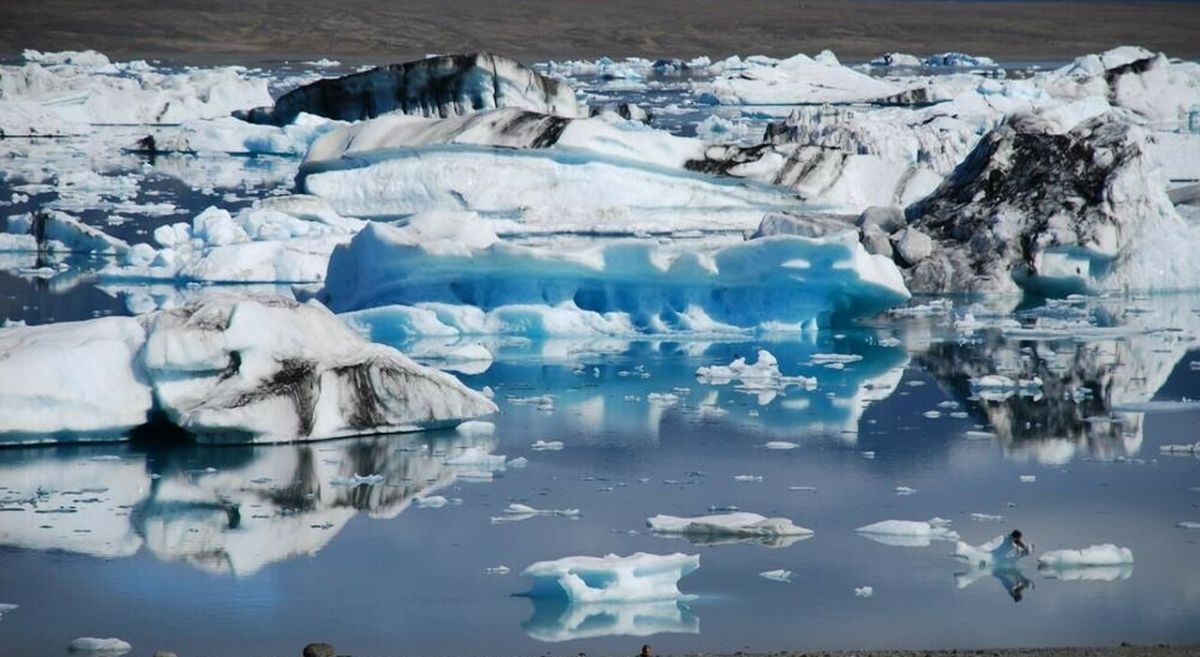
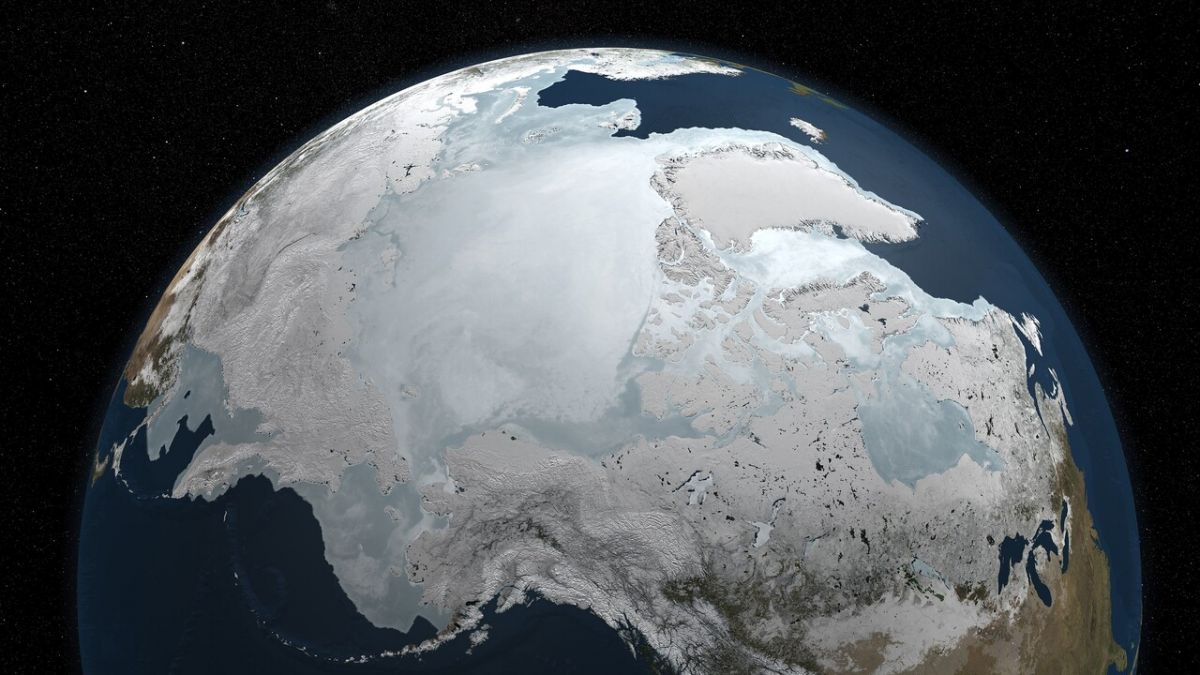
A huge portion of ice the size of Pantelleria has detached from the Petermann Glacier in Greenland, marking the most significant loss since 2012 and raising concerns about a possible increase in the transfer of ice to the ocean in the future. (translated)

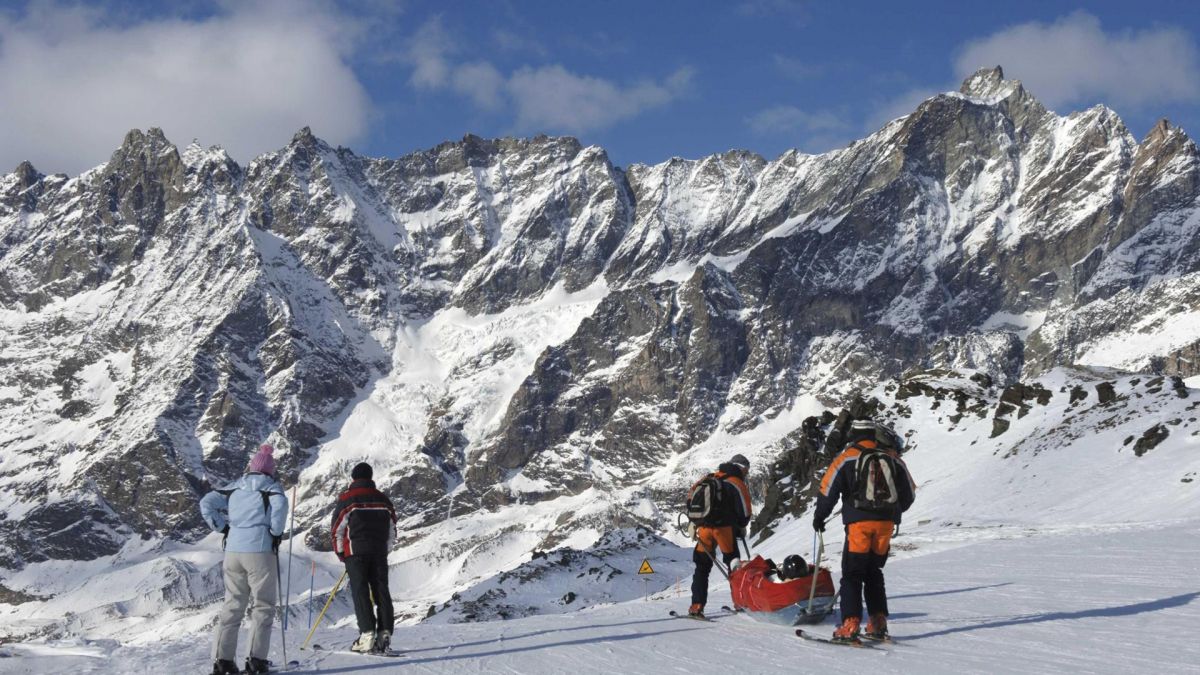
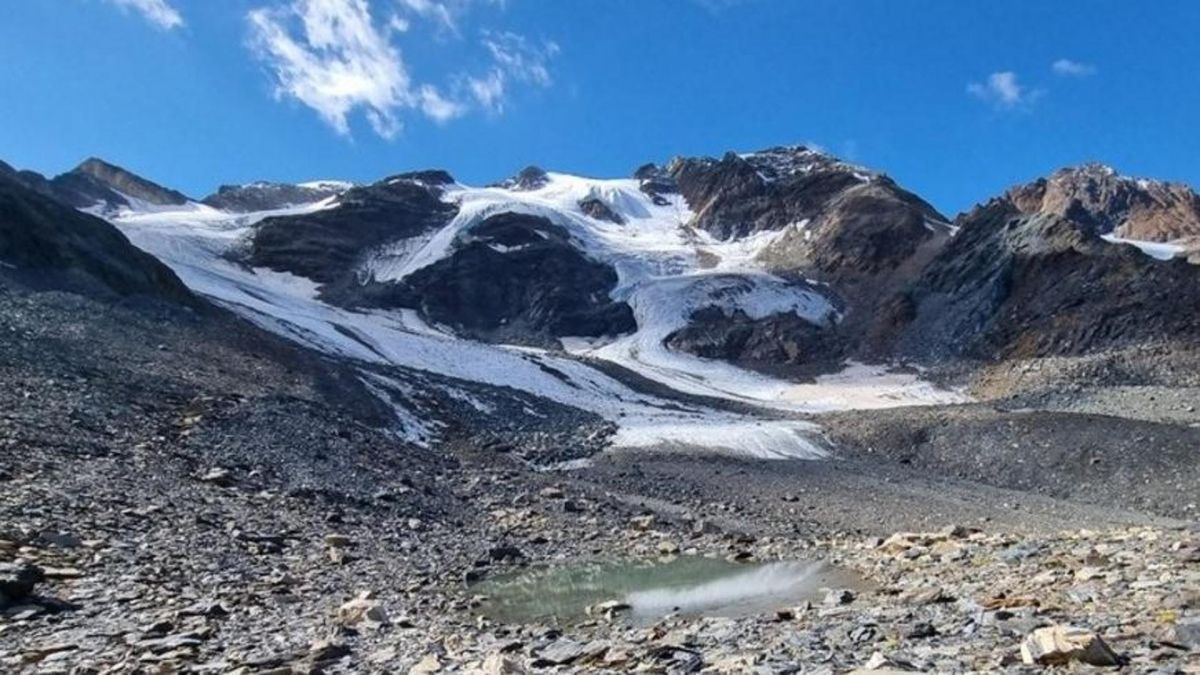
By 2100, with the current trend of global warming, it is expected that the Alps could lose up to 65% of their glacial volume, transforming the landscape and causing a serious impact on water availability and the safety of mountain infrastructure. (translated)

C’è chi chiacchiera e basta e chi combatte il cambiamento climatico a mani nude. #buongiornissimoeroesenzamantello https://t.co/lNVd9Zj3ep #CambiamentoClimatico #Attivismo #Sostenibilità
Italy must face a growing water crisis caused by factors such as drought and climate change, and it requires central and strategic governance to reduce water losses and manage water, energy, and agricultural resources in an integrated manner, suggesting the creation of a national steering committee for effective and sustainable water management. (translated)

Indovinate quanti hanno letto l’articolo, lo hanno capito, e quanti sono già partiti con “gne gne avevamo ragione tutta colpa delle scie chimiche”? L’analfabetismo ci ammazzerà prima del cambiamento climatico, temo. 😐 #Analfabetismo #ScieChimiche #CambiamentoClimatico
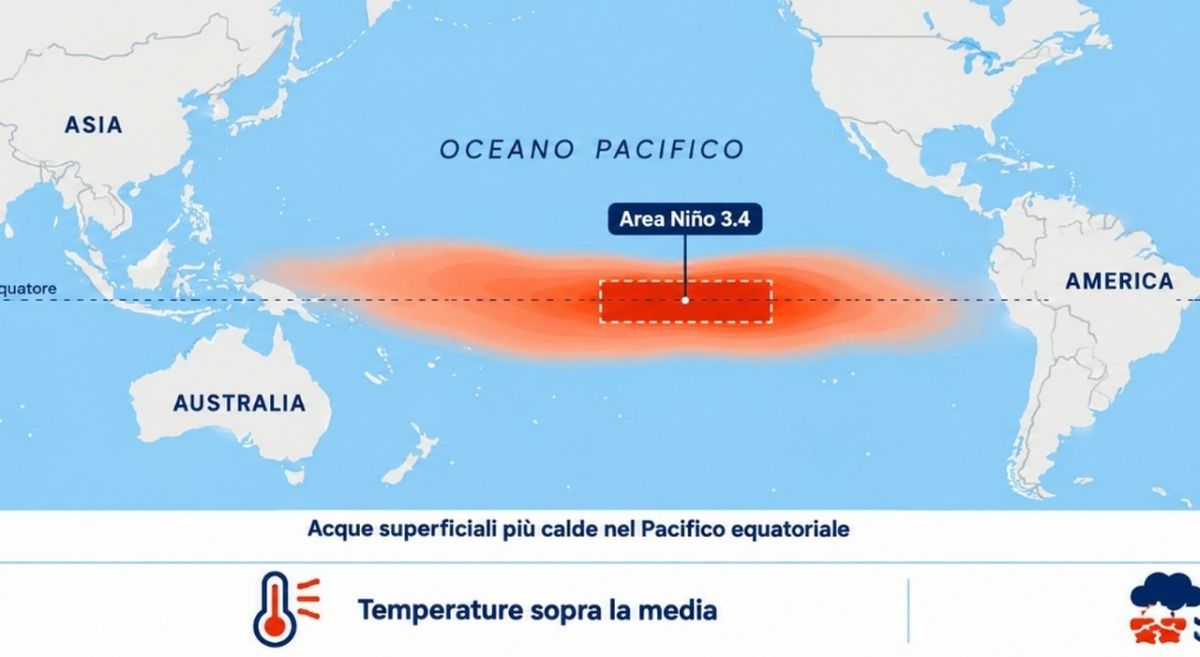
The arrival of a super El Niño, predicted to be the strongest in the last 70 years, threatens to dramatically increase food insecurity for 50 million people, with significant impacts in the regions of Central and South America, the Caribbean, and Southern Africa, exacerbated by the climate crisis and pressures on food prices. (translated)

The president of the Interprovincial Order of Agronomists and Forestry Doctors of Piedmont, Giorgio Uliana, emphasizes the importance of cleaning forests and creating firebreaks as essential strategies to prevent increasingly frequent wildfires in the context of climate change, after over 2,500 hectares of forest burned in Piedmont this summer. (translated)

Ridurre le emissioni di gas serra non serve ad "abbassare le temperature" ma ad evitare ulteriori danni enormi e già ben previsti. Come spegnere un incendio non restituisce gli edifici ma salva il resto della città. Incredibile e deprimente che qualcuno non lo abbia ancora capito https://t.co/onOleHvwZm #emissioni #cambiamentoclimatico #sostenibilità
The article analyzes the contrast between the skeptical approach to the issue of climate change, represented by Antonio Scurati and his critique of summer celebrations, and the indifferent, frivolous view of the "destra frescona," which ignores the seriousness of the current situation, while contemplating how to face inevitable disasters with various attitudinal approaches to the surrounding world. (translated)

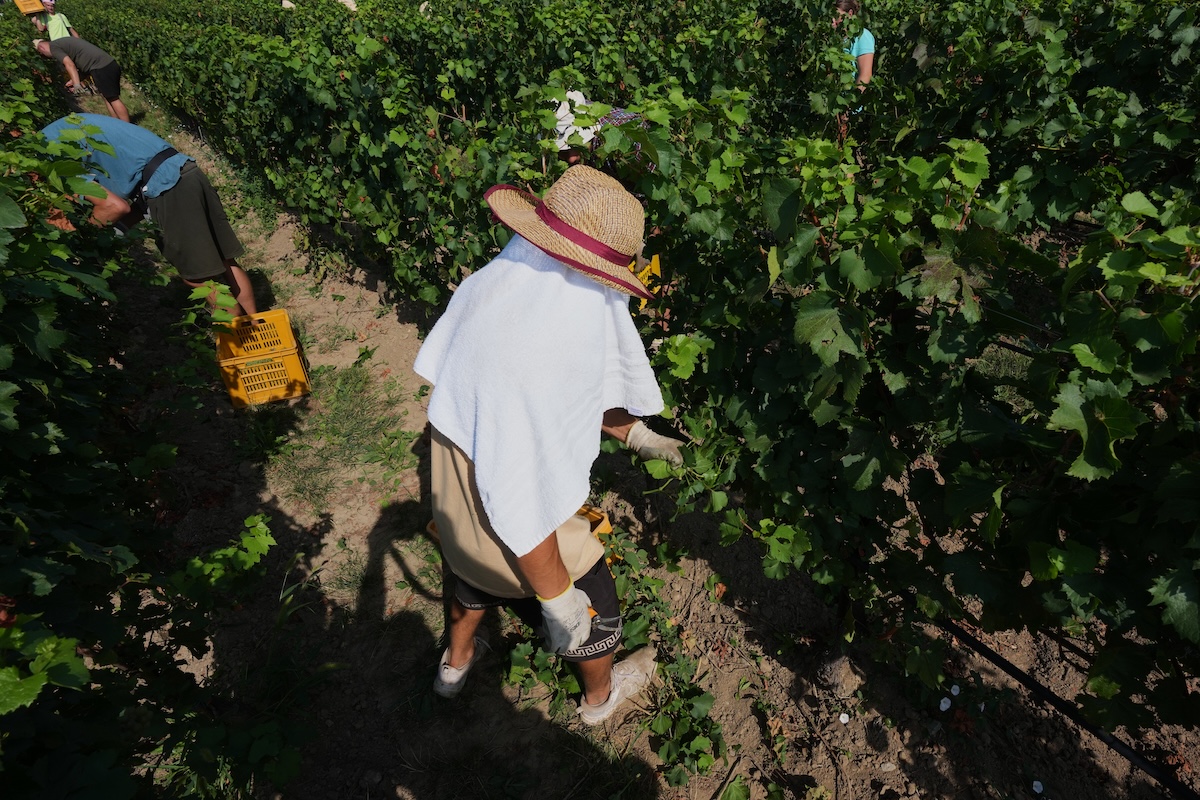
A recent study by Triodos Bank estimates that extreme heat costs Europe about 180 billion euros, with Italy among the most affected countries, suffering damages of approximately 22 billion, equivalent to almost a financial maneuver, while labor productivity and agriculture are severely impacted. (translated)

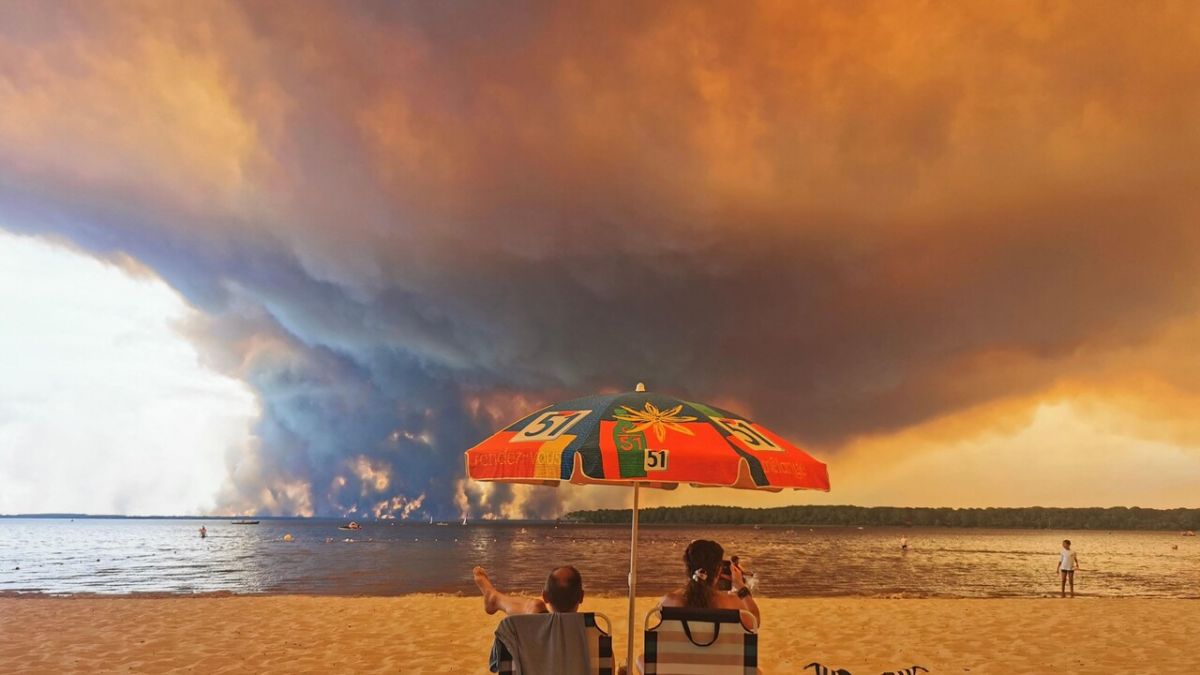
Since the beginning of the year, seventy thousand hectares of forests have gone up in smoke in Italy, an increase of 133% compared to the average of the last twenty years, due to heat waves and increasingly severe fires, with over three hundred uncontrolled blazes and a third of the burned area located in protected zones, as highlighted by the Wwf report, which emphasizes the impact of climate change on these emergencies. (translated)

Il caldo resta un pericolo, ma una società che si adatta può salvare vite. I dati ufficiali del SiSMG, il Sistema di Sorveglianza della Mortalità Giornaliera, ci consegnano un messaggio che merita di essere letto con attenzione, nonostante un’estate molto pesante, lunga e spesso opprimente, non emerge finora un eccesso marcato e generalizzato di mortalità rispetto all’atteso. Com'è possibile? Negli ultimi anni è cresciuta la consapevolezza, si presta più attenzione agli orari, all’idratazione, agli anziani soli, alle persone fragili, alle allerte ed è proprio qui che l’adattamento climatico smette di essere una formula astratta e diventa prevenzione concreta. Questo non significa che il caldo sia innocuo, sarebbe una conclusione sbagliata e perfino pericolosa ma significa invece che una società può imparare a difendersi. L’adattamento però non può essere lasciato solo alla buona volontà dei singoli, perché il caldo non colpisce tutti allo stesso modo, colpisce prima chi è malato, chi è anziano, chi non può permettersi un climatizzatore efficiente, chi attraversa quartieri senza ombra e senza alberi. Per questo il raffrescamento domestico e il verde urbano devono entrare stabilmente nelle politiche pubbliche come strumenti di prevenzione sanitaria perchè segnano il confine tra una città che protegge e una città che abbandona. La mitigazione resta indispensabile con la riduzione delle emissioni ma nel frattempo il caldo è già qui, nelle case, nelle strade, negli ospedali, nelle RSA e adattarsi non significa minimizzare il problema. Sì, qualcuno è riuscito perfino ad accusarmi di "negazionismo" perché parlo di adattamento climatico. Curioso, perché chiedere città più fresche, case più sicure e persone fragili meglio protette mi sembra esattamente l’opposto del negare il problema. Bisogna guardare in faccia la questione e decidere che il caldo non può essere affrontato ogni anno con comunicati, raccomandazioni e dita incrociate. #CambiamentoClimatico #SalutePubblica #Adattamento
The water crisis in Italy, particularly in the Po River basin, worsened in 2026, with satellite images highlighting the retreat of water in the pre-Alpine lakes and the expansion of dry areas, leading to extreme drought conditions and serious consequences for agriculture, especially for rice cultivation in the region. (translated)

Perché perdiamo 3°C in quota ma al suolo sembra non cambiare nulla? In queste ore abbiamo iniziato a perdere qualcosa a 850 hPa, cioè intorno ai 1500 metri di quota. Parliamo di un calo di circa 2-3°C, localmente anche qualcosa in più. E allora la domanda è legittima: perché al suolo il cambiamento si sente ancora poco? Il motivo principale è proprio l’inerzia della massa d’aria calda accumulata. Dopo settimane sotto anticiclone subtropicale continentale, il caldo non è più solo nella massa d’aria in quota, è entrato nei suoli, nelle città, nell’asfalto, nel cemento, nei muri, nei bassi strati e nel mare, che resta molto caldo e continua a restituire energia e umidità. Quindi sì, in quota qualcosa comincia a muoversi m vicino al suolo c’è ancora un grande serbatoio caldo da smaltire. In più, se l’anticiclone resta presente, anche se un po’ meno forte, continua a limitare il ricambio d’aria. La ventilazione può essere debole, la subsidenza può comprimere e riscaldare gli strati inferiori, l’umidità può restare elevata e il punto di rugiada continuare a rendere l’aria pesante. Non siamo ancora fuori dalla fase calda ma il primo passo c’è, il caldo sta iniziando a indebolirsi in quota e per sentirlo davvero al suolo servirà ancora un pò di tempo. #Meteo #Clima #CambiamentoClimatico