"And I want to remind you that all European factories that produce weapons for Ukraine are our military targets." https://t.co/JPN6FJNWKf #Ucraina #Armi #Militari (translated)

"And I want to remind you that all European factories that produce weapons for Ukraine are our military targets." https://t.co/JPN6FJNWKf #Ucraina #Armi #Militari (translated)

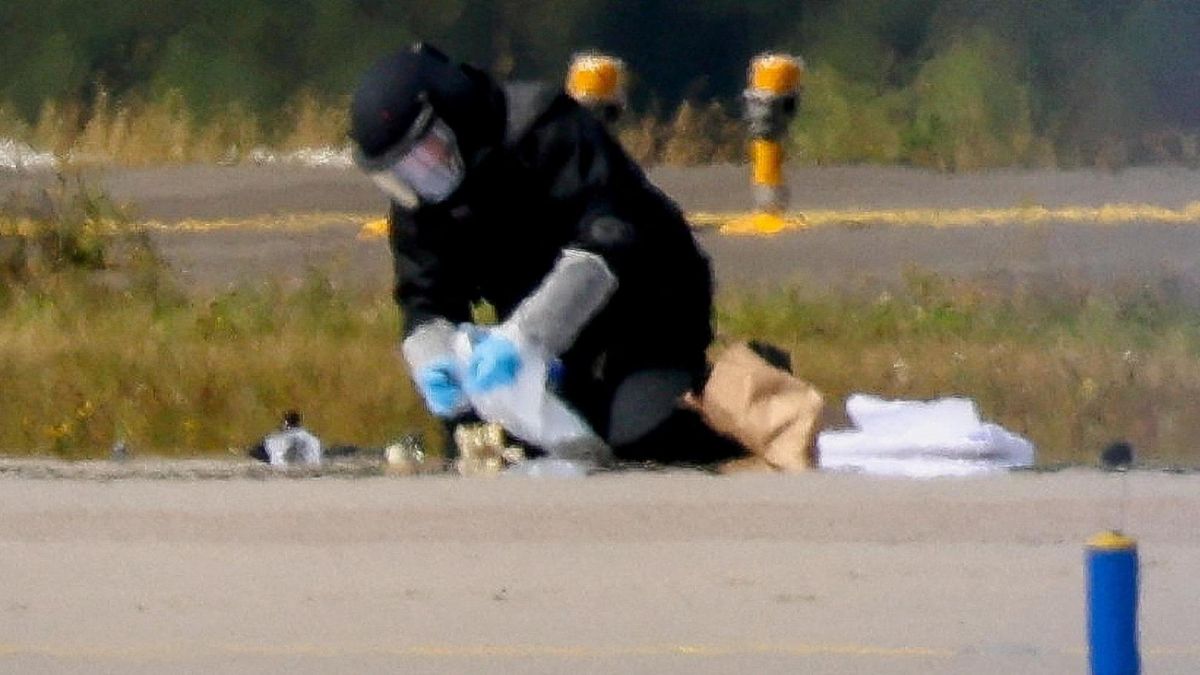
Dispositivi incendiari sono stati lanciati da un'auto in un cantiere fuori dalla sede di Monaco della società di difesa Rohde & Schwarz durante la notte. Due cittadini bulgari arrestati nelle vicinanze. Sul silenzio circa Colleferro iniziamo ad avere dubbi o no? #Monaco #RohdeSchwarz #Incendiari #DE #BG
La crescente serie di esplosioni in Europa, dopo eventi in Polonia, Tallin e Bulgaria, ha alimentato timori di attacchi ibridi legati ai sabotatori di Putin, con menzione anche a Colleferro. #EsplosioniEuropee #Sabotaggi #AttacchiIbridi

PUTIN FA COSE Di Marco Travaglio A leggere i media che la sanno lunga, nei tre mesi estivi Putin è riuscito in una serie di misfatti che uno normale faticherebbe a perpetrare in 30 anni (anche perché intanto devasta l’Ucraina e avanza in quel che resta del Donbass). L’ultima è stata truccare il referendum islandese sull’Ue (Riotta su Rep: “Spot e notizie false sui social: l’ombra lunga del Cremlino sul trionfo dei No”). Ma questo è niente. Ha spedito droni in tutto il Nord Europa, camuffandoli così bene che non s’è trovata mezza prova, ma si sa che erano russi, specie quelli ucraini. Ha piazzato un drone esplosivo che però non è esploso all’aeroporto di Lipsia e Merz dice che è suo, anche se pure oggi le prove le porta domani (invece per i gasdotti fatti esplodere per davvero dagli ucraini, Kiev va premiata con più soldi e più armi). E chi ha lasciato lì “un deposito d’armi in un bosco vicino Berlino”? “Sospetti sugli 007 di Mosca” (Rep). Ha incendiato “fabbriche d’armi tra Estonia, Bulgaria e Italia”, a Colleferro, dove Crosetto esclude i russi, ma Iacoboni li sgama: “Il Cremlino assolda gang locali per non lasciare impronte” (Stampa). E ha pure scatenato la “disinformazione per influenzare le elezioni in Sassonia-Anhalt con l’Operazione Matrioska” e screditare “Glucksmann, candidato in Francia” (Foglio), che crolla nei sondaggi non perché è una pippa al sugo detestata dai francesi, ma perché non piace a Putin. Ha infiltrato in Slovenia una tal “Viktorija Krivolucka, nata in Russia e amica della presidente Musar”. Ha fatto una capatina a Vagli di Sotto (Garfagnana, 843 abitanti) per apporre una “targa in memoria di Daria Dugina”, simpaticamente assassinata a Mosca dagli ucraini, fra le proteste di Filippo Sensi per lo “scempio” (non l’omicidio: la targa). Ora prepara “attacchi ibridi” su “Isole Svalbard, Isole Aland, Estonia, Gotland e Corridoio di Suwalki” (Corriere), l’invasione dei “Paesi Baltici, la preda più facile per lo Zar”, della Norvegia “cruciale per Putin” (Domani) e della Gran Bretagna (“Londra si prepara a un attacco russo: ‘Lo faranno, è inevitabile’. Scorte d’acqua e cibo in scatola, in arrivo nuovo ‘manuale’, Corriere). Lì, per portarsi avanti, ha già “rubato i dati di 9 milioni di passeggeri” (Rep). Nei ritagli di tempo, “arruola spie-escort da Hollywood alla rete di Epstein” (Iacoboni), senza dimenticare “le falle del sistema Infantino e la rete dai sauditi a Putin per impadronirsi del calcio” (Rep) dopo aver fallito d’un soffio l’operazione Pirlo. Last but not least, ha riempito Ceuta di marocchini coi “canali russi e la macchina delle fake” (Foglio), ma senza avvisare Calenda, che accusa Meloni di “perder tempo su cinque migranti invece di capire cosa fare se Putin attacca l’Europa”. A proposito: ma non era moribondo? #Putin #Ucraina #Disinformazione


W Colleferro pod Rzymem została zamordowana 50-letnia Polka, Joanna R., która została śmiertelnie ugodzona nożem w swoim domu, a jej 69-letni mąż, obywatel Tunezji, przyznał się do popełnienia zbrodni. #zabójstwo #Polka #Colleferro
50-letnia Polka zginęła we własnym mieszkaniu we włoskim Colleferro. Podejrzanym o zabójstwo jest jej 69-letni mąż Tunezyjczyk. #Colleferro #zabójstwo #Polka #PL #IT #TN

Mohamed Habib Rouissi, un uomo di 69 anni, ha confessato di aver ucciso la moglie Joanna Roussi a Colleferro, colpendola quattro volte alla gola davanti al loro figlio di nove anni, in un tragico femminicidio che ha scosso la comunità, mentre il sindaco ha riconosciuto che ci sarebbero stati segnali di violenza precedenti che non erano stati adeguatamente considerati. #Femminicidio #ViolenzaSulleDonne #Colleferro
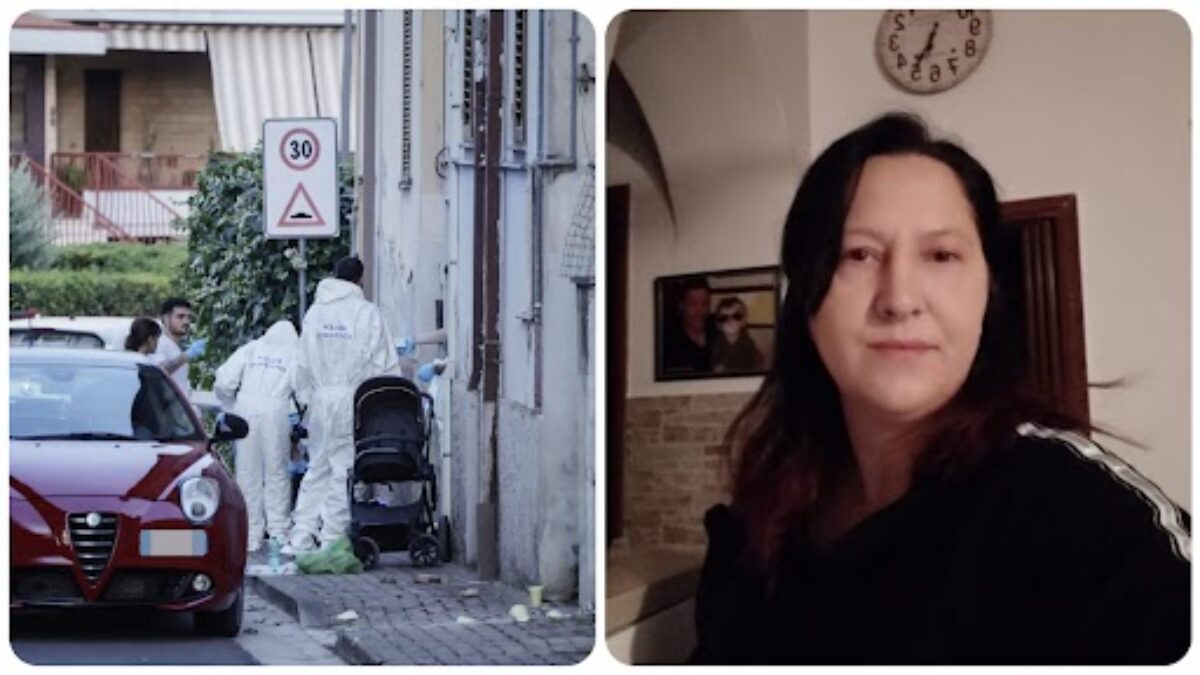
A Colleferro, vicino Roma, una donna polacca di 50 anni è stata accoltellata dal marito di 69 anni, di origini tunisine, davanti al loro figlio più piccolo, con l'uomo che ha successivamente confessato il femminicidio. #Femminicidio #Colleferro #Giustizia
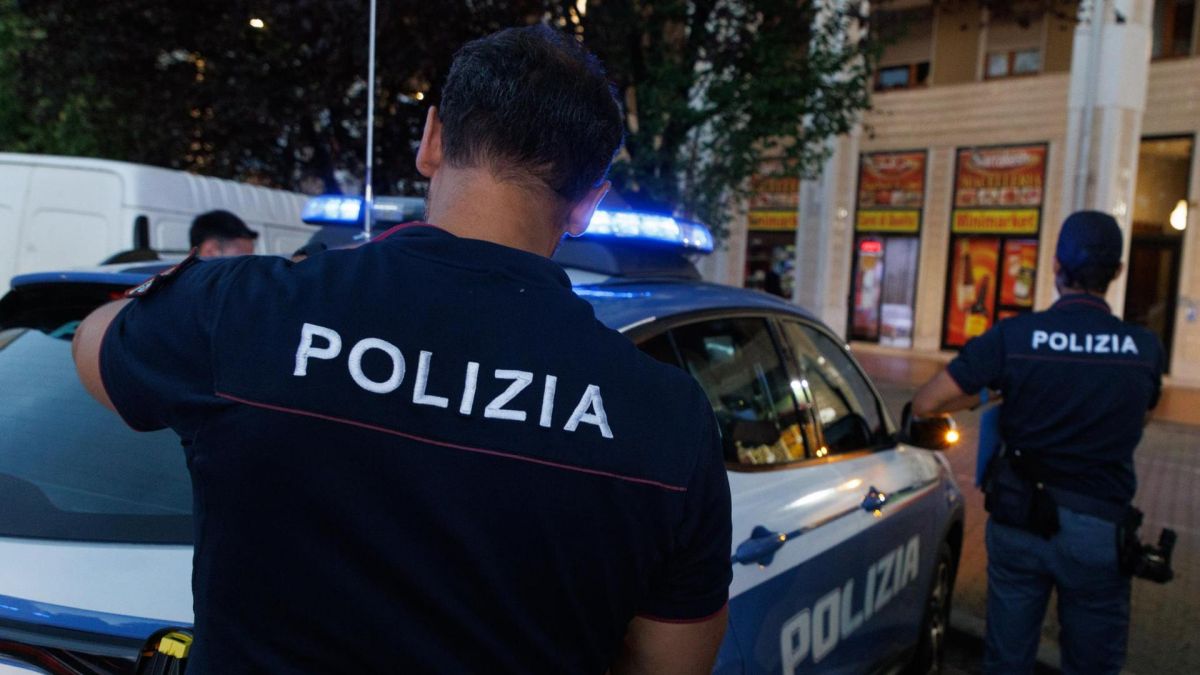

Una donna è stata uccisa a coltellate a Colleferro, vicino Roma, e il marito è stato arrestato con l'accusa di femminicidio, dopo che la figlia ha allertato i soccorsi al rientro a casa. #femminicidio #Colleferro #violenzasulledonne
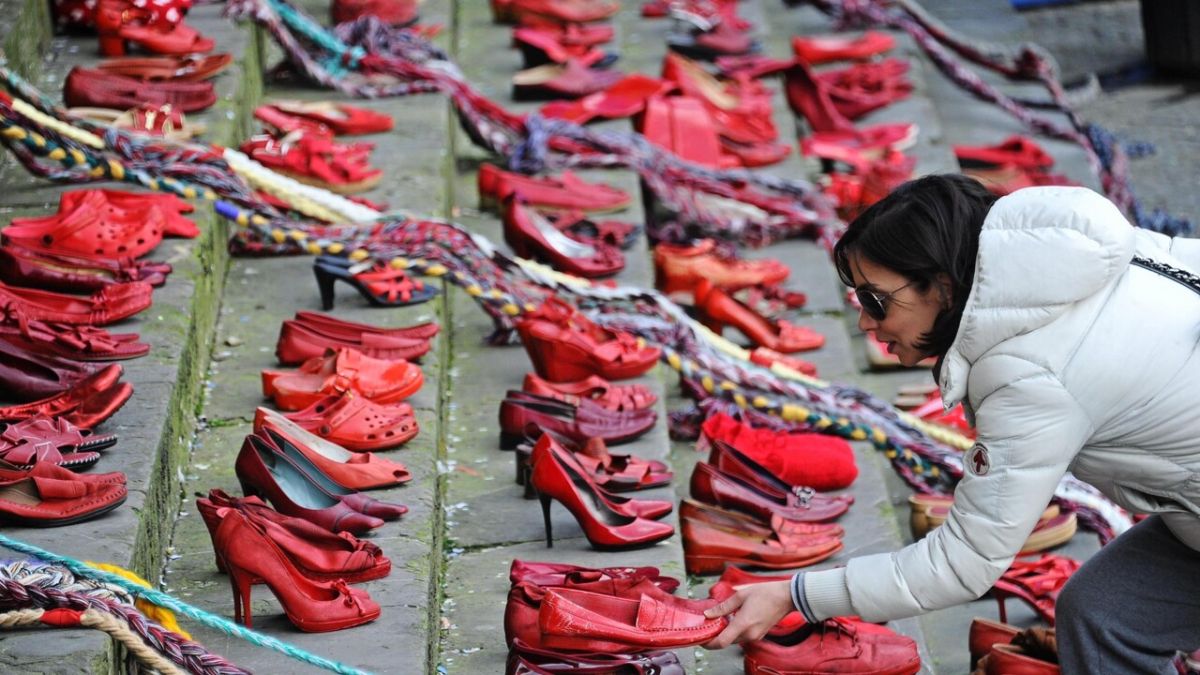

Un uomo di 69 anni, di origini tunisine, è stato arrestato a Colleferro dopo aver accoltellato a morte la propria compagna polacca di 50 anni davanti a uno dei loro cinque figli. #Omicidio #Colleferro #ViolenzaDomestica

Una donna di 50 anni è stata uccisa a coltellate nella sua abitazione a Colleferro, con il convivente di 69 anni che è stato fermato dalla polizia dopo l'allerta lanciato dalla figlia della vittima. #Femminicidi #ViolenzaSulleDonne #Colleferro
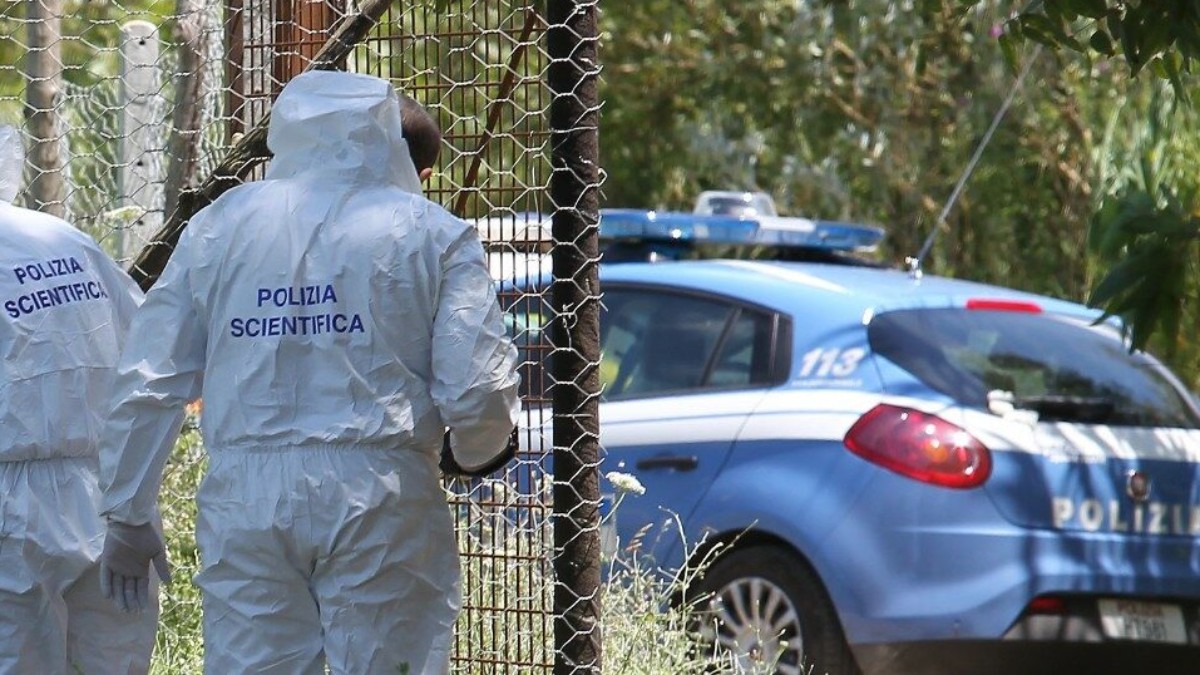
Una donna è stata uccisa a coltellate a Colleferro, vicino Roma, e la polizia ha fermato un sospettato, probabilmente il suo compagno, dopo che la figlia ha avvisato le autorità. #Colleferro #omicidio #violenzadonnale


Le prime pagine di oggi si concentrano sulle tensioni della politica estera americana in Medio Oriente, con particolare attenzione alle minacce di Donald Trump all'Oman e ai suoi tentativi di risolvere la crisi a Gaza, mentre continuano le indagini su Valter Lavitola e su altri eventi locali, come il furto dei quadri di Antonello da Messina e l'esplosione in una fabbrica di munizioni a Colleferro. #politicaesterna #DonaldTrump #ValterLavitola

La procura di Velletri sta indagando per disastro colposo sull'esplosione avvenuta nella fabbrica di munizioni KNDS Ammo Italy a Colleferro, senza vittime, mentre si esplorano possibili collegamenti con un'altra esplosione in Bulgaria e si indaga su eventuali cause dolose. #Colleferro #esplosione #disastrocolposo
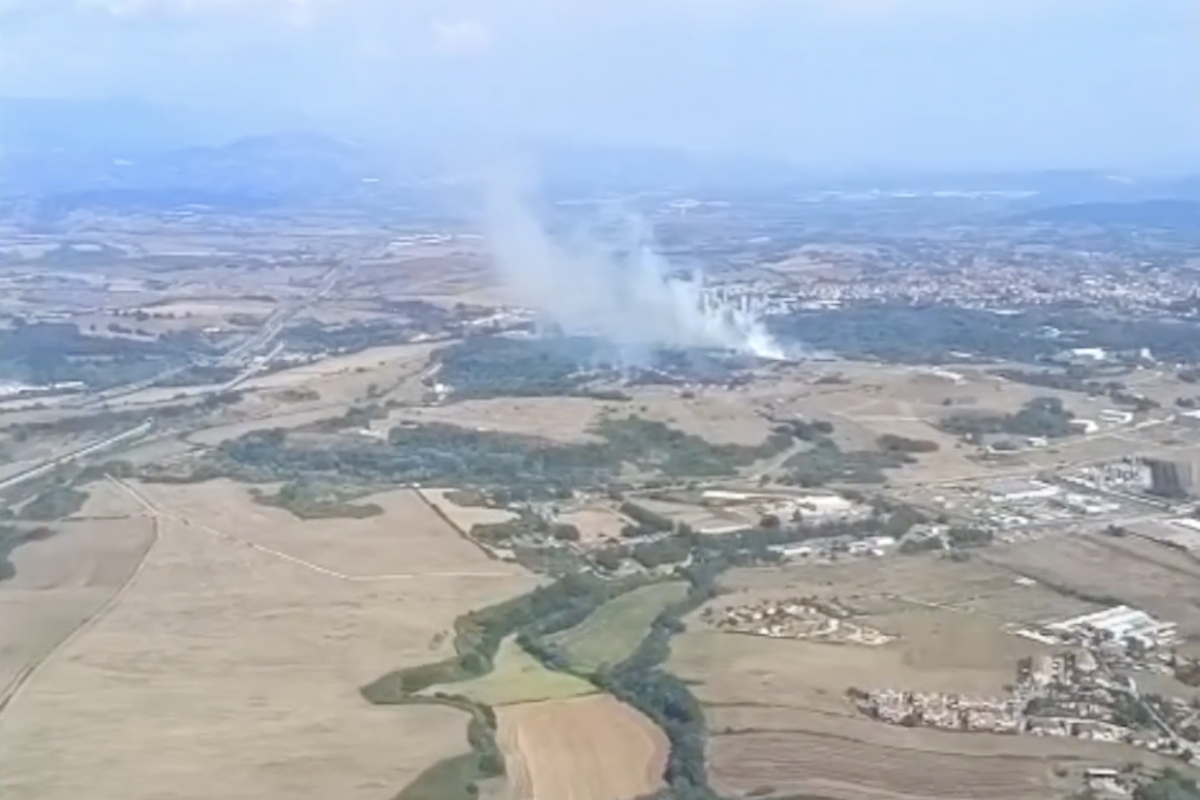

Une explosion a ravagé une usine de munitions à Colleferro, près de Rome, le 13 août, sans faire de victimes, et une enquête est en cours pour déterminer les circonstances de l'incident, a déclaré le propriétaire, le groupe de défense allemand KNDS. #Italie #Explosion #Munitions
Rotterdam. Colleferro. Bulgarien. Innerhalb weniger Stunden und Tage explodiert und brennt es an Orten, bei denen Europa inzwischen sehr genau hinschauen muss. Am Donnerstag stirbt im Hafen von Rotterdam ein Mensch bei einer Explosion auf dem Gelände von Gunvor, sechs weitere werden verletzt. Fast gleichzeitig gibt es in einem anderen Teil des größten europäischen Hafens einen Transformatorbrand und Stromausfälle. Die Behörden sagen bisher: kein Hinweis auf Sabotage, beide Ereignisse hängen nicht zusammen. Ebenfalls am Donnerstag: eine gewaltige Explosion bei KNDS Ammo Italy in Colleferro bei Rom. Dort werden Mittel- und Großkalibermunition sowie weitere Rüstungsgüter produziert. Die Ermittler gehen derzeit nicht von Sabotage aus, untersucht wird ein möglicher Betriebsunfall. Die genaue Ursache ist noch offen. Drei Tage zuvor in Bulgarien: Feuer und Explosionen bei EMCO, einem Rüstungsunternehmen von Emilian Gebrev. Rund 300 Menschen werden evakuiert. Auch dort gibt es bislang keinen Beleg für äußere Einwirkung; nach ersten Angaben könnte ein brennender Lastwagen der Ausgangspunkt gewesen sein. Nur ist EMCO kein beliebiger Betrieb: Gebrev war bereits Ziel einer mutmaßlichen GRU-Vergiftungsoperation, seine Firma und ihre Munitionsbestände tauchten mehrfach im Umfeld früherer russischer Sabotageoperationen auf. Kann das alles Zufall sein? Natürlich. Industrieunfälle passieren. Maschinen gehen kaputt. Transformatoren brennen. Und wer aus drei Explosionen automatisch „Russland“ macht, betreibt keine Recherche, sondern Kaffeesatzleserei. Nur haben wir inzwischen ein Problem, das sich nicht mehr wegrelativieren lässt: Russland führt gegen Europa längst einen Krieg unterhalb der Kriegsschwelle. Brandanschläge. Sprengstoffpakete. Sabotagepläne. Anschläge auf Logistik. Angeworbene Proxys. Europäische Ermittler haben inzwischen sogar 22 Verdächtige im Zusammenhang mit den 2024 verschickten Sprengstoffpaketen identifiziert; die Operation wird dem russischen Militärgeheimdienst GRU zugerechnet. Und gerade erst hatten wir Leipzig/Halle. Eine Drohne mit militärischem Sprengstoff an einem der wichtigsten europäischen Luftfrachtstandorte, in unmittelbarer Nähe eines ukrainischen Flugzeugs. Bundesinnenminister Alexander Dobrindt spricht von einem hybriden Angriff. US-Geheimdienstinformationen deuten nach Medienberichten auf Russland. Wenige Tage später wurde dann auch am Flughafen Hannover selbst eine Drohne gesichtet und der Flugbetrieb zeitweise eingestellt. Ob die Vorfälle zusammenhängen, ist bislang unklar. Währenddessen verstärken Polen und die baltischen Staaten gerade den Schutz von Kraftwerken, Gasspeichern, LNG-Terminals, Pipelines und anderen kritischen Anlagen. Das tun die nicht aus Langeweile. Ihnen liegen Geheimdienstinformationen über mögliche russische Sabotage- und False-Flag-Operationen vor. Und damit kommen wir zum eigentlichen Irrsinn. Europas Problem ist längst nicht mehr, dass wir nicht wüssten, was der Kreml vorhat. Wir wissen es. Wir wissen, dass Russland unsere Gesellschaften destabilisieren will. Wir wissen, dass russische Dienste Anschläge und Sabotage in Europa organisieren. Wir wissen, dass kritische Infrastruktur ein Ziel ist. Wir wissen, dass dafür auch Menschen angeworben werden, die für ein paar hundert Euro Feuer legen, Pakete verschicken oder Informationen beschaffen. Und trotzdem behandeln wir die wirtschaftliche Abkopplung dieses Staates noch immer wie eine schwierige Kosten-Nutzen-Rechnung. Wie viel russische Energie können wir noch kaufen? Welche Geschäfte wollen wir doch lieber behalten? Wo verdienen europäische Unternehmen noch gut? Welche russischen Strukturen dürfen weiterarbeiten? Welche Hintertüren lassen wir offen? Spätestens seit dem vollumfänglichen Angriff auf die Ukraine hatten wir die Gelegenheit, Russlands Möglichkeiten, vor allem die Ukraine aber auch Europa zu schädigen, systematisch zu beschneiden: Energieeinnahmen austrocknen, Schattenflotte stilllegen, Finanzströme kappen, russische Staatsstrukturen und Geheimdienstnetzwerke zurückdrängen, Proxy-Rekrutierung erschweren und unsere Häfen, Flughäfen und Energieanlagen endlich so schützen, als gäbe es tatsächlich jemanden, der sie angreifen will. Denn den gibt es. Vielleicht waren Rotterdam, Colleferro und Bulgarien tatsächlich drei Unfälle. Das wäre sogar die angenehmste Erklärung. Aber dass Russland uns schädigen will, ist kein Verdacht. Das ist die Ausgangslage. Hier recherchieren sich inzwischen wieder einige die Finger wund und völlig zu Recht. Es gibt Russland-Verbindungen, die dringend geprüft werden müssen. Aber wir können doch nicht ernsthaft darauf setzen, dass Privatleute und Journalisten im Netz die Vorarbeit für Geheimdienste und Behörden erledigen während ihre Funde anschließend nur Likes bekommen und politisch wieder versanden. Aber wenn Europa darauf weiterhin vor allem mit der Frage reagiert, wie viele Geschäfte mit Russland trotzdem noch möglich sind, sollten wir uns über den nächsten Knall wenigstens nicht überrascht zeigen. #Rotterdam #Explosions #EUsecurity

Itaalias asuvas Colleferro linnas asuvas KNDS Ammo Italy laskemoonatehases, kus toodetakse suurtükimürske Ukrainale, toimus plahvatus, mis jääb senini teadmata põhjusel, kuid inimohvriteta, kuna tehas oli suletud suvepuhkuse ajal. #Itaalia #plahvatus #Ukraina
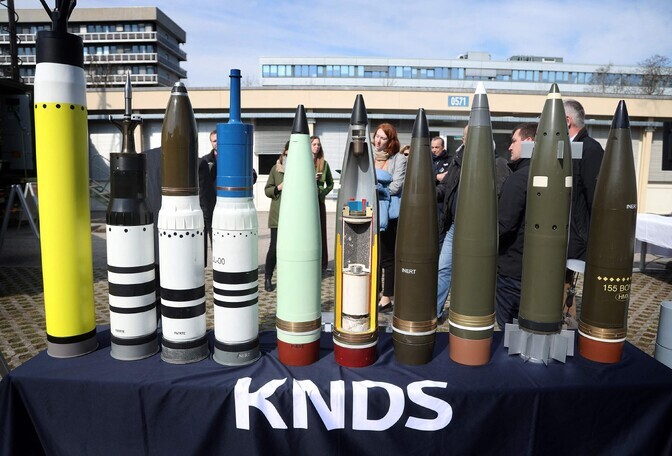

Robbanás történt egy Ukrajnával együttműködő olasz lőszergyárban, Colleferróban, ahol tűz ütött ki, és további detonációktól tartanak, de első információk szerint senki sem sérült meg. #oroszországháború #ukrajnaiháború #konfliktus
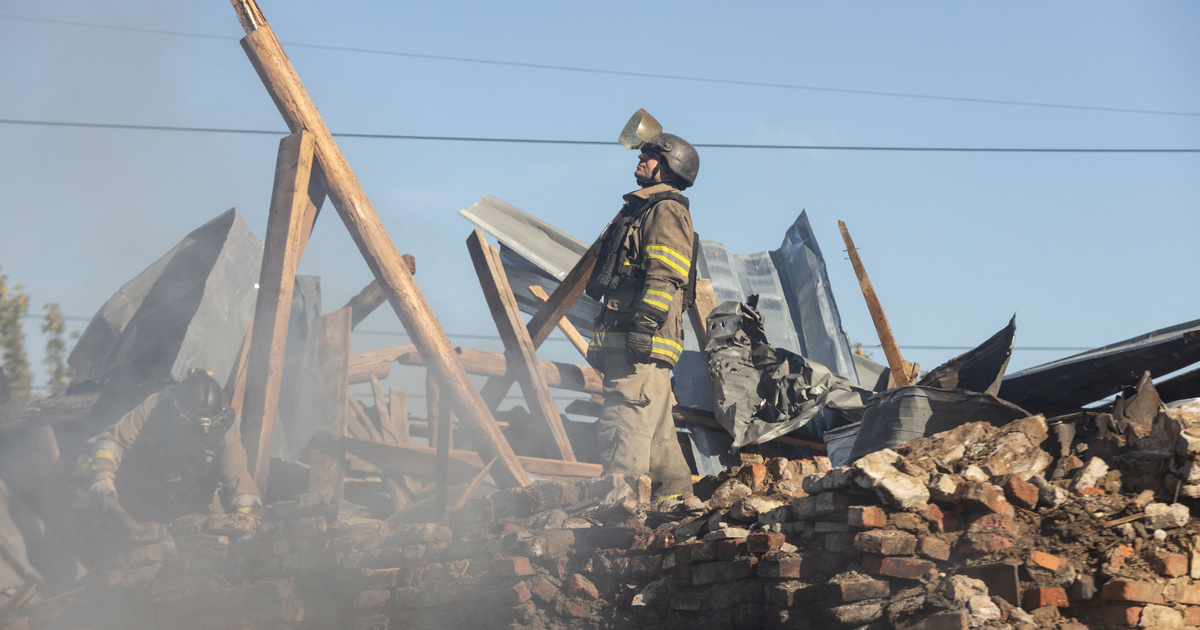
L'esplosione avvenuta nello stabilimento KNDS Ammo Italy di Colleferro ha suscitato preoccupazioni sulla sicurezza già sollevate dall'associazione Libera, che critica la mancanza di misure preventive e sottolinea il rischio per la comunità e l'ambiente, evidenziando che un incidente simile nel 2007 causò un morto e 13 feriti. #Colleferro #Sicurezza #Libera
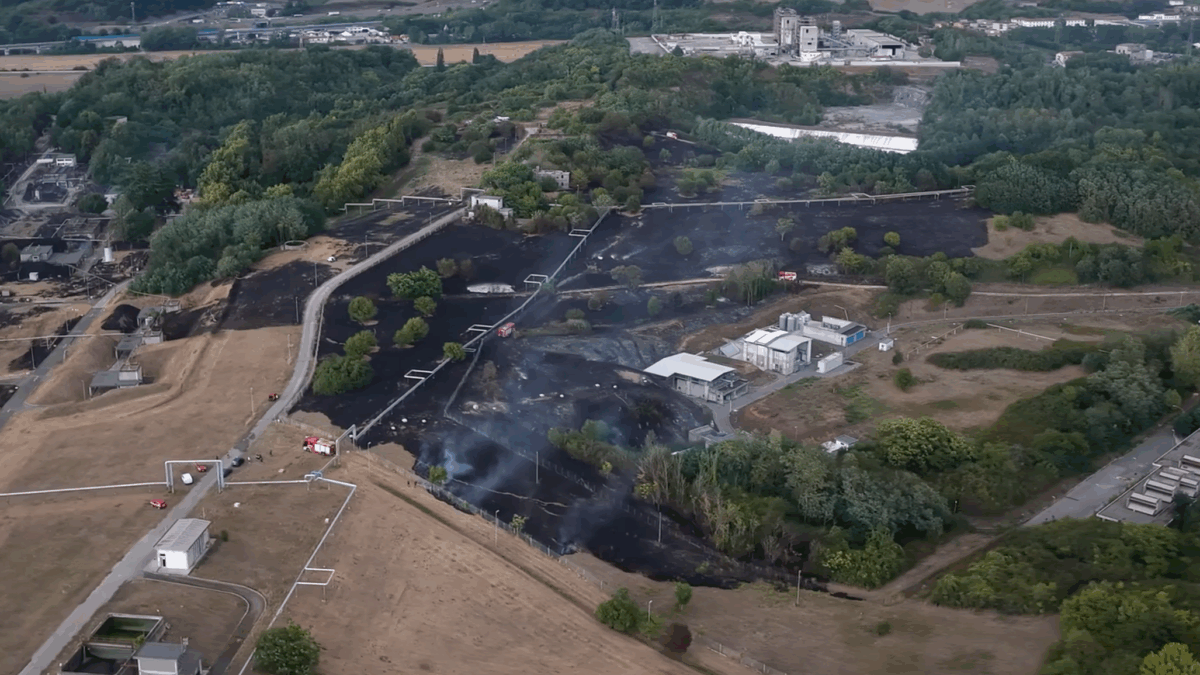

I ACCUSE RUSSIA OF ATTACKING ITALY Today a massive explosion struck the KNDS ammunition factory in Colleferro near Rome — a European defence facility producing ammunition and military equipment. The cause is still officially under investigation. Given Russia’s wider campaign of #Russia #Italy #Explosion #RU #IT





