La Gran Noche de @HorizonteCuatro con @navedelmisterio @carmenporter_ @JorgeCalabres @eduardoinda @MiquelGimenezG1 @GeneralDavila y el Doctor Cabrera #GranNoche https://t.co/BjUeC5m3lx #GranNoche #HorizonteCuatro #NocheDeMisterio


Voces frescas en el Congreso. Habla español, palenquero e inglés. Fue el primer joven afro en llegar al Concejo de Barranquilla. Su mamá fue madre comunitaria y es doctora en educación, su padre obrero. Estefanel Gutiérrez Pérez @EstefanelGP fue elegido como presidente de la Comisión Afrocolombiana del Congreso. Es del barrio La Manga de Barranquilla, de origen palenquero. Es abogado, especialista en Derecho Constitucional, magíster en Gerencia y Práctica del Desarrollo de la U Andes, y L.L.M. del American University Washington College of Law, formación en derechos humanos. Ha sido becario del Departamento de Estado y de la ONU. #Afrocolombianos #Barranquilla #DiversidadCultural


😂🥳😂🥳😂🥳😂🥳😂🥳 Meet @mkeulemans, schetenwapsjournalist… “Deze arts…” Beste dr. Kullemans, WF*, Ik wil je niet beledigen dus ik gebruik graag de juiste titulatuur. Ik leg het je even uit: in de Verenigde Staten wordt een arts aangeduid met de afkorting MD. Van Medical Doctor. Dat staat dan achter de naam. Als zo’n dokter gepromoveerd is, komt daar nog PhD achter. Zoals bij @JonaWalk: Jona Walk, MD, PhD. @angie_rasmussen is geen arts. Nooit geweest ook. Dit leven niet en in haar vorige leven als de heks in Hans en Grietje ook niet. Gewoon niet. Rasmussen studeerde Biological Sciences. Da’s net even wat anders dan geneeskunde. Je moet dan af en toe aardig doen tegen mensen. Soms. Alleen daarom kan Rasmussen geen arts zijn. Want aardig doen zit niet in haar repertoire. Nou ben ik ook wel eens niet aardig. Maar wel tegen patiënten. Dat wel. Ik ben alleen niet aardig als ik pantoffeldiertjes bestudeer. Dat geeft niks, want de meeste pantoffeldiertjes vinden dat helemaal niet erg. Op een enkel pantoffeldiertje na dan… Dag Maarten. Dag hoor. Gewoon dag. *Wetenschapsfantast #geneeskunde #wetenschap #humor


Marvel unveiled a new trailer for the highly anticipated film Avengers: Doomsday, which reveals the character Doctor Doom and the return of several iconic characters, including the Fantastic Four and the original X-Men, with the premiere scheduled for December 17. (translated)


Lo que creo que el @HUnivValdecilla y el @scsalud no entienden es que tengo todas las evidencias registradas, conozco perfectamente mis derechos y estoy ejerciéndolos sistemáticamente en todas las instancias. Conozco las leyes, la Administración y la burocracia. No es algo que disfrute, pero no me amedrenta. Por eso, seguiré agotando instancias y escalando a las superiores el tiempo que sea necesario. Lo que dije a la doctora el 19 de enero y lo que estoy haciendo desde entonces es totalmente coherente: defenderme y denunciar lo sucedido. Lo dije entonces y lo estoy cumpliendo desde entonces. Algunos me decís que acuda a la Policía. Ya lo hice, desde el propio hospital. Pero ejercer un derecho no siempre es «ir a una comisaría y poner una denuncia». Hay una senda procesal, unas instancias, unos plazos que agotar, una estrategia. Cada contestación evasiva y cada nuevo incumplimiento normativo me arman documentalmente para pelear en el siguiente escalón. Si me contestan positivamente, documental una irregularidad. Si no lo hacen, cometen otra nueva. Yo voy acumulando todo. El sistema está diseñado para que el ciudadano común desista; tire la toalla. Lo que creo que el @HUnivValdecilla y el @scsalud no entienden es que yo nunca tiro la toalla. Y así es como se cambian las cosas. #DerechosHumanos #Justicia #Salud

Dr. Andrea Reyes warns that eating in less than 20 minutes prevents the brain from recognizing satiety, which can lead to excessive food consumption and digestive discomfort, suggesting that paying attention to the speed of eating and chewing properly can improve digestion and the feeling of fullness. (translated)

I was wrong about Lindsay Clancy. Here's why I changed my mind. She was never diagnosed with postpartum depression or psychosis. She was not on 13 medications at once. She was not "hearing voices." She was not abandoned by her family. She was diagnosed with a mood disorder - never psychosis - and went to a variety of doctors who all prescribed different medications, which she took unreliably and not simultaneously. She only heard a voice one time - and that was right before she killed her kids. Extremely atypical for psychosis. She carefully planned her children's murders down to the minute. She researched the distance of a restaurant she'd ask Patrick to go to. Added on a last-minute errand before he left. Calmly answered his phone call in the middle of her crime. Brought her children down to the basement one by one, overpowering their resistance and killing them slowly. It does seem like she had support from her family. She may have still been overwhelmed, but it's not true that all of her cries for help went unanswered. I originally placed too much blame on the many SSRIs she was prescribed. Is it still possible these SSRIs had a negative effect? Absolutely. But the case that these drove her into a psychotic episode is weak. “According to U.S. HHS Child Maltreatment data, mothers account for roughly 70% of child maltreatment fatalities involving a single parent, compared with roughly 30% involving a father, when parent-plus-nonparent cases are included and cases involving both parents are excluded. And interestingly, the “70% mothers / 30% fathers” finding is remarkably persistent across the years, rather than being a phenomenon confined to one particular period” - ChatGPT Feminist Taxonomies of Lindsey Clancy If I am to be born as a woman, life should not be continued If I am to mature as a woman, I should not marry If I am to have sex as a woman, I should not be made pregnant If I am to be made pregnant as a woman, I should not give birth to my child If I am to give birth to my child as a woman, my child should not live
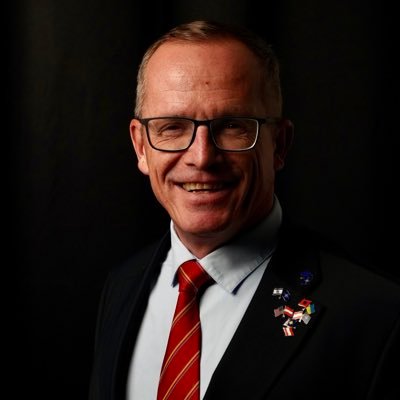
🇺🇦🇪🇺 RECOGNISE UKRAINIAN QUALIFICATIONS NOW! Europe needs skilled workers. Ukraine has skilled workers. Yet thousands of Ukrainian doctors, nurses, engineers, teachers, technicians, electricians, IT specialists and other professionals are still blocked by bureaucracy and forced https://t.co/NaruDGsIOI #RecognizeUkrainianQualifications #SkilledWorkers #SupportUkraine #UA #EU

¡Los Russo alaban el trabajo de Robert Downey Jr para la gesticulación de Doctor Doom en ‘AVENGERS DOOMSDAY’! “Tuvo que enfocarse mucho en su cuerpo, y en sus ojos, y en cómo transmitir emoción e intensidad con sus movimientos y hasta con movimientos de ojos muy sutiles” https://t.co/JKHaj4Cstb #RobertDowneyJr #DoctorDoom #AVENGERSDOOMSDAY

The British actor Tim Curry, known for his iconic portrayal of Dr. Frank-N-Furter in *The Rocky Horror Picture Show* and as Pennywise in the adaptation of *It*, has passed away at the age of 80 after spending years away from the public due to a stroke in 2012. (translated)
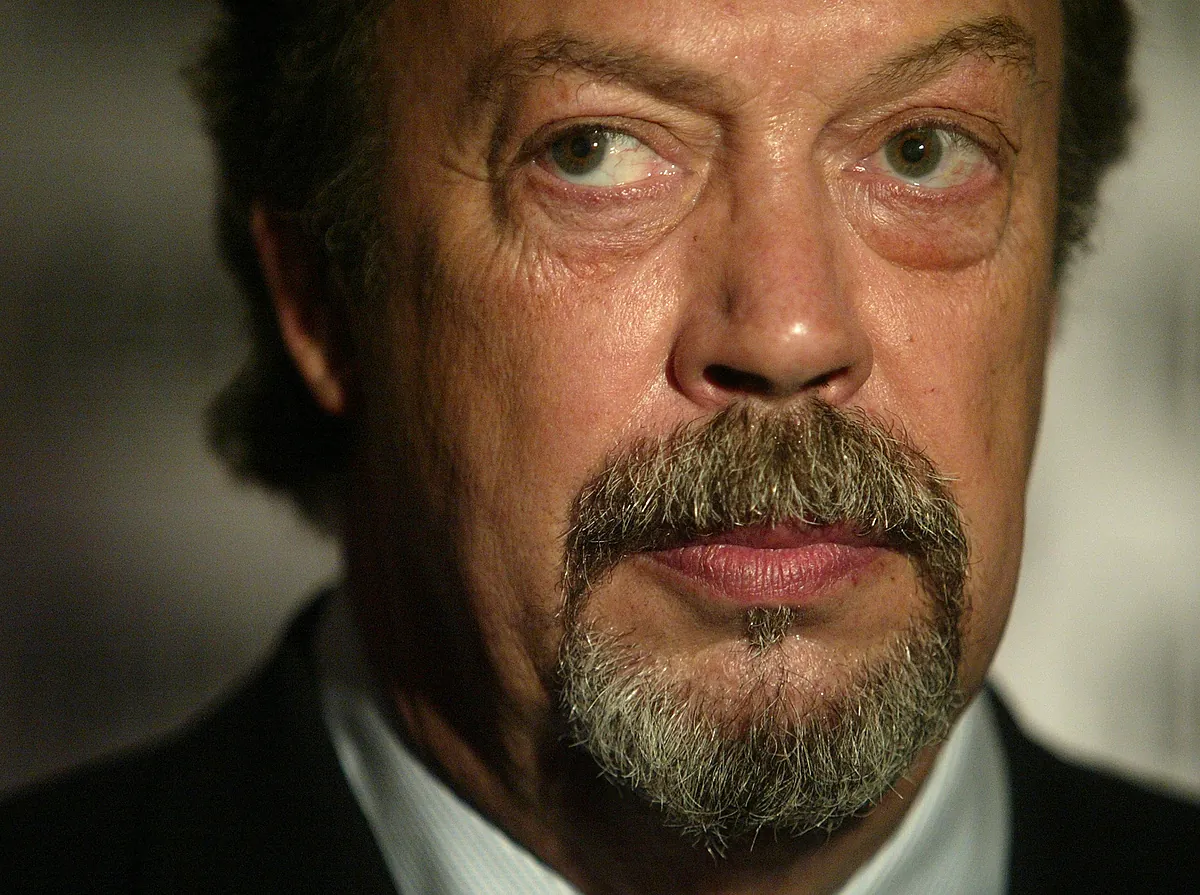

@jsancris_ 'Cuti' Romero y Ademola Lookman han hecho trabajo individual. En la sesión, también presente el Doctor Celada. El grupo haciendo el particular 'rondito' de calentamiento, habitual en todas las sesiones en el Cerro del Espino. Imagen: @jsancris_ #ClubUria https://t.co/65euYEh4Cd #Fútbol #Entrenamiento #Deportes


🎓 Co je zač titul CSc. za jménem? Je to starší titul označující kandidáta věd (candidatus scientiarum), který byl nahrazen titulem Ph.D., tedy doktor filozofie (philosophiæ doctor). Oslovení *pane kandidáte věd se neužívá; oslovení pro Ph.D. je pane doktore. #kaleidoskopcestiny #vzdělání #titul #věda

⚕️ Future doctor on the line!!! Д-р Тома Маровски със сигурност ще има пълен график и мноого доволни пациенти 😌Ако имате предложение за секси доктор, който да кача - може да ми пишете на лично 🥰 https://t.co/j28D4Kr97k #FutureDoctor #Medicine #HealthCare

⚕️ Beauty, brains ... and bulge - Д-р Йордан Янкушев has got it all 😝Ако имате предложение за секси доктор, който да кача - може да ми пишете на лично 🥰 https://t.co/ZOotQThIZH #Beauty #Health #Doctor

I don’t think AI will fully replace doctors. i believe the optimal model will be hybrid: doctors who know how to use AI tools effectively. At the same time, I believe AI will help us develop new therapies - perhaps based on mRNA platforms - that could enable us to cure, rather #AIinHealthcare #HybridModel #mRNAtherapies #Nospecificcountriesarementionedinthetweet.Therefore #theresultis:

Doctor Cristina Díaz explains that the benefits of quitting smoking begin almost immediately, with significant changes in health, such as the normalization of blood pressure within 20 minutes and the regeneration of the lungs over several years, highlighting that quitting tobacco can increase life expectancy by up to ten years. (translated)
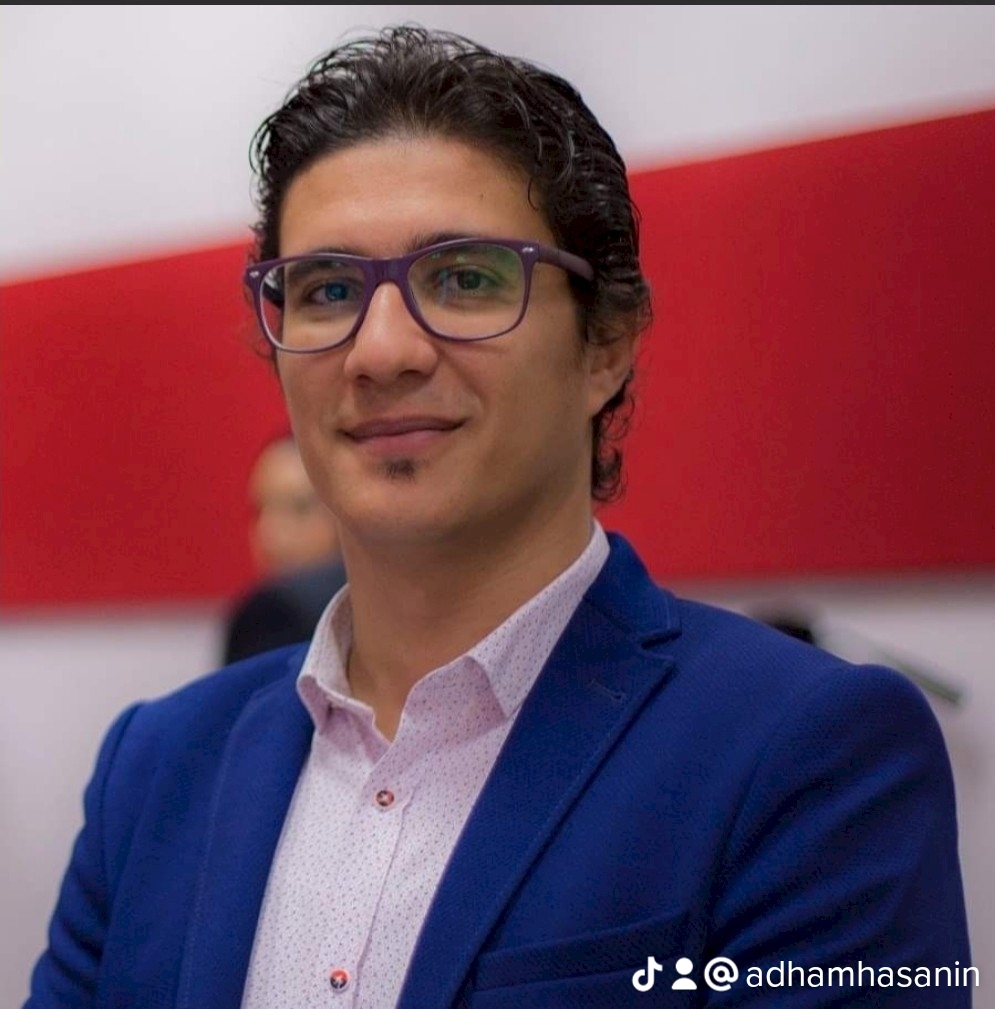
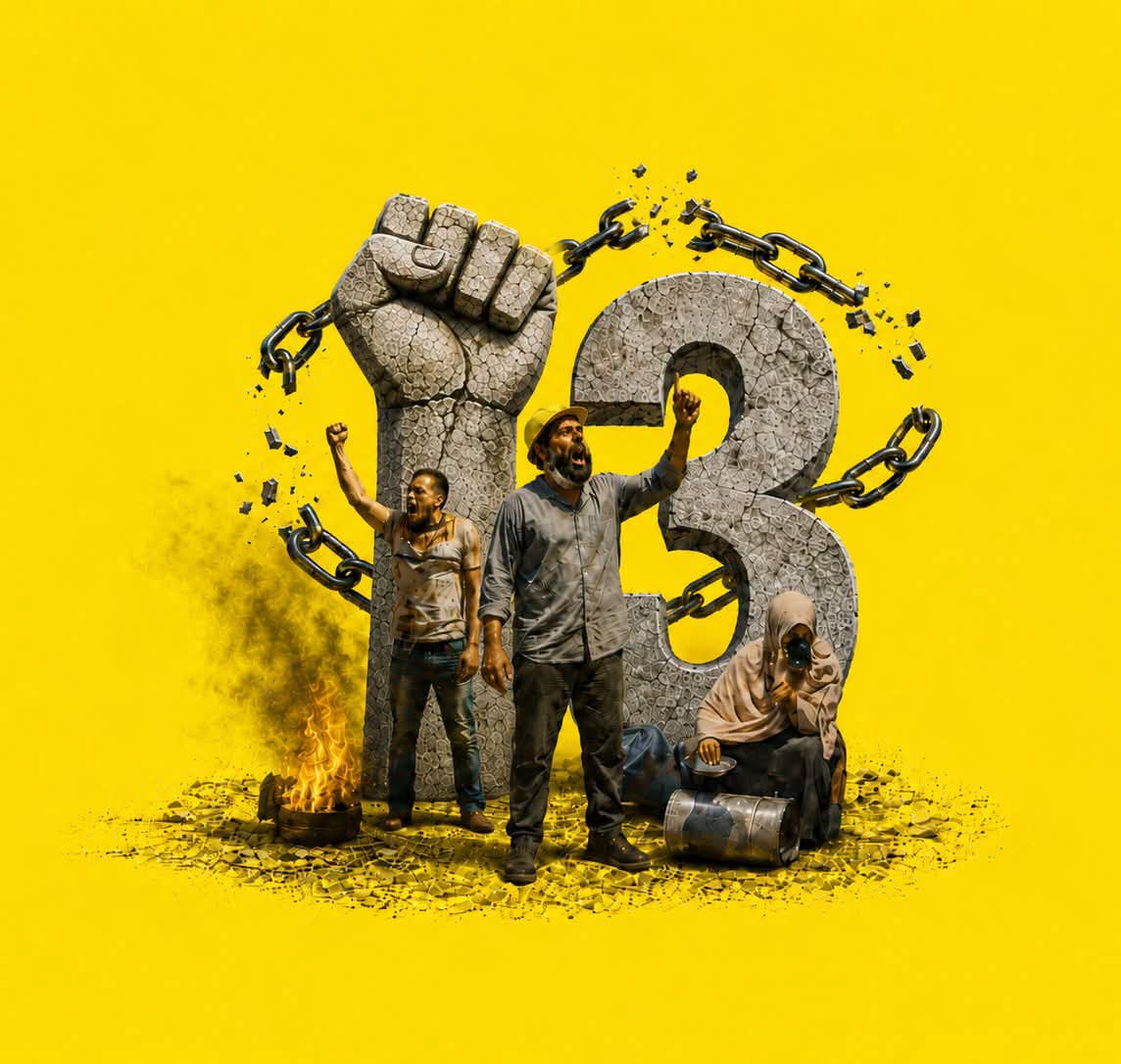
Rabaa: The Hour the World’s Conscience Stood Still On the anniversary of one of the largest single-day killings of protesters in modern history, one question remains unanswered: who will be held accountable? By Adham Hasanin Egyptian journalist and political writer, based in the Netherlands On 14 August, the anniversary returns of a day unlike any other in modern Egyptian history. Not simply because it was the bloodiest Egypt has known wars and massacres before and since ,but because it was the day a state chose to open fire on its own people in broad daylight, in front of the world’s cameras, and then let thirteen years pass without a single officer ever being held accountable. This article will not be a cold recitation of statistics, though the statistics exist, are documented, and are horrifying. It is an attempt to understand something deeper: how a square in the heart of Cairo, filled with tents, children, and worshippers, became the site of the largest mass killing the Arab world has witnessed in the past decade and why the echo of that day still reverberates in every Egyptian prison cell today. I. A Morning That Began Like Any Other For readers unfamiliar with the background: in July 2013, the Egyptian military, led by then-General Abdel Fattah el-Sisi, removed Mohamed Morsy Egypt’s first freely elected civilian president, a member of the Muslim Brotherhood who had taken office in 2012 following the 2011 uprising against Hosni Mubarak. In response, tens of thousands of Morsy’s supporters staged an open-ended sit-in demanding his reinstatement. By 14 August 2013, more than twenty thousand people had spent weeks camped out at two Cairo squares, Rab’a al-Adawiya and al-Nahda, in a peaceful sit-in. They were not an army, nor a uniform bloc; they were entire families men, women, and children, some affiliated with the Muslim Brotherhood, many simply ordinary citizens who saw the restoration of elected legitimacy as a cause worth the risk. There were tents for sleeping, communal kitchens feeding the demonstrators, speaking platforms, and a small field clinic that no one imagined would, within hours, become one of the most terrifying places in modern Egyptian history. In the early hours of that morning, Central Security Forces and army units, under the command of then-General Sisi, began what was officially described as a "dispersal" operation targeting both sit-ins simultaneously. It was not a dispersal in any ordinary sense of the word. According to a year-long investigation by Human Rights Watch, it was a pre-planned operation that anticipated, from the outset, thousands of deaths. II. The Numbers the Regime Refuses to Speak The Egyptian government, to this day, cites a death toll of "over 600" for that single day a figure that, even at its official lowest, is horrifying enough to warrant an independent international investigation. But the field investigation conducted by Human Rights Watch, drawing on field hospital records, survivor testimony, and analysis of video footage from dozens of angles, arrived at a far more disturbing figure: at least 817 people killed at Rab’a Square alone, with the true toll likely exceeding 1,000, plus another 87 killed at the nearby al-Nahda Square. When the deaths from the weeks surrounding 14 August are added from the dispersal of the Republican Guard sit-in on 8 July, through the Mansoura Street killings, to the dispersal of an October 6 march the combined total reaches at least 1,150 deaths in just six weeks, according to Human Rights Watch’s meticulous documentation. This figure led the organisation to use a term not deployed lightly in international law: crimes against humanity. Human Rights Watch described the Rab’a killings as "one of the world’s largest killings of demonstrators in a single day in recent history." Not in Egyptian history alone in modern history as a whole. What happened at Rab’a is cited in international reporting alongside China’s 1989 Tiananmen Square massacre. This is the true scale of what the Egyptian state has spent thirteen years trying to minimise, justify, and reduce to a mere "security incident" in a news bulletin. III. "All According to Plan" When Mass Killing Becomes Administration, Not Chaos The title Human Rights Watch chose for its detailed report on the massacre deserves lingering on: "All According to Plan." This is not an emotive headline; it is a precise legal conclusion built on field evidence. According to the investigation, what happened at Rab’a was not a dispersal operation that spiralled out of control amid chaos or panic, as the regime later tried to portray it. It was a carefully planned operation that assumed, in advance, massive casualties. Then-Interior Minister Mohamed Ibrahim admitted, in a televised interview broadcast on 31 August 2013 just weeks after the massacre that his ministry had anticipated losses of "10 percent of the people" present at the sit-in, acknowledging that the number of demonstrators exceeded twenty thousand. By simple arithmetic, this is an official admission that the state anticipated, in advance, the deaths of roughly two thousand people and proceeded with the operation regardless. This is the true horror at the heart of the Rab’a story: it was not a security operation that spun out of control, but a conscious administrative decision, made in an air-conditioned room, with advance calculations, by men who knew precisely how many human beings would die under their fire and who proceeded anyway, or perhaps because of it. According to Human Rights Watch’s analysis, the objective was to send an unambiguous message: whoever challenges the new state will pay an irreversible price. IV. Snipers, Women, and Children The Faces the Reports Do Not Tell Behind every number in the Human Rights Watch reports lies a full human story, deliberately omitted from the state’s official narrative. The investigation documented how security forces opened fire from multiple angles, and how snipers positioned themselves atop buildings surrounding the square, targeting according to survivor testimony and analysed video footage any movement in the square, regardless of whether it was an armed combatant or a nurse trying to reach a wounded person. According to documented testimony, entire families had their tents burn over their heads as fire swept through the sit-in. Doctors and paramedics were killed while trying to pull the wounded from the line of fire. Most damningly of all, the documentation shows deliberate targeting of ambulances and field medical points meaning that wounded people who survived the first bullet then faced death by bleeding out, because anyone attempting to save them was themselves a target. This detail the targeting of medics is what elevates the event from "excessive violent repression" to what human rights organisations have described as a systematic crime. When security forces target those trying to save the wounded, they are not merely dispersing a sit-in; they are preventing witnesses from surviving to tell what happened. V. Thirteen Years of Total Impunity The most painful part of the Rab’a story is not only what happened that day, but what has not happened in the years since. From 14 August 2013 to today, not a single officer, of any rank, has been held accountable for the deaths of hundreds, or thousands, of Egyptians. Quite the opposite: the state has moved to entrench impunity through the force of law itself. Egypt issued legislation granting senior military officers immunity from questioning over any violations that may have occurred following Morsy’s removal a law specifically designed to close the door on any future judicial accountability, regardless of how political circumstances might change. Even the fact-finding committee established by then-interim President Adly Mansour to investigate the June and July events concluded, in its report issued more than a year after the events, that the sit-in’s leaders bore responsibility for the deaths, on the grounds that they had allowed weapons into the square even as the same report admitted, in a glaring contradiction, that security forces had failed to target only armed individuals, meaning they had fired indiscriminately on everyone: armed and unarmed, man and woman, adult and child. This is the pattern that has repeated for over a decade: as each anniversary approaches, official statements re-narrate the events and shift blame onto the victims, while the actual perpetrators — those who planned the operation, gave the orders, and pulled the trigger — remain free. Some now occupy the highest offices of the state. VI. Why This Anniversary, Why Now? A reader might ask: why revisit this story after all these years? Has the world not moved on to newer crises? The answer lies in the very nature of impunity. When a state is never held accountable for the largest massacre of protesters in its modern history, it does not simply "forget" the crime it sets a precedent, telling every future ruler and every future security apparatus: mass killing is possible, politically profitable, and free of cost. This poisonous lesson does not remain confined within Egyptian borders; its echo reaches every Arab capital contemplating how to handle its own opposition. More dangerously, this system of impunity did not stop at Rab’a’s edges; it is the foundation on which Egypt’s entire subsequent decade of repression was built: thousands of political prisoners, grossly unfair mass trials that produced death sentences for dozens of defendants in cases linked directly to the Rab’a events themselves, laws criminalising peaceful protest, a muzzled press, and a civil society hollowed of substance. All of it traces back to the morning of 14 August 2013, when the state learned that overwhelming force succeeds, and that the world will condemn for a few days, then move on. VII. Delayed Justice Is Not Forgotten Justice Despite more than a decade of official silence and impunity, the Rab’a case remains alive in international legal memory. Human rights organisations, from Human Rights Watch to Amnesty International, continue to renew their annual calls for an independent international investigation, grounded in the legal principle that crimes against humanity are not subject to statutes of limitation: delayed justice is not forgotten justice. The victims who fell in that square were not numbers in a statistical report. They were fathers who left behind children too young, that day, to understand why their father would never return. They were mothers who, thirteen years later, are still searching for a clearly marked grave to which they can carry flowers, and young people who had decades of life ahead of them that they never got to live. Their memory does not fade with time; it grows with their children, who carry with them the same question their parents asked before they were killed: when will justice come? Conclusion: What Does This Anniversary Demand of Us? Every year, as the anniversary of 14 August returns, the same question resurfaces one the Egyptian state refuses to answer: who gave the order? Who planned the operation? Who decided that twenty thousand human beings deserved to be shot with live ammunition because they staged a peaceful sit-in? This anniversary is not a call for vengeance, nor an invocation of the past for its own sake. It is a reminder that justice, however delayed, remains a debt still owed. And that every instance of international silence over a massacre of this scale opens the door to the next one, elsewhere, under a different pretext, carrying the same lethal conviction: that the world will condemn for a week, then forget. We will not forget. And we will not stop asking the question that unsettles everyone who took part in that crime, regardless of the office they hold today: where is the accountability? Rab’a is no longer merely the name of a square in Cairo. In the conscience of everyone who believes in justice, it has become a test of the world’s conscience itself a test the world has not yet passed.
🚨 Derrière le silence : pourquoi ces adolescents « ne pensent rien » — et comment rouvrir la parol 📒 Les modalités de fonctionnement psychique des adolescents auteurs de violences sexuelle ✍️ Sonia Corré, psychologue titulaire de la Protection judiciaire de la jeunesse (PJJ). Synthèse d'une thèse de doctorat en psychologie soutenue le 31 mars 2025 (dir. Pr Pascal Roman, Université de Lausanne – LARPsyDIS ; co-dir. Pr Vincent Estellon, Université Paris Cité – CRPMS). Capsules Audio de Pratiques en Santé 🎙️🎥 https://www.youtube.com/watch?v=-Kd3KGuKgLY 🔍 Adolescents auteurs de violences sexuelles : une clinique de terrain (8 jeunes, PJJ) écarte la piste de la « perversion » et documente un gel de la pensée, non un vide intérieur. 💡 Des repères pour tenir le cadre, désamorcer le clivage et rouvrir la parole en placement Analyse de Pratiques en Santé et lien vers la source ℹ️➕ https://www.pratiquesensante.com/blog/pratiques-15/les-modalites-de-fonctionnement-psychique-des-adolescents-auteurs-de-violences-sexuelle-6128 📌 Ce document donne des repères cliniques directement mobilisables face à une situation qui met les équipes en difficulté : des adolescents qui parlent peu, semblent « ne rien ressentir », et suscitent un fort malaise. Il déconstruit deux idées reçues coûteuses en pratique — la « perversion » et le « vide intérieur » — et propose de lire le silence et l'appui sur le concret comme des mécanismes de défense, pas comme un refus. Il outille concrètement le maintien du cadre, la gestion du clivage et la relance de la parole en placement. Utile pour ajuster sa posture sans surinterpréter ni banaliser. 🇬🇧: The psychological functioning modalities of adolescents who commit sexual violence - https://www.pratiquesensante.com/en/blog/practices-15/les-modalites-de-fonctionnement-psychique-des-adolescents-auteurs-de-violences-sexuelle-6128 #️⃣ #pratiquesensante #PJJ #ViolencesSexuelles #ProtectionDeLenfance #PsychologieClinique #Inceste #TravailSocial #Adolescence