
In this edition of Technology Quarterly: a new breed of electronic components capable of operating at terahertz frequencies https://t.co/pXujBTuNyQ #TechnologyQuarterly #Terahertz #Electronics #Nocountrycodesarementionedinthetweet.

In this edition of Technology Quarterly: a new breed of electronic components capable of operating at terahertz frequencies https://t.co/pXujBTuNyQ #TechnologyQuarterly #Terahertz #Electronics #Nocountrycodesarementionedinthetweet.

Campagne russe 🇷🇺 de sabotage en Europe 🇪🇺 Ces dernières semaines, la campagne russe de sabotage en Europe s'est intensifiée. Voici donc, une liste non-exhaustive de 50 évènements depuis début septembre : 🔴1er septembre ▫️Roumanie : débris d'un drone russe armé trouvés par un civil, puis détruits sur place par les démineurs. ▫️Pologne : incendie de l'usine de drones WB Electronics à Skarżysko-Kamienna. Les services russes sont accusés. ▫️Pologne : incendie chez JFG Composites. Les services russes sont accusés. 🔴2 septembre ▫️Pologne : suite de l'affaire WB Electronics. 🔴4 septembre ▫️Finlande : drone de reconnaissance russe retrouvé près de Porvoo (géolocalisation estimée). 🔴8 septembre ▫️Moldavie et Roumanie : un drone Geran-4 traverse les deux pays sur plus de 500 km, viole deux fois l'espace aérien moldave et s'écrase près de Mihăileni. ▫️Roumanie : arrêt des vols à l'aéroport de Iași à cause d'un drone russe. ▫️Hongrie : 10 diplomates russes déclarés persona non grata pour espionnage. ▫️Moldavie : un Azerbaïdjanais travaillant pour le FSB est arrêté à Chișinău. Il est soupçonné de préparer un sabotage. ▫️Roumanie : arrestation de l'agent russe chargé des repérages contre l'OTAN. 🔴9 septembre ▫️Pologne : alerte aérienne en Podkarpackie à cause d'une activité russe de missiles et drones à la frontière. ▫️Pologne : arrêts des vols aux aéroports de Lublin et de Rzeszów-Jasionka. ▫️Pologne : Donald Tusk annonce qu'une attaque russe contre un poste-frontière a été déjouée. La localisation est classifiée. ▫️Norvège : on apprend qu'un exercice conjoint Norvège, États-Unis et Royaume-Uni a empêché en avril un sous-marin russe de saboter les câbles du Svalbard. ▫️Royaume-Uni : un Britannique est inculpé pour avoir aidé les services russes. 🔴10 septembre ▫️Roumanie : débris d'un drone de reconnaissance russe trouvés près d'une base militaire. ▫️Roumanie : débris de drone russe sur une plage. ▫️Roumanie : débris d'un drone armé détruits sur place. 🔴11 septembre ▫️Roumanie : trois débris de drones trouvés par les garde-côtes et détruits. ▫️Bulgarie : explosion du dépôt de munitions EMCO à Tsareva Livada. L'entreprise évoque un sabotage (non attribué). 🔴12 septembre ▫️Bulgarie : l'explosion d'août dans une usine de munitions fait désormais l'objet d'une enquête pour sabotage (non attribué). 🔴14 septembre ▫️Lituanie : des Eurofighter italiens abattent un drone russe Gerbera armé venu de Biélorussie. Il s'écrase près d'une infrastructure électrique. ▫️Pologne : un Gerbera armé est retrouvé flottant en Baltique près de Rusinowo. ▫️Moldavie : deux violations de l'espace aérien par des drones russes, dont une détectée près de Cioburciu. ▫️Lituanie : arrêt des vols à cause d'un drone inconnu venu de Biélorussie. ▫️Allemagne : un drone armé s'écrase près de la base de Wunstorf (non attribué). ▫️Danemark : une frégate russe tire deux fusées éclairantes vers un hélicoptère militaire danois. 🔴15 septembre ▫️République tchèque : le ministère américain de la Justice inculpe trois officiers russes supplémentaires dans l'affaire des bus incendiés à Prague. ▫️Lituanie : trois officiers russes sont inculpés aux États-Unis pour un complot d'assassinat mondial, dont une cible en Lituanie. 🔴16 septembre ▫️Pologne : alerte aérienne de 30 minutes dans la région de Lublin, et nouvelle alerte en Podkarpackie. ▫️Pologne : arrêts des vols à Lublin et Rzeszów. ▫️Lituanie : selon l'agence ANSA, deux avions militaires russes ont violé l'espace aérien lituanien et ont été interceptés par des Eurofighter italiens. ▫️Slovaquie : incendie dans l'usine de munitions MSM Group. Une enquête est ouverte (non attribué). 🔴17 septembre ▫️Pologne : arrêts des vols à Lublin et Rzeszów. ▫️Moldavie : un drone russe survole Tudora pendant environ 2 minutes. 🔴18 septembre ▫️Pologne : arrêts des vols à Lublin et Rzeszów. ▫️Moldavie : un missile de croisière russe s'écrase et explose. ▫️Danemark : un gros drone survole l'ambassade américaine à Copenhague (non attribué). ▫️Luxembourg : arrêt des vols à l'aéroport à cause de drones (non attribué). 🔴19 septembre ▫️Moldavie : deux drones russes violent l'espace aérien, dont un s'écrase en Ukraine près de Troitske. ▫️Moldavie : une autre violation près de Palanca. 🔴20 septembre ▫️Moldavie : deux violations de l'espace aérien par des drones russes, avec un point d'impact estimé. ▫️Roumanie : la marine récupère trois débris de drones russes dérivant dans les couloirs maritimes de la zone économique exclusive. 🔴21 septembre ▫️Moldavie : un drone russe traverse le nord du pays. ▫️Pologne : alerte radiologique, chimique et biologique dans la région de Lublin à cause d'une activité russe à la frontière. ▫️Lituanie : des ballons venus de Biélorussie sont détectés autour de l'aéroport de Vilnius pendant environ 3 heures. ▫️Lituanie : arrêt des vols à Vilnius. 🔴22 septembre ▫️Lituanie : nouvel arrêt des vols à Vilnius, le troisième, à cause d'un drone inconnu venu de Biélorussie et des ballons. Source : @MalcontentmentT #Saboatge #Europe #Russie


Every country that has manufactured consumer electronics at scale eventually produces its own global champions. I wrote down my thoughts on why India Is inevitable: #India #ConsumerElectronics #GlobalChampions #IN
Nexperia zal een deel van zijn chips laten produceren door Tata Electronics in India, als gevolg van conflicten met het Chinese moederbedrijf Wingtech Technology en ter versterking van nieuwe Aziatische productieketens. #Nexperia #TataElectronics #ChipsProductie


Imagine a representative of ANY other company from ANY other industry (cars, food, medicine, electronics, you name it) stating "there is a 10 percent chance that our product will kill everybody" and still expect investment, approval, no regulation and plenty of customers. #BusinessEthics #ConsumerSafety #ProductResponsibility #Thetweetdoesnotmentionanyspecificcountries.Therefore #therearenocountrycodestoreturn.
🇪🇺 GERMAN CAR MAKERS: SWITCH TO DRONES TO DEFEND EUROPE Cars are yesterday’s industrial priority. Europe is at war with time. We need mass production of drones, autonomous systems, sensors, engines, batteries and defence electronics — and Germany has exactly the industrial https://t.co/TCoUiKx4jW #Drones #Germany #DefenseIndustry #EU #DE


"RadioText-RadioSoftware (1983–1989)": The First (Forgotten) Radio Programme of Computer Science Dissemination in Italy SOURCE: https://www.linkedin.com/pulse/radiotext-radiosoftware-19831989-first-forgotten-sardella-ph-d--eqief/ Radiosoftware represents Italy's absolute pioneer in broadcasting digital literacy education over the airwaves in the Belpaese. Abstract This paper reconstructs the history of Radiosoftware, the first Italian radio programme which anticipated by over a decade the dissemination of microtelematics, computing, and digital technology, as well as modern methods of digital software distribution. Established in 1983 at Radio Popolare and subsequently developed as a national initiative on Rai Radio 3 from 1984 to 1989, Radiosoftware represents the first Italian radio programme to broadcast educational content and transmit executable software for home computers over the airwaves. Through analysis of its technical evolution, educational content, and cultural impact, this article demonstrates how the initiative constituted a significant precedent in national computer literacy, the democratisation of access to software, and the development of amateur programming communities, establishing itself as the progenitor of a media ecosystem dedicated to technological dissemination that has extended into the contemporary era. Keywords: history of Italian computing, technological dissemination, digital broadcasting, computer literacy, Radio Popolare Introduction: The Dawn of Computing Dissemination in Italy In the landscape of Italian digital media history, a fundamental chapter remains little explored in academic literature: that of computing dissemination through radio broadcasting in the 1980s. In an era characterised by the absence of network connectivity and economic and geographical barriers to accessing computer technologies, radio configured itself as a democratic instrument for the diffusion of nascent digital culture. Radiosoftware emerges in this context as an absolutely pioneering initiative in Italy, anticipating not only analogous Italian experiences but also positioning itself amongst the first European experiments in software transmission over the airwaves. Its genesis at Radio Popolare in 1983 and subsequent evolution as a national programme on Rai Radio 3 bear witness to a trajectory of technical and pedagogical innovation that merits in-depth analysis. Contenuto dell’articolo The Original Phase: Radio Popolare (1983) The birth of Radiosoftware at Radio Popolare in 1983 constitutes the foundational moment of radio-based computing dissemination in Italy. In a period when personal computers still represented niche objects, the programme set out to systematically explore programming languages, hardware architectures, and practical applications of home computing, addressing a heterogeneous audience composed of students, teachers, hobbyists, and professionals. This first incarnation established the conceptual paradigms that would characterise the entire subsequent tradition: linguistic accessibility, pedagogical vocation, attention to the social and cultural dimensions of technology, and promotion of active listener participation. Contenuto dell’articolo The National Evolution: From Radiotext to Radiosoftware (1984–1989) The experience gained at Radio Popolare found systematic development in the national initiative coordinated by Rai Radio 3. The pilot phase, denominated Radiotext, commenced on 11 May 1984 as an experimental segment within the current affairs programme Un certo discorso, presented by Pasquale Santoli. Eight 30-minute episodes, broadcast on Fridays at 16:00 with Sunday repeats, tested the technical feasibility and public interest in the transmission of executable software through audio signals. Curated by Luigi Grimaldi and Giovanni Sighele of the Lega Informatica of Florence, in collaboration with Arci Media, the pilot phase demonstrated the viability of the concept. In autumn 1984, the format consolidated with the definitive denomination Radiosoftware, expanding to one-hour episodes and maintaining its placement within Un certo discorso. Contenuto dell’articolo The third season, inaugurated on 7 February 1986, introduced a thematic structuring articulated in three distinctive segments: "Hard & soft news" (updates and reviews), "Studiare con il computer" (educational applications), and "Radio + informatica" (experimental intersections between broadcasting and computing). This phase evidenced a growing pedagogical sophistication and greater attention to formal educational applications. In late 1986, the programme acquired editorial autonomy, transforming into an independent transmission with nocturnal weekend scheduling. 1987 marked a significant technical innovation with the introduction of the 4800 bit/s hardware interface developed by the RAI Research Centre in Turin, which enabled direct connection to the RS-232 serial port, overcoming the limitations of the audio-cassette method. The concluding phase, from February to June 1989, adopted a brief daily format (10 minutes, Monday to Friday at 19:45), concentrating on MS-DOS-compatible software. Despite the announcement of a cycle for 1990, no national transmission is documented beyond June 1989. Contenuto dell’articolo The Audio-Cassette Method (1984–1987) The initial methodology replicated the cassette loading mechanisms typical of 1980s home computers. Programmes were encoded as sequences of audio impulses—electronic noises incomprehensible to the human ear—which listeners recorded onto blank audiocassettes by connecting a tape recorder to the radio's audio output. The recorded cassette was subsequently played through the computer's cassette interface, which decoded the signals, loading the software into memory. This approach, based on modulation techniques similar to frequency-shift keying (FSK), guaranteed compatibility with heterogeneous platforms such as the ZX Spectrum 48K, Commodore 64, Olivetti M10, subsequently extended to the Apple II, MSX, BBC Micro, Olivetti M24 and M28. Each episode transmitted sequentially platform-specific versions for each system. Whilst accessible and revolutionary for mass distribution in pre-Internet Italy, this method presented significant limitations: low transmission speed, susceptibility to errors induced by radio interference or ambient noise, and the necessity for precise volume and timing adjustments. Contenuto dell’articolo The RAI-Radiosoftware Hardware Interface (1987) In 1987, the RAI Research Centre in Turin developed an advanced interface documented in CCIR reports as the RAI-Radiosoftware system. The principal innovation consisted of direct transmission at 4800 bits/s utilising biphase modulation organised in packets, enabling connection to the computer's RS-232 serial port without cassette intermediation. The interface was designed for operating system independence, with management software adaptable for MS-DOS, CP/M, and potential future extensions to Macintosh. For Olivetti M24 and M28 computers, a version with an internal card was available. The Research Centre additionally developed management software, test cassettes, and manuals, considering initial commercialisation at approximately 90,000 lire. This technical evolution represented a significant advancement in terms of speed, reliability, and usability, whilst maintaining the audio-cassette method in parallel to guarantee universal access. Contenuto dell’articolo Types of Software Transmitted The catalogue of software distributed through Radiosoftware reflected a broad range of applications: practical utilities (thematic databases on fashion, music, itineraries, and personalised diets), educational tools (didactic programmes for secondary schools, upper secondary schools, and conservatoires), recreational software (games such as the Olympic pentathlon for the Commodore 64), graphic demonstrations, and creative tools (bases for musical composition and digital comics). Particularly significant was the introduction, from the third season onwards, of educational software developed in collaboration with the Ministry of Public Education, designed specifically for scholastic use across various disciplines, not limited to computing. Contenuto dell’articolo Community Participation: The ORSA Section The Osservatorio Radiofonico del Software Autoprodotto (ORSA) [Radio Observatory of Self-Produced Software], reintroduced in the third season from February 1986, constituted a space dedicated to the transmission of programmes created by listeners. This feature transformed Radiosoftware into a bidirectional platform, anticipating collaborative logics that would characterise, decades later, open-source communities and participatory digital cultures. The "listeners' post" section within "Hard & soft news" additionally facilitated continuous dialogue with the public, integrating feedback, questions, and suggestions into the programming. Questionnaires distributed at the end of cycles and surveys conducted by specialist magazines such as Sperimentare con l'elettronica e il computer provided further mechanisms for evaluation and editorial orientation. Contenuto dell’articolo Institutional Collaborations and School Experiments In 1987, Radiosoftware collaborated with the ITIS Enrico Fermi in Rome to produce a series of transmissions dedicated to the development and application of educational software in scholastic contexts. The initiative involved experimental reception centres in 60 Italian schools, where students and teachers utilised the specialised interfaces developed by the RAI Research Centre to capture and load directly the transmitted software. These experiments positioned Radiosoftware as an operational instrument of pedagogical innovation, extending its impact beyond the hobbyist user base towards formal integration within the national education system. Contenuto dell’articolo Comparison with European Experiences Although Radiosoftware represents the first Italian national initiative, it was not the first European experiment in radio transmission of software. In the Netherlands, the programme Hobbyscoop on the public broadcaster NOS began transmitting computer programmes via radio around 1979–1980, subsequently developing the Basicode standard (from 1982). This standardised format utilised a restricted subset of BASIC commands and platform-specific translation routines, guaranteeing portability across heterogeneous architectures through FSK modulation at 1200 bps. Contenuto dell’articolo In the United Kingdom, The Chip Shop on BBC Radio 4, presented by Barry Norman and launched in 1984, included a "takeaway" service that transmitted Basicode programmes during nocturnal hours on VHF. Contenuto dell’articolo Technical and Cultural Differentiation Unlike approaches based on Basicode, which privileged portability at the interpreted language level, Radiosoftware transmitted platform-specific executable files, often in machine code, encoded as audio tones analogous to cassette loading signals. This choice reflected different priorities: maximising performance and the specific capabilities of each architecture rather than guaranteeing universal compatibility through a standardised language. The subsequent introduction of the 4800 bit/s interface with RS-232 connection represented a further differentiation, bypassing cassette recording entirely. These technical specificities bear witness to an autonomous development pathway, oriented towards the characteristics of the Italian computing market and ecosystem. Contenuto dell’articolo Transition towards Telesoftware Between 1988 and 1989, Radiosoftware was progressively accompanied and superseded by telesoftware transmitted through Televideo, RAI's teletext system. Technically defined by the RAI Research Centre in collaboration with Olivetti, the system became operational in 1989 following scholastic experiments coordinated with the Ministry of Public Education and Seleco in 1988. Telesoftware represented a natural evolution that shifted distribution from radio to television, offering advantages in terms of bandwidth capacity and already widespread reception infrastructure. This transition reflected broader trends in media convergence and the evolution of digital broadcasting technologies. Contenuto dell’articolo Obsolescence and the Rise of the Internet The emergence of the Internet in the 1990s rendered obsolete both radio-based and teletext-based methods of software distribution. Bidirectional digital networks offered incomparable speed, scalability, and interactivity, radically transforming the paradigms of software access and distribution. However, the conceptual legacy of Radiosoftware persists: the idea of mass distribution of executable digital content through broadcasting channels anticipated logics that re-emerge in modern over-the-air distributions of firmware and software updates for mobile devices and IoT. Contenuto dell’articolo The Ecosystem of Italian Radio-Based Computing Dissemination COMPLETE TIMELINE From the birth of computing dissemination on radio to the contemporary digital ecosystem 🟦 1983 — THE ORIGIN Radiosoftware – Radio Popolare (1983) The first Italian programme entirely dedicated to computing, programming languages, and personal computers. The absolute progenitor of the Italian tradition of radio-based technological dissemination. 🟦 THE 1980s — THE FIRST HEIRS 1984–1989 — Bit, Byte & Musica – Radio Popolare Technology, electronics, early networks, hacker culture. Continues the pioneering spirit of Radiosoftware, exploring the countercultural and communal dimensions of nascent computing. 1987–1990 — Decoder / Cyberpunk – Radio Popolare First systematic discussions of BBS, cryptography, alternative telematics, anticipating themes that would become central in the Internet era. 🟩 THE 1990s — THE INTERNET ERA 1993 — Golem – Radio3 Critical reflection on media and digital technologies, situating technological transformation within a broader cultural and philosophical framework. 1994 — Eta Beta – Radio1 Innovation, information society, digital transformation. Technological dissemination for a general audience in the phase of initial digital literacy. 1995 — Internetworkcity – Radio Deejay Presented by Claudio Cecchetto and Marco Camisani Calzolari, represents the first pop-commercial programme dedicated to the Internet, introducing email, websites, chat, and cyber culture to the mass public with accessible language and a massified educational approach. 1996–1999 — Mediamente (radio version) – RAI Dissemination on the Internet, networks, digital culture, with particular attention to the social and cognitive implications of emerging technologies. 1997–2000 — Cybernet / Tecnologie e Libertà – Radio Sherwood Free software, digital rights, civic networks. Continuation of the critical and communal tradition inaugurated by Radio Popolare, with focus on the political and libertarian dimensions of technology. This timeline evidences how Radiosoftware does not represent an isolated phenomenon, but rather the point of origin of a continuous tradition that has traversed over four decades. From the programming languages and over-the-air software transmission of the 1980s, through explorations of BBS and alternative telematics, to mass literacy on the Internet in the 1990s and critical reflections on free software and digital rights, a connecting thread emerges that testifies to the role of radio as a privileged space for the cultural mediation of emerging technologies. Contenuto dell’articolo Contemporary Recognition and Archival Preservation In recent years, Radiosoftware has acquired renewed attention as a pioneering initiative in the history of Italian computing. In 2024, contributions by scholars such as Andrea Fortuna have described the programme as a fascinating chapter in the diffusion of personal computing in Italy, underscoring its innovative approach to the distribution of executable software in the pre-Internet era. RAI has preserved selections from the initial phase of the programme through digital platforms such as RaiPlay Sound, where a dedicated playlist in the "Via Asiago 10" series includes several pilot episodes from 1984, originally broadcast on Rai Radio 3. Preservation efforts by enthusiasts have further contributed to maintaining accessible portions of the programme's legacy, with partial audio recordings and listener interviews available on dedicated websites. Radiosoftware constitutes a significant case study from multiple disciplinary perspectives. From the standpoint of media history, it represents an innovation in the utilisation of radio broadcasting, extending its functionalities beyond the transmission of audio content towards the distribution of executable code. In computing history, it testifies to strategies of democratisation of software access in contexts characterised by scarcity of resources and infrastructure. From a pedagogical standpoint, it anticipates models of distributed and community learning that re-emerge in modern online educational platforms. The participatory dimension embodied by the ORSA section prefigures collaborative dynamics that would characterise open-source cultures. Its position as progenitor of a continuous media ecosystem dedicated to technological dissemination—from Radio Popolare through national public broadcasters to the experiences of the 1990s—underscores the role of radio broadcasting as essential cultural infrastructure in the processes of national digital literacy. In an era when over-the-air distribution of software updates has become ordinary practice for billions of connected devices, Radiosoftware emerges not as an antiquarian curiosity, but as a conceptual antecedent that illuminates often-neglected technological genealogies. Its rediscovery and archival preservation constitute essential operations for a complete understanding of the roots of Italian digital culture.


Laut einer Studie der Boston Consulting Group und der Initiative „Cradle to Cradle Electronics sind in ausrangierten Haushaltsgeräten und Unterhaltungselektronik in der EU ungenutzte Rohstoffwerte von über 65 Milliarden Euro vorhanden, während jährlich 1,6 Millionen Tonnen kritischer Rohstoffe in neuen Geräten landen und die Recyclingquote bei lediglich 43 Prozent liegt. #Elektroschrott #Rohstoffe #Kreislaufwirtschaft

Polský premiér Donald Tusk obvinil Rusko z úmyslného zapálení továrny na drony WB Electronics, která byla zasažena požárem, a naznačil možnost, že i další nedělní požár v Lublinu mohl být sabotáž. #sabotáž #Polsko #drony
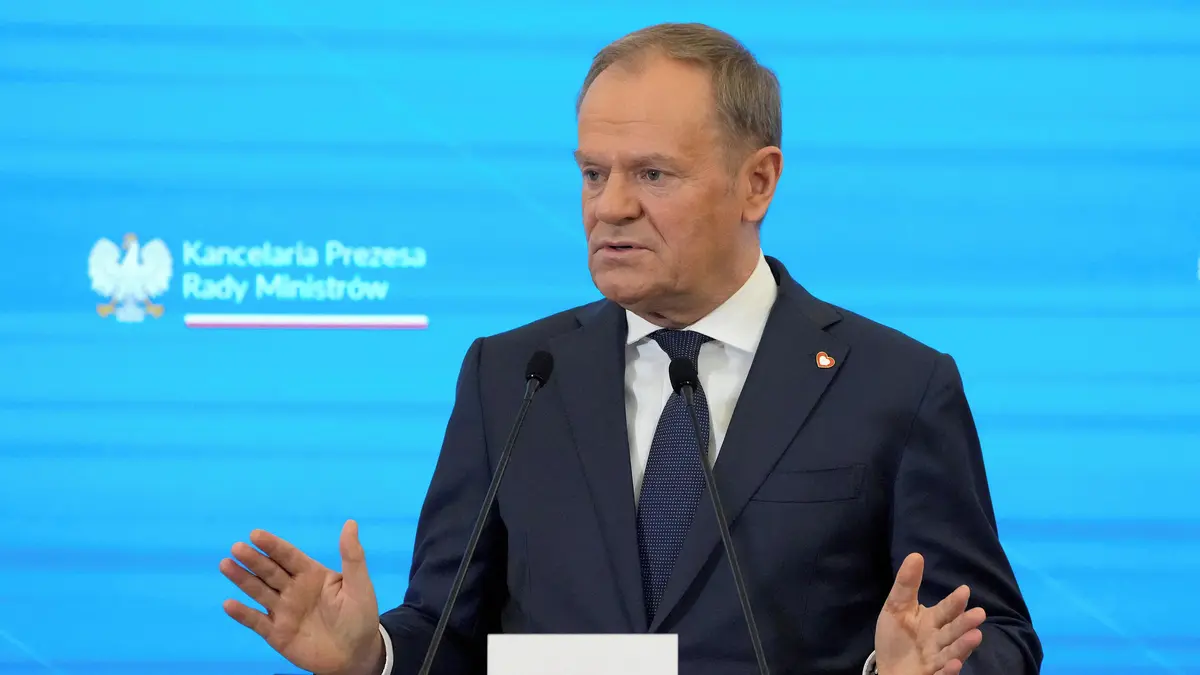

Ranking spółek zbrojeniowych 2026 ujawnia, że polski przemysł obronny, dynamicznie rozwijany dzięki programowi SAFE oraz rosnącemu zapotrzebowaniu spowodowanemu wojną na Ukrainie, osiągnął rekordowy wzrost przychodów, szczególnie widoczny w przypadku Huty Stalowa Wola i WB Electronics. #zbrojeniówka #HSW #SAFE

Śledczy w Lublinie analizują zabezpieczony serwer jako potencjalny dowód w sprawie pożaru w WB Electronics, którego przyczyny – mimo różnych hipotez, w tym celowego podpalenia – wciąż nie zostały ustalone. #pożar #CBZC #śledztwo
W nocy z poniedziałku na wtorek w zakładach WB Electronics, producenta dronów dla polskiej i ukraińskiej armii, wybuchł pożar, a nieoficjalne informacje sugerują możliwość zamachu, co sprawiło, że służby traktują sprawę poważnie. #WB_Electronics #Drony #Wojsko

W Polsce narasta debata na temat potencjalnej eskalacji agresji Rosji, co ilustrują trzy istotne incydenty z ostatnich tygodni, w tym próba sabotażu fabryki dronów, wizyta szefa CIA w Moskwie oraz pożar zakładu WB Electronics, które wskazują na rosnące zagrożenie ze strony Rosji i działania hybrydowe. #wojnahybrydowa #Polska #Rosja
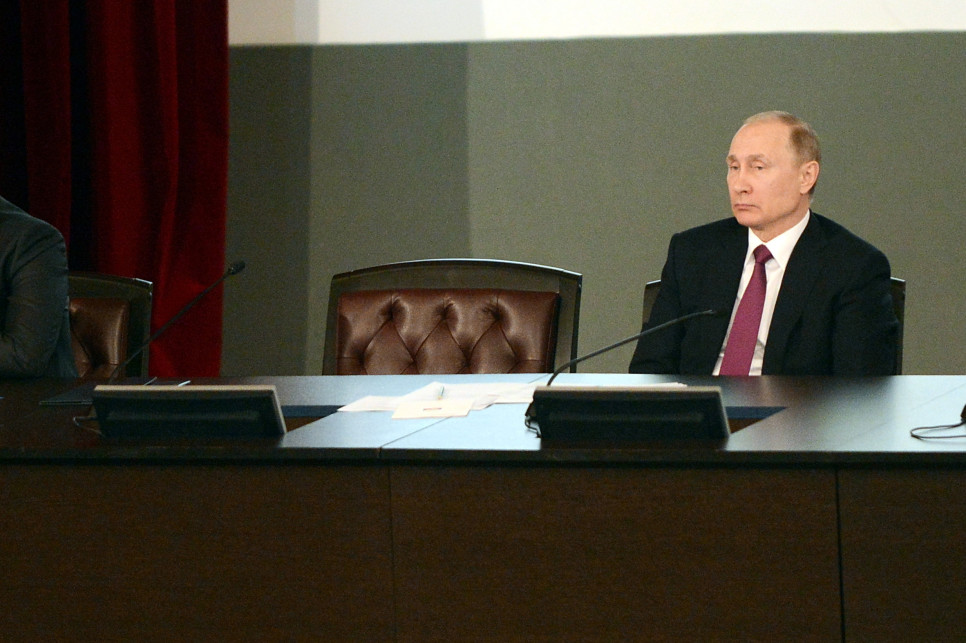
Ekspert dr Aleksander Olech wskazuje na konieczność poprawy zabezpieczeń kluczowych punktów po podpaleniu fabryki WB Electronics, podkreślając zagrożenie ze strony Rosji oraz znaczenie odpowiednich działań strategicznych w obliczu rosnących napięć. #Bezpieczeństwo #Polska #Rosja

Kamera monitoringowa zarejestrowała zamaskowaną osobę, która mogła być sprawcą pożaru w fabryce dronów WB Electronics w Skarżysku-Kamiennej, co skłoniło MSWiA do przeprowadzenia śledztwa i zaproponowania nowych rekomendacji dotyczących ochrony takich obiektów. #pożar #dywersja #WBelectronics

MGŁA WOJNY - prywatna notatka analityczna - 01.09.2026 Trzy dni temu pisałem, że nie czekam na pojedyncze wielkie uderzenie, tylko patrzę, czy w krótkim oknie zepnie się czwarta domena. Zepnięła się. W oknie ostatnich 72 godzin mój monitoring po raz pierwszy od uruchomienia potwierdził próg operacji kaskadowej. Cztery wskaźniki z czterech różnych domen nacisku, każdy z odrębnego zdarzenia. Krótko po północy 31 sierpnia zapłonął zakład WB Electronics w Skarżysku-Kamiennej, produkujący komponenty dronów dla Ukrainy. Monitoring zarejestrował intruza wchodzącego przez ogrodzenie, a prokuratura wszczęła śledztwo w sprawie udziału obcego wywiadu i przestępstwa o charakterze terrorystycznym. Przed południem tego samego dnia polskie myśliwce przechwyciły rosyjski samolot rozpoznawczy Ił-20 nad Bałtykiem, trzydzieści kilometrów na północ od Łeby. Szef MON ocenił wprost, że Rosja po raz kolejny testowała nasze systemy odstraszania i obrony powietrznej. Dwa dni wcześniej na granicy łotewsko-białoruskiej odnotowano 97 zatrzymań w jedną dobę, ponad dwukrotność tegorocznej średniej. I wreszcie 31 sierpnia Ławrow opublikował programowy tekst o operacjach NATO w Arktyce jako bezpośrednim zagrożeniu dla Rosji, z ostrzeżeniem przed konfrontacją o katastrofalnych skutkach i zapowiedzią odpowiedzi asymetrycznej. Sabotaż, domena powietrzna, granica, sygnalizacja strategiczna. Trzy z tych czterech zdarzeń zmieściły się w niespełna dwunastu godzinach jednego dnia. Dwa uderzyły wprost w Polskę. To jest dokładnie ta sygnatura, którą opisuję jako operację kaskadową charakterystyczną dla Wojny zrównoważonej. Wiele następujących po sobie uderzeń podprogowych, ułożonych tak, by podnieść eskalację w krótkim oknie i utrudnić sojusznikom zbiorową decyzję. Zachowuję analityczną ostrożność. Potwierdzenie progu nie oznacza jeszcze dowodu na jedno centrum dowodzenia wszystkimi zdarzeniami. Oznacza natomiast, że wzorzec, którego szukałem, po raz pierwszy złożył się w całość. Tłem jest szczyt SzOW z udziałem Putina i Xi oraz narastające wśród zachodnich urzędników obawy przed eskalacją poza Ukrainę. Mój wniosek jest jeden. Skracam cykl monitoringu do 72 h i patrzę teraz na dwie domeny, które w tym czasie milczały. GNSS i cyber. Ich aktywacja z innymi w najbliższych dniach oznaczałaby przejście kaskady w fazę wykonawczą. Pozdrawiam i dziękuję #Wojska #Bezpieczeństwo #Analiza
W poniedziałek, 31 sierpnia, w zakładzie WB Electronics, produkującym części do dronów dla polskiej i ukraińskiej armii, doszło do podpalenia, co skłoniło prokuraturę do wszczęcia śledztwa w kierunku przestępstwa o charakterze terrorystycznym. #pożar #teroryzm #WB_Electronics

Prokurator z Małopolskiego Wydziału Zamiejscowego Departamentu do Spraw Przestępczości Zorganizowanej i Korupcji Prokuratury Krajowej w Krakowie wszczął dziś śledztwo w sprawie brania udziału w działalności obcego wywiadu przeciwko Rzeczypospolitej Polskiej i dopuszczenia się przestępstwa o charakterze terrorystycznym, polegającego na celowym wywołaniu w dniu 31 sierpnia 2026 r. pożaru na terenie przedsiębiorstwa WB ELECTRONICS S.A. w Skarżysku-Kamiennej poprzez podłożenie ładunku zawierającego materiały łatwopalne. W wyniku pożaru zniszczeniu uległy pomieszczenia magazynowe, a wartość wyrządzonej szkody wynosi co najmniej 15 mln zł. #przestępczość #śledztwo #terrorystyczny

W polskim zakładzie firmy WB Electronics produkującym drony doszło do sabotażu - podpalenia. I teraz powiem wam co się stanie: Podpalacz okaże się być z Ukrainy, zezna, że działał na zlecenie Rosji, dostanie 15 miesięcy + 1000 zł grzywny. 🤨 https://t.co/cvpIJr9a0q #drony #sabotaz #Ukraina
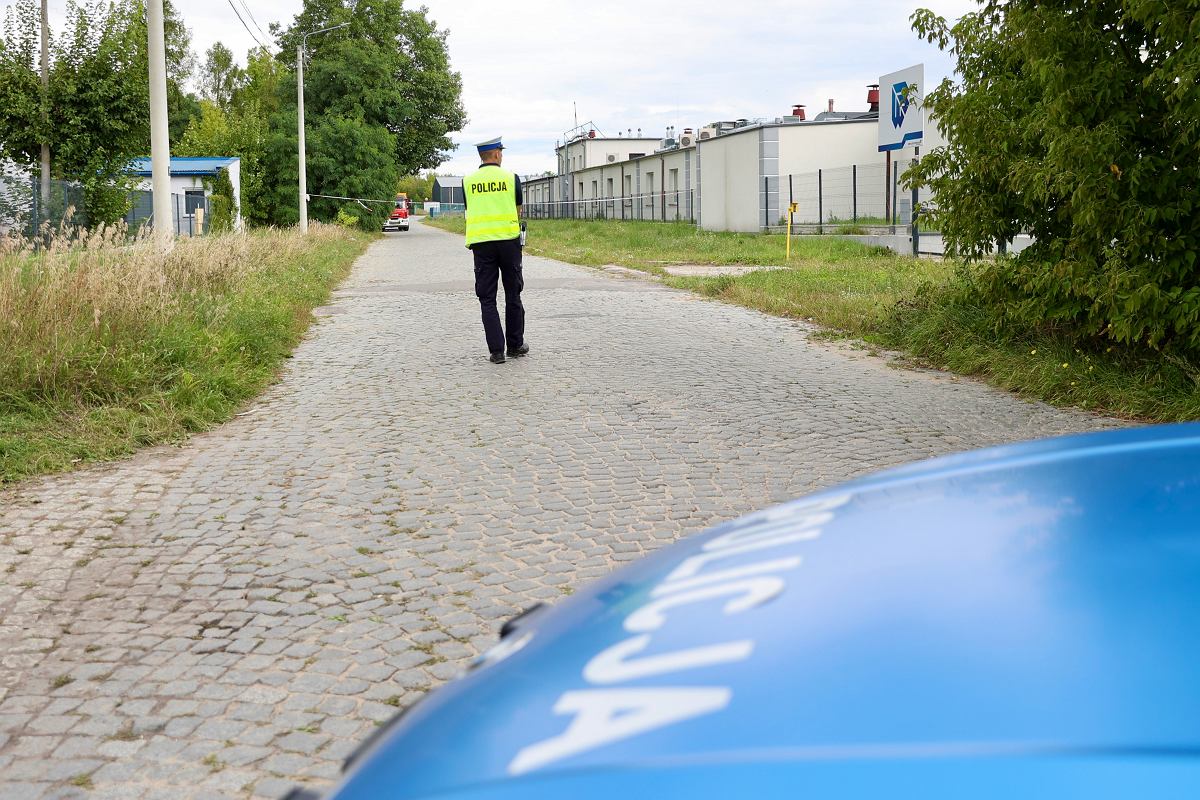
Wojna hybrydowa ciąg dalszy Dzisiaj rano jakiś nieznany osobnik wtargnął na teren zakładu firmy WB Electronics w Skarżysku-Kamiennej, ul. Obuwnicza, gdzie w 2022 r. ta firma mająca główną siedzibę w Ożarowie otworzyła filię produkującą elementy bezpilotowych aparatów latających. Są one poddostawcą innej ważnej filii firmy, należącej do WB Electronics spółki Flytronic S.A. z Gliwic. W Gliwicach, między innym z części ze Skarżyska-Kamiennej, WB Electronics produkuje doskonałe drony, rozpoznawcze taktyczne Flyeye i amunicję krążącą Warmate (jednorazowe, uderzeniowe). Oba typy są szeroko stosowane w Ukrainie i doskonale się sprawdzają, będąc zmorą Rosjan. Oba te typy dość szeroko używa też Wojsko Polskie. W ogóle firma WB Electronics to naprawdę niesamowita prywatna firma polska, znana także ze zautomatyzowanych systemów dowodzenia, takich jak Topaz dla artylerii. Od pewnego czasu rosyjski wywiad wojskowy (niepokojące jest to, że robi to właśnie GRU, które odpowiada za wsparcie wszelkich działań cywilnych, a nie cywilna służba wywiadowcza SWR) werbuje "jednorazowych" dywersantów i informatorów w ciekawy sposób. To działa jak tanie drony. Można wysłać kosztowny pocisk, który ma duże szanse dotrzeć do celu, ale jest on bardzo drogi. Ale można wysłać chmarę śmiesznie tanich dronów, spośród których mało który doleci do celu, ale jednak część doleci i szkód narobi. Kiedyś rekrutowano agentów, szkolono ich, płacono im ciężkie pieniądze, ale mieli oni wielką wartość, bowiem potrafili doskonale wykonać robotę dywersyjną nie zostawiając śladów albo przynosić wartościowe informacje. Nadal oczywiście się to robi. Ale oprócz tego jest zupełnie nowa kategoria tanich agentów jednorazowych i sposobu ich werbunku. Rosjanie rozwinęli zaskakującą rzecz. Wybierają różnych biednych pierdolców całkiem z przypadku. Czasem takie propozycje rozsyłają boty, by ich wysłać dziesiątkami tysięcy, przez media społecznościowe, z fejkowych kąt. Jak oszuści internetowi. Albo pod pozorem propozycji zatrudnienia. Wielu ludzi się na to łapie, zwłaszcza że nie jest to spadek 400 000 Euro z Nigerii, ale propozycja wykonania drobnej pracy za 200 czy 300 zł. Wielu mówi: a czemu nie? Zwłaszcza jak chodzi o przyklejenie niewinnych ulotek na murach w kilku miejscach. Potem zlecenia są coraz bardziej lukratywne, ale coraz bardziej nielegalne. Podpalenie śmietnika. Przetransportowanie samochodem kogoś (kto jedzie na inną robotę), itd. Aż w końcu według określonej instrukcji jest podpalenie jakiegoś obiektu za 3000 czy 5000 zł. To cholernie śmieszna zapłata jak za taki czyn, ale wielu w to wchodzi. To nic że 1000 odmówi, ale 1001-szy... Na tym to polega, że rozsyłanie zleceń przez media społecznościowe niewiele kosztuje, i czasu, i wysiłku. W Polsce rekrutują głównie Ukraińców z wiadomych względów: żeby zwalić winę na nich. Że to niby Kijów ich nasłał. Ale równie dobrze mogliby rekrutować Polaków, też taki 1001-szy by się znalazł, w każdej społeczności znajdzie się taki co za kasę coś tam... Niemniej jednak oni potrzebują Ukraińców. Że niby Ukraina chce nas wciągnąć do wojny. Założę się, że jak złapią tego biednego pierdolca co dokonał dzisiejszego podpalenia, to będzie Ukrainiec. Rosjanie potrzebują tego, by wywołać w Polsce złość i nacisk na władze, by natychmiast przerwać wszelką pomoc militarną dla Ukrainy. By bez tej pomocy padła. Obawiam się, że takie akty, sabotaże, podpalenia, prowokacje, dywersje, będą się mnożyć. Bo Rosja nie wykonała zadania postawionego na ten rok, czyli zajęcia pozostałej części Donbasu. Dlatego trzeba przerwać zachodnią pomoc za wszelką cenę. Więc właśnie Ukraińców trzeba werbować do tych ciemnych sprawek. A zawsze się trafi jakiś kretyn, który nawet nie podejrzewa, w czym uczestnicy... W tym wypadku facet okazał się kompletnym amatorem. Tanim agentem za 3000 czy 5000 złotych. Nagrał się w kominiarce na kamery. I w dodatku znaleziono jego kurtkę i plecak, no wtopa na całego. To kwestia czasu, jak go złapią, bo mają go złapać. Nie chodzi o to by zakład spalić, ale żeby złapano Ukraińca. A wtedy ruszy w necie ofensywa informacyjna. Przerwać pomoc dla Upadliny! Tak będą drzeć ryja znane już konta, a będzie im wtórować miejscowa agentura wpływu (ta lepiej opłacana), tak z kręgów politycznych, jak i medialnych. Będą im wtórować różni pożyteczni idioci i zwykli obywatele, którzy padli ofiarą dezinformacji i manipulacji. A różne nieosfojone instruktory będą stawiać swoje pytania: ja nikogo nie oskarżam, ja tylko pytam... Na zdjęciu - dzisiejszy incydent ze Skarżyska-Kamiennej. Fot. Inertia Jeśli chcecie, żebym poświęcał swój czas na te wpisy, jeśli w ogóle chcecie je czytać, to poproszę o kawkę. To tylko kilka złotych, a mnie rekompensuje włożony w tę pracę czas. https://t.co/pPHnCSlfpS #HybrydowaWojna #Bezpieczeństwo #Ukraina






