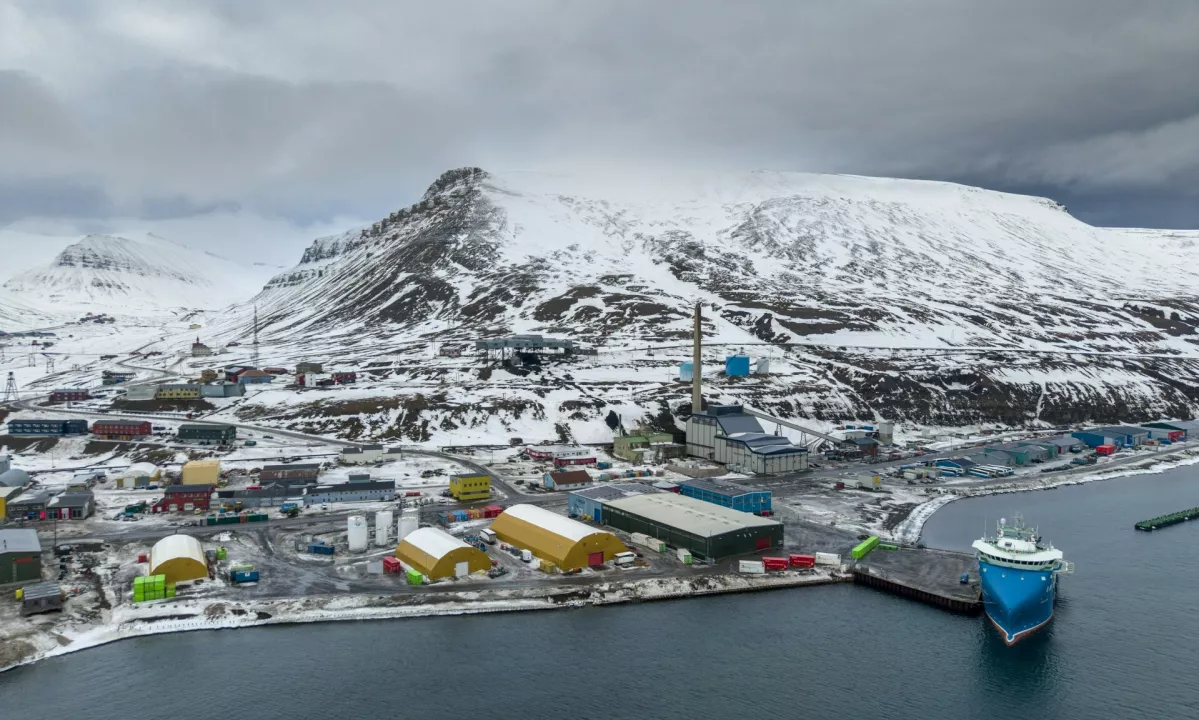
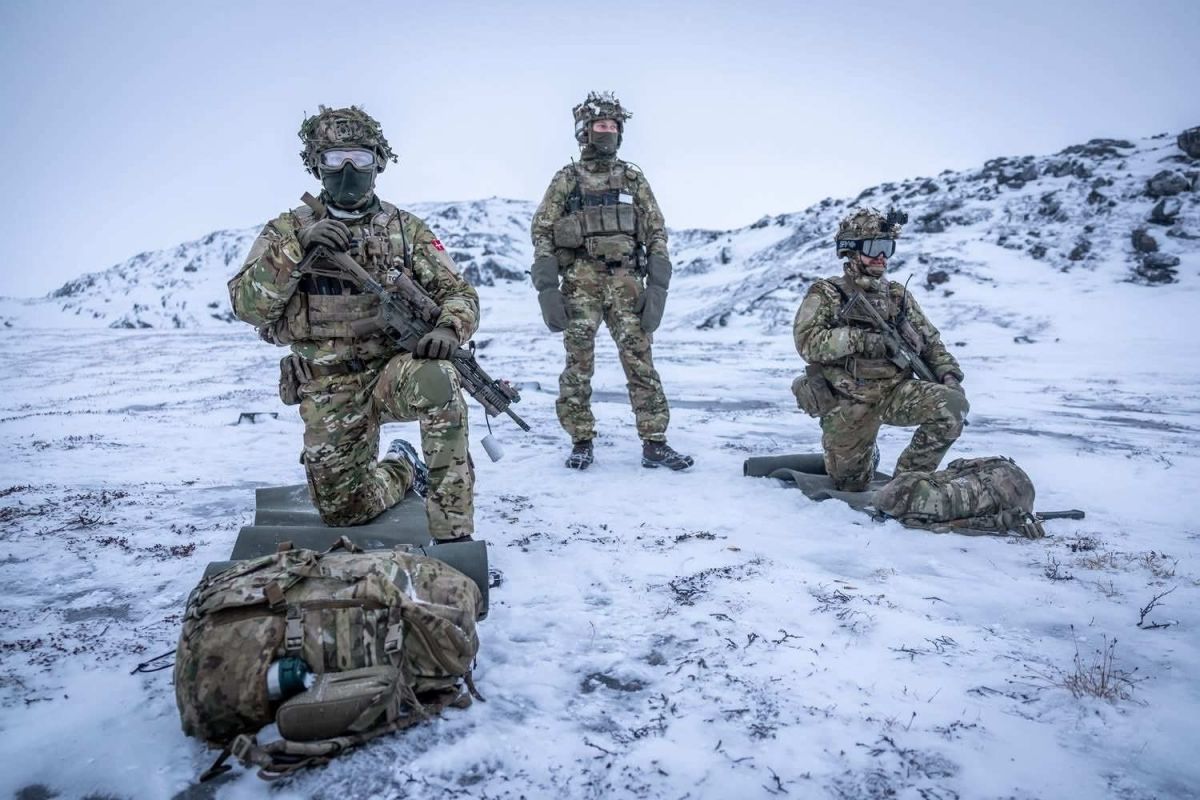
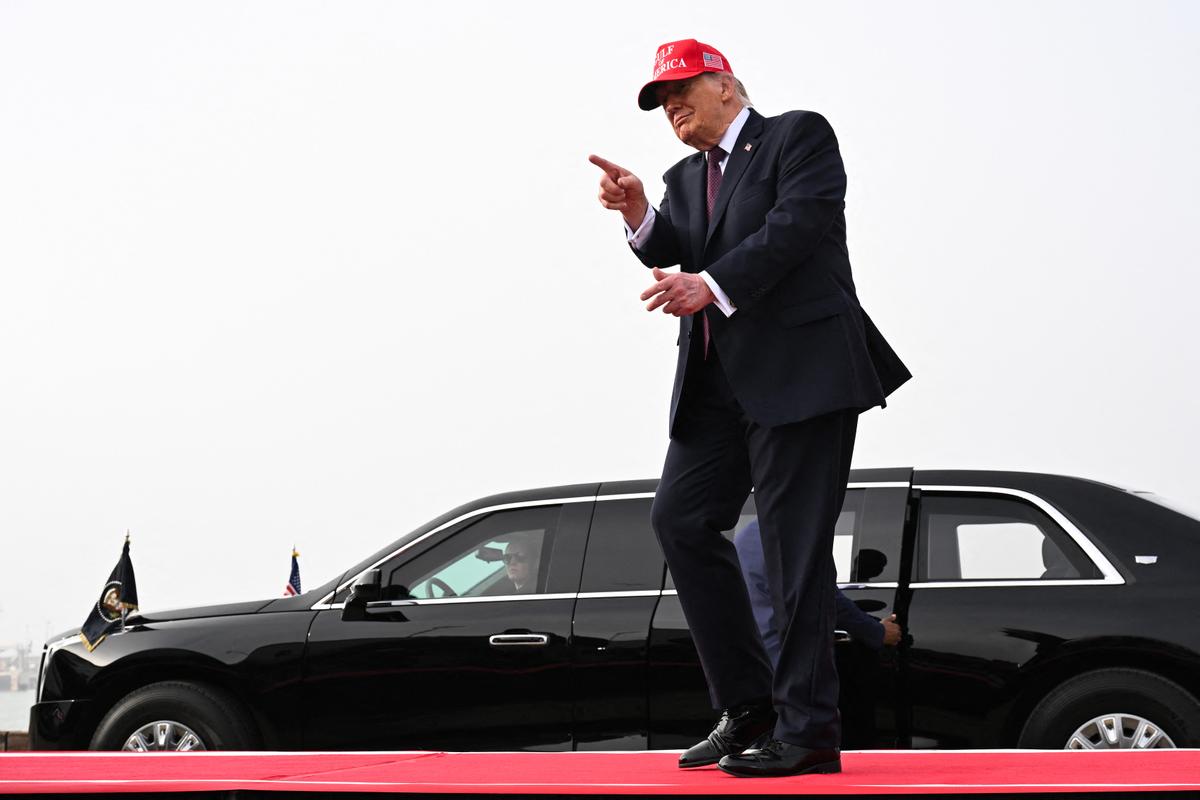
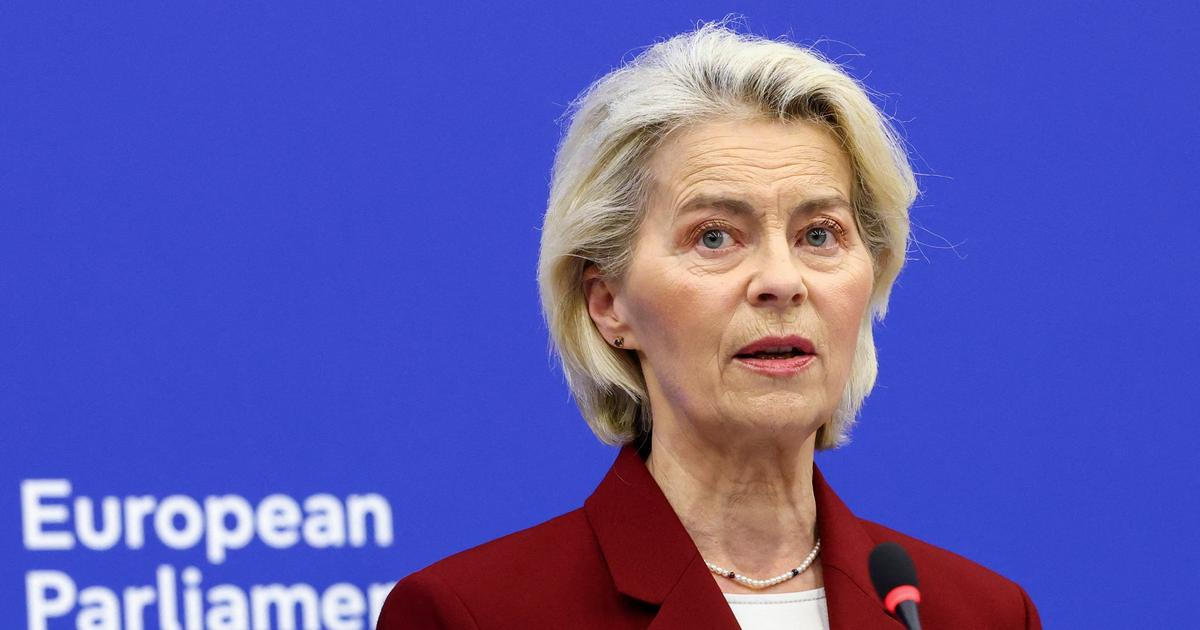
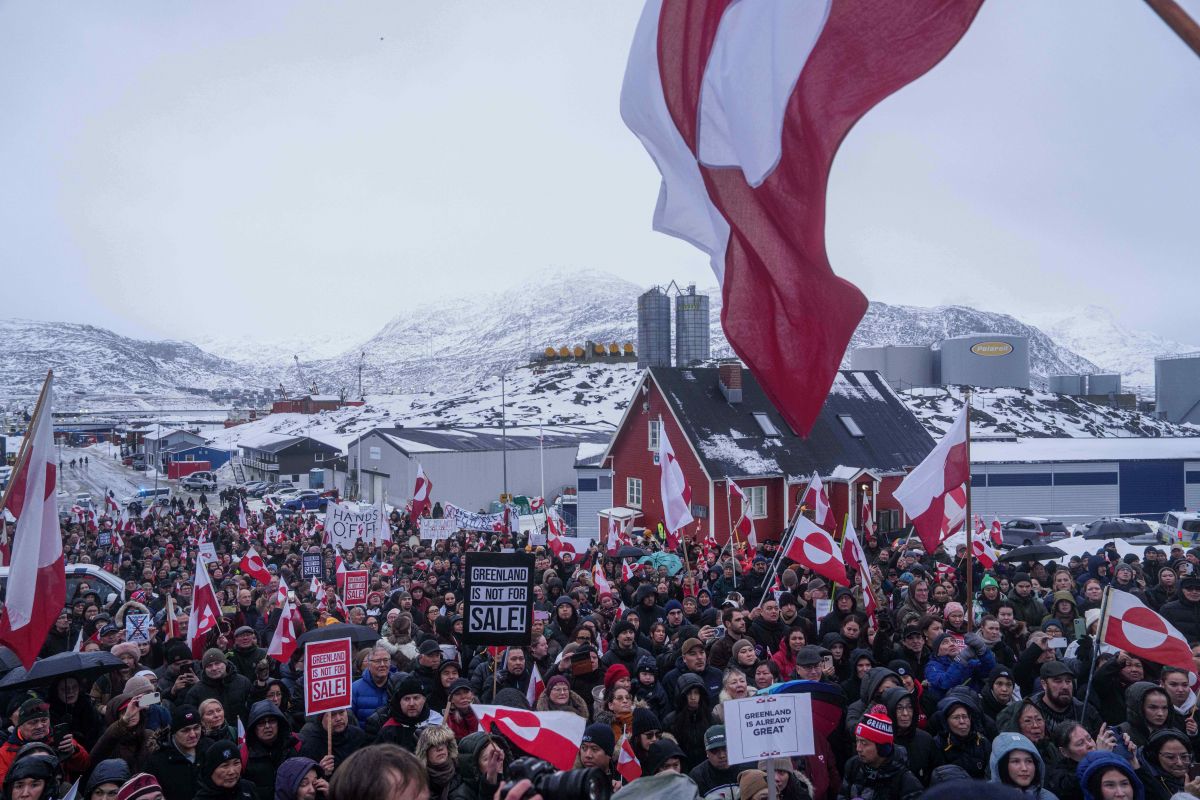
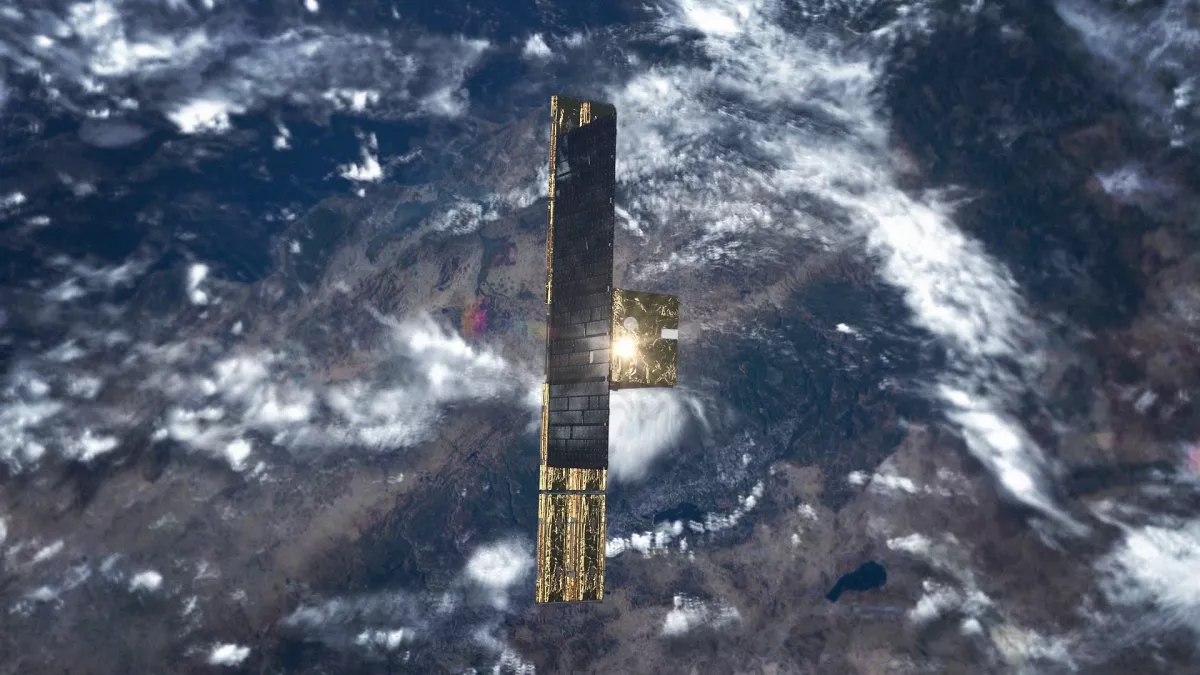
Země NATO čelí kritickému nedostatku nitrocelulózy, známé jako střelná bavlna, protože evropské zásoby jsou silně závislé na dodávkách z Číny, což představuje strategické riziko v aktuálním geopolitickém napětí, a pro zajištění soběstačnosti je nutné zvýšit výrobu v Evropě, kde jsou klíčové kapacity v oblasti výroby munice nedostatečné. #nitrocelulóza #munice #geopolitickéNapětí

Baltijas Muzeoloģijas vasaras skola, kas šonedēļ notiek Liepājā, pulcē muzeju profesionāļus no Latvijas, Lietuvas un Igaunijas, lai apspriestu mūsdienu muzeju izaicinājumus, tostarp drošību ģeopolitiskos apstākļos, un uzsvērtu muzeju nozīmi sabiedrības atbalstīšanā pārmaiņu laikā. #Muzeoloģija #Drošība #Kultūra

L'augmentation des prix des carburants, avec le SP95-E10 dépassant les 2 euros le litre, est attribuée par Francis Pousse du syndicat Mobilians à des facteurs comme la hausse du prix du pétrole, l'affaiblissement de l'euro et la fin des exportations de gasoil russe, dans un contexte marqué par des investisseurs jouant avec les tensions géopolitiques. #HausseDesPrix #Carburants #MoyenOrient

Portugal aparece como um dos destinos favorecidos pela alteração dos fluxos turísticos em consequência da instabilidade geopolítica, com aumento da ocupação hoteleira no Algarve, Porto e Alentejo, de acordo com um estudo da McKinsey que revela a cautela dos viajantes ao considerar segurança e flexibilidade nas suas decisões de viagem. #Turismo #Destinos #Segurança
In the Ban's Court, I received the Commissioner @EU_Commission for Neighborhood and Enlargement @MartaKosEU. We discussed the situation in Southeast Europe and the future of the European Union's enlargement process, which Croatia strongly supports. New geopolitical circumstances create a more favorable atmosphere for https://t.co/4yvrO2NOfv (translated)
Extreme Capitalism and AI won't create The Good Future (Geoffrey Hinton) - Gerd Leonhard https://t.co/OPV1NspG8x #ExtremeCapitalism #AI #GoodFuture #Nospecificcountriesarementionedinthetweet.
Článek se zabývá smrtí Abderrahima Fakira v Bologni během policejního zásahu, přičemž italský ministr vnitra Piantedosi a ministr spravedlnosti Nordio ujistili, že v Itálii není nikdo nad zákonem a odmítli paralelu s americkým modelem ICE a případem George Floyda, zatímco protesty ve městě přerostly v násilné střety mezi demonstranty a policií. #Giustizia #Polizia #Fakir

V Německu je leihmutterschaft oficiálně zakázaná, avšak zákon ve skutečnosti vyžaduje politickou revizi, protože současné omezení pouze posílá německé páry do zahraničí, zejména do Georgie a USA, kde čelí vysokým nákladům a riziku vykořisťování, což podtrhuje nedostatečnost a zastaralost německého embryonového zákona z roku 1990. #Leihmutterschaft #Rechtsprechung #Embryonenschutzgesetz

Curiosità — Utilizzando Fable 5 di Anthropic, un matematico di Harvard ha apparentemente individuato un contro-esempio alla congettura jacobiana, un problema aperto di geometria algebrica formulato nel 1939 da Ott-Heinrich Keller. https://t.co/R88MbQVsRW #Matematica #Geometria #Ricerca
| JULY 2026 | The Guard State How the largest Arab nation became a security contractor at the gates of its own people By Adham Hasanin Egyptian journalist and political writer, based in the Netherlands In June 2025, hundreds of activists from forty countries landed at Cairo airport. Doctors from France, lawyers from Australia, students from the United States, pensioners from the Netherlands. They carried no weapons and no banned slogans; they carried backpacks, walking shoes, and a single intention: to march from Arish to the Rafah crossing — entirely on Egyptian soil — to demand that food be allowed through to a people starving behind the gate. Not one of them reached Rafah. More than two hundred were detained before the march could begin. Around five hundred foreign nationals were deported from airports, hotels, and checkpoints. Passports were confiscated, activists were pulled out of downtown Cairo cafés, and the Global March to Gaza was cancelled on 16 June without taking its first step. And the world watched. This was no secret operation in a dark basement; it happened in the open, documented by the deportees’ own phone cameras, carried by every international news agency. The world watched an Arab state arrest Europeans, Americans, and Africans for wanting to walk towards Palestine. A state guarding the gate of a siege — from the side that was supposed to be the side of rescue. Hold that image, because it is the key to everything that follows. This was not an aberration in Egyptian policy, nor an isolated security decision. It is the function — the complete function around which the Egyptian state has been redefined over the past decade, and which it is time to call by its proper name: the Guard State. I. The Name — What Do We Mean by the Guard State? Political economy has long described states that live off the rent of their location rather than the production of their people. But what has crystallised in Egypt over the past decade goes beyond traditional geographic rent — the Suez Canal, say — into something far graver: the conversion of sovereignty itself into a commodity for hire. The Guard State does not sell its location; it sells its function. It collects its wages not for what it produces, but for what it prevents: it prevents the refugee from reaching Europe, the activist from reaching Gaza, its own people from reaching politics, and the resistance’s weapons from reaching their destination. Four gates, guarded by a single machine, whose wages are paid in loans, deposits, and perpetually renewed rescue packages. This is not a rhetorical metaphor; it is an economic structure with numbers attached. When the Egyptian economy collapsed in 2024, it was rescued not by productive reform but by a single deal whose subject was location: Ras el-Hekma — thirty-five billion dollars for a stretch of coastline. And whenever negotiations with the IMF stall, the tranches are unlocked by explicit European pressure whose subject is migration: nine billion euros from the European Union in the 2024 “Strategic Partnership,” whose own documents place “migration management” at its core. Europe does not pay Egypt to prosper. It pays Egypt to guard. Thus the model is complete: income in exchange for prevention, external legitimacy in exchange for guarding, and international silence about domestic tyranny in exchange for keeping the gates controlled. To see how the model works on the ground, consider the bloodiest gate of all: the gate of Gaza. II. The Gaza Gate — The Guard Who Is Himself Searched The first paradox must be nailed down with facts: Egypt is not a sovereign guard of its own crossing; it is a searched guard. Egyptian relief trucks — ninety-two thousand food parcels in a single convoy this month — are subject to Israeli inspection before entering the Strip: from Egyptian soil, through a crossing that bears an Egyptian name. The state that guards the gate does not hold its key. It owns the threshold, but not the door. Then the October 2025 truce added a new layer to the function. Under the fifteen-point roadmap sponsored by the international envoy together with the “guarantor states” — Egypt foremost among them — Cairo is to train the civilian police force that will replace Hamas in administering the Strip, under the slogan of “one authority, one law, one weapon.” Let us call things by their names: the state that could not — or would not — deliver a loaf of bread without Israeli permission is now qualifying to graduate the security apparatus that will oversee the disarming of the resistance. From guarding the siege to administering what comes after the siege — a promotion within the same project. And meanwhile, what is happening behind the guarded gate? Since the truce, more than one thousand one hundred Palestinians have been killed by Israeli fire — the latest, just two days ago, a ten-year-old boy named Motaz Abu Shaar, carried to his grave in Khan Younis by his mother, Warda. A United Nations commission of inquiry has concluded that Israel is “deliberately targeting children in an ongoing genocide.” This is what the guarantors’ official language calls a “ceasefire.” What meaning is left in the word “guarantor”? A guarantor that the gate stays firmly shut — however high the dead pile up behind it. III. The Mediterranean Gate — The Guard Europe Pays For The second gate faces north. Since 2016, Cairo has boasted — through its officials at every European forum — that “not a single irregular migration boat has departed from Egyptian shores.” This is very nearly true. But the forbidden question is: at what political price has this “efficiency” become an instrument of mutual blackmail? Europe — which condemns Egypt’s human rights record in its parliamentary resolutions — is the same Europe that signed the nine-billion-euro partnership, and the same Europe that stays silent about sixty thousand political prisoners because the alternative, in its calculations, is boats that never stop. And Cairo understands the game and has mastered it: whenever human rights pressure intensifies, the official discourse turns up the volume on “Egypt hosts millions of refugees” and “the last line of defence.” The result is a perfect structure of mutual blackmail: Europe buys its conscience’s silence, the regime sells its location, and the people — Egyptian and refugee alike — are the commodity in the transaction. The democracies that lecture on values are financing the guard who keeps the victims from knocking on their doors. This is not passing hypocrisy; it is a structural partnership in the Guard State model — one that makes Brussels and Berlin shareholders in everything this state produces, from domestic repression to external siege. IV. The Interior Gate — Guarding the People Against Politics But the most dangerous gate is not on any border; it is inside. The Guard State cannot perform its external function unless it first guards an internal gate: the people’s gate to politics. The function requires a people that does not ask: why are we guarding the siege of our brothers? Why are our trucks searched on our own soil? Why are guests deported for coming to walk in peace? To guarantee the question is never asked, the largest silencing machine in the country’s history was built: sixty thousand prisoners of opinion, a press ranked 166th out of 180 worldwide, and a state security case number waiting for anyone who writes. I write these lines from experience, not from reading reports. When I continued writing from my Dutch exile, the machine reached me across continents: accounts shut down by coordinated mass-reporting campaigns, documented threats, a family harassed inside Egypt as leverage — and my name entered into Case 1282 of 2024, not for any act I committed, but for opinions written from free European soil. This is not a personal complaint; it is a job description: the Guard State guards even beyond its borders, because the free word — wherever it is written — threatens the entire contract of guardianship. The logic is perfectly self-consistent: a regime that sells “stability” abroad cannot tolerate a voice revealing that the stability on offer is the stillness of graveyards. This is why the arrest of the foreign activists in June 2025 was inevitable, not incidental: a peaceful march reaching Rafah would have revealed, before the world’s cameras, that the gate opens when it is wanted open — and that the one keeping it shut is a partner, not a mediator. V. What Has Egypt Lost? — The Guard’s Bill An apologist might argue: what is the harm? A state monetising its location as Norway monetises its oil. The answer lies in the essential difference: Norway sells a resource; Egypt leases its will. And the difference between the two is the difference between trade and bondage. Let us tally what Egypt has paid for this model, in bare facts. It lost its water sovereignty: the Renaissance Dam was completed and filled without the state — owner of “the largest defence headquarters in the world” — daring anything beyond statements of concern; for the guard does not make trouble for the international order that employs him. It lost its regional standing: in the Iran–America war halted just weeks ago, Cairo was neither party nor mediator nor even consultant — Pakistan brokered the deal, while Egypt absorbed the economic shrapnel of Hormuz’s closure like a bystander caught in a battle whose parties it does not know. It lost its place in the conscience of its nation: the state that liberated its land in 1973 and led the Arab world for a century has become, in the eyes of the Arab street from the Atlantic to the Gulf, the gatekeeper of the siege. This loss, specifically, no loan or deposit can repay — because it is the only capital that cannot be printed. And it lost — here is the crux — the very national security in whose name the guarding is justified. The model proved its fragility at the moment of testing: when Israel feared an Iranian response last year, it cut off Egypt’s gas by unilateral decision within hours. The guard who believed himself a partner discovered he was merely a hireling whose wages stop the moment danger arrives. VI. The Alternative Is Not a Slogan — It Is the Recovery of the Original Function I will not close with an essay on “the solution lies in Arab unity”; worn-out words kill more surely than silence. The alternative is specific, and it begins with redefining the function. The state is not a guard; the state is the agent of its people’s will. Every foreign policy not derived from that will is — by definition — functional servitude, however it is wrapped in the language of wisdom and moderation. And the Egyptian will is known and needs no referendum: no people in this region accepts that its country serve as warden of the siege of Gaza, or as Europe’s border post. Practically, the recovery begins with three measurable steps. Open the Rafah crossing fully and sovereignly, by purely Egyptian decision — that alone would overturn the equation of the siege. Break the negotiating bondage by linking any cooperation on migration to concrete European positions on Palestine, not statements of concern. And open the interior gate — release the prisoners and lift the hand from the written word — because a state that fears an article will never dare face an occupier. I know the current regime will do none of this; guarding is its founding contract and its financial artery. But this article is not written for the regime. It is written for memory, and for the generation that will inherit the gates — so that it knows that what is presented to it today as “the fate of geography” is no fate at all. It is an employment contract, signed by a regime without a mandate from its people. And contracts, however long they run, end when one of their parties does. And the world — I return to where I began — is a witness that requires no further proof. It watched the deportees at Cairo airport; it watched the searched trucks; it watched Warda Abu Shaar carry her son to his grave behind a firmly guarded gate. The question is no longer: what is happening? The only question left is: who dares to name it? This article is a naming. Adham Hasanin is an Egyptian journalist and political writer based in the Netherlands, covering Arab and European political affairs.
89-letni upokojenec iz Slovenije je podaril hišo v vrednosti 10 milijonov evrov, da bi pomagal ljudem, ki se trudijo preživeti, medtem ko nova študija razkriva, da geografski dejavniki vplivajo na tveganje za demenco. #demenca #geografija #tveganje

After Russia, Venezuela and Iran, ultimate goal is to "contain China". I hope Chinese are well aware of this fact. #China #Geopolitics #InternationalRelations #RU #VE #IR #CN
Jamie Dimon, CEO-ul JPMorgan Chase, afirmă că nu ar cumpăra acțiuni sau obligațiuni americane din cauza subestimării riscurilor economice globale, inclusiv tensiunile geopolitice și deficitele bugetare, sugerând că piețele nu reflectă pe deplin aceste amenințări. #JamieDimon #JPMorganChase #economiaGlobală

Geopolitička situacija se pogoršava. Naš je ustav pisan u vrijeme kad su okolnosti bile posve drugačije.
✅ Según ha podido saber The Race, esta radio de George Russell ocurrió, no es un montaje 🤫 Fue censurada de todas las retransmisiones, incluso la onboard de Russell (menos la alemana) por "lenguaje malsonante" según FOM https://t.co/3gm6vxDxth #F1 #GeorgeRussell #Censura
V prvním zápase nového ligového ročníku bulharského fotbalu vzbudil pozornost prapodivný gól, kdy brankář Petar Marinov nešťastně zareagoval na střelu Georga Stojanovskiho, což vyvolalo spekulace o možné úmyslné chybě v kontextu podivného chování majitelů klubů v bulharské lize. #fotbal #Bulharsko #bizarní_gól

❗️❗️❗️ Marksistu pulciņa “Maiznīca” aktīvists saviem vienaudžiem skaidro, kāpēc padomju sistēma bijusi pārāka par Rietumu modeli, īpaši izceļot “plānveida ekonomiku” un “sociālo taisnīgumu”. 🙈 Šodien pie mums ir kārtējā vēstures lekcija no pagrīdes organizācijas “Maiznīca” aktīvista Oskara jeb, kā viņš pats sevi dēvē, Diānas. 🤷🏻♂️ Domāju, ka tieši šādi arī izskatās vēstures nodarbības “Maiznīcā” – 2005. gadā dzimis cilvēks saviem vienaudžiem stāsta par komunisma priekšrocībām un to, cik brīnišķīga valsts bijusi psrs. 📊 Īpaši komiski ir klausīties stāstus par padomju ekonomiku, kas, pēc Oskara/Diānas teiktā, bijusi tik rūpīgi plānota, ka ikvienam bijis garantēts darbs un droša nākotne. 🚀 Starp citu, kā pierādījumu tam, ka sievietes aktīvi piedalījušās politikā, marksists Oskars parāda valentīnas tereškovas fotogrāfiju. 😵💫 Psrs laikā viņa vadīja padomju sieviešu komiteju, bet 2020. gadā atbalstīja konstitūcijas grozījumus, kas ļāva kara noziedzniekam putinam faktiski sākt prezidentūras termiņu skaitīšanu no jauna. ⚠️ Interesanti, ka šīs fotogrāfijas autortiesības pieder propagandas aģentūrai sputnik, bet pati fotogrāfija uzņemta Tautu draudzības universitātē. 🤦🏻♂️ Acīmredzot tas, ka šajā augstskolā mācījās afrikāņi un citi ārvalstu studenti, Oskaram/Diānai kalpo kā pierādījums komunisma progresivitātei un tam, ka psrs neesot bijis rasisma. 🎯 Patiesībā tieši šajā augstskolā gadiem ilgi tika un joprojām tiek sagatavoti augsta līmeņa kremļa ietekmes aģenti turpmākam darbam dažādās pasaules valstīs. 🤭 Tas nenotiek tāpēc, ka labestīgā padomju savienība vai mūsdienu krievija vienkārši vēlētos nodrošināt visiem pasaulē bezmaksas augstāko izglītību. Tās īsteno savas ģeopolitiskās intereses. 😐 Es ļoti labi zinu, par ko runāju, jo pats šajā universitātē mācījos deviņus gadus, par ko liecina mani trīs diplomi. 👆 Tāpēc, kad lasāt ziņas par to, ka, piemēram, Āfrikas vai Latīņamerikas pārstāvji kādā starptautiskā sporta federācijā aktīvi iestājas par krievijas sportistu atgriešanos sacensībās, atcerieties – ļoti daudzi no viņiem ir Tautu draudzības universitātes absolventi. 🤥 Tālāk 21 gadu vecais marksists izklāsta teoriju, ka Rietumi tirgojuši tikai iespējas, kamēr “labā” psrs cilvēkiem nodrošinājusi garantijas. Jā, piekrītu! Par šī jaunieša ārējo izskatu un dzīvesveidu padomju laikā viņš, visticamāk, būtu nodrošināts vismaz ar kameru cietumā, kur viņam būtu garantētas veselības problēmas uz visu atlikušo mūžu. 🫣 Visvairāk mani šokēja apgalvojums, ka sarkanā armija uzvarēja fašismu, it kā tā to būtu paveikusi viena pati. 🤫 Acīmredzot Oskars/Diāna ir aizmirsis par padomju savienības sadarbību ar nacistisko Vāciju, par Lendlīzes programmu un par to, ar kā palīdzību psrs vispār nonāca uzvarētāju vidū. 🤯 Es nevēlos atkārtot to, ko jau agrāk rakstīju par Stokholmas sindromu, taču patiesi nespēju saprast, kā latviešu tautas pēcteči, kuru ģimenes tik smagi cieta no komunistiskā režīma, var kļūt par padomju savienības pielūdzējiem. Kā var apbrīnot tos, kuri īstenoja represijas pret taviem vecvecākiem, atņēma viņiem — un līdz ar to arī tev — īpašumu un deportēja cilvēkus uz sibīriju? ☠️ Un runa nav tikai par konkrēto Oskaru/Diānu. Runa ir par šīm pagrīdes organizācijām kopumā, par to, cik daudz jauniešu no mūsu valsts pamatnācijas tās atbalsta, spiež “patīk” sociālajos tīklos, raksta atbalstošus komentārus un galu galā balso par politisku partiju, kas aizstāv šādu Latvijas 20. gadsimta traģiskās vēstures interpretāciju. 🥲 Mēs taču nenoliegsim acīmredzamo faktu, ka viņiem ir visai ievērojams sabiedrības atbalsts? Piedodiet, bet es to nespēju saprast. ❓ Kā jūs domājat — cik bīstami ir tas, ka jaunieši, kuri dzimuši jau pēc Latvijas neatkarības atjaunošanas, bet daudzi pat 21. gadsimtā, sāk patiesi ticēt, ka padomju režīms bija paradīze zemes virsū? #vēsture #komunisms #sociālaisTaisnīgums
Die Londoner Börse plant, den Handel mit Wertpapieren nahezu rund um die Uhr zu ermöglichen, um der gestiegenen Nachfrage von Privatanlegern gerecht zu werden, wobei die neue Plattform ab nächstem Jahr zunächst für börsennotierte Fonds (ETFs) auf britische und US-Werte geöffnet sein soll. #LondonStockExchange #Börsenhandel #ETFs