Summer 2026 in Baden-Württemberg is considered by the DWD to be the warmest since records began in 1881, resulting in thousands of heat-related deaths and significant damage to agriculture. (translated)

Summer 2026 in Baden-Württemberg is considered by the DWD to be the warmest since records began in 1881, resulting in thousands of heat-related deaths and significant damage to agriculture. (translated)

The summer of 2026 set new records in Germany with extreme temperatures and a worrying drought, which led to nearly 16,000 heat-related deaths and severely affected agricultural yields as well as water levels. (translated)

The summer of 2026 was the hottest since measurements began 260 years ago, with persistent heatwaves over 40 degrees, extremely low water levels, and an unprecedented drought that resulted in massive crop failures and a record number of heat-related deaths. (translated)

This year's summer 2026 was, according to the German Weather Service, one of the warmest since records began, characterized by extreme heat, drought, and a rise in heat-related deaths in Germany, estimated to be over 15,000. (translated)

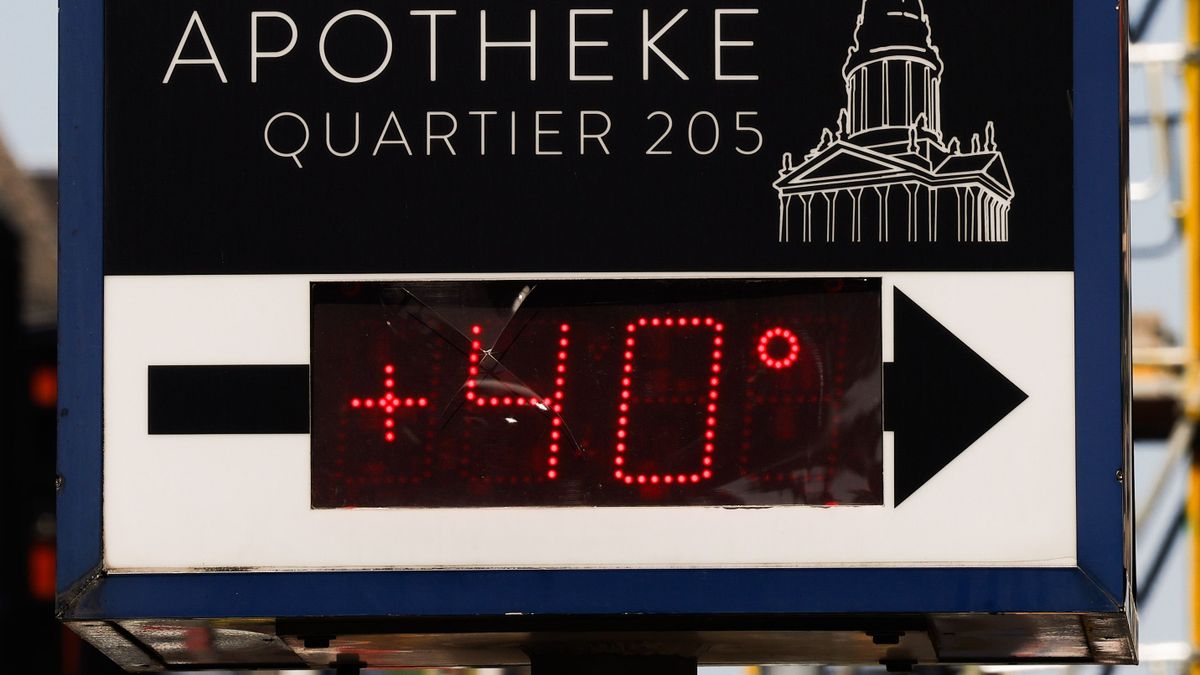
According to a preliminary analysis by the German Weather Service, the current summer was one of the warmest since measurements began, characterized by extreme temperatures over 40 degrees, persistent drought, and a significant number of heat-related deaths, all linked to climate change. (translated)

The summer of 2026 was one of the hottest in Germany since weather records began, with temperatures over 40 degrees, a high number of heat-related deaths, and severe environmental impacts such as drought and forest fires. (translated)

In June and July 2026, 646 people died in Austria as a result of extreme heat, setting a record for this period and putting pressure on the healthcare system. (translated)

Austria recorded a record number of 646 heat-related deaths in June and July, exceeding the previous high of 570 from the previous year, while simultaneously reaching new temperature records such as 41.2 degrees in Bad Deutsch-Altenburg. (translated)

In Austria, a sad record of 646 heat-related deaths was reached in the summer of 2026, particularly in the months of June and July, fueled by extreme temperatures, including the new July temperature record of 40.3 degrees. (translated)

In the months of June and July 2026, Austria recorded a new high with 646 heat-related deaths, highlighting the burden of high temperatures on the health of the population and the healthcare system. (translated)

15.800 Hitzetote bis Mitte August und Friedrich Merz wird nach weiteren Maßnahmen gefragt. Seine Antwort: Karin Prien habe darauf hingewiesen, dass in Israel kein Kind ohne Wasserflasche in die Schule gehe. Nicht alles könne der Staat regeln. Das ist wirklich die ganze Klimapolitik dieser Regierung in einem Bild: Die Temperaturen steigen, Menschen sterben & der Kanzler erklärt den Kindern, sie sollen halt genug zu trinken mitnehmen. #Klimapolitik #FriedrichMerz #Umweltschutz
In Nepal, at least 270 people have died as a result of flooding, while in Germany, the number of deaths caused by heat has risen to 15,800, and Japanese artist Yayoi Kusama has died at the age of 97. (translated)
According to the Robert Koch Institute, more than 3,000 people have already died in North Rhine-Westphalia this year due to extreme temperatures, with the number of heat-related deaths estimated at about 15,800 nationwide, particularly affecting older people. (translated)

In 2026, according to the Robert Koch Institute, about 15,800 people in Germany have already died from heat-related causes, especially elderly people aged 75 and older, with the extreme heat at the end of June alone causing 9,600 deaths at over 41 degrees Celsius, and the total number of heat-related deaths has significantly increased compared to the last ten years. (translated)

According to estimates from the Robert Koch Institute (RKI), approximately 2,190 people in Hesse have already died due to heat-related causes this year, which is significantly more than in previous years. (translated)

According to estimates from the Robert Koch Institute (RKI), around 2,000 people in Rhineland-Palatinate had already died from heat-related conditions by August 16, 2026, which is significantly more than in previous years, while the number of heat-related deaths nationwide has risen to about 15,800 this year. (translated)

According to estimates from the Robert Koch Institute, more than 500 people have already died from heat-related causes in Saarland this year, which represents a drastic increase compared to the last five years, while nationwide there are around 15,800 heat-related deaths recorded in total. (translated)

According to the Robert Koch Institute (RKI), approximately 15,800 people are estimated to have died in Germany from the effects of heat by mid-August 2026, with 9,600 deaths attributed to the extreme temperatures at the end of June and 4,000 to the high temperatures in the first two weeks of August, which is significant compared to the last ten years. (translated)

In 2026, at least 14,000 people died in Germany from heat-related causes, prompting experts to call for stronger preventive measures to prevent future deaths and reduce the burden on emergency services. (translated)