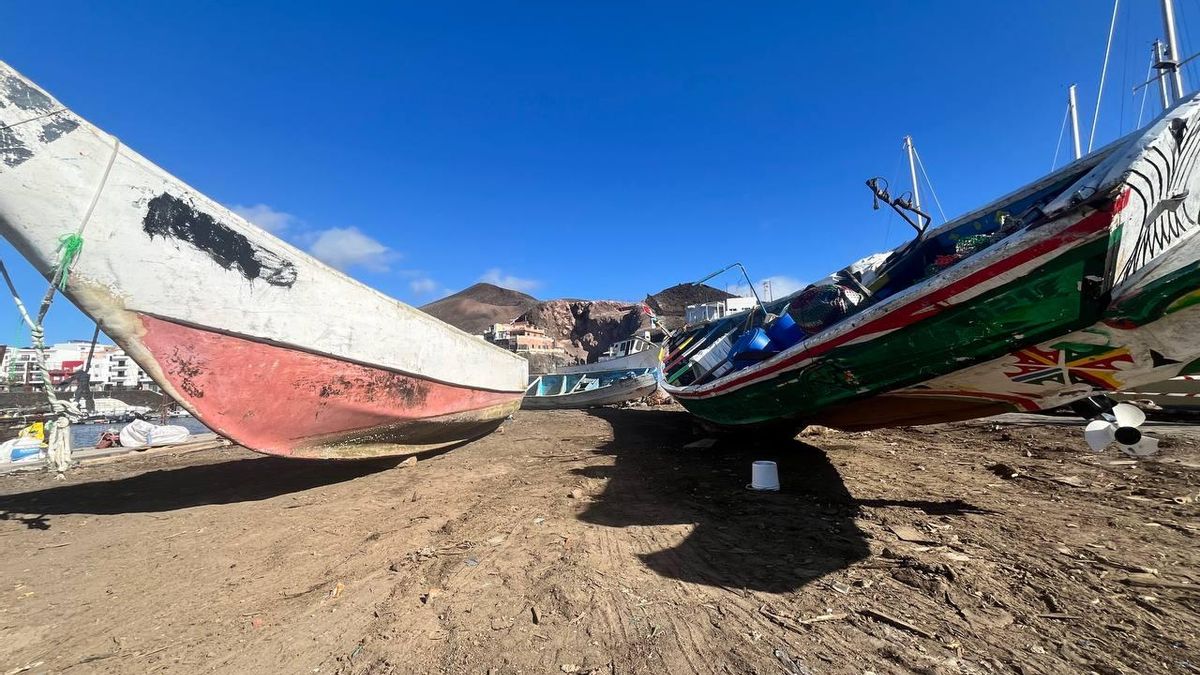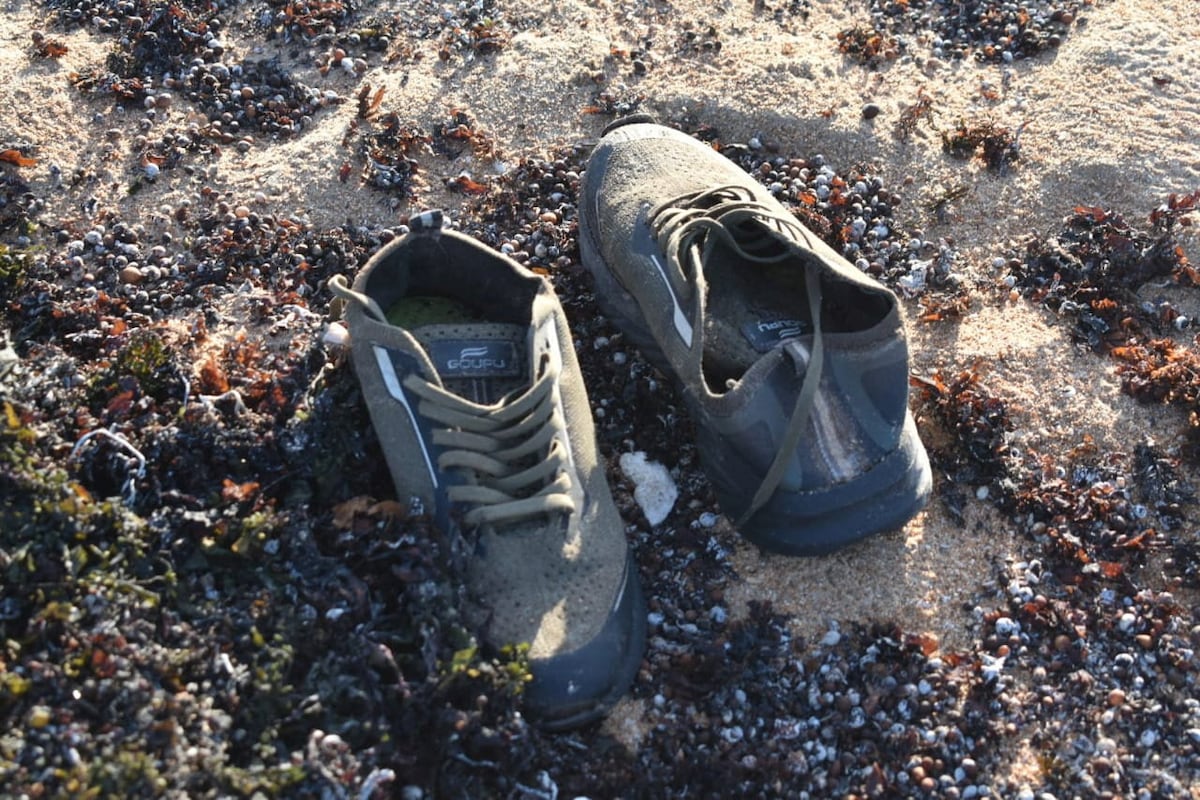
More than 80 people have died in a drifting canoe south of Gran Canaria, after spending almost a month in the Atlantic, highlighting the mortality of the dangerous migratory route to the Canary Islands. (translated)

More than 80 people have died in a drifting canoe south of Gran Canaria, after spending almost a month in the Atlantic, highlighting the mortality of the dangerous migratory route to the Canary Islands. (translated)

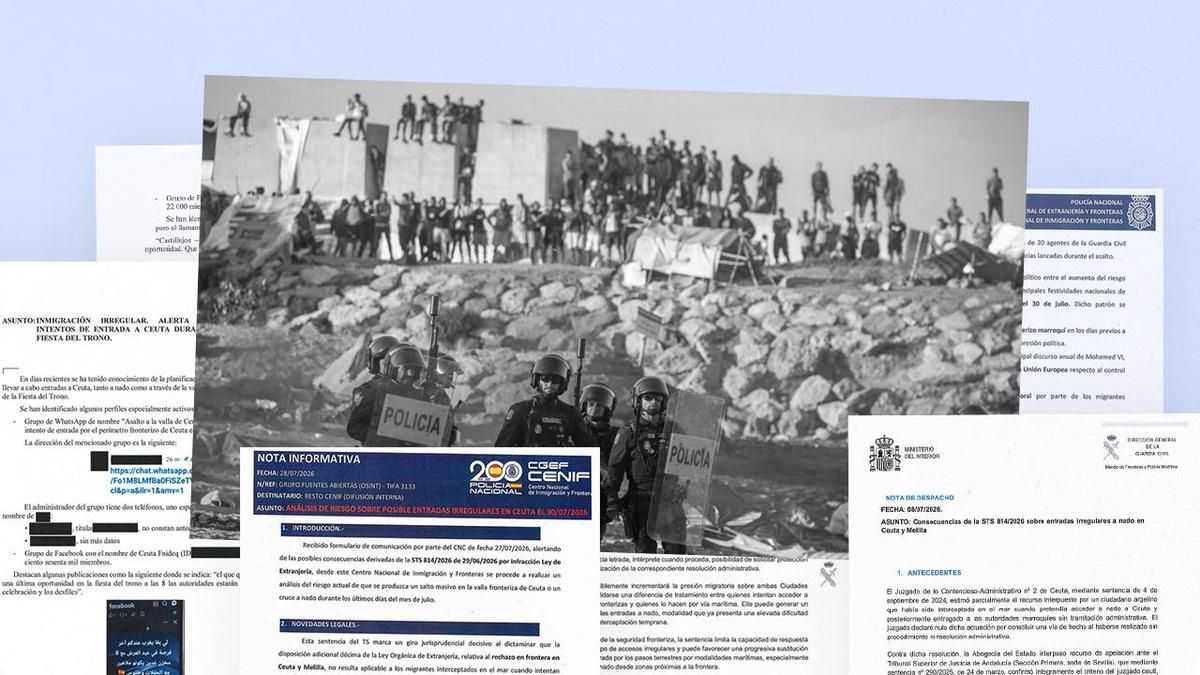
The podcast Was it Morocco or not? addresses a secret police report suggesting the involvement of Moroccan security forces in the Ceuta crisis, while reflecting on the human impact of the conflict, highlighting the stories of the affected migrants. (translated)

The podcast Un tema Al día analyzes the migration crisis between Ceuta and Morocco, exploring theories about the influence of mafias and the complicity of the Moroccan government in the massive crossing of nearly 80,000 people to Spain. (translated)

The photography festival 'Visa pour l’image' in Perpignan highlights global wars and migrations, awarding Palestinian reporter Khames Alref for his portrayal of civilian suffering in Gaza and Philémon Barbier for his work in Syria, while emphasizing the importance of journalism in the face of misinformation. (translated)

The government has announced the expansion of humanitarian aid for Ceuta to 44.5 million euros in response to the migration crisis, according to the Minister of Migration, Elma Saiz. (translated)

The Spanish government has approved a draft Asylum Law and a reform of the Immigration Law that establishes a maximum period of 12 weeks to resolve international protection applications, with the aim of aligning with the European Migration Pact and ensuring respect for the human rights of migrants. (translated)

Colombian President Abelardo de la Espriella has announced a massive operation to deport all undocumented migrants from the country, emulating Donald Trump's anti-immigrant rhetoric, which has generated criticism from the opposition and human rights advocates. (translated)

The article describes how young Moroccan girls who arrived in Ceuta express their worries, fears, and dreams about the future through drawing and writing, with their stories highlighting the harrowing journey they have gone through and their desire for a better life. (translated)

The article examines how European countries such as Italy, Germany, and Portugal have successfully implemented migrant regularization programs, even though their policies have been the target of criticism, while many similar measures aimed at legalizing the stay of people in managed migration have been carried out in recent decades compared to Spain. (translated)

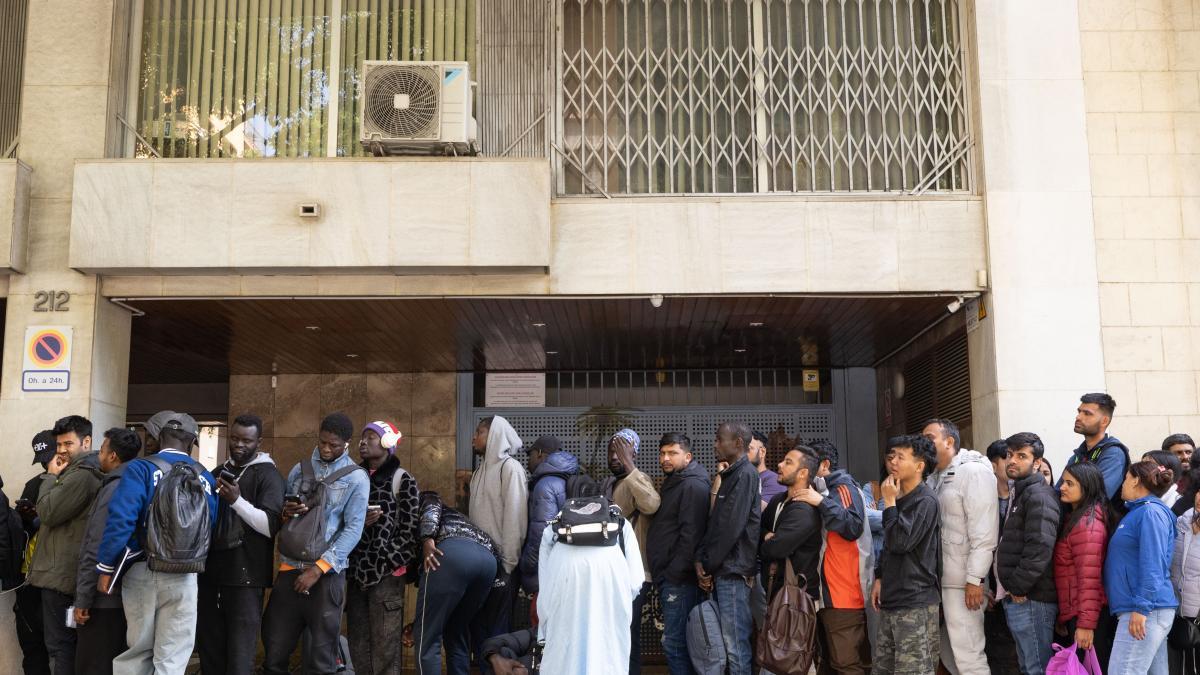
The Minister of Inclusion, Social Security and Migration, Elma Saiz, was received with boos in Ceuta by citizens outraged by her management of the migration crisis, which has seen the irregular entry of thousands of people in July, generating deep discontent and a demand for concrete answers. (translated)

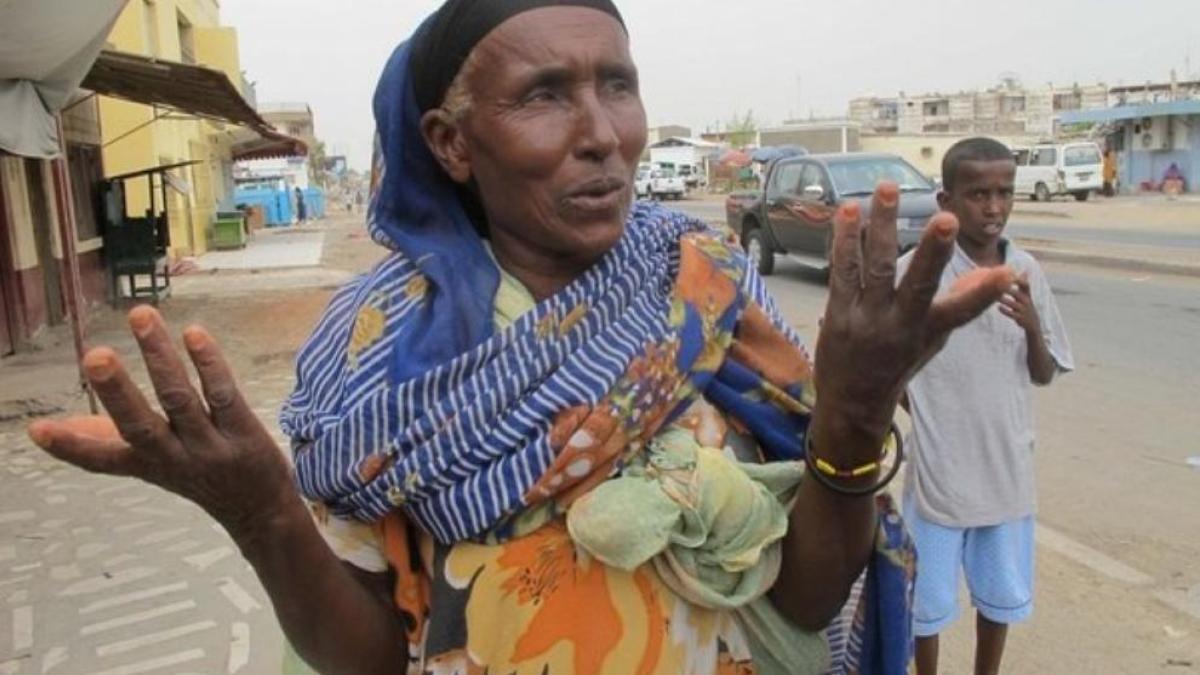
Twenty years after the migration crisis of 2006, which affected Thiaroye sur mer in Senegal and led to a massive exodus of migrants to the Canary Islands, local residents still feel the aftermath of losses and traumatic experiences, while the Diop family remembers 21 members who were lost on this dangerous journey. (translated)

The article suggests that the events that occurred in Ceuta on July 30 represent a trial of a new geopolitics that disregards democratic guarantees, showing how migration is associated with a war narrative and leaving thousands of people in conditions of extreme vulnerability and without access to basic necessities. (translated)

Giorgia Meloni, the far-right Prime Minister of Italy, has been criticized by the opposition for her tough stance on the migration crisis with Spain, which has generated diplomatic tensions and harmed bilateral relations, while she is also trying to manage pressure from Germany for the return of irregular migrants. (translated)

Morocco opposes being considered the gendarmerie of Europe and criticizes the militarization of the migration phenomenon, highlighting that the externalization of border control by the European Union has shifted attention from migrant people towards security and has given Rabat significant negotiating power on the migration issue. (translated)

Vox is using the humanitarian crisis in Ceuta to strengthen its anti-immigration stance, rejecting funding for care of children in need and spreading accusations against the government for prioritizing migrants over Spanish citizens. (translated)

The article reflects on the migration crisis in Ceuta, highlighting the need to address the reasons and consequences of migration, following the tragedy of the loss of lives of immigrants seeking a better future in Spain and Europe. (translated)

Germany, led by Chancellor Friedrich Merz, demands that Italy immediately return asylum seekers who entered the EU through its borders, while Italian Prime Minister Giorgia Meloni refuses to accept these repatriations until a European solidarity mechanism is activated that includes compensation for each rejected migrant. (translated)

In the village of Sidi Embarek, the residents are organizing and building camps to provide shelter for migrant women and their children who have arrived in Ceuta, while facing a lack of hygiene conditions and an increasing number of cases of violence, as local residents strive for their assistance and safety. (translated)

The map of migratory flows towards Spain has changed dramatically in 2026, with a significant decrease in maritime arrivals to the Canary Islands and an increase in pressure at the land borders of Ceuta and Melilla, reflecting a reconfiguration of migratory routes in response to the strengthening of controls and cooperation agreements between Spain and African countries. (translated)