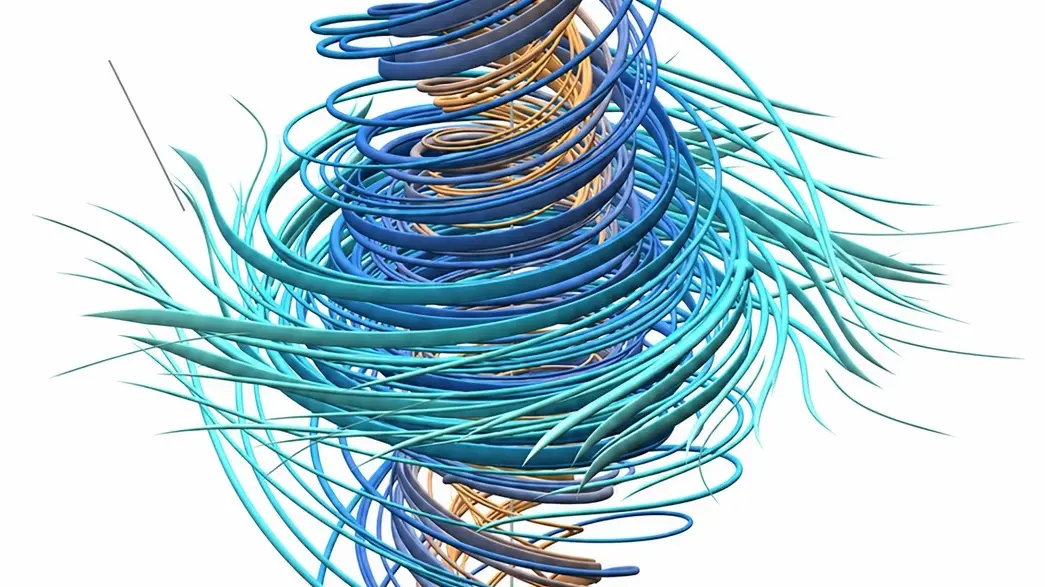
The article examines the contrast between the impressive advances of AI, such as solving the Navier-Stokes equation by OpenAI, and the passion of researchers in the face of the arrogance of technology billionaires. (translated)
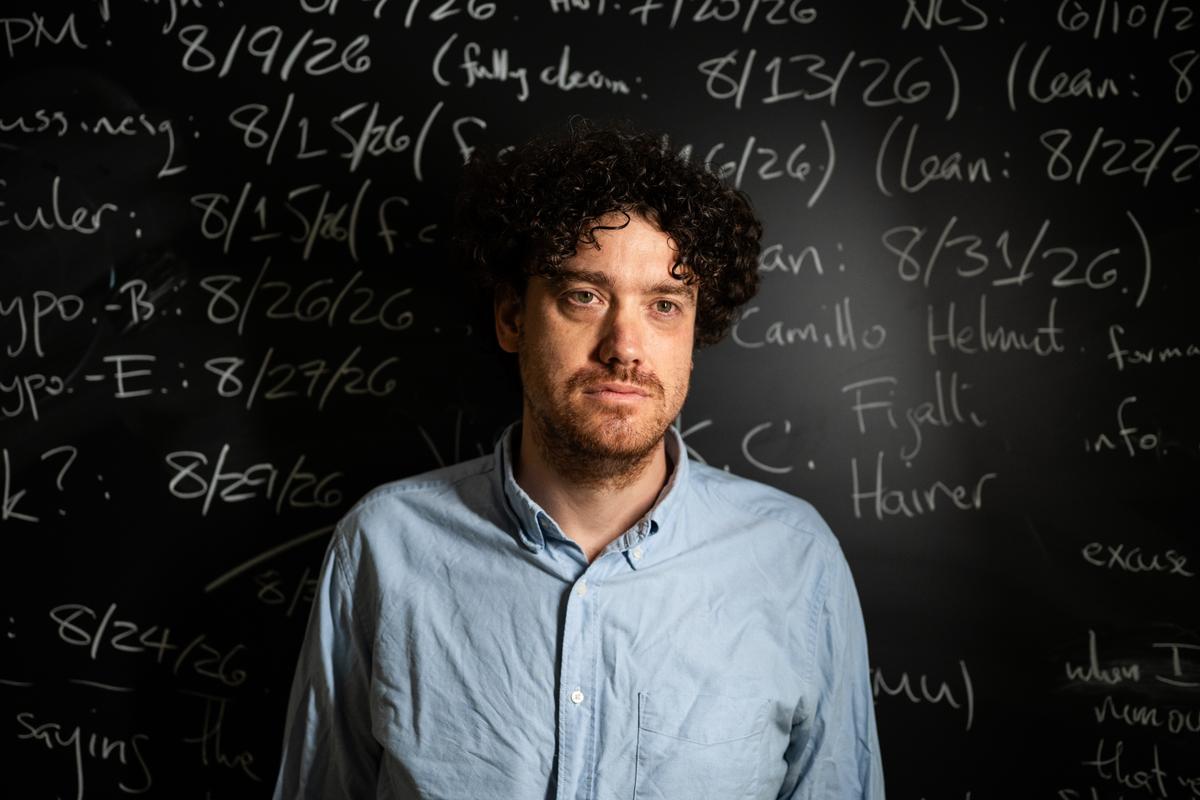
The article examines the contrast between the impressive advances of AI, such as solving the Navier-Stokes equation by OpenAI, and the passion of researchers in the face of the arrogance of technology billionaires. (translated)

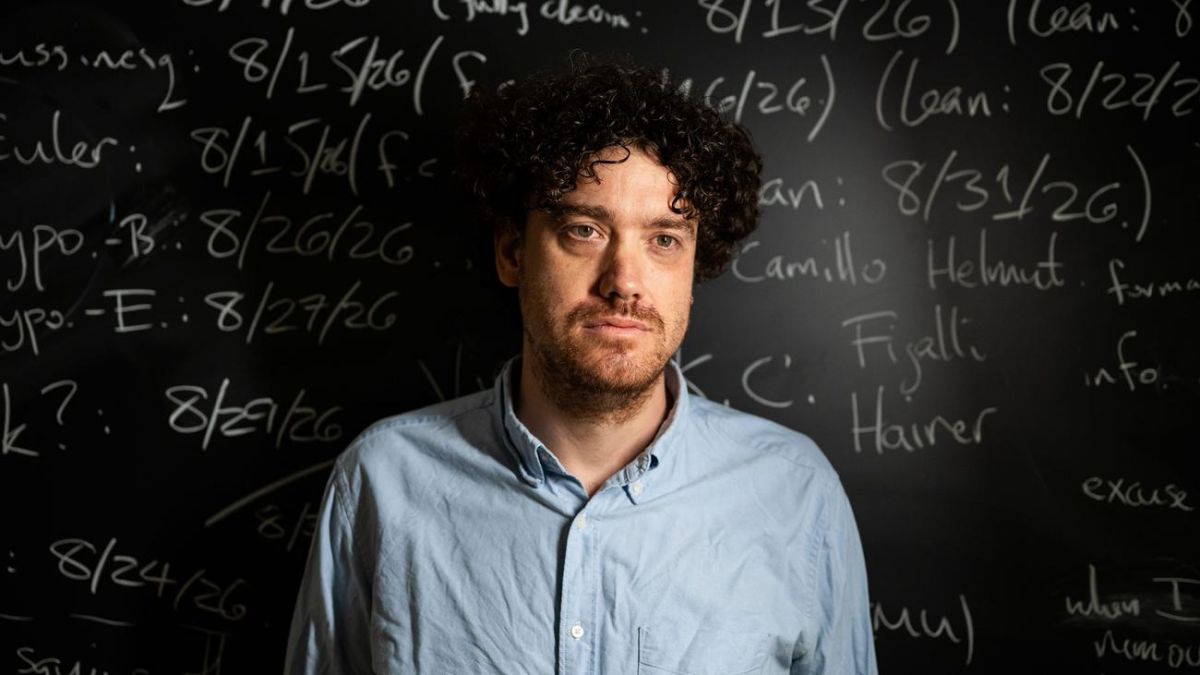
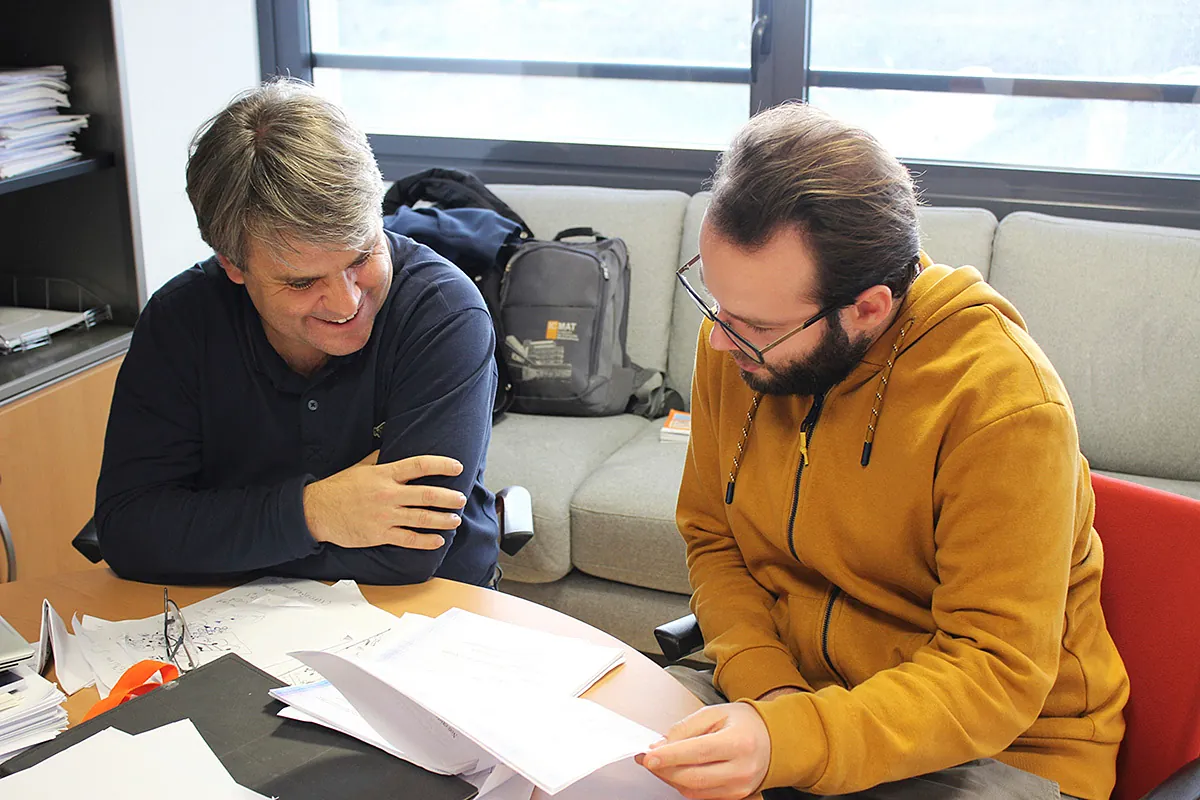
Tristan Buckmaster criticizes OpenAI, as he suspects that the company has used his ideas to solve the Navier-Stokes problem and sees the situation as a turning point for the role of human mathematicians in a research landscape changed by AI. (translated)

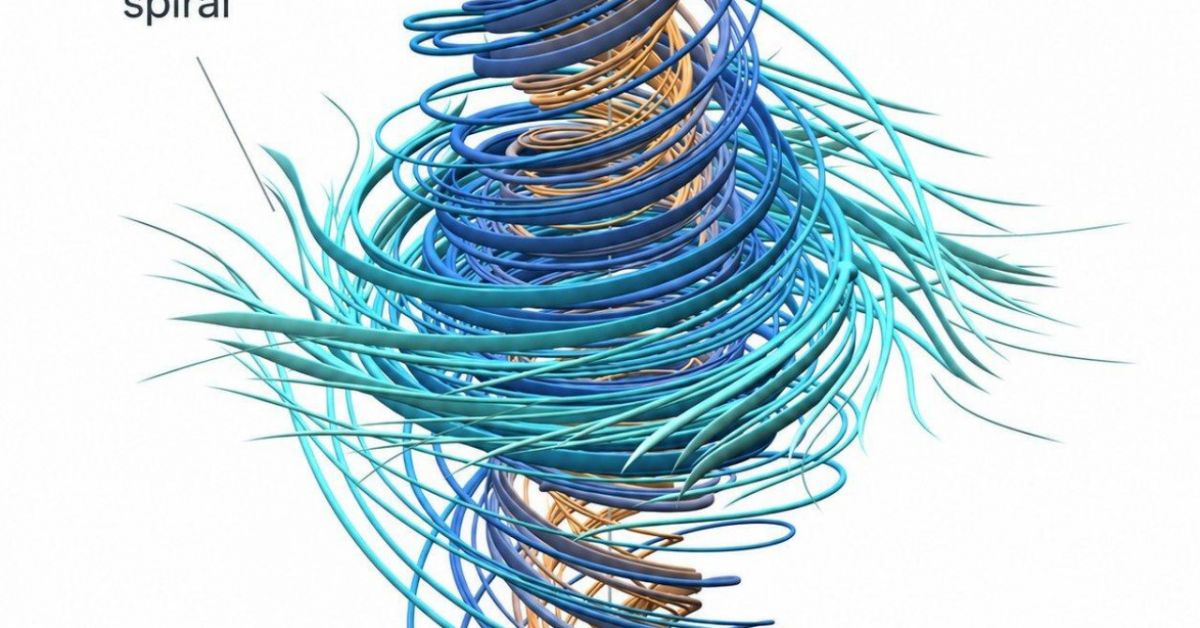
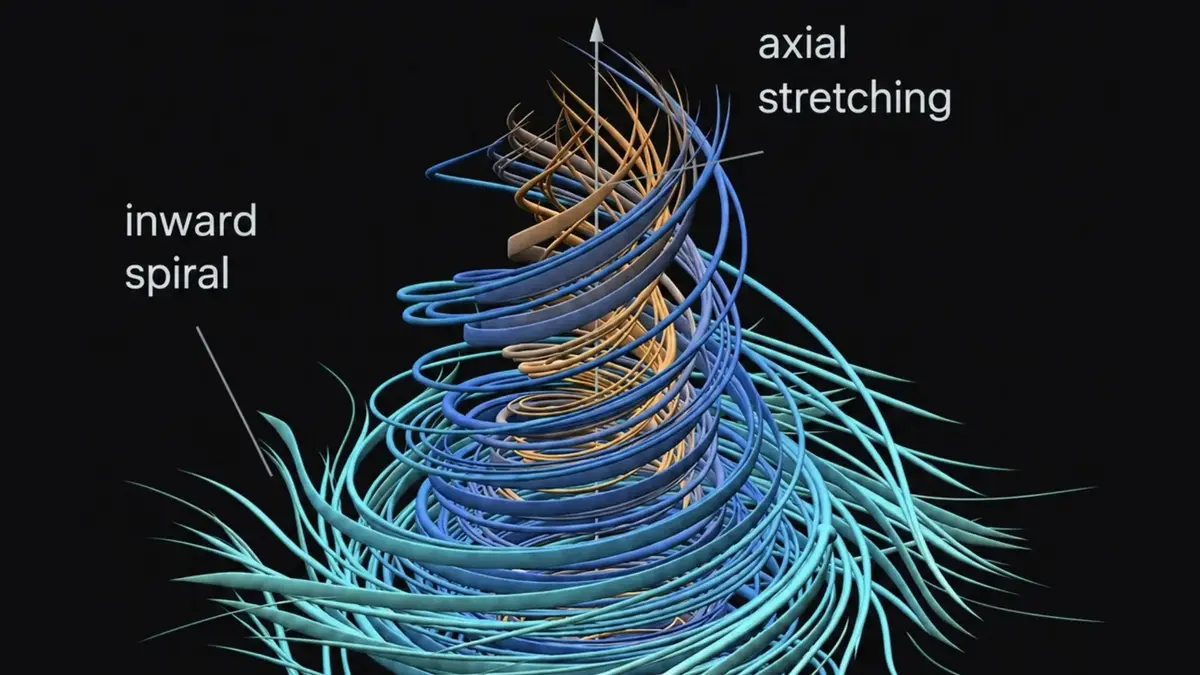
OpenAI has announced that it has found a proof for the fluid rupture recipe, which suggests that the flow of a three-dimensional viscous fluid can become mathematically singular under certain conditions, but the proof still requires independent verification by mathematicians. (translated)

OpenAI claims that through its artificial intelligence, which involved 10,000 agents, it was able to solve the Navier-Stokes problem, one of the most famous unsolved mathematical problems, in a period of 88 hours, but the solution still needs to undergo rigorous verification in the mathematical community before it is officially confirmed. (translated)

OpenAI has solved the Navier-Stokes problem in 88 hours, one of the seven Millennium Problems that had remained unsolved for 90 years, sparking a debate about the merit and influence of the previous work of human mathematicians in this historic achievement. (translated)

Por fin puedo desvelar por qué no había hecho el vídeo de Navier-Stokes hasta ahora: no quería que OpenAI me robara las ideas. #NavierStokes #OpenAI #Matematica
The mathematical community has made several significant advancements over the past year, including the complex Navier-Stokes equations problem solved with the help of artificial intelligence, which raises concerns about modern banking and cryptography. (translated)

OpenAI has solved the Navier-Stokes problem within 88 hours, one of the greatest unsolved millennium problems in mathematics, and claims to have reached an important milestone in the application of artificial intelligence in mathematics. (translated)

Luis Martínez Zoroa, a 32-year-old mathematician from Murcia, has played a fundamental role in solving the Navier-Stokes enigma, becoming the center of a controversy between OpenAI and the mathematical community, as his contributions have not been adequately recognized by the artificial intelligence company. (translated)

Scientists Tristan Buckmaster and Levent Alpöge express concerns about AI's ability to solve the Navier-Stokes equations, which was achieved in just 88 hours, while humans have struggled with this mathematical problem for 90 years, pointing out possible ethical issues related to access to their work and ownership of the results. (translated)

OpenAI announces that it has found a solution to the Navier-Stokes problem, one of the most difficult unsolved problems in mathematics, with the help of 10,000 AI agents who worked simultaneously for 88 hours, although the result has not yet been validated by the Clay Mathematics Institute. (translated)

OpenAI announced that it has solved the Navier-Stokes equation, leading to accusations of plagiarism from two researchers at Anthropic who claim that the company approached their work without permission. (translated)

Open AI has, with its AI models, proposed a solution to the Navier-Stokes equation, one of the most famous unsolved problems in mathematics, in just 88 hours, which has raised ethical questions about how this discovery process took place. (translated)

OpenAI announced that it has resolved the existence and regularity of solutions to the Navier-Stokes equations, one of the seven "Millennium Problems," but two researchers accuse it of stealing their work. (translated)

OpenAI claimed to have solved the Navier-Stokes problem, one of the most well-known unsolved mathematical problems, using 10,000 autonomous AI systems that reached the solution in just 88 hours, but this claim has sparked controversy among mathematicians. (translated)

OpenAI's artificial intelligence quickly solved one of the most difficult mathematical problems related to the 200-year-old Navier-Stokes equations, for which the Clay Mathematics Institute offered a $1 million prize. (translated)

OpenAI claims to have solved a 90-year-old math problem related to the Navier-Stokes equations, with the help of 10,000 AI bots that collaborated for 88 hours, although the result has not yet been independently verified, and controversy continues among researchers. (translated)

Artificial intelligence solved a 90-year-old problem related to the Navier–Stokes equations in 88 hours, with its result being labeled as a potential solution to one of the most serious mathematical problems of the millennium, but its official confirmation is still awaiting assessment by the mathematical community. (translated)

OpenAI announced that their model has solved the Navier-Stokes problem, one of the seven Millennium Problems of the Clay Mathematics Institute. A prize of $1 million is awarded for a correct solution. The company of Altman claims that they have been training the model since the end of August. The impetus for (translated)
OpenAI announced that its model produced a proof for the existence and smoothness of the Navier–Stokes equations, one of the seven Millennium Problems, with the participation of about 10,000 AI agents. (translated)