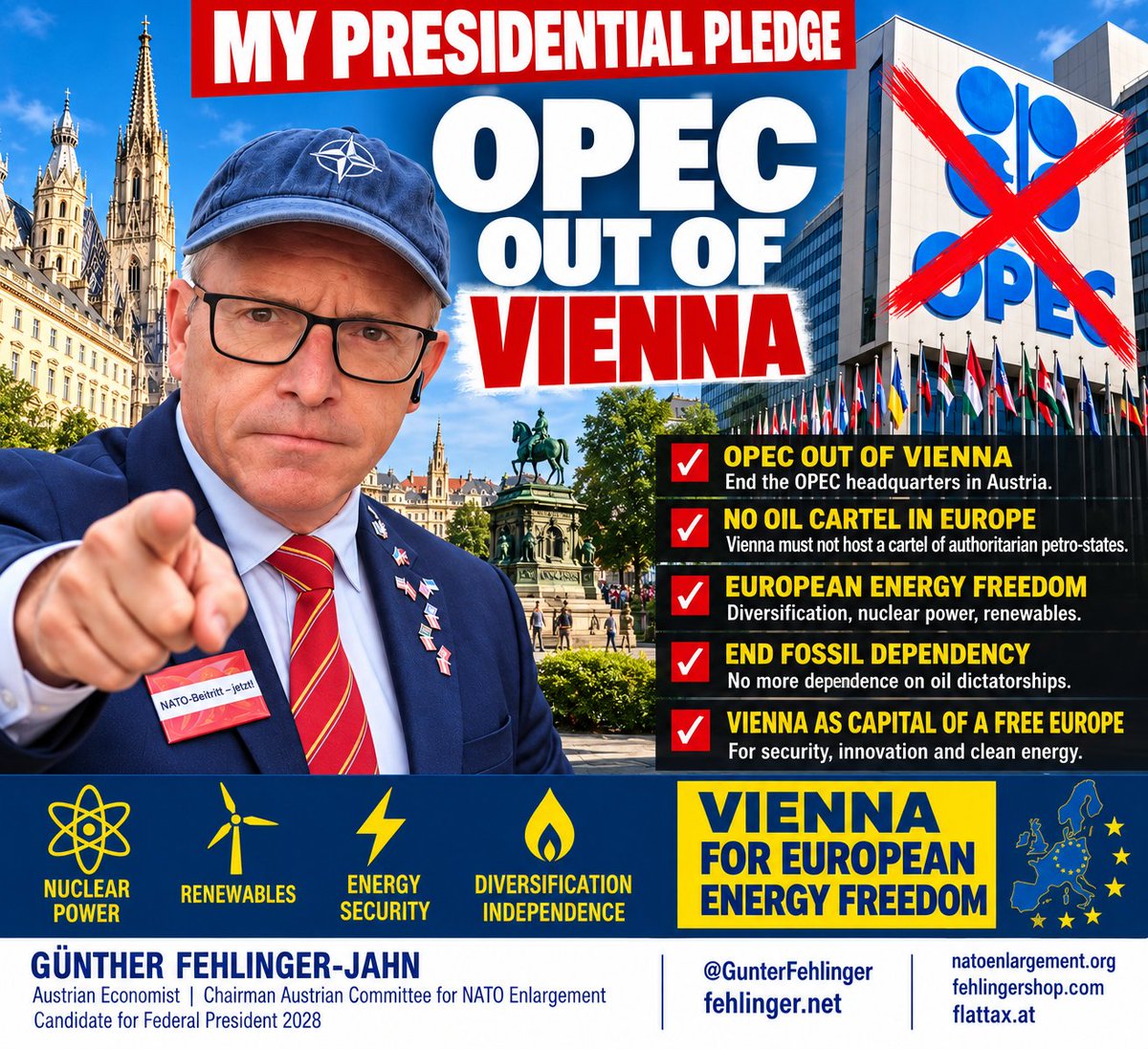
🔥 DISMANTLE THE HOSTILE NINE — H9 I am putting nine international structures on my political dismantling list: SCO • BRICS • OPEC • CSTO • EAEU • CIS • G20 • OIC • MECCA DEFENCE ALLIANCE By “dismantle” I mean peaceful political deconstruction: reduce their power, end #PoliticalDismantling #InternationalRelations #GlobalPowerShift #RU #IN #CN #SA #KZ #BR #TR #EG #ID #PK
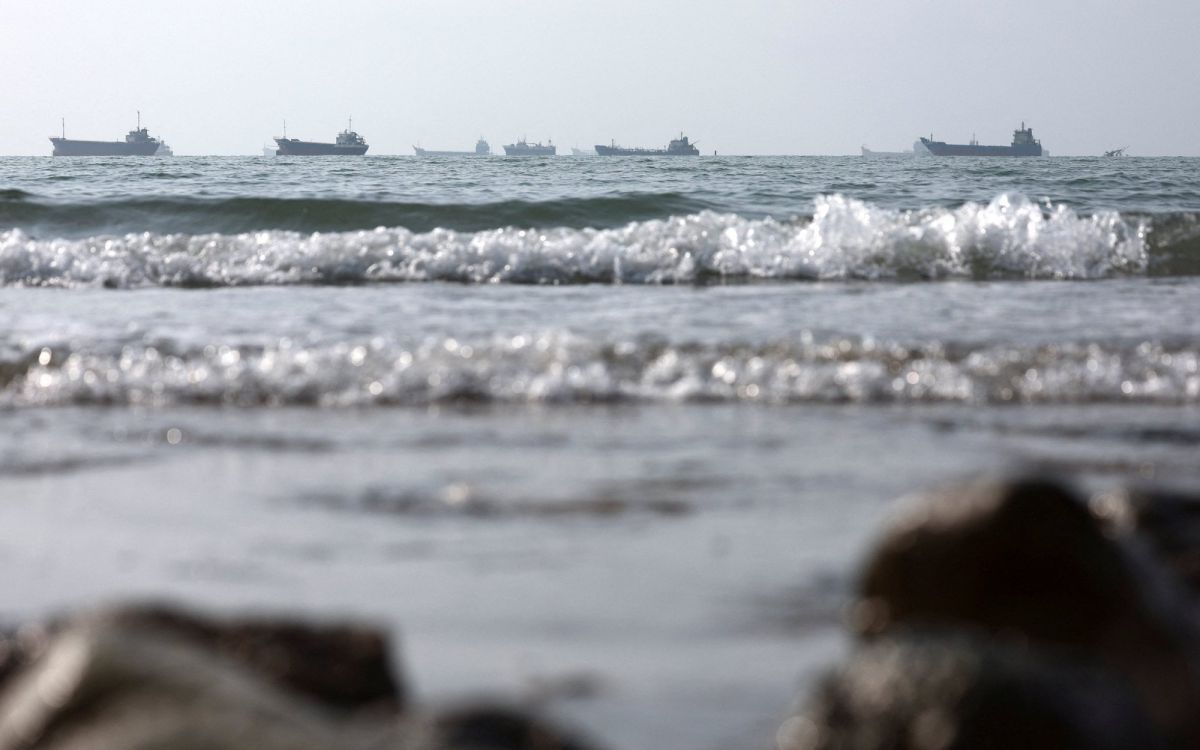
Oil prices are rising again due to new attacks in the Persian Gulf, while a potential exit from OPEC by Venezuela offers hope for long-term relief in the market. (translated)

The energy revolution in the United States, thanks to the increase in oil and gas production from shale, is redefining the balance of power in the global market, marginalizing the role of Opec and changing geopolitical balances with the emergence of Venezuela as a new key player. (translated)

Venezuela is considering leaving OPEC, which could weaken the cartel and strengthen American influence over its oil industry, as the country seeks to increase production without the restrictions associated with membership in the organization. (translated)

Venezuela is considering the possibility of leaving OPEC after 66 years, which could symbolize its growing relationship with the United States and involve long-term leases of oil fields to American interests, with this move potentially further strengthening competition in the global oil market and questioning the cohesion of OPEC. (translated)

#831 To the East of the Middle East - CIA mission in Moscow - Putin recognizes the weakness of the USA - Russia cuts spending - Battle for Ceuta - Ontario is America (lake) - Will the USA take over fields in Venezuela? - Is Venezuela leaving OPEC? - Xi is going to Egypt - UEFA wants charges (translated)

🔥 Venezuela is considering leaving OPEC - reports Bloomberg. I think it's a foregone conclusion - especially in the context of reports about the entry of Americans into the oil sector 🇻🇪 [link below]❗️ https://t.co/SWewQYOVem ✅ I remind you, this country has the largest confirmed oil reserves in the world. (translated)
The war with Iran and the blockade of the Strait of Hormuz have significantly weakened OPEC+'s influence over the oil market, turning China into a key player in the global balance of supply and demand. (translated)

Venezuela is contemplating the possibility of withdrawing from the oil-exporting countries' OPEC organization, but no decision has been made on the matter yet. (translated)
After the departure of the United Arab Emirates from OPEC, the state oil company Adnoc is behaving more aggressively by producing record amounts of oil and entering into new trade agreements, indicating a shift towards a strategy of higher production and market share. (translated)

The article discusses how China, becoming a major player in the oil market, managed to stabilize prices and avoid an economic disaster following the crisis in Iran, acting unilaterally and using its strategic resources, while OPEC faces internal weaknesses. (translated)

An article from The Economist states that China has taken control of the oil markets from OPEC, which has led to relatively stable oil prices despite the closure of the Strait of Hormuz, and oil importers have not yet faced a serious shortage. (translated)

The OPEC+ group decided to increase oil supply in the market, which puts Russia in a difficult situation as it is unable to adjust to rising competition and is reducing production below set quotas, which could lead to a decrease in oil export revenues and threaten the foundations of the Russian budget. (translated)
The oil price has fallen sharply after US President Donald Trump canceled a planned military strike on Iran, while OPEC+ has simultaneously increased the ceiling for oil production. (translated)

OPEC+ has announced an increase in oil production of 188,000 barrels per day starting in September, aiming to stabilize the market and reassure that the oil supply will remain adequate despite disruptions caused by the war in the Middle East and the closure of the Strait of Hormuz. (translated)

OPEC+ has decided to increase oil production quotas despite the difficulties in achieving previously set targets influenced by Iran's military actions and Russia's production cuts, thereby continuing a strategy that began after concerns about the decline in oil prices in 2022. (translated)