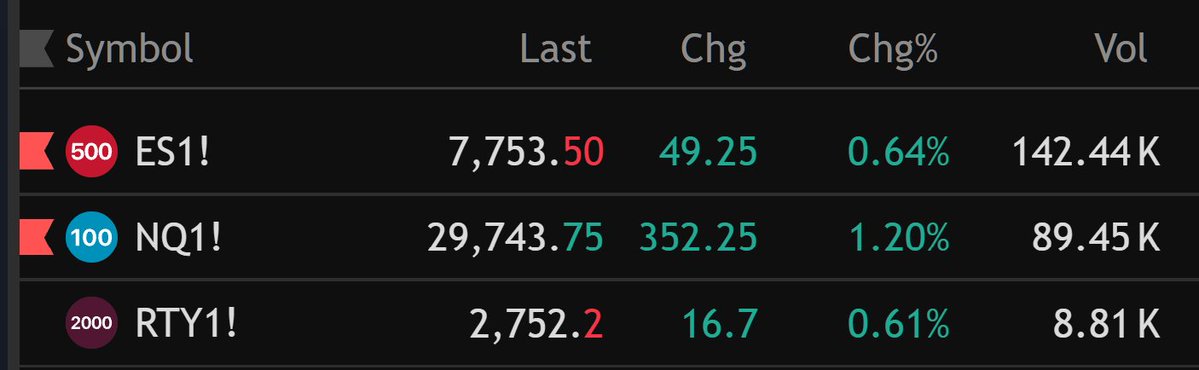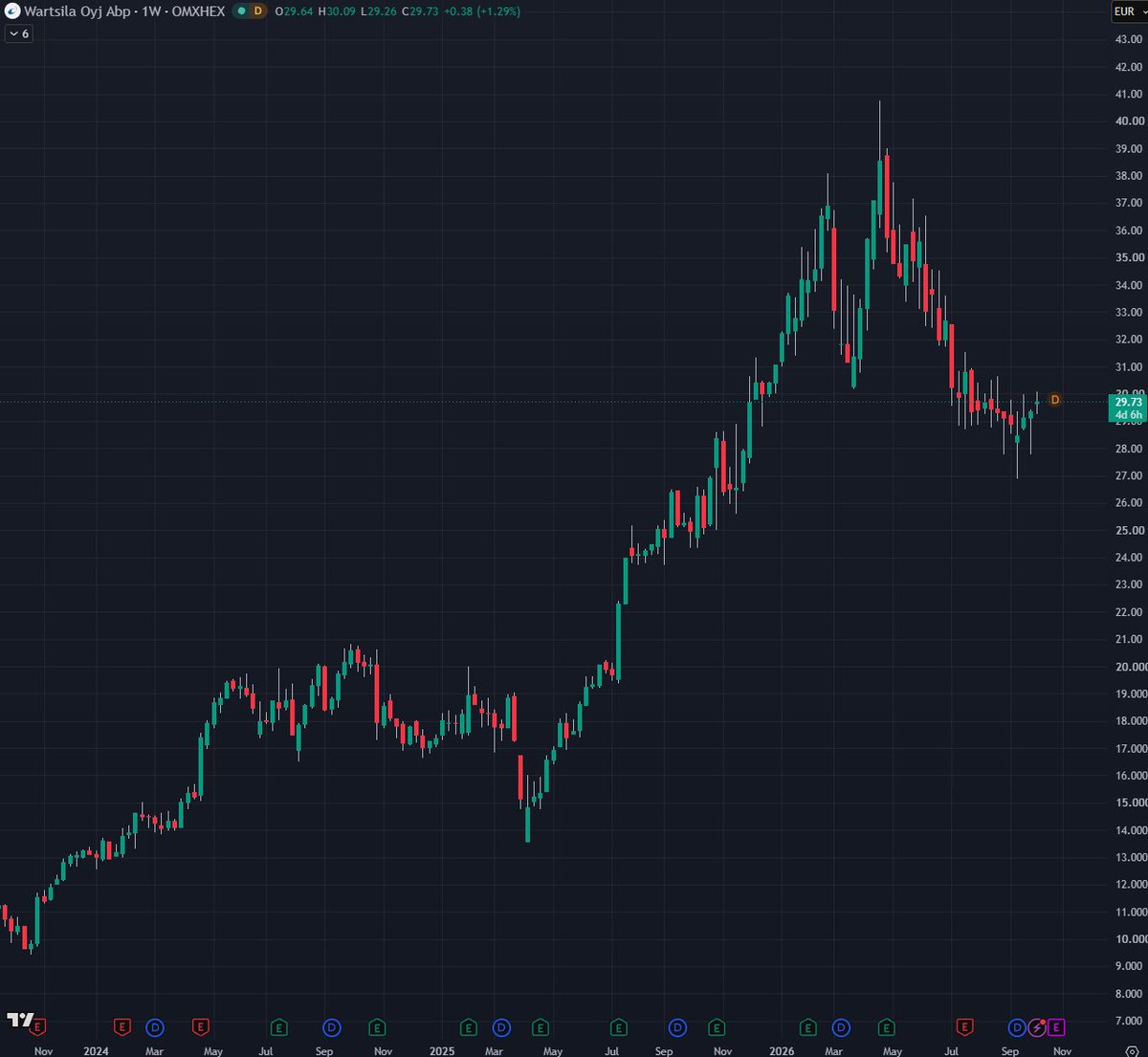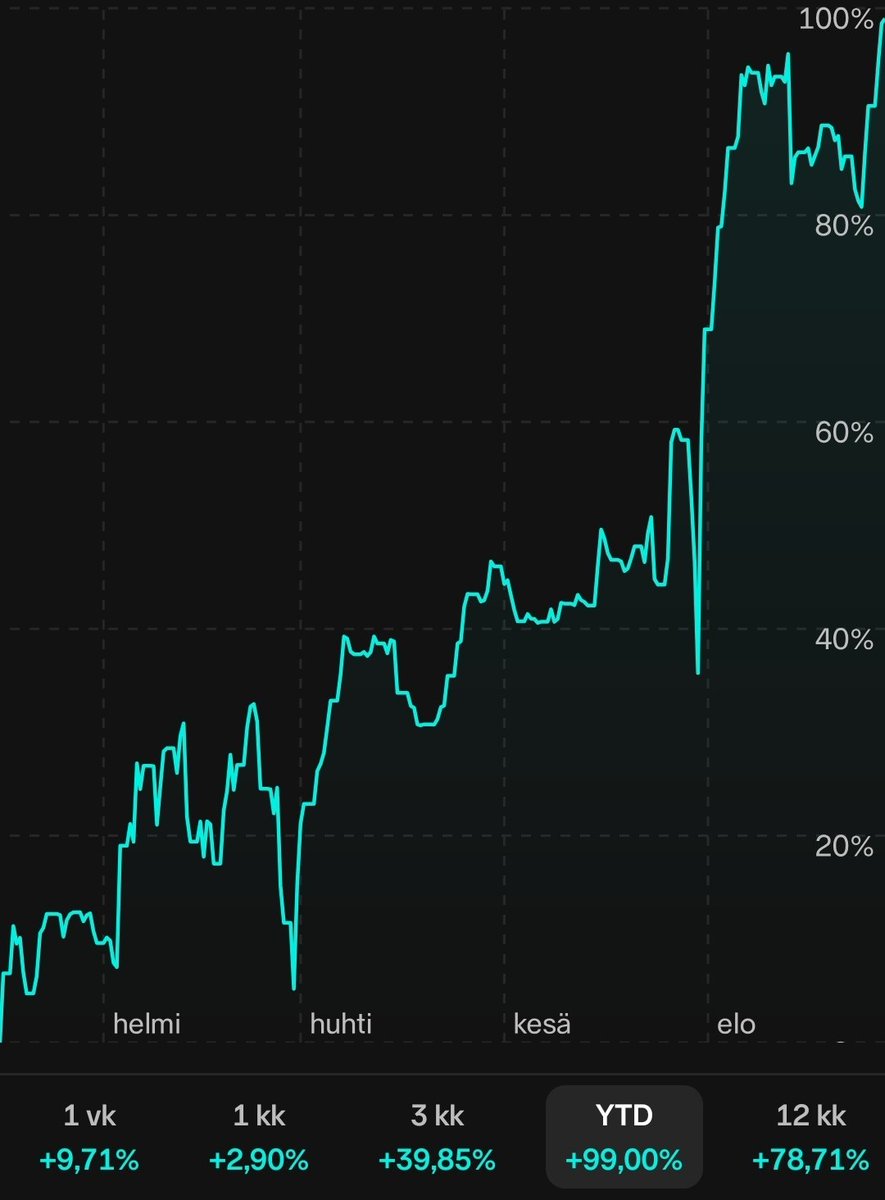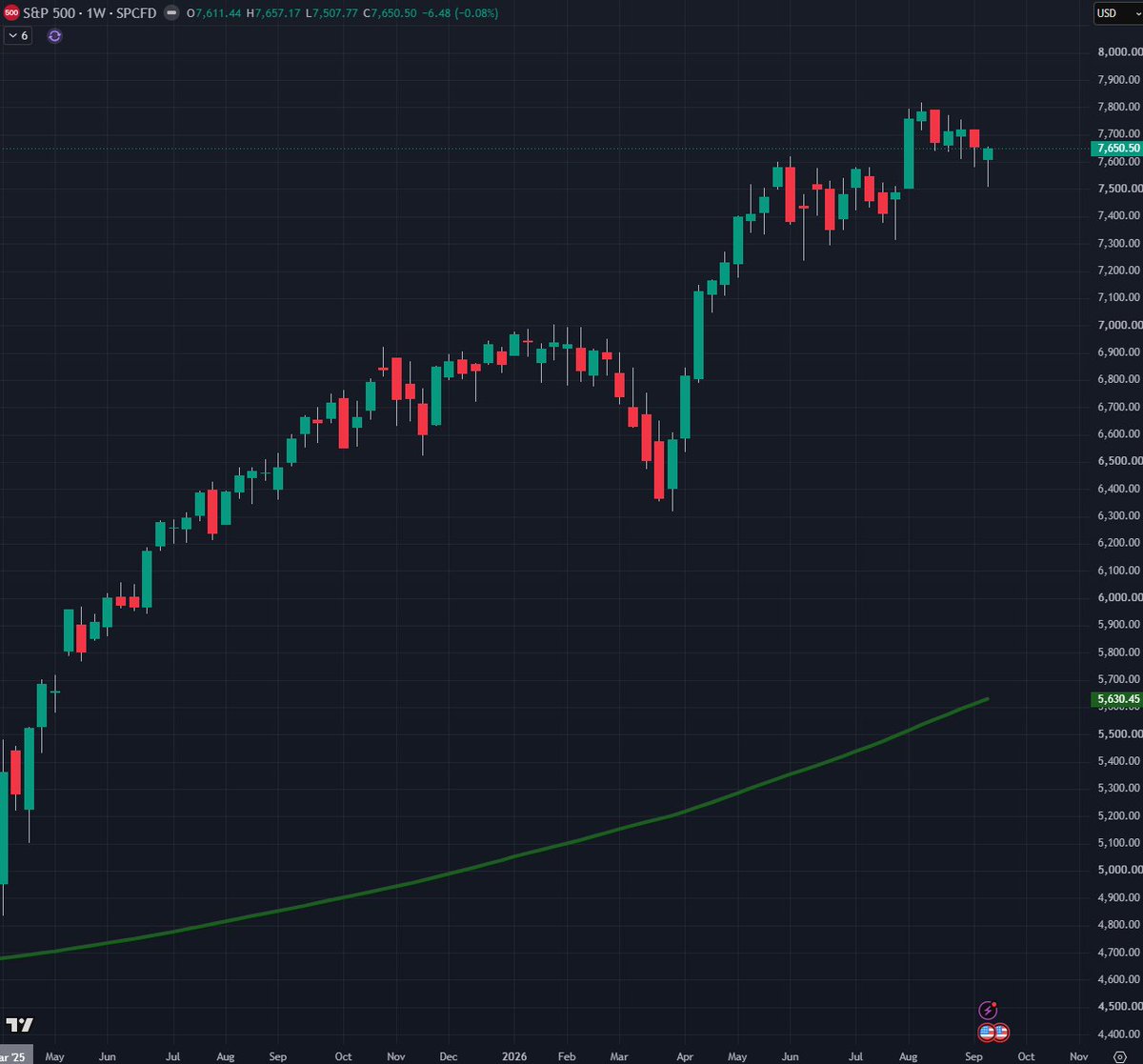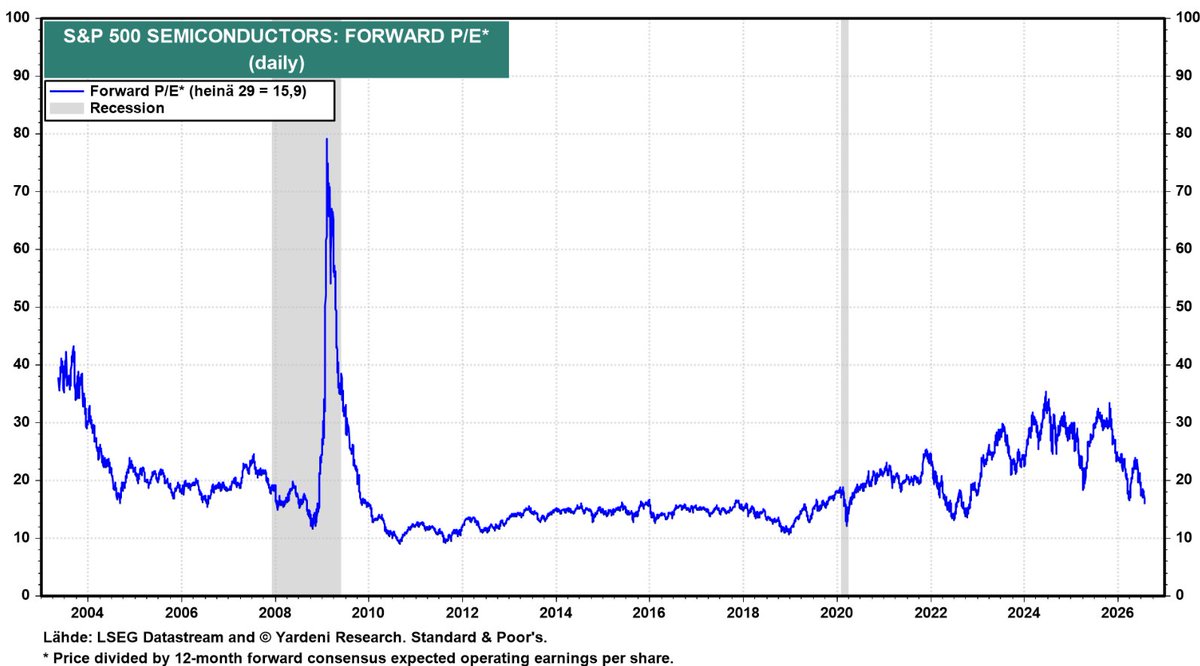
Pekka estimated that the market bottom might already be near. He justified his view with the rapid drop in stock prices, the buying signals from previous bottom levels of the VIX volatility index, and the extremely pessimistic sentiment: the Fear & Greed Index was at 10, indicating extreme fear. He also wrote that weekend futures predicted a rise for the next day, demand for artificial intelligence appeared to be increasing, and analysts expected the rise to continue. According to him, companies were record cheap in relation to earnings forecasts. Pekka also presented reasons why finding the bottom could take weeks. According to him, a strong wave of selling was already seen on November 5th, but the market turned back down again afterwards. He noted that Anthropica's IPO succeeded even as the markets collapsed and assessed that a prolonged decline could jeopardize OpenAI's IPO. According to Pekka, OpenAI practically needed to succeed in its IPO, as the company would require significantly more funding. He warned that even a slight slowdown in building data centers could dampen demand for semiconductors and lower their prices, which could lead to the freezing of semiconductor manufacturing expansion projects. Pekka also wondered whether Nvidia's management knew something that investors did not, as they seemingly did not want Jensen back. He found the SEC investigation and allegations of misleading investors concerning. Additionally, he questioned who would want to initiate new data center projects in uncertain situations, especially abroad, given that Trump had announced taxation on data centers built abroad. Pekka noted that this was so far just talk. Pekka assessed that hyperscalers could burst the artificial intelligence bubble by announcing cuts to investments and freezing foreign data center projects, for example, during the Q1 earnings season. According to him, Jensen wanted the neocloud companies involved to gain more customers, but Colette had stated in an investor call that support would be very selective going forward. Pekka wrote that the neocloud companies were suffering from falling stock prices and rising financing costs because they financed their growth through equity offerings. If one of them were to collapse, data centers or GPU chips could be acquired from bankruptcy estates instead of being built from scratch or purchased from Nvidia or AMD. He also warned that cash flow positive AI companies, such as Micron and SK Hynix, could spend their cash reserves on share buybacks to slow a potential crash. Pekka reminded that Micron had collapsed 98 percent during the IT bubble when demand turned to a decline and memory prices crashed. In his view, analysts might prefer to follow consensus rather than take an opposite stance in their forecasts, and they would only lower forecasts after prices had already fallen. Additionally, he assessed that the rapid enhancement of AI models would reduce the immediate need for data centers. #pekka #tekoäly #markkinat #investointi (translated)