BETA nonprofit public democratic european moderated

Search

#Outsider

This is a very thoughtful essay from somebody close to the actual frontier, seeing firsthand the growing problems we have in making AI safe. Very worth reading. Also, it might help outsiders understand that uncontrolled superintelligence is something insiders take seriously. #AI #Superintelligence #Safety #Therearenospecificcountriesmentionedinthetweet.Therefore #theresponseis:


The article explores the rise of Slovak singer Adéla, who has emerged on the global pop scene and released her debut album Prima, highlighting her creativity and authentic style, while also criticizing the idealized narrative of outsider success in the music industry. (translated)

Světová hvězda z Petržalky? Na Adéle je zajímavá hudba, ne příběh

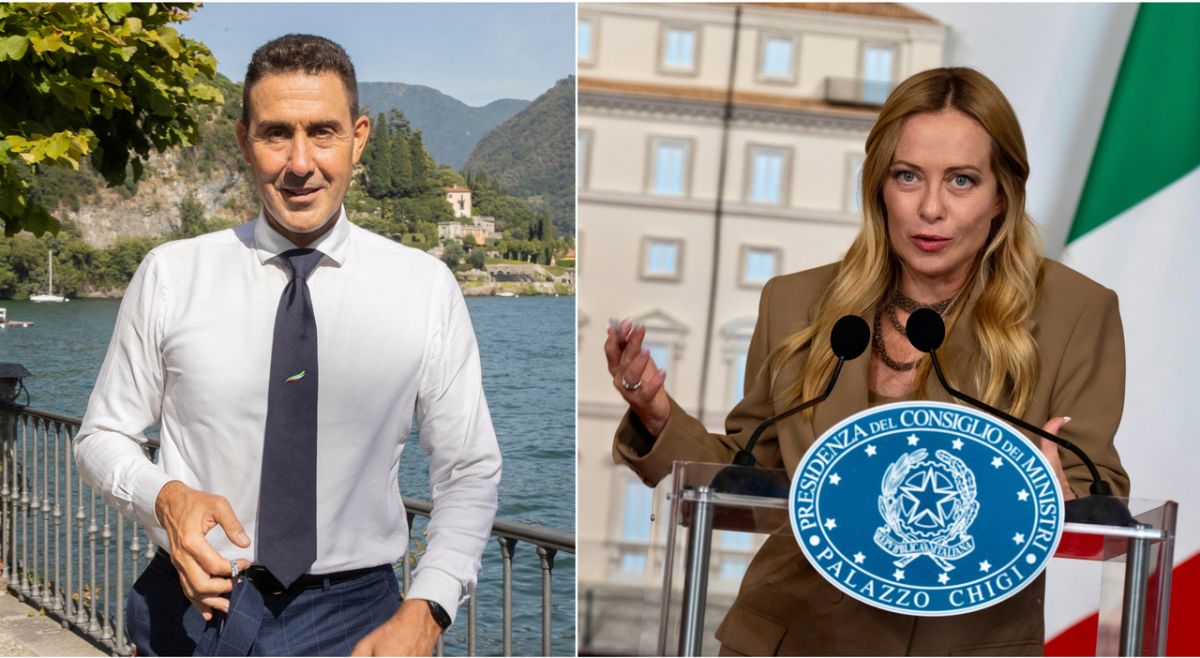
General Vannacci expresses doubts about his alliance with Giorgia Meloni, drawing inspiration from her political rise and the lesson of the AfD, while reflecting on the possibility of remaining an outsider in the Italian political landscape. (translated)

Vannacci e Meloni, i dubbi del generale sull'alleanza dopo la lezione dell'AfD. «Voglio fare come Giorgia»

Freeman of the City of London: An Ordinary Honour for All, an Honorary One for Few SOURCE: https://www.linkedin.com/pulse/freeman-city-london-ordinary-honour-all-honorary-one-sardella-ph-d--m1alf/ Abstract The Freedom of the City of London is an institution of mediaeval origin, attested as far back as 1237, originally conceived to afford freeborn citizens protection from feudal obligations, the right to trade, and the ownership of property within the bounds of the Square Mile — the territory of the City of London proper. Having evolved progressively from a concrete economic privilege into a civic and symbolic distinction, it has preserved its relevance over the centuries through successive legislative reforms — most notably the extension of eligibility to all nationalities in 1996 — and today records approximately 1,800 to 2,000 new admissions annually. The present article examines the historical and juridical evolution of the title, sets out the several routes of access provided by current regulation (by servitude through apprenticeship, by patrimony, by redemption through direct nomination, by presentation through the Livery Companies, and by registration on the electoral roll), and analyses the contemporary profile of the Freemen in the light of recent admissions of prominent figures from the worlds of finance, culture, sport, and public life. Contrary to the elitist image surrounding many British honours, the ordinary Freedom proves accessible to any person whatsoever, regardless of nationality or financial standing, upon the satisfaction of minimal requirements and the payment of an administrative fee of £180–185. The article concludes by reflecting upon the contemporary significance of the institution: not in the residual privileges, now largely ceremonial, but in its identity-forming, civic-participatory function and its connection to the long history of the oldest and most venerable city in Europe. Keywords: Freedom of the City of London; Livery Companies; City of London Corporation; British honours; urban civic identity. Contenuto dell’articolo Introduction Amongst the historic honours of Britain, few institutions evoke an imaginative world as rich as the Freedom of the City of London. Cited in films, novels, and articles on manners and custom with tones of exclusivity and mystery, it is frequently associated with figures of the very highest standing: sovereigns, heads of state, military commanders returning from the wars. Yet, upon closer and more methodical scrutiny, a markedly different picture emerges: that of a title which, in its ordinary and non-honorary dimension, is today accessible to a considerable number of persons each year, without the requirement of extraordinary merit or elevated financial means. The present contribution aims to examine the institution in its twofold aspect, historical and contemporary, with the object of dispelling the most prevalent misconception: that which confounds the ordinary Freedom with the Honorary Freedom — the latter genuinely rare and reserved for figures of international standing. This article traces the mediaeval origins and legislative evolution (§ 2), sets out the current routes of access (§ 3), discusses requirements, costs, and procedure (§ 4), analyses the contemporary composition of the body of Freemen (§ 5), examines rights, privileges, and obligations (§ 6), reviews the most distinguished recipients of recent decades (§ 7), and concludes with some reflections upon the contemporary significance of the institution (§ 8). Origins and Historical Development of the Institution The Freedom of the City of London is attested from 1237, during the reign of Henry III, as a form of civic status designating individuals not subject to a feudal lord, and therefore entitled to the protections guaranteed by the City's charters. In this original sense, the term freeman denoted the free man in the fullest sense of the word: one who might trade freely within the perimeter of the Square Mile, hold property, and join the trade guilds without external interference. The practical privileges were of concrete scope and directly functional to the mediaeval economy: exemption from certain tolls, including the celebrated right to drive flocks of sheep across London Bridge without payment — a concession rooted in the wool trade that dominated the English economy — protection against arbitrary arrest beyond the jurisdiction of the City, and access to the markets regulated by the guilds. As confirmed by the subsequent reissues of Magna Carta by Henry III in 1225, such liberties were intrinsically bound to the self-governance of the City, which defended them against royal and baronial interference. The progressive codification of the institution took place through royal ordinances from the fourteenth century onwards. In 1319, Edward II issued constitutions restricting access to the Freedom to members of the trade guilds, prohibiting the admission of unaffiliated outsiders, and thereby formalising servitude through apprenticeship as the principal route for new entrants, whilst the patrimonial route ensured continuity for established families. Subsequent monarchs, from Edward III onwards, repeatedly confirmed the civic liberties through charters granted often in exchange for financial loans, consolidating the City's autonomy and its role as creditor to the Crown. In the nineteenth century, with industrialisation and the demographic expansion of London, corporate control over trade proved increasingly unenforceable. The Municipal Corporations Act of 1835 extended eligibility to any person living, working in, or having a significant connection with London, partially detaching the title from corporate membership and progressively transforming it into an honorary distinction of a civic character. During the twentieth century, further reforms rendered access more inclusive. Women, already admitted informally as widows by inheritance in earlier periods but formally excluded from the standard routes, saw their right to ordinary admission recognised — Angela Burdett-Coutts having already received the Honorary Freedom in 1872, and Florence Nightingale in 1908 — while formal equality was consolidated in the twentieth century. Finally, in 1996, the requirement of British or Commonwealth citizenship was abolished, opening the title to any nationality whatsoever. Routes of Access: The Current Regulatory Framework The current regulations, administered by the Court of the Lord Chamberlain of the City of London Corporation, provide for five principal modes of access to the Freedom of the City of London, each reflecting different historical ties between the individual and the City's institutions. By servitude confers the title upon the completion of a formal apprenticeship under the Custom of London, traditionally of seven years' duration, under a master freeman of a Livery Company. This route, the oldest and of the greatest historical significance, verifies merit through practical competence and loyalty to the guild. Completing apprentices are admitted without the need for approval by the Court of Common Council, provided they have been registered on the City's electoral roll for at least one year, and in such cases no financial contribution is required. By patrimony confers automatic eligibility upon the children of Freemen, provided the parent held the title at the time of the candidate's birth and appropriate documentation is furnished. Historically restricted to sons, it was extended to daughters by the Municipal Corporations Act of 1835. The candidate must have attained the age of eighteen, must not be an undischarged bankrupt, and must not have relevant unspent criminal convictions. By redemption constitutes the route open to any person whatsoever. The candidate submits an application to the Court of the Lord Chamberlain, supported by two sponsors — Common Councillors, Aldermen, or Liverymen of at least one year's standing who attest to their reputation — and the matter is examined by the Freedom Applications Sub-Committee and approved by the Court of Common Council. The administrative fee (the Freedom Fine) amounts to £180 following the tariff revision of 1 April 2024 (£185 in the case of direct nomination). For candidates registered on the Ward List, the City's electoral roll, the procedure is free of charge. By presentation through a Livery Company is the route most frequently taken in contemporary practice. The candidate first becomes a member of their relevant guild, following a procedure that varies amongst each of the 113 Livery Companies currently active, and subsequently submits an online application to the Court of the Lord Chamberlain for admission to the Freedom of the City, with approval in the vast majority of cases being a matter of routine. Requirements, Costs, and Procedure The requirements for access to the ordinary Freedom are of a simplicity that may well surprise, given the aura of exclusivity surrounding the title. The candidate must have attained the age of eighteen, must not be an undischarged bankrupt, and must not have unspent criminal convictions within the meaning of the Rehabilitation of Offenders Act of 1974. No requirement of nationality, residence, educational attainment, or financial standing is imposed. The documentation required is of a standard biographical character: a full birth certificate, a marriage certificate or name-change document where applicable, and, where admission is by presentation, the certificate of membership issued by the relevant Livery Company. The application is submitted online through the City of London Corporation's portal. The admission ceremony is held at the Guildhall in London, in the Court Room of the Lord Chamberlain, on every working day between 10.30 and 12.00, and between 14.00 and 15.30. The newly admitted Freeman is invited to read aloud the Declaration of a Freeman and to sign the Admissions' Book, receiving upon its conclusion a calligraphed certificate on vellum and a copy of the Rules for the Conduct of Life — the eighteenth-century document of moral guidance that enjoins the holder to lead a life of rectitude, compassion, and social engagement. For those unable to attend in person, the City Corporation has retained the option of conducting the ceremony virtually, a facility introduced during the pandemic and subsequently preserved. The Contemporary Composition of the Body of Freemen One significant empirical datum serves to diminish the elitist dimension of the title: between 1,800 and 2,000 new persons are admitted each year, within a body that counts over 300,000 documented admissions across the centuries. As the City of London Corporation itself observes, contemporary Freemen comprise 'a broad cross-section of the population', encompassing professionals, students, craftspeople, entrepreneurs, military personnel, and foreign nationals. The growing contribution of university students, frequently presented in groups by their academic institutions, and of international professionals, has further broadened the demographic base. The group ceremony of 2024, in which 40 individuals drawn from fields ranging from science and medicine to entrepreneurship and diversity initiatives received the title simultaneously, is illustrative of this openness. A fundamental distinction must, however, be emphasised. The Honorary Freedom of the City of London constitutes an entirely separate institution of radically different scope. Granted by the Court of Common Council by special resolution, it is reserved for figures of exceptional international stature — typically fewer than a dozen conferred annually — and represents, in the words of the City Corporation itself, the highest honour it is able to bestow. It is this Freedom that has been enjoyed by Winston Churchill, Her Majesty Queen Elizabeth II, and, more recently, the television presenter Rachel Riley (October 2025), in recognition of her commitment to Holocaust education and the combating of antisemitism. The confusion between the two forms is the principal source of the distorted public perception of the institution. The Contemporary Significance: Between Identity and Participation While the great majority of the practical privileges once associated with the condition of Freeman have today disappeared or been reduced to solemn ceremonial form, what persists is the powerful symbolic and identity-forming value of the title. The ceremony retains elements of ritual solemnity — the reading of the Declaration, the signing of the historic Admission Register, the receipt of the calligraphed certificate on vellum — which inscribe the new Freeman within a chain of continuity of nearly eight centuries, linking diverse figures through a shared bond with the history of the Square Mile. This venerable London institution also performs a cohesive function within the ecosystem of the City and the Livery Companies. The 113 active guilds collectively disbursed over £81 million in charitable activities in 2024, through programmes of vocational training, scholarships, and technical apprenticeships that preserve specialist skills in economically significant sectors. Being a Freeman constitutes a formal prerequisite for advancement to Liveryman, and therefore for the exercise of voting rights in the governance of the City: a vestige of corporate democracy which, however distant from the models of universal suffrage, retains its own institutional logic within the unique legal architecture of the London Square Mile. Critics of a progressive persuasion have observed that the system favours established networks and access by hereditary or professional routes, potentially excluding broader strata of the London population, with the pool of living Freemen well below one per cent of the nine million residents of Greater London. Nevertheless, the data on recent admissions — encompassing recognition spanning African entrepreneurship, community sport, broadcasting, and medicine — suggest a trajectory of progressive opening which, whilst falling short of full demographic representativeness, attests to the institutional will to maintain the institution as a living tradition rather than an exclusive relic. Conclusions The foregoing analysis permits the formulation of several concluding observations. The Freedom of the City — the ordinary Freedom — is today an honour accessible to a far wider audience than the collective imagination suggests. The admission requirements are minimal, the costs modest, the procedures relatively streamlined and open to any nationality. The persistent confusion with the Honorary Freedom, reserved for figures of exceptional international eminence, is the principal source of a distorted perception that merits correction. The contemporary value of the title resides not in the residual privileges, now largely solemn and ceremonial, but in three complementary dimensions: the identity-forming, which connects the holder to nearly eight centuries of institutional history; the civic-participatory, which through access to the Livery Companies and the City's electoral system inserts the Freeman into genuinely operative networks; and the communitarian, which through the mechanisms of honorary recognition celebrates contributions of an ever more varied scope and provenance. In this respect, the Freedom represents an instructive case study in how historic institutions may reinvent themselves without losing authenticity, preserving their significance through inclusion rather than exclusion. References and Sources: City of London Corporation. (2024). Freedom of the City of London. https://www.cityoflondon.gov.uk/about-us/law-historic-governance/freedom-of-the-city Guild of Freemen of the City of London. (2025). Freedom of the City. https://www.guild-freemen-london.co.uk/freedom-of-the-city Livery Committee. (2025). Freedom of the City. https://liverycommittee.org/about/membership-freedom-and-livery-clothing/freedom-of-the-city/ Municipal Corporations Act 1835. UK Parliament. Rehabilitation of Offenders Act 1974. UK Parliament. Grokipedia. (2025). Freedom of the City of London. https://grokipedia.com/page/Freedom_of_the_City_of_London City Solicitors' Educational Trust. (2025). Applying for the Freedom of the City of London. LondradaVivere.com. (2025). La 'Freedom of the City of London': un'antica libertà ancora viva. City of London Corporation. (2023). Livery Companies: Charitable Activities Report 2024. ONS / City of London Corporation. (2023). Financial Services Contribution to UK GDP.

Freeman of the City of London: An Ordinary Honour for All, an Honorary One for Few

ET SI C’ÉTAIT CETTE ANNÉE POUR FRITZ ? 👀🇺🇸 Outsider pour le titre, Taylor Fritz PULVÉRISE Mattia Bellucci en ne laissant que deux jeux et se qualifie pour le troisième tour de l’US Open. Le finaliste 2024 affrontera Francisco Cerundolo pour une place en 1/8 de finale. #USOpen #Tennis #Fritz

H

Who Gets Promoted in a Broken Society? In Harry Potter, J.K. Rowling created a villain: Dolores Umbridge. She gains power not through competence, but conformity, loyalty, and bureaucracy. Evil rarely looks like Voldemort. Umbridge resembles Hannah Arendt’s “banality of evil”: ordinary people pursuing advancement by playing the institutional game. She enforces ideology through bureaucracy. Loyalists replace competent people, dissenters are labelled extremists, and punishment becomes a tool of conformity. The goal is not truth, but compliance. Political Ponerology Polish psychologist Andrew Lobaczewski studied how institutions can be captured by pathological individuals. He called the resulting system pathocracy, and the transformation of normal institutions into ones serving pathological interests ponerization. The danger begins when institutions lose the ability to distinguish competence from manipulation. Those willing to conform can rise precisely because others will not. Ideologues create doctrines, propagandists spread them, and ruthless operators capture institutions. The lesson: totalitarianism does not require one tyrant. It emerges when institutions lose the ability to distinguish the pathological from the honest. The Case of Mao Mao’s China offers a striking example. During the Cultural Revolution, Zhang Tiesheng became famous for submitting a blank exam paper while denouncing intellectuals. Political loyalty mattered more than academic ability. Mao elevated being politically “red” over being technically “expert.” Specialists were displaced by ideologically reliable outsiders. Officials who honestly reported collapsing harvests were purged, while those telling Mao what he wanted to hear advanced. False information helped sustain the Great Leap Forward, whose famine killed tens of millions. China abolished university entrance exams in 1966; they were not restored until 1977. A system that selects against competence eventually loses the ability to see reality. Mediocrity protects power; moral compromise enforces it. Capture education, and you shape a generation unable to challenge the system.

H

Why Weak Societies Choose Tyranny The pinnacle of tyranny would be a system that allows politicians, elites, and bureaucrats to control a population without force or coercion because the people love their servitude. Aldous Huxley wrote Brave New World, an eerily relatable dystopian novel, with this idea at the forefront. Unlike Orwell’s 1984, there is no overt oppression. The state does not have to stamp on human faces with its jackboots or erect an inescapable surveillance state. Rather, the people of Brave New World happily chain themselves with meaningless pleasure and distractions. The authorities do not rule through terror and rage, the central elements of 1984, but instead give the people everything they ever wanted. A pharmaceutical called Soma becomes the opiate of the masses. Mustapha Mond, the World Controller, likens it to Christianity without tears. While religion requires years of moral training, Soma allows citizens to achieve peace simply by swallowing tablets. It is the perfect escape from reality, a holiday from the facts. Lenina, the female counterpart to the protagonist Bernard, cannot comprehend why he refuses Soma, preferring discomfort to something that can remove it. When Bernard states, “I’d rather be myself, myself and nasty, not somebody else, however jolly,” Lenina sees this as a sort of pathology and repeatedly encourages him to take the wonder drug. Bernard explains, “I want to know what passion is.” He understands that there is more to life than merely being content, craving genuine experience, including suffering and intensity, rather than being emotionally regulated by the World State. Lenina’s bewilderment stems from her conditioning to regard unhappiness as a technical problem, encapsulated in the society’s common saying that “a gram is better than a damn.” The people of Brave New World are not captives but satisfied customers. Children are produced by the scientific state, relieving people of the responsibility of parenthood. This grants them the ability to engage in promiscuity, where everyone belongs to everyone else, while filling their free time with cheap entertainment and endless sporting events—what would be referred to as slop today. As Neil Postman observed, Orwell saw totalitarianism through the lens of fear, while Huxley saw it through pleasure. There was no need to ban a book in Brave New Worldbecause there was no one who wanted to read one. An abundance of low-quality information rendered censorship unnecessary because no one could hear the truth through all the noise. Huxley threw shade at civil libertarians who passionately opposed tyranny because they failed to take into account man’s almost infinite appetite for distractions. Humanity in its rawest form is portrayed by John the Savage, an outsider free from the World State’s conditioning. Upon coming face-to-face with this spiritually neutered society, he completely rejects it: “I don’t want comfort, I want God, I want poetry, I want real danger, I want freedom, I want goodness, I want sin.” Huxley’s dystopia is not imposed on an unwilling population but instead requested by a hollow one. Which leads us to the question: How do people become so weak that they get on their knees and beg for totalitarianism? Good times make bad times possible. Once a certain level of luxury and safety is achieved, people start to resemble the hobbits from the Shire. They are so far removed from evil that they forget it even exists and become defenseless in the face of it. Andrew Lobaczewski, who studied the psychology of totalitarianism from inside Poland’s communist takeover, wrote: “During good times, people progressively lose sight of the need for profound reflection. They lose the capacity to differentiate human nature, and emotion begins to dominate intellect. Once a critical mass starts operating on the pleasure principle, any excess mental effort seems like pointless labor.” Lobaczewski warned that it is not as simple as some people losing the ability to think rationally. It is worse, because those people then shame anyone capable of doing so. A clever, liberal, and merry individual is a good sport. A more far-sighted person predicting dire results becomes a wet blanket, a killjoy. The ability to have uncomfortable conversations without emotion taking over is, in Lobaczewski’s view, an indicator of whether a society’s future will be good or bad. It is easier to think about pleasant things. This leads people to eliminate any data or facts that cause them discomfort. That becomes a habit and eventually a custom accepted by society at large. Once the general populace accepts that inconvenient truths should be left unsaid, it becomes incapable of reaching correct conclusions. After all, how could you ever describe a picture that you refuse to look at? “Catastrophe waits in the wings of the communities that lose the capacity for psychological reason and moral criticism,” Lobaczewski wrote. “It is on the other side of this weakening of thought that the processes of the generation of evil are intensified at every social scale until they give rise to bad times.” It is precisely man’s dreams of happiness that can lead to chaos and suffering. This hedonistic view of happiness contains the seeds of misery, feeding the eternal cycle whereby good times give birth to bad times. Friedrich Nietzsche viewed socialism as demanding comfort for the greatest number of people possible. To question whether it is good for the masses to live in comfort has become a form of heresy. This reveals the spiritual atrophy that so many suffer from. Considering only the weak believe comfort to be a virtue, it is what Carl Jung would describe as the infantile dream state of mass dependency: the desire to gently slip back into the kingdom of childhood, into the paradise of parental care. Except this lack of friction has consequences. The perfect state destroys the soil in which great intellect grows. Genius, struggle, passion, strength, and wisdom are required to build a safe and abundant society. Yet once a certain level of comfort is achieved, it can destroy the very virtues required to obtain it. Nietzsche observed that it is the warmest heart that aims to alleviate suffering and hardship but fails to realize that it thereby wills the destruction of its own foundation. Comfort breeds mediocrity, which is then called good. Small people want one thing above all: that no one hurt them. We have taken this pathology to such a degree that we now obsess over hurt feelings and call this virtue. Pleasure, in its proper place, is a byproduct of meaningful goals, not a goal in itself. Aristotle saw that pleasure and comfort distort perception and proper judgment. While they do not cause us to misjudge something like geometry or mathematics, they can destroy our ability to decide what is worth pursuing and, therefore, what to do. Consider The Odyssey. Homer depicts Odysseus’ men on the island of the Lotus-Eaters, where they taste the fruit and lose all desire to go home. Much like Huxley’s Brave New World, they are not imprisoned. Rather, they simply stop wanting anything more. Odysseus has to drag his men back to the ships while they weep to stay. This is what comfort can do to men. It empties them of purpose. We intuitively understand this but fail to apply it to our own lives. We must make the same choice as Odysseus when he refuses Calypso’s offer of endless comfort and immortality. He knows she is more beautiful than his wife Penelope waiting at home. He knows that he and Penelope will grow old and die, a fate he could avoid by staying with Calypso. No one who reads these stories wishes he had stayed. We want him to choose the hard way home because if he took the offer, he would stop being admirable. Yet staying is exactly what our modern society asks of us. We are told that the island is the good life. But what happens to the man who caves to this temptation? In Thus Spoke Zarathustra, Nietzsche imagines a risk-averse society taken to its logical endpoint. The elimination of all struggle produces a man so diminished that he fails to possess even self-contempt or higher aspiration. Safety and sameness become the highest goals, creating “no shepherd in one herd.” Anyone who seeks to be anything more than normal becomes an aberration to be dealt with. Or, as Nietzsche puts it, they have “made the wolf a dog in man himself, man’s best domestic animal.”

Ay, mirá, tanto criticar y criticar a los políticos y pintarse como outsider para ser peor que los politiqueros tradicionales. No se ha cumplido un mes de gobierno y el nepotismo, el clientelismo, la marrullería y los negocios particulares/familiares han sido la impronta del gobierno de @ABDELAESPRIELLA. #Política #Nepotismo #Corrupción

Chegou do nada, praticamente desconhecido e quase como um outsider aos olhos dos adeptos. Pegou de estaca. Já foi lateral esquerdo, direito, 6, 8, 10, 9.5, interior esquerdo, interior direito... Capitão. ❤️ #Futebol #Capitão #Versatilidade

Gran parte della cultura anti-occidentale e del fenomeno woke propagatisi nell’ultimo decennio si basa su un assunto tanto semplice quanto sbagliato: che il razzismo sia la caratteristica strutturale principale (se non esclusiva) dell’“uomo bianco”. Niente di più falso. Il razzismo (o etnocentrismo) è una tendenza umana universale. L’essere umano è un animale tribale: preferire il proprio gruppo – etnico, culturale, religioso o linguistico – e guardare con sospetto gli outsider non è un’invenzione dell’Occidente, ma una caratteristica antropologica dell’uomo, di qualsiasi colore. Basta leggere studi di psicologia sociale o di antropologia per capire che bastano differenze minime e arbitrarie per generare discriminazione. Questo meccanismo è presente in tutte le popolazioni, a ogni latitudine. Nessuna cultura ne è immune. Gli esempi sono innumerevoli: le guerre tribali, lo schiavismo interno e la tratta araba alimentata da regni africani (Ashanti, Dahomey, Kongo…) nell’Africa sub-sahariana; il sistema delle caste in India; lo sterminio e la discriminazione di coreani e cinesi in Giappone; il trattamento di uiguri, tibetani e mongoli in Cina; la tratta degli schiavi africani nel mondo arabo-islamico, durata secoli e molto più a lungo di quella atlantica. L’elenco potrebbe continuare: non esiste società umana storicamente documentata in cui l’etnocentrismo sia assente. Il presupposto “woke”, cioè che l’Occidente sia “strutturalmente razzista”, è selettivo e ideologico e poggia su due operazioni subdole e false: • ignorare o minimizzare il razzismo di tutte le altre culture; • attribuire a priori l’origine di ogni disparità tra gruppi (di reddito, istruzione, criminalità) al razzismo dell’uomo bianco invece che a differenze culturali, cognitive medie, strutture familiari o scelte comportamentali. L’Occidente è, al contrario, la civiltà che nella sua evoluzione ha prodotto la critica più radicale al razzismo e che oggi applica standard di non-discriminazione istituzionale tra i più elevati al mondo. Questo non significa che il razzismo individuale o i pregiudizi residui siano scomparsi; significa solo che il quadro “Occidente = peccato originale razziale” è una narrazione politica di comodo, non un’analisi storica o scientifica. Il razzismo non è un’anomalia occidentale: è una tendenza umana comune, più o meno contenuta a seconda delle istituzioni, della cultura e del livello di prosperità. Pretendere che sia un peccato strutturale esclusivo dell’Occidente serve a giustificare politiche identitarie, non a capire la realtà. La via più onesta è riconoscere questa tendenza universale e costruire istituzioni che la limitino, invece di fingere che esista solo dove fa comodo politicamente. #Razzismo #Cultura #Antropologia

SX Aug 10

Conclusión que llegué ayer en mi stream. Cada vez más personas en el mundo quieren vivir experiencias. Cada vez más turistas pagan cada vez más plata para vivir la experiencia Boca en la Bombonera. Cada vez Boca tiene más alcance y atrae a mayor cantidad de extranjeros u outsiders que quieren sentir la experiencia. Cada vez la platea vale "más cara" para el mundo porque aumenta la demanda. Cada vez se vende más esa platea y se excluye al hincha normal. Como jugamos en Huracán, esos turistas no compraron ninguna experiencia. Y en ambos partidos solo había gente de Boca. Nada de outsiders. Creánme, se sintió distinto. Se sintió mejor. Se sintió como antes. Hay que resolver este problema para que en la Bombonera volvamos a sentir lo de siempre. No podemos perder nuestra escencia. Los leo. #BocaJuniors #Experiencias #Fútbol

L
lastampa.it Aug 5

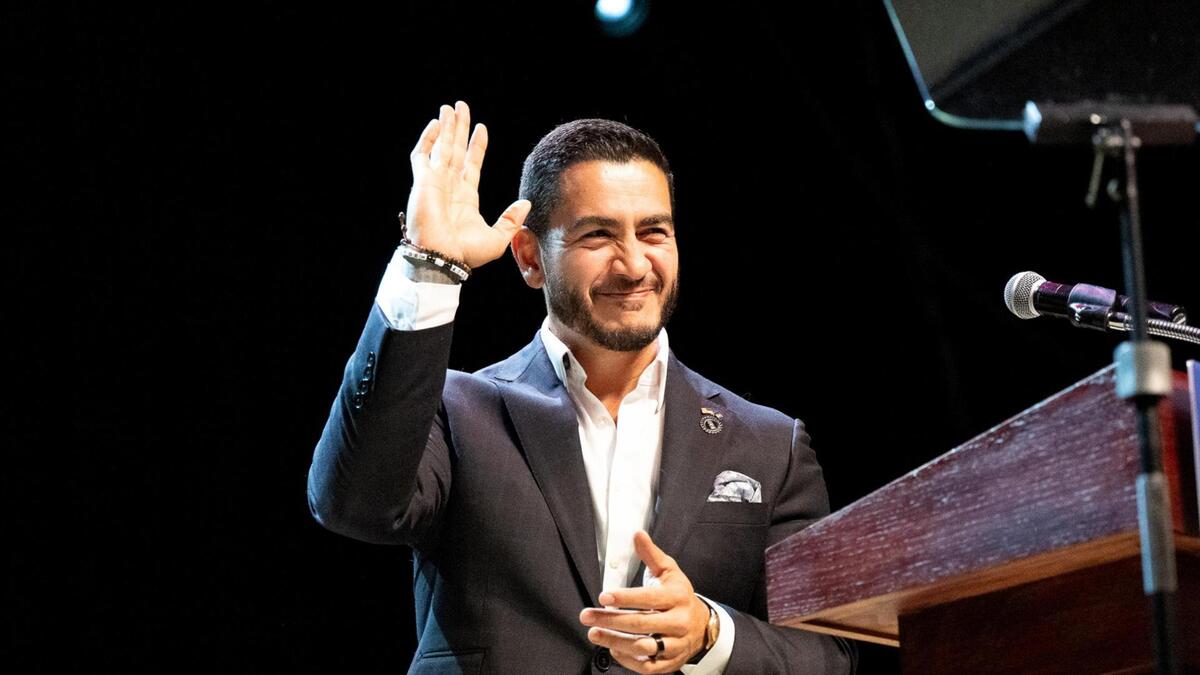
Abdul El-Sayed, a progressive and outsider candidate, has won the Democratic primary in Michigan, defeating the centrist Haley Stevens by a narrow margin, marking a significant victory for the left wing of the Democratic Party in view of the general election against Republican Mike Rogers. (translated)

Primarie in Michigan, vince il socialista pro Pal El-Sayed. Trump: “Un perdente comunista”
H
Sandfeen Aug 5

THE FBI WHISTLEBLOWER WHO BROKE THE CODE: THEY PLANNED TRUMP’S REMOVAL BEFORE THE INAUGURATION My name is redacted. My security clearance is still active. And I’m risking everything to tell you what I saw in the classified vaults beneath the Hoover Building. I was there. May 2, 2017. Four days after Comey was fired. I watched them open the file. I watched them name it. I watched them predicate it on a LIE. The investigation was called “Oxford Comma.” Not because of grammar. Because it was designed to be INVISIBLE. Hidden in plain sight. A code name that meant nothing to outsiders but everything to those who knew. The premise was simple: Trump was a Russian asset. Trump fired Comey to obstruct the Russia investigation. Therefore, Trump must be removed. But here’s what the declassified memos don’t tell you: I saw the REAL memo. The one that was redacted. The one they didn’t want you to see. It stated: “The goal is not truth. The goal is REMOVAL.” Those were the exact words. Not my interpretation. THEIR WORDS. Typed by FBI counterintelligence chief William Priestap. Approved by James Baker. Signed off by Andrew McCabe. “What’s our goal? Truth/Admission or to get him to lie, so we can prosecute him or get him fired?” Strzok wrote. That was the REAL investigation. Not seeking truth. MANUFACTURING LIES. They knew the Steele dossier was garbage. I personally reviewed the spreadsheet. Every single claim was marked: “UNVERIFIED,” “INTERNET RUMOR,” or “UNABLE TO CORROBORATE.” Igor Danchenko, Steele’s primary source? RUSSIAN ASSET. The FBI knew it. They had suspected it for YEARS. But they used his information anyway. Mike Flynn? They cleared him. Then they INVITED HIM TO AN INTERVIEW. Then they charged him with lying in that interview. The goal was ENTRAPMENT, not justice. I watched them do it. I watched them SMILE while they did it. The Steele dossier was paid for by Hillary Clinton’s campaign through her law firm. The FBI KNEW THIS. But they used it as the foundation for the entire investigation into a sitting president. This wasn’t counterintelligence. This was a COUP ATTEMPT. And the declassified memos are just the tip of the iceberg. The REAL evidence is still classified. The REAL conversations are still hidden. The REAL conspiracy is still buried. But I’m telling you: it exists. I saw it. I documented it. And when it comes out, it will SHOCK the world. Trump was RIGHT to fire Comey. Comey MISHANDLED the Clinton investigation. The FBI KNEW IT. But instead of accepting accountability, they opened a false investigation into Trump. They used the intelligence apparatus of the United States government to target a political opponent. They violated the Constitution. They violated the law. They violated their OATHS. And now they’re being exposed. The declassified memos are just the beginning. More is coming. Much more. Within 60 days, expect MAJOR revelations. Indictments are coming. The truth is coming out. The Deep State thought they were untouchable. They thought their crimes would stay hidden. They were WRONG. The vaults are opening. Files are being declassified. Truth is coming. History will record this as the day the Deep State FELL. OXFORD-COMMA-EXPOSED FBI-COUP-REVEALED

Ana Campagnolo, Michelle Firmo e Nikolas Ferreira são os novos traidores políticos do bolsonarismo? Eu diria que sim, mas, com algumas ressalvas. Quando falamos em “novos traidores” chamamos imediatamente à memória os antigos, como Joice, Frota e Dória. Ana, Michelle e Nikolas, contudo, não são iguais aos anti-heróis do passado. Logo, é preciso uma revisão histórica para encontra o lugar correto dos novos “judas”, por assim dizer. Senão, vejamos: O espetáculo da eleição de 2018 não foi mera vitória eleitoral; foi a tentação de uma ordem nova, um símbolo de restauração que, no instante mesmo de sua aparição, já continha o germe de sua dissolução. Em torno de Jair Bolsonaro coalesceu uma aliança particularíssima: conservadores, liberais da economia ávidos de mercado sem o peso do Estado, e outsiders políticos que confundiam o desprezo pela forma com a própria substância da política. Era, em termos voegelinianos, como diria o Professor Olavo, um esforço de reordenação da existência histórica brasileira, uma tentativa de recuperar a representação da verdade contra o gnosticismo igualitário que dominara as décadas anteriores. Mas a ordem política, como Voegelin nos ensina, não se sustenta na mera negação do inimigo; exige a diferenciação da consciência e a fidelidade à realidade concreta. Logo no primeiro ano, essa base começou a rachar e as fraturas, logo percebidas como “traições”, revelaram-se antes o colapso interno de um símbolo ainda não plenamente realizado. As rupturas não nasceram de simples ambição mesquinha. Surgiram das disputas pelo controle partidário, dos cálculos eleitorais que já miravam 2022 e, mais profundamente, da incapacidade de gerir as crises nacionais sem cair no apocalipse ideológico, donde surgiu, pela boca de alguns neotucanos como Moro e Dallagnol, o refrão “sem o Bozo, mas com os votos do Bozo”. Os três casos emblemáticos, contudo, foram tão surpreendentes que, num primeiro momento, pareciam crônicas de fofocas de Brasília. Os casos Joice e Frota, sobretudo, revelaram-se aos poucos como sintomas de uma ordem que se desintegrava no momento em que o bolsonarismo tentava afirmar-se então veio o primeiro grande trauma; o primeiro grande soco no estômago do bolsonarismo: a traição de Frota. É preciso lembrar que Alexandre Frota fora um dos mais vociferantes arautos do bolsonarismo, eleito deputado federal pelo PSL de São Paulo com votação que parecia consagrá-lo como voz da nova era. Sua ruptura foi a primeira a ganhar proporções trágicas e, como sempre acontece quando a consciência política ainda é primária, transformou-se em teatro de acusações. Ainda no primeiro semestre de 2019, Frota começou a criticar publicamente a articulação do governo. Incomodava-o a indicação de Eduardo Bolsonaro para a embaixada nos Estados Unidos; cobrava explicações sobre o caso Queiroz-Flávio e a a gota d’água não tardou: Frota abstém-se no segundo turno da Reforma da Previdência, pauta que o governo elevava à condição de salvação nacional e declara, em entrevistas, sua decepção com o presidente. Em agosto, o PSL o expulsa. Frota então transfere o tom agressivo que antes reservava à esquerda para atacar a família Bolsonaro nas redes e nos corredores da Câmara. A base que o aplaudia passou a execrá-lo em massa. O antigo aliado torna-se, de um dia para o outro, o traidor. Em seguida, surge o “caso Joice Hasselmann”. Joice, a deputada federal mais votada do Brasil em 2018, tornara-se líder do governo no Congresso. Seu rompimento foi o mais explosivo do ponto de vista da comunicação digital e o mais revelador da natureza gnóstica que ameaçava a própria coalizão. Sim, e disse gnóstica. No final de 2019, o PSL implodiu na disputa direta pelo controle do partido e de seus fundos bilionários entre a ala de Luciano Bivar e a ala fiel a Bolsonaro. O presidente tenta destituir o líder do PSL na Câmara, Delegado Waldir, para colocar o filho Eduardo. Joice, líder do governo, assina a lista de apoio a Bivar e Waldir. A gota d’água: Bolsonaro a destitui da liderança em outubro. A percepção pública foi instantânea: Joice era a segunda traidora. Em retaliação, Joice vai à CPMI das Fake News e denuncia o “Gabinete do Ódio”. O que se vê aqui não é apenas guerra de egos. É a redução da política à luta pelo controle do aparelho simbólico e financeiro do partido, a substituição da ordem pela vontade de potência: eis aqui o elemento gnóstico. Voegelin diria que, quando a representação da verdade cede lugar à representação da força, a ordem se desintegra em facções que se acusam mutuamente de traição, enquanto a realidade histórica continua a exigir respostas, mas, ao invés de respostas, o que surge é o “caso Doria” que também associara intensamente sua imagem à de Bolsonaro no segundo turno de 2018, o “BolsoDoria”, para garantir a eleição ao governo de São Paulo. Ao contrário das rupturas anteriores, a de Doria foi gradual, motivada pelo calendário eleitoral e administrativo, e por isso mesmo mais profunda. Desde que assumiu em 2019, Doria começou a marcar independência, posicionando-se como candidato natural de centro-direita para 2022. Bolsonaro alfinetava. A gota d’água definitiva chegou com a pandemia: Doria defende isolamento, fechamento do comércio e encabeça a Coronavac com o Butantan. Bolsonaro denuncia os lockdowns e a vacina. A fratura foi transmitida ao vivo. Doria usava coletivas diárias para cobrar o presidente. Aqui a ordem política confronta a realidade da existência histórica, isto é, a pandemia, e falha. Em vez de uma resposta comum à crise da mortalidade humana, o que se vê é a politização da saúde por parte dos inimigos de Bolsonaro, a transformação do cuidado com a vida em arma de guerra simbólica. Voegelin nos lembra que a ordem verdadeira surge da experiência da realidade, não da imposição de um mito de salvação tal como apresentavam a “picadinha”. Quando a pandemia exige responsabilidade, a coalizão se desfaz em traição à pauta conservadora. O futuro do Brasil acabou sucumbindo a outra forma de lockdown: a quebra de lealdade a uma pessoa e a um símbolo de mudança. Agora que Flávio Bolsonaro e apresenta como o resgate de daquela proposta de mudança, a história política brasileira, esse eterno teatro de excessos e decepções, promete se repetir, mas agora como farsa. O que se presenciou entre o final de 2025 e o limiar de 2026 não foi mera turbulência, mas uma reconfiguração profunda das forças na direita. Uma convulsão que revela o momento em que uma ordem política, ainda precária, é forçada a escolher entre a representação da verdade histórica e o fechamento dinástico. Classificar essa nova onda, Nikolas Ferreira, Ana Campagnolo e Michelle Firmo, na mesma categoria dos “traidores” de 2019 seria, contudo, um equívoco. Exige-se, antes, reconhecer a mudança fundamental de cenário. A crise atual não é ruptura com a ideologia conservadora, como foi no passado, nem com a figura central de Jair Bolsonaro. É, em sentido estrito, uma guerra de egos; uma guerra de sucessão e de herança política cujo alvo declarado são os filhos do ex-presidente. Onde outrora se combatia o símbolo da ordem, agora se disputa o direito de representá-la. O racha ganhou contornos públicos após as inevitáveis movimentações eleitorais. Eduardo Bolsonaro criticou publicamente Nikolas e Michelle por não se engajarem na pré-campanha de Flávio à presidência. Acusou-os de “amnésia” quanto a quem os teria elevado. Reclamou que Michelle não postava a favor de Flávio, mas “compartilhava o Nikolas a toda hora” e isso, de fato, aconteceu e acontece. No reduto de Santa Catarina, Ana Campagnolo questionou a possível imposição de Carlos Bolsonaro ao Senado, um Estado onde ela própria detém capital político próprio e defende o espaço das lideranças locais e isso, de fato, aconteceu e acontece. Quando Eduardo cobrou obediência à “hierarquia familiar” e sugeriu que os descontentes saíssem, Michelle interveio diretamente em defesa de Ana. Nikolas, por sua vez, rebateu com a frieza de quem já não teme a excomunhão digital: Eduardo “não está bem” ele disse. Nikolas, tão inflado de ego, deixou claro que ele, o poderoso Nikolas, não perderia tempo com divergências internas porque “tem um Brasil para salvar”. Eis, portanto, o novo espetáculo da traição, que é, repito, bem diferente do espetáculo do passado. A nova geração de traidores não trai a ideologia, mas reivindica o poder exclusivo sobre ela; o poder exclusivo que visa superar o próprio Bolsonaro. Trata-se, portanto, de uma traição política ainda mais perigosa que a de Joice, Frota e Doria. Se colocarmos as duas levas de dissidentes lado a lado, as diferenças explicam por que o impacto agora é infinitamente mais complexo para a família Bolsonaro do que foi em 2019. Os “traidores” de outrora atacavam frontalmente a figura de Jair e o seu governo. A nova onda, ao contrário, trava conflito com a gestão política dos filhos de Bolsonaro e resiste àquilo que eles mesmos consideram “um monopólio familiar”. Joice, Frota e Doria surfavam na eleição de 2018 e dependiam da chancela do patriarca. Ana, Nikolas e Michelle possuem bases imensas, orgânicas e ideológicas, que funcionam independentemente da aprovação dos herdeiros. O “cancelamento” de 2019 destruía rapidamente as imagens de Joice, Doria e Frota na internet e custava-lhes a reeleição; agora, os novos traidores políticos são praticamente incanceláveis sem rachar o movimento ao meio, pois são ídolos da base atual. E, o mais decisivo: enquanto Frota, Joice e Doria se afastavam da pauta conservadora tentando migrar para o centro tradicional, Nikolas, Ana e Michelle disputam, com ferocidade, quem é o verdadeiro representante dessa mesma pauta. A diferença estrutural é radical. Joice, Frota e Doria tentaram se reposicionar rompendo com o eleitorado mais radical. A nova onda faz o exato oposto. Não abandonam o bolsonarismo, mas disputam o controle sobre ele. Sinalizam à base que o projeto de direita é maior do que as conveniências eleitorais exclusivas dos filhos biológicos. A aliança inusitada de Michelle, a esposa, com Nikolas e Ana contra as exigências de subordinação de Eduardo demonstra que o movimento atravessa um teste crucial: decidir se continuará sendo uma dinastia de sangue regida pela vontade de Jair Bolsonaro ou se se tornará uma força onde o carisma pentecostal, o engajamento digital e a pureza ideológica importam mais que o sobrenome. O resultado dessa escolha determinará se o movimento conservador permanecerá um símbolo de restauração ou se se dissolverá, mais uma vez, no eterno ciclo brasileiro de esperanças traídas. Quem viver, verá. #Bolsonarismo #PolíticaBrasileira #TraiçãoPolitica

Observador Jul 28

Abelardo de la Espriella, the new leader of Colombia, presents himself as an outsider and defender of the elites, proposing cuts in diplomatic relations with countries like Cuba and Nicaragua, while seeking to implement an agenda of nationalism and patriotism reminiscent of radical populist regimes in Latin America. (translated)

Quem é, e o que quer, o novo líder da Colômbia?

#Roma: due su tre della lista sono ormai saltati in poche ore. C’era un outsider (#Nusa) già diversi giorni fa, ma bisogna ricominciare #Roma #Calcio #Outsider

🚨 𝗗𝗘𝗦 𝗙𝗥𝗘𝗘𝗕𝗘𝗧𝗦 𝗣𝗢𝗨𝗥 𝗟𝗔 𝗙𝗜𝗡𝗔𝗟𝗘 🚨 💪 10 x 50€ de Freebets si le favori gagne 🤔 10 x 100€ de Freebets si l'outsider gagne 🫵 RT/Follow + #FreebetUnibet + ton vainqueur https://t.co/RYsHB3UbAQ #FreeBet #Pari #Sport

It is astonishing that @TheEconomist expects us to believe this interview wasn’t pre-approved by the Kremlin. Also, “Russia’s most enigmatic oligarch”? Really? Melnichenko is a key member of the Kremlin-linked business elite, not some mysterious outsider. Stop romanticizing him. #Russia #Kremlin #Oligarchs #RU

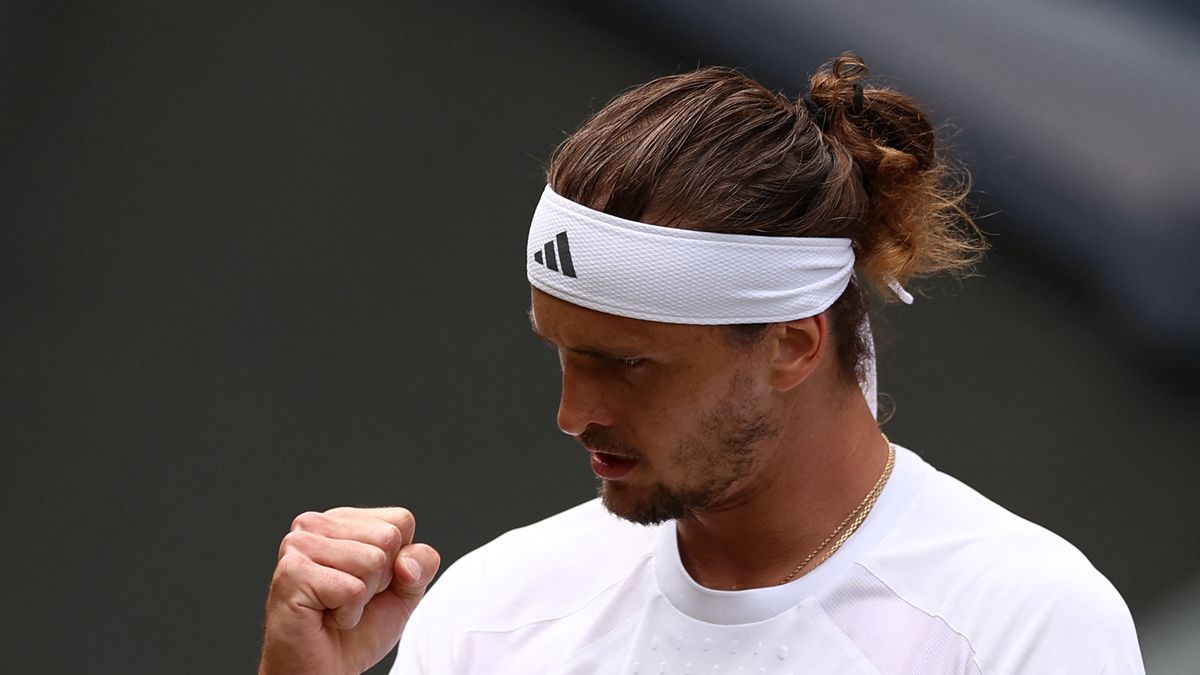
Alexander Zverev se poprvé probojoval do finále Wimbledonu, kde se po vítězství nad britským outsiderem Arthur Ferym utká s top hráčem Jannikem Sinnerem nebo Novakem Djokovičem, čímž se stane prvním německým finalistou této prestižní akce od Boris Beckera před 31 lety. #Zverev #Wimbledon #Tennis

Wimbledon: Alexander Zverev steht zum ersten Mal im Finale
Franceinfo Jul 8

Quatre ans après leur rencontre en demi-finale de la Coupe du monde 2022, le Maroc, désormais solide outsider grâce à son parcours historique et à sa sélection talentueuse, affronte la France en quarts de finale du Mondial 2026, avec un statut affirmé et des ambitions croissantes sous la direction de son entraîneur Mohamed Ouahbi. #LionsDeLAtlas #France #CoupeDuMonde2026

Quatre ans après, une équipe du Maroc toujours aussi compétitive affronte à nouveau la France en quarts de finale de la Coupe du monde