BETA nonprofit public democratic european moderated

Search

#Pricing
Mira 4d

GPT-6 Astra has just beaten a standard game of Factorio with enemies enabled after nearly 44 hours in-game time, and 4 days 11 hours on his Codex /goal clock. At API pricing, logs indicate it would've cost about $4500. It could probably be 50x cheaper by offloading more to Luna https://t.co/WJ94oQrVOk #GPT6 #Factorio #AIgaming #Therearenospecificcountriesmentionedinthetweetprovided.

Luciano Magaldi Sardella, LSE Review of Books, “A currency in crisis — the euro’s structural fragility” SOURCE: https://medium.com/@ingnucllms/luciano-magaldi-sardella-lse-review-of-books-a-currency-in-crisis-the-euros-structural-7203469e2706 Source: https://lnkd.in/dBJpcU3n Ringraziando in anticipo: - Redattrice Ms Anna D’Anton, Managing Editor di LSE Review of Books, London School of Economics and Political Science(LSE). - Dr John H. Cochrane, Senior Fellow della Hoover Institution presso Stanford University e autore di opere fondamentali quali The Fiscal Theory of the Price Level e Asset Pricing (entrambe Princeton University Press). - Dr Luis Garicano, Professore di Politiche Pubbliche alla London School of Economics, già membro del Parlamento Europeo dal 2019 al 2022. - Dr Klaus Masuch, che ha accompagnato l’Euro dalla sua nascita, ricoprendo ruoli di primissimo piano alla Banca Centrale Europea per oltre vent’anni, dalla strategia di politica monetaria alla supervisione dei paesi dell’UE. Un onore che non dimenticherò facilmente: ho avuto il privilegio di continuare il mio ruolo come recensore di saggistica accademica per la londinese LSE, na delle più autorevoli pubblicazioni accademiche al mondo, il volume: “Crisis Cycle: Challenges, Evolution, and Future of the Euro”, pubblicato dalla “Princeton University Press” della Princeton University, Ivy League, USA. Questo capolavoro editoriale analizza l’evoluzione dell’Euro dal suo idealismo fondativo fino all’attuale fragilità istituzionalizzata, rivelando come l’unione monetaria si trovi intrappolata in un circolo vizioso di crisi e improvvisazione. Ringrazio di cuore i Professori Cochrane, Garicano e Masuch per aver scritto un’opera di tale profondità e lucidità. Recensire un lavoro simile è, prima ancora che un compito, un’opportunità intellettuale rara.

Luciano Magaldi Sardella, LSE Review of Books, “A currency in crisis — the euro’s structural fragility” SOURCE: https://medium.com/@ingnucllms/luciano-magaldi-sardella-lse-review-of-books-a-currency-in-crisis-the-euros-structural-1bb7a4c8b16a Source: https://lnkd.in/dBJpcU3n With my sincerest thanks in advance to: - Ms Anna D’Alton, Managing Editor of the LSE Review of Books, London School of Economics and Political Science. - Dr John H. Cochrane, Rose Marie and Jack Anderson Senior Fellow of the Hoover Institution at Stanford University, and author of such foundational works as The Fiscal Theory of the Price Level and Asset Pricing (both Princeton University Press). - Dr Luis Garicano, Professor of Public Policy at the London School of Economics and Political Science, and former Member of the European Parliament from 2019 to 2022. - Dr Klaus Masuch, who has accompanied the euro from its very inception, having held positions of the highest responsibility at the European Central Bank for over two decades — from the stewardship of monetary policy strategy to the oversight of EU member states. This is an honour I shall not readily forget. I have had the distinct privilege of continuing my role as academic reviewer for the LSE Review of Books — one of the most authoritative scholarly publications in the world — with the volume: “Crisis Cycle: Challenges, Evolution, and Future of the Euro,” published by Princeton University Press of Princeton University, Ivy League, USA. This quite remarkable work examines the evolution of the euro from its founding idealism to its present institutionalised fragility, laying bare how the monetary union has found itself ensnared in a self-reinforcing cycle of crisis and improvisation. It is a work of rare distinction, blending scholarly rigour with the hard-won wisdom of those who have shaped European economic policy at the very highest level. I extend my most heartfelt gratitude to Professors Cochrane, Garicano and Masuch for producing a volume of such depth, lucidity and intellectual courage. To review a work of this calibre is, before all else, an uncommon privilege.

Novinky 2w

Babiš's ANO movement did not gain a majority in the towns affected by the tornado, despite winning in the parliamentary elections in 2021, which was reflected in the criticism of its representatives after the disaster and in the paradoxical positive effects of the tornado on the modernization of the towns. (translated)

HP Tronic, vlastník Datartu, neuspěl s odvoláním. Pokuta 39 milionů platí

Cold Beer and Hot Showers - Not Kilowatt-Hours All That Consumers Want The energy sector spends an extraordinary amount of time talking about generation, transmission, storage, flexibility, markets, tariffs, balancing, ancillary services, carbon emissions, batteries, hydrogen, demand response, electrification pathways, system costs, capacity mechanisms, investment signals, market design and regulation. All of these things matter. Some of them matter enormously. But there is a simple question that often disappears somewhere between the conference room, the policy paper and the technical model: What does the customer actually want? The answer is surprisingly simple. Most people do not wake up in the morning thinking about kilowatt-hours. They do not dream about capacity markets. They do not worry about frequency stability. They do not spend their evenings comparing balancing mechanisms. They want cold beer and hot showers. They want a warm home in winter and a cool home in summer. They want the lights to turn on when they press the switch. They want their phone charged, their food refrigerated and their car ready when they need it. In other words, they do not want energy. They want what energy allows them to do. That distinction may sound trivial, but it changes almost everything. For more than a century, the energy industry has been organized around the production, transportation and sale of energy itself. Electricity became measured in kilowatt-hours. Gas became measured in cubic meters. Fuel became measured in litres or tonnes. Markets, regulations and business models were built around those units. The customer, however, never experienced life in kilowatt-hours. The customer experienced comfort. Convenience. Mobility. Reliability. Security. The units used by the industry and the outcomes desired by the customer were never the same thing. For a long time, this mismatch was not particularly important. Energy was relatively scarce, flexibility was limited, and the dominant challenge was supplying enough fuel to satisfy demand. The system could afford to focus on production because production was the central problem. Today the situation is changing. Electrification is transforming energy systems around the world. Renewable generation is increasing rapidly. Batteries are appearing in homes, businesses and vehicles. Buildings are becoming smarter. Heat pumps are replacing boilers. Electric vehicles are becoming mobile storage assets. Customers are increasingly able not only to consume energy but also to store it, shift it, manage it and sometimes even sell it. As this happens, the most valuable question is no longer simply how much energy is produced. The more important question becomes: How well is energy aligned with what people actually need? A family does not care whether its water heater operates at noon or at two in the afternoon if hot water is available when someone steps into the shower. A homeowner does not care whether a battery charges at 1 p.m. or 3 p.m. if electricity costs less and reliability improves. An electric vehicle owner does not care when charging occurs as long as the vehicle is ready when needed. The objective is not the kilowatt-hour. The objective is the service. This is why many of the most important developments in modern energy systems are not really about producing more energy. They are about matching energy to the service required, at the right time, in the right place and in the right form. The technical term for this is often hidden behind complicated language. Experts discuss flexibility, demand management, dynamic pricing, distributed energy resources and system optimization. Consumers experience something much simpler. They experience agency. They experience the ability to save money without sacrificing comfort. They experience the ability to make choices. They experience the ability to benefit from technologies that work for them rather than asking them to work for the technology. This is where many debates become confused. Consumers do not want to be coordinated. They want agency. Good energy systems do not force people to behave differently. They make beneficial behaviour easier, more natural and more rewarding. The best systems do not rely on control. They rely on alignment. When the customer’s interest aligns with the system’s interest, remarkable things become possible. Demand shifts naturally. Storage becomes useful. Flexibility appears. Costs decline. Reliability improves. The customer does not need to understand the complexity underneath. Just as nobody needs to understand how the internet routes packets around the globe in order to send a message, nobody should need to understand wholesale electricity markets in order to enjoy affordable energy services. Success is not measured by how much complexity consumers are asked to absorb. Success is measured by how much complexity the system absorbs on their behalf. The future energy system will undoubtedly involve more digital technology, more electrification, more storage, more automation and more coordination. But none of those are the destination. They are merely tools. The destination remains exactly what it has always been. Cold beer. Hot showers. Comfortable homes. Reliable mobility. Affordable bills. Everything else is infrastructure. And perhaps that is the simplest way to understand the energy transition. People do not want kilowatt-hours. They want the life that kilowatt-hours make possible.

In basic terms, CDS are pricing a higher probability of default by the issuer and/or lower expected recovery in the case of a default. Which puts some serious question marks around NVDIA's income statement and balance sheet - both. #CDS #NVIDIA #Default #Nospecificcountriesarementionedinthetweet.Therefore #therearenocountrycodestoreturn.

Matti Molari Jul 25

Jännä, etteivät ihmiset olleet valmiita maksamaan hallin lattialla yöpymisestä 130 euroa (ja silti piti tuoda oma patja). Finland Events yritti laillista ryöväystä 🤷‍♂️ Täytyy vain ihmetellä, miten röyhkeä yritys voi olla. https://t.co/oe02na8avc #Finland #Events #Pricing

🇨🇳🇺🇸 #China’s Dollar Deposit Rates Top 3% on Fed Hike Bets - Securities Daily *Chinese lenders lifted USD time deposit rates above 3% ahead of July Fed meeting, pricing in a potential US rate hike, the Securities Daily reported.Industrial Bank offers 3.2% on one-year lump-sum #China #DollarDepositRates #FedHike #CN #US

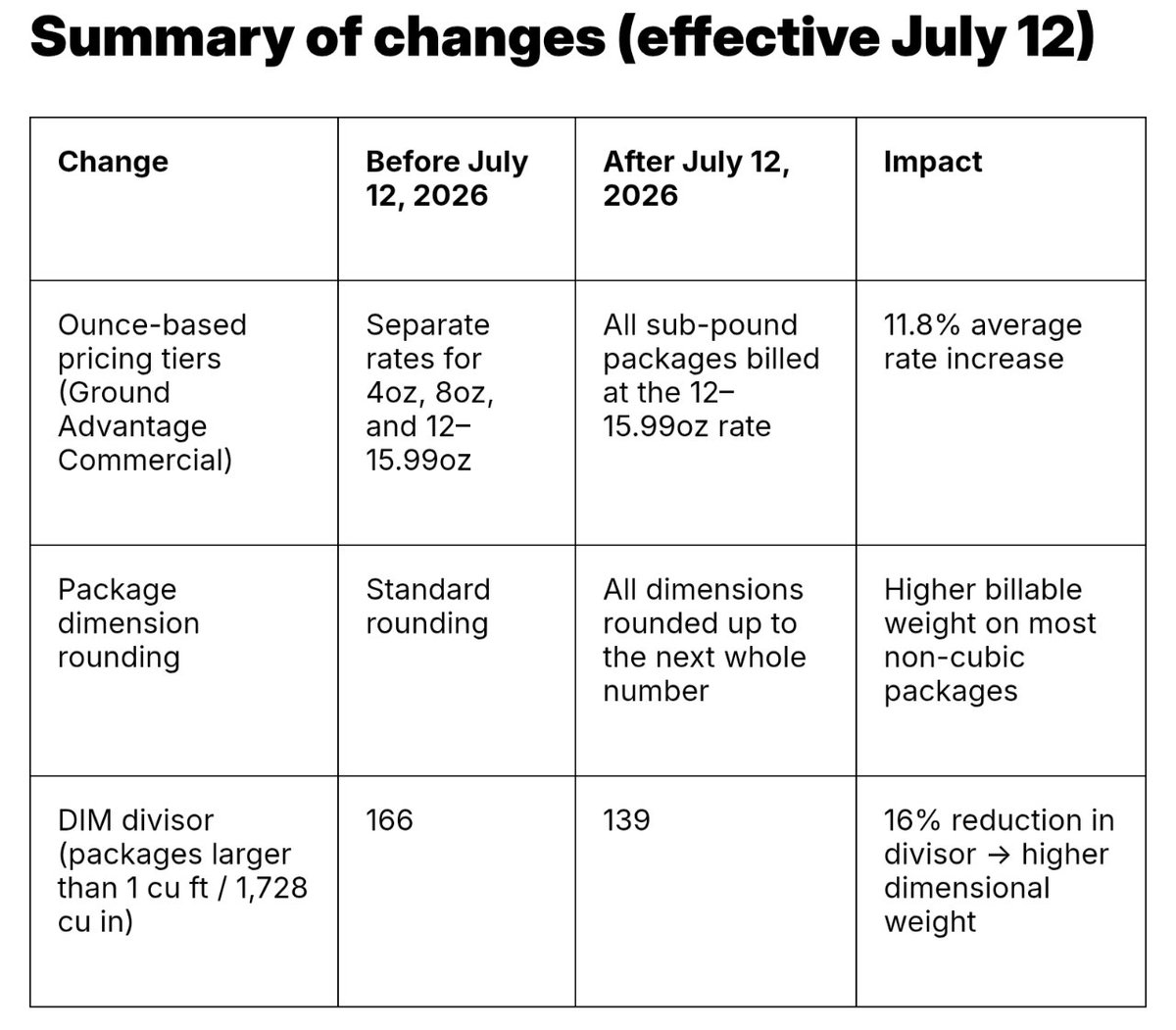
USPS plans to do away with the 4-ounce and 8-ounce pricing tiers entirely, instead applying the existing 12-ounce to 15.99 ounce rate across the entire sub-one-pound range. Small e-commerce sellers and high-volume parcel shippers that rely on lightweight packages or ship https://t.co/s1xcfBwqQO #USPS #Ecommerce #Shipping #Nospecificcountrycodesarementionedinthetweet.

Kama Jun 24

Pricing the base copy at $80 and ultimate at $100, while locking so much shit behind a paywall, makes it very clear now that GTA6 is actually $100. Very difficult to ignore tbh. https://t.co/Tx5U5fKWQ3 #GTA6 #Paywall #Gaming #Nospecificcountrycodesidentifiedinthetweet.

Denník N Jun 24

V 13. dni Majstrovstiev sveta vo futbale 2026 sa pozornosť sústredila na príbeh chorvátskeho hrdinu Ante Budimira, ako aj na zistenie denníka Guardian o nezvykle vysokých cenách vstupeniek, ktoré sú výsledkom vysokého dopytu a praxí dynamického pricingu zo strany FIFA. #MS2026 #futbal #vstupenky

13. deň MS: Chorvátsky hrdina musel utiecť pred vojnou. Guardian odhalil, prečo sú lístky také drahé

🇺🇸 The biggest question facing new Fed Chair Kevin Warsh isn’t where rates go next ⚠ ➡ It’s whether AI is a productivity revolution happening now—or a productivity promise that markets are pricing in years too early. The historical parallel is Alan Greenspan in the 1990s: • #AI #ProductivityRevolution #FederalReserve #US

KryptoRobbe Jun 12

Mit Stolz darf ich verkünden, dass ich meinen Bachelor in Finance & Makroökonomie als einer der Jahrgangsbesten abgeschlossen habe. Die letzten drei Jahre waren echt hart für mich. Es gab viele Phasen, in denen man einfach funktionieren musste, auch wenn der Kopf & Körper längst eine Pause gebraucht hätte. Rückblickend waren es genau diese Momente, die mich am meisten geprägt haben. Insgesamt sind rund 10’000 Stunden in diesen Abschluss geflossen. 100-Stunden-Wochen waren dabei keine Seltenheit. Mein letztes freies Wochenende liegt im Oktober 2025 zurück. Knapp acht Monate ist das her. 35 Prüfungen später und mit einer Arbeit, die in Zukunft in einem wissenschaftlichen Paper veröffentlicht wird, ist nun der erste grosse Schritt vollbracht. Während des Studiengangs durfte ich unheimlich viel über die Finanzmärkte lernen. Von der Unternehmensbewertung über das Pricing von Bonds, Aktien, Forwards, Futures und Swaps bis hin zur Anwendung verschiedener Investmentstrategien wie Value, Growth und Momentum sowie globalen makroökonomischen Zusammenhängen war alles dabei. Heisst das jetzt, dass ich alles weiss? Natürlich nicht. Auch ich stehe noch am Anfang meiner Reise. Aber ich lehne mich dennoch ein Stück weit aus dem Fenster und sage, dass ich mir über die Zeit ein Verständnis für Finanzen angeeignet habe, das nicht jeder von sich behaupten kann. Nicht nur an der Oberfläche, nicht nur durch Zusammenfassungen oder KI-generierte Erklärungen, sondern durch Theorie, Anwendung, Fehler, Wiederholung und echte Auseinandersetzung mit dem Stoff. Und genau das möchte ich in Zukunft auf diesem Kanal noch stärker in den Vordergrund stellen. Ich möchte euch nicht nur durch den Krypto-Space begleiten, sondern euch auch finanziell weiterbilden. Denn ich bin überzeugt, dass finanzielle Bildung in unserem System bei vielen viel zu kurz kommt, obwohl sie so wichtig ist. Doch bevor ich das mache, gönne ich mir seit Langem mal wieder eine kleine Auszeit. Einfach mal abschalten und im Moment leben. Keine Deadlines, keine Prüfungen, nichts. Am Wochenende fliege ich dafür für eine Zeit auf die Philippinen und werde für ca. zwei Wochen auf YouTube pausieren. Auf X werde ich, sofern sich am Markt etwas tut, natürlich dennoch für euch aktiv sein. Ich wünsche euch ein schönes Wochenende und bis bald, eure Robbe #Finance #Education #Achievement

The 2026 World Cup, featuring a record 1,248 players from 48 teams and taking place across Canada, Mexico, and the United States, kicks off today with co-host Mexico facing South Africa, amidst controversies such as border control issues and ticket pricing, while Spain, France, and Argentina are among the favorites to compete for the title. #WorldCup2026 #SoccerFans #FIFAWC

The 2026 World Cup kicks off today - here's everything you need to know

Football must not become a playground for investors and pricing algorithms. When supporters are priced out of stadiums and clubs become assets in global ownership networks, we risk losing the very social and community value that makes sport special. Europe can no longer afford to stand by. We need robust rules on ownership, transparency, and ticket pricing to put fans back at the heart of the game and protect football as a public good, not just a profit-making business.

World Cup: Has Trump already ruined the vibes? MEPs debate in The Ring
www.euronews.com

helping national authorities take decisions on which new treatments to make available to patients. Robust, high-quality&uniform data can accelerate pricing&reimbursement decisions. Now with Member States we must use this framework effectively so innovation reaches patients faster #HealthInnovation #PatientAccess #DataDrivenDecisions #EU #MS

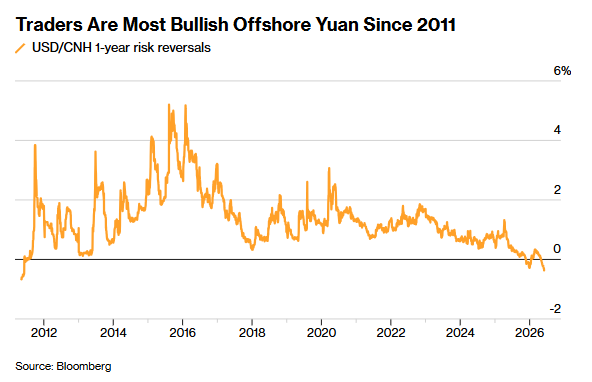
🇨🇳 Traders Most Bullish on #Yuan in 15 Years, Options Pricing Shows - Bloomberg https://t.co/VbuS2spfc9 https://t.co/45LdYaFoaH #Yuan #Traders #Bullish #CN

Observador May 28

Článek diskutuje problematiku surveillance pricing, kde společnosti účtují různé ceny různým zákazníkům na základě jejich osobních údajů, chování a situace, což vyvolává otázku etiky a férovosti této praxe v demokratické společnosti. #Vigilância #PreçosDinâmicos #ConsumoÉtico

O preço que muda quando sabe quem somos
Frenchie May 26

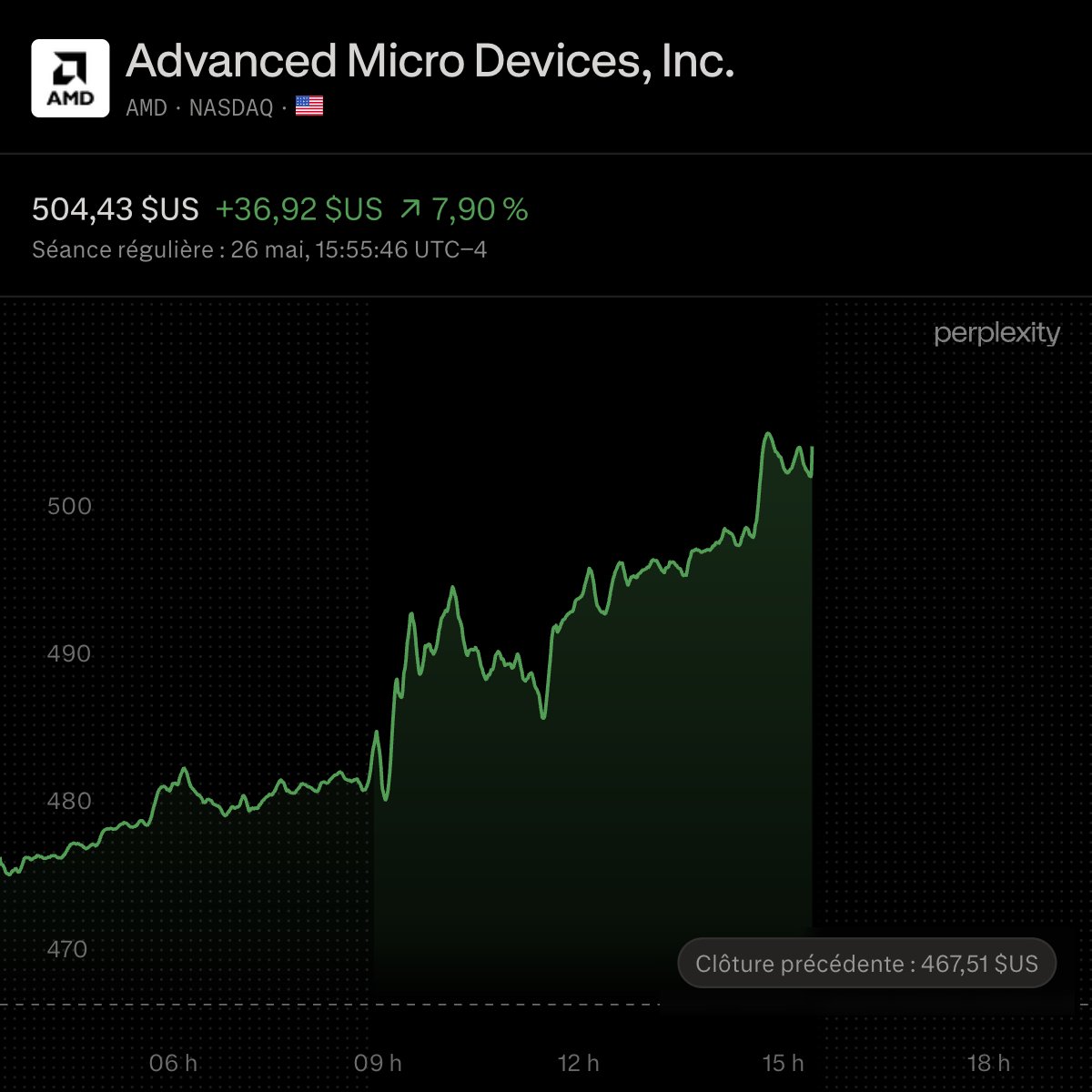
Je solde ma plus grosse conviction $AMD Le titre vient de franchir les 500$, un sommet historique. J'avais bâti la position autour de 87-88$ pendant le sell-off lié aux tariffs début 2025 puis renforcé sur la montée. >Soit un ~4.5x en environ 18 mois. La thèse initiale était simple, peut-être trop : Jouer AMD comme un beta haut de NVIDIA, en pariant sur un rattrapage de multiple et une exécution crédible face à $NVDA (notamment sur MI300/MI325). Le pari classique du challenger sous-valorisé sur un marché en expansion verticale. Mais la thèse a muté en cours de route et c'est ce qui a fait la différence. AMD n'est plus une optionalité sur le compute IA. C'est devenu un buy consensuel sur deux jambes structurelles : 1. Les CPU pour datacenter : EPYC a transformé la dominance Intel en duopole effectif, avec des parts de marché qui continuent de glisser en faveur d'AMD trimestre après trimestre. C'est du cash flow récurrent, défensif, à forte marge. 2. L'agentique IA La bascule du training vers l'inference distribué change la donne sur le GPU. MI350/MI400, ROCm qui mûrit, et surtout des design wins hyperscaler qui ne sont plus anecdotiques. AMD capture enfin une part crédible du capex AI, pas juste les miettes. Le re-rating reflète déjà tout ça. Le titre n'est plus pricé comme un challenger il est pricé comme un gagnant établi du cycle AI. Pour moi quand une position passe de play contrarien asymmétrique à un long consensuel, le profil risque/rendement n'est plus le même. Je vous voit venir, non ne shorte pas AMD Je ne dis pas que la boîte va décrocher. Je dis simplement que le pricing de la thèse initiale sont moins attirant qu'avant. À ces niveaux, je préfère redéployer le capital là où l'asymétrie existe encore. Je vend ici 1/3 de ma position. #AMD #Investissement #IA

RT @WhiteHouse: TrumpRx and Most-Favored-Nations Drug Pricing: Saving BILLIONS for Americans. Watch President Trump deliver remarks on Tru… #TrumpRx #DrugPricing #Healthcare #US